Category Archives: Uncategorized

Palm Springs – Desert Classic Concours d’Elegance

This year the Desert Classic Concours d’Elegance moved to the Desert Princess Country Club and Doral Desert Princess Resort in Palm Springs California on February 24th and Geoffrey Horton has kindly sent sent today’s selection of photographs to us an overview of some of the vehicles present.
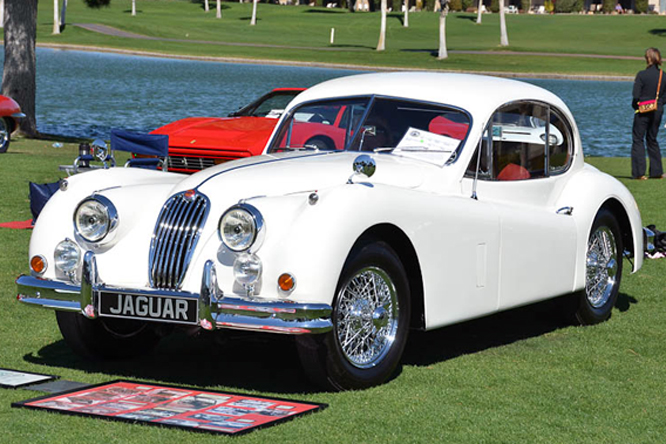
Jaguar XK 140 FHC SE, Desert Classic Concours d'Elegance, Palm Springs, CA

Geoffrey own 1955 Jaguar XK140 FHC SE/MC was looking more resplendent than ever in the spring California sun.
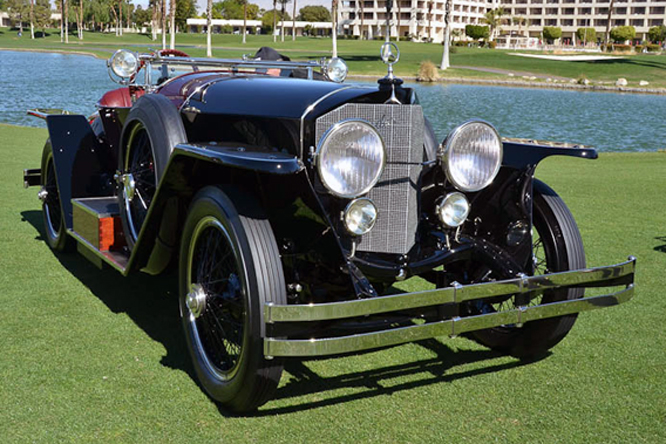
Mercedes Benz 28/95, Desert Classic Concours d'Elegance, Palm Springs, CA

When I saw this photo of a 1923 Mercedes Benz 28/95 I wondered if it was perhaps a creation from Gary L Wells workshop but in fact this beast with a 7.2 litre / 439 cui six cylinder aeroplane motor converted for road use is all the work of Mercedes Benz. The short wheel base version of the roadster, like the one seen here, was originally given the Targa Florio name after Mercedes Benz victories on the torturous Sicilian track in 1921 and 1922.
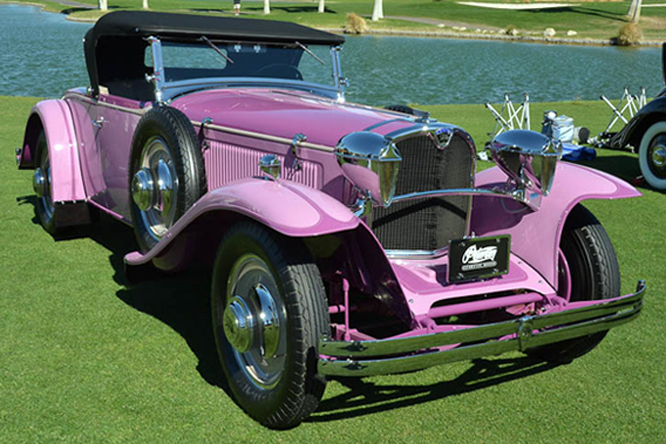
Ruxton Model C, Desert Classic Concours d'Elegance, Palm Springs, CA

Looking similar to a Cord L29 is this 1929 Ruxton Model C which like the Cord L29 has front wheel drive and a straight 8 engine but unlike the Cord L29 of which 4400 examples were built only 500 Ruxton Model C’s are thought to have been built the two tone lilac paintwork is standard for the period.
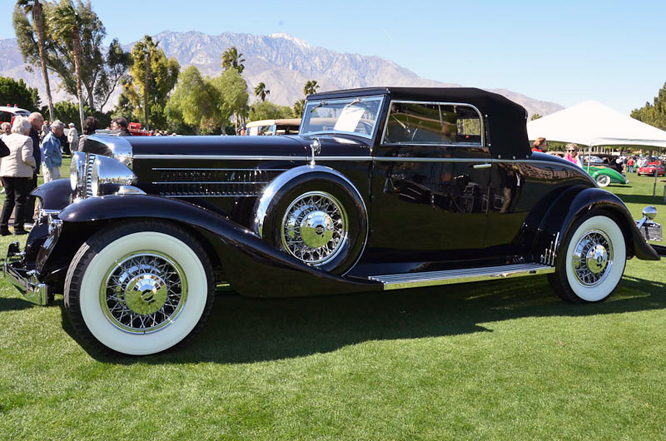
Marmon V16 Series 144, Desert Classic Concours d'Elegance, Palm, Springs, CA

Last year Geoffrey shared photo’s of a Marmon V16 Limousine, above is the last Marmon V16 sold in 1933, a Coupe version of which just 5 others are thought to remain.
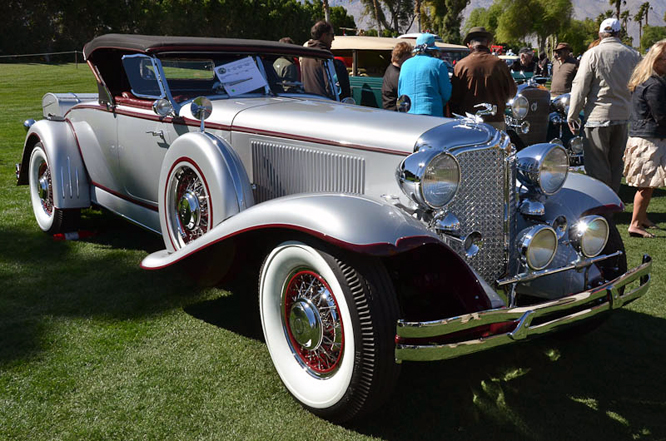
Chrysler Imperial, Desert Classic Concours d'Elegance, Palm, Springs, CA

Although powered “only” by a 6.3 litre / 384 cui straight 8 Geoffrey’s car of the show was without question this 1931 Chrysler Imperial which appears to have a sheen just a little brighter than all of the other vehicles seen on the day.
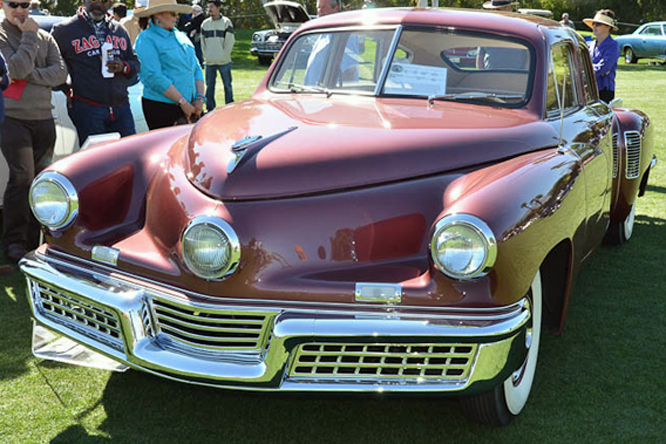
Tucker 48, Desert Classic Concours d'Elegance, Palm, Springs, CA

This 1948 Tucker 48 chassis #1003 featuring a motor in the boot / trunk and rear wheel drive is one of 51 built and is expected to fetch between US$1.5 and 1.9 million at auction on March 9th.
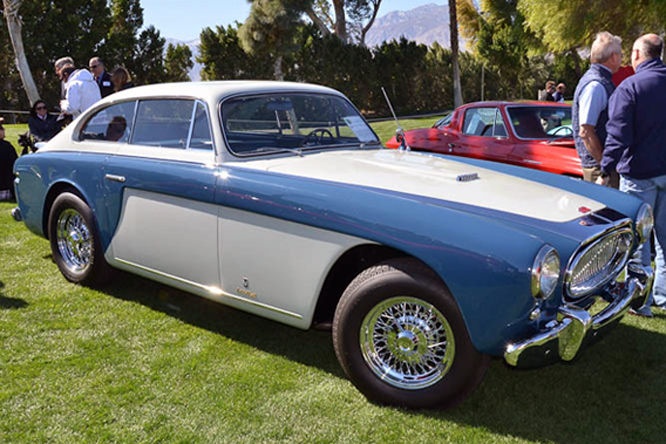
Cunningham C3, Desert Classic Concours d'Elegance, Palm, Springs, CA

Moving forward five years this 1953 Cunningham C3 is one of 20 Roadsters built in West Palm Beach, it is fitted with 331 cui Hemi V8 and was shipped to Turin for coachwork to be fitted by Vignale. In addition to the roadsters Cunningham built 5 C3 convertibles.
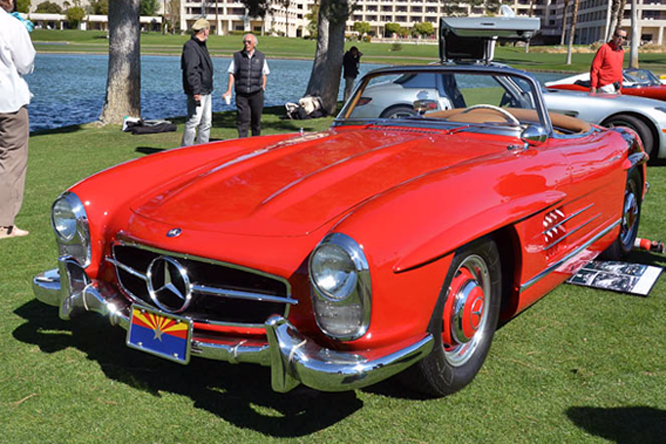
Mercedes Benz 300 SL, Desert Classic Concours d'Elegance, Palm, Springs, CA

This US Spec 1957 Mercedes Benz 300SL Roadster would have originally been distributed by Studebaker Packard Corporation.
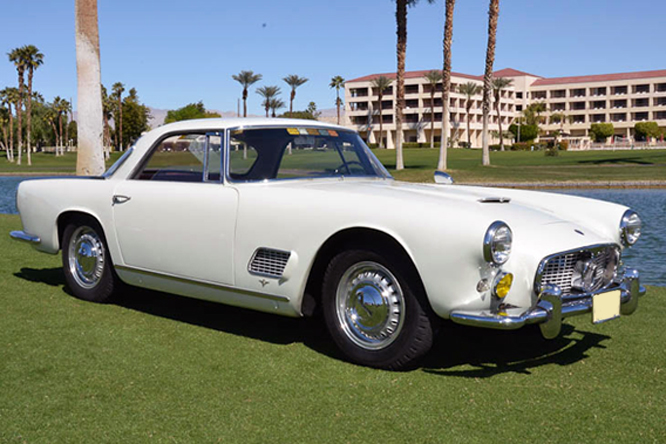
Maserati, 3500 GT, Desert Classic Concours d'Elegance, Palm, Springs, CA

According to the owner of this 1959 Maserati 3500 GT was sold new in Mexico and it “may” have once belonged to left wing Mexican President Adolfo Lopez Mateos.
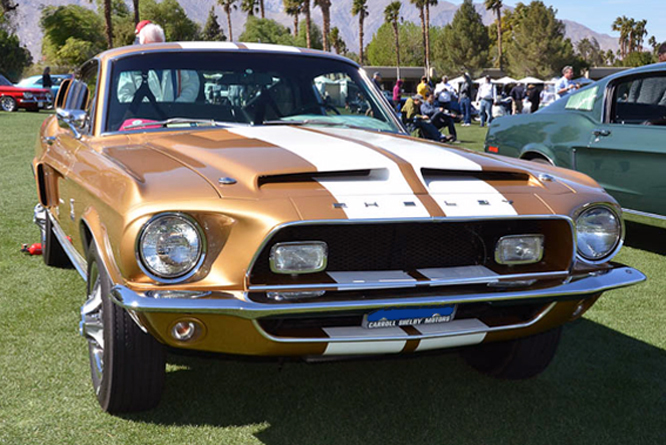
Shelby Cobra GT500, Desert Classic Concours d'Elegance, Palm, Springs, CA

The 1968 Shelby Cobra GT 500 above is fitted with a 428cui interceptor motor and had clocked well over 100,000 miles prior to a two year restoration in 2005, since when it has won a Best in Show award at the 2007 Cobra Owners Concours and been drag raced at California Speedway.
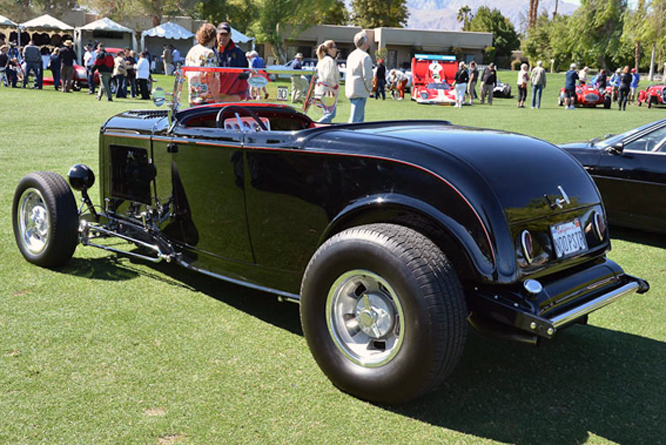
Ford Roadster, Desert Classic Concours d'Elegance, Palm, Springs, CA

Geoffrey tells me the ’32 Ford Roadster above belongs to well known IMSA racer Rick Knoop and packs 400 hp.
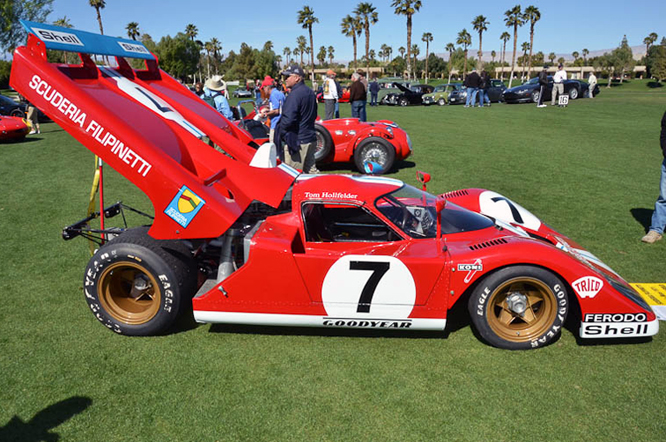
Ferrari 512M, Desert Classic Concours d'Elegance, Palm, Springs, CA

Finally a Friday car this much modified Ferrari 512 S was upgraded to M spec in 1971 and upgraded further by the Filipinetti team with a Porsche 917 windscreen to what has become known as M/F spec. Drivers of the car in period include Ronnie Peterson, Henri Pescarolo, Mike Parkes and Joakim Bonnier.

My thanks to Geoffrey Horton for sharing his photographs and a smidgen of welcome California sunshine.

Thanks for joining me on this “Palm Springs” edition of “Gettin’ a li’l psycho on tyres” I hope you will join me again tomorrow. Don’t forget to come back now !

Share

Two Bearing Crankshaft – Singer 8 Junior

Like many pioneering manufacturers of motor cars Singer Motors Ltd was founded as a manufacturer of bicycles, by George Singer in 1874. By 1901 the company had diversified into producing powered tricycles which were soon followed by powered bicycles. Singer built their first car in 1905. Over the next four Tuesday’s GALPOT will be looking at four models from the interwar years.

Singer 8 Junior, Bristol Classic Car Show, Shepton Mallet

The Singer 8 Junior was launched in 1926. Initially only a four seat tourer was available, in blue with black wings / fenders.

Singer 8 Junior, Bristol Classic Car Show, Shepton Mallet

For tax purposes the 4 cylinder motor was classed as having 8 horsepower, it featured gravity fuel feed, a crank running in just two bearings, overhead cam shaft, 6 volt electrics, that produced 16.5 hp at 3250 rpm. The motor would be the progenitor of future Singer power units for three decades.

Singer 8 Junior, Bristol Classic Car Show, Shepton Mallet

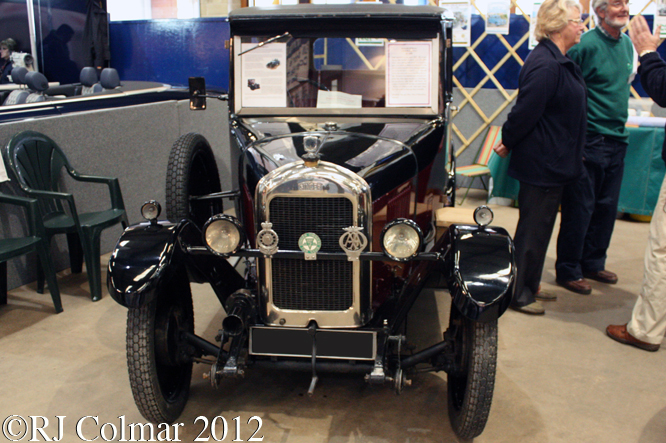
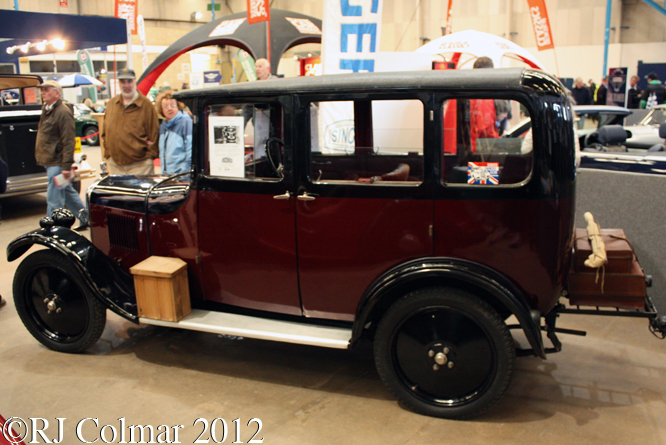
Eventually a range of different body styles were offered including Two Seater Tourer, Sunshine Saloon, Coachbuilt Saloon as seen here, Fabric Saloon, a two plus two called the Sportsman’s Coupe and a boat-tailed Sports which helped sell 6000 8 Juniors a year between 1927 and 1931 which made Singer the third largest manufacturer in the UK behind Austin and Morris.

Singer 8 Junior, Bristol Classic Car Show, Shepton Mallet

There were plans for the German Aga “Aga Fahrzeugwerke GmbH” company to manufacture Singer 8 Juniors under license, in much the same way as BMW manufactured the Austin 8 under license, but these plans came to naught, after a single prototype had been built Aga disappeared.

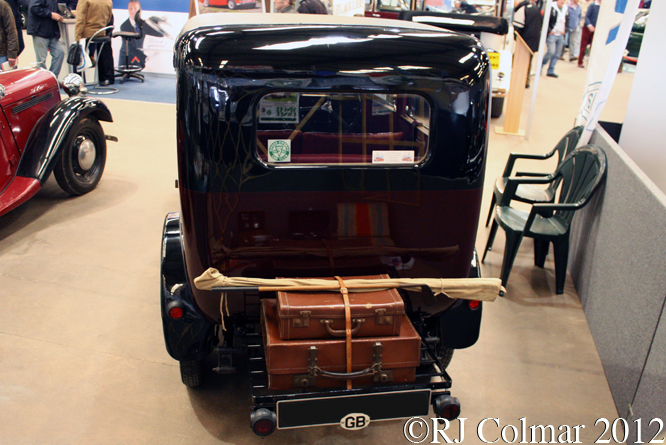
Today’s featured 1928 saloon / sedan was purchased by the current owners in 2009 at the Bristol Classic Car Show in Shepton Mallet, it is known to have resided in Cornwall and Surrey about 20 years ago. The owners say the car is great fun to drive “and we always get there eventually.”

Thanks for joining me on this “Two Bearing Crankshaft” edition of “Gettin’ a li’l psycho on tyres” I hope you will join me again tomorrow. Don’t forget to come back now !

Share

Hydraulic Brakes – Ford One Ton Pick Up

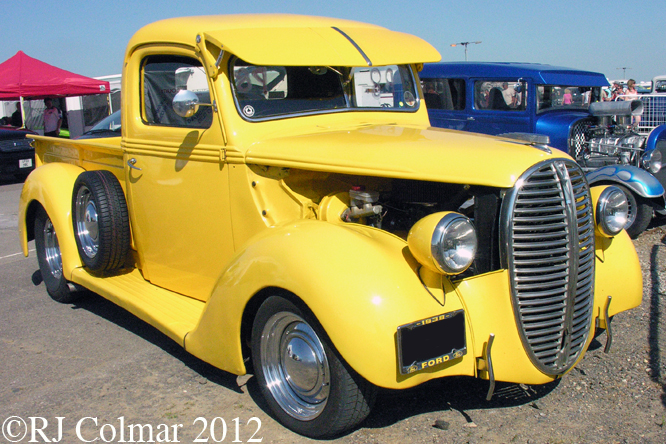
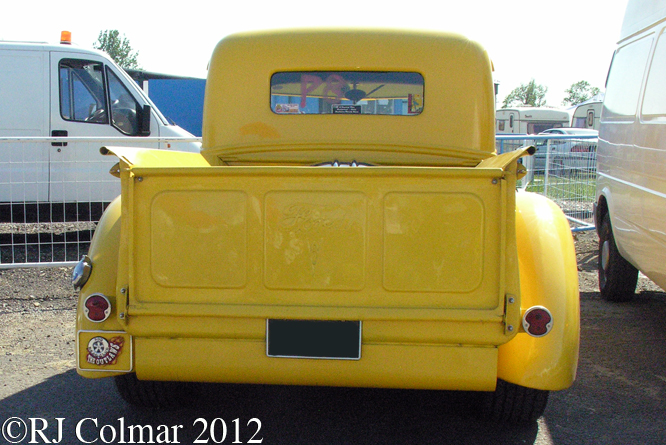
1939 saw Ford introduce numerous changes to it’s pickup range including the introduction of hydraulic brakes which most manufacturers had adopted many years earlier.

Ford 1 Ton Pickup, Shakespeare County Speedway

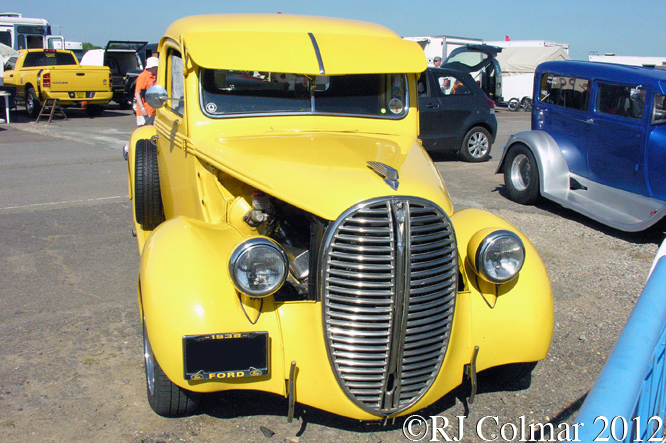
From the front the ’38 Ford Pickup’s were identifiable by the new oval grill, this feature was carried over into 1939. It would appear the grill on this vehicle is a ’38 type distinguished by the V8 logo below the mascot which doubles as the bonnet and hood release. The short base of the ornament on this vehicle indicates that it too is a ’38 item.

Ford 1 Ton Pickup, Shakespeare County Speedway

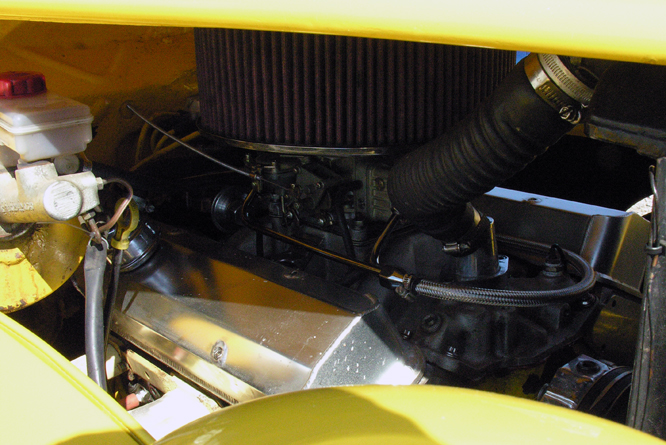
The brake master cylinder can be clearly seen attached to the front bulkhead on this particular vehicle.

Ford 1 Ton Pickup, Shakespeare County Speedway

Gone is the original 85 hp flat head V8 the motor under the bonnet / hood here is officially quoted as being 5.3 litres / 323 cui.

Ford 1 Ton Pickup, Shakespeare County Speedway

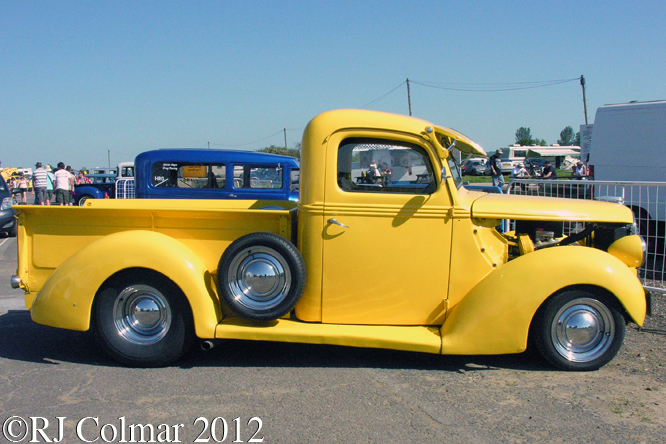
1938 saw the introduction of the 1 ton pick up to partly fill the gap between the 1 1/2 ton and half ton market segments in 1939 saw the introduction of the 3/4 ton size to cover all the pickup size bases.

Ford 1 Ton Pickup, Shakespeare County Speedway

By 1939 Ford was offering it’s truck in seven different colours, not sure if canary yellow would have been one of them but if you do please chime in below.

Ford 1 Ton Pickup, Shakespeare County Speedway

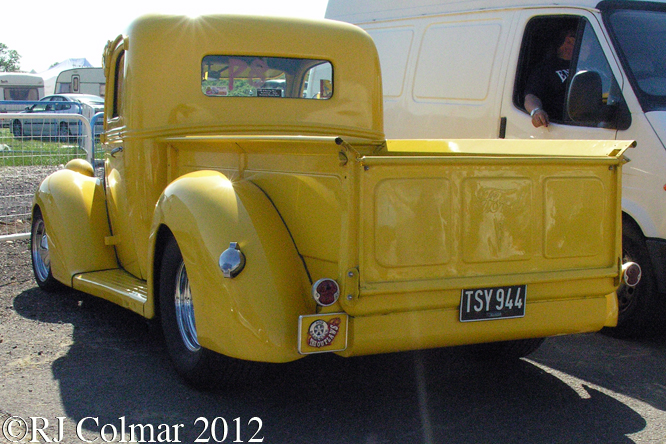
Amongst the options offered to ’39 Ford pickup customers were radio, heater, and passenger side windscreen wiper.

Thanks for joining me on this “Hydraulic Brakes” edition of “Gettin’ a li’l psycho on tyres” I hope you will join me again tomorrow. Don’t forget to come back now !
Share

The Green Batmobile – Ensign Cosworth N173 #MN01

1973 was the year in which my interest for motor racing and particularly Grand Prix motor racing ramped up from excited enthusiast to bordering, and some might say well exceeding, obsessive.

I thought it would be fun for the five Sundays in March to share the 40th anniversary of my passion for international motor racing with you by looking at five Grand Prix cars that took part in the 1973 season.

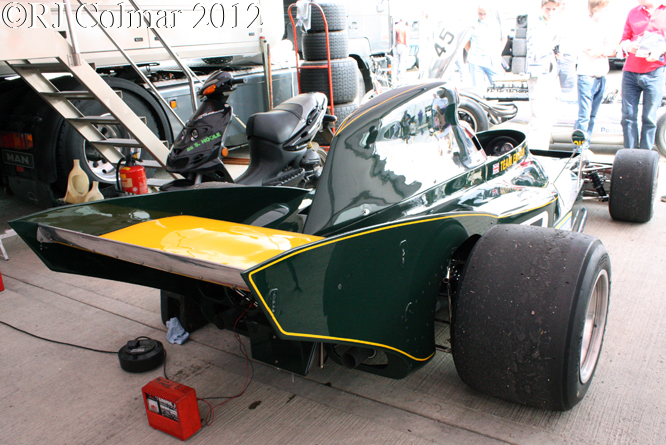
Ensign Ford N173, Silverstone Classic

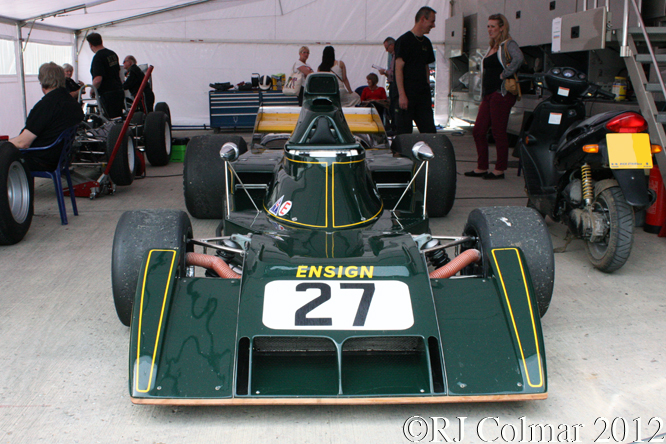
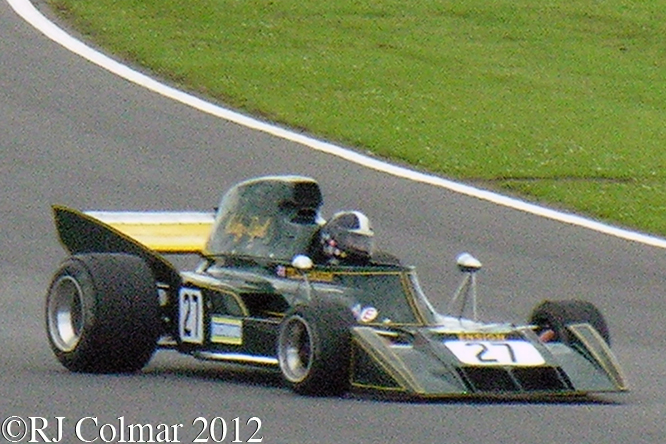
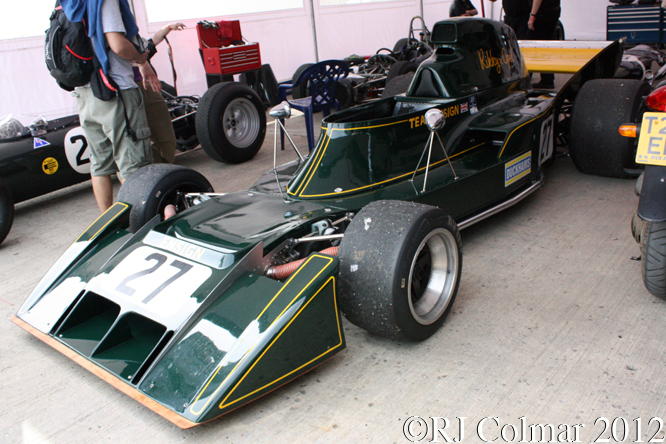
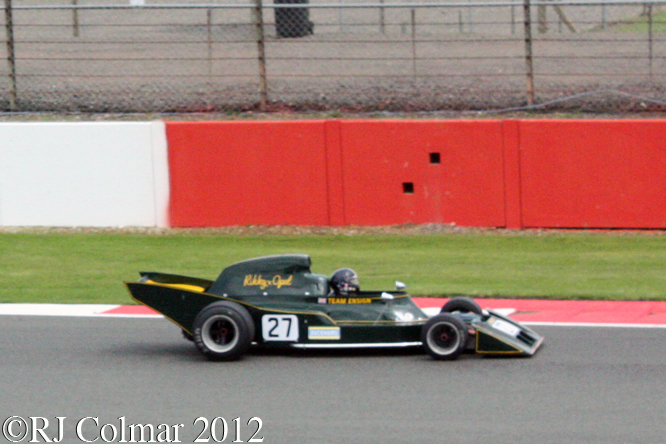
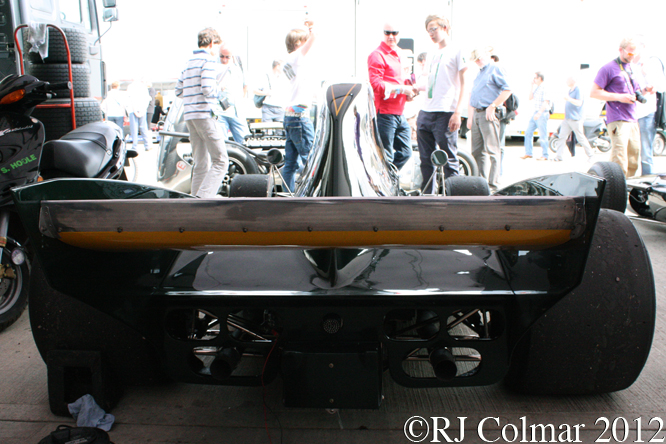
The first car in this series of five Sunday blogs is the Ensign N173, it did not appear until 1973 French Grand Prix half way through the season, but I remember the first time I set eye’s on a picture of it printed in a copy of Motorsport I had an extremely affirmative WOW ! Looks like a green Batmobile, reaction to both it’s shape and colour scheme which was unspoiled by any concessions to commercial considerations quite simply because the team had no sponsor.

Ensign Ford N173, Silverstone Classic

Morris ‘Mo’ Nunn had progressed as far as the works Lotus Formula 3 team by 1969 when he decided his future lay not in the driving seat but as a manufacturer of racing cars. He started building his first car to the third tier Formula 3 regulations in his immaculately prepared garage behind his house in Walsall.

By 1971 the Ensign was up and running and Bev Bond won a race, with the space frame chassis car that featured Lotus 59/69 front up rights and Brabham magnesium rear uprights, fourth time out at Brands Hatch.

Ensign Ford N173, Silverstone Classic

In 1972 Rikky von Opel, son of rocket car pioneer Fritz von Opel and grandson of Opel car manufacturer Adam Opel joined Mo Nunn’s Formula 3 team and together they won the 1972 Lombard North British Formula 3 Championship.

Encouraged by this success “Mo” and Rikky decided to take the step up into Formula One together, despite the fact that they had no commercial backer.

Ensign Ford N173, Silverstone Classic

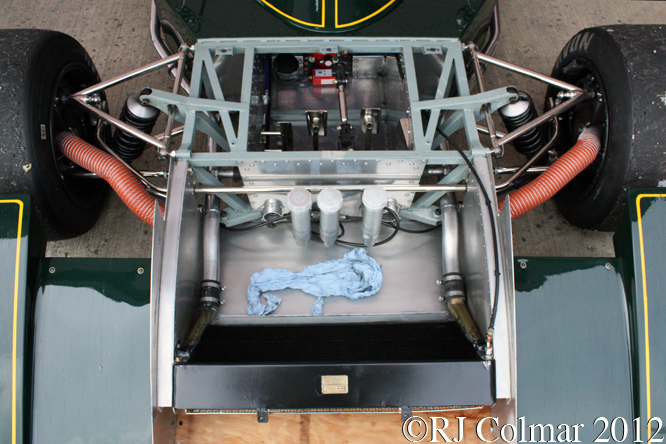
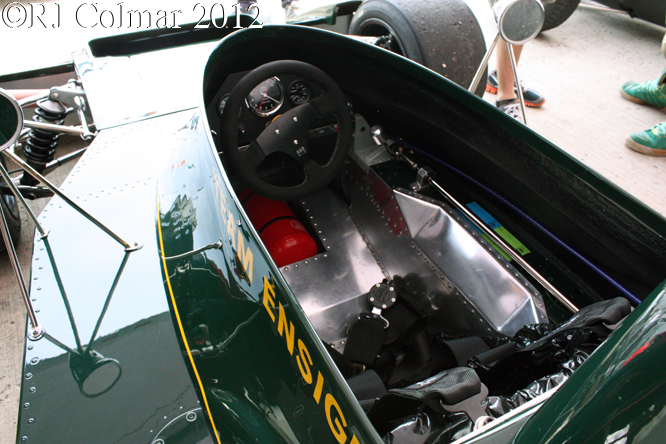
The Ensign N173 was a typical garagiste’s vehicle of the period, built around a monocoque powered by a Ford Cosworth DFV driving the rear wheels through a 5 speed Hewland gearbox.

By qualifying 25th, last but one, for the 1973 French Grand Prix and finishing 15th Rikky von Opel became the first driver from Lichtenstein to take part in a Grand Prix. He is still the only driver from the principality, population less than 40,000, to take part in a Grand Prix.

Ensign Ford N173, Silverstone Classic

At the following British Grand Prix Rikky qualified 21st and finished 13th which was to be the highlight of Ensign’s 1973 season.

Reliability would become an increasing factor in the teams lack of performance over the remaining season, a seasons best 14th place qualification for the 1973 Dutch Grand Prix came to naught when the car did not start the race due to suspension damage.

Ensign Ford N173, Silverstone Classic

Rikky persevered with the Ensign team into 1974, but after two failures to start due to uncompetitiveness and handling issues he switched to the second works Brabham car which netted him two career best 9th place finishes in Sweden and Holland.

A couple of failures to qualify in Monaco and France was enough to bring Rikky’s Grand Prix career to an end on the anniversary of his first season at the top table of the sport.

Ensign Ford N173, Silverstone Classic

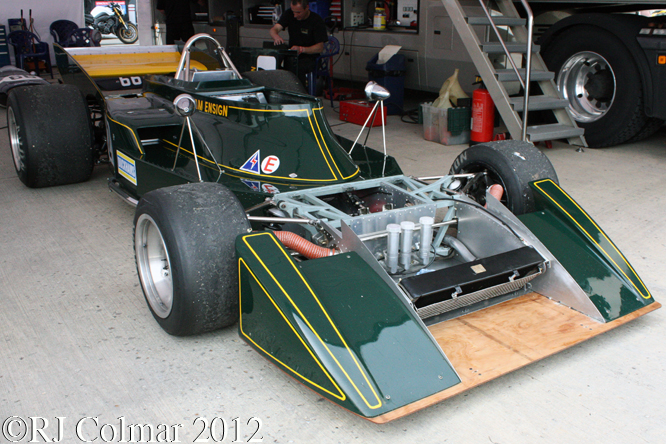
The car seen here was used primarily as a back up car in 1974, Vern Schuppan raced the car in the 1974 Swedish Grand Prix, but was disqualified for having started unofficially from 26th place on the grid having completed 77 laps and finished 12th.

Mike Wilds attempted in vane to qualify MN01 for the Austrian, Italian and Canadian Grand Prix before finally qualifying 22nd for the 1974 United States Grand Prix where he completed 50 of the scheduled 59 laps to record an unclassified finish in a car that was much modified from it’s original appearance.

Ensign Ford N173, Silverstone Classic

Mo Nunn continued in Formula One mostly as an at best underfunded single car team until 1982.

1972 Le Mans winner Gils Van Lennep scored the Ensign team’s first point at the German Grand Prix in 1975 and the teams best finish was recorded by Marc Surer who finished 4th and was credited with the fastest lap in the 1981 Brazilian Grand Prix.

Ensign Ford N173, Silverstone Classic

Among the many drivers that drove Ensign cars in Grand Prix were Le Mans winners Vern Schuppan, Chris Amon and Jacky Ickx, Ferrari refugee Clay Regazzoni, USAC/Cart winner Danny Ongias and future World Champion Nelson Piquet was given his Formula One debut at the 1978 German Grand Prix where he qualified 22nd and retired after 31 laps.

After his team was sold to Teddy Theodore “Mo” moved to the United States where he was chief engineer for Alex Zinardi and Juan Pablo Montoya at Chip Ganassi Racing when they dominated the CART championship from 1997 to 1999 and the Indy 500 in 2000. After a spell running his own IRL cars with varying degrees of success Mo Nunn returned to Ganassi as a technical adviser in 2004.

Thanks for joining me on this “The Green Batmobile” edition of “Gettin’ a li’l psychoontyres” I hope you will join me again tomorrow. Don’t forget to come back now !

Share

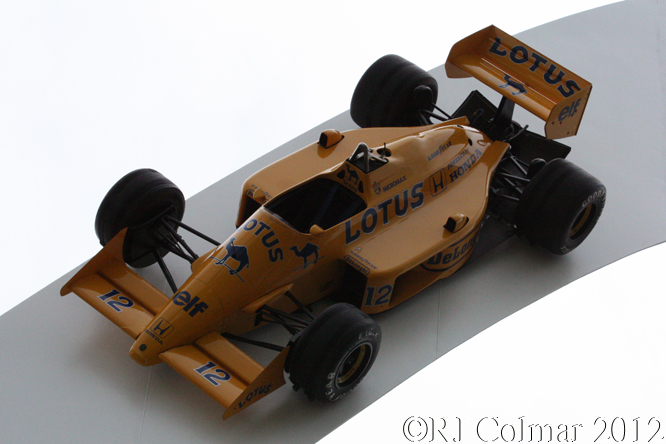
F687/S – Lotus Honda 99T

1987 brought about several changes for the Lotus team firstly their hitherto sponsor John Player Special withdrew from the sport and secondly their hitherto engine supplier Renault followed suit.

Fortunately for Lotus Williams, who had an exclusive contract with Honda for the supply of motors in 1986, let the 1986 World Drivers Championship slip away by allowing their drivers Nelson Piquet and Nigel Mansell to take points off one another by refusing to issue team orders or nominate one over the other as preferred winner. This did not go down well with Honda or their preferred driver Nelson Piquet.

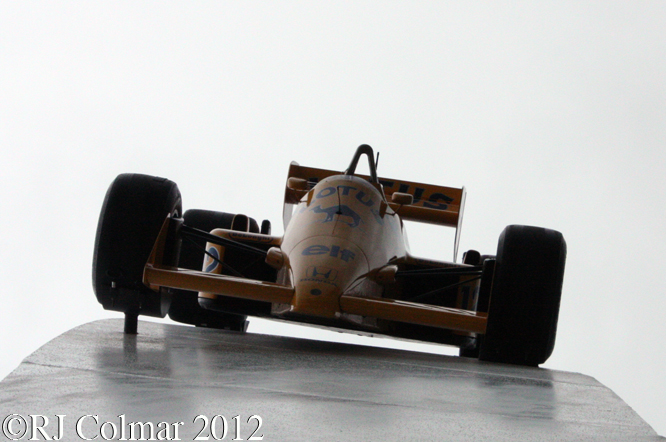
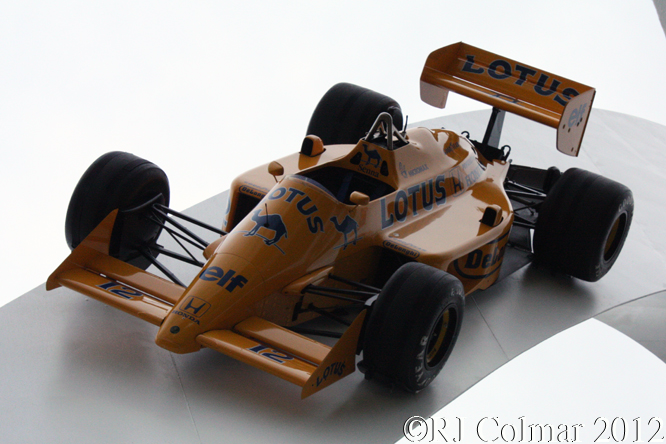
Lotus Honda 99T, Goodwood Festival of Speed

As a consequence Honda came to an arrangement with Lotus to supply year old 1986 motors to Lotus for 1987 and at the same time did a deal with McLaren to supply top spec motors for the 1988 season with Ayrton Senna as their preferred driver. Meanwhile Senna was partnered by Saturo Nakajima in the Lotus team at the behest of Honda whom Honda had tried unsuccessfully to place at Williams in place of Mansell in 1986.

Furthermore Lotus managed to secure sponsorship from the new big spenders on the Formula One block Camel.

Lotus Honda 99T, Goodwood Festival of Speed

Despite being already down on power on the Williams team thanks to the year old motors being used, Gerard Ducarouge took the brave decision to use active suspension on the 99T which although offering advantages to consistent ride height, pitch and roll added 25kgs/55lbs in weight an required 5% of the motors power to keep it working.

Lotus Honda 99T, Goodwood Festival of Speed

By the end of 1987 Senna had won two races, just as he had in ’85 and ’86, both on street circuits at Monaco and Detroit. The Detroit race would prove to be the last victory for a car built by the Lotus team founded by Colin Chapman. With 57 points, two more than in ’86 Senna finished 3rd in the World Championship in 1987 while Nakajima’s additional 7 points helped Lotus secure third in the Constructors championship.

The 1987 season marked a high point for Team Lotus since the death of Colin Champman in 1982 and from there until 1994 when the team founded by Chapman made it’s final appearance in the sport.

Players in Japan and the United States of the Gran Turismo 3 game will be familiar with the Lotus Honda 99T which was given the alias “F687/S”.

Thanks for joining me on this “F687/S” edition of “Gettin’ a li’l psycho on tyres” I hope you will join me again tomorrow. Don’t forget to came back now !

Share

Double Austrian GT Champ – Ferrari 250 GTO #3505

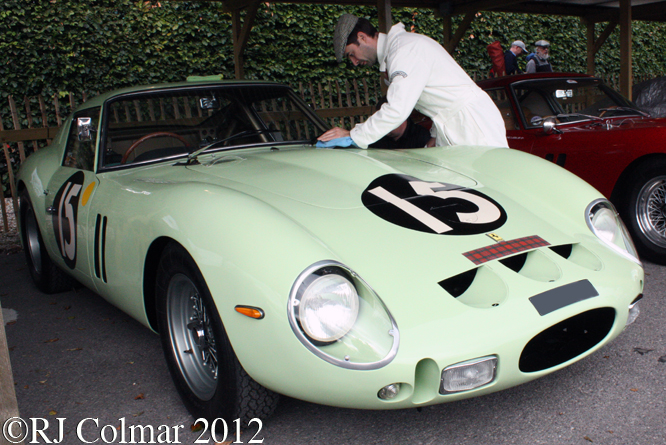
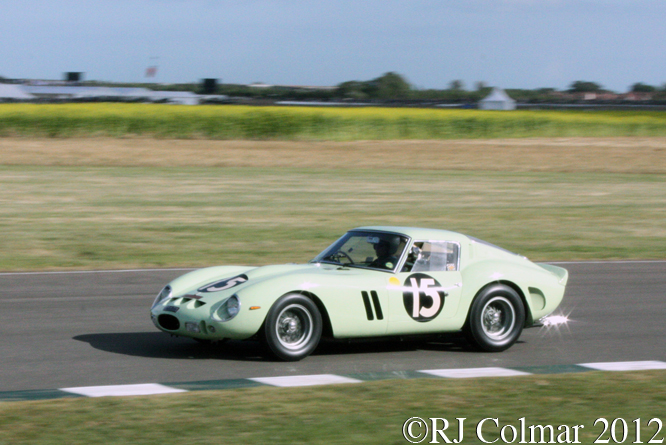
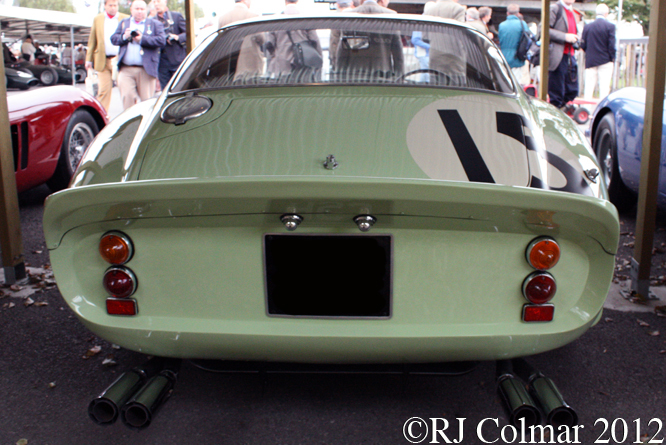
In April 1962 UDT Laystall racing took delivery of a Ferrari 250 GTO chassis number 3505 painted pale green as were all the other cars in the UDT Laystall team run by dentist and one time Indy 500 competitor Alfred Moss father of Sir Stirling Moss and Sir Stirlings former manager Ken Gregory.

Ferrari 250GTO, Goodwood Revival

The cars first outing was at the 1962 Le Mans test where Willy Marrise recorded 2nd fastest time in #3505, he appears to have driven several other Ferrari’s over the weekend including the fastest car a 250GT SWB chassis #2689. Innes Ireland and Marsten Gregory shared the car for the rest of the season Marsten scored to 2nd place finishes at Silverstone before he and Ireland retired the car at Le Mans with a combination of starter and battery problems after completing just under half the distance of the race.

Innes Ireland drove the #3505 to victories at Brands Hatch and again in the 1962 Tourist Trophy run at Goodwood where the car is seen above fifty years after the event. With just seven events entered the car was sold to Austrian Dr. Gunther Placheta.

Ferrari 250GTO, Goodwood Revival

Dr. Gunther Placheta was an alias for the actor Gunther Philipp who raced under the pseudonym “Giulio Pavesi” and used the #3505 in racing and hillclimbing events in 1963 and 1964 claiming 4 overall victories from nine events known to have been entered claiming the 1963 and 1964 Austrian GT championships in the process.

Since 1964 #3505 has spent most of it’s time with owners in the United Kingdom in 2000 the #3505 sold for $8 million and went to the Matsuda collection.

Ferrari 250GTO, Goodwood Revival

The car was back in the UK with a new Dutch owner by 2005 and last year was sold far a reputed $35 million to it’s current owner wireless billionaire Craig McCaw who by strange coincidence is also the husband of former US Ambassador to Austria Susan Rasinski McCaw. The reputed $35 million price paid makes this car twice as expensive as the most expensive car sold at auction last year the $16 million 1957 Ferrari 250 Testa Rossa Prototype.

It should be noted that #3505 was neither owned by Sir Stirling Moss other than through any financial interest he may have had in his fathers racing team British Racing Partnerships which raced under the UDT Laystall banner in 1962 and nor is there any record that #3505 was ever raced by Sir Stirling Moss in period.

Thanks for joining me on this “Double Austrian GT Champ” edition of “Gettin’ a li’l psycho on tyres” I hope you will join me again tomorrow. Don’t forget to come back now !
Share

Built In Arden NC – Buick Regal Short Track Cup Car

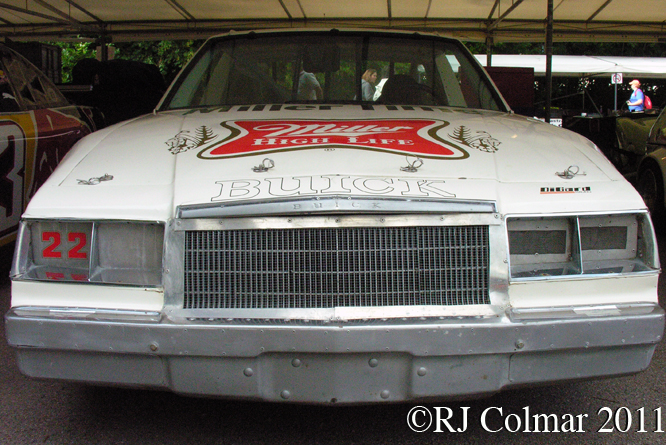
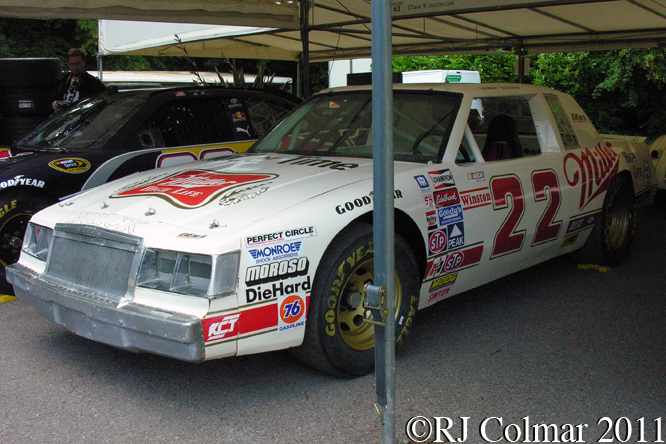
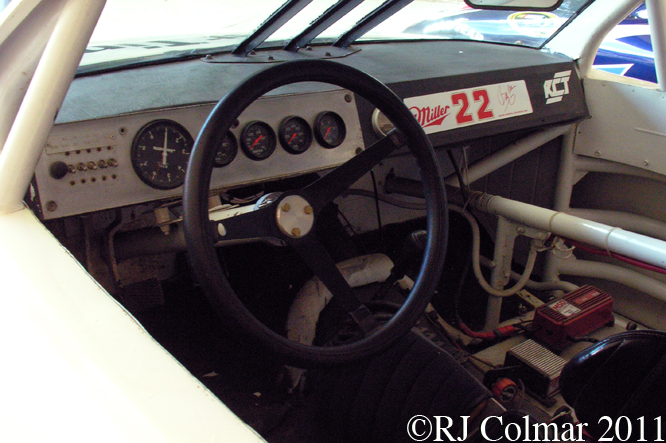
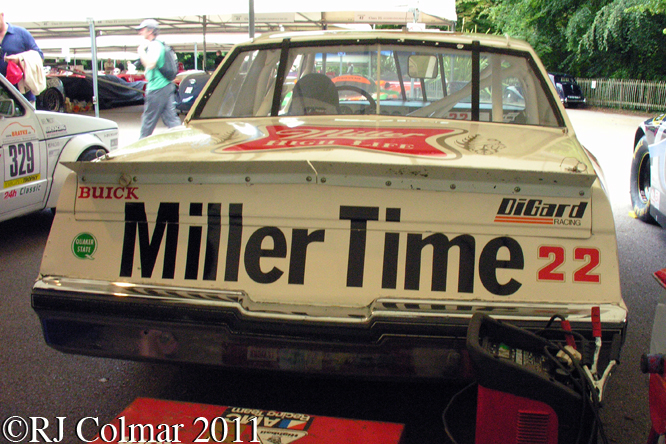
Last week on Americana Thursday I looked at a ’62 Buick Electra 225 that was supplied new by Deal in Asheville NC this weeks 1983 Buick Regal Short Track Cup car was built in the Asheville suburb of Arden NC by legendary stock car builder Edwin Keith “Banjo” Mathews.

Buick Regal, Goodwood Festival of Speed

Banjo Matthews originally from Akron Ohio turned building stock cars into an artform so successfully that from 1974 through 1985 cars built at his Banjo’s Performance Center won 262 to out 362 Winston Cup races a staggering 72 % success record which included sweeping the entire 30 race 1978 season.

Buick Regal, Goodwood Festival of Speed

As an owner Banjo Matthews won 9 races from a 160 starts which included three Firecracker 400 victories at Daytona with Fireball Roberts, AJ Foyt and Donny Allison but his forte was building successful cars he is quoted as saying “I get my kicks, and so do my employees, from how well cars that we have built perform and the satisfaction they bring to the customers. That’s all the recognition I care about.”

Buick Regal, Goodwood Festival of Speed

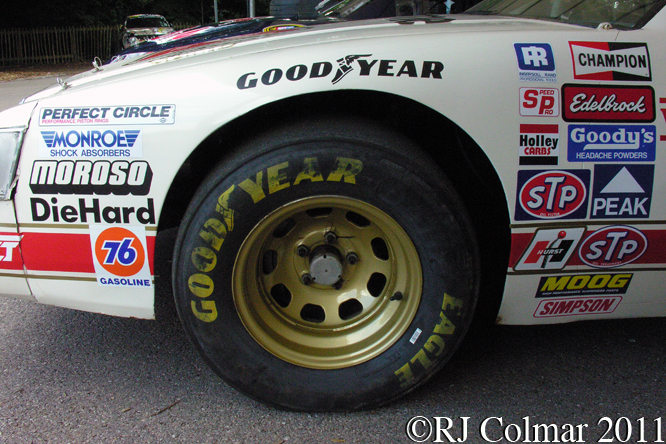
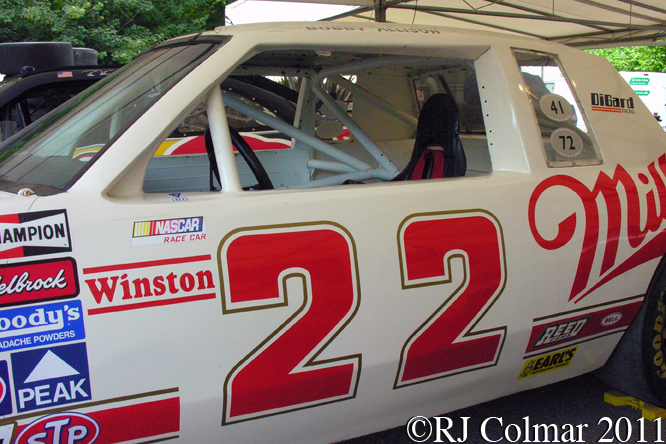
After establishing his business in 1970 Cale Yarbrough drove cars built by Banjo to three consecutive Cup Championships. The car seen today is a short track spec Cup car that Bobby Allison drove in his 1983 Championship winning season.

Buick Regal, Goodwood Festival of Speed

Bobby scored six wins that season including sweeping the Cup races at Richmond, and Dover along with a single win at Darlington and a long track win at Pocono on his way to beating Darrell Waltrip to the 1988 championship by 47 points.

Buick Regal, Goodwood Festival of Speed

Bobby Allison ran 718 Cup races from 1961 to 1988 when his career was cut short after a near fatal accident Pocono. Bobby Officially won 84 Cup race, two further wins unofficially remain disputed, placing him 4th equal in the all time winners list with Darrel Waltrip. Bobby had two sons Clifford who died while practicing for a Busch race at Michigan in 1992 and Davey who died in a helicopter crash at Talladega the following year. Sadly Bobby now aged 75, has no memory of beating his son Davey for his last Cup victory in the 1988 Daytona 500.

Buick Regal, Goodwood Festival of Speed

Banjo Matthews, who was himself an accomplished wheel man having raced flat head Fords without headers in order to get ten more horsepower and scored a career best 2nd at Atlanta from 50 Cup starts, is reckoned to have built over 750 race cars and looked after hundreds more which were raced in Cup, Limited Sportsman, Modified and IROC stock cars. His friend Smokey Yunnick referred to Banjo as the Henry Ford of racing cars and placed him in the top 25 influential founding fathers of the sport for his largely selfless contribution to the success of so many others.

Banjo succumbed to illness, possibly as a result of fume inhalation from those headerless flat head Fords, aged just 64 in October 1996, Banjo’s Performance Centre is now run by his son.

Thanks for joining me of this “Built In Arden NC” edition of “Gettin’ a li’l psycho on tyres” I hope you will join me again tomorrow. Don’t forget to come back now !
Share