Load Bearing Steel Roof – Citroën DS23 Familiale

Three years after the launch of the Citroën DS series a Estate/Station Wagon variant was launched in 1958.

The major difference between the Estate / Station Wagon and Saloon / Sedan, aside from the vast cargo capacity was that the new variant was built with a steel roof to which a standard roof rack was fitted.
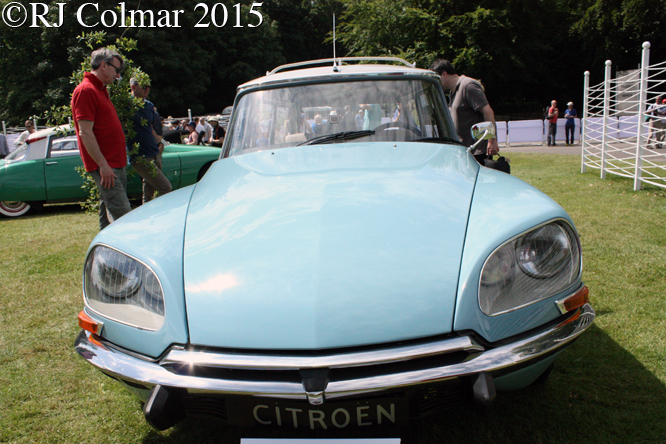
Citroën DS23 Familiale, Goodwood Festival of Speed

All of the Estate / Station Wagon DS’s had three rows of seats, with the middle three all folding down to allow access to the rear.

Different markets were supplied with different variants with different names in France the down market ID based and higher spec British and Australian DS based le “Break” were fitted with two side facing seats in the cargo area where as the Estate in the UK, Wagon in the US and Station Wagon in Australia were all fitted with a forward facing third row of seats.
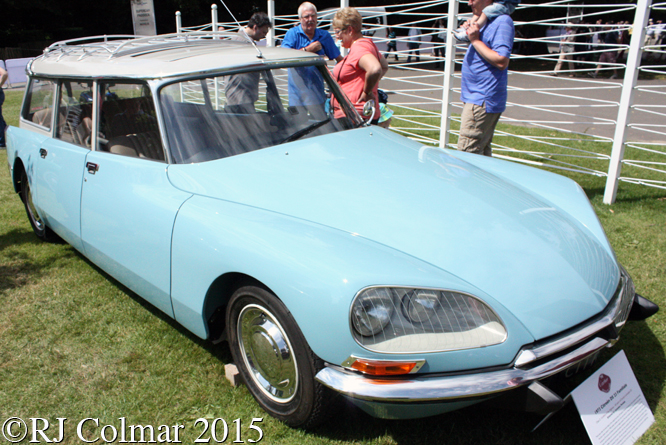
Citroën DS23 Familiale, Goodwood Festival of Speed

Ambulance versions of the Familiale were also built with a 60/40% fold down split in the 2nd row of seats to accommodate a stretcher and at their Slough plant in the UK a three door hearse was also built.

Fans of horse racing in the UK became particularly familiar with a 1974 DS 23 which was converted by the British Broadcasting Corporation into a Colour Roving Eye.
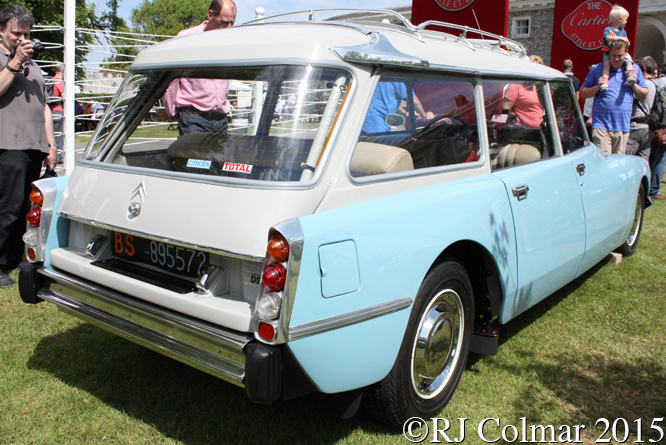
Citroën DS23 Familiale, Goodwood Festival of Speed

The Colour Roving Eye comprised a colour television camera and cameraman on the roof, a Band V transmitter within the cargo area, with a small generator on a trailer in tow to provide the necessary electrical power for the equipment.

The heavily laden vehicle, chosen for it’s smooth ride over uneven terrain such as that found next to race courses was ideal for live transmissions.
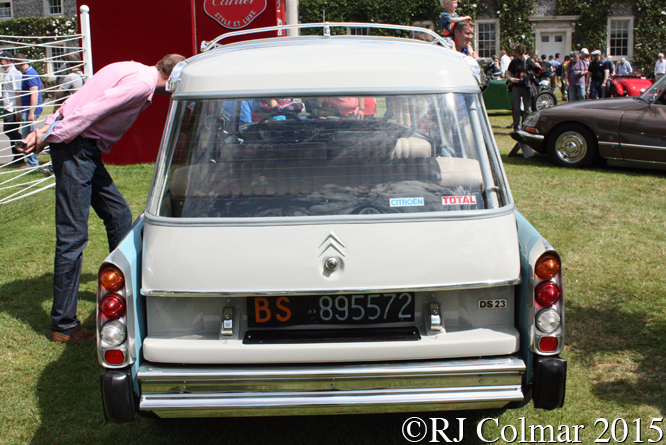
Citroën DS23 Familiale, Goodwood Festival of Speed

It was regularly seen in long shots during live transmissions at the start of horse races being driven at speed alongside race courses before the transmissions cut to close up shots as the races were in progress.

The Italian registered DS23 Familiale example seen in these photo’s at Goodwood Festival of Speed was built in 1973 and fitted with both a factory fit sun roof and factory fit air conditioning options.

Thanks for joining me on this “Load Bearing Steel Roof” edition of “Gettin’ a li’l psycho on tyres” I hope you will join me again tomorrow for a visit to Pendine Sands. Don’t forget to come back now !

Share

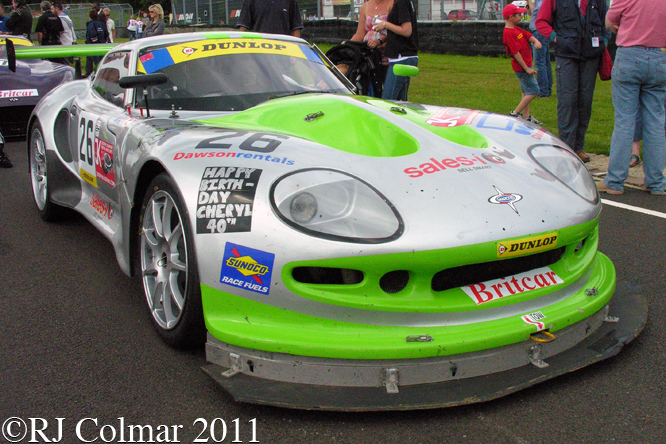
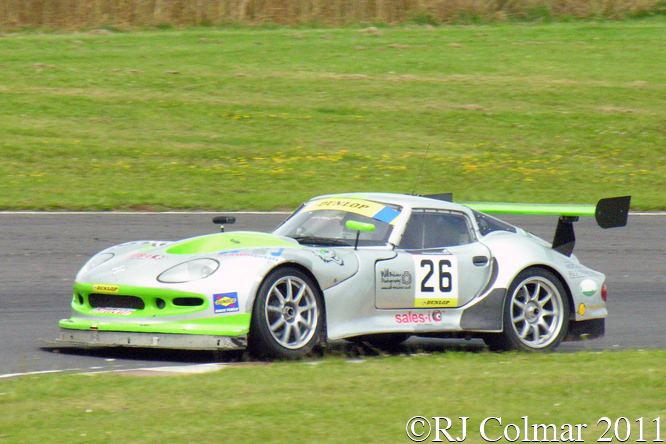
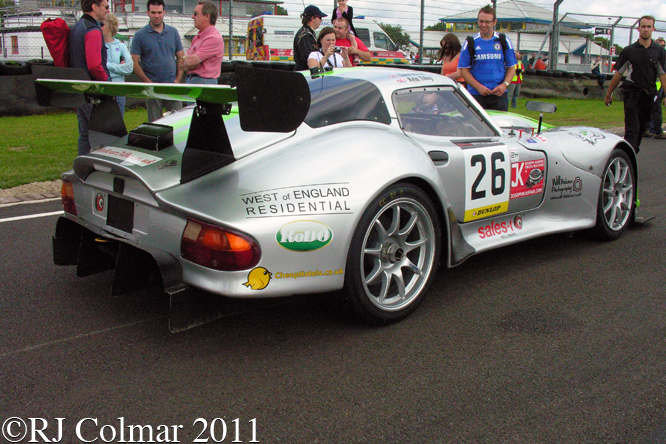
Happy Birthday Cheryl – Marcos Mantis GT2

After the successes of the Rover V8 powered Mantula Rover based Marcos LM400, LM500 and LM600 GT cars which won the 1995, 1996 and 2000 British GT Championships Marcos announced the Dunlop sponsored spec Mantis Challenge in 1998 with spec normally aspirated quad cam Ford V8 motors.

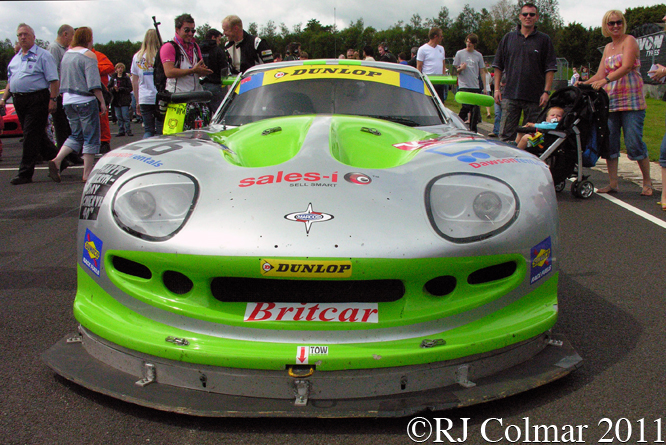
Marcos Mantis GT2, Britcar, Castle Combe

In 2002 racers Warren and Charlotte Gilbert (nee Osborn) established Topcats Racing in Westcott, Buckinghamshire which has become a leading contender on the British Endurance GT seen and a leading independent service center for Caterham, Corvette, Lotus, Marcos and Mosler cars offering everything from a full service to an LS7 engine transplant.

Marcos Mantis GT2, Britcar, Castle Combe

Today’s featured Britcar Class 2 Marcos Mantis is built around a space frame with a fiberglass body and is powered by a standard LS7, 7 litre / 427 cui V8 engine mapped to produce 505hp on 98 octane unleaded fuel which is transmitted to the rear wheels through a 6 speed Holinger sequential gearbox.

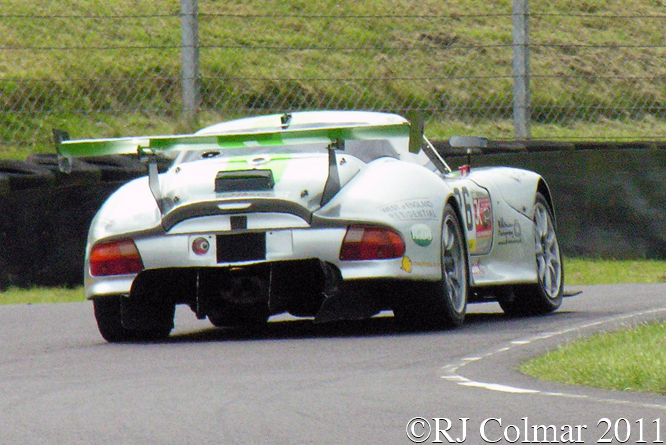
Marcos Mantis GT2, Head, Tilley, Britcar, Castle Combe

Additional features include electric power steering, quick fill fuel tanks, quick lift air jacks and spec 18″ Dunlop slick or wet tyres on center lock wheels, four of which can be changed in 22 seconds.

Marcos Mantis GT2, Britcar, Castle Combe

With a weight of 1050 kgs / 2315 lbs the car will reach 60mph in an ear splitting 3.5 seconds and a top speed of 190 mph.

Marcos Mantis GT2, Head, Tilley, Britcar, Castle Combe

Sam Head and Kyle Tilley drove the #26 car entry for most of 2011 and they are seen above at Castle Combe on the 27th of August where they finished a low 20th overall from a more representative 8th on the grid, this a month after Henry Fletcher and Raphael Fiorentino had finished 2nd overall and 1st in Class 2 at Spa.

At the seasons end the Topcats Class 3, 50 hp less, #36 Mantis finished 2nd in the Britcar Championship with Owen O Neill, Henry Fletcher, Jon Harrison and Raphael Fiorentino all taking turns at the wheel during the season and the #36 was classified 3rd with Jeff Wyatt replacing Kyle for one round at Snetterton and Neil Huggins and Jon Harrison being the cars drivers in the championship final at Brands Hatch.

Topcats appear to have retired their LS7 powered Mantis cars from competition at the end of 2012 after their 2 cars both now running in Class 2 finished 3rd and 11th in the Britcar Championship.

Wishing Cheryl a Happy Birthday.

Thanks for joining me on this “Happy Birthday Cheryl” edition of “Gettin’ a li’l psycho on tyres” I hope you will join me again tomorrow when I’ll be looking at another Desse. Don’t forget to come back now !

Share

Unreliable and Slow – BRM P201/05

At the end of 1974 Rubery Owen pulled the plug on BRM, after initial BRM backer Alfred Owen had died earlier in the year. This should have meant the end of BRM but some how the team former manager Louis Stanley took on ownership and saved the team going into the 1975 season.

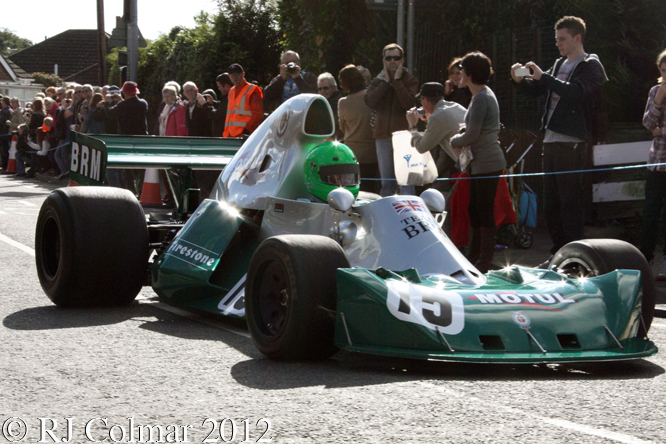
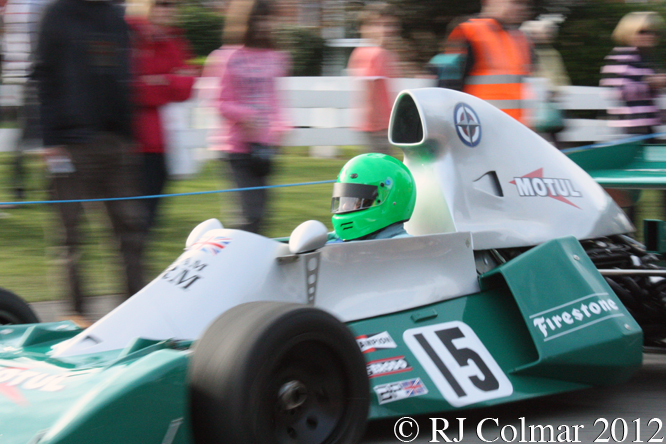
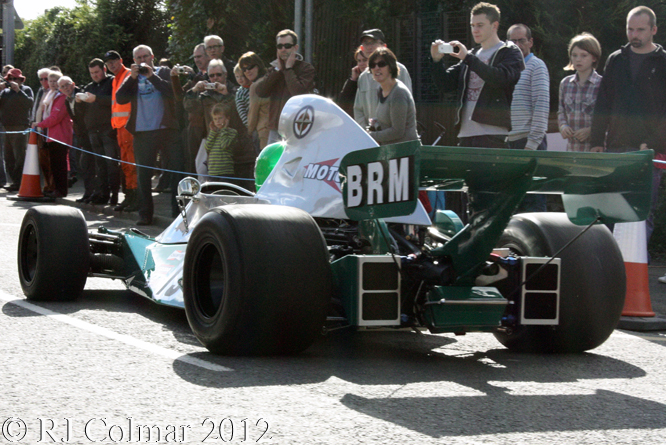
BRM P201, John Fenning, BRM Day, Bourne,

After Mike Wilds impressed everyone in the opening two races of the season, except Louis, Bob Evans was taken on as a replacement and the team appeared with today’s featured chassis #P201/05 painted patriotic red, white and blue and with a wide wing on the nose at the non championship International Trophy at Silverstone.

BRM P201, BRM Day, Bourne,

Bob finished 10th on this cars debut event and in four more attempts with this chassis finished a best 13th in the 1975 Swedish Grand Prix.

BRM P201, John Fenning, BRM Day, Bourne,

With a lack of funds Stanley BRM were recycling the best bits of their engines to keep their cars running and predictably this made the cars increasingly slow and unreliable.

BRM P201, John Fenning, BRM Day, Bourne,

After failing to qualify for the Monaco Grand Prix, missing the British Grand Prix completing just one lap of the Austrian Grand Prix Bob qualified 20th for the Italian Grand Prix at Monza.

BRM P201, John Fenning, BRM Day, Bourne,

However #P201/05 never left the grid on it’s final public appearance due to an electrical issue and the BRM’s failed to show up at the last two races of the season.

BRM P201, BRM Day, Bourne,

Louis Stanely entered the older #P201/04 for Ian Ashley at the 1976 Brazilian Grand Prix where the car inevitably retired after qualifying on the back row of the grid and #P201/04 was wheeled out once more at the 1977 South African Grand Prix where Larry Perkins qualified 22nd and finished a surprise 15th.

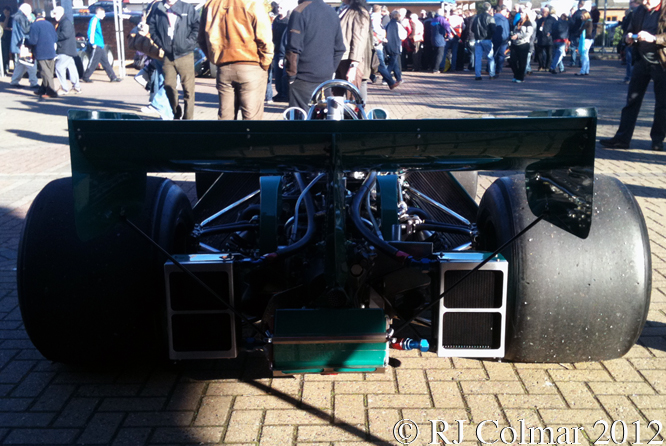
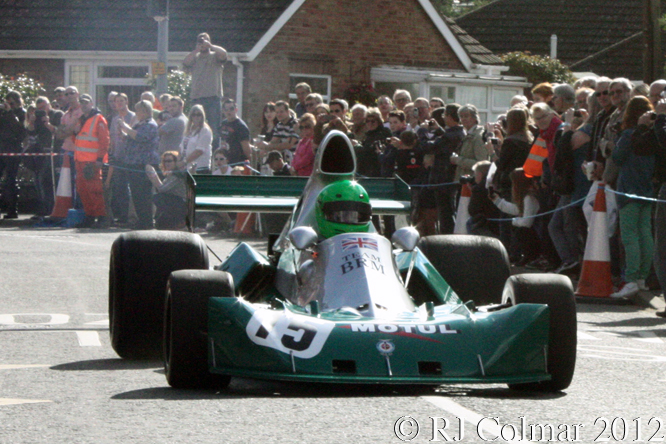
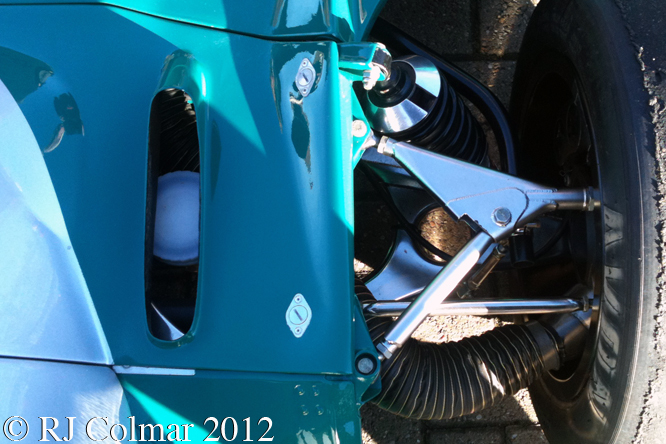
John Fenning is seen in these photo’s at the wheel of #P201/05, at BRM Day Bourne, which now has a 1974 style shovel nose and airbox and is painted in the 1974 green and silver livery.

Thanks for joining me on this “Unreliable and Slow” edition of “Gettin’ a li’l psycho on tyres” I hope you will join me again for Marcos Monday tomorrow. Don’t forget to come back now !

Share

Out Of Obscurity – Elva FJ 100

In 1959 Frank Nichols hitherto sports racing car manufacturer Elva turned it’s attention to building single seaters for the emerging Formula Junior Championship.

Elva 100, Mark Woodhouse, Chateau Impney Hill Climb,

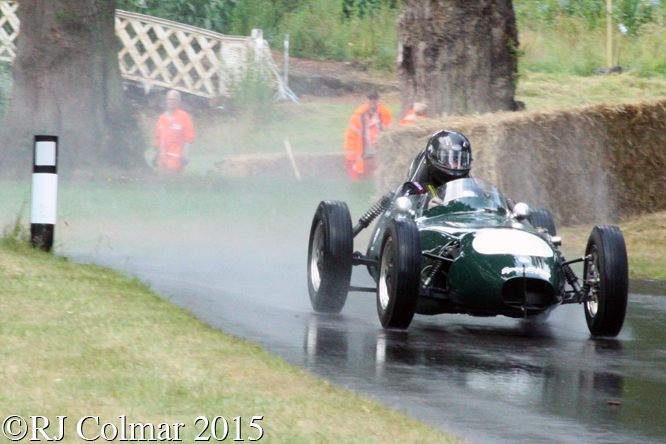
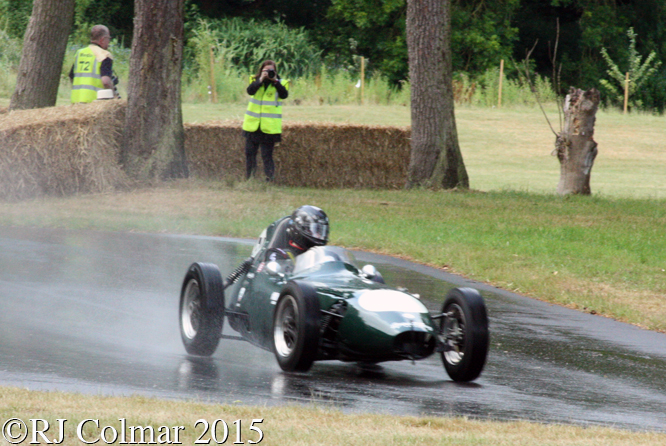
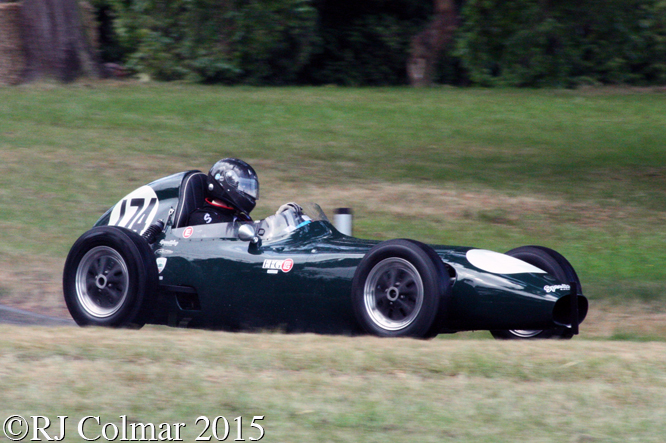
Their first single seater model was the Elva FJ 100, like the one seen driven by Mark Woodhouse at the recent Chateau Impney Hill Climb in these photographs.

Elva 100, Mark Woodhouse, Chateau Impney Hill Climb,

Victories for Bill de Selincourt in his British Motor Corporation ‘A-Series’ example and Peter Arundell in his DKW, supplied by Gerhard Mitter, powered example saw a flood of orders for the 1960 season.

Elva 100, Mark Woodhouse, Chateau Impney Hill Climb,

However by then the rear engined Lotus 18 and Cooper T52 were emerging as the superior machines leaving Jim Hall at Sebring and Roger Loyer at Montlhéry as the only winners for the marque in their DKW powered examples.

Elva 100, Mark Woodhouse, Chateau Impney Hill Climb,

Mark Woodhouse’s Elva was built in 1960 and spent it’s early life in relative obscurity in the United States. Since returning to the UK in the 1970’s Mark Woodhouse has driven the car to four championship successes in the front engined class and winning the outright Historic Formula Junior Championship with this car in 1999 as did his son Jack in 2009.

Thanks for joining me on this “Out Of Obscurity” edition of “Gettin’ a li’l psycho on tyres, I hope you will join me again tomorrow when I’ll be looking at a Stanley-BRM. Don’t forget to come back now !

Share

Formula One Ferraris – Goodwood Festival Of Speed

In the final look at Ferarri’s at this years Goodwood Festival of Speed today I’ll be looking at the Formula One cars which covered the 15 year period between 1975 and 1990.

Ferrari 641, Goodwood Festival Of Speed,

In reverse order, Ferrari managed to lure Alan Prost away from McLaren to join Nigel Mansell and drove the Enrique Scalabroni and Steve nichols designed 641 to five victories, to Nigels one, and second place in the World Drivers and Manufacturers Championship after an alleged rival settled the outcome of the drivers championship by deliberately punting Alain into a gravel trap in the first corner on the opening lap of the Japanese Grand Prix.

Ferrari 126 CK, Goodwood Festival Of Speed,

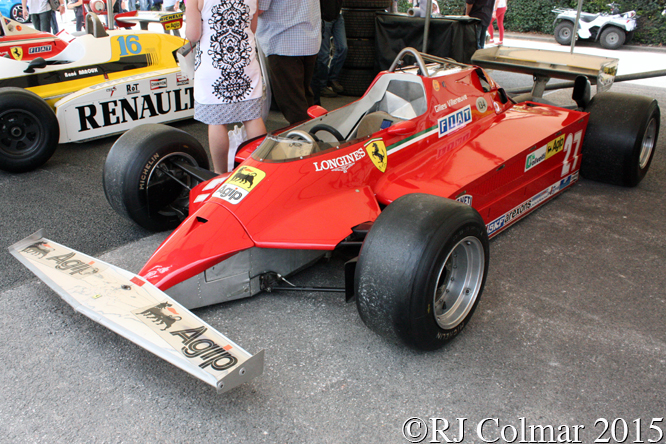
Gilles Villeneuve drove the Ferrari 126 CK chassis #052 seen above to two of the most memorable consecutive Grand Prix victories I have ever seen at the 1981 Monaco and Spanish Grand Prix.

Ferrari 312 T5, Goodwood Festival Of Speed,

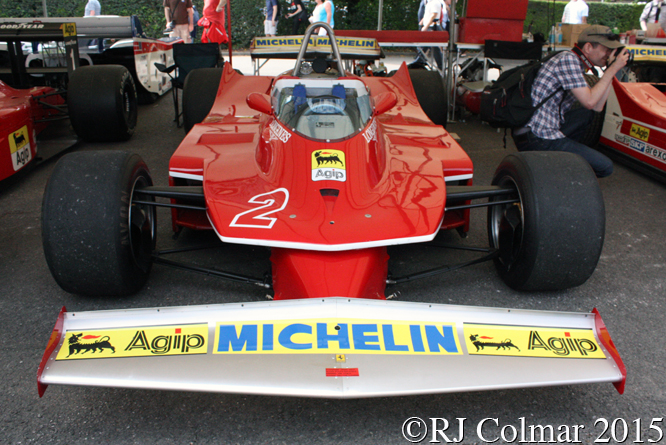
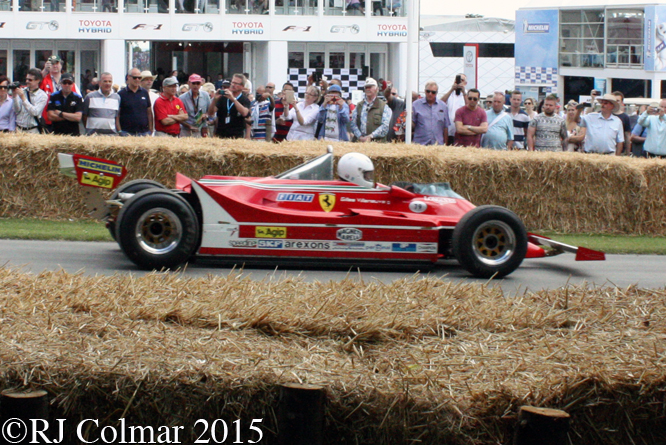
A year earlier Gilles and team mate reigning champion Jody Scheckter struggled with the normally aspirated Ferrari 312 T5, Gilles drove chassis #048 seen above to a sixth place finish in the German Grand Prix which was one of just five points scoring finishes for the team in 1980…

Ferrari 312 T5, Rick Hall, Goodwood Festival Of Speed,

… while chassis #042, seen with Rick Hall at the wheel above, was raced twice by Jody and once by Gilles during 1980 and failed to finish on each occasion.

Renault RS10, Ferrari T4, Goodwood Festival Of Speed,

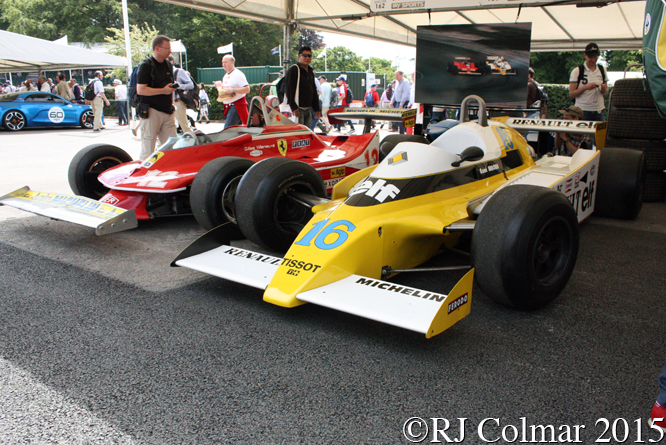
One of the highlights of the 1979 season was Gilles epic dice with René Arnoux for 2nd place in the closing stages of the French Grand Prix, Gilles drove the 312 T4 chassis #041 and René the Renault RS10 chassis #RS10/03 both of which are seen above.

Ferrari 312 T, Rob Hall, Goodwood Festival Of Speed

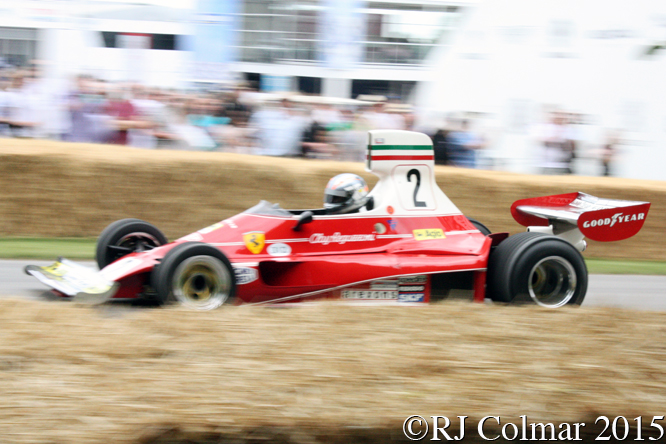
Finally in forty years ago Niki Lauda finally delivered the World Drivers and Manufacturers championships, for the first time since 1964, ably backed up by Clay Regazzoni driving the Ferrari 312 T, chassis #024 seen above being driven by Rob Hallwas driven to victory by Clay Regazzoni in the 1975 Italian Grand Prix and on it’s final appearance at the 1976 US Grand Prix West.

Thanks for joining me on this “Formula One Ferraris” edition of “Gettin’ a li’l psycho on tyres” I hope you will join me again tomorrow when I’ll be looking at the last of a series of Formula Junior open wheelers. Don’t forget to come back now !
Share

New Jersey Premium – Mercury Montclair

Mercury showed it’s XM-800 concept car designed by John Najjar to the public for the first time at the 1954 Chicago Auto Show and although the advanced design was said to be engineered to go into production it never did.

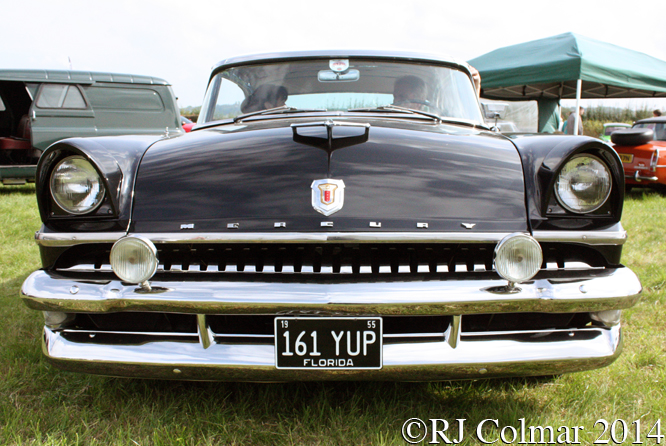
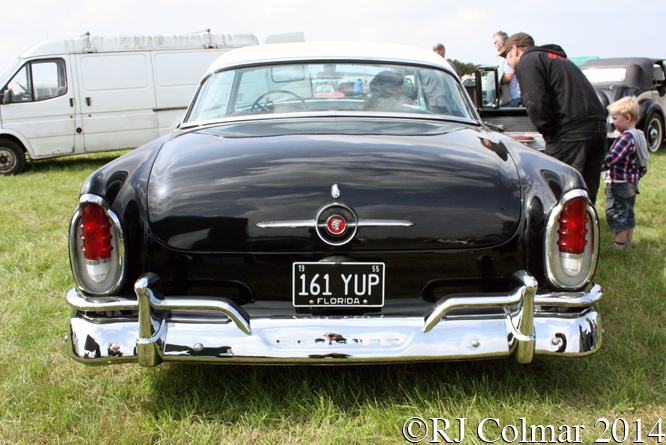
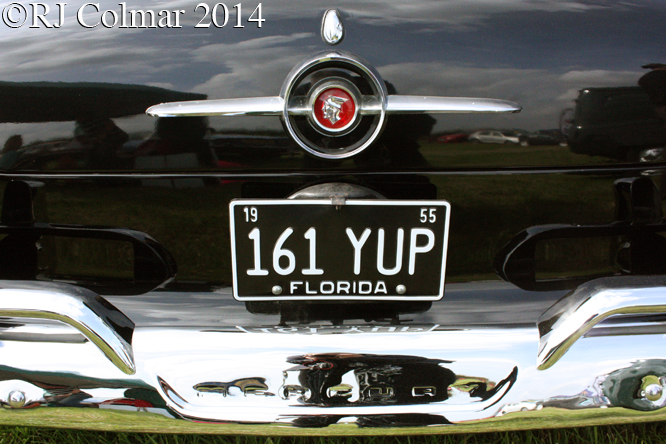
Mercury Montclair, Summer Classics, Easter Compton,

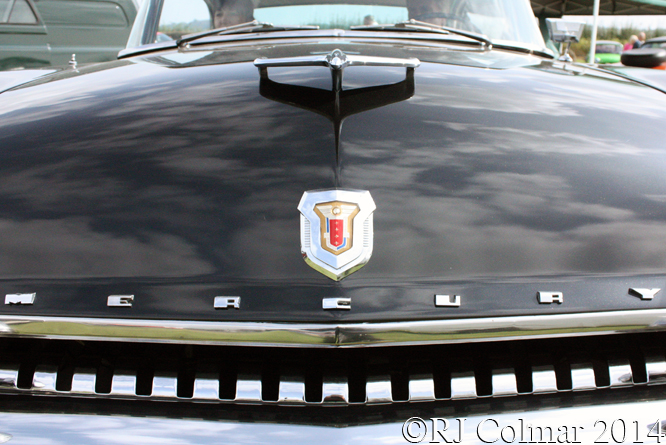
However styling queue’s from the XM-800 including the hooded headlights did get adopted by the all new for 1955 first generation full size Mercury Montclair.

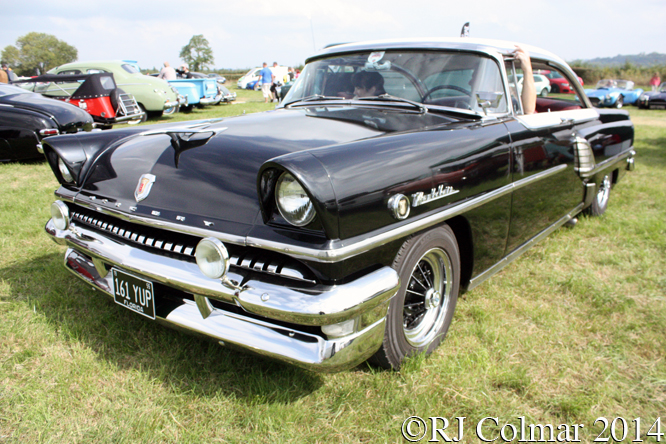
Mercury Montclair, Summer Classics, Easter Compton,

The premium Montclair range was only built in 4 door sedan / saloon, 2 door Coupé and 2 door Convertible form.

Mercury Montclair, Summer Classics, Easter Compton,

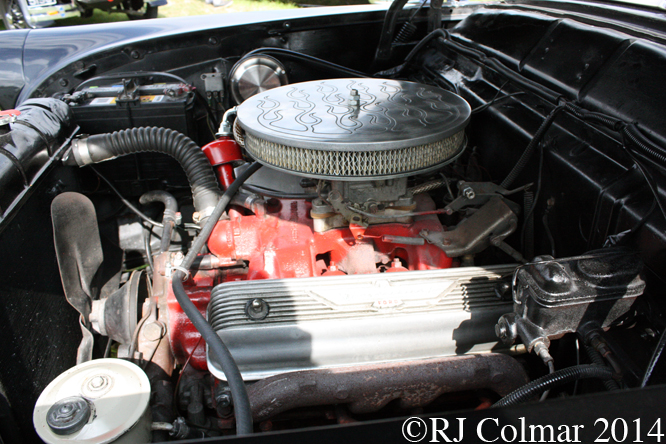
Power for the Montclair came from a 4.78 litre / 292 overhead valve V8, first seen in 1954, with dual exhausts, producing 198hp which was delivered to the rear wheels through a Merc-O-Matic transmission, note the motor on today’s featured 1955 example is not the original.

Mercury Montclair, Summer Classics, Easter Compton,

The Merc-O-Matic featured push button selection of the gears with the neutral button also acting as a starter button for the motor according to Floyd Clymer reporting in “Popular Mechanics“.

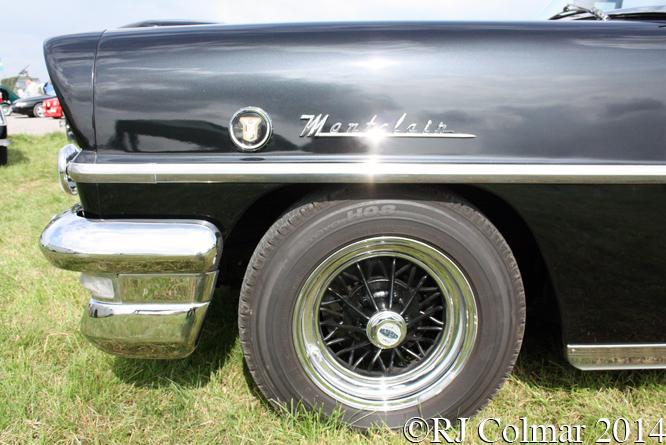
Mercury Montclair, Summer Classics, Easter Compton,

A hard top Montclair was shown to be capable of reaching 60 mph from rest in a more than respectable for the period 12.8 seconds.

Mercury Montclair, Summer Classics, Easter Compton,

Options offered with the Montclair included power windows, four-way power seat, and factory fitted air conditioning.

Mercury Montclair, Summer Classics, Easter Compton,

By 1957 the Montclair could be ordered with a 290 hp 6 liter / 368 cui Lincoln Y-Block V8 that also powered the Mercury Turnpike Cruiser that replaced Montclair at the top of the Mercury premium tree.

Mercury Montclair, Summer Classics, Easter Compton,

Adding the Montclair to the Mercury range boosted Mercury sales in 1955 by 27% over the previous year to a marque high of 330,000 units, a number that would not be reached again until the 1960’s.

It is believed that the Montclair takes it’s name from a suburban township in Essex County, New Jersey, in 1955 John Najjar’s Lincoln Futura concept was shown to the public and that vehicle went on to become to find fame in the 1960’s in much modified form as the Batmobile in the TV series staring Adam West as the capped crusader.

Thanks for joining me on this “New Jersey Premium” edition of “Gettin’ a li’l psycho on tyres” I hope you will join me again tomorrow. Don’t forget to come back now !
Share

Thrills ‘n’ Spills – Chateau Impney Hill Climb

A couple of weeks ago the Hill Climb at Chateau Impney which ran from 1957 to 1967 was revived by the Hagley and District Light Car Club attracting over 200 Edwardian, veteran, vintage and classic entries which ran over an exciting course that was nearly doubled in length from the original 550 yards to 967.8 yards, just over 1/2 a mile.

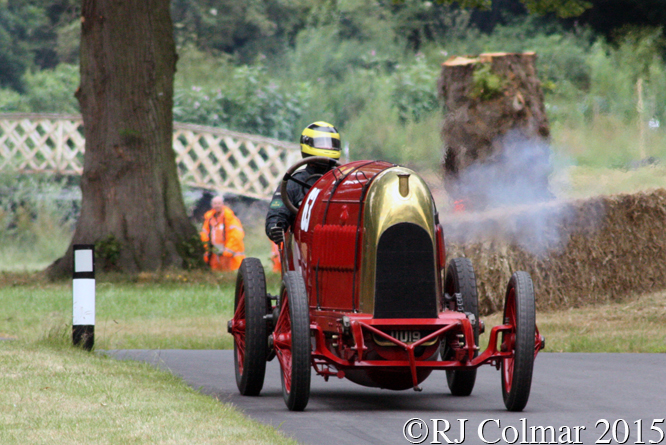
FIAT S76, Duncan Pittaway, Chateau Impney Hill Climb

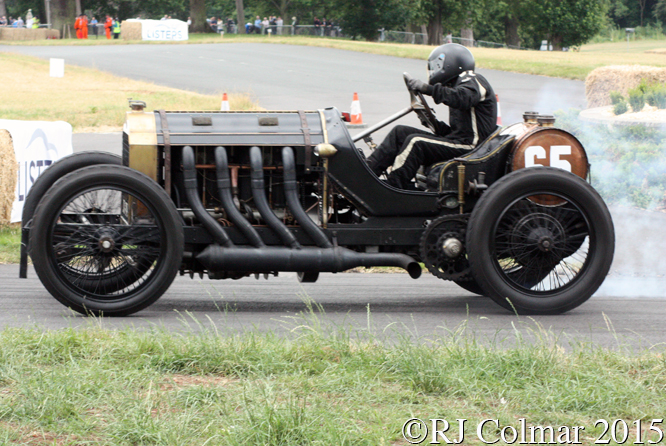
Stars on the hill included Duncan Pittaway’s stupendous flame belching FIAT S76 which proved an entertaining handful on the narrow winding course with it’s low revving 28.5 litre / 1,739 cui Goliath of an engine and spindly pram like wheels, Duncan was classified 197th overall and 13th in the Edwardian and Veteran class.

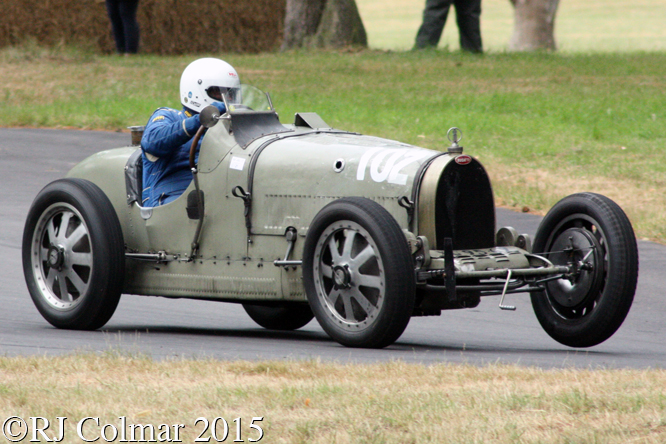
Bugatti Type 35B, Chris Hudson, Chateau Impney Hill Climb

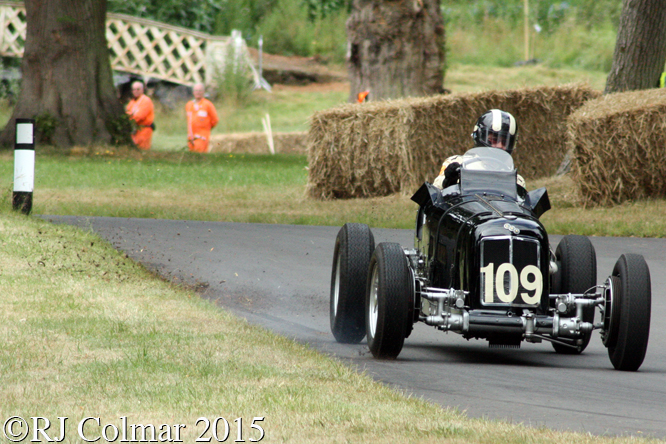
Cocking a front wheel going into Raven’s Nest above is the Type 35B Bugatti driven by Chris Hudson which was classified 72nd overall and 12th in the Pre 1940 up to 3 litre / 183 cui class which was won by…

ERA R4A, James Baxter, Chateau Impney Hill Climb

… James Baxter, who was classified 6th overall, seen above kicking up the verge driving Mac Hulbert’s ERA R4D.

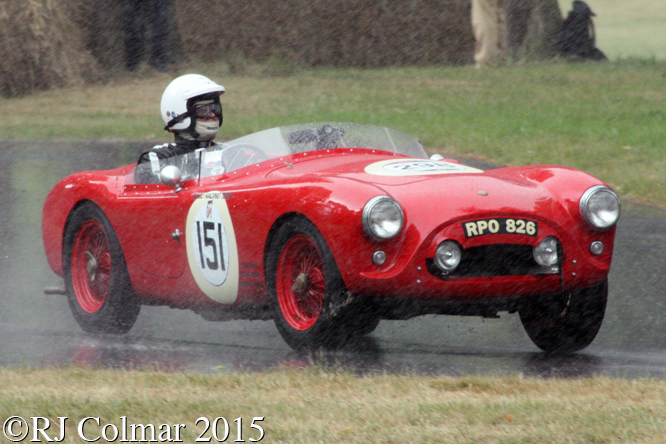
AC Ace Ruddspeed, Steve Gray, Chateau Impney Hill Climb

Steve Gray’s 1954 AC Ace Ruddspeed was on track just as an otherwise light spot of rain turned nasty, Steve’s afternoon time was 174th fastest overall of the day, 13th in class.

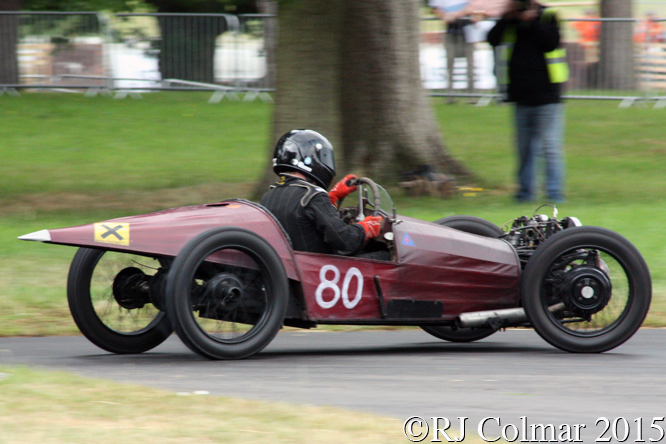
Mogan RIP Special, Charlie Martin, Chateau Impney Hill Climb

Charlie Martin can always be relied upon to display thrilling sideways driving skills driving the Morgan RIP Special, on this occasion he was classified 37th overall and 2nd in the up to 1500 cc Pre 1940 racing car class to Paddins Dowling driving the ERA R10B.

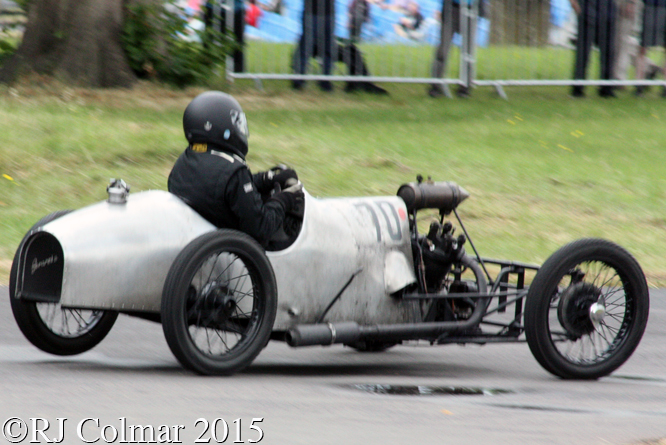
Grannie, Gary Clare, Chateau Impney Hill Climb

Gary Clare, who was classified 2nd in the Pre 1940 up to 1100cc racing car class and 91st overall, went one better than Charlie by managing to lift the inside rear wheel of “Grannie” exiting Raven’s Nest.

Frazer Nash TT Replica, Chris Batty, Chateau Impney Hill Climb

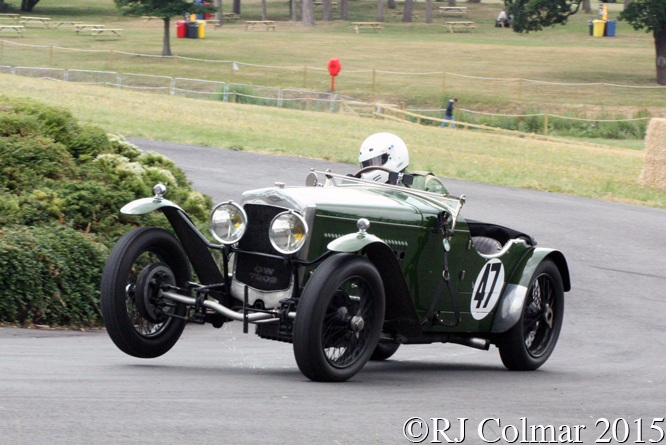
Front wheel lifter Chris Batty, 110th overall and 4th in the over 1500cc Pre 1940 sports cars class, is seen above exiting the roundabout in his 1930 Fraser Nash TT Replica.

de Dietrich, Richard Scaldwell, Chateau Impney Hill Climb

Richard Scaldwell, who regular readers may remember built the V8 powered GN JAP, used this event to debut his newly restored 1909 16.5 litre / 1006 cui de Dietrch which was classified 162nd overall and 4th in the Edwardian and Veteran class.

Napier Bentley, Chris Williams, Chateau Impney Hill Climb

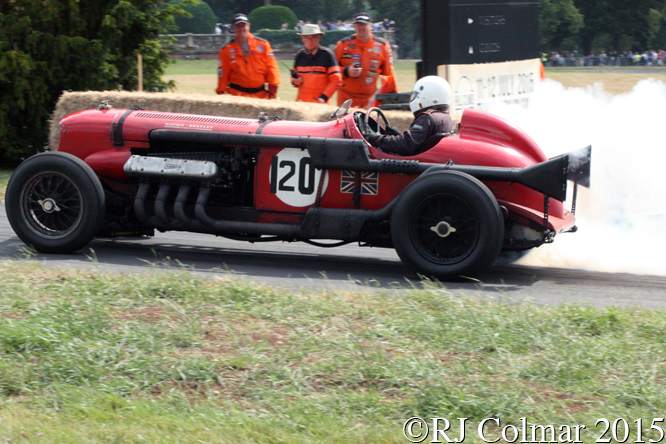
King of the burn out’s at Impney was Chris Williams in his Napier Bentley which was classified 131st overall and 5th in the Pre 1940 racing cars over 3 litre / 183 cui class.

Kurtis Kraft KK 500G, Fred Harper, Chateau Impney Hill Climb

Another car probably not best suited to the discipline of Hill Climbing was Fred Harper’s Kurtis Kraft KK500G designed to run on the wide open space of Indianapolis, above Fred appears to have remembered a bit too late that he and his 1957 Indy Roadster have a roundabout to negotiate, relying on his earlier morning time Fred was classified 5th in the pre 1961 over 1500 cc class and 128th overall …

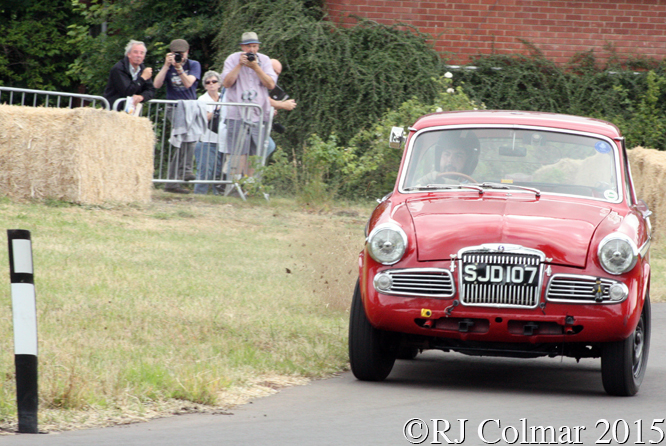
Sunbeam Rapier Series III, George Shackleton, Chateau Impney Hill

… one spot overall ahead of George Shackleton seen drifting his 1960 Sunbeam Series III on his way to a 10th place finish in the pre 1968 production saloon car class.

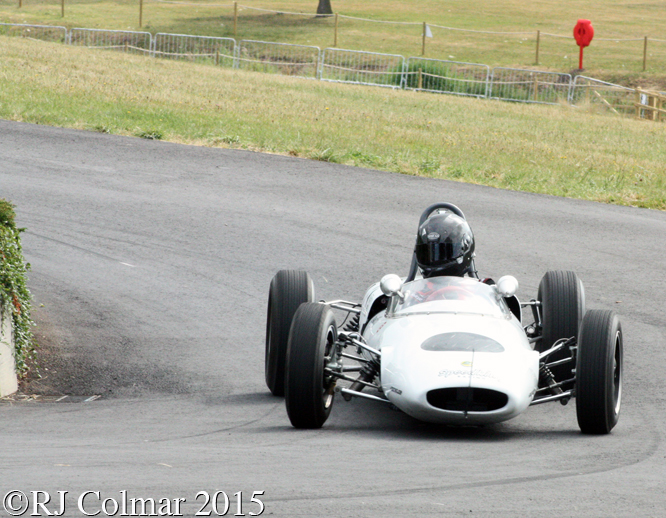
Lotus 20/22, Jack Woodhouse, Chateau Impney Hill Climb

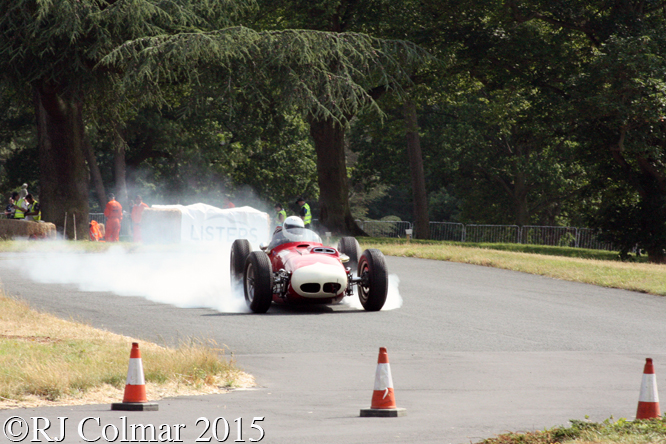
Local man from Bromsgrove and first time hill climber Jack Woodhouse is seen above setting fastest time of the day in his 1962 Lotus 20/22 Formula Junior car, the Woodhouse family had cause for a double celebration as Jack’s Dad Mark won the Pre 1961 up to 1500 cc class driving an Elva 100 Formula Junior car.

Plans for next years event at Chateau Impney are well underway, and if you have never been to a Hill Climb before this one should certainly keep you entertained.

Thanks for joining me on this “Thrills ‘n’ Spills” edition of “Gettin’ a li’l psycho on tyres” I hope you will join me again tomorrow when I’ll be looking at another Mercury. Don’t forget to come back now !
Share