Tag Archives: Austin

Britains Other Offroader – Austin Gipsy Mk2

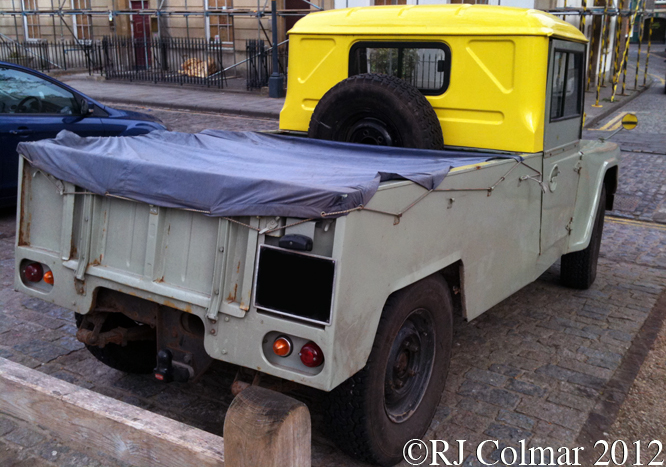
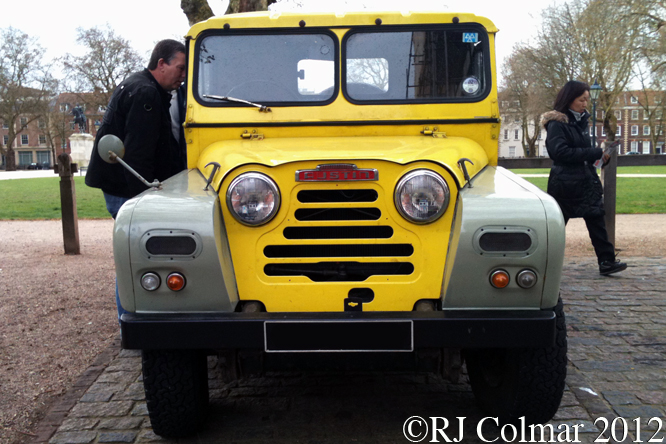
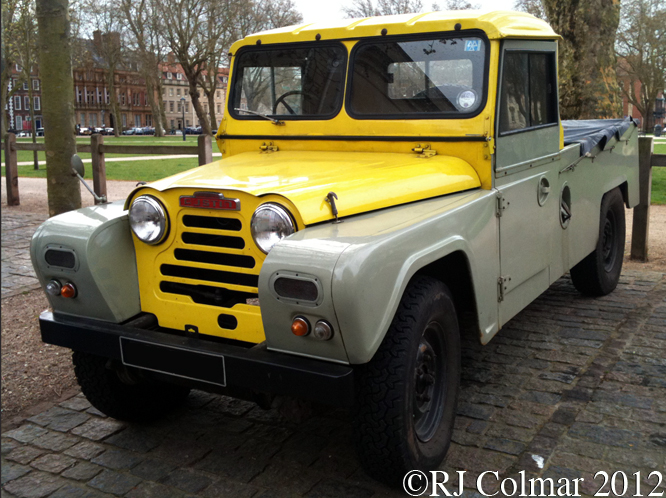
While Britain’s Land Rover is a brand with a global reputation it is often forgotten that, ten years after the introduction of the Land Rover Series 1, Austin launched a vehicle that had similar capabilities with the intention of grabbing a share of the civilian off road market in 1958.

Austin Gipsey Mk2, Avenue Drivers Club, Queen Square, Bristol

The Gipsey was a slightly larger steel bodied all wheel drive that although slightly heavier than the aluminium bodied Land Rover had an Austin A70 Hereford based petrol motor engine which produced 62hp and a 55hp diesel variation, both more powerful than the Land Rover equivalents which meant the Gipsey had both better performance and better economy that the Land Rover Series 2 launched in 1958.

Austin Gipsey Mk2, Avenue Drivers Club, Queen Square, Bristol

Mk 1 Gipsies were available with 90 inch wheel bases only as against 88 inches for the Land Rover. In 1960 when production moved from Longbridge to Aldderley Park in Birmingham Mk2 versions were also built with 110 inch wheel base options to better Land Rovers 109 inch wheel base.

Austin Gipsey Mk2, Avenue Drivers Club, Queen Square, Bristol

The Austin Gipsey never did get the foothold in the worlds all wheel drive markets that were anticipated, the better performance was let down by the steel bodywork which both rusted more readily and was more difficult to replace than the aluminium panels fitted to Land Rovers. In 1968 British Motor Corporation owners of Austin merged with Leyland owners of Rover/Land Rover but Austin Gipsey production had already ceased the year before with just 21,208 vehicles of three series produced.

The vehicle seen here at an Avenue Drivers Club meeting in Bristol last year is a 1962 Long Wheel Base petrol powered Series 2 Gipsey.

Thanks for join me on this “Britain’s Other Offroader” edition of “Gettin’ a li’l psycho on tyres” I hope you will join me again tomorrow. Don’t forget to come back now.

Share

Auctioneers Commercial – Austin 12 Pick Up

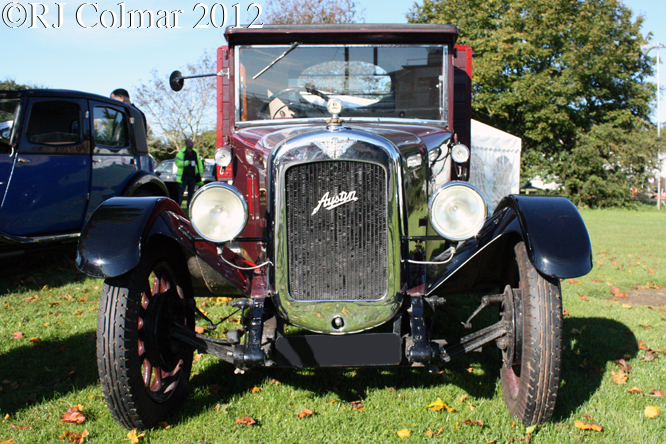
Austin 12 Pick Up, Castle Combe

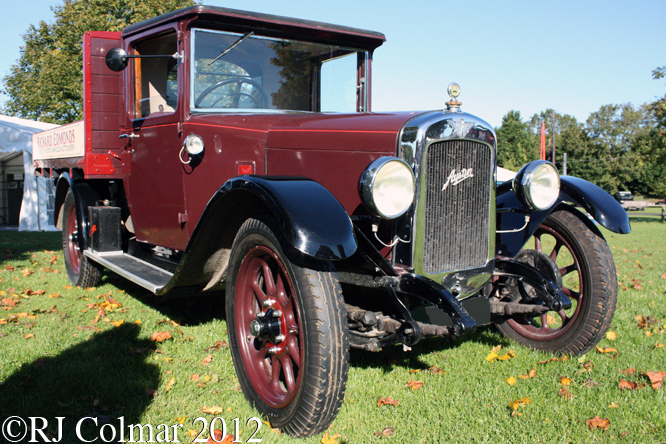
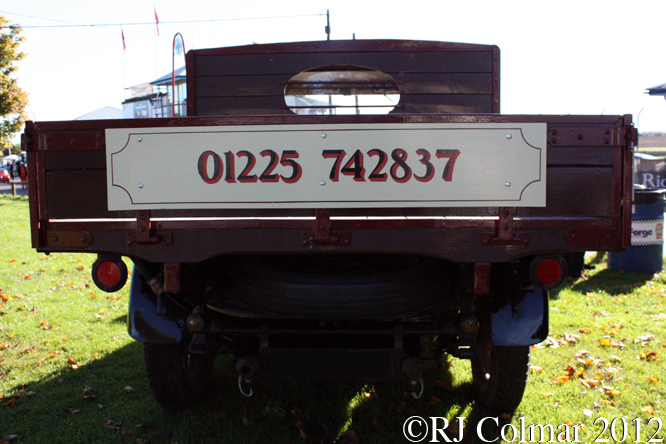
Today’s featured 1928 Austin 12 Pick Up is a regular visitor to the Castle Combe race circuit.

Austin 12 Pick Up, Castle Combe

This vehicle is powered by a 1861 cc / 113.5 cui 4 cylinder motor, the same as the Austin 12, later known as Heavy 12, motor cars.

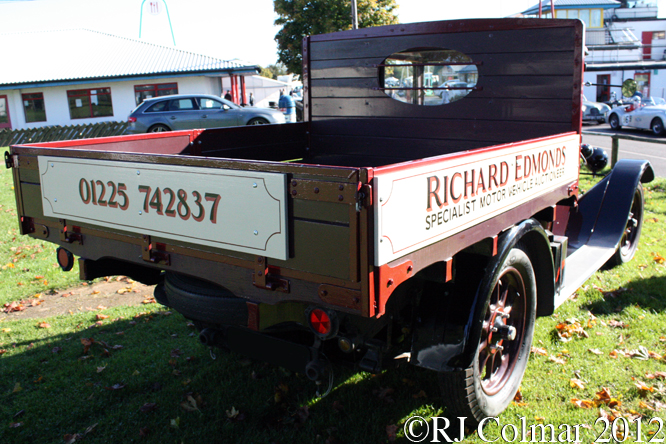
Austin 12 Pick Up, Castle Combe

Austin 12’s were manufactured from 1921 to 1939 with a variety of body styles, the taxi version being the last and only version available from 1935 to 1939.

Austin 12 Pick Up, Castle Combe

In the late 1960’s an Austin 12 entered Children’s popular culture thanks to the Hungarian born writer and illustrator Val Biro’s illustrated Gumdrop books fictional stories based on the real Austin 12 that he owns.

Thanks for joining me on this “Auctioneers Commercial” edition of ‘Gettin’ a li’l psycho on tyres’, I hope you will join me again tomorrow. Don’t forget to come back now !

Share

Nice Door Handles – Morris Marina ADO 28

With the merger of Jaguar with British Motor Corporation in 1966 the new merger was renamed British Motor Holdings and after a further merger with Leyland commercial vehicles the corporation became known as British Leyland Motor Corporation in 1968. British Leyland as it was known decided that the Austin and Morris brands should be differentiated in the early 1970’s with Austin vehicles being based around the front wheel drive (FWD) concept pioneered by Ales Issignosis with models like the Mini, 1100 and 1800 series vehicles while Morris vehicles would be more traditional with front engines driving rear axles (RWD) as they had on the Morris Minor and Morris Oxford models.

Morris Marina, Bristol Classic Car Show, Shepton Mallet

The design of the Marina coded ADO 28 was started by Roy Haynes who’s CV included the design of the popular Mk II Ford Cortina, however a disagreement over a common floor pan to share between models as espoused by Roy led to him quitting and Triumph Designer Harry Webster finishing the job by which time the intended Macpherson strut front suspension had been abandoned in favour of Morris Minor style tortion bars and a new gearbox design was abandoned in favour of an existing item from the Triumph parts bin.

Morris Marina, Atwell Wilson Museum, Calne

All in all the development costs of the conservative RWD concept Marina ended up exceeding those of the more radical FWD Allegro which was developed to be Austin’s competitor in the small family car market. Production facilities at Cowley had to be upgraded which included some comedy as an overpass was built so that the motors could be sent from a plant on the opposite side of a municipal road to the assembly plant, no sooner had the overpass been completed than the municipality offered to sell the road which British Leyland did not think twice to accept.

Morris Marina, Qwara, Malta

On a positive note the AMC Ambassador inspired vertical hinged door handles were a huge hit with Lotus founder Colin Chapman who specified them for use on the Lotus Elite, Eclat and Esprit models, Marina door handles were also adopted by Scimitar for the GTE shooting break while British Leyland used the same handles on the Triumph TR7/TR8, Austin Allegro and they eventually even found their way, finished in matt black, onto the Land Rover Discovery Series I.

Morris Marina, Cotswolds Classic Car Club, Frogsmill, Andoversford

Marina cars were powered by a variety of motors most common of which for the UK market was a 57 hp 4 cylinder A series which did not do much for performance but kept the handling within safer limits than the heavier more powerful motors which promoted lane changing understeer / push which induced the odd brown trousers moment for some Marina pilots.

Morris Marina, Cotswolds Classic Car Club, Frogsmill, Andoversford

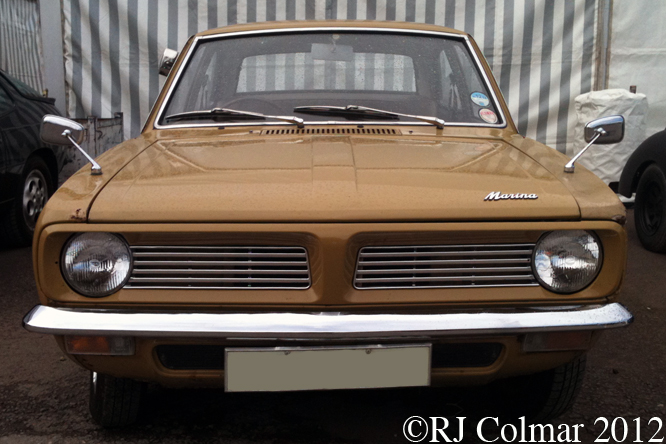
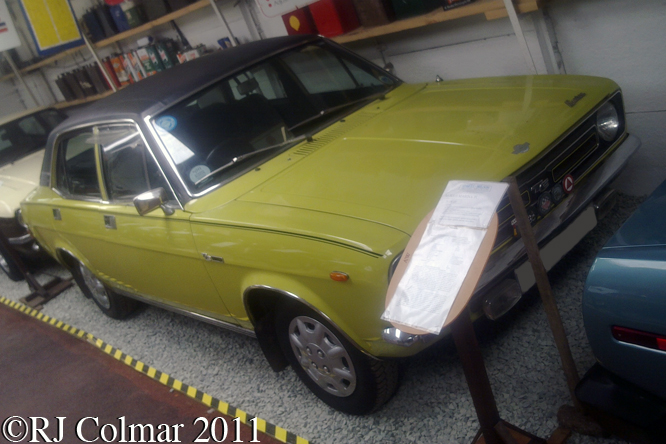
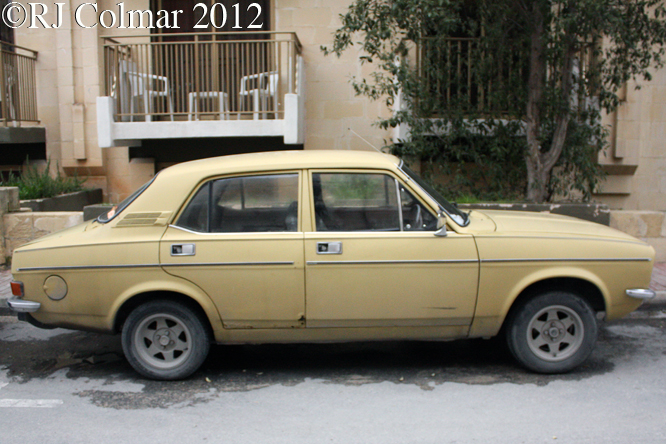
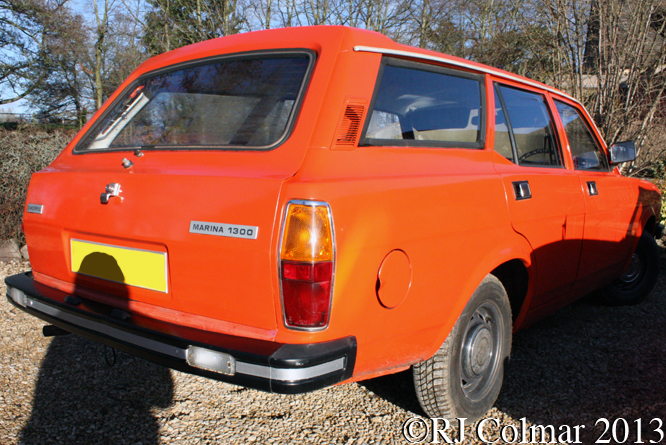
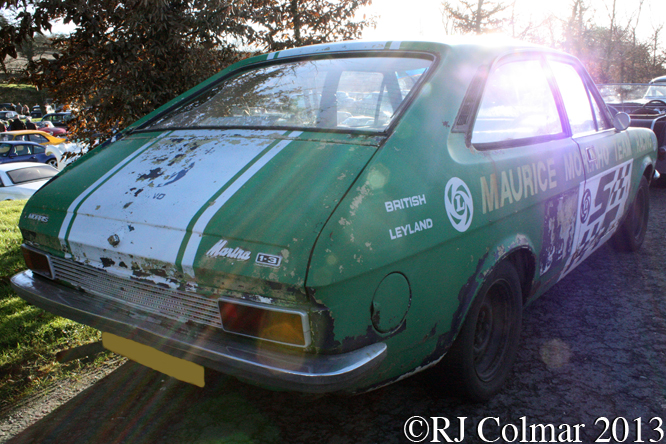
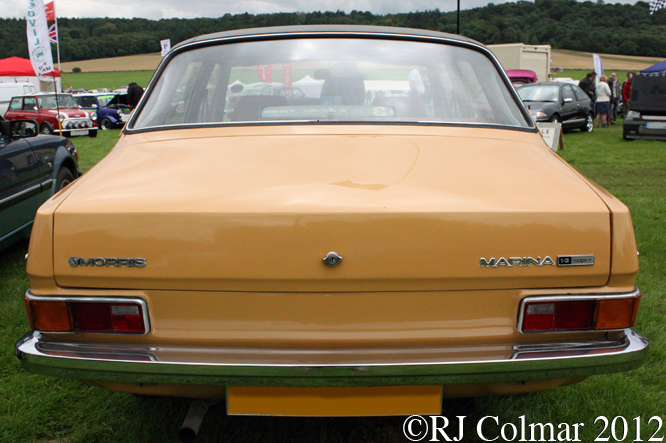
The Marinas seen here are in order top to bottom a ’72 Coupé at the Bristol Classic Car Show, Shepton Mallet, ’74 Twin Carburettor saloon sedan at the Atwell Wilson Museum, a Maltese 1500 saloon / sedan with after market alloy wheels and waist trim in Qwara, a ’79 Estate and ’72 Coupé both at the Cotswolds Classic Car Club meeting held at Frogsmill, Andoversford and below a saloon / sedan with an unusually straight rear bumper seen at last years Classics at the Castle, Sherborne.

Morris Marina, Classics at the Castle, Sherborne

Although much derided for almost every detail apart from the door handles the undemanding early 70’s British public lapped up Marina’s painted in tepid colours like Russet Brown, Harvest Gold, and Limeflower Green for the car to peak at second in the sales charts behind the Ford Cortina in 1973 and remain in the top 3 or 4 until 1980. Eventually over 897,000 Marina’s were sold in the UK of which 745 are thought to remain on British roads.

Thanks for joining me on this “Nice Door Handles” edition of “Gettin’ a li’l psycho on tyres” I hope you will join me again tomorrow. Don’t forget to come back now !

Share

More Power Bigger Drums – Morris Oxford II

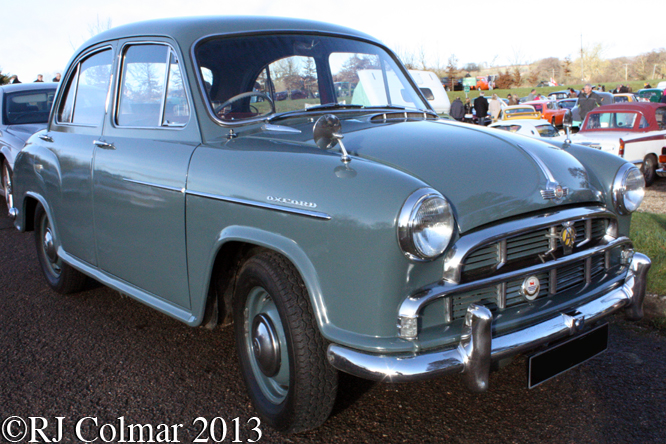
For 1948 Alex Issigonis designed the Morris Oxford to compliment the smaller Morris Minor is the Morris model mix, the Oxford MO boasted a 40.5 hp 4 cylinder side valve motor inherited from the prewar Morris 10 which it replaced, unitary body construction, torsion bar front suspension and hydraulically activated 8 inch drum brakes with which to bring the 72 mph vehicle to rest.

Morris Oxford II, Cotswold Classic Car Club, Frogsmill, Andoversford

In 1952 Morris merged with it’s great rival Austin with William Morris, now Lord Nuffield, becoming the British Motor Corporation’s first Chairman, thanks to the merger Morris was able to ditch it’s antiquated motors for those from the Austin range.

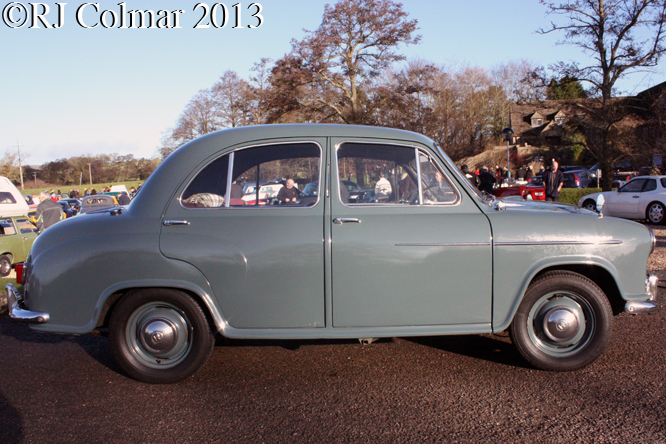
Morris Oxford II, Cotswold Classic Car Club, Frogsmill, Andoversford

As a consequence the Morris Oxford II first seen in 1954 was powered by a 50 hp Austin designed 4 cylinder over head valve B series motor which increased the top speed to 74 mph better acceleration and better fuel consumption 28 mpg up from 26 mpg of the Oxford MO.

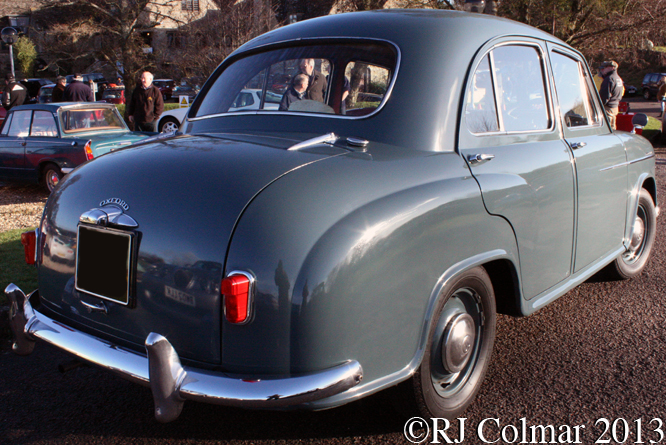
Morris Oxford II, Cotswold Classic Car Club, Frogsmill, Andoversford

The column shift 1955 Oxford II, seen here earlier this year as the Cotswold Classic Car Club Meeting held at Frogsmill Andoversford, was equipped with 9 inch hydraulic brakes to cope with the increase in performance and came with a heater as standard.

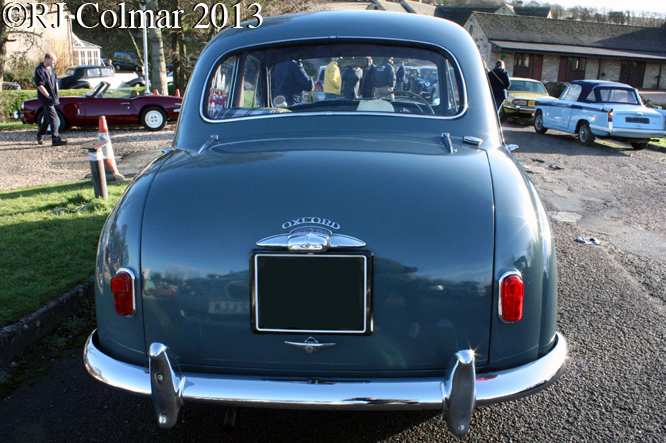
Morris Oxford II, Cotswold Classic Car Club, Frogsmill, Andoversford

The Oxford II was available in 4 door saloon / sedan or 2 door Traveller Estate / Station wagon variants, the former of which would live on as the Hindustan Landmaster built under licence until 1958 in India.

Morris Oxford II, Cotswold Classic Car Club, Frogsmill, Andoversford

From 1954 87,342 Oxford II’s were built at plants in the UK and Australia until 1956 when the model was replaced by the Morris Oxford III.

Thanks for joining me on this “More Power Bigger Brakes” edition of “Gettin’ a li’l psycho on tyres”, I hope you will join me again tomorrow. Don’t forget to come back now !

Share

Nelson Rowes to Double – HSCC Thruxton Revival Easter Sunday

Sunday finally brought months of waiting to an end for this race fan as I headed to Thruxton after teaching my Mum how to use her cruise control very early on Sunday morning.
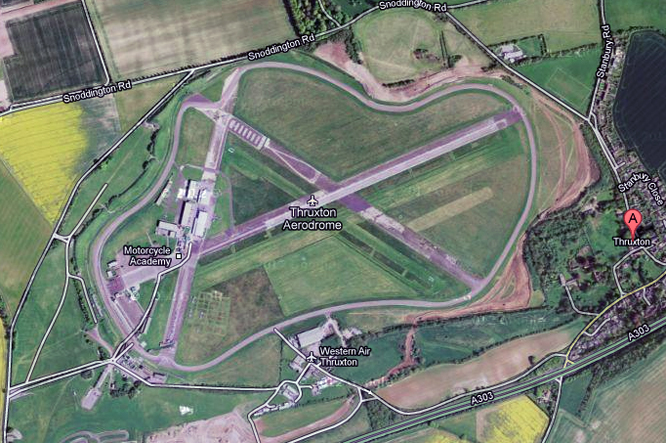
Thruxton Circuit, Hampshire, UK

Thruxton Circuit in Hampshire like many British race tracks began life as a military air base during the 1939 – 45 war, it opened in 1940 and served as a base for the RAF and USAF troop carrying aircraft and gliders notably used for the D-Day landings on June 6th 1944 and many subsequent operations requiring large numbers of air borne troops. The first race meetings were held on a circuit using the perimeter roads in the 1950’s but the track was considered too bumpy and it was not until the British Automobile Racing Club, BARC, needed a new home following the closure of the Goodwood circuit in 1966 the Thruxton was reactivated more or less in the form we know it today.
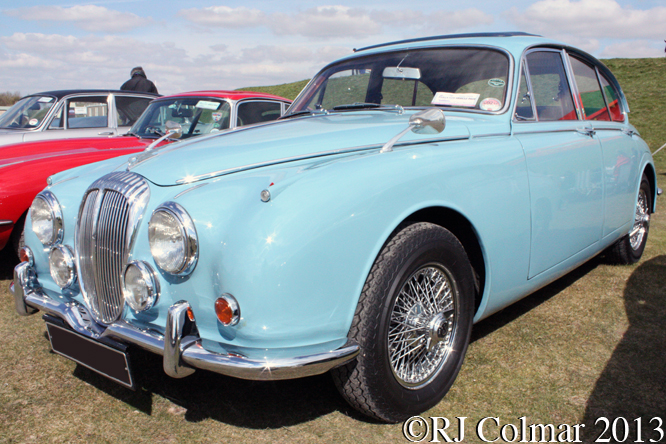
Daimler V8-250, Thruxton Easter Revival

Last time I was at Thruxton well known Grand Prix pundit and 13 time Grand Prix winner David Coultard was still driving in Formula Ford in 1989, my first visit to Thruxton a couple of years earlier was notable for a win by my school pal Sven driving his Alfa Romeo Alfasud for whom I was acting as gofer. Consequently I got to drive his car round the track at snails pace following Sven as he stood in the back of the victory parade lap car. The entrance to the circuit on Sunday was flanked by a variety of Mini’s, Triumphs and Jaguars, in amongst the Jaguar Enthusiasts Club vehicles was this 1969 Daimler V8 250.
HSCC Classic Racing Cars, Thruxton Easter Revival

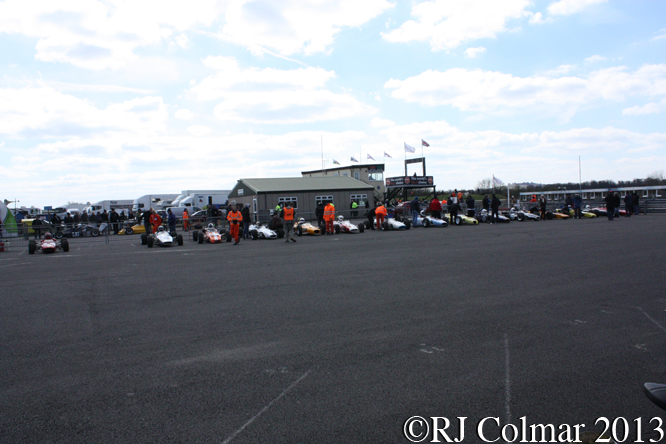
I got to the track just as the last practice was about to begin above the HSCC Classic Racing Cars, comprising Formula 2,3,B and Ford open wheelers dating from 1963 to 1970 line up in the holding area prior to the start of their practice session.
Austin A105, Thruxton Easter Revival

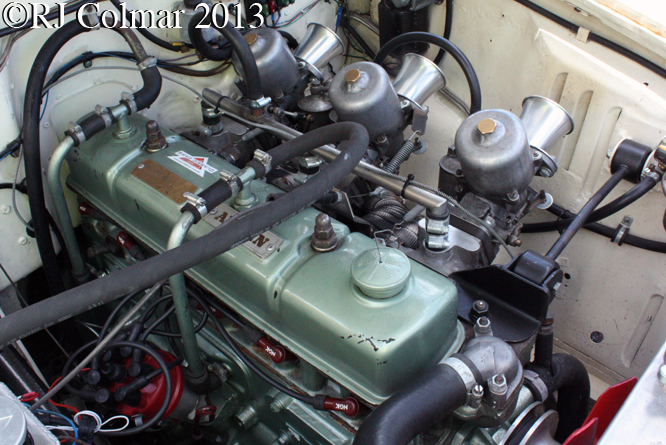
The paddock was full of delights like this 1958 six cylinder Austin A105 of the type that Jack Sears used to win the very first British Saloon Car Championship in 1958. Thruxton has a great mix of corners from tight 90 degrees to long sweepers meaning this A105 driven by Andrew Davenall found it’s self in a race long scrap with the much better handling Mini Cooper of David Dunnell which went in favour of the former towards the back of the HSCC Historic Touring Car field.
Kvanti Mk I, Thruxton Easter Revival

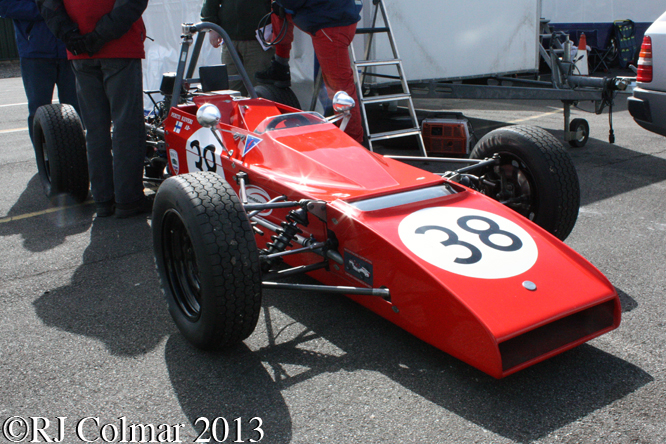
Making a welcome appearance from Finland in the Historic Formula Ford race was this 1971 Kvanti Mk I driven by Pertti Kilveri.
Ford Boss 302 Mustang, Thruxton Easter Revival

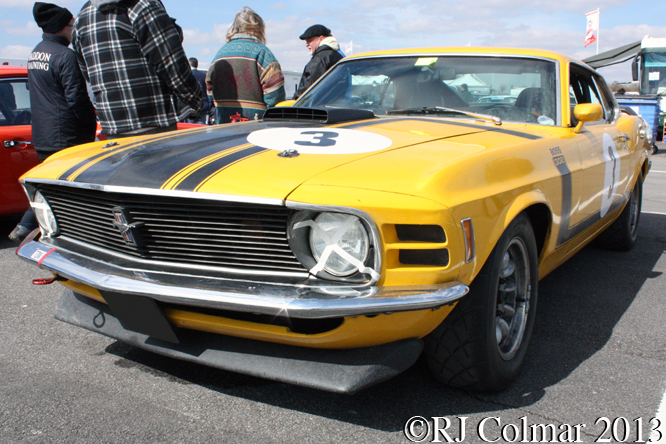
Another car that was to find it’s self in the midst of a mid field scrap was this 1969 Boss Mustang driven by Martin Edridge which managed to edge out the 1969 Camaro driven by Nick Savage both of whom were miles behind the better handling Lotus Elan’s that took the top three spots in the HSCC Historic Road Sports Championship.

Osella BMW PA4, Thruxton Easter Revival

There were two races for racing cars powered by 2 litre 92 cui motors at Thruxton on Sunday the Martini Trophy Race featured 2 litre Group 6 cars like the BMW powered 1976 Osella PA4 driven by Italian Cosimo Turizio unfortunately Cosimo retired shortly before the end of the race handing Ray Mallock driving a 1976 Mallock Mk18 in the invitational class a second place finish.
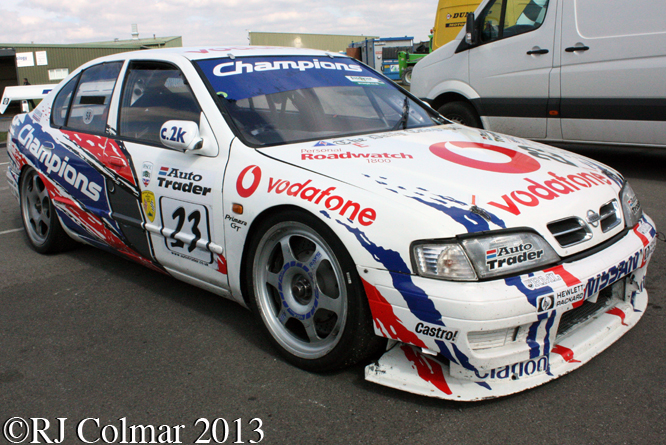
Nissan Primera GT, Thruxton Easter Revival

The Super Touring Car Race featured Derek Palmer’s 1999 Nissan Primera GT, which was originally built and prepared by Ray Mallock Limited (RML) for Laurent Aiello who became the first Frenchman to win the British Touring Car Championship.
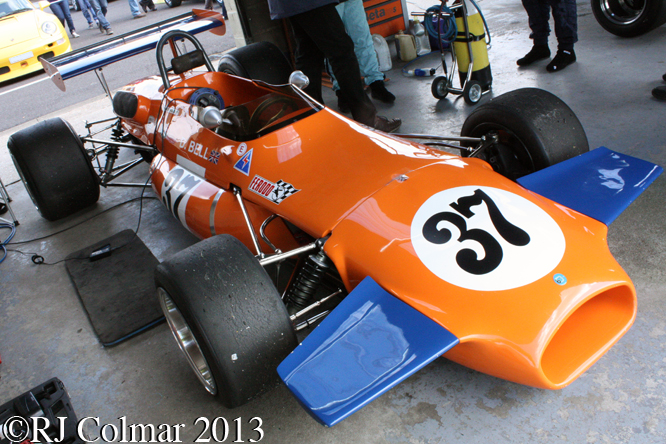
Brabham BT30, Thruxton Easter Revival

Ted Walker was in the pits time keeping for Lincoln Small who was driving the Brabham BT30 in the featured Jochen Rindt Trophy race. Lincoln’s Brabham is the same one that Derek Bell drove for Tom Wheatcroft to a second place finish in the 1970 European Formula 2 Championship.
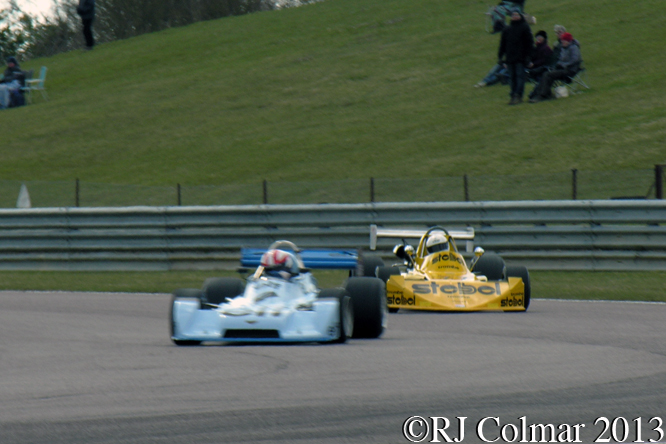
Jochen Rindt Trophy Race, Thruxton Easter Revival

The Jochen Rindt Trophy race on Sunday was won by Martin O’Connell driving a 1977 Chevron B40 that looks as though it might be the same won as Alain Prost drove for Fred Opert prior to becoming a four time World Champion. Martin is seen above leading Andrew Smith’s March 742 car at Campbell Corner on the opening lap. Andrew finished second but only after loosing a couple of places in the opening laps and regaining them.
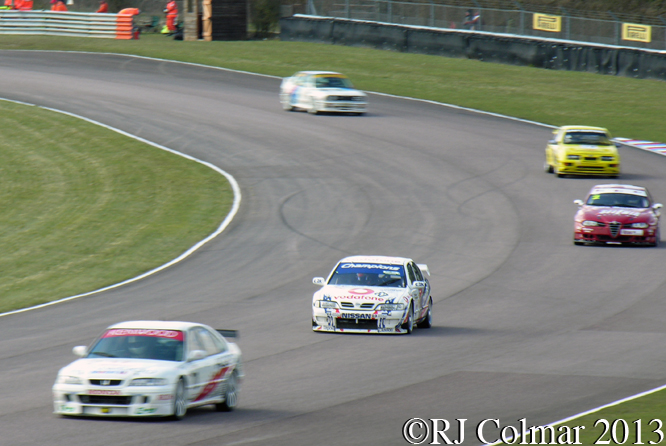
Super Touring Car Race, Thruxton Easter Revival

There was not a huge entry for the Super Touring Car Race on Sunday, partly because some of the entries were lost after the race for these cars held the day before. However Derek Palmer in the Nissan was always ready to take any advantage of Stewart Whyte’s 1996 Honda Accord although he did not have the speed to challenge Stewart for the top spot on the podium.
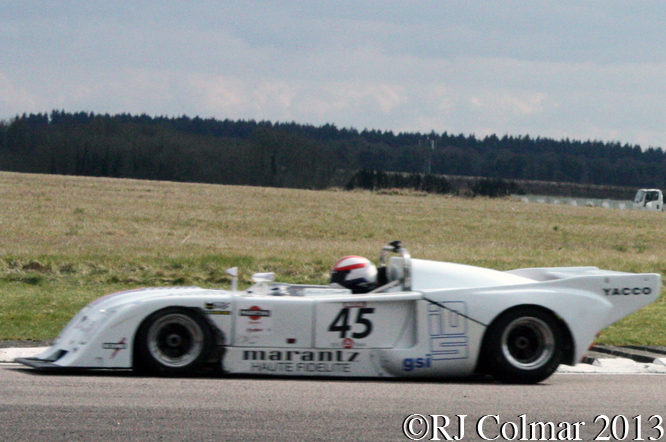
Chevron B36, Thruxton Easter Revival

Martin O’Connel came close to scoring a second comfortable win on Sunday with his Chevron B36 above in the Martini Trophy Race however he suffered a puncture which handed the lead to the similar car of Nick Flemimg.

HSCC Historic Road Sports Race, Thruxton Easter Revival

The HSCC Historic Road Sports Race was as mentioned earlier a Lotus Elan benefit, but not before Andrew Sheppard, driving a nimble 1962 Lotus Seven S2, had found a way past the #9 1963 Elan of eventual winner Roger Waite. Andrew unfortunately was soon to retire out on the circuit.
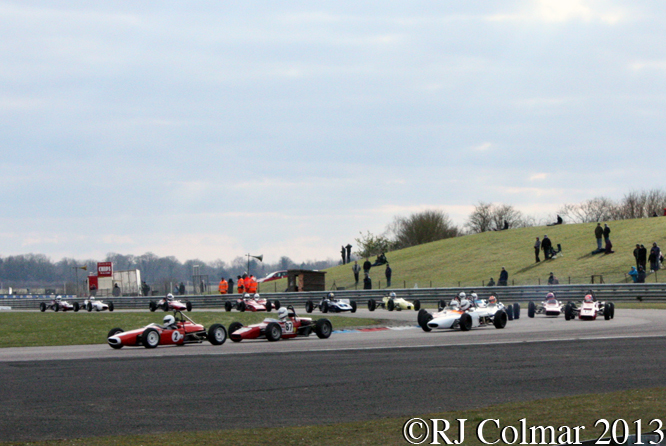
HSCC Historic Formula Ford Race, Thruxton Easter Revival

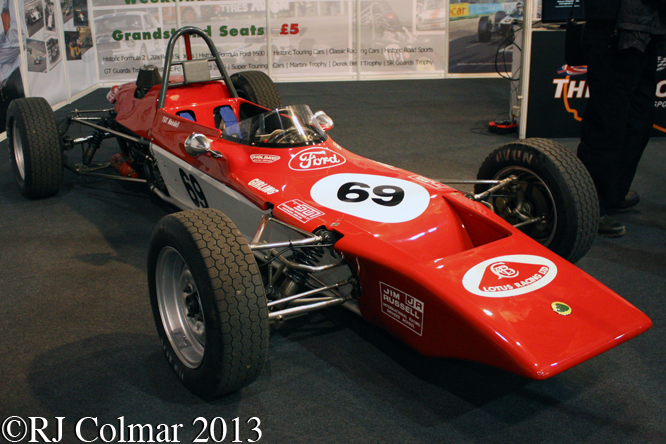
The full grid of Formula Ford cars was thinned out after a contretemps on the opening lap after the first attempted start. Bristol Veterinarian Nelson Rowe, driving the #87 1971 Crosslé 20F, made a great start from the first attempt but was beaten by Benn Simms driving the #2 1968 Jmr 7 Jomo on the second start as seen above. Nelson quickly found away past Benn and drove to his first victory of the day having only to worry if he had enough petrol to make it to the finish after the additional start and pace lap. Former Grand Prix driver Tiff Needell seen above in 7th place second from right was thrilled to find away to a third place finish in his 1971 Lotus 69 and was heard talking about appearance money before committing to making any further appearances in the series.
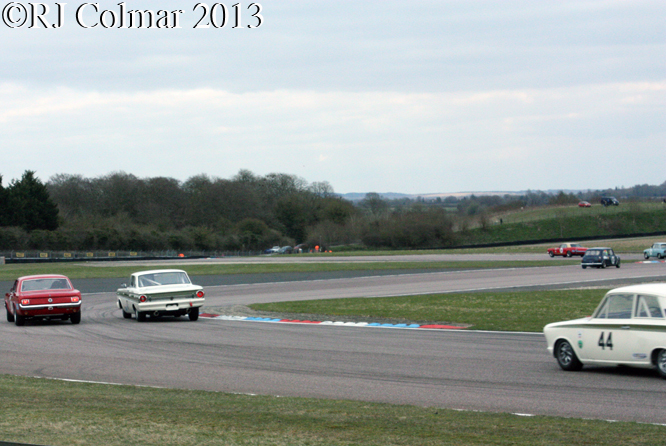
HSCC Historic Touring Car  Race, Thruxton Easter Revival

The HSCC Historic Touring Car Race also had to be stopped after Neil Brown went bouncing into what looked like at least 3 barrel rolls at nobel. Amazingly Neil released himself and appeared completely unharmed from the incident. Richard Dutton made a second clean start and headed for a comfortable win in his read and gold 1965 Mustang which can be seen leading some back markers above but it was Mike Gardiner driving a 1964 Ford Falcon who took the restart from the back of the grid who provided most of the entertainment. Mike is seen above relieving the ’65 Mustang driven by Warren Biggs of second place going into Campbell.
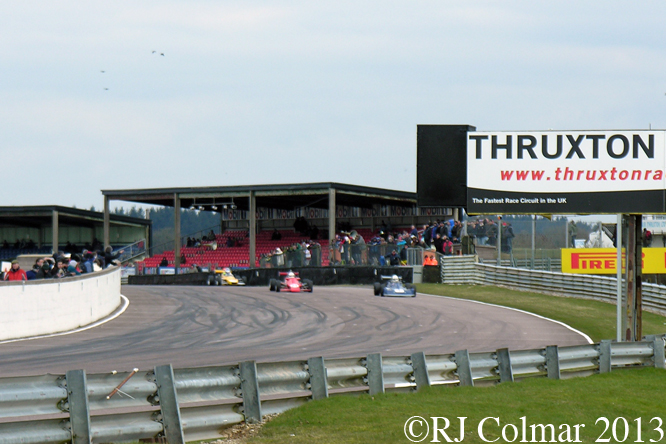
Historic Formula Ford 2000  Race, Thruxton Easter Revival

Nelson Rowe driving the #1 1979 Reynard SF79 was in command of the Pinto powered Historic Formula Ford 2000 race through out all though teenager Callum Grant did his best to earn a beer driving a 1978 Delta T78 to a commendable second place finish.
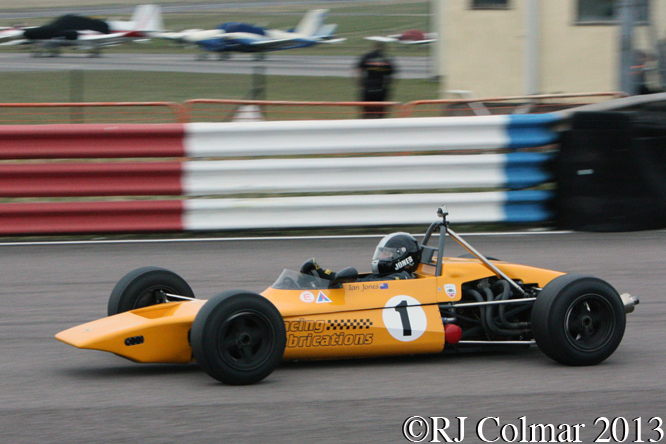
Lotus 59, Thruxton Easter Revival

The final race of the day for HSCC Classic Racing Cars was a Ian Jones benefit, he was never headed from poll driving the #1 1969 Lotus 59 seen above in Formula B spec. Again despite the absence of a memorable duel for the lead there were some great scraps going on behind Ian. All in all I got my 12 quids worth on a day where the temperatures were marginally above freezing and a good supply of affordable track side snacks and hot drinks kept my sense of humour from running for the cover of the nearest duvet or three.

Thanks for joining me on this “Nelson Rowes to Double” edition of “Gettin’ a li’l psycho on tyres” I hope you will join me again tomorrow. Don’t forget to come back now !
Share

Mad Snow & Englishman – Great Western Sprint

It’s only five years since the last time it was so cold at this time of year and it must be a sign I wear double thickness rose tinted lenses that I cannot remember it, however at 5:45 am my alarm clock went off on Saturday and about an hour later I stumbled out of the house and made my way to Castle Combe where I had volunteered to marshal at the Great Western Sprint sponsored by Williams Automobiles and organised by the Bristol Motor Club for the day.

Mazda MX5, Great Western Sprint, Castle Combe

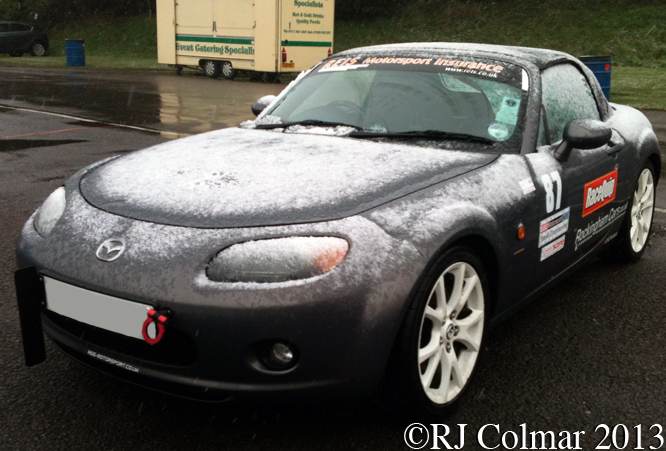
Between signing on at the Strawford Centre and breakfast at the Tavern Club House Tony Thomas was defrosting his MX5 in the paddock.

Big Boys Breakfast, Tavern Club House, Great Western Sprint, Castle Combe

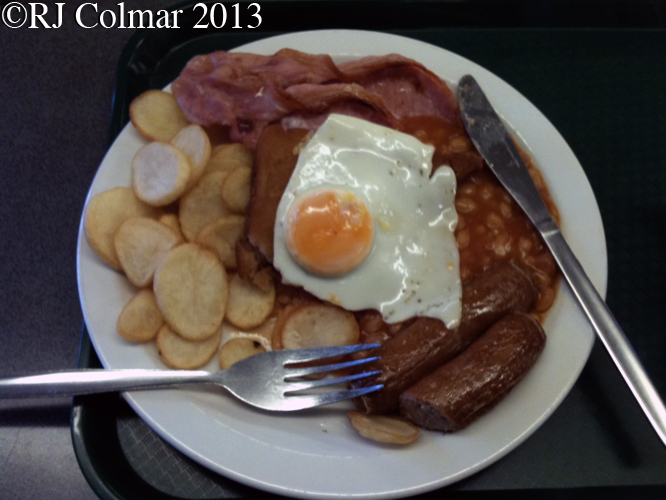
They say an army marches on it’s stomach and with the inclement weather I decided a Big Boys Breakfast looked like a bargain at £6.95.

Kayne Special III, Great Western Sprint, Castle Combe

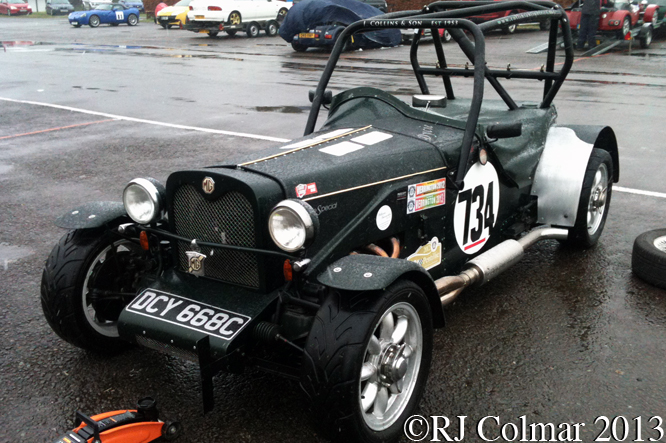
After my hearty breakfast I had just enough time to scoot around the paddock where John & Jonathon Biggs were preparing to fit the familiar Kayne Special III with road tyres to cope with the slippery conditions.

ADR Sport 2, Great Western Sprint, Castle Combe

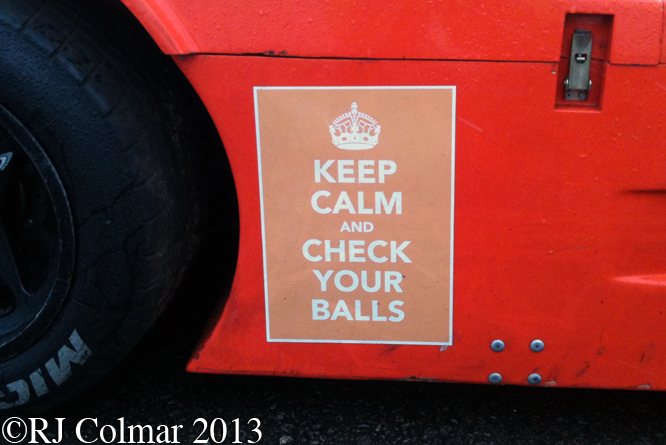
Andy Lawrence ADR Sport 2 displayed a welcome sense of humour which may have helped him to a class win in the under 1800 cc Sports Libre Class.

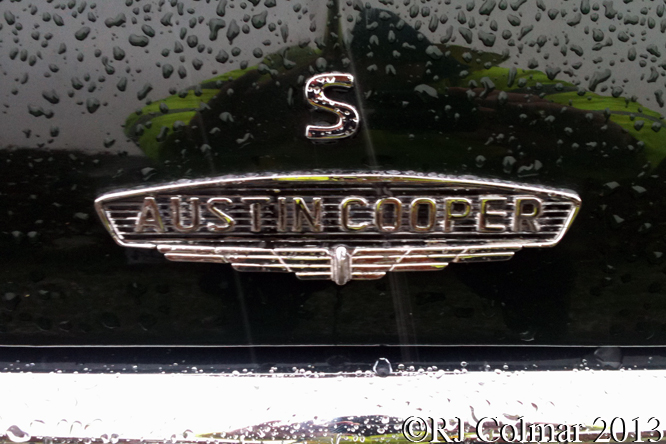
Austin Cooper S, Great Western Sprint, Castle Combe

Looking pristine despite the conditions was Mark Whitchurch’s Austin Cooper S.

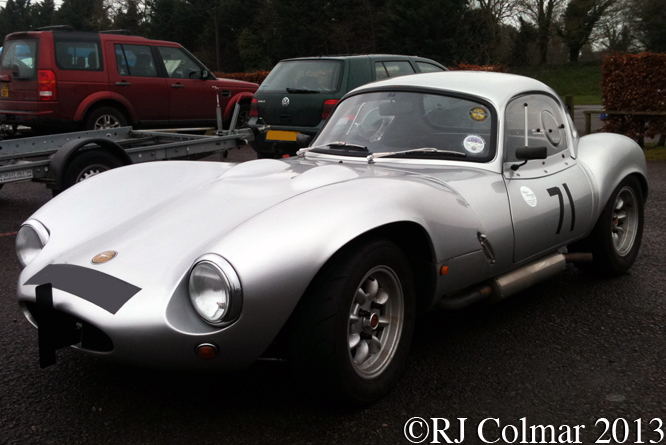
Ginetta G4, Great Western Sprint, Castle Combe

According to official records Roger Coote’s Ginetta G4 dates back to 2000 despite wearing a circa 1966 license plate more in keeping with the design era of the car.

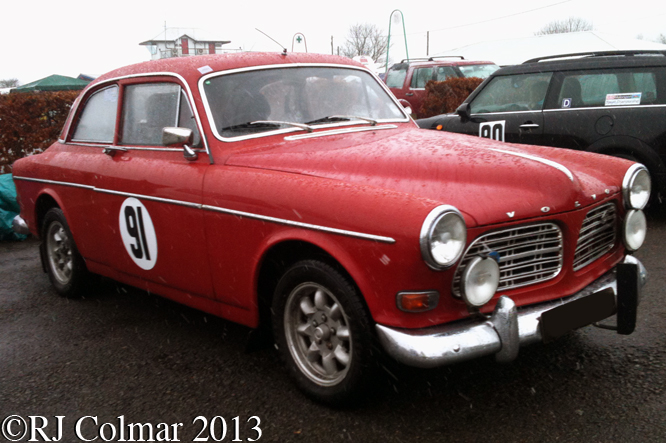
Volvo Amazon, Great Western Sprint, Castle Combe

Sleet was falling as David Jamesons prepared his 1968 Volvo Amazon for a practice run.

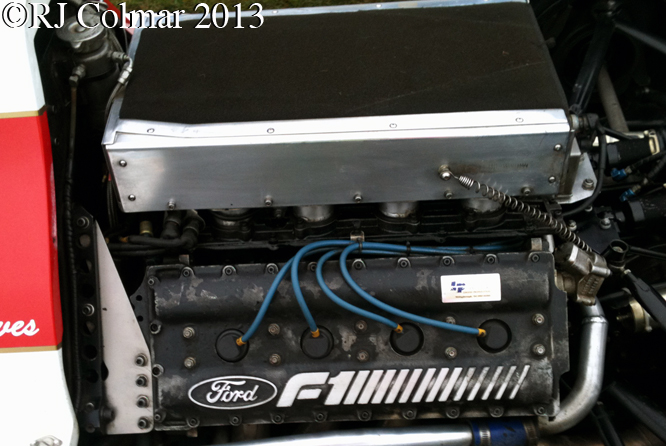
Ford Cosworth DFR, Great Western Sprint, Castle Combe

The 1988 Formula One season saw teams choose between two engine options 1.5 litre turbo or 3.5 litre atmospheric induction, Ford chose to abandon it’s turbo and supplied the Benetton team with a normally inducted Ford Cosworth DFR V8, like the one seen here in the back of Terry Graves Gould GR37, Benetton managed to finish 3rd in the manufacturer’s championship behind the Turbo powered McLaren Honda and Ferrari teams and ahead of the Lotus Honda and Arrows Megatron (BMW) turbo teams.

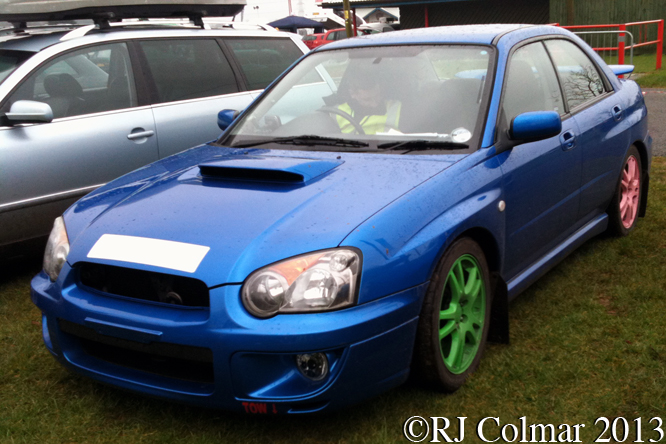
Subaru Impreza, Great Western Sprint, Castle Combe

My partner for marshaling duties on the inside of the track at Westway for the day was Carl, who drove us from the marshals meeting to the circuit gate opposite our post in his 2006 Sabaru Impreza fitted with natty Warholesque green and pink wheels.

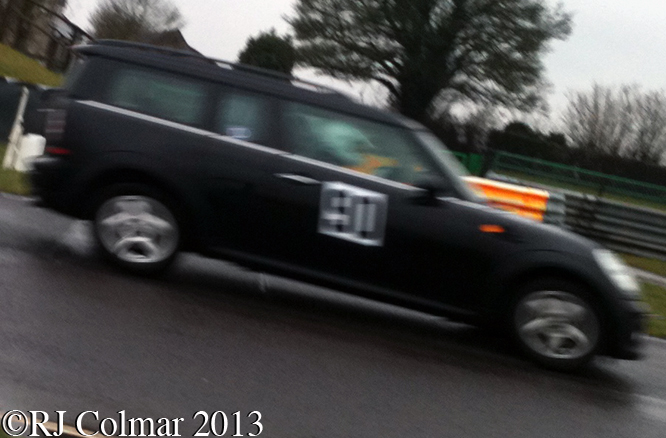
Mini Cooper, Great Western Sprint, Castle Combe

Apart from reporting the odd miscreant competitor who missed the Bobbies chicane our duties were not particularly taxing. Our post also served as the finishing line for the 1 3/4 lap sprint. I grabbed the following snaps on my i-phone while stood down during tea breaks. Above James Pile crosses the finishing line in his MINI Cooper Traveller.

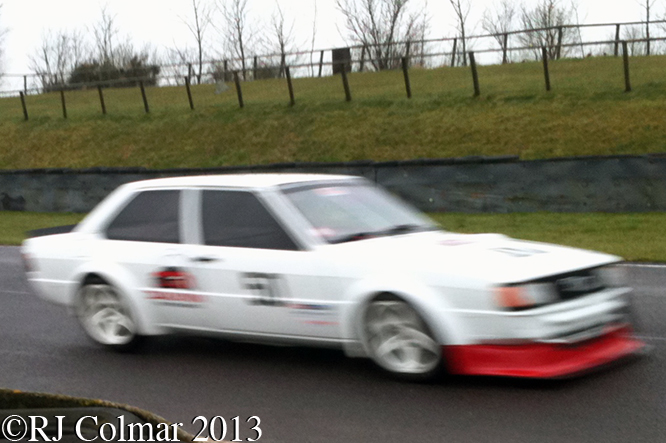
Audi 80 Quattro, Great Western Sprint, Castle Combe

Last time I recall seeing an Audi 80 on a race track was in 1980 when Sir Stirling Moss drove one in the British Saloon Car Championship, car of the day for me was undoubtedly Keith Murray’s Audi 80 quattro fitted with a turbocharged motor the car not only looked and sounded great but went like a rocket easily winning the Harkness Tyres Modified Production class beating Andy Trayner driving an Audi Quattro Coupé.

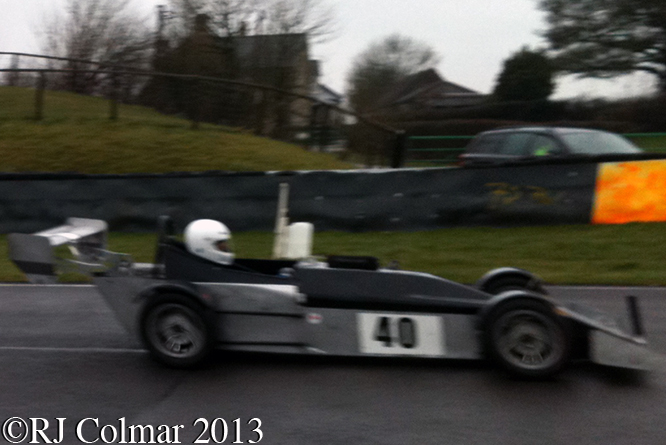
Mallock Mk 18b, Great Western Sprint, Castle Combe

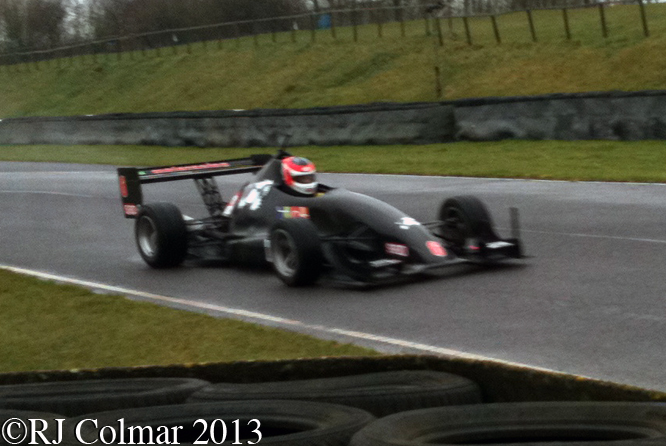
Luke Trotman’s Mallock Mk18b broke a drive shaft in practice and then failed the first timed run, as did the two other competitors in the Sports Libre under 1800 cc class and ended up finishing second in the final run. It was around this time that I spotted something dayglo on the track and called a temporary halt to the proceeding for what turned out to be a ball of dayglo masking tape, shades of calling a NASCAR style ‘Jr caution’ there ! Doh !

Van Diemen RF 96, Great Western Sprint, Castle Combe

Van Diemen was founded by the father of the only Australian to win a NASCAR Race Marcos Ambrose and Ralph Fairman father of one time Formula One driver Ralph Fairman Jr in 1973. Steve Miles is seen above driving his 1996 Van Diemen RF 96 which would have started life a Formula Ford 2000 spec car to a fifth place in the top 12 Run Offs.

Lola Tegra Judd T90, Great Western Sprint, Castle Combe

The event overall was one by Terry Holmes in his Lola Tegra Judd T90 who only needed one run in the top twelve to set fastest time, and generously decided not to take a second run saving us marshals from standing a around in the freezing for an additional couple of minuets.

At mid day proceedings had been stopped for a welcome lunch break during which I refuelled on delicious beef madras curry with rice AND chips but by the end of the day my sense of humour was beginning to slip and I was ready to get home and jump into a hot bath to defrost.

Thanks for joining me on this “Mad Snow & Englishman” edition of “Gettin a li’l psycho on tyres” I hope you will join me again tomorrow. Don’t forget to come back now.

Share

ESSO Celebrity Challenge Car – MG Metro Turbo

In 1980 Austin launched a car that was designed to replace the much loved Mini that had been in production in various guises since 1959. The new Austin miniMetro would remain in production for 18 years also in many guises but somehow the Mini remained in production through out the Metro’s life span and a couple of years on top of that until 2000.

An MG version of the Metro was first seen in 1982 with an improved cylinder head, larger valves and a new cam shaft which gave it a top speed of 105 mph and an acceleration time from rest to 60 mph in just over 10 seconds. Shortly afterwards the 115 mph 93 hp MG Metro Turbo was introduced with a rest to 60 mph time of just 8.7 seconds.

MG Metro Turbo, Oulton Park,

In 1987 the ESSO Metro Challenge was born out of the previous years Metro International Challenge, the only internationally sanctioned one make series at the time. The ESSO Challenge cars ran MG Metro Turbo’s which had been race prepared with kits supplied by Roger Dowson Engineering who also ran the series.

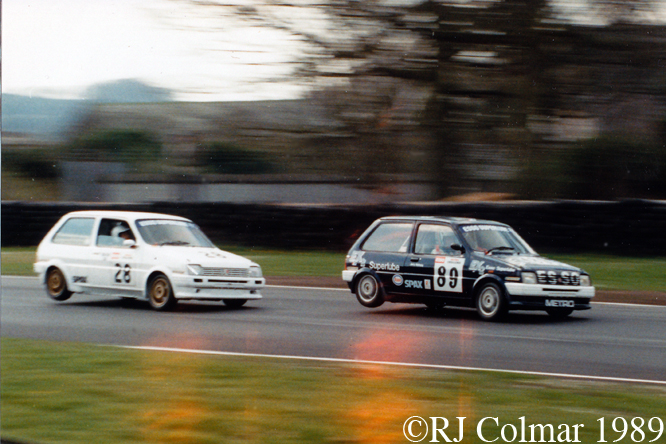
For 1989 and presumably in previous years, but my memory does not recall, ESSO sponsored the #89 celebrities car for a guest to drive in each of the races. Above Jerry Mahoney a driver from the British Saloon Car Championship is seen at Oulton Park being chased by the #28 of Malcolm Bell.

MG Metro Turbo, Oulton Park,

In his pellucid contemporary account of the race published in Motoring News, Phil Rainford recalls “Jerry Mahoney, out in the celebrity car, was right on the pace but retired on lap four after a collision with Martin Bell …”. Events which I confess I do not recall seeing at the time. TNF correspondent JockinSA tells me that the reason the rear wheels lifted is because the standard hydralastic suspension had been removed and replaced with shock absorbers which did not allow the rear wheels to drop very far when the body rolled.

Slightly off topic but the Metro Challenge race at Oulton Park was won by Peter Baldwin whom 23 years later I saw winning a Mini race at Castle Combe last year, Peter can be seen streaking to a win having taken the lead on the last lap, in the orange Mini in the distance in this linked photo.

MG Metro Turbo, Silverstone

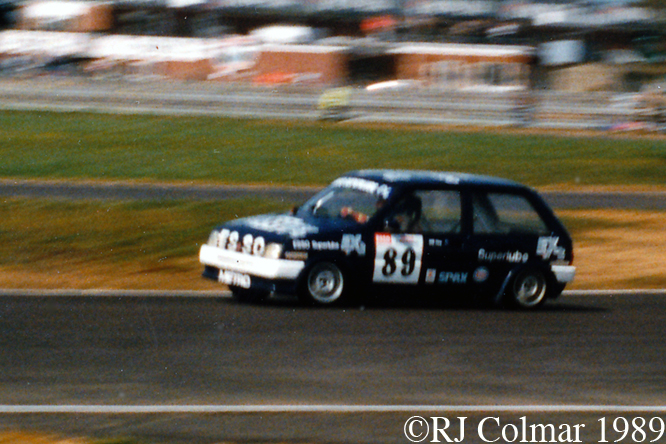
The final photo show’s the late Will Hoy in action at Silverstone a couple of weeks later. Robin Bradford, Austin Rover Press Relations manager at the time, has kindly informed me that this race took place on his 38th Birthday, May 1st and that another British Saloon Car Championship driver Hoy qualified 5th but did not finish.

Though Robin does not remember why Will retired, my own memory is that British Rally ace Tony Pond was at the wheel and that his car caught fire causing the #89’s retirement. I also thought I had a photo of the fire but I do not so I will defer to Robin’s superior memory which is after all linked to his birthday.

My thanks to Gatmo, Tim Murray, Phil Rainford, Alan Cox, Simon Arron, Stuart “Twin Window” Dent, BRG, Jockin SA and Blogsworth who contributed to the content of today’s blog on the #89 Celebrity Metro Turbo drivers ?, Oulton and Silverstone 1989 thread at The Nostalgia Forum.

For now this is the end of my Tuesday MG blogs, I’d like to thank all the many friendly MG enthusiasts who have contributed to this feature over the last year or so and made the MG Marque such a pleasure to blog about.

Thanks for joining me on this “ESSO Celebrity Challenge Car” edition of “Gettin’ a li’l psycho on tyres” I hope you will join me again tomorrow. Don’t forget to come back now !
Share