Tag Archives: Bristol

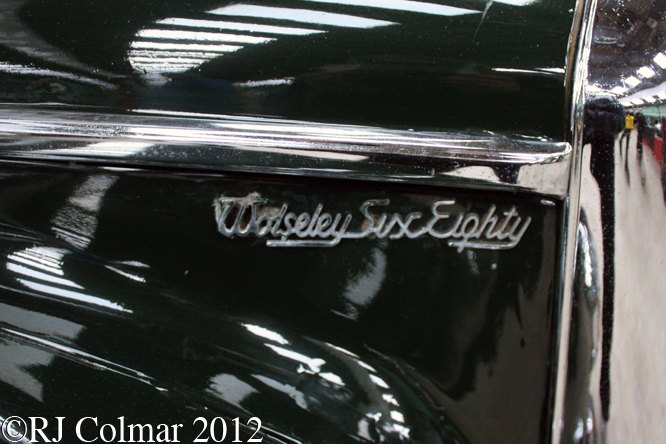
Cops Car – Wolseley Six Eighty

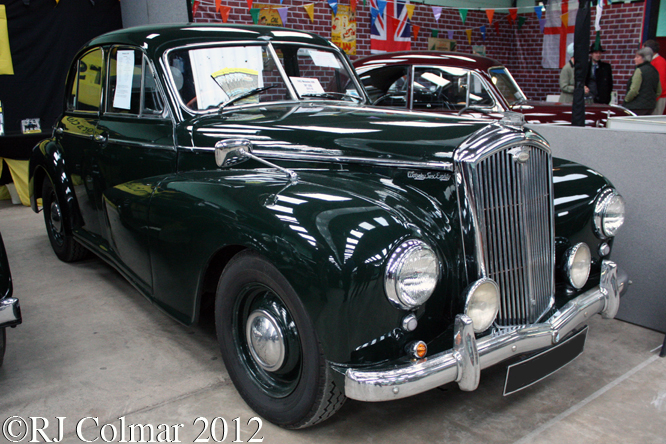
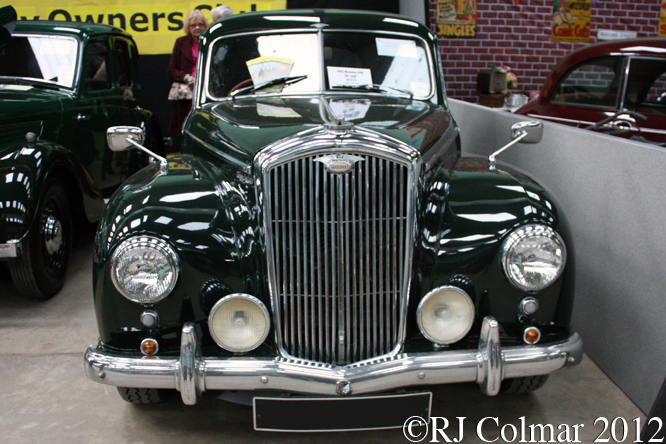
The Wolseley 6/80 was introduced in 1948 as an up market verison of the Morris Six MS both of which also shared the same body work from the front windscreen back with the Morris Oxford MO.

Wolseley 6/80, Bristol Classic Car Show, Shepton Mallet

The Six Eighty like it’s Six MS sibling is powered by a 72hp overhead cam straight six motor which gave the car a tested top speed of 85 mph in ideal conditions.

Wolseley 6/80, Bristol Classic Car Show, Shepton Mallet

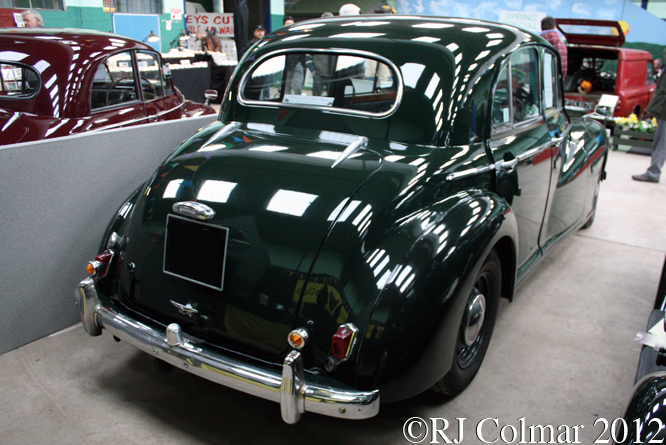
Due to export priorities the Six Eighty was a rare car on British roads in period. Wolseley Six Eighties became well known as the favoured mode of Transport of the men in blue in no small part thanks to the rapidly expanding medium of television for which shows including The Invisible Man and films like Gideon’s Day, The Naked Truth and Town on Trial, all made in 1957.

Wolseley 6/80, Bristol Classic Car Show, Shepton Mallet

The 6/80 came fitted with a heater, rear window blind and twin roof lights for rear seat passengers.

Wolseley 6/80, Bristol Classic Car Show, Shepton Mallet

Twice as many 6/80’s were built as Morris Six MS between 1948 and 1954 with the final total thought to be 25,281.

Thanks for joining me on this “Cops Car” edition of “Gettin’ a li’l psycho on tyres” I hope you will join me again tomorrow. Don’t forget to come back now !

Share

Britains Other Offroader – Austin Gipsy Mk2

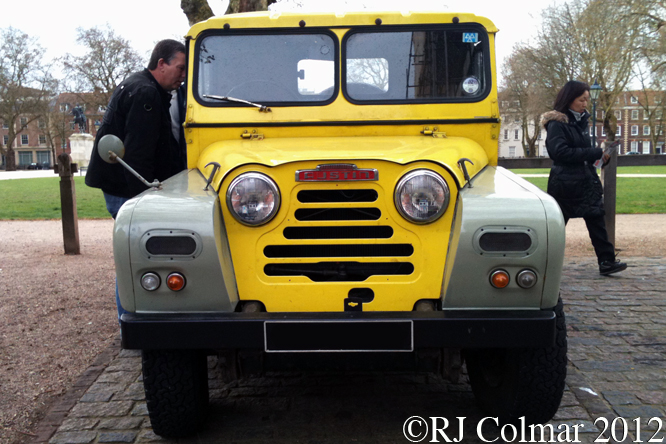
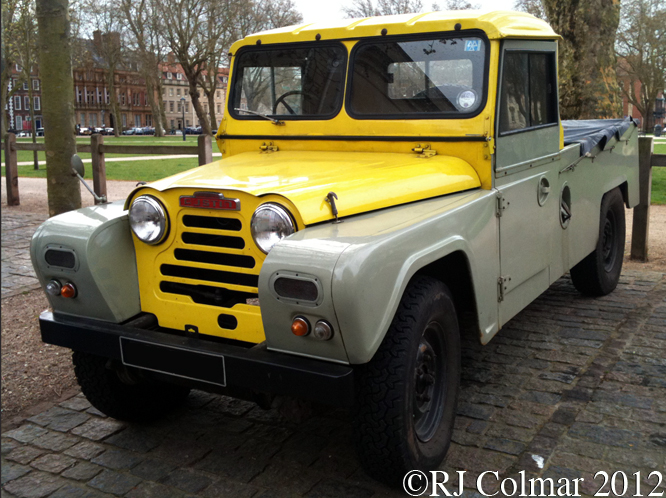
While Britain’s Land Rover is a brand with a global reputation it is often forgotten that, ten years after the introduction of the Land Rover Series 1, Austin launched a vehicle that had similar capabilities with the intention of grabbing a share of the civilian off road market in 1958.

Austin Gipsey Mk2, Avenue Drivers Club, Queen Square, Bristol

The Gipsey was a slightly larger steel bodied all wheel drive that although slightly heavier than the aluminium bodied Land Rover had an Austin A70 Hereford based petrol motor engine which produced 62hp and a 55hp diesel variation, both more powerful than the Land Rover equivalents which meant the Gipsey had both better performance and better economy that the Land Rover Series 2 launched in 1958.

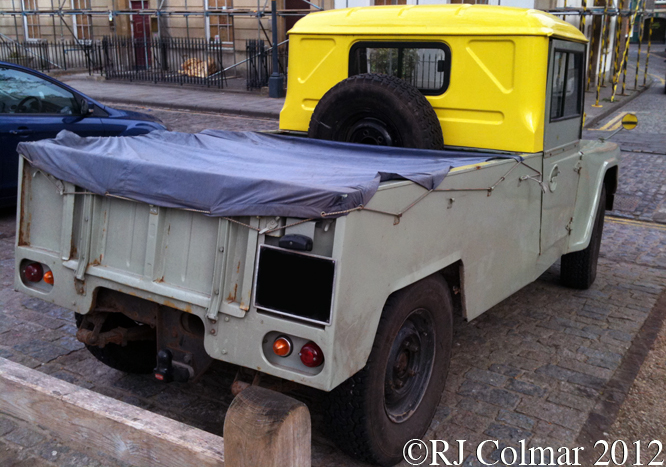
Austin Gipsey Mk2, Avenue Drivers Club, Queen Square, Bristol

Mk 1 Gipsies were available with 90 inch wheel bases only as against 88 inches for the Land Rover. In 1960 when production moved from Longbridge to Aldderley Park in Birmingham Mk2 versions were also built with 110 inch wheel base options to better Land Rovers 109 inch wheel base.

Austin Gipsey Mk2, Avenue Drivers Club, Queen Square, Bristol

The Austin Gipsey never did get the foothold in the worlds all wheel drive markets that were anticipated, the better performance was let down by the steel bodywork which both rusted more readily and was more difficult to replace than the aluminium panels fitted to Land Rovers. In 1968 British Motor Corporation owners of Austin merged with Leyland owners of Rover/Land Rover but Austin Gipsey production had already ceased the year before with just 21,208 vehicles of three series produced.

The vehicle seen here at an Avenue Drivers Club meeting in Bristol last year is a 1962 Long Wheel Base petrol powered Series 2 Gipsey.

Thanks for join me on this “Britain’s Other Offroader” edition of “Gettin’ a li’l psycho on tyres” I hope you will join me again tomorrow. Don’t forget to come back now.

Share

Vauxhall VX220 – Lotus 116

In 2000 Lotus needed to upgrade the Lotus Elise Series 1 to meet new European Crash Protection regulations. At the same time former Lotus owners General Motors were looking to build a new sports car for their Vauxhall (UK), Opel (Europe) and Daewoo (Asia) brands that would eventually also be restyled for the Saturn brand in the US.

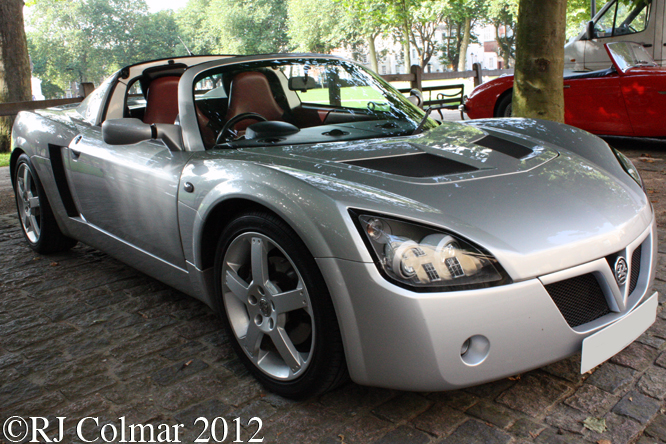
Vauxhall VX220, Avenue Drivers Club, Queen Square, Bristol

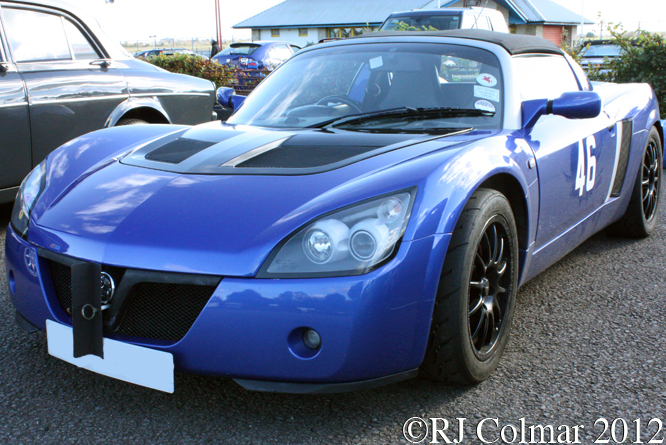
General Motors employed Lotus to design and build the new Vauxhall VX220, Opel GT and Daewoo Speedster models which are powered by mid mounted motors giving 145 hp normally aspirated or 197 hp in turbocharged form. Exterior design is credited to Niels Loeb and Martin Smith and interior to Steven Crijns.

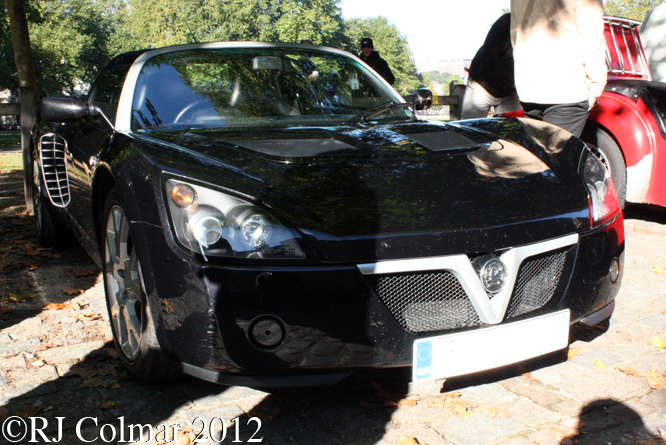
Vauxhall VX220, Avenue Drivers Club, Queen Square, Bristol

Since the Type 116 is powered by variants of motors that were originally designed for Opel by Lotus while the similar Lotus Elise Series 2 are powered by Rover K series and later Toyota sourced motors arguably the Type 116 has more Lotus input than the Lotus Elise S2 with which it shares the same chassis design.

Vauxhall VX220, Pegasus Sprint, Castle Combe

The turbocharged version of the 116 seen in these photos as the Vauxhall branded VX220 was capable of reaching 62 mph in just 4,0 seconds with a top speed of 150 mph.

Vauxhall VX220, Bristol

Production of the 116 in all it’s forms except the Saturn ran from 2000 to 2005 at Lotus’s Hethel factory in Norfolk.

Thanks for joining me on this “Vauxhall VX220” edition of “Gettin’ a li’l psycho on tyres” I hope you will join me again tomorrow. Don’t forget to come back now !

Share

3/4 Task Force – Chevrolet Apache 32

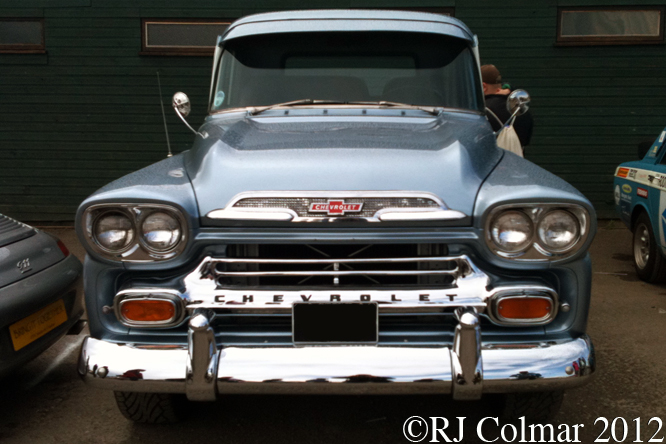
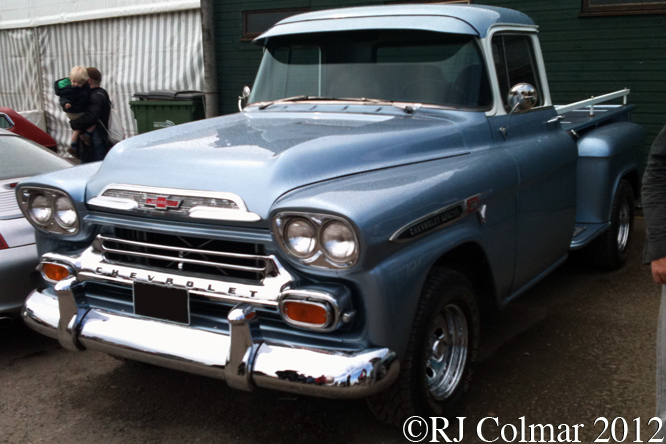
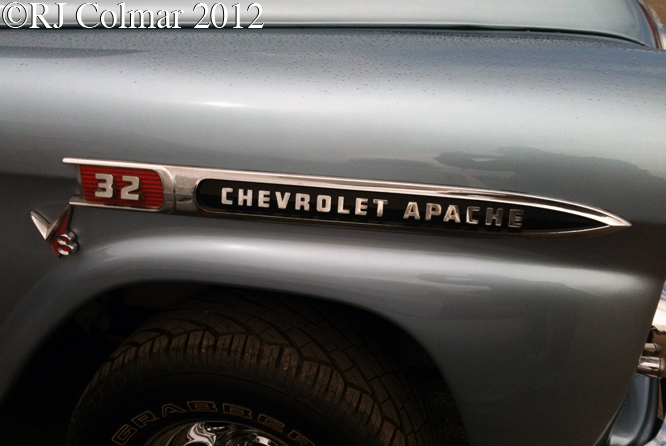
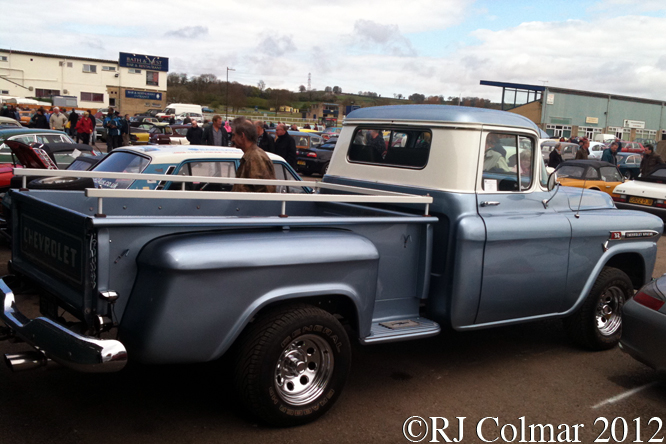
Today’s featured pickup is a 1959 Chevrolet Apache 32 Pick up.

Chevrolet Apache 32, Bristol Classic Car Show, Shepton Mallet

In most respects the Apache 32 Cab and motor options were similar to the Apache 31 Fleetside I looked at last week.

Chevrolet Apache 32, Bristol Classic Car Show, Shepton Mallet

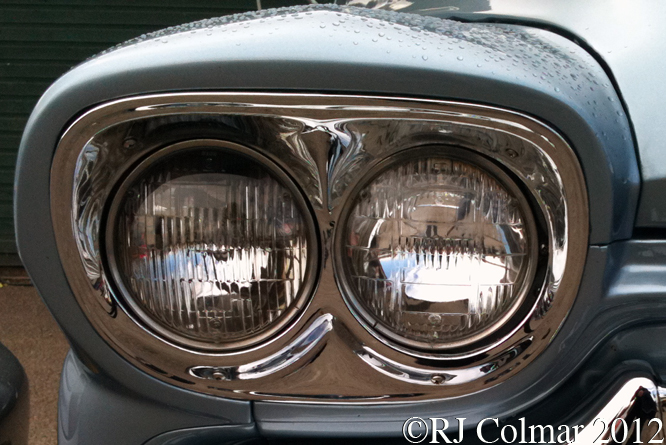
The ’58 and ’59 Apaches all shared twined front head lamps.

Chevrolet Apache 32, Bristol Classic Car Show, Shepton Mallet

This particular vehicle is registered with a non standard 3.5 litre 213 cui motor size, given that it is in the UK this may well be one of Britain’s popular all aluminium Rover V8’s that originated from Buick.

Chevrolet Apache 32, Bristol Classic Car Show, Shepton Mallet

The big difference between the Apache 31 and 32 is the wheel base 114 inches on the ’31’ and 123 inches on the ’32’ which also had heavier duty axles and springs to allow for a 3/4 ton load in the six and half foot long cargo box.

Chevrolet Apache 32, Bristol Classic Car Show, Shepton Mallet

353,509 Apache’s of all sizes were built in 1959 before they were replaced by the C/K series in 1960.

Thanks for joining me on this “3/4 Task Force” edition of “Gettin’ a li’l psycho on tyres”, I hope you will join me again tomorrow. Don’t forget to come back now !

Share

Romano’s Granddaughter – Lotus Elise Series I

In 1993 Lotus was purchased from GM by Romano Artioli chairman of the revived Bugatti manufacturer, and the following year the Type 111 was conceived by Julian Thompson with Richard Rackman and given the Elise name after Romano’s Granddaughter Elisa.

Lotus Elise Series 1, Bristol Classic Car Show, Shepton Mallet

The Series 1 Elise was launched in 1996 powered by a mid mounted 4 cylinder Rover K Series motor that produced just 118 hp, however thanks to the fiberglass body and bonded aluminium chassis the Elise only weighed 725 kg / 1,600 lbs so the car could accelerate from rest to 60 mph in just 5.8 seconds with a top speed of 124 mph.

Lotus Elise Series 1, Bristol Pegasus Motor Club, BAWA

Getting in and out of a Lotus Elise are probably the most difficult features of the car, the ergonomics are secondary to track day performance, but apart from that the Elise is said to be great fun to drive and economical to run thanks to the light weight and virtually non existent load capacity beside the passengers.

Lotus Elise Series 1, Bristol

In 1996 Romano had sold Lotus on to current owners Proton in order to fund the losses that had accumulated due to the insolvency of Bugatti.

Thanks to changes in crash sustainability regulations the Series 1 Elise was replaced in 2000 after more than 8600 had been built by the more sustainable and consequently slightly heavier Elise Series 2.

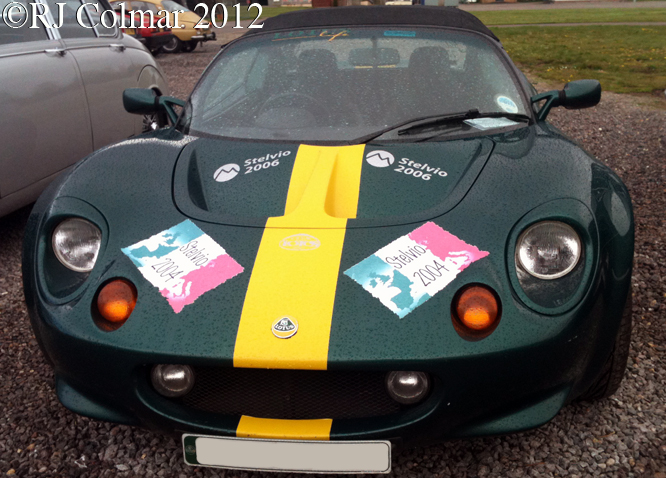
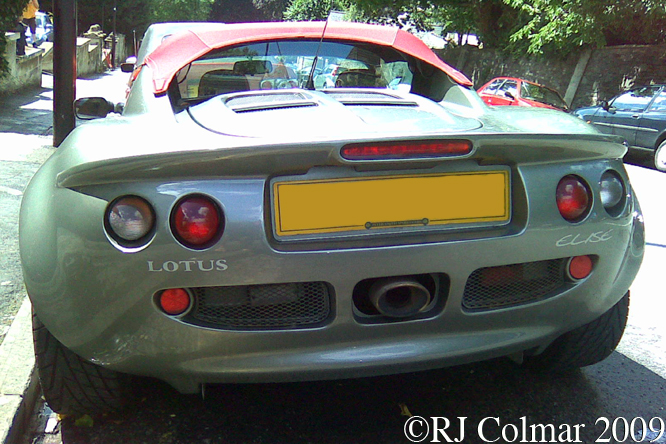
The top and bottom cars featured today are standard ’98 and ’97 1.8i models while the middle one is a later ’99 111S which came with variable valve timing 143 hp and a 130 mph top speed.

Thanks for joining me on this “Romano’s Granddaughter” edition of “Gettin’ a li’l psycho on tyres”, I hope you will join me again tomorrow. Don’t forget to come back now !

Share

Rally Landcrab Recreation – Morris 1800 (ADO 17)

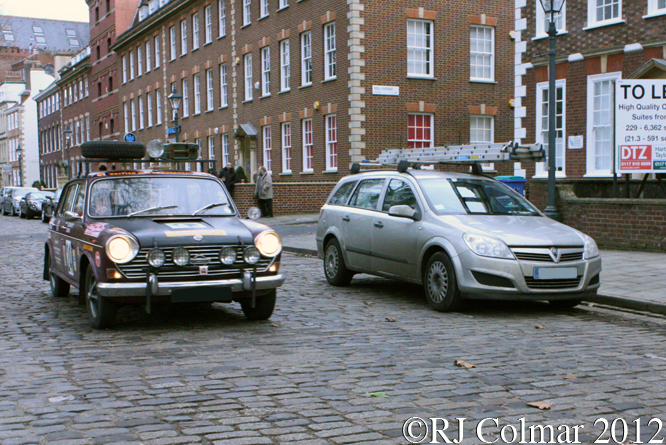
1964 saw the launch of the third in range of Alec Issigonis practical front wheel drive British Motor Corporation (BMC) models that started with the Mini variations in 1959 progressed to the ADO16 1100 and 1300 variations first seen in 1962 and had grown to the ADO 17 1800 variations for 1964 with the launch of the Austin 1800 that was followed two years later by the Morris 1800 of the type featured today.

01 IMG_4857sc

Prior to the current owner of this 1966 model purchasing it for £200 on the 28th of February 2011 the car had spent 17 years in a barn and a further two years rotting in a garden because the clutch had failed in 1992.

Morris 1800, Avenue Drivers Club, Queen Square, Bristol.

Since 2011 the owner has replaced the clutch, rebuilt and refurbished the braking system scraped, cleaned, etch primed and coated the under side in bitumen under seal and carried out a few welding repairs to the wings / fenders around the headlights.

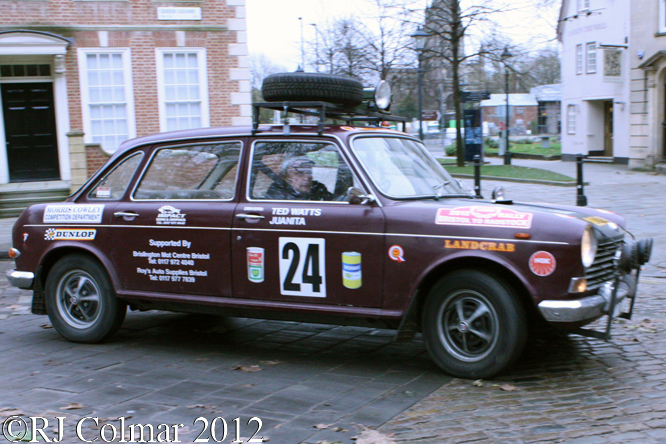
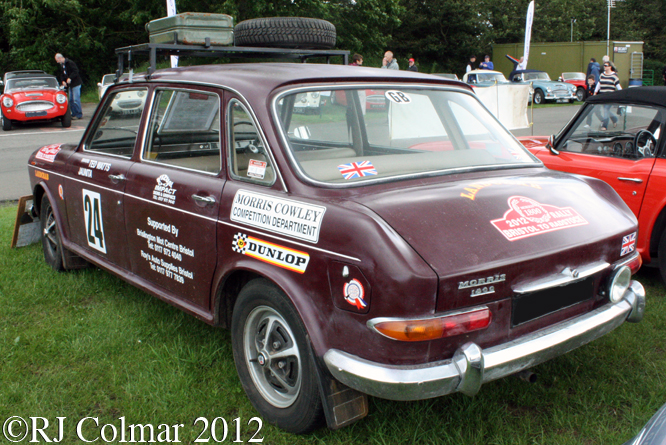
Morris 1800, Classic and Sports Car Action Day, Castle Combe

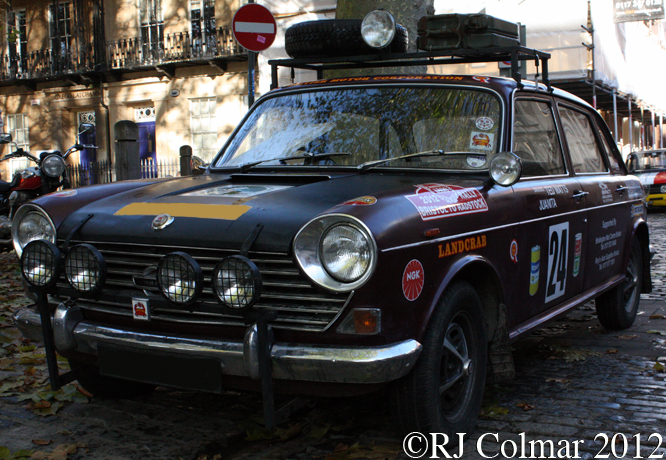
By May 2012 the Morris had passed it MOT and was back in use as a daily driver. Since then the owner, a member of the Norton Radstock Classic Vehicle Club has attempted to use the vehicle as a starting point to recreate a period works rally car of the type that was used in the 1968 London to Sydney and 1970 London to Mexico World Cup Rally marathons where Landcrabs finished 2nd and 9th respectively.

Morris 1800, Avenue Drivers Club, Queen Square, Bristol.

The AD0 17’s in Austin, Morris and Wolseley guises, all affectionately known as land crabs were extremely roomy and rugged vehicles but ultimately even in up market Wolseley guise a touch to pragmatic for owners of vehicles of this size and consequently did not perform in the market as expected. The ADO 17’s were eventually produced in three different series being joined by six cylinder 2200 variations in the third series from 1972. Production of the Morris 1800/2200 variants totaled 95,271 between 1966 and 1975 when the model was replaced by the new wedge shaped ADO 71 Morris 1800 and 2200 which soon after became known as the Princess.

Thanks for joining me on this Morris 1800 (ADO 17) edition of “Gettin’ a li’l psycho on tyres”, I hope you will join me again tomorrow. Don’t forget to come back now !

Share

Coffee, Croissant & Cars #9 – Avenue Drivers Club

With another, UK Style, snowmageddon predicted for the weekend I was wondering if anybody would be turning up for this months Avenue Drivers Club meeting at Queen Square a couple of weekends ago, fortunately the snow held off and all we got was rain and cold winds which was insufficient to deter a hard core from turning up.
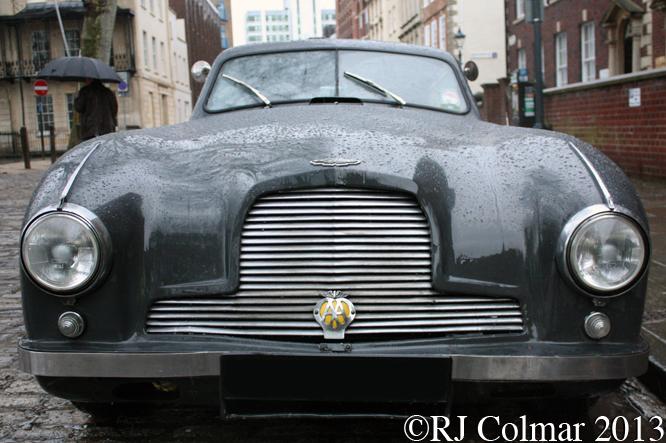
Aston Martin DB2, Avenue Drivers Club, Queen Square, Bristol

Every see I see Duncan Pittaway he seems to be driving a different car, in January he was driving a TVR on the Exeter Trial and he turned up for the Avenue Drivers Club meeting with this 1952 Aston Martin DB2.
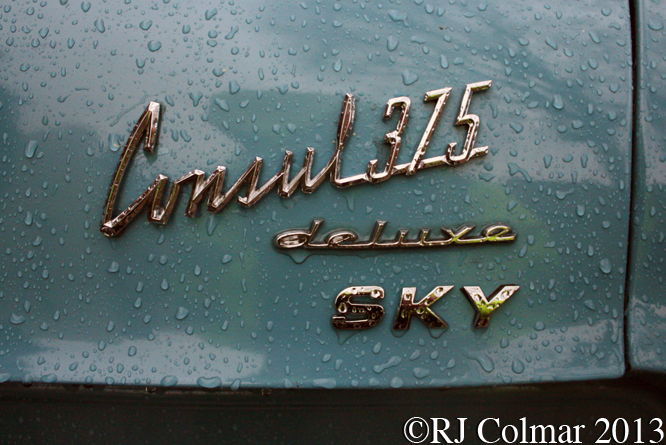
Ford Consul 375, Avenue Drivers Club, Queen Square, Bristol

Since I first met Mark a couple of months ago his enthusiasm for his recently purchased Ford Consul 375 has never ceased to amaze me, he has been replacing all the faded badges on his car, this Consul 375 badge was sourced on e-bay in Australia.
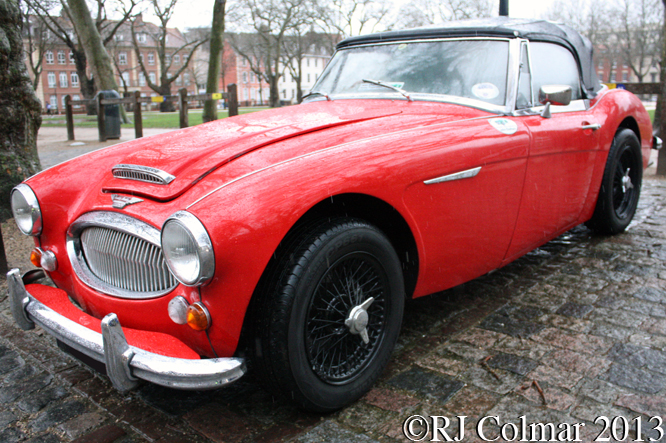
Austin Healey 3000 Mk III, Avenue Drivers Club, Queen Square, Bristol

Austin Healey’s in Bristol are usually associated with John “Mr Big Healey” Chatham who has raced and rallied, rebuilt repaired and renovated more Healey’s like this 1966 3000 Mk III than I have had hot dinners in a life dedicated to the models over 40 years.
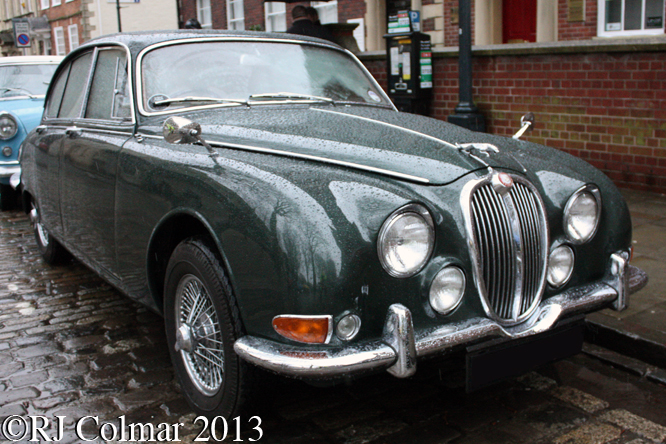
Jaguar S-Type, Avenue Drivers Club, Queen Square, Bristol

The 3.8 litre Jaguar S-Type was the more popular variant of the model affectionately known at the Jaguar factory as the “Ugly Duckling“, this one was built in 1967.
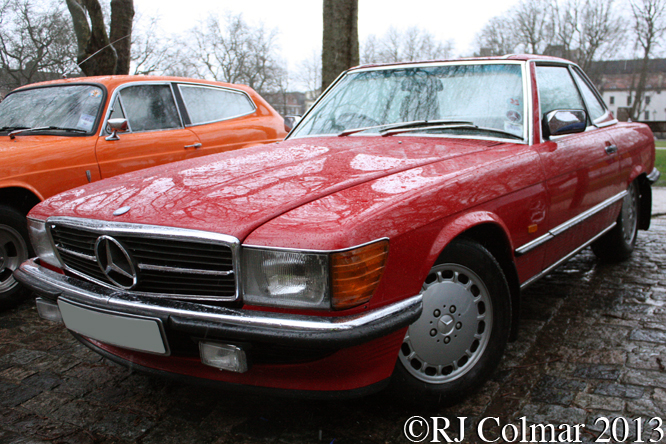
Mercedes Benz 300SL, Avenue Drivers Club, Queen Square, Bristol

Moving forwards a couple of decades this third generation Mercedes Benz 300SL Auto was built in 1987.
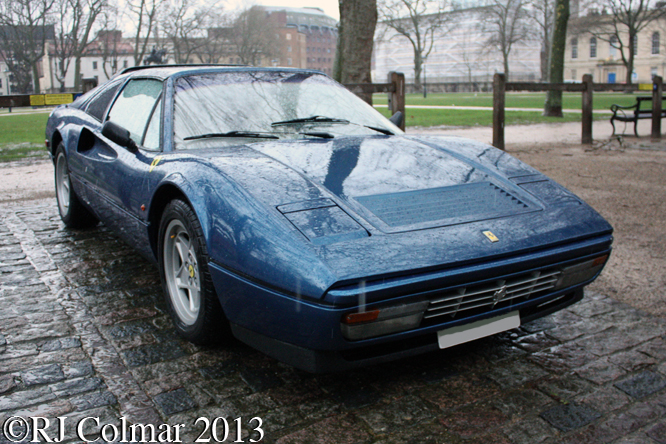
Ferrari 328 GTS, Avenue Drivers Club, Queen Square, Bristol

There are two wheel patterns seen on 1988 Ferrari 328 GTS models the original concave pattern seen here denotes that it is not fitted with the option ABS brakes and attendant new suspension geometry which required convex wheel patterns.
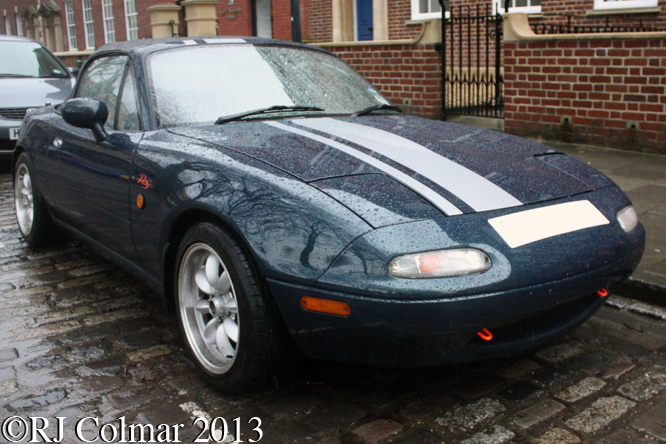
Mazda Eunos RS, Avenue Drivers Club, Queen Square, Bristol

So far as I have been able to discern above is one of just 500 1994 Mazda Eunos Roadster RS special edition models built for the the Japanese market. 49 of these vehicles fitted with Recardo seats, extra chassis bracing, lightened flywheel, Torsen limited slip differential and Bilstein dampers were personally imported into the UK and 46 of them appear to still be here.
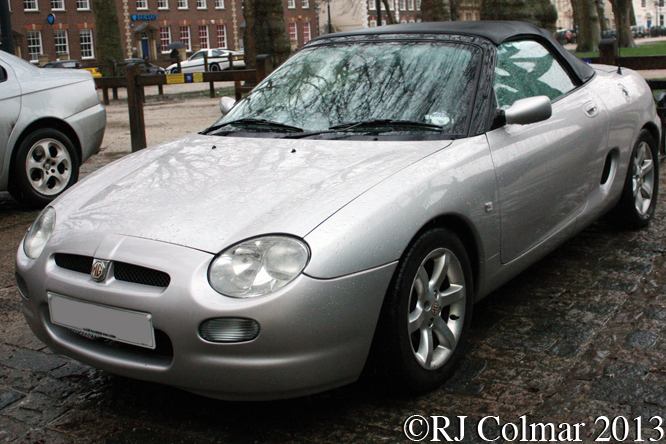
MG-F, Avenue Drivers Club, Queen Square, Bristol

This 1999 MG-F will have been going head to head with the Mazda MX5 for UK sales, the MG-F was the first model to be offered with a Variable Valve Control that was infinitely variable between set parameters, the VVC option improved power output by 25% and torque by 5%.
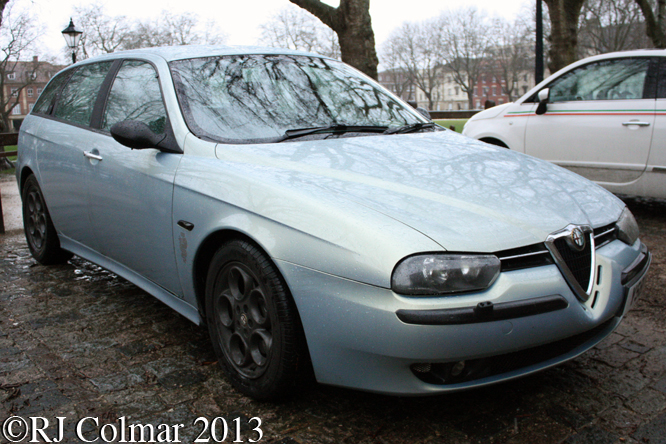
ALFA Romeo 156, Avenue Drivers Club, Queen Square, Bristol

Welsh heart throb Catherine Zeta Jones made an unbelievable television advertisement with a sound track from Welsh superstars EMF for the ALFA Romeo Sportwagon, linked here, back in the day. Above is a 2001 example fitted with a 2.5 litre / 152 cui V6 petrol motor.
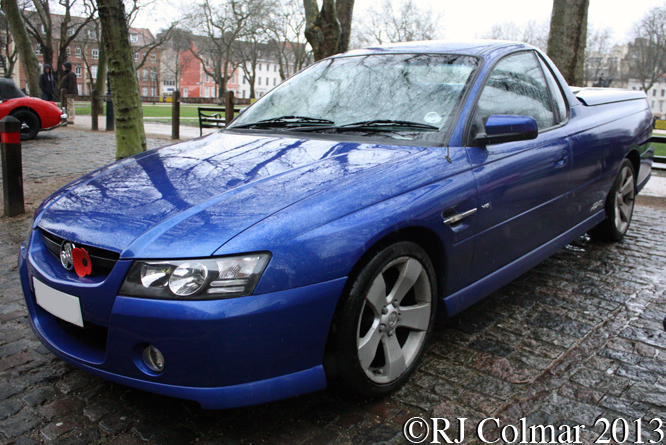
Holden VZ Ute SSZ, Avenue Drivers Club, Queen Square, Bristol

Representing the Antipodes was this 2005 Holden VZ Ute SSZ above is another special edition fitted with a 5.7 litre / 347 cui V8. Thanks to Peter Darley and Wirra over at The Nostalgia Forum we know that only 1200 AUS$ 40,490 Ute SSZ’s were built and that they were fitted with AUS$ 6,250 worth of extra’s which included the 18″ Morano alloy wheels.
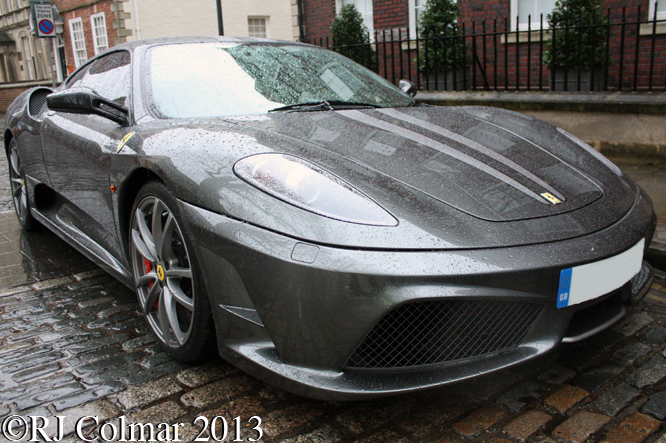
Ferrari F 430 Scuderia, Avenue Drivers Club, Queen Square, Bristol

Fastest vehicle to attend the February Avenue Drivers club meeting was the 198 mph 2009 Ferrari F430 Scuderia above.
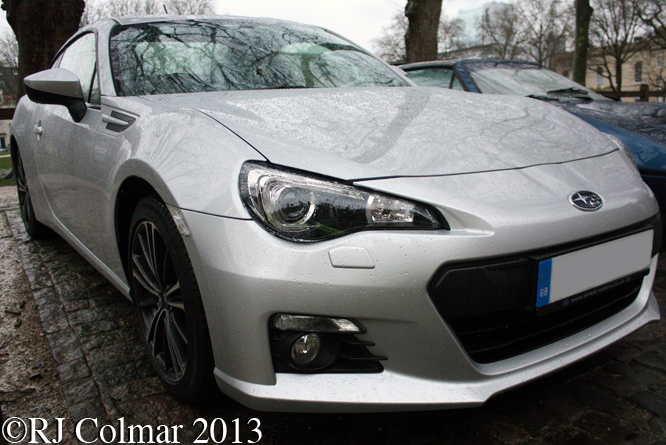
Subaru BRZ, Avenue Drivers Club, Queen Square, Bristol

Finally when I saw the vehicle above approaching I thought it was a Toyota GT86 however closer inspection revealed it was actually an almost identical, apart from the badges, Subaru BRZ.

Thanks for joining me on this “Coffee, Croissant & Cars #9” edition of “Gettin’ a li’l psycho on tyres” I hope you will join me again tomorrow. Don’t forget to come back now !
Share