Tag Archives: Car

Steel Shell Camelion – Ferrari 250 GT SWB #3087

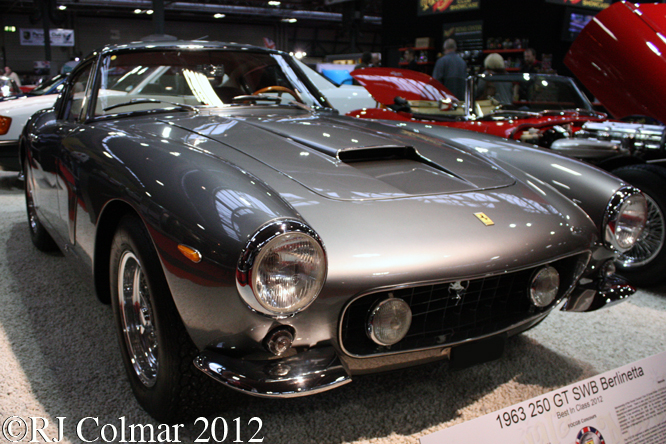
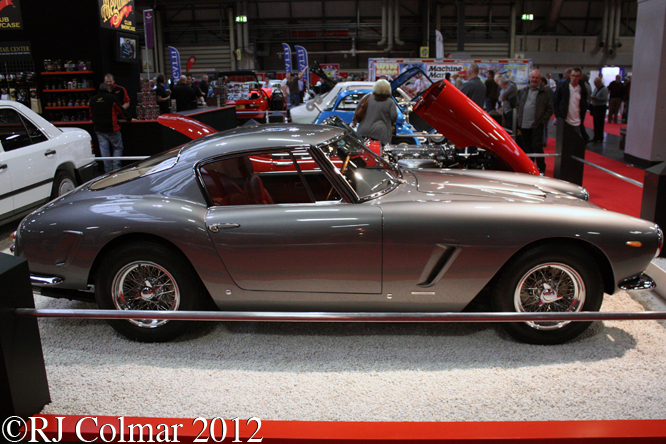
According to the best records at my disposal today’s steel shelled Ferrari 250 GT SWB chassis #3087 was originally supplied painted midnight blue with a tan interior to Otello Feretti of Bologna in December 1961.

Ferrari 250 GT SWB, Classic Motor Show, NEC, Birmingham

Later in the 1960’s the car was sold and sent to the USA and by the 1970’s it had been painted silver by 1974, been used in competition for the first time at Laguna Seca in 1975, and changed hands at auction in 1976 for US$ 22,000.

Ferrari 250 GT SWB, Classic Motor Show, NEC, Birmingham

In 1983 the chassis #3087 was offered for sale at US$ 115,000 and in 1989 it was restored.

Ferrari 250 GT SWB, Classic Motor Show, NEC, Birmingham

During the 1990’s the car won it’s class at the VI. Cavallino Classic and was offered for sale at US$ 700,000 in 1998.

Ferrari 250 GT SWB, Classic Motor Show, NEC, Birmingham

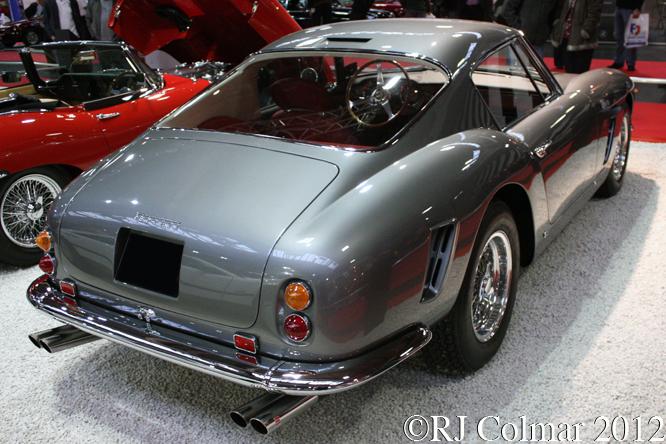
A decade later, now painted red, #3087 changed hands at RM Auctions in Monterey for over $4 million and found it’s in the UK. Ferrari Classiche fitted an authentic exhaust before #3087 was resprayed Silver and the interior fitted with Connoly Rosso hide.

The superb detailing of the car seen here at last years Classic Motor Show, NEC, Birmingham is credited to Ashley Moran.

Thanks for joining me on this “Steel Shell Camelion” edition of “Gettin’ a li’l psycho on tyres” I hope you will join me again tomorrow. Don’t forget to come back now !

Share

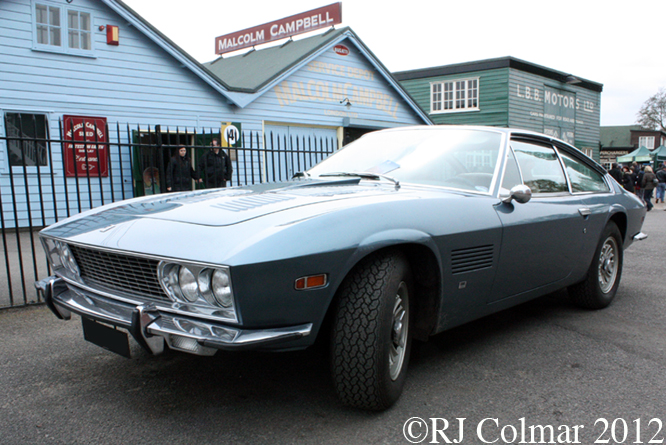
Designed By Fura Built By Fissore – Monteverdi High Speed 375L

At the end of the 1960’s and beginning of the 1970’s there was no shortage of choice in the Luxury 2+2 automobile market segment from the UK alone came the Chrysler powered Bristol 411, for the traditionalist, the similarly powered Jensen Interceptor for the futurist and the Aston Martin DBS for the international man of mystery.

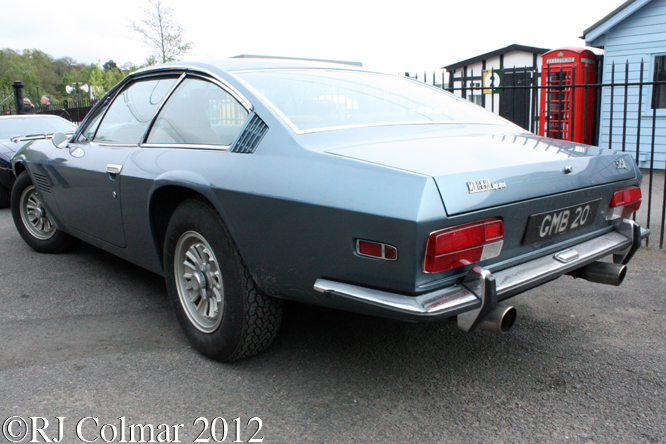
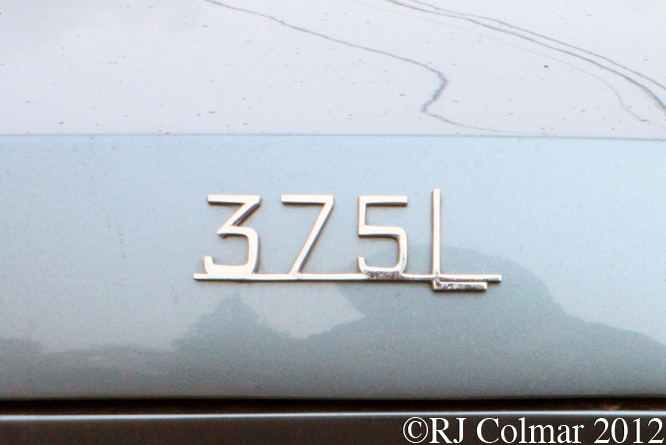
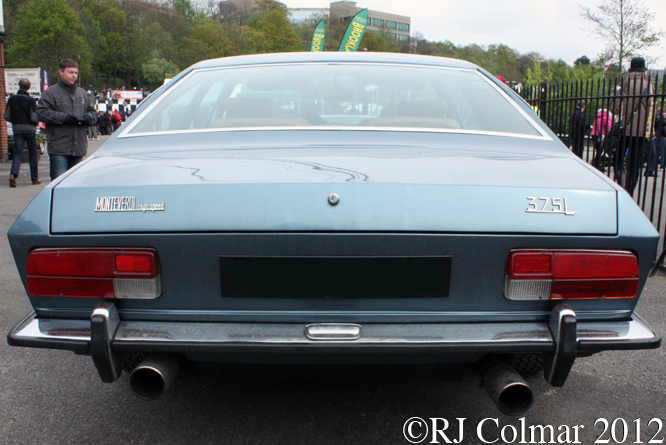
Monteverdi High Speed 375L, Auto Italia, Brooklands

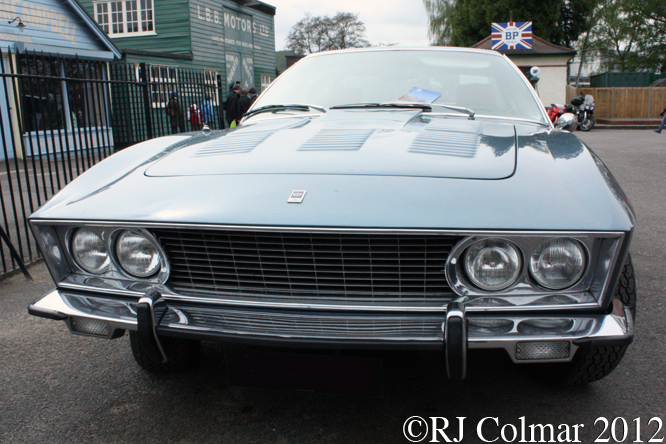
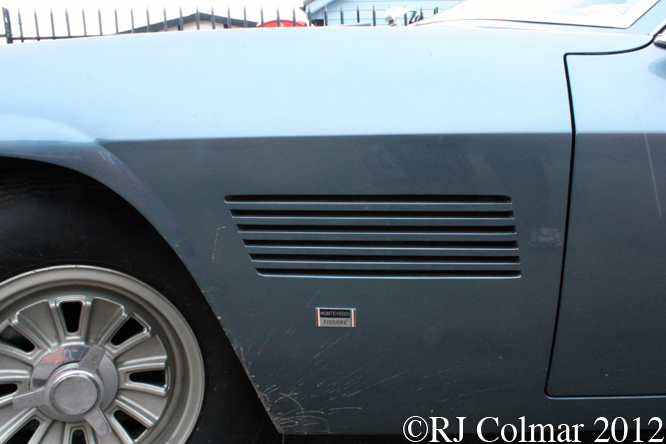
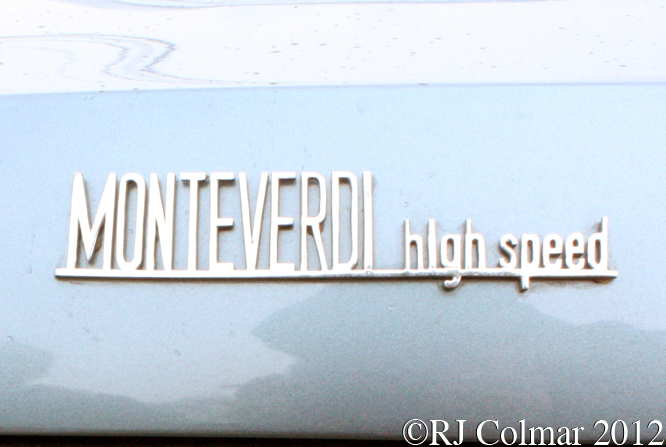
Contemporary to the desirable vehicles mentioned above was the Monteverdi High Speed 375L a 2+2 Coupé designed originally by Fura who built two examples before an acrimonious split left Monteverdi taking his business to Fissori.

Monteverdi High Speed 375L, Auto Italia, Brooklands

Fissori redesigned coupé and delivered complete bodies to Monteverdi in Basel in Switzerland for final assembly.

Monteverdi High Speed 375L, Auto Italia, Brooklands

Power for the Monteverdi High Speed 375L was provided by a 375hp 7120cc / 440 cui Chrsyler Magnum similar to those being used for the Britol 411 and the Jensen Interceptor.

Monteverdi High Speed 375L, Auto Italia, Brooklands

Peter Monteverdi designed his first car, a special, when he was just sixteen and had it ready to roll in time for his eighteenth birthday when he was allowed to drive it.

Monteverdi High Speed 375L, Auto Italia, Brooklands

There were three versions of the 375, 375L like the coupé seen here, 375 S a short wheel base 2 seater and 375 C a short wheelbase drop head also known as the “Palm Beach”.

Monteverdi High Speed 375L, Auto Italia, Brooklands

Around 30 375 4 door saloon / sedans were also built.

Monteverdi High Speed 375L, Auto Italia, Brooklands

The 375 L was continuously upgraded from 1967 to 1976 when Monteverdi stopped making luxury cars and started making “boutique” using proprietary motors and chassis around which to build his creations. The vehicle seen here at last years Auto Italia at Brooklands was built in 1972.

Thanks for joining me on this “Designed By Fura Built By Fissore” edition of “Gettin’ a li’l psycho on tyres”, I hope you will join me again tomorrow. Don’t forget to come back now !

Share

Cruise Control & Central Locking – Lotus Type 89 Excel s.e.

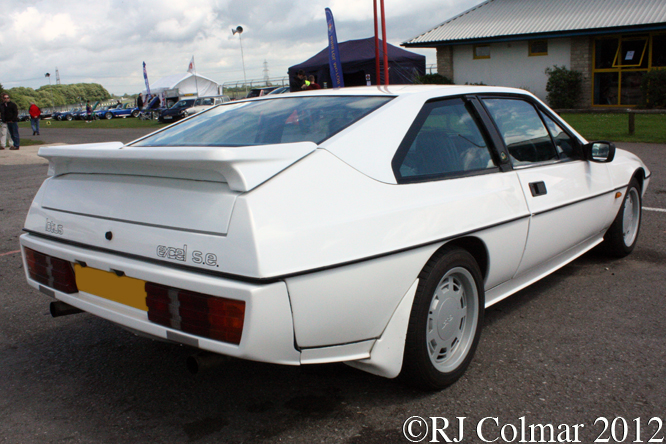
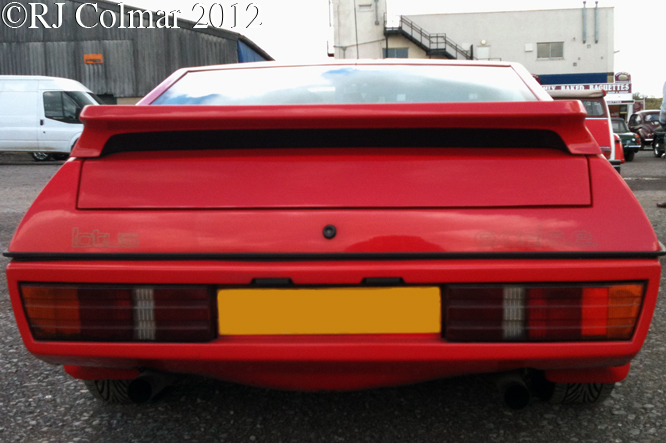
Last Saturday I looked at the prototype 1982 Lotus Excel today I’m looking at a couple of Lotus Excel s.e. models built with in months of each other.

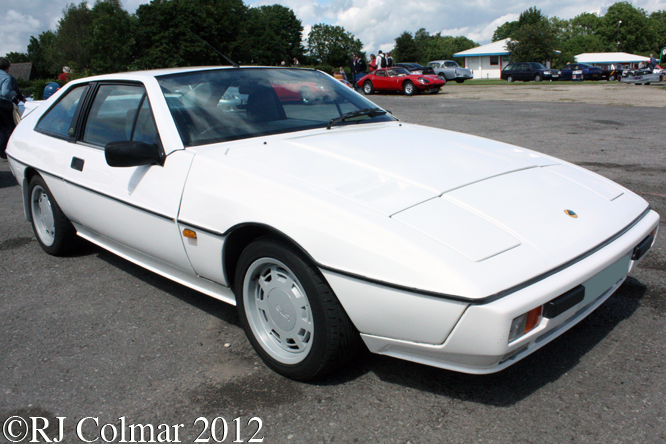
Lotus Excel s. e., Bristol Classic Car Show, Shepton Mallet

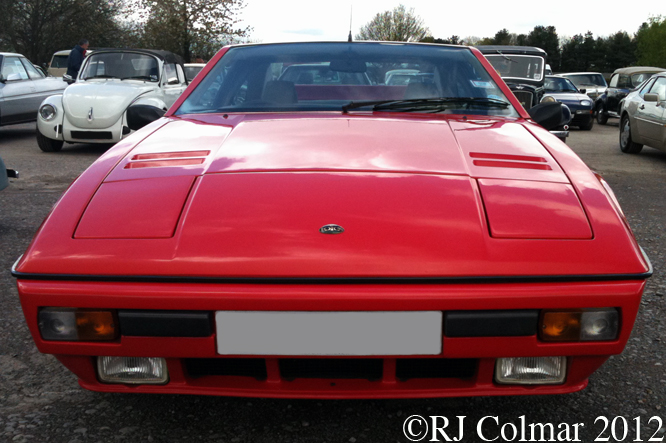
Between 1982 and 1987 numerous modifications were carried out which included the introduction of a louvred bonnet with body shell coloured bumpers and rear spoiler in 1984.

Lotus Excel s. e., Family Clubs Day, Castle Combe

In 1985 the wider wheel arch profiles, larger boot aperture, VDO intrumentation, front fog lights were introduced with a 15 inch road wheel option were introduced.

Lotus Excel s. e., Bristol Classic Car Show, Shepton Mallet

For 1986 the s.e. option with raised engine compression and an adjustable steering column was announced.

Lotus Excel s. e., Family Clubs Day, Castle Combe

The S A Automatic option was launched for the 1987 model year with cruise control, central locking.

Lotus Excel s. e., Bristol Classic Car Show, Shepton Mallet

Of the 400 plus Excels known to be in the UK, only one was ever built to US specification, more than half are no longer on the road.

Thanks for joining me on this “Cruise Control & Central Locking” edition of “Gettin’ a li’l psycho on tyres”, I hope you will join me again tomorrow. Don’t forget to come back now !

Share

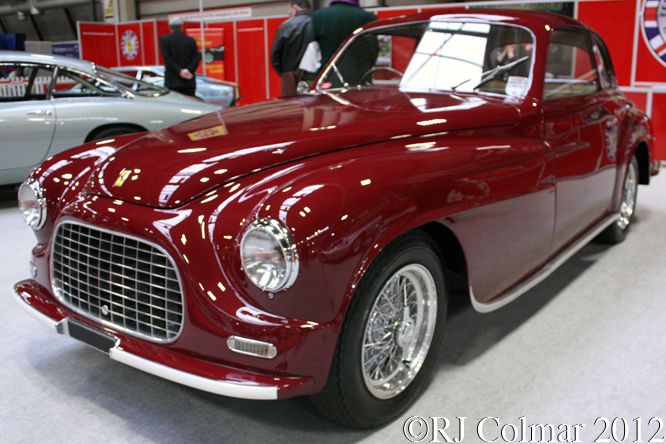
First Ferrari Road Car – Ferrari 166 Inter Coupé Touring Superleggera #017S

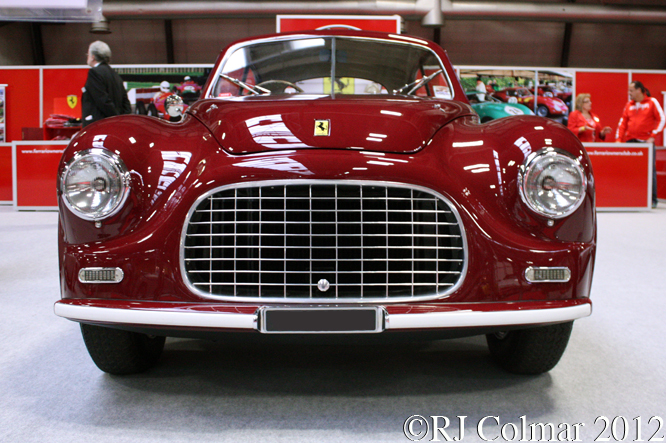
At the Turin Motor Show in 1948 Ferrari presented two new models to the world, the 166 Barchetta sports racer and the 166 Inter Coupé which sits on a longer wheelbase. Both vehicles are powered by Gioacchino Colombo designed two litre / 122 cui all aluminium V12’s.

Ferrari 166  Inter Touring Coupé, Classic Motor Show, NEC, Birmingham

The car seen here carries the chassis number 017S, like all Ferrari’s at the time even numbers were saved for the works team racing cars while odd numbers were designated to cars intended for customers to buy.

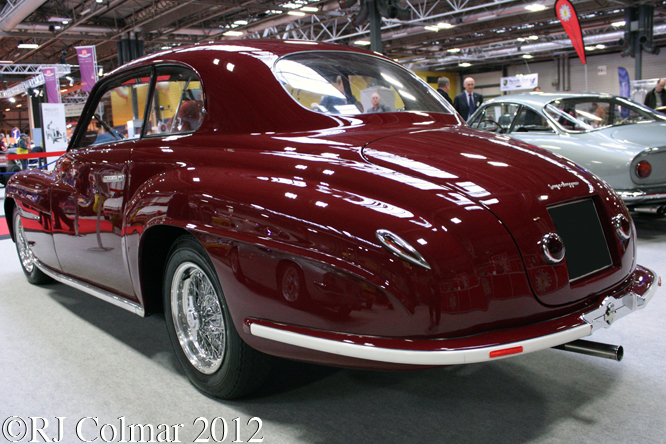
Ferrari 166  Inter Touring Coupé, Classic Motor Show, NEC, Birmingham

This Right Hand Drive car appears to have been sold new to the Cerana brothers of Milan in 1949 where it remained until 1958 before finding new owners in Switzerland where the car remained until the turn of the Millenium when the car moved to the Nehterlands before finding an owner in the UK in 2009.

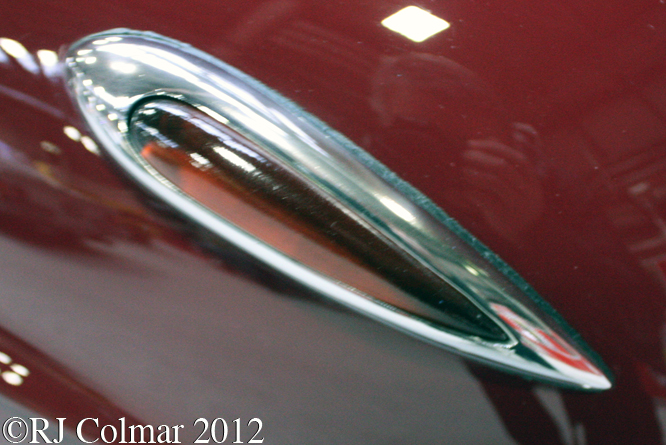
Ferrari 166  Inter Touring Coupé, Classic Motor Show, NEC, Birmingham

The most popular coachwork supplier for the 166 Inter Coupé appears to have been Touring who built the aluminium body panels for the car seen here with their usual Superleggera structure of tubes in support.

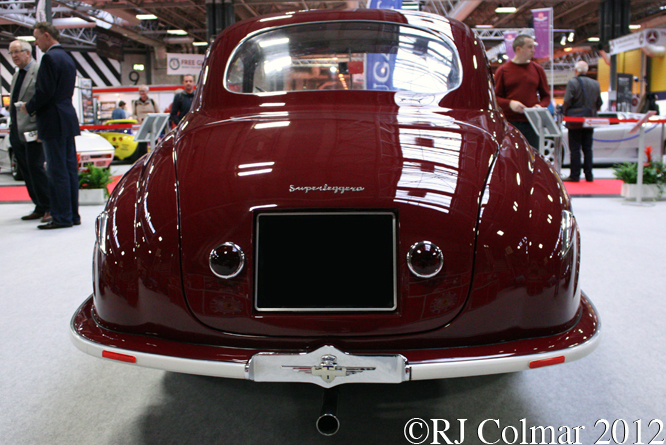
Ferrari 166  Inter Touring Coupé, Classic Motor Show, NEC, Birmingham

With 110 hp the 166 Inter Coupé could reach a top speed of 105 mph.

Ferrari 166  Inter Touring Coupé, Classic Motor Show, NEC, Birmingham

The 166 Inter Coupé represented Ferrari’s first series road cars and in all 37 were built between 1948 and 1951.

Thanks for joining me on this “First Ferrari Road Car” edition of “Gettin’ a li’l psycho on tyres” I hope you will join me again tomorrow. Don’t forget to come back now !

Share

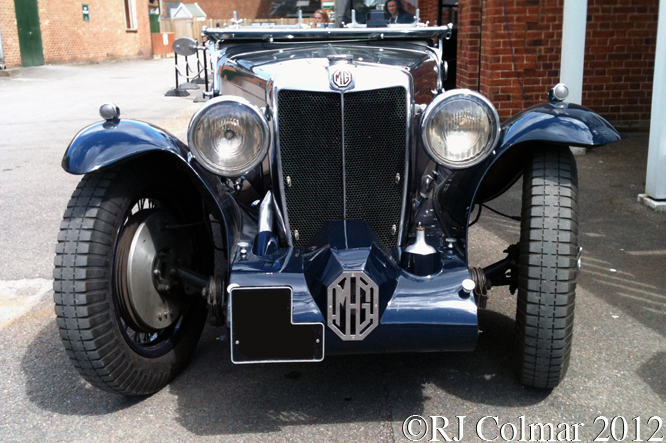
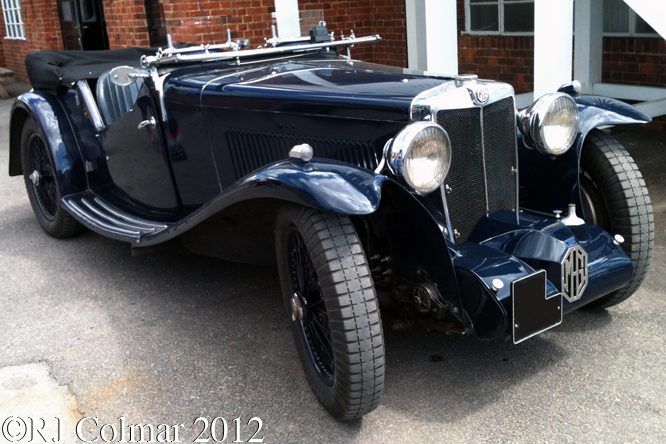
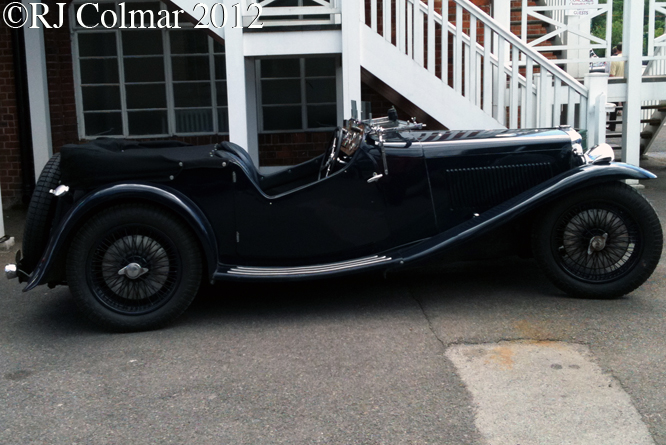
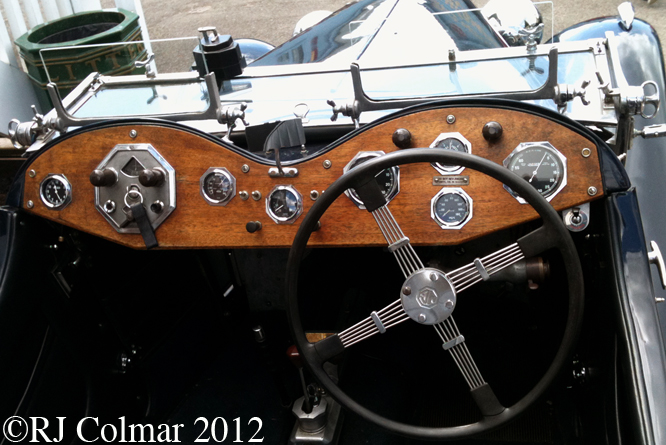
Hands Up ! – MG KN Univesity Motors Speed Model Magnette #KN 0440

Every once in a while I learn something quite shocking, namely how easy it is to deceive myself into thinking I know something only to find with hind sight that I know nothing at all. Today I am sticking both hands up high in the air and admitting I was wrong, quite wrong and I hope you will accept my humble apologies for any confusion caused.

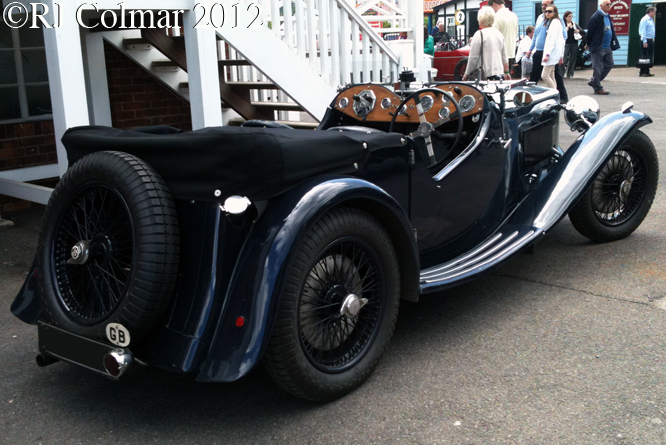
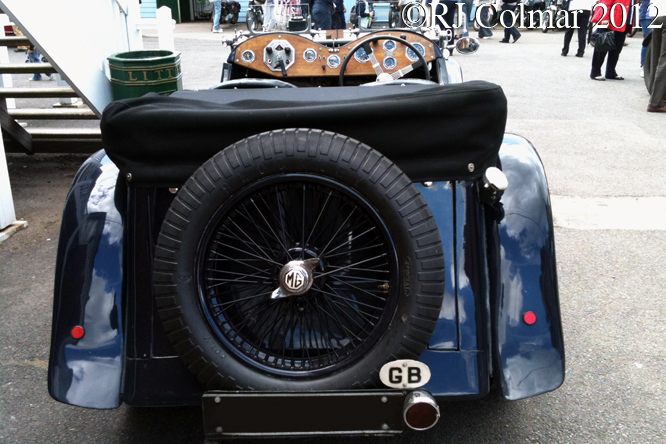
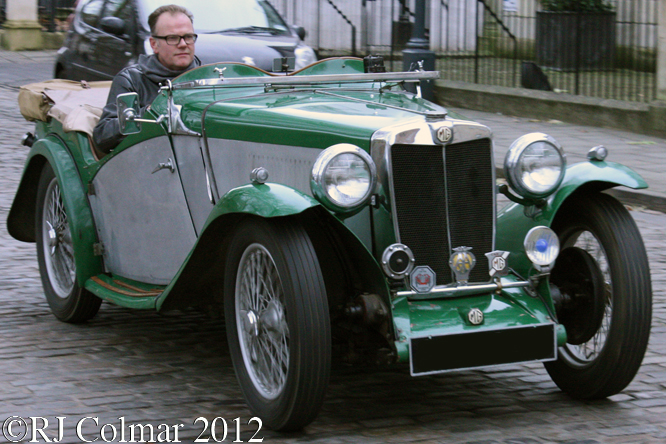
MG KN University Motors Speed Model, Brooklands Double Twelve

The instance occurred a couple of days ago when I was trying to identify some MG’s I found that a vehicle I thought was a K Type was actually an Type NA, then to my horror I found out that a Type NA that I wrote a blog about some months ago turns out to be one of 200 type KN’s and a University Motors Speed Model Magnette to boot, that is the car I am featuring today which I incorrectly identified in a September blog as a Type NA.

MG KN University Motors Speed Model, Brooklands Double Twelve

The MG KN was a factory built car featuring a K type saloon body and chassis but with a larger 1271 cc motor from the later MG N type.

MG KN University Motors Speed Model, Brooklands Double Twelve

Today’s featured car which was seen at Brooklands last year is a variation of the factory built saloon featuring the K type chassis and K1 4 seat tourer body.

MG KN University Motors Speed Model, Brooklands Double Twelve

These cars were assembled and sold by Univesity Motors, the main dealer in South East England as the University Motors Speed Model Magnette.

MG KN University Motors Speed Model, Brooklands Double Twelve

The enlarged motor aside there are few differences between the original K1 tourer and the University Motors Speed Model Magnette apart from the headlight mountings and some interior trim details.

MG KN University Motors Speed Model, Brooklands Double Twelve

In all 171 K1 saloon and four seat tourers were built while 201 KN Saloon’s and University Motors Speed Model Magnettes were built between 1934 and 1936.

Apologies again for any confusion caused.

Thanks for joining me on this “Hands Up” edition of “Gettin a li’l psycho on tyres” I hope you will join me again tomorrow. Don’t forget to come back now !

Share

Field Filler – Ferrari 512 S #1006

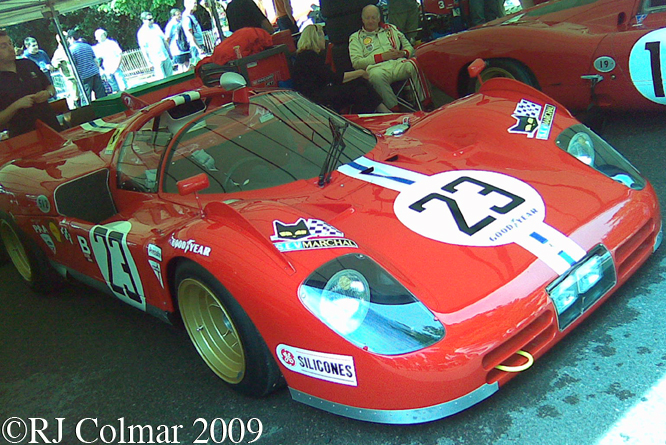
17 Ferrari 512 S’s and parts for 8 others were built in late 1969 in response to the 25 917’s Porsche had built in early 1969 in order to be allowed to race in the World Sports Car Championship which allowed up to 5 litre / 305 cui engines. These rules were introduced so that a few old Ford GT 40’s could continue racing, it was never imagined that Porsche and then Ferrari would build 25 cars each to take part in the series which was intended to be for new 3 litre / 183 cui cars like the Ferrari 312P and Porsche 908.

Unlike Porsche who planned on using private works supported teams to run and develop the 917’s on it’s behalf, Ferrari planned on using a single works team to build and develop the 512 S, supplying the rest of the 512 S models to private entrants to whom Ferrari gave little by way of support effectively treating it’s privateer teams as little more than field fillers.
Ferrari 512 S, Goodwood Festival of Speed

Ferrari had to sell his road car operation to FIAT in order finance the production to the 512 S model, and as it turned out Porsche’s private partners had snapped up most of the best drivers.

Nonetheless Ferrari took the fight to Porsche with a single championship victory at the 1970 Sebring 12 hours courtesy of Mario Andretti, Nino Vaccarella and Ignazio Guinti driving a 512 S who beat Peter Revson and actor Steve McQueen in their Porsche 908 after Mario famously drove the last 90 mins of the race and chased down an exhausted Peter Revson in what Mario once described as the race of his life.

For most of the rest of the 1970 season the Ferrari 512 S was out classed every where, except at the non championship race run at Kyalami in South Africa, by the Porsche 917’s, particularly those of the JW Automotive team. Ferrari had difficulty selling all of it’s 512 S models, where as Porsche had to build a second run of 25 917’s to meet demand.

Ferrari 512 S, Goodwood Festival of Speed

This 512 S spyder, chassis #1006, was developed in order to save 25 kgs by the factory and sold to Luigi Chinetti’s N.A.R.T. team. Ronnie Buchnum and Tony Adamowicz drove it into second place at the 1971 24 hours of Daytona.

#1006 had to have both front and rear bodywork replaced during the course of the race, the body work is as it appeared on #1006 when it started the 1971 Daytona 24 hours with aerodynamic lips on the nose, which were not on the second nose fitted when it finished the race.

Thanks for joining me on this “Field Filler” edition of “Gettin a li’l psycho on tyres” I hope you will join me again tomorrow for a look at a one off Formula One Lotus that never raced. Don’t forget to come back now.
Share

Awaiting TLC #4 – Elva Porsche Mk VII

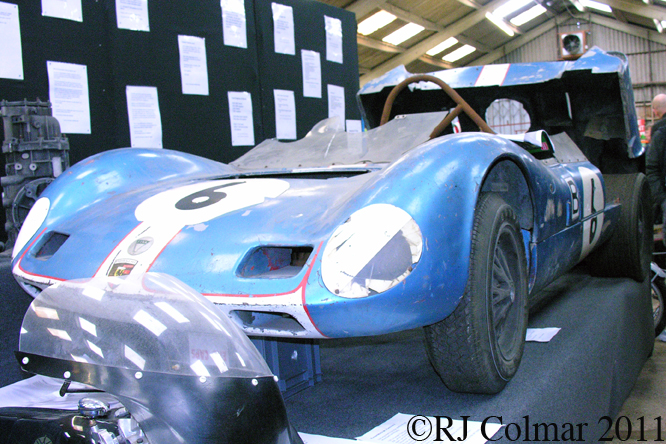
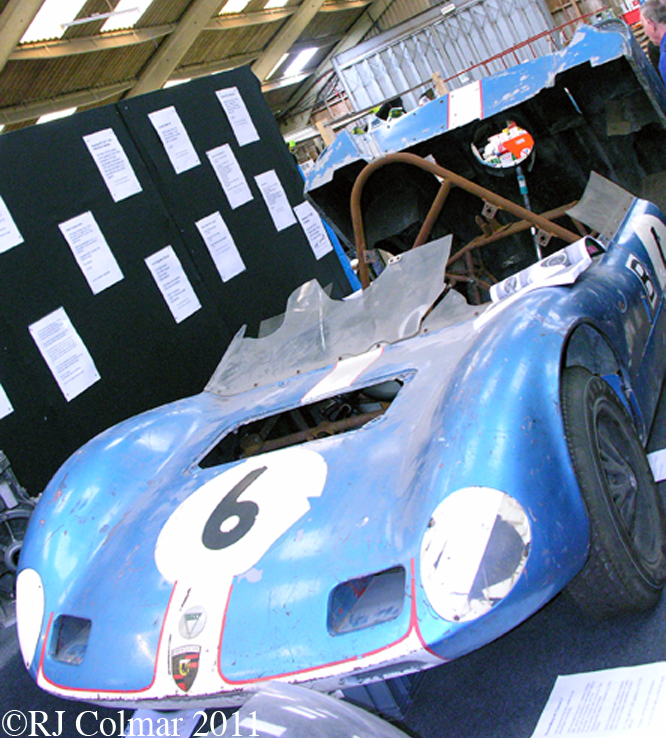
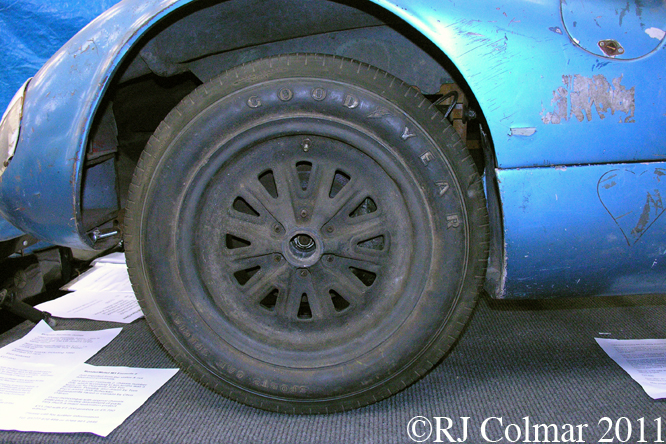
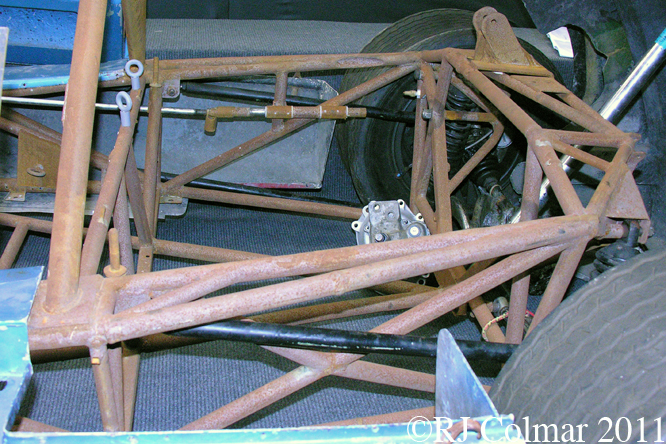
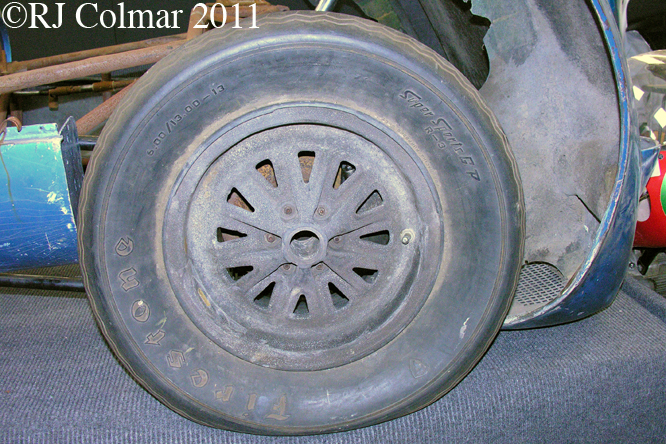
A couple of years ago I came across this old Elva Porsche Mk VII in need of TLC at Race Retro.

Elva Porsche Mk VII, Race Retro

Despite being a British company Elva had a much better reputation in the United States than in the UK because their cars was raced by privateers against privateers while in the UK Elva cars tended to be raced by privateers against works supported teams particularly from Lotus.

Elva Porsche Mk VII, Race Retro

Elva’s founder Frank Nichols is said to have favoured selling his creations over racing them, letting his customers do the talking for his products on the track.

Elva Porsche Mk VII, Race Retro

Unusually in the absence of having a suitable model for sports car racing of their own Porsche supplied Elva with engines which were particularly favoured by Elva’s US customers, Porsche were even involoved in setting up the design of the Porsche powered Mk VII’s sending Porsche employee Herbert Linge to help with the motor installation.

Elva Porsche Mk VII, Race Retro

Porsche even bought two of the 19 Elva Porsche Mk VII’s for their own use and Herbert Müller used one fitted with a 2 litre / 122 cui flat 8 to secure second place in the 1963 European Hillclimb Championship.

Elva Porsche Mk VII, Race Retro

The vendor of this particular car claimed that it was originally sent to the United States with a quad cam 4 cylinder Porsche motor which was latter replaced by a 6 cylinder Porsche motor that drove the rear wheels through a 5 speed gearbox.

It is two years since this car appeared in urgent need of TLC at Race Retro and I shall look forward to seeing if this car reappears in restored form again in the near future.

Thanks for joining me on this “Awaiting TLC #4” edition of “Gettin a li’l psycho on tyres”, I hope you will join me again tomorrow. Don’t forget to come back now !

Share