Tag Archives: Classic

Low Rider – Lotus 15

The Lotus 15 was built to accept larger motors than had been possible with the hitherto very successful Lotus XI.
Lotus 15

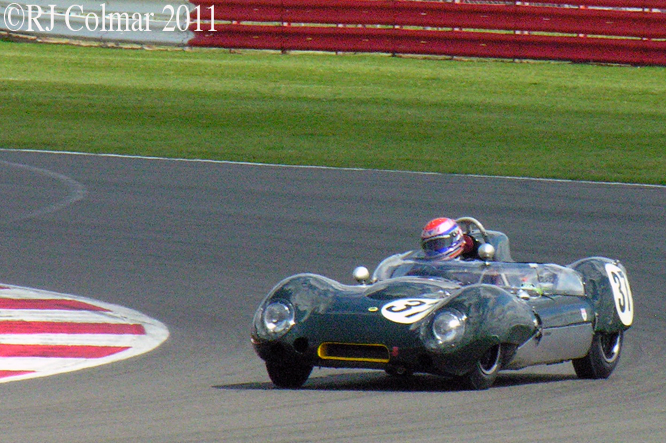
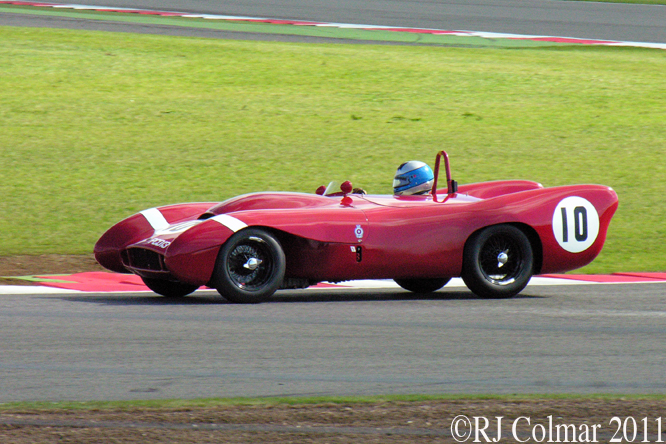
Built to take 4 cylinder Coventry Climax motors of between 1.5 litres / 92 cui and 2.5 litres / 153 cui the Lotus 15 stood just 24″ tall. The #37 built in 1958 seen at Silverstone above of Philip Walker and Danny Wright is powered by a 2 litre / 122 cui motor.
Ewan McIntyre, Lotus 15, Oulton Park, 2011

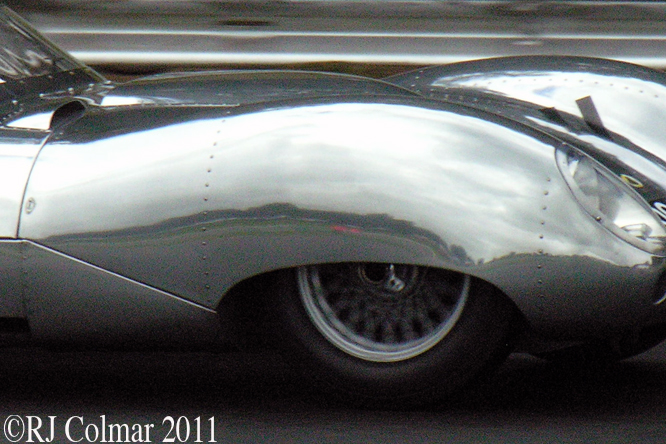
In order to lower the centre of gravity and improve the aerodynamics and handling the Coventry Climax 4 cylinder motors were 17 degrees off horizontal, one degree more than the 1958 Epperly Belond Exhaust Special that won the Indy 500 in 1958 and 1959, under the Williams and Pritchard designed and created aluminium skin.
Ewan McIntyre, Lotus 15, Oulton Park, 2011

The combination of slippery shape and good handling allowed Graham Hill to record 5th best time in practice at Le Mans in 1958 with a 2 litre Lotus 15 ahead of numerous 3 litre cars entered in the race.
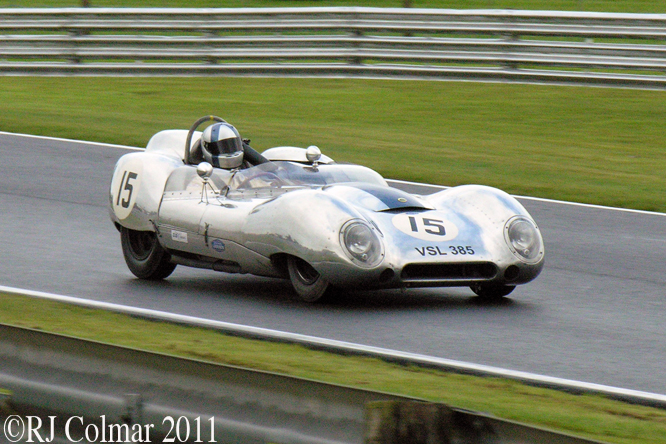
Ewan McIntyre, Lotus 15, Oulton Park, 2011

However the Lotus 15 was hampered by unreliability Hill managed only three laps at Le Mans in 1958 before he had to retire with head gasket failure. It has been suggested that the Lotus 15 suffered a lack of development and attention to detail due to Colin Chapmans efforts to get his open wheel programme under way, along with development of the Lotus Elite road car. However the fact that three distinct variations of the 15 were built between 1958 and 1960 suggests this might not have been the case.
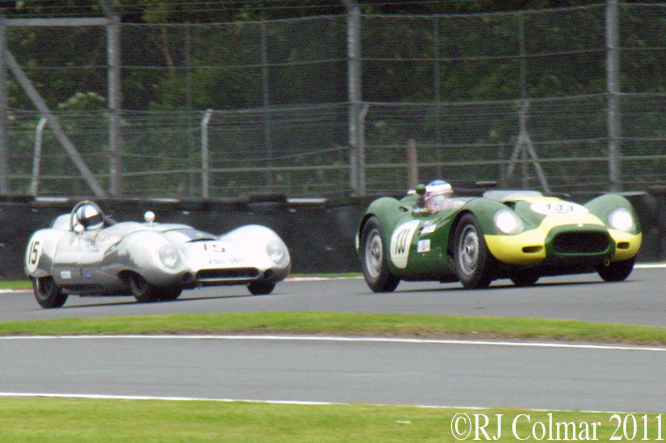
Ewan, McIntyre, Lotus 15, Oulton Park, 2011

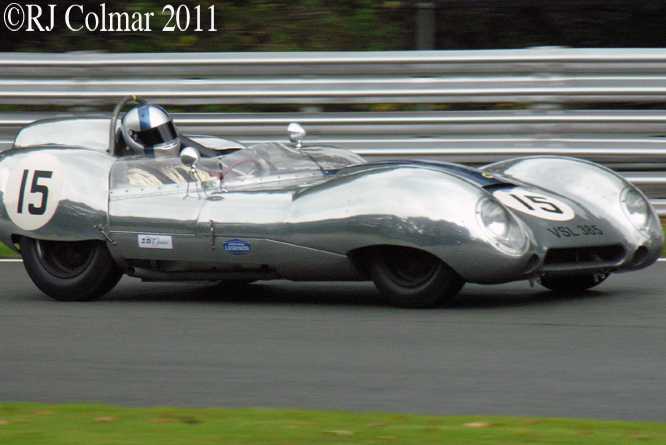
The Lotus 15 was not as successful as the Lotus XI and only 27 were built. Despite the lack of success today examples of the Lotus 15 like the the #15 of Ewan McIntyre seen chasing the #133 3.8 litre / 231 cui Lister Jaguar of Jon Minshaw and Martin Stretton at Oulton Park above are still capable of punching well above their weight in Historic events.

Thanks for joining me on today’s edition of ‘Gettin’ a li’l psycho on tyres’, I hope you will join me again tomorrow. Don’t forget to come back now !

Share

Elegantly Understated – Ferrari 365 GTC/4

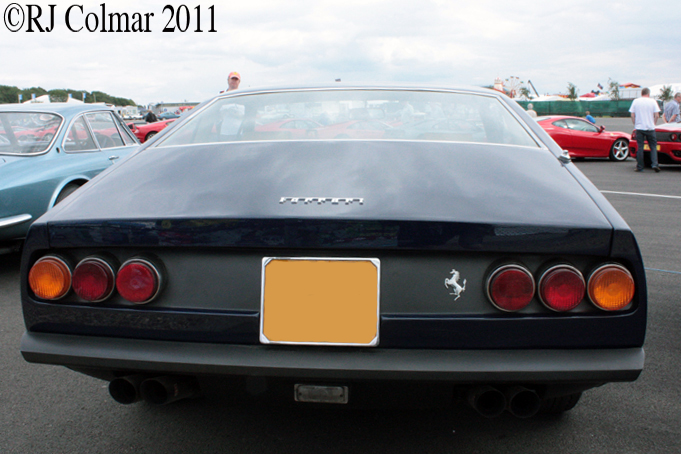
Of all the Ferrari 365’s built the 505 GTC/4’s manufactured from 1971 to 1973 are with out doubt the oddballs of the family.

Ferrari 365 GTC/4, Silverstone Classic

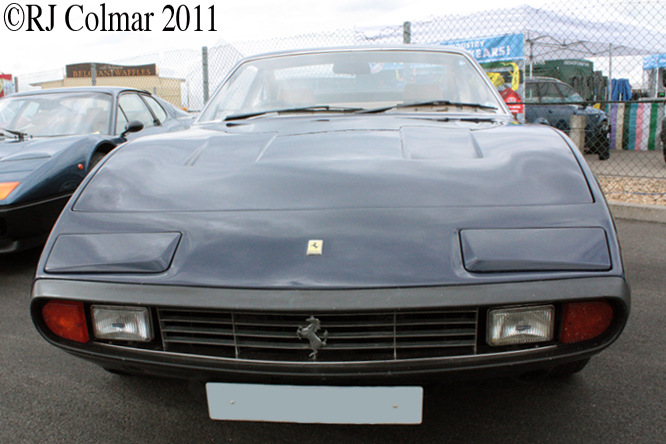
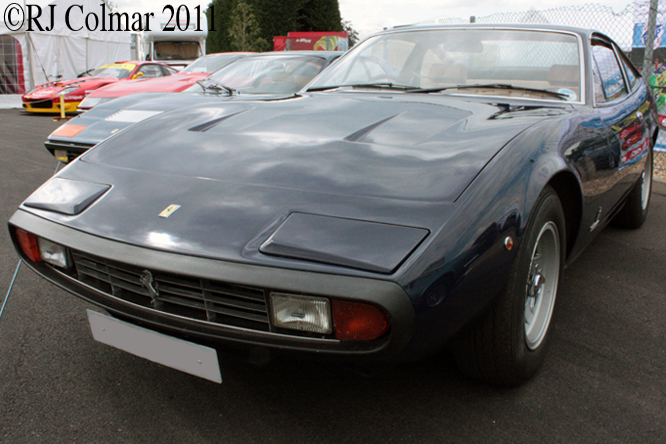
Closely related to the 365 GTB/4 ‘Daytona’ the V12’s fitted to GTC/4’s were fitted with side draught carburetor’s which allowed for a low bonnet line but at the cost of a 12 hp drop in performance to 340 hp compared to it’s better known sibling.

Ferrari 365 GTC/4, Silverstone Classic

Despite the loss in engine performance as can be heard in this linked sound clip the 365 GTC/4 makes all the correct noises for the marque.

Ferrari 365 GTC/4, Silverstone Classic

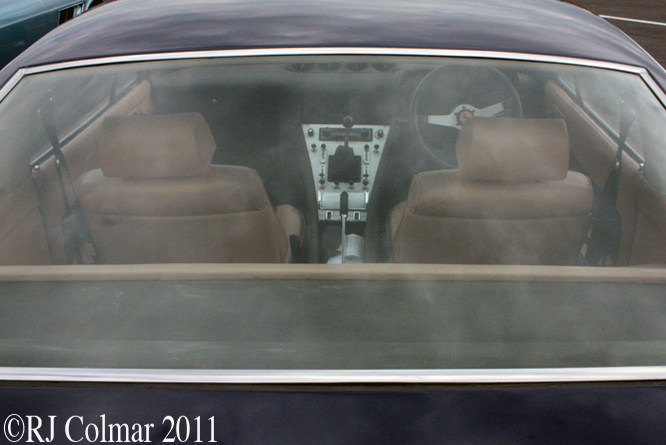
What makes the low key Pininfarina styled 365 GTC/4, seen here at the Silverstone Classic, an oddball is the 2 seats in the back that are rendered completely useless for anything other than a pair of overnight bags, because of the long rearward slopping roof line.

Ferrari 365 GTC/4, Silverstone Classic

Shorter than the 365 GT 2+2 the 365GTC/4 is really a Daytona with extra luggage room rather than a true 2+2. Other significant differences include the gearbox being mounted with the engine on the GTC/4 as opposed to the transaxle of the GTB/4.

Ferrari 365 GTC/4, Siverstone Classic

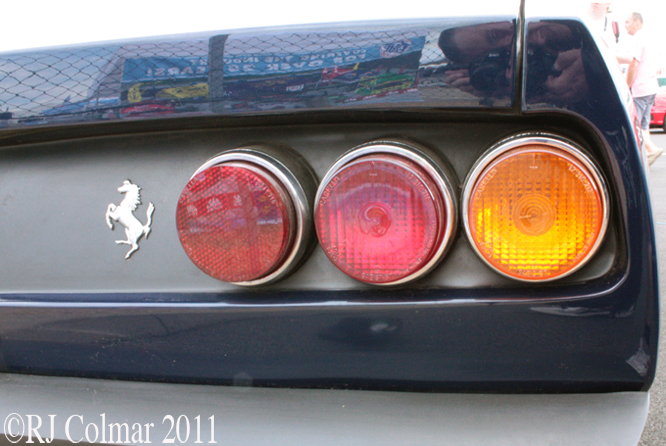
Externally a significant difference with Ferrari’s past, a sign of things to come, was the absence of any chrome on the bumpers which makes the car look stylishly timeless when compared to contemporary vehicles.

My thanks to the 365 GTC4 website where further information on this oft neglected model can be found.

Thanks for joining me on this understated edition of ‘Gettin’ a li’l psycho on tyres’ I hope you will join me again tomorrow. Don’t forget to come back now !

Share

You can’t go wrong with a Bristol under the bonnet #2 – Lotus X

The Lotus X was a variant of the Lotus marks VIII and IX, built in 1955 to accommodate a larger engine than its siblings.

Lotus X - Silverstone Classic

Using essentially a strengthened chassis the Lotus X carried a 6 cylinder 2 litre /122 cui Bristol engine as used by Lotus competitors Cooper and Lister.

Only 6 or 7 Lotus Mk X’s are thought to have been built and some of them raced with Turner or Coventry Climax motors instead of the Bristol as used by Team Lotus.

The Lotus X was driven to victories in both Europe and the United States. This particular Bristol engined example is seen at the recent Silverstone Classic with Nick Adams at the wheel. Nick and Co Driver Adrian Hall drove this car to three straight victories in 2008 and were awarded the Woodcote Cup.

Thanks for joining me on this Britol Powered edition of “Gettin’ a li’l psycho on tyres’, I hope you will join me again tomorrow. Don’t forget to come back now !
Share

Engine Upgrade – Ferrari 365 GT 2+2

Today for Ferrari Friday we are revisiting the Silverstone Classic where I saw this Ferrari 365 GT 2+2.

Ferrari 365 GT 2+2

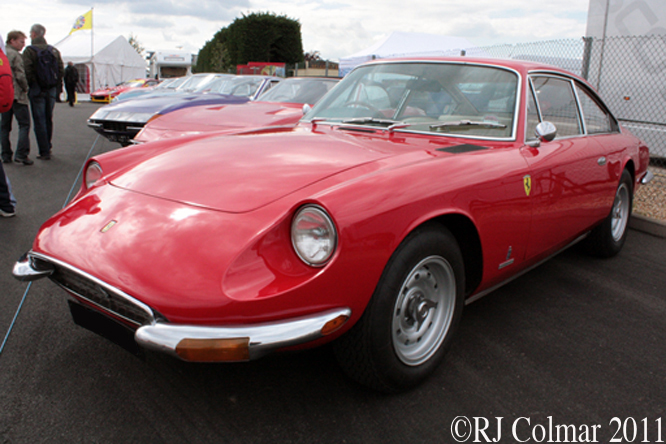
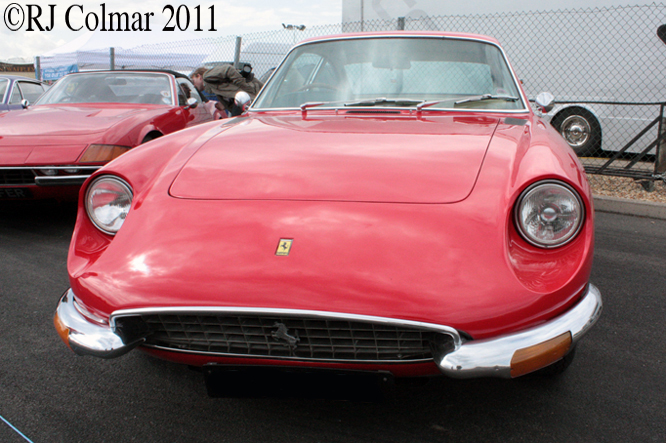
The 365 series of Ferrari’s appears outwardly similar to the 330 Series apart from some minor details the Pininfarina bodies of the two series can be difficult to tell apart.

Ferrari 365 GTC

However underneath the bonnet/hood the Colombo V12 engine had been upgraded from 4.0 litres / 244 cui to 4390 cc / 267 cui which would become best known for it’s application in the Ferrari 365 GTB/4 launched like the 365 GT 2+2 in 1968.

Ferrari 365 GT 2+2

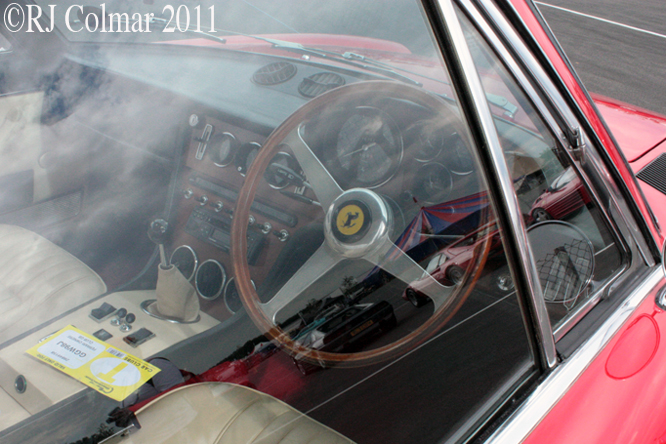
Between 1968 and 1970 around 800 365 GT 2+2’s were built with leather seats, electric windows and power assisted steering making the model one of Ferrari’s best selling models at the time.

Ferrari 365 GT 2+2

This particular car appears to have been first registered between late 1970 to early 1971 possibly making it one of the last of the 54 Right Hand Drive 365 GT 2+2’s known to have been built.

Thanks for joining me for Ferrari Friday at ‘Gettin’ a li’l psycho on tyres’ I hope you will join me again tomorrow. Don’t forget to come back now !
Share

Who Said A Spider Couldn’t Fly ? – Aston Martin DB2/4 Mark II Touring Spider AM/300/1161

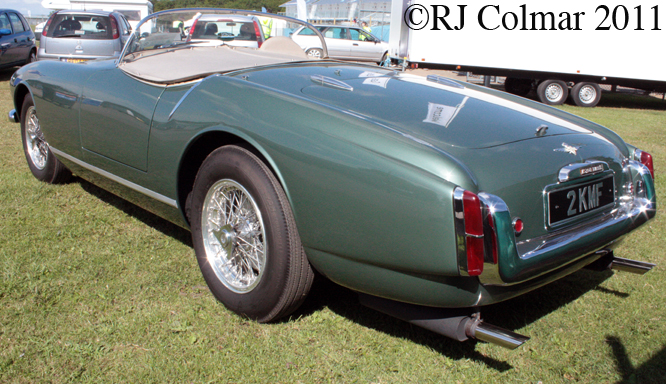
The Aston Martin DB2/4 launched in 1953 was a 2+2 hatchback based on the Aston Martin DB2 dating back to 1950.

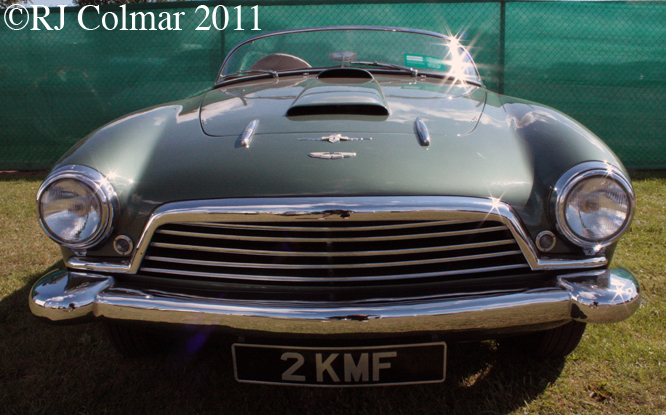
Aston Martin DB2/4 Mk II CT, Silverstone, Classic

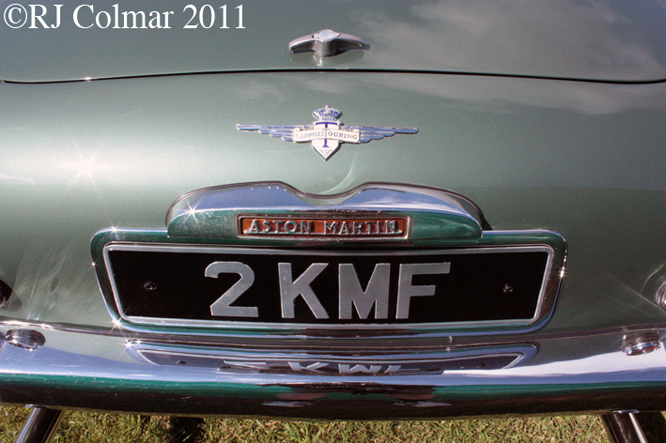
In 1953 David Brown the owner of the marque sent several bare chassis to a variety of Italian styling houses and coach builders and presented the finished cars at the great motor shows of the day where orders were taken for limited production runs.

Aston Martin DB2/4 Mk II CT, Silverstone, Classic

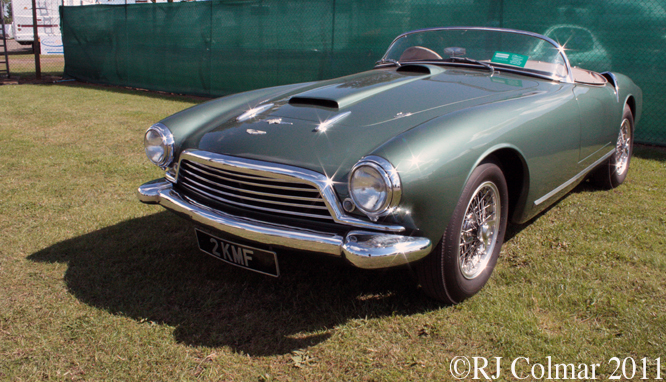
The Mark II DB4/2 was launched in 1956 with a 140 hp 3 litre / 183 cui straight six motor. Three of these new chassis were sent to Carrozzeria Touring to have flamboyant Spider bodies designed by Signor Formenti fitted.

Aston Martin DB2/4 Mk II CT, Silverstone, Classic

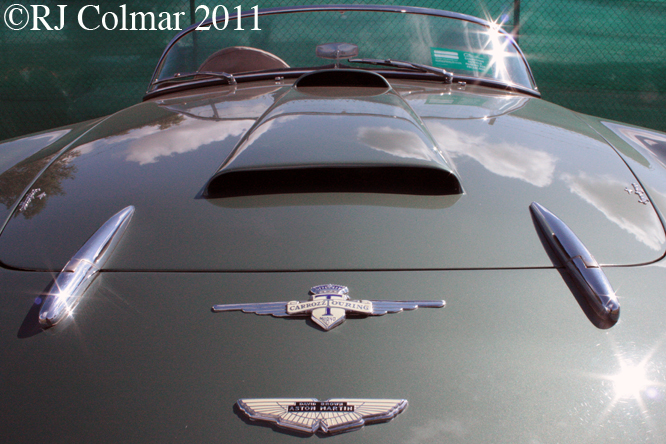
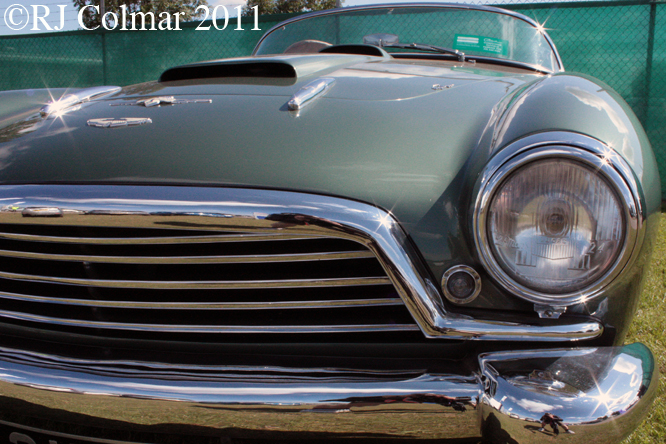
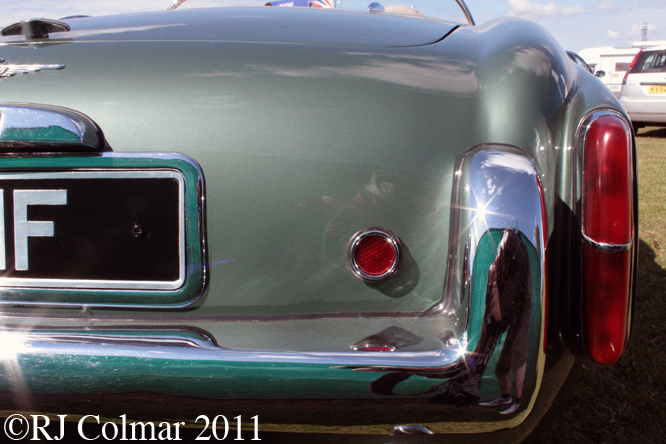
Formenti’s design was a clean break from what had gone before with exceptionally clean lines for the period with unusual twin air scoops on the bonnet

Aston Martin DB2/4 Mk II CT, Silverstone, Classic

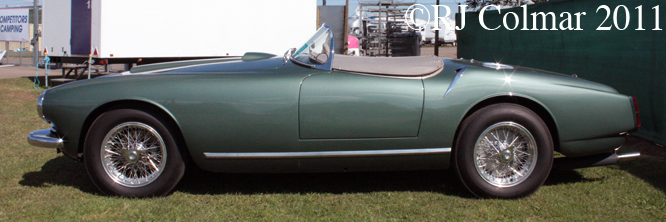
and further air scoops ahead of the rear wheels.

Aston Martin DB2/4 Mk II CT, Silverstone, Classic

Sales of the vehicle did not materialise as expected after the first car, seen here at the recent Silverstone Classic, was displayed at the 1956 Turin Motor Show and the second car had appeared at the Paris Motor Show.

Aston Martin DB2/4 Mk II CT, Silverstone, Classic

After it’s launch in Italy this particular vehicle was acquired by Associated Newspapers in London who ran a competition in the Daily Express in which the winner who could best sum up the drophead would take it home.

Aston Martin DB2/4 Mk II CT, Silverstone, Classic

Mr Alexander Smith, entry “Who Said A Spider Couldn’t Fly ?” was adjudged the winner, and took the, then left hand drive, car home.

Aston Martin DB2/4 Mk II CT, Silverstone, Classic

AM/300/1161 remained in England and was converted to right hand drive while the two remaining examples were sold to customers in the United States where they remain to this day.

Although the first collaboration between Aston Martin and Carrozzeria Touring was not an immediate success the two companies worked together on a long line of vehicles that included the DB4/2’s successors the DB4, DB5 and DB6.

Thanks for joining me on this twin air scoop edition of ‘Gettin’ a lil’ psycho on tyres’, I hope you will join me again tomorrow. Don’t forget to come back now !
Share

Swiss Style British Built – Alvis TD21 Drop Head

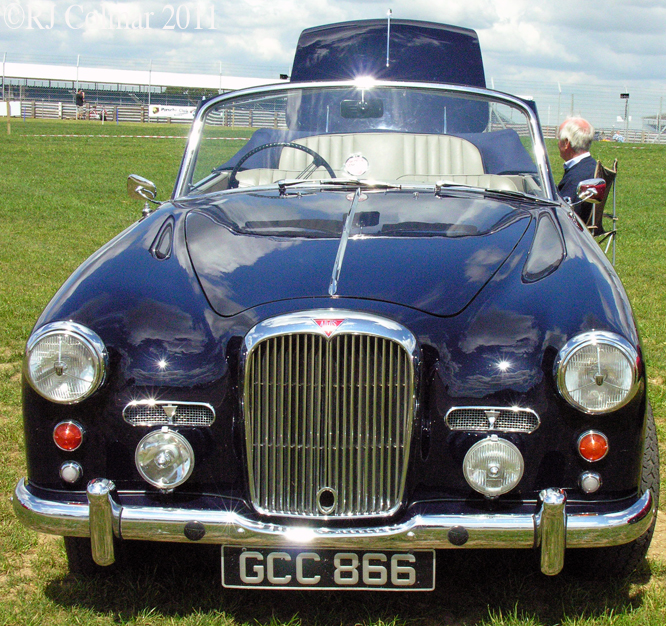
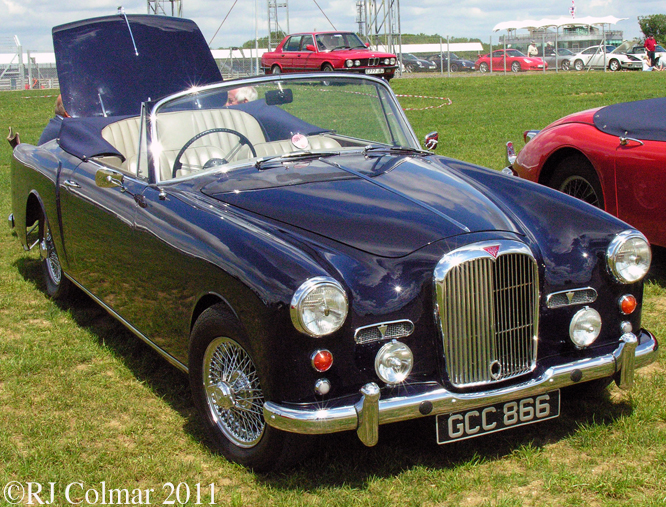
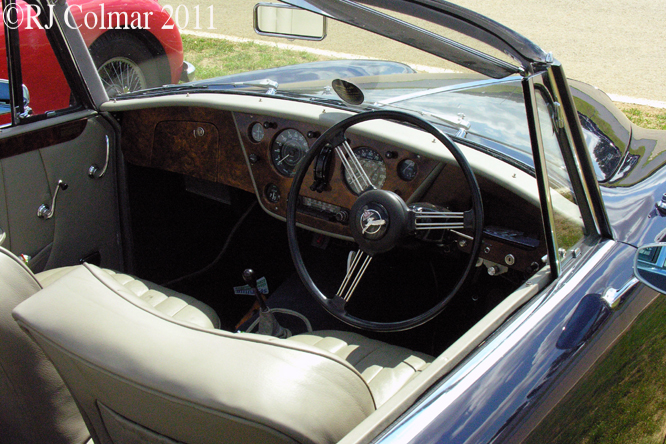
Among the more handsome vehicles to be built in Britain in the late 1950’s was the Alvis TD21, like the 1959 example seen here at the recent Silverstone Classic.

Alvis TD 21, Silverstone Classic

The TD range, available in 2 door saloon or drop head form came with an Alvis 3 litre / 183 cui 6 cylinder motor with 7 bearing crankshaft which produced 115 hp.

Alvis TD 21, Silverstone Classic

The bodywork was designed by Swiss company Hermann Garber working with the Park Ward coach works who took on the production of the beautifully proportioned panels which were mounted on a separate chassis.

Alvis TD 21, Silverstone Classic

With either 4 speed manual, sourced from the Austin Healey parts bin, or 3 speed Borg Warner automatic transmission the TD had a top speed of 103 mph.

Alvis TD 21, Silverstone Classic

The TD21 was upgraded to Series II spec in 1961 with external changes including integrated front fog lights and internal changes including all round disc brakes and ZF 5 speed manual gearbox. From 1958 to 1964 1070 TD21’s of both types were built.

Thanks for joining me on this Swiss style edition of ‘Gettin’ a lil’ psycho on tyres’, .I hope you’ll join me again tomorrow when I’ll be visiting Oulton Park for some classic and historic races. Don’t forget to come back now !
Share

An Education – Bristol 405 Saloon

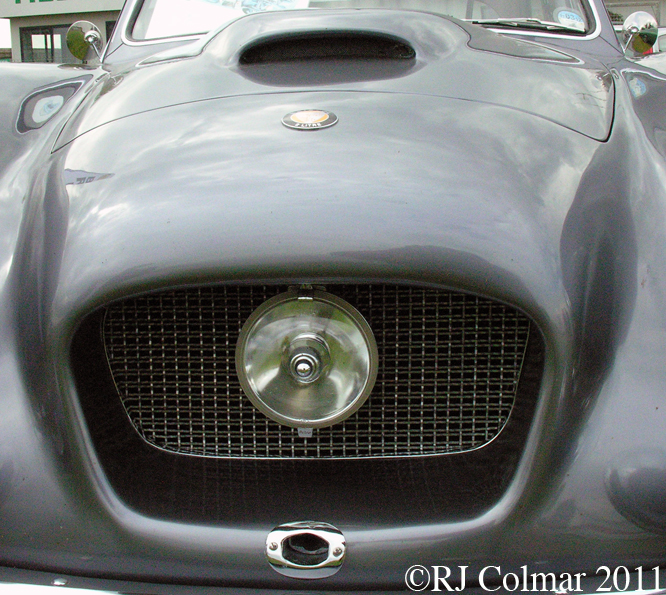
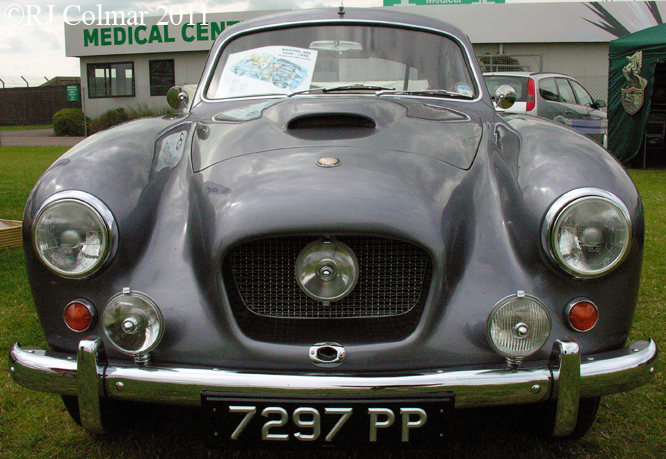
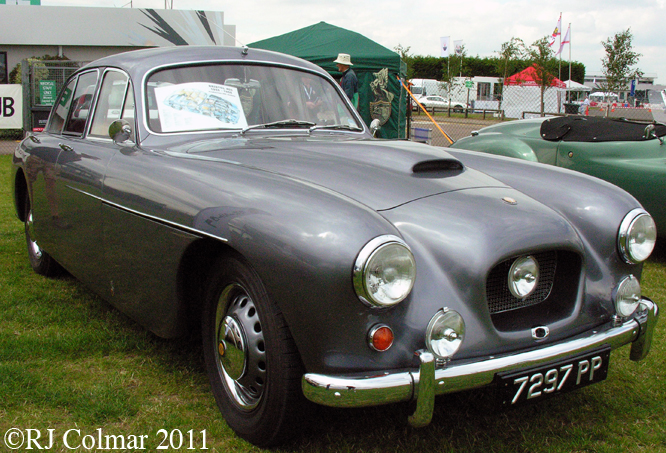
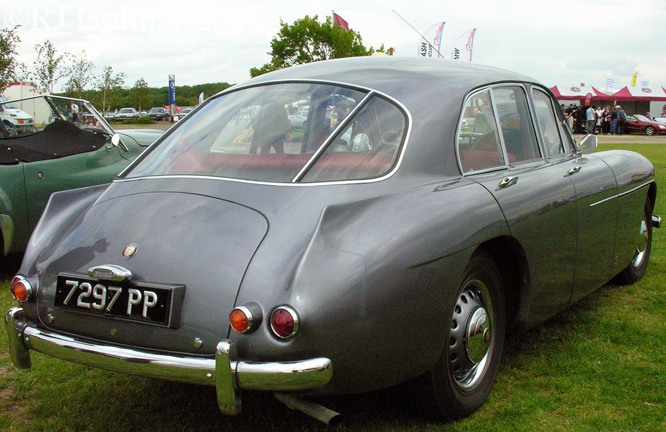
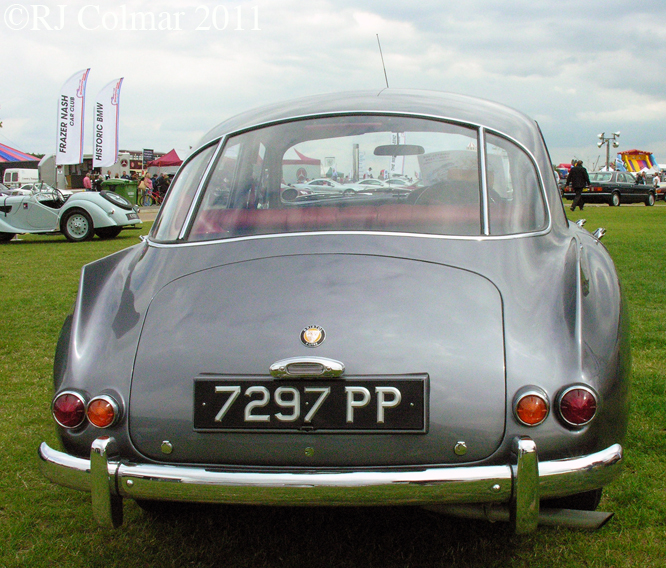
Back in February I looked at the Bristol 405 Drophead, fit for for a Sheikh, today I am looking at the 4 door saloon, seen here at the recent Silverstone Classic, built on the same chassis design.

Bristol 405 Saloon, Silverstone Classic

When launched at the Paris Motor Show in October 1954 the 405 experienced overheating problems while running in heavy Parisian traffic, this turned out to be due to a faulty batch of cylinder heads rather than the fog light blocking the radiator.

Bristol 405 Saloon, Silverstone Classic

Once the overheating problem had been sorted customers were full of enthusiasm for this versatile model which was lighter than the preceding 2 door 403.

https://www.psychoontyres.co.uk/under-the-skin-bristol-403/

Larger doors and windows, than those seen on previous Bristol models, were accommodated by dropping the hitherto successful Superleggera body construction in favour of body work built around a wooden frame.

https://www.psychoontyres.co.uk/under-the-skin-bristol-403/

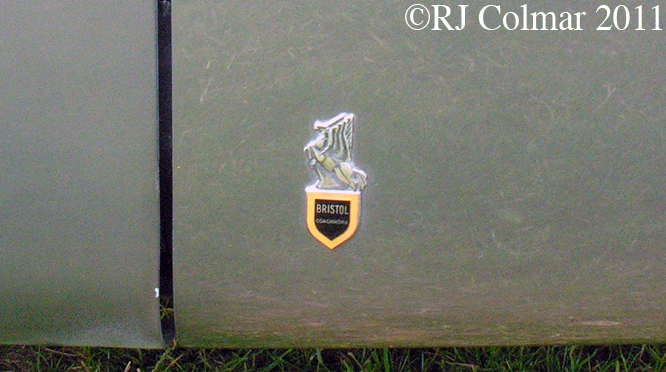
Unlike the 405 Drophead chassis which were sent initially to Abbots and later Tickfords for their bodywork to be built, the 405 Saloon had bodywork built in the Bristol works factory.

https://www.psychoontyres.co.uk/under-the-skin-bristol-403/

Gary Barker told the Adelaide Advertiser in 1956 “The Bristol 405 is a car in the very best tradition of high British performance.”

https://www.psychoontyres.co.uk/under-the-skin-bristol-403/

A maroon 405 Saloon was the star of the 2009 coming of age film ‘An Education‘.

My thanks to Christopher Balfour who’s book Bristol Cars A Very British Story supplied many of the background details for this blog.

Tomorrow I hope to be attending the Bristol Owners Club Concours d’Elegance a free event held at the Old Royal Naval College Greenwich – The Painted Hall.

It is sad to have to report that Chris Lawrence, one of the men behind the Morgan Triumph SLR cars that featured on a GALPOT blog two weeks ago, passed away on August 13th. Along with the SLR Chris was responsible for the Mini based Deep Sanderson and much more recently the Morgan Aero 8 amongst many other vehicle developments. I hope you will join me in sending condolences to Chris’s friends and family.

Thanks for joining me on this British Performance edition of ‘Getting a lil psycho on tyres’, I hope you will join me again tomorrow when I’ll be looking at a large sports car from a revived brand that now hails from Chippenham, Wiltshire. Don’t forget to come back now !
Share