Tag Archives: Club

Code C,A or K – Ford Mustang GT

After retooling in August 1964 Ford offered it’s sensational Mustang with a GT equipment package that included a V8 motor, grille-mounted fog lamps, rocker panel stripes, and disc brakes, an instrument panel with a speedometer, fuel gauge and unnumbered temperature, oil pressure and ammeter gauges in five round dials.

Ford Mustang GT, Avenue Drivers Club, Queen Square, Bristol

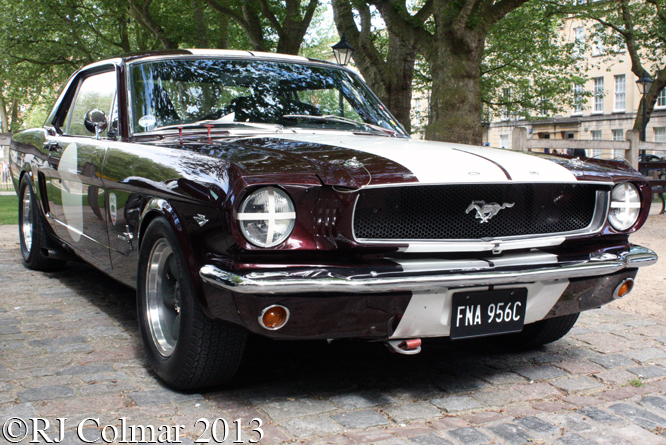
Today’s featured car is registered as a “Mustang GT” and carries a 289 / 4.7 litre V8 though it is unclear if today’s featured car has a 200hp C Code 289 with a two barrel carburetor or perhaps one of the four barrel carburetor options either 225hp A Code 289 or 271hp “Hi Po” K Code 289.

Ford Mustang GT, Avenue Drivers Club, Queen Square, Bristol

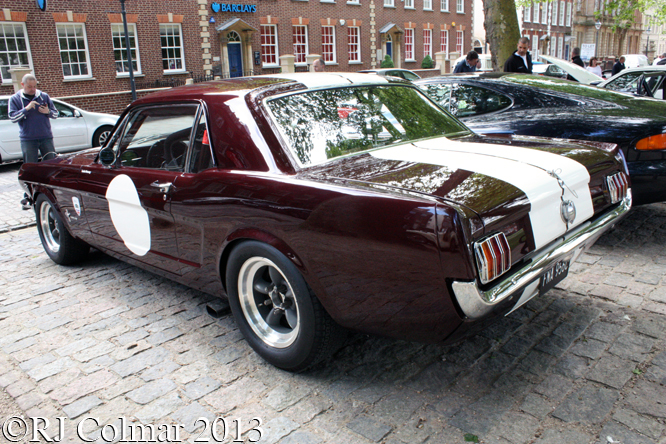
As can be seen this particular vehicle has been prepared to racing spec with bonnet / hood pins and roll cage and it appears to have been raced by Louis Bracey in HSCC events in recent years.

Thanks for joining me on this “Code C,A or K” edition of “Gettin’ a li’l psycho on tyres” I hope you’ll join me again tomorrow when I’ll be looking at a poor mans 250 GTE. Don’t forget to come back now !

Share

Prototype Family Restoration – Allard Palm Beach MkII #72/7000Z

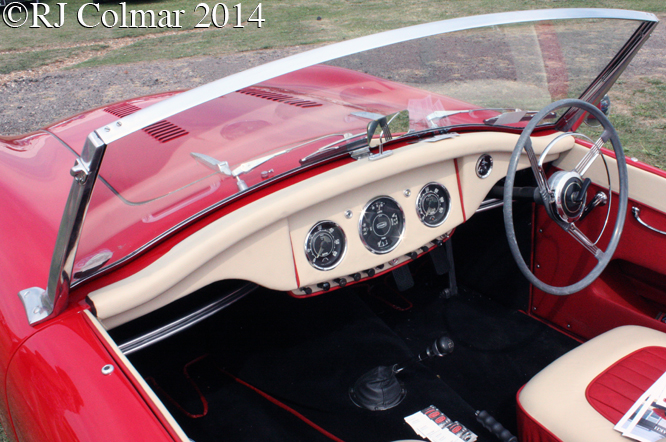
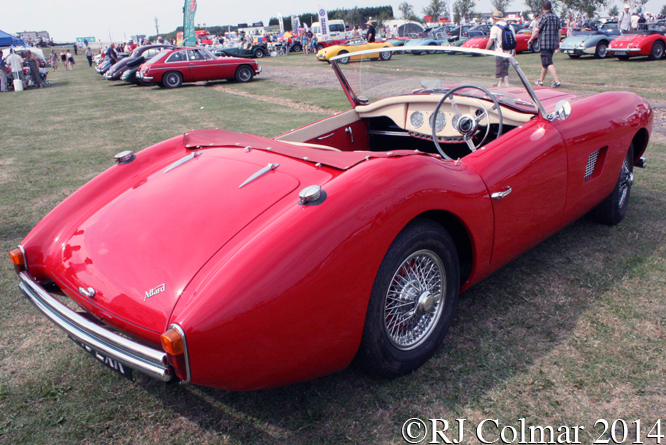
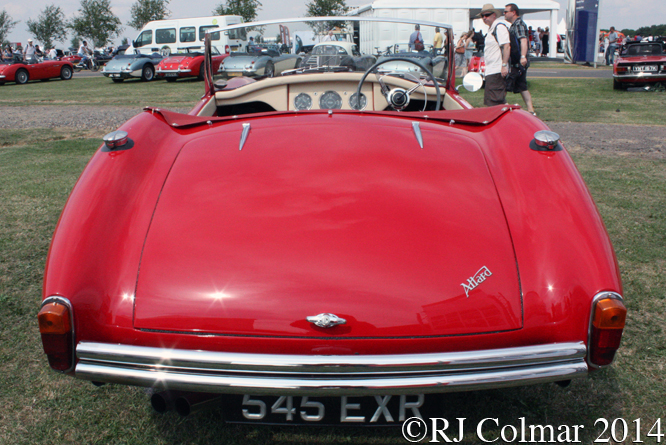
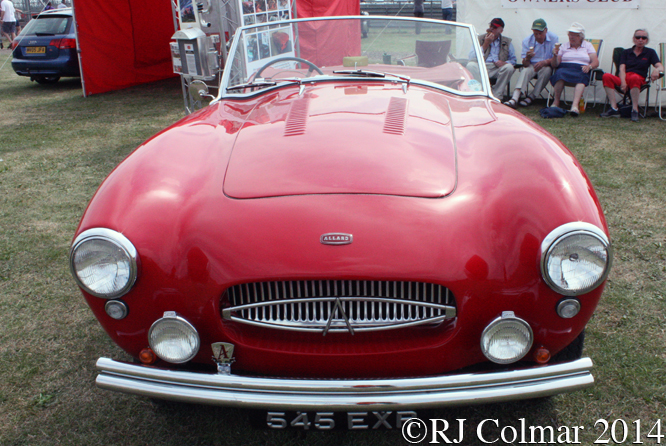
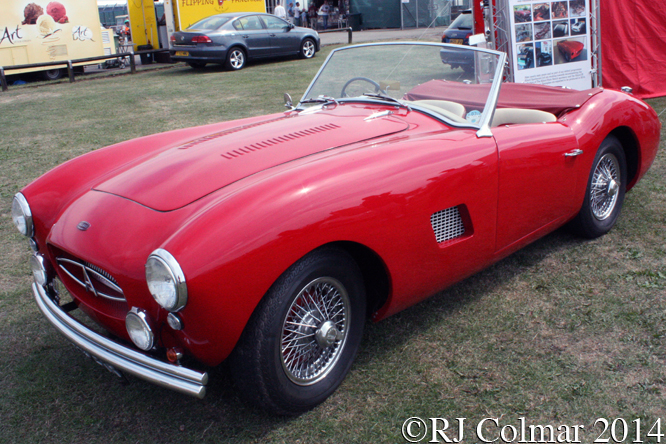
At the 1956 Earls Court Motor Show Allard showed today’s featured car, the prototype Palm Beach Mk2, seen in these photo’s displayed by the Allard Owners Club at Silverstone Classic.

Allard Palm Beach Mk II, Allard Owners Club, Silverstone Classic

External differences from the original Palm Beach included hidden door hinges and vents behind the front wheels and more comprehensive grill ornamentation.

Allard Palm Beach Mk II, Allard Owners Club, Silverstone Classic

Internally the four cylinder motor option was dropped and a Jaguar six cylinder was available to complement the base models 120 hp Ford Zephyr six cylinder motor as fitted to the prototype.

Allard Palm Beach Mk II, Allard Owners Club, Silverstone Classic

In November 1956 today’s featured car was registered for the road and used as a demonstrator and later by Allard Motor Companies Brian Howard. In 1969 it was sold to the Hemsworth family where it remained until 2012.

Allard Palm Beach Mk II, Allard Owners Club, Silverstone Classic

The car, one of just six MkII’s built upt o 1958, was offered for restoration to Sidney Allards son Alan and grandson Lloyd having not turned a wheel since 1976 and being kept outside for several years.

Allard Palm Beach Mk II, Allard Owners Club, Silverstone Classic

Two years on and the restoration of the aluminium bodied prototype Palm Beach Mk II is complete with Lloyd Allard having been credited with doing most of the dirty work.

During the restoration a resurrection of Allard has also taken place now known as the Allard Sports Car Company with the initial aim of manufacturing a continuation Mk III Palm Beach and continuation Cadillac powered JR as raced at Le Mans in 1953 and through out the USA in later years.

Thanks for joining me on this “Prototype Family Restoration” edition of “Gettin’ a li’l psycho on tyres”, I hope you’ll join me again for bank holiday Maserati Monday tomorrow. Don’t forget to come back now !

Share

Cardinals Classic – Volkswagen Golf SE IV

The last of this months Sunday Volkswagen Golf posts is about a Golf IV.
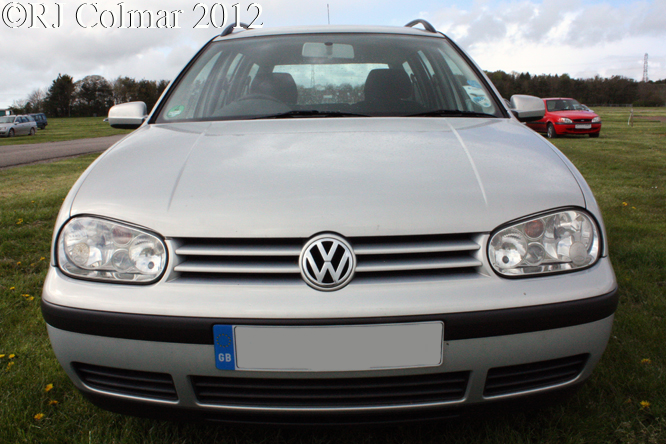
Volkswagen Golf SE IV, Shepton Mallet,

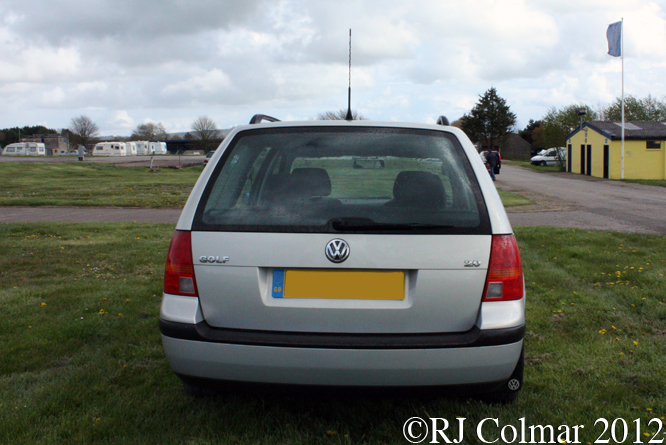
Last year I took on a low mileage VW Golf SE Estate IV, that my folks bought new in 1999. Over the 10,000 miles I have driven it, apart from several light bulbs a set of new tyres and a service it has proved to be a pleasantly reliable mode of transport carrying up to 4 at up to 70 mph to numerous events in England and Wales. The most awkward work I have had to do on it was to replace the front headlight bulb that is tucked away in front of the passenger side mounted battery but thanks to to this linked video I got the job done in a supermarket car park with a minimum of fuss.
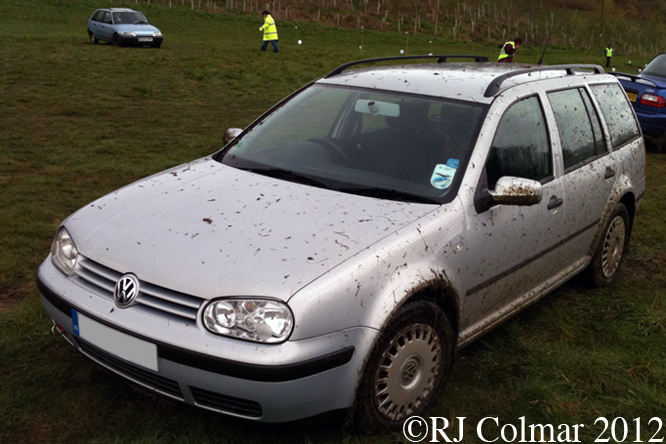
Volkswagen Golf SE IV, Dundry

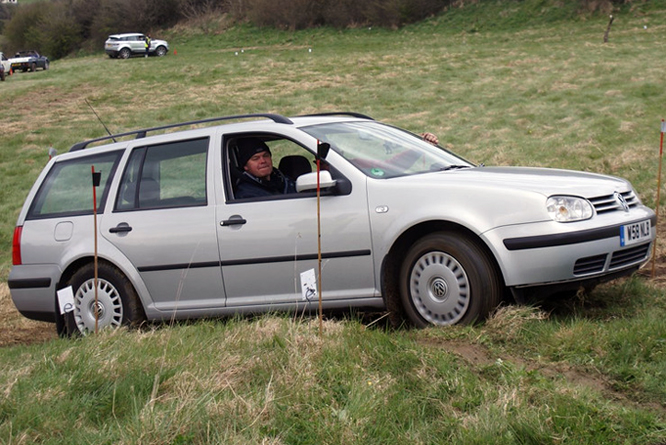
Three days after I acquired the Golf I had a great time with it on a field in Dundry just South of Bristol trying, unsuccessfully, to defend my Cross Trohpy.
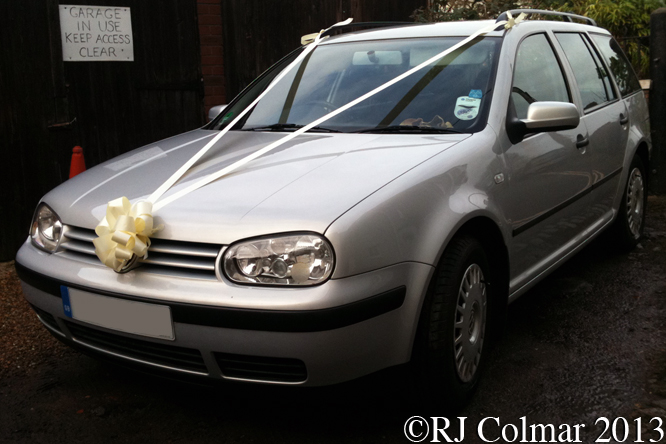
Volkswagen Golf SE IV,

A couple of weeks ago I was reminded that my car insurance was about to expire and after a little shopping around which included looking at the Aviva site I found I was able to halve my car insurance bill with my no claims bonus. With the Golf freshly serviced and insured I polished her up for wedding duties as the brides maids car for a friend who was getting married during a visit from Australia.

Volkswagen Golf SE IV, Shepton Mallet,

While I was looking up the approximate value of my car I was surprised to learn that the highest price ever paid for a second hand Golf IV was US $243,000 @ £160,000 in English. It turns out that the car was sold by its original owner prefect of the Catholic Church’s Congregation of the Doctrine of the Faith under Pope John Paul II better known as Cardinal Joseph Aloisius Ratzinger when he expected to retire to Germany after Pope John Paul II died in 2005.
Volkswagen Golf SE IV, Shepton Mallet,

After he had sold his Golf to his surprise Joseph Ratzinger was elected Pope Benedict XVI and the new owner of the Cardinals Golf put it up for auction on e-bay where it was purchased by a casino.
Volkswagen Golf SE IV, Dundry

A couple of weeks ago I made an attempt at reclaiming the Cross Trophy with fellow Bristol Pegasus Motor Club member Chris Clarke and came home a respectable third in class. A couple of days ago I was out again this time on a treasure hunt with GALPOT regular Tim Murray and again we came home a respectable third and won a box of Maltesers to share.

Touch wood the Golf will remain reliable and help me attend a few more meetings which I can report on here for your delectation.

Thanks for joining me on this “Cardinal Classic” edition of “Gettin’ a li’l psycho on tyres” I hope you will join me again tomorrow. Don’t forget to come back now !

Share

Vauxhall VX220 – Lotus 116

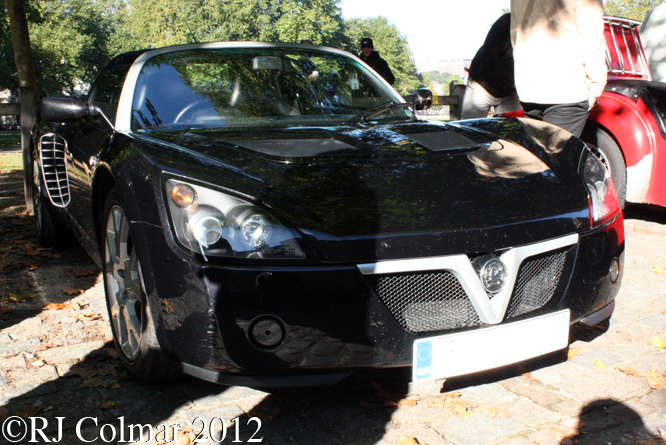
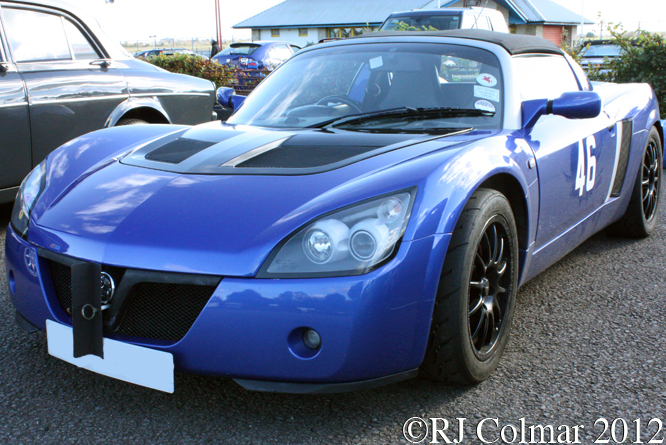
In 2000 Lotus needed to upgrade the Lotus Elise Series 1 to meet new European Crash Protection regulations. At the same time former Lotus owners General Motors were looking to build a new sports car for their Vauxhall (UK), Opel (Europe) and Daewoo (Asia) brands that would eventually also be restyled for the Saturn brand in the US.

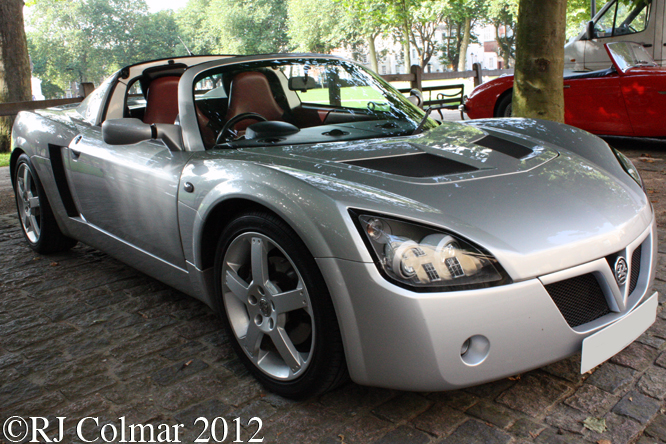
Vauxhall VX220, Avenue Drivers Club, Queen Square, Bristol

General Motors employed Lotus to design and build the new Vauxhall VX220, Opel GT and Daewoo Speedster models which are powered by mid mounted motors giving 145 hp normally aspirated or 197 hp in turbocharged form. Exterior design is credited to Niels Loeb and Martin Smith and interior to Steven Crijns.

Vauxhall VX220, Avenue Drivers Club, Queen Square, Bristol

Since the Type 116 is powered by variants of motors that were originally designed for Opel by Lotus while the similar Lotus Elise Series 2 are powered by Rover K series and later Toyota sourced motors arguably the Type 116 has more Lotus input than the Lotus Elise S2 with which it shares the same chassis design.

Vauxhall VX220, Pegasus Sprint, Castle Combe

The turbocharged version of the 116 seen in these photos as the Vauxhall branded VX220 was capable of reaching 62 mph in just 4,0 seconds with a top speed of 150 mph.

Vauxhall VX220, Bristol

Production of the 116 in all it’s forms except the Saturn ran from 2000 to 2005 at Lotus’s Hethel factory in Norfolk.

Thanks for joining me on this “Vauxhall VX220” edition of “Gettin’ a li’l psycho on tyres” I hope you will join me again tomorrow. Don’t forget to come back now !
Share

Romano’s Granddaughter – Lotus Elise Series I

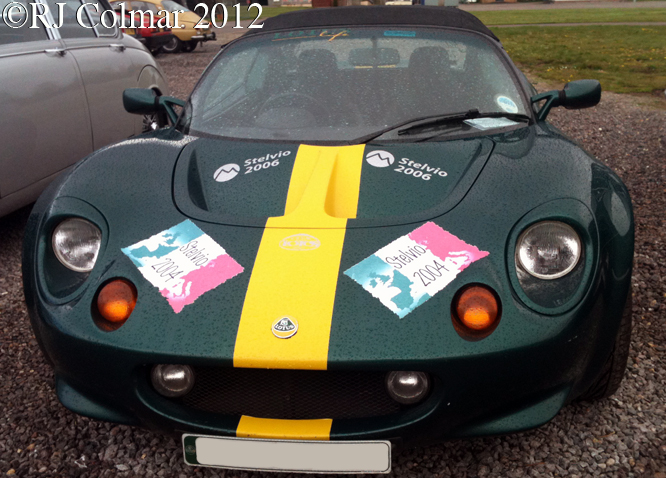
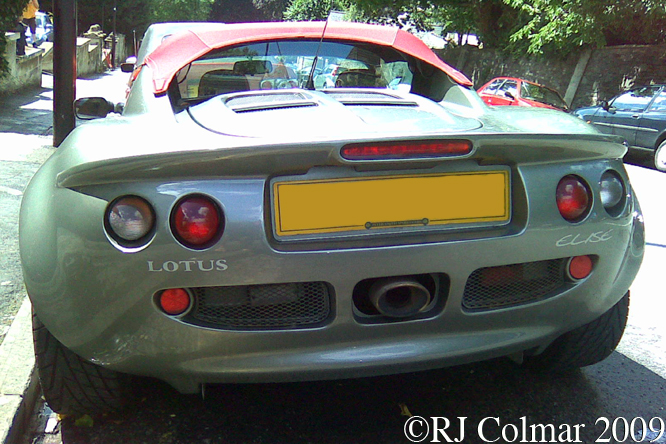
In 1993 Lotus was purchased from GM by Romano Artioli chairman of the revived Bugatti manufacturer, and the following year the Type 111 was conceived by Julian Thompson with Richard Rackman and given the Elise name after Romano’s Granddaughter Elisa.

Lotus Elise Series 1, Bristol Classic Car Show, Shepton Mallet

The Series 1 Elise was launched in 1996 powered by a mid mounted 4 cylinder Rover K Series motor that produced just 118 hp, however thanks to the fiberglass body and bonded aluminium chassis the Elise only weighed 725 kg / 1,600 lbs so the car could accelerate from rest to 60 mph in just 5.8 seconds with a top speed of 124 mph.

Lotus Elise Series 1, Bristol Pegasus Motor Club, BAWA

Getting in and out of a Lotus Elise are probably the most difficult features of the car, the ergonomics are secondary to track day performance, but apart from that the Elise is said to be great fun to drive and economical to run thanks to the light weight and virtually non existent load capacity beside the passengers.

Lotus Elise Series 1, Bristol

In 1996 Romano had sold Lotus on to current owners Proton in order to fund the losses that had accumulated due to the insolvency of Bugatti.

Thanks to changes in crash sustainability regulations the Series 1 Elise was replaced in 2000 after more than 8600 had been built by the more sustainable and consequently slightly heavier Elise Series 2.

The top and bottom cars featured today are standard ’98 and ’97 1.8i models while the middle one is a later ’99 111S which came with variable valve timing 143 hp and a 130 mph top speed.

Thanks for joining me on this “Romano’s Granddaughter” edition of “Gettin’ a li’l psycho on tyres”, I hope you will join me again tomorrow. Don’t forget to come back now !

Share

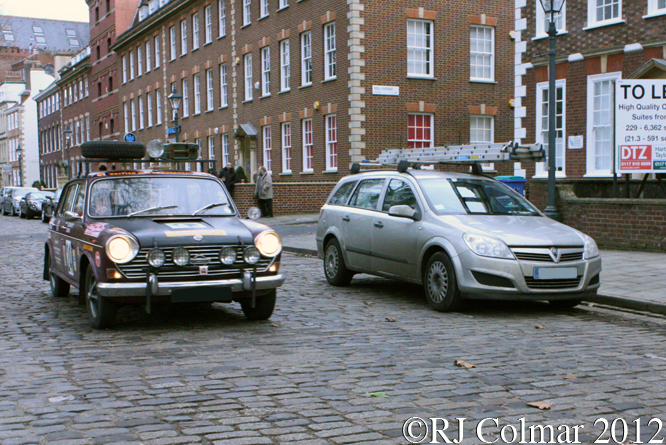
Rally Landcrab Recreation – Morris 1800 (ADO 17)

1964 saw the launch of the third in range of Alec Issigonis practical front wheel drive British Motor Corporation (BMC) models that started with the Mini variations in 1959 progressed to the ADO16 1100 and 1300 variations first seen in 1962 and had grown to the ADO 17 1800 variations for 1964 with the launch of the Austin 1800 that was followed two years later by the Morris 1800 of the type featured today.

01 IMG_4857sc

Prior to the current owner of this 1966 model purchasing it for £200 on the 28th of February 2011 the car had spent 17 years in a barn and a further two years rotting in a garden because the clutch had failed in 1992.

Morris 1800, Avenue Drivers Club, Queen Square, Bristol.

Since 2011 the owner has replaced the clutch, rebuilt and refurbished the braking system scraped, cleaned, etch primed and coated the under side in bitumen under seal and carried out a few welding repairs to the wings / fenders around the headlights.

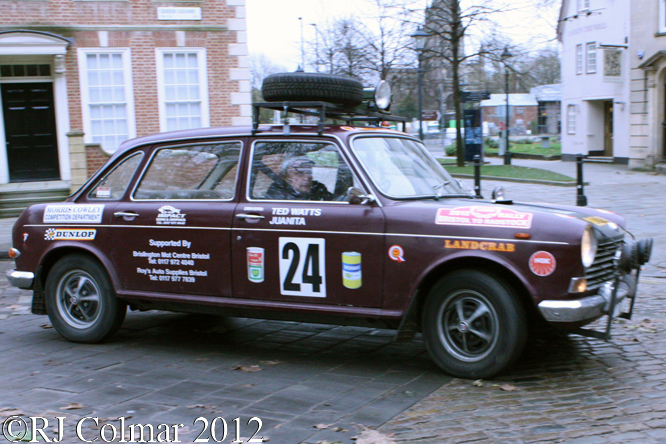
Morris 1800, Classic and Sports Car Action Day, Castle Combe

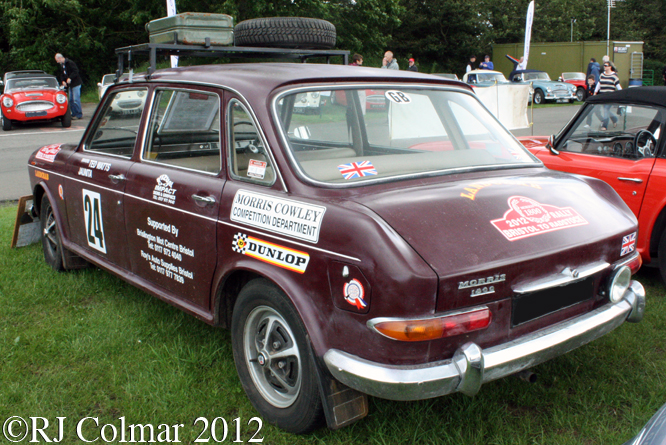
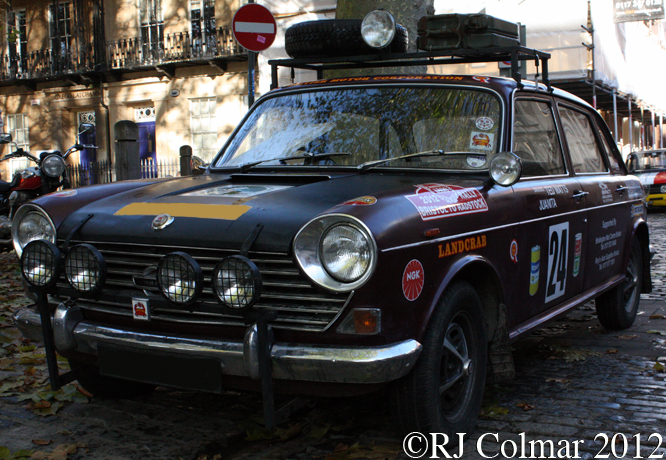
By May 2012 the Morris had passed it MOT and was back in use as a daily driver. Since then the owner, a member of the Norton Radstock Classic Vehicle Club has attempted to use the vehicle as a starting point to recreate a period works rally car of the type that was used in the 1968 London to Sydney and 1970 London to Mexico World Cup Rally marathons where Landcrabs finished 2nd and 9th respectively.

Morris 1800, Avenue Drivers Club, Queen Square, Bristol.

The AD0 17’s in Austin, Morris and Wolseley guises, all affectionately known as land crabs were extremely roomy and rugged vehicles but ultimately even in up market Wolseley guise a touch to pragmatic for owners of vehicles of this size and consequently did not perform in the market as expected. The ADO 17’s were eventually produced in three different series being joined by six cylinder 2200 variations in the third series from 1972. Production of the Morris 1800/2200 variants totaled 95,271 between 1966 and 1975 when the model was replaced by the new wedge shaped ADO 71 Morris 1800 and 2200 which soon after became known as the Princess.

Thanks for joining me on this Morris 1800 (ADO 17) edition of “Gettin’ a li’l psycho on tyres”, I hope you will join me again tomorrow. Don’t forget to come back now !
Share

More Power Bigger Drums – Morris Oxford II

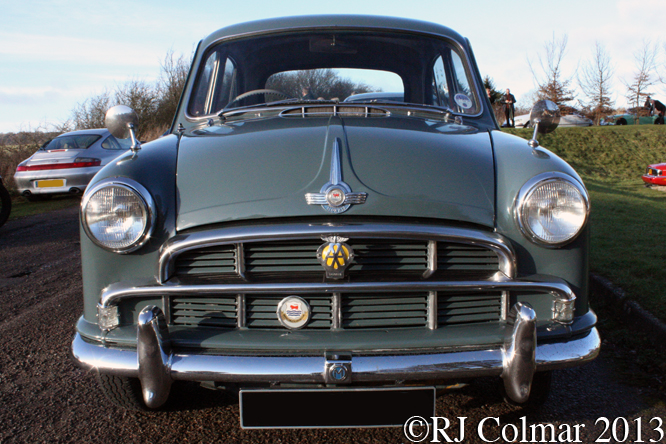
For 1948 Alex Issigonis designed the Morris Oxford to compliment the smaller Morris Minor is the Morris model mix, the Oxford MO boasted a 40.5 hp 4 cylinder side valve motor inherited from the prewar Morris 10 which it replaced, unitary body construction, torsion bar front suspension and hydraulically activated 8 inch drum brakes with which to bring the 72 mph vehicle to rest.

Morris Oxford II, Cotswold Classic Car Club, Frogsmill, Andoversford

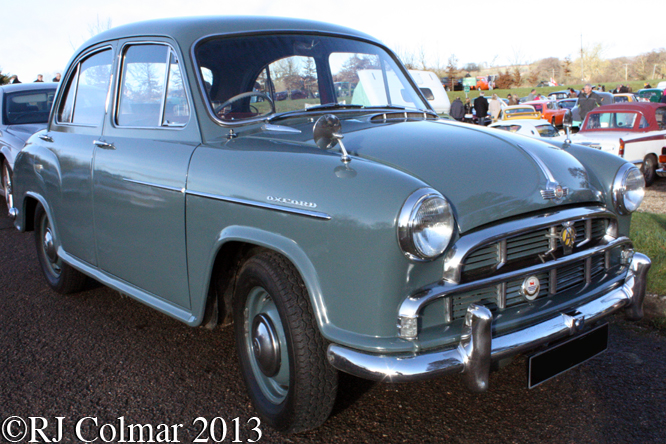
In 1952 Morris merged with it’s great rival Austin with William Morris, now Lord Nuffield, becoming the British Motor Corporation’s first Chairman, thanks to the merger Morris was able to ditch it’s antiquated motors for those from the Austin range.

Morris Oxford II, Cotswold Classic Car Club, Frogsmill, Andoversford

As a consequence the Morris Oxford II first seen in 1954 was powered by a 50 hp Austin designed 4 cylinder over head valve B series motor which increased the top speed to 74 mph better acceleration and better fuel consumption 28 mpg up from 26 mpg of the Oxford MO.

Morris Oxford II, Cotswold Classic Car Club, Frogsmill, Andoversford

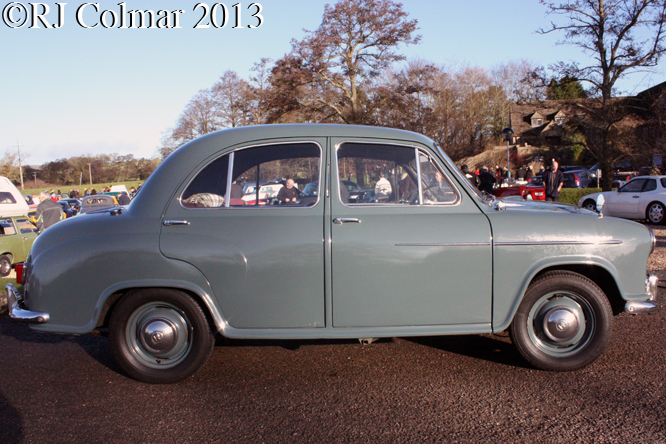
The column shift 1955 Oxford II, seen here earlier this year as the Cotswold Classic Car Club Meeting held at Frogsmill Andoversford, was equipped with 9 inch hydraulic brakes to cope with the increase in performance and came with a heater as standard.

Morris Oxford II, Cotswold Classic Car Club, Frogsmill, Andoversford

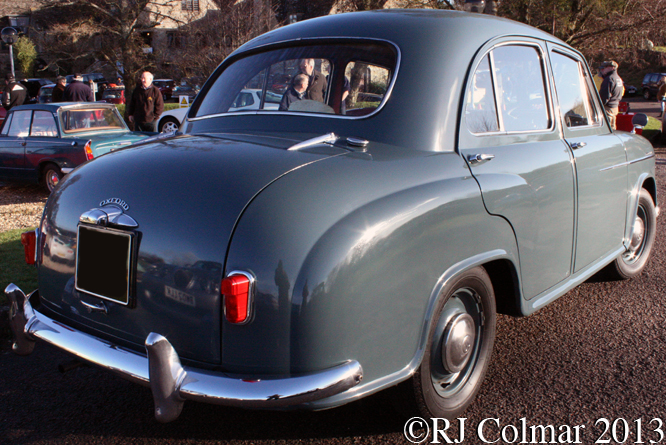
The Oxford II was available in 4 door saloon / sedan or 2 door Traveller Estate / Station wagon variants, the former of which would live on as the Hindustan Landmaster built under licence until 1958 in India.

Morris Oxford II, Cotswold Classic Car Club, Frogsmill, Andoversford

From 1954 87,342 Oxford II’s were built at plants in the UK and Australia until 1956 when the model was replaced by the Morris Oxford III.

Thanks for joining me on this “More Power Bigger Brakes” edition of “Gettin’ a li’l psycho on tyres”, I hope you will join me again tomorrow. Don’t forget to come back now !
Share