Tag Archives: Colmar

Imperial Green – Lotus T104 Vauxhall Lotus Carlton

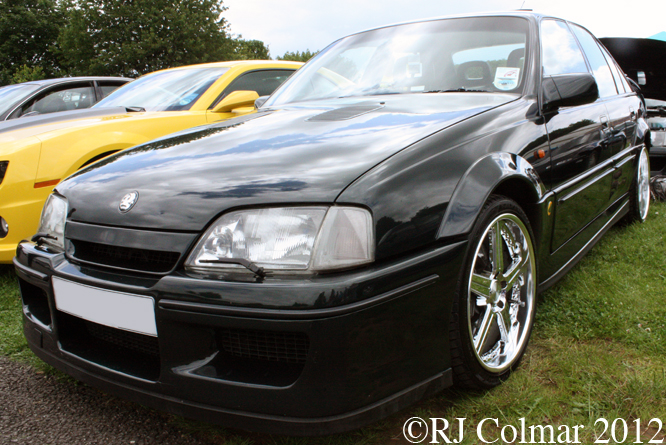
In 1990 Britain and Germany’s GM divisions launched a new Q car that could blow the contemporary Ford Sierra RS Cosworth 4×4 performance model into the weeds. The new vehicle was known as the Vauxhall Lotus Carlton in the UK and Lotus Omega in the rest of Europe.

Vauxhall Lotus Carlton, Classic and Sports Car Action Day, Castle Combe

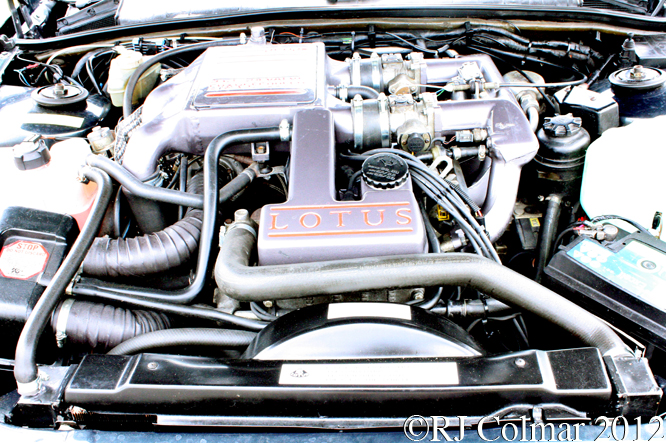
Lotus project Type 104 was responsible for turning the 3 litre / 183 cui executive saloon, into a barnstormer which included a body kit that fed more air into the engine and two small louvered out lets on the bonnet hood.

Vauxhall Lotus Carlton, Classic and Sports Car Action Day, Castle Combe

The six cylinder motor was comprehensively revised; the swept volume was increased to 3.6 litres / 219 cui and twin Garret T25 turbochargers with a Behr water to air inter cooler were fitted to take the power up to 377 hp at 5200 rpm. Transmission came courtesy of the contemporary Chevrolet Corvette ZR1 and the limited slip differential from the Australian Holden Commodore.

Vauxhall Lotus Carlton, Classic and Sports Car Action Day, Castle Combe

The performance figures included rest to 60 mph in 5.1 seconds with 100 mph being reached in 11.1 seconds and a controversial top speed of 176 mph, which made the car the worlds fastest four door saloon. There had been, unheeded, calls for GM to follow the lead of BMW and others to restrict the top speed to 155 mph.

Vauxhall Lotus Carlton, Classic and Sports Car Action Day, Castle Combe

The suspension was also suitably modified for improved stability and handling to match the straight line performance of the car, standard Carlton / Omega Servotronic power assistance for the worm and roller steering was used as space and budgets precluded the development of rack and pinion steering.

Vauxhall Lotus Carlton, Classic and Sports Car Action Day, Castle Combe

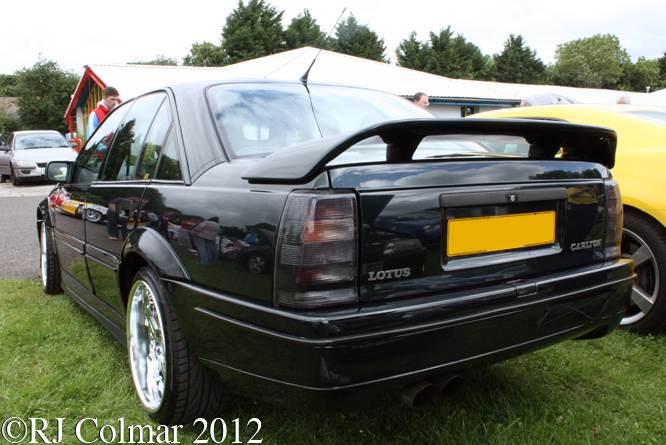
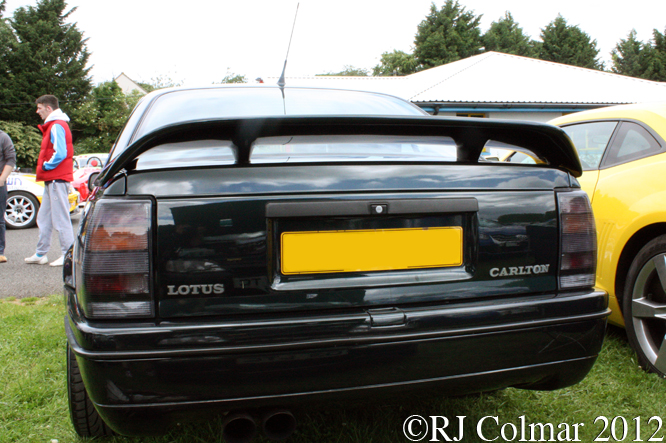
You could have your £48,000 Vauxhall Lotus Carlton or Lotus Omega any colour you liked so long as it was imperial green, which as can be seen looks black in any light other than direct sun light. Just 320 Vauxhall Lotus Carlton’s were built and 630 Lotus Omega’s.

Thanks for joining me on this “Imperial Green” edition of “Gettin’ a li’l psycho on tyres” I hope you will join me again tomorrow. Don’t forget to come back now !

Share

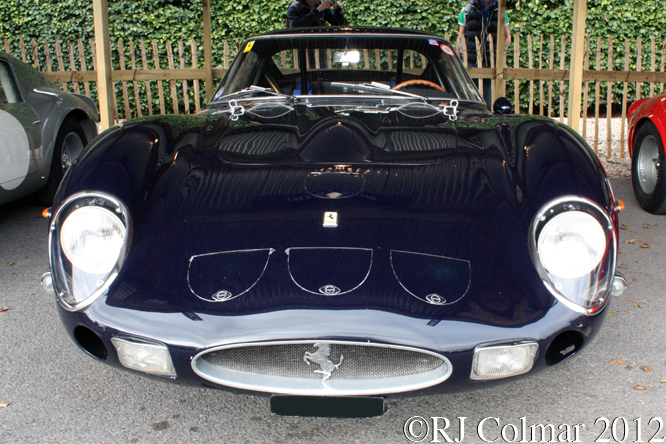
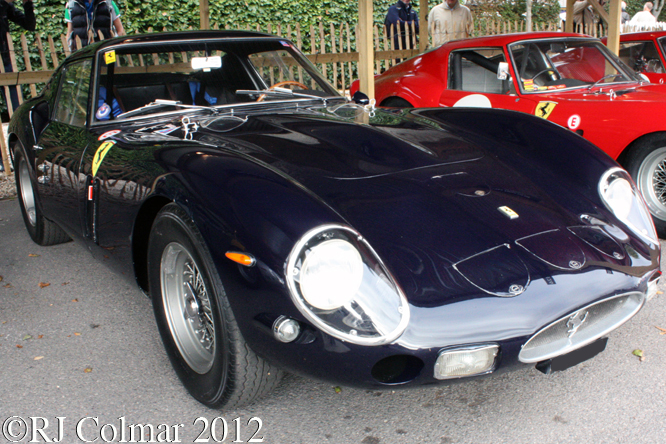
Fast Cars and Fast Love – Ferrari 250 GTO #4219

Motor racing is littered with generous patrons but I venture to suggest that her wealth aside none has been quite so extraordinary as the 20 year old heiress from Asheville North Carolina known as Mamie Spears Reynolds.

In early 1963 she went to New York to see Luigi Chinetti with the intention of buying a Ferrari to enter in the Daytona Continental. She ended up buying today’s featured Ferrari 250 GTO chassis #4219 and finding love in the form of Luigi Chinetti’s son Luigi Chinetti Jr whom she married in July 1963.

Ferrari 250 GTO, Goodwood Revival

Mamie, heir to tobacco and mining fortunes along with the “Hope Diamond” had Luigi Chinetti’s North American Racing Team (NART) enter #4219 into the Daytona Continental for Pedro Rodriguez to drive and he promptly won the race. NART entered the car at the following Sebring 12 Hours for Joakim Bonnier and John Cannon in which they came home 13th overall.

In May 1963 Mamie sold #4219 to Beverly Spencer in California for US $14,000, Beverly entered the car in numerous events through ’63 and ’64 primarily for Frank Crane who’s best results were a 2nd overall at Laguna Seca and a class win at Candlestick Park Raceway.

Ferrari 250 GTO, Goodwood Revival

At the end of 1964 Spencer sold the car to George Dyer for US $12,166. George had the now white #4219 painted dark blue and kept it until January 1993 when he sold the car to Brandon Wang the present owner for an estimated US$ 3 – 3.5 million.

By October 1965 Mamie and Chinetti jr were not getting on and after a private phone call to J Edgar Hoover she was liberated by “agents” and promptly divorced Chinetti jr and remarried a dog breeder the same day with whom she appears to have settled down for good.

Thanks for joining me on this “Fast Cars and Fast Love” edition of “Gettin’ a li’l psycho on tyres” I hope you will join me again tomorrow. Don’t forget to come back now !

Share

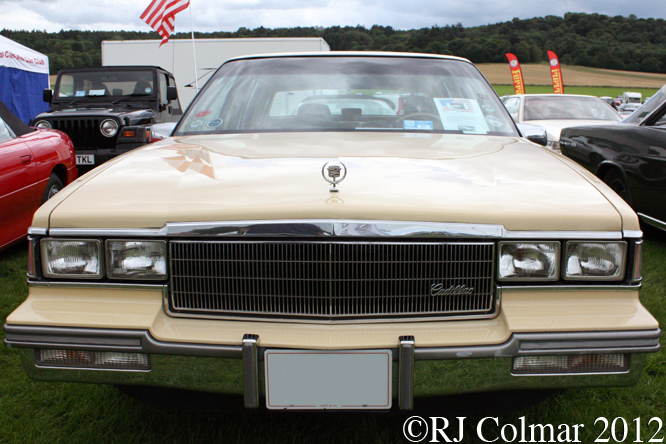
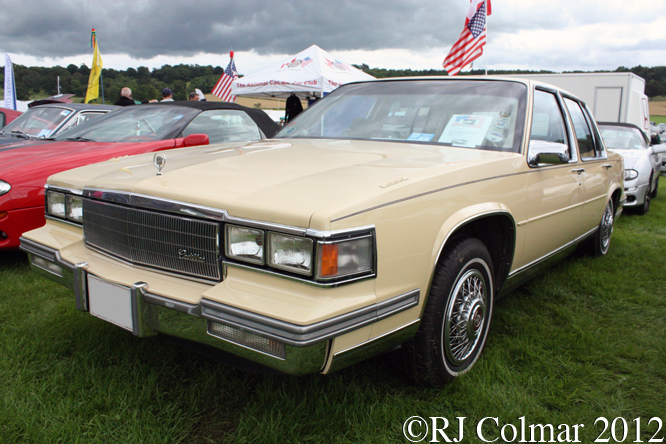
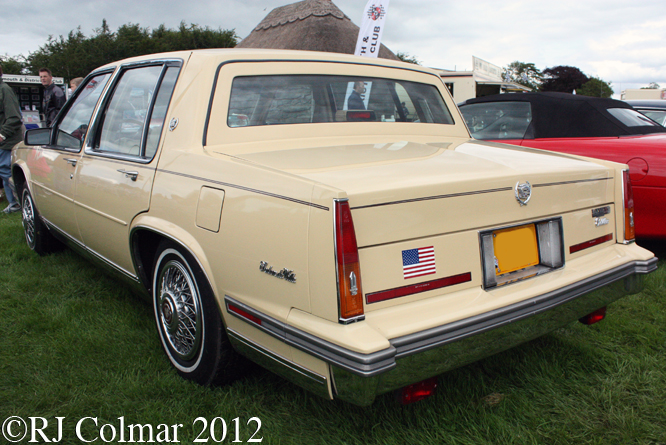
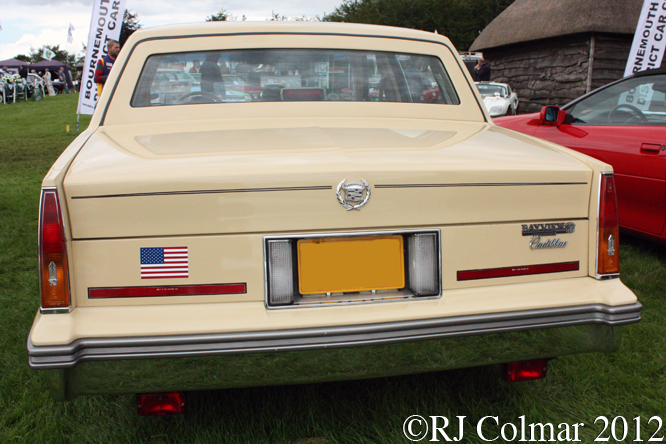
Cadillac of Tomorrow – Cadillac Sedan de Ville

In 1985 Cadillac launched it’s downsized sixth generation Sedan de Ville model with the strap line “Cadillac of Tomorrow“.

Cadillac Sedan de Ville, Classics at the Castle, Sherborne Castle

The sixth generation Sedan de Ville was a radical departure from the previous models bearing the same name featuring the old V8 engine and gearbox but both were now transversely mounted because they were driving the front wheels instead of the rear.

Cadillac Sedan de Ville, Classics at the Castle, Sherborne Castle

Despite the reduction in external dimensions interior dimension remained similar to the fifth Sedan de Ville model.

Cadillac Sedan de Ville, Classics at the Castle, Sherborne Castle

From the any angle the Sedan de Ville does not look that different to the Volvo 760 first seen in 1982.

Cadillac Sedan de Ville, Classics at the Castle, Sherborne Castle

Due to an extended model year that started in April 1984 over 200,000 1985 Sedan de Villes were built, the sixth Generation model continued in production until 1993.

Thanks for joining me on this “Cadillac of Tomorrow” edition of “Gettin’ a li’l psycho on tyres” I hope you will join me again tomorrow. Don’t forget to come back now !

Share

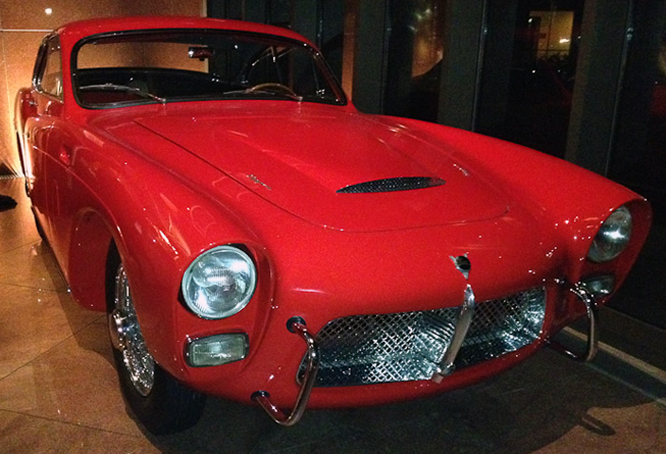
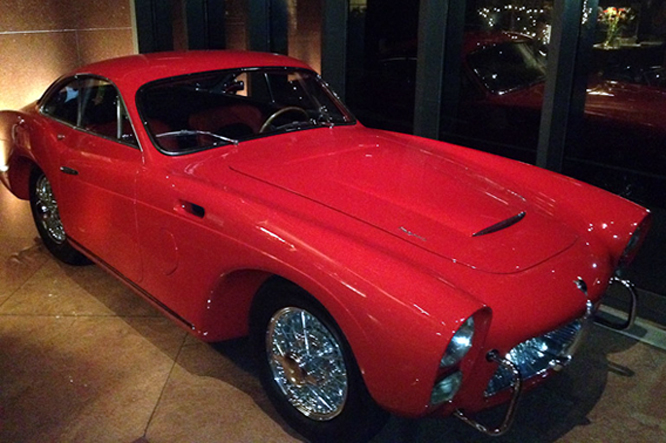
Cost No Object – Pegaso Z-102B

Former Alfa Romeo designer Wilfredo Ricart returned to his home town of Barcelona after the 1939 – 45 war and was offered a position as cheif technical manager with the Spanish automotive group ENASA which acquired the assets from the Spanish arm of Hispano-Suiza. ENASA sold trucks and buses under the Pegaso brand from 1946 and in 1951 entered the luxury sports car market.

Pegaso Z-102B, Danville Concours d' Elegance

The Tipo Z-102B was launched in Coupé and Convertible forms. They were powered by double over head cam motors that produced between 175 and 360 hp depending on size and state of tune, twin superchargers were available with the 360 hp variant. Unusually the transaxle had the 5 speed gearbox mounted behind the differential.

In September 1953 Celso Fernández was recorded driving a smaller engined Z-102B with single supercharger at 151 mph over a measured flying kilometer in Belgium to become the worlds fastest production car, a record it held for just over a month until Norman Dewis reclaimed the record for Jaguar in October 1953 with a speed of 172 mph.

Pegaso Z-102B, Danville Concours d' Elegance

The Coupé seen in these photographs by Geoffrey Horton taken at last years Danville Concours d’Elegance is powered by a 250 hp 2.8 litre 171 cui normally aspirated motor and was one of a pair of show cars with aluminium body work by Saoutchick built in 1955.

In all just 86 Z-102B’s were built unprofitably on a cost no object basis until 1958, it is thought just 56 Tipo Z-102B’s still remain.

My thanks to Geoffrey Horton for sharing his photographs of today’s featured car.

Thanks for joining me on this “Cost No Object” edition of “Gettin’ a li’l psycho on tyres” I hope you will join me again tomorrow. Don’t forget to come back now !

Share

Last On Sunday – Singer 9 Special Speed

At the very first Le Mans 24 Hours race in 1923 Maurice Boutmy and France Jérôme Marcandanti covered 89 laps to finish 18th to become the first 1 litre / 61 cui normally aspirated car to finish the race in an Amilcar CV. Remarkably it was not until 1933 that Singer Competition Manager FS Barnes and Alf Langley were to finish the classic endurance race in a similar sized British built car a Singer 9 Sports which completed 140 laps came 13th and last overall and second in class 21 laps behind a French built Tracta driven by Félix Quinault and Pierre Padrault.

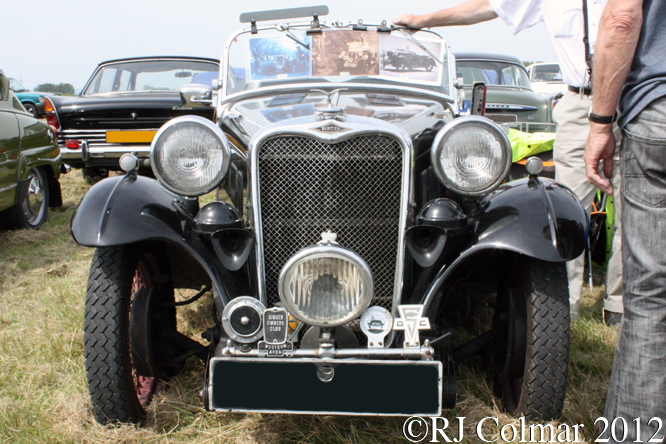
Singer 9 Special Speed, Summer Classics, Easter Compton

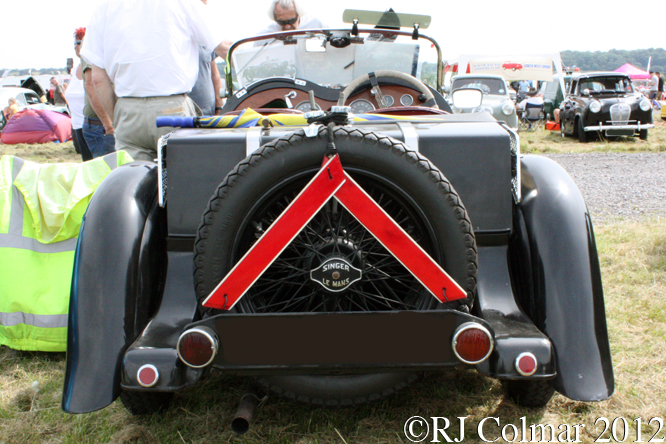
The achievement of simply finishing the 1933 Le Mans 24 Hour race at an average speed of 49.4 miles per hour was enough to encourage Singer to build a two seat version of the Singer 9 Sports, nominally the Singer 9 Sports was a 4 seater however the car used at Le Mans had a large fuel tank that occupied the space for the rear seats, called the Singer Le Mans. In 1934 Norman Black and J.R.H. Baker finish fifteenth overall 7th in class in a Singer Le Mans covering 163 laps.

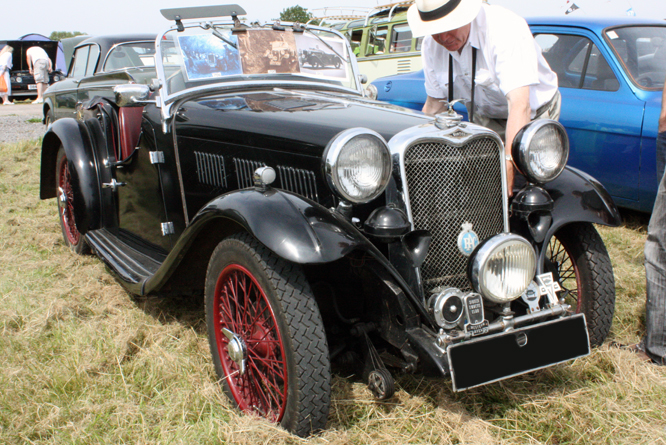
Singer 9 Special Speed, Summer Classics, Easter Compton

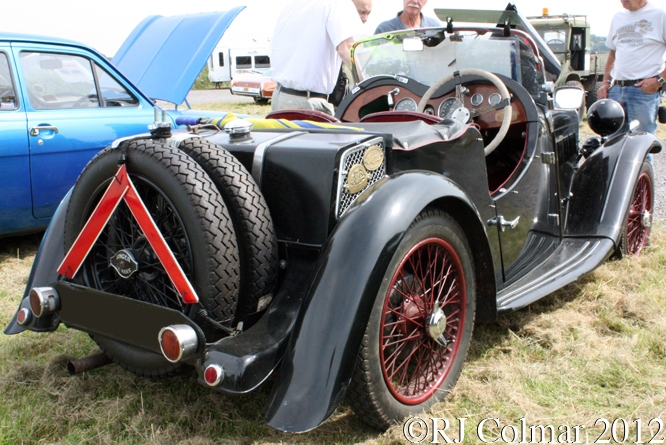
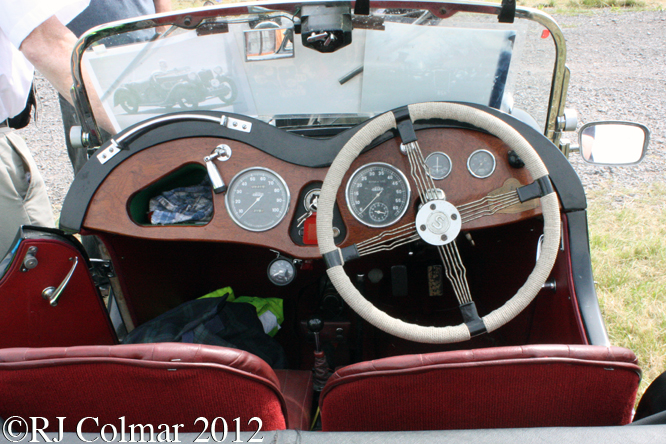
The popular Singer Le Mans is not to be confused with either the six cylinder 1 1/2 litre Singer Le Mans, or the four Singer Le Mans Replica’s built in 1939 which were out and out 2 seat racing cars. In 1935 a Special Speed version of the Singer Le Mans was introduced, distinguished by the running boards between the front and rear wings and it is this model that is seen here at last years Summer Classics Meeting at Easter Compton.

Singer 9 Special Speed, Summer Classics, Easter Compton

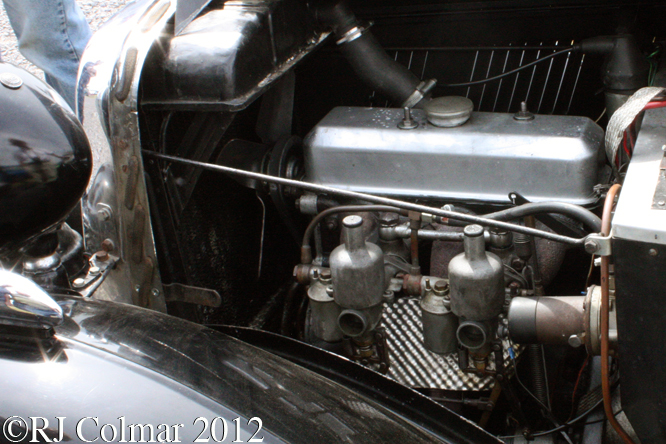
Power for the Singer Super Speed comes from a 38 hp 972 cc / 59 cui 4 cylinder overhead cam motor still running on a two bearing crank as did the Singer 8 I looked at last week.

Singer 9 Special Speed, Summer Classics, Easter Compton

This particular car was delivered in December 1935 to HD Acres who a few weeks later used it to compete on the Exeter Trials in January 1936. Acres car can be seen being helped out of a little difficulty on the Simms test by those very nice men from the Automobile Association on this link.

Singer 9 Special Speed, Summer Classics, Easter Compton

By 1939 this Singer 9 Special Speed had passed into the ownership of RJW Appleton who is known to have driven the car on the Lands End Trial the same year. RJW Appleton was responsible for building the Riley powered Maserati called the Appleton Special which achieved and 1100cc / 67 cui standing mile record of 91.3 mph in 1937.

Singer 9 Special Speed, Summer Classics, Easter Compton

The current owner of today’s featured car acquired it as a large box of ‘bits’ and has spent many years returning it to it’s present condition.

Thanks for joining me on this “Last On Sunday” edition of “Gettin’ a li’l psycho on tyres” I hope you will join me again tomorrow. Don’t forget to come back now !

Share

Bonus Built – Ford F1 1/2 Ton Pickup

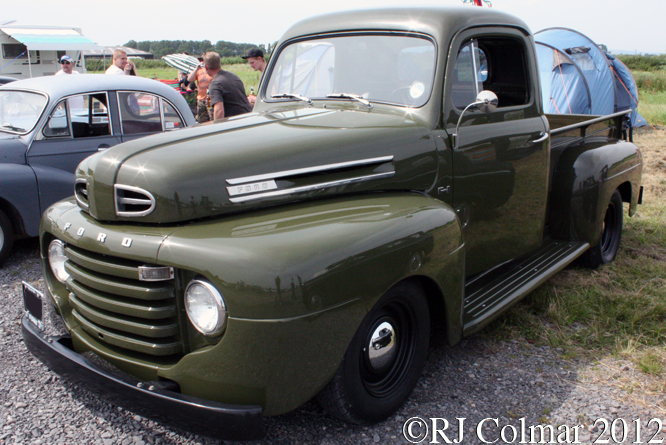
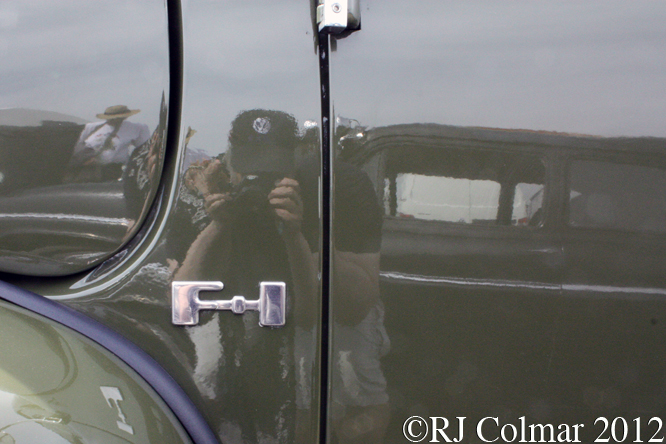
In 1948 Ford introduced the new F Series pickups that were built on dedicated, Bonus Built, pickup chassis rather than the hitherto strengthend car chassis.

Ford F1 Pickup, Summer Classics, Easter Compton

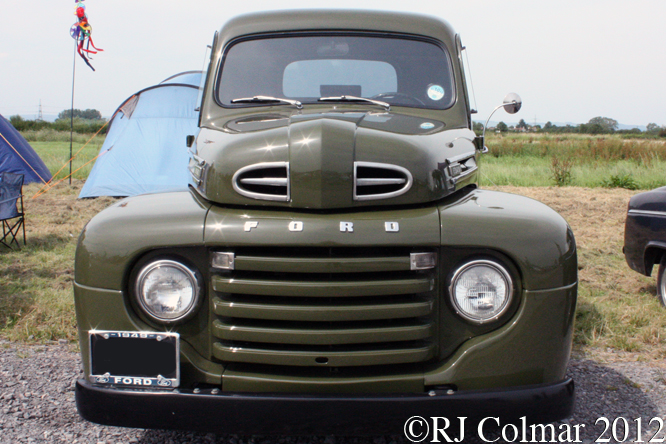
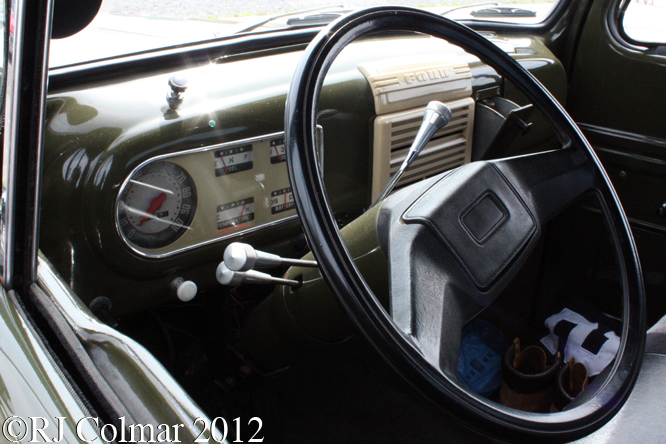
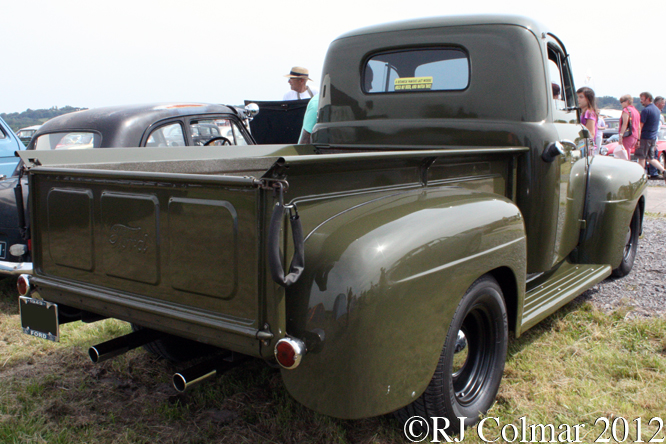
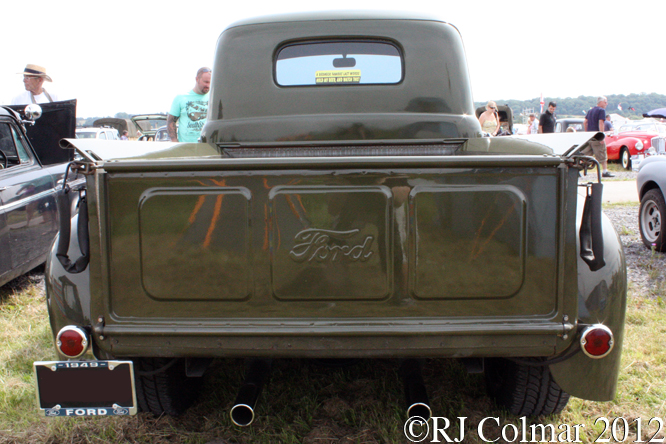
The F1 seen here is a 1949 F1 half ton pickup with a single piece windscreen / windshield and integrated in to the wings / fenders headlights.

Ford F1 Pickup, Summer Classics, Easter Compton

This one is fitted with the optional passenger side windscreen wiper, other options included foot plunger operated windscreen washer, passenger side sun visor and passenger side tail light !

Ford F1 Pickup, Summer Classics, Easter Compton

First Generation F1’s were powered either by a 95 hp flathead straight 6 or 100 hp flathead V8, the 4.2 litre / 256 cui quoted for today’s featured pick up suggests something more contemporary than a regular flathead might be lurking under the hood.

Ford F1 Pickup, Summer Classics, Easter Compton

Three different transmissions were available for the First Generation F1, 3 speed light duty, 3 speed heavy duty or 4 speed.

Ford F1 Pickup, Summer Classics, Easter Compton

The F1 came with a 6 1/2 foot bed or 4 door panel body.

Ford F1 Pickup, Summer Classics, Easter Compton

First Generation F1’s were assembled at Dearborn and Highland Park MI, Edison NJ, Long Beach CA, Norfolk Assembley VI, St Paul MN, St Louis MO, and Hapeville GA. First Generation F1’s were face lifted in 1950 and remained in production until 1952.

Thanks for joining me on this “Bonus Built” edition of “Gettin’ a li’l psycho on tyres”, I hope you will join me again tomorrow. Don’t forget to come back now !

Share

Fifty Fifty – BRM P160E # P160-07

For 1972 BRM lost their Yardley sponsorship but managed to land an even bigger sponsor in the form of Philip Morris who were interested in stealing some of the lime light Players were basking in thanks to their “Gold Leaf” brand logo’s appearing on the championship winning Lotus cars of Graham Hill and Jochen Rindt in 1968 and 1970 respectively.
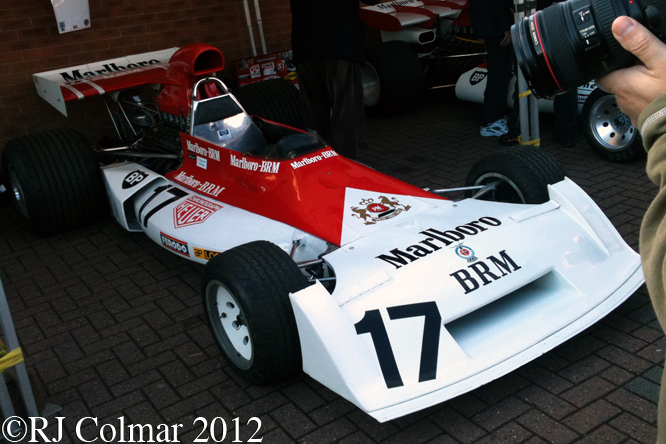
BRM P160 E, BRM Day, Bourne

In order to give Philip Morris’s Marlboro brand maximum exposure BRM determined it would enter every Grand Prix of the 1972 season with five 48 valve V12 powered cars of three different designs dating back to 1970 with a roster of eight different drivers. Some how Jean Pierre Beltoise managed to keep his head in the ensuing chaos and won the Monaco Grand Prix in a BRM P160 a design dating back to 1971 and the final non championship John Player Victory Trophy race of the season in the new for 1972 BRM P180. These two races would prove to be the last ever contemporary Formula One race victories for the team ever.
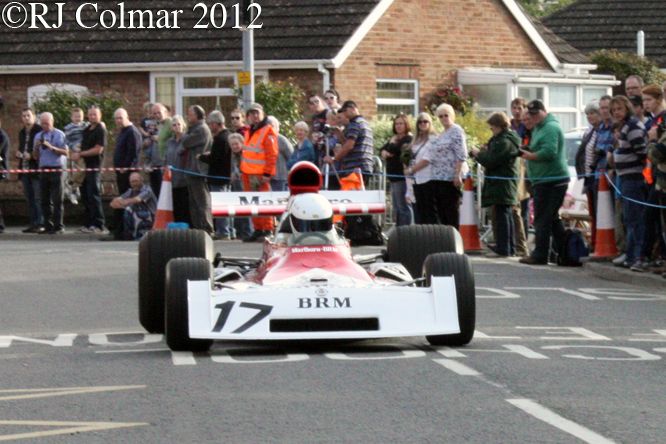
BRM P160 E, BRM Day, Bourne

For 1973 designer Tony Southgate left the chaos at BRM to start afresh with the new Shadow Team while BRM decided to downscale to a three car operation for a more or less regular trio of drivers, using an updated version of the BRM P160. Swiss driver Clay Regazzoni who was on what turned out to be a one year sabbatical from Ferrari and Frenchman Jean Pierre Beltoise BRM’s incumbent winner who was in the middle of a three year stint at British Racing Motors (BRM) were joined by a young Austrian upstart called Niki Lauda who decided that suicide was best avoided in favour of yet another bank loan for one last attempt at hitting the big time in Formula One.
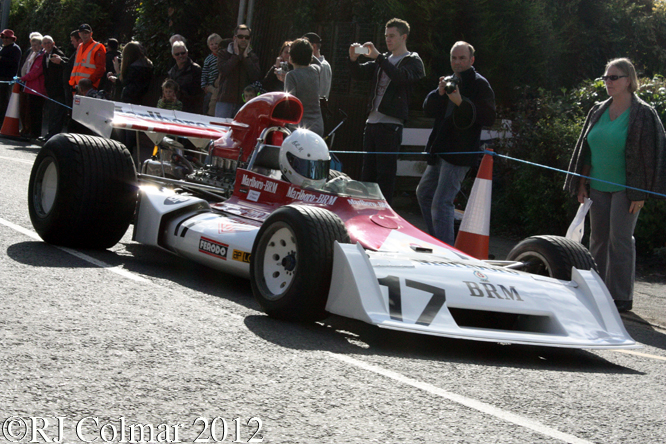
BRM P160 E, BRM Day, Bourne

Clay Regazzoni made an immediate impact by winning pole for the first race of the 1973 season at the Argentinian Grand Prix but from there things went steadily down hill for the team particularly after they had locked out the first three starting positions for the 1973 Race of Champions at Brands Hatch with Beltoise and Lauda sharing the fastest lap of the race with the Lotus of Ronnie Peterson.
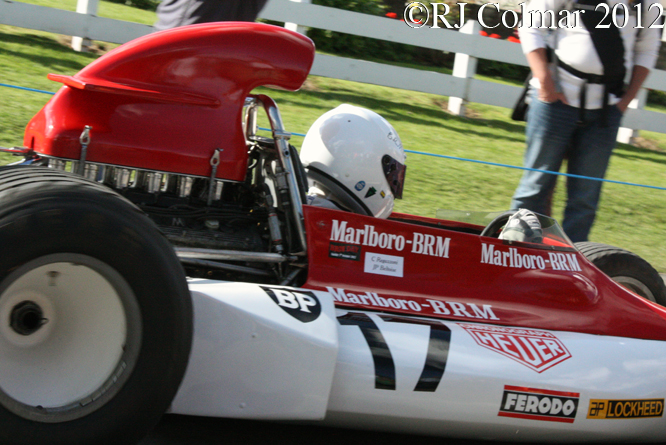
BRM P160 E, BRM Day, Bourne

At the very next race the non championship International Trophy held at Silverstone today’s featured chassis #P160-07 the first of four E specification chassis, appeared for the first time with Clay Regazzoni qualifying 8th and finishing a respectable 3rd. Clay drove the car on five more occasions failing to improve on 8th in qualifying and slipping no lower than 12th and finishing similarly.
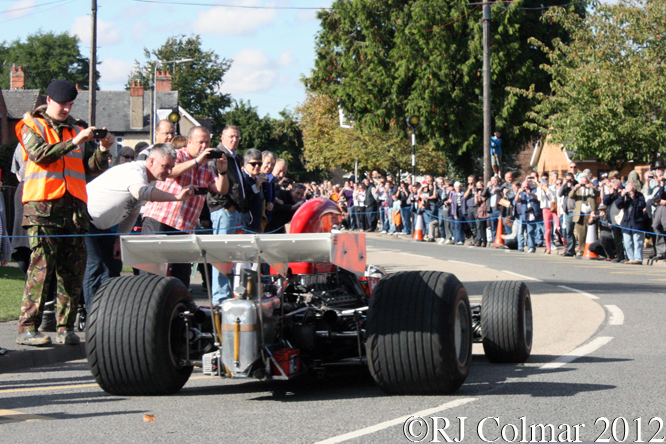
BRM P160 E, BRM Day, Bourne

#P160-07 was not used for the British Grand Prix and when it reappeared at the 1973 Dutch Grand Prix Jean Pierre Beltoise was at the wheel. Beltoise qualified the car no better than ninth and no worse than 16th in 6 races netting two 5th place finishes and a season high 4th place finish at the Canadian Grand Prix from a 16th place start.

JP Beltoise drove #P160-07 on it’s last in period appearance at the 1973 US Grand Prix where the car finished 9th from a 14th place start after which the car was briefly fitted with a Westlake V12 for testing in 1974 again with Beltoise at the wheel. By now Regazzoni had signed to rejoin Ferrari and on his recommendation Ferrari signed Niki Lauda to join him and so the Austrian finally started repaying his bank loans on his way to becoming a triple World Champion.

Philip Morris moved their Marlboro sponsorship to McLaren in 1974 with whom they won the first of many championships with Emerson Fittipaldi at the wheel in the opening year of their thirty year partnership.

Tony Southgates new for 1973 Shadow DN1 design did not better his BRM P160 design the Shadow team finishing 8th at the seasons end, 3 points and one spot below BRM in the championship table.

Today’s featured car was seen at last years BRM Day in it’s home town Bourne, Linconshire with J Burt at the wheel.

Thanks for joining me on this “Fifty Fifty” edition of “Gettin’ a li’l psycho on tyres” I hope you will join me again tomorrow. Don’t forget to come back now !
Share