Tag Archives: Colmar

Summer Classics – Easter Compton

Halfway between Bristol and the former holiday resort Severn Beach lies Washingpool Farm just outside Easter Compton which played host to Summer Classics at the weekend.
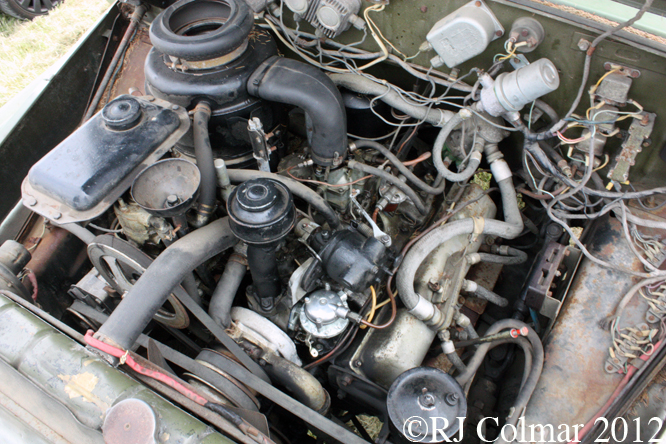
Zil 131, Summer Classics, Easter Compton

By no means the biggest show I have attended this year, what Summer Classics lacked in quantity it more than made up with in quality and good company on Saturday. Above is a 150 hp V8 that took part in a race, possibly the greatest race of all time the nuclear arms race. This 1971 6 x 6 Zil 131 was fitted out as a Zelda R140 mobile radio station designed to be used as a mobile command center. The cabs for the radio operators on the back of the trucks were designed to survive nuclear fall out and thus ensure the possibility of mutual destruction !
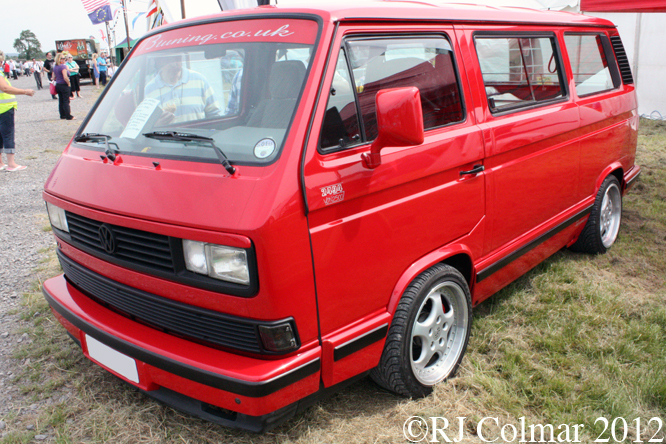
Volkswagen Subaru Multivan, Last Limited Edition, Summer Classics, Easter Compton

The Type 3 Transporter / Multivan above is one of the last 6, 2494 of 2500, Last Limited Edition (LLE) Multivans made in 1992. There was also a Redstar limited edition available to VW employees only and production of the Type 3 continued in Mexico until 2003. This particular LLE Multivan is a particularly quick camper having been fitted with a 230 hp 3.3 liter / 201 cui Subaru flat six motor, Porsche gearbox and brakes and a Scania Shifter.
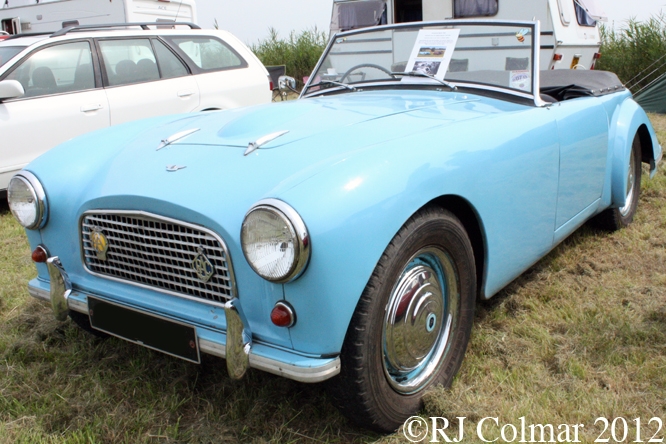
Paramount Sport, Summer Classics, Easter Compton

Saturdays ‘car manufacturer I had never even heard of before’ was Paramount. The 1953 Paramount Sports above featuring an aluminium body on an ash frame is one of only 3 road worthy Paramount vehicles from a total of 80 of all types thought to exist.
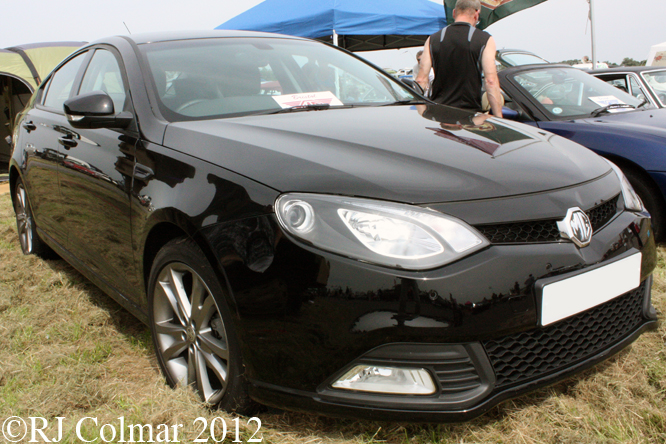
MG6 GT, Summer Classics, Easter Compton

After the MG Rover group disappeared in 2005 the MG marque was revived in 2011 with help from many former employees who were re employed at the MG Motor UK Technical Center by new owners of the MG marque SAIC Motor. The MG6 GT above, built from a complete knock down kit supplied by SAIC was assembled at Longbridge, home to the former MG Rover Group. Despite a successful presence in the British Saloon Car Championship production volumes so far are thought to be small probably not yet reaching a thousand.
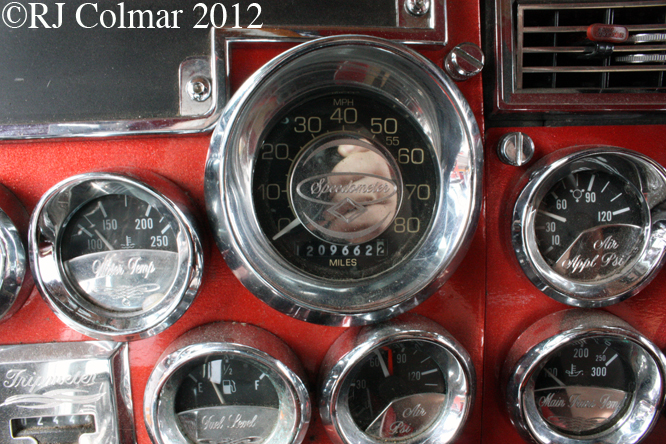
Peterbilt, 8 Seconds, Summer Classics, Easter Compton

I have never sat in a Peterbilt before, nor a TV star nor a vehicle that has 1,000,000 miles, I ticked all those boxes on Saturday when I climbed into the cab of Straight 8 a 1993 Peterbilt which was featured in Trick My Truck in January 2007. As can be seen the truck has over 1.2 million miles on the clock !
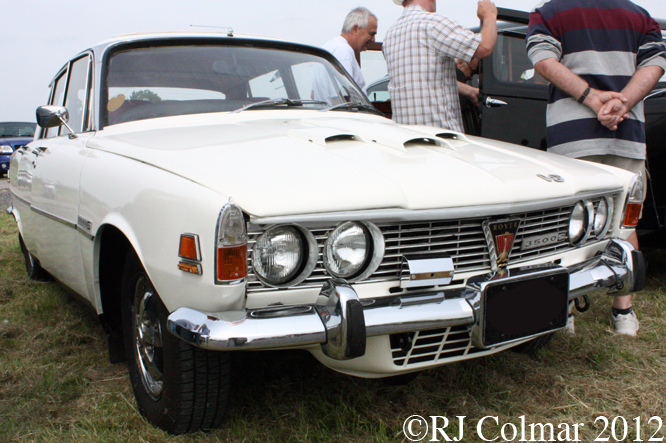
Rover 3500S, Summer Classics, Easter Compton

The Rover 3500S came in two different forms for the UK Market S stood for Synchromesh as used in the four speed manual gearbox while in the US Market all Rover 3500 S models were automatics. Looking at the dash this is clearly a right hand drive vehicle, unfortunately I did not notice if the car was a converted LHD automatic or a UK supplied manual making use of the Rover parts bin with a US spec front number plate mounting, ice warning device seen to the left of the number plate and US spec bonnet with three air intakes. The wipers would suggest this is a UK spec car with some US spec goodies.
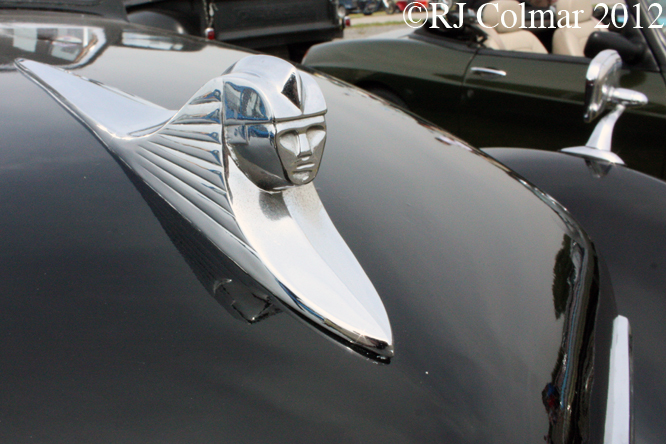
Armstrong Siddeley Whitley, Summer Classics, Easter Compton

Unlike Bristol Cars which refrained from using the names of Bristol Aeroplanes, it’s parent organisation, for it’s vehicles until 1975 Armstrong Siddeley used the names of it’s parent companies WW2 aircraft, including Hurricane and Lancaster upon the the resumption of vehicle manufacture in 1945. The Sphinx mascot is seen above on a 1953 Armstrong Siddeley Whitley which takes it’s name from a twin engined bomber that is named after a suburb of Coventry where Armstrong Siddeley’s were built.
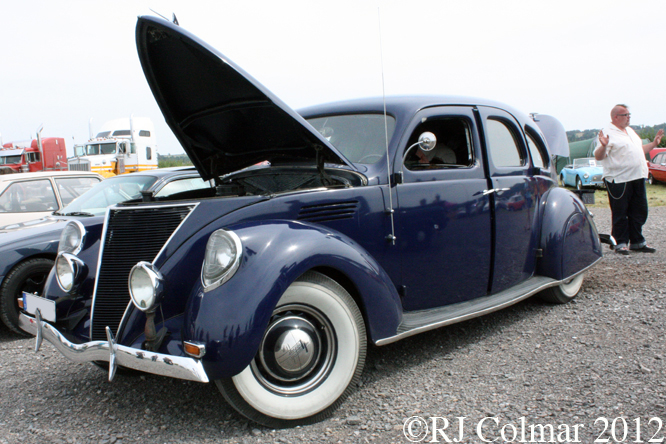
Lincoln Zephyr, Summer Classics, Easter Compton

My personal vote for car of the show goes to this 1936 Lincoln Zephyr. This V12 was occupied by a family of four with an outsize classic TV and was making it’s way on a 1600 plus mile holiday journey from Dresden, Germany at an eye watering 21 mpg imperial / 18 mpg US !
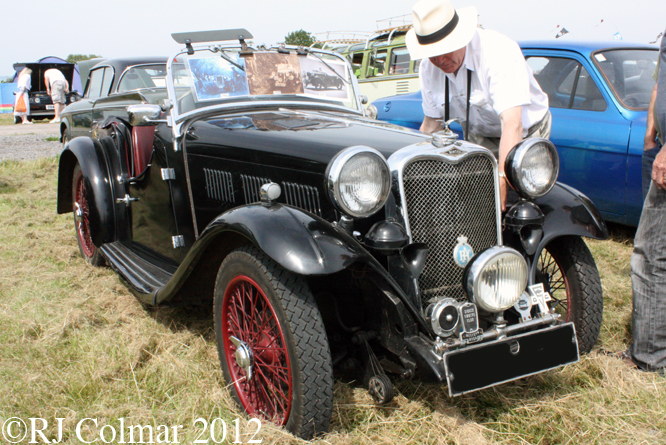
Singer Le Mans, Summer Classics, Easter Compton

Among many storied cars at the Summer Classics Show on Saturday was this Singer Le Mans built in December 1935 it took part in the 1936 Exeter Trials with HD Acres at the wheel as can be seen on this link. By 1939 the Singer had acquired the large centre fog light and was in the hands of RJW Appleton who used it to compete in the Lands End Trial. The present owner spent many years rebuilding the Singer after acquiring a big box of ‘bits’.
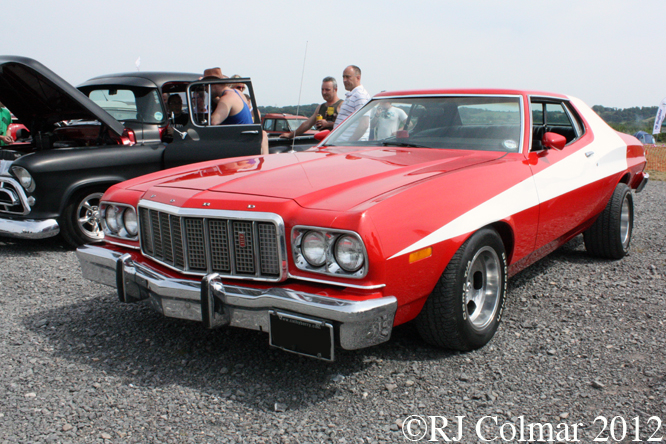
Ford Torino, Summer Classics, Easter Compton

The “striped tomato” 1974 Ford Gran Torino seeen above is one of the first six built in 1973, for the ’74 model year. It was picked up by it’s current owner in San Francisco with a straight body and has been slowly restored since with well over £6k in suspension parts alone. By all accounts Paul “Michael” Glaser took an instant disliking to the car with which he will be forever associated as Starsky from the Starsky & Hutch TV series. He thought the car looked like a ridiculous ride for a supposed undercover cop and referred to it as striped tomato both in private and later in scripts for the show.
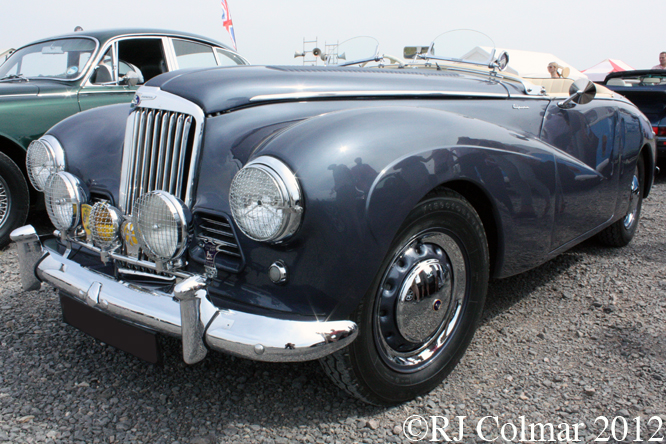
Sunbeam Alpine, Summer Classics, Easter Compton

Fresh paintwork and equally fresh cream leather interior suggest this 1953 Sunbeam Alpine Mk I has been recently restored, love the way the Brooklands Aero screens sets the look of this car apart from it’s 1.582 siblings that were built from 1953 to 1955.
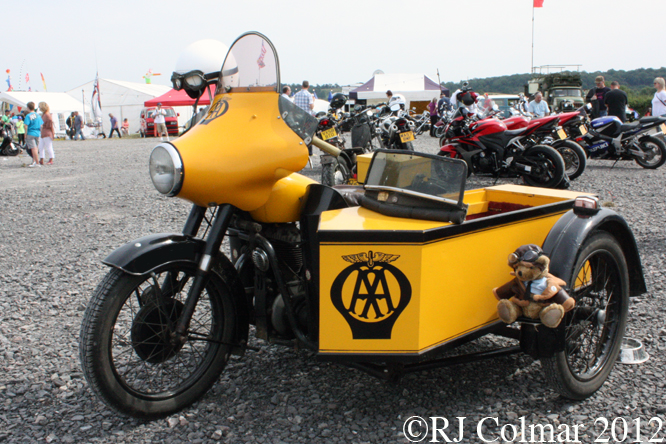
BSA Combination, Summer Classics, Easter Compton

BSA first built the 591cc / 36 cui M21 in 1937, with production lasting until 1963 ! Used by the armed forces and in large numbers with combination sidecars, as seen with the 1951 model above, by the Automobile Association (AA) as roadside assistance units.

Thanks for joining me on this “Summer Classics” edition of “Gettin’ a li’l psycho on tyres” I hope you will join me again tomorrow. Don’t forget to come back now !

Share

World Wide Racing – Lotus 56B R1

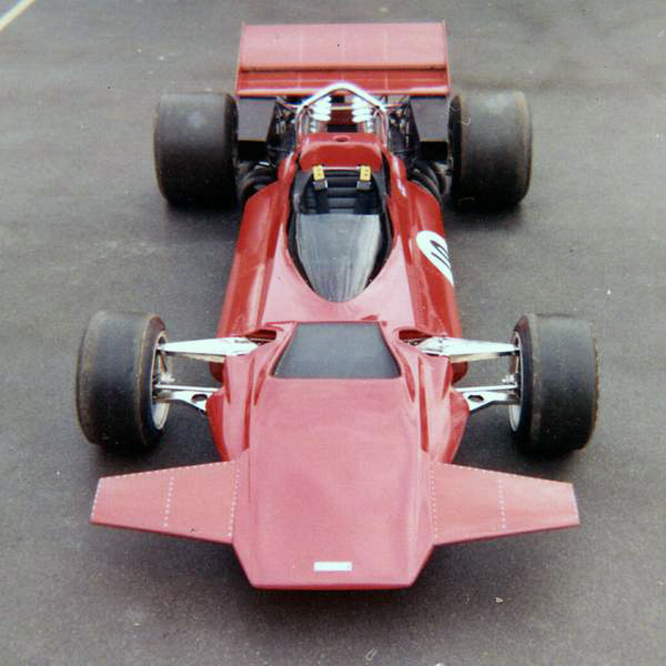
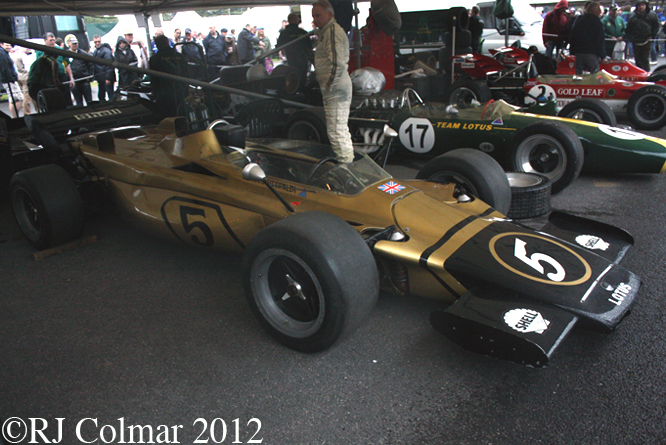
The Lotus 56B is the Formula One version of the “Son of Silent Sam” Lotus 56 Indy challenger that came within a couple of laps of winning the 1968 Indianapolis 500 with Joe Leonard at the wheel.

Lotus 56B, Goodwood Festival of Speed

This Formula One version of the Lotus 56 was a fresh chassis built with additional fuel capacity, it was unusual to make scheduled pits stops of fuel back during Grand Prix races in the 1970’s, and with additional wings front and rear to aid the considerable traction and handling advantages of the the all wheel drive transmission.

Just as at Indianapolis in 1968 the Pratt and Whitney STN6/76 had to be considerably detuned to meet the regulations which tried to keep it competitive with the 3 liter / 183 cui piston motors in use at the time.

56B R1 had four non-championship outings before taking part in three Grand Prix. The upshot was that the car was the class of the field in wet conditions, where it’s weight disadvantage was minimised but it struggled to make the top half of the grid in dry conditions.

Three drivers were given a shot in the car, Emerson Fittipaldi, Reine Wisell, and Dave Walker. Fittipaldi managed the cars only finish at the 1971 Italian Grand Prix where he qualified a lowly 18th on the grid and came home 8th well ahead of expectations for the car which was never to be seen in a Grand Prix again.

Regular followers of GALPOT maybe wondering why the car is painted Gold and Black instead of the by now traditional Red, White & Gold of the Gold Leaf Team Lotus.

In 1970 Jochen Rindt had been killed in an accident at Monza driving a Gold Leaf Team Lotus 72. Fearing legal repercussions from the notoriously slow and fickle Italian authorities investigating Rindt’s accident Colin Chapman took steps to avoid encumbrance or at worst arrest by opting to keep a low profile by entering just the one car in place of the usual two in the 1971 Italian Grand Prix.

To further keep the Italian authorities off his trail he entered the Lotus 56B under the World Wide Racing banner and had the car painted in Gold and Black, weather this was to obscurely promote the John Player Special brand which was owned by the same, Imperial, tobacco company as Gold Leaf remains unclear, though in 1972 Imperial switched the brand being promoted by Lotus to John Player Special whose black and gold colours are echoed on the current incarnation of Lotus on the Grand Prix grid.

Thanks for joining me on this “World Wide Racing” edition of “Gettin’ a li’l psycho on tyres” I hope you will join me again tomorrow. Don’t forget to come back now !
Share

Drogo Nose Needs Fuel – Ferrari 250 LM #6217.

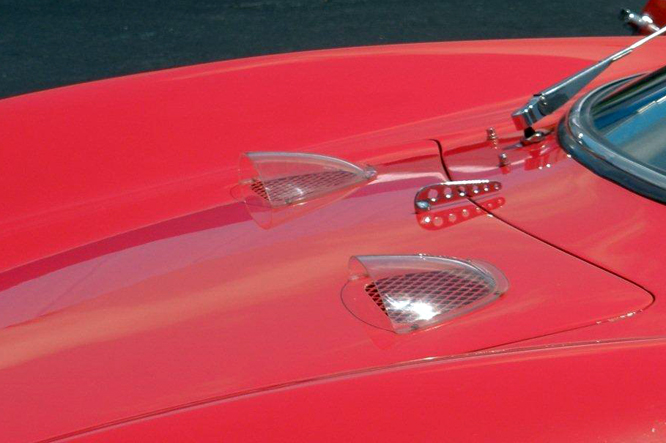
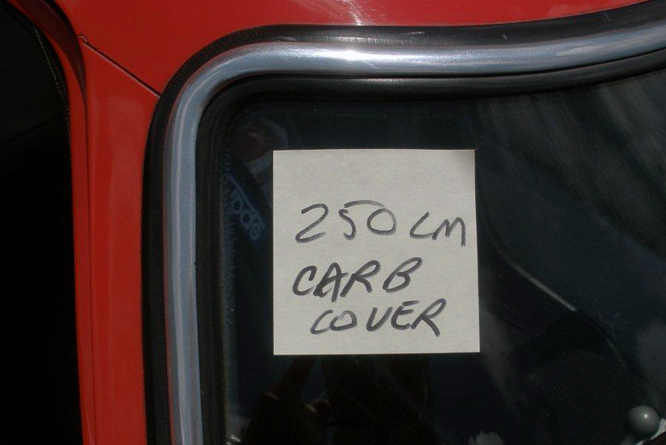
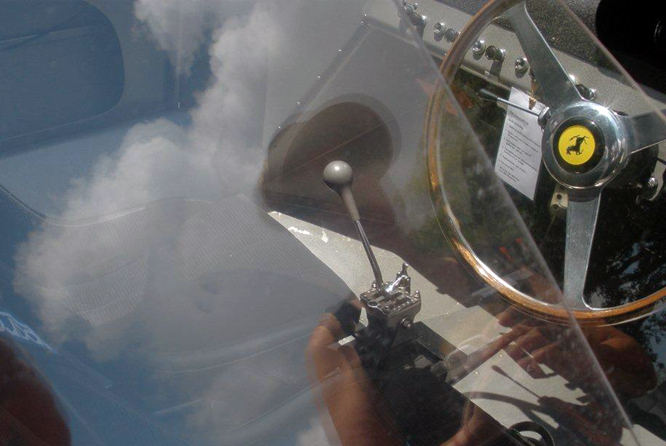
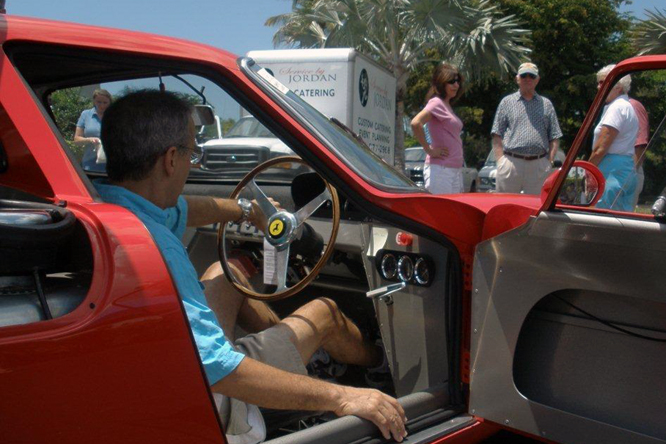
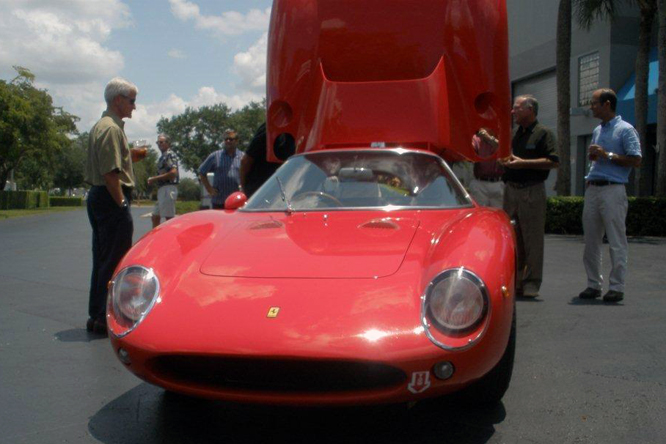
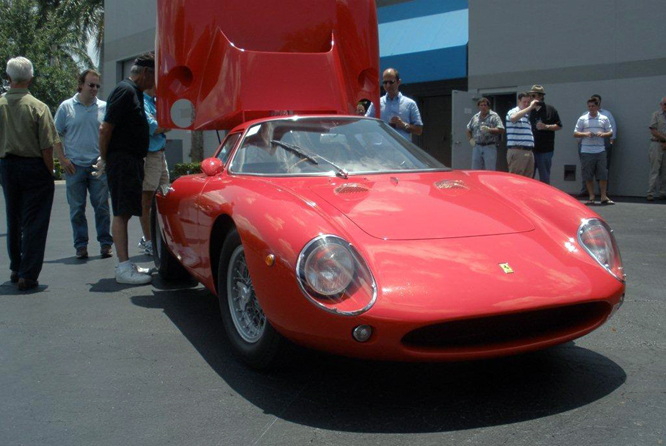
Completed on January 14th 1965 today’s featured Ferrari 250 LM #6217 was delivered to Edoardo Lualdi-Gabardi, a well known racer and hillclimb competitor, in time to take part in the 1965 season.

Ferrari 250 LM

Unlike chassis #5843 which I looked at a few weeks ago that has an extensive racing history, Edoardo appears to have used the car for primarily for hillclimbing a use to which it was eminently suited as evidenced by at least 8 overall wins he recorded in 1965 and at least a further four recorded in 1966 before Edoardo returned the car to the Ferrari factory.

Ferrari 250 LM

This particular 250 LM carries a distinctive ‘Drogo’ long nose that replaced the standard Scaglietti item at the end of 1965.

Ferrari 250 LM

Towards the end of 1966 #6217 was shipped to North America and ended up being converted for street use in New York of the same year.

Ferrari 250 LM

In 1969 this Ferrari was traded for a Lamborghini Muira which with the benefit of 50 years of hind sight may not have been the smartest of financial moves.

Ferrari 250 LM

Since then #6217 has resided in Gstaad Switzerland, Bologna Italy, Nelson New Zealand and Düsseldorf Germany before it was acquired by it’s present owner in the USA.

Ferrari 250 LM

Edoardo Lualdi-Gabardi appears to have started racing by 1950 when he shared the #024 FIAT 500 with a driver named Ranzini with whom he came home 160th in the 1950 Mille Miglia completing the 1000 miles 20 hours, 10 mins and 51.8 seconds some 6 hours behind the winning #724 Ferrari 195 S driven by Giannino Marzotto and Marco Crosara.

Ferrari 250 LM

Edoardo progressed through a variety of cars including a Dragada, Lancia, OSCA and numerous Ferrari’s to become a regular winner on the European Hillclimb Circuit.

Ferrari 250 LM

He stopped competing somewhere around 1971 when he was the owner of the one off 2 litre / 122 cui flat twelve Ferrari 212E sportscar, though he is also recorded as having destroyed an Osella on a hillclimb in 1972.

Ferrari 250 LM

When Ferrari 250 LM’s were first built in 1963 they came with a 3 litre / 183 cui V12 motor fitted.

Ferrari 250 LM

Later examples like the one featured today were fitted with 3286cc / 200.5 cui motors good for 320 hp. The later cars with the bigger motors should have been renamed 275 LM’s according to Ferrari nomenclature in use at the time, but they were not.

Ferrari 250 LM

As a result of the complete lack of factory support for it’s GT teams in 1965, stemming from the FIA governing bodies refusal to recognise the 250 LM as a GT car Shelby Cobra succeeded in winning the 1965 World Sports Car Championship, run for GT cars.

Ferrari 250 LM

Just 32 250 LM’s, of the 100 required to be recognised as a GT car, were built between 1963 and 1965.

My thanks to John Aibel who kindly sent me the photo’s of today’s featured car.

Thanks for joining me on the “Drogo Nose Needs Fuel” edition of “Gettin’ a li’l psycho on tyres”, I hope you will join me again tomorrow. Don’t forget to come back now !

Share

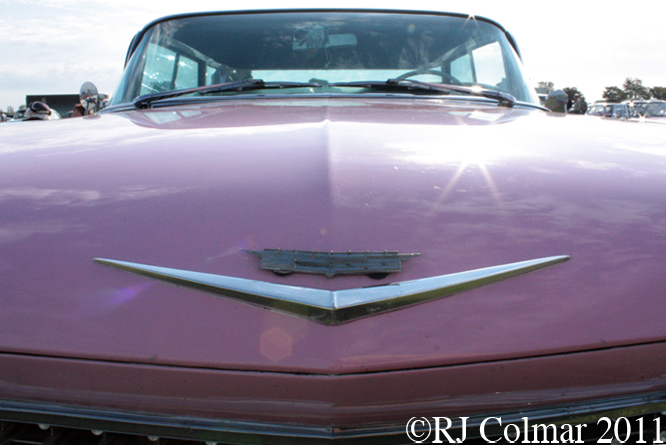
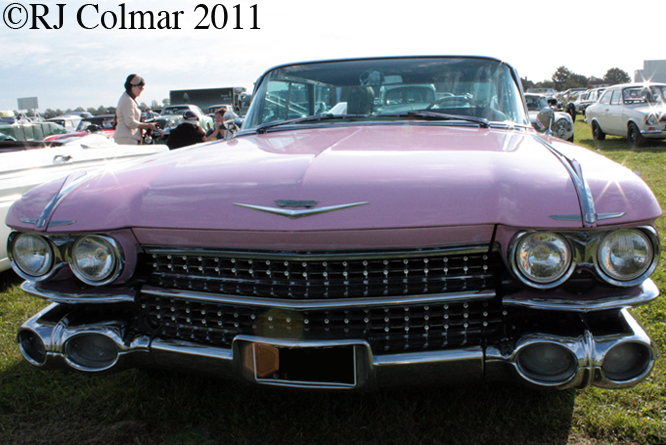
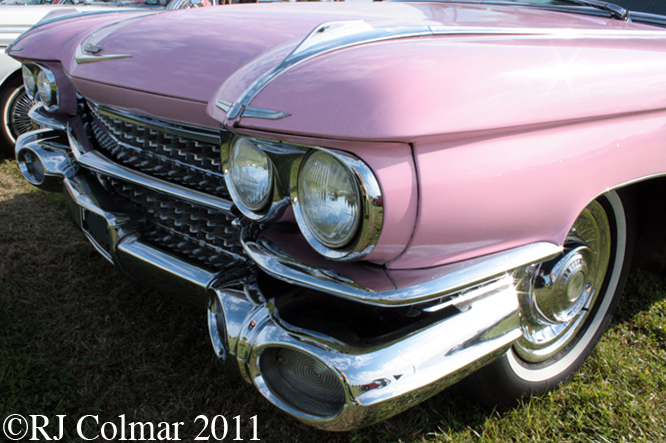
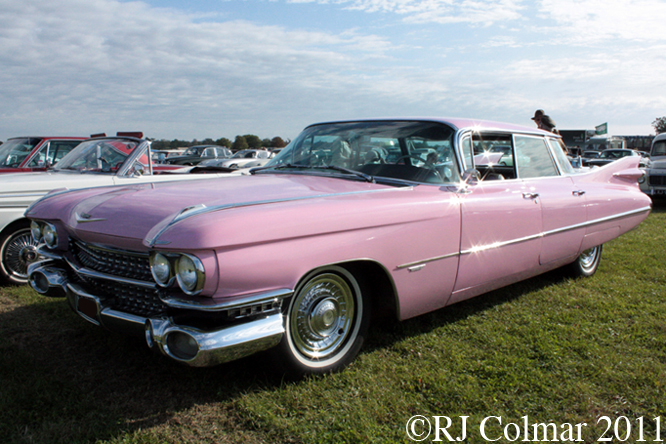
Shopping Around #1 – Cadillac Series 62 4 Window Hard Top Sedan

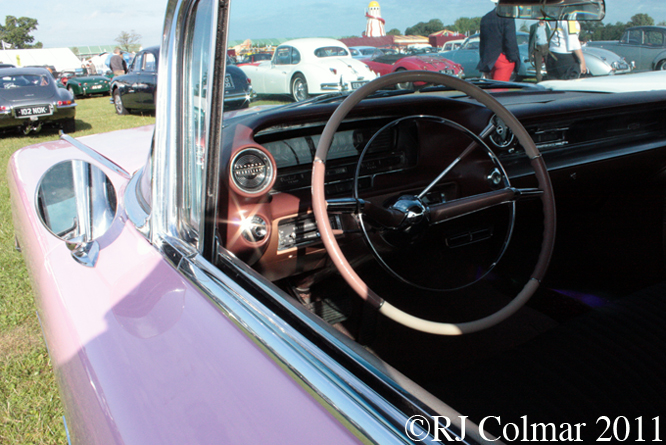
Shopping Around for ideas to mark the 35th Anniversary of Elvis Presley’s passing I thought it would be interesting to look at one of the few Cadillac models that evaded the King on his notorious Cadillac buying sprees.

Cadillac Series 62 Sedan 4 Window Flat Top, Goodwood Revival

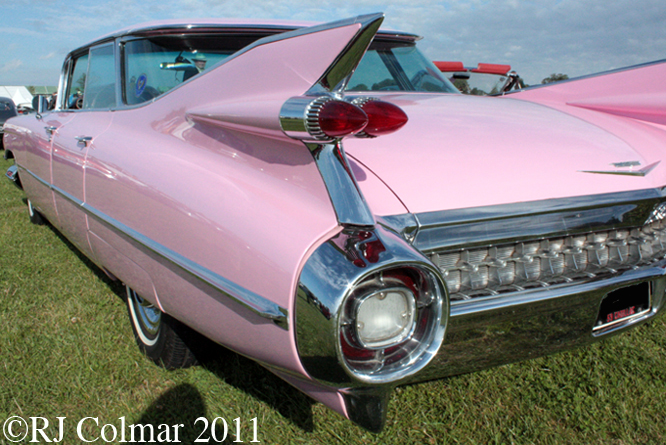
Bill Mitchel was responsible for the design of the 1959 13 model Cadillac range, 11 of which shared the same chassis with a 130″ wheelbase, the Fleetwood 75 Limousine and Sedan shared a chassis with a 149.5″ wheelbase.

Cadillac Series 62 Sedan 4 Window Flat Top, Goodwood Revival

A 6.4 liter / 390 cui V8 was used to power all of the ’59 Cadillacs, which weighed between 4690 and 5570 lbs, all tuned to produce 325 hp with the exception of the Eldorado which had 345 hp.

Cadillac Series 62 Sedan 4 Window Flat Top, Goodwood Revival

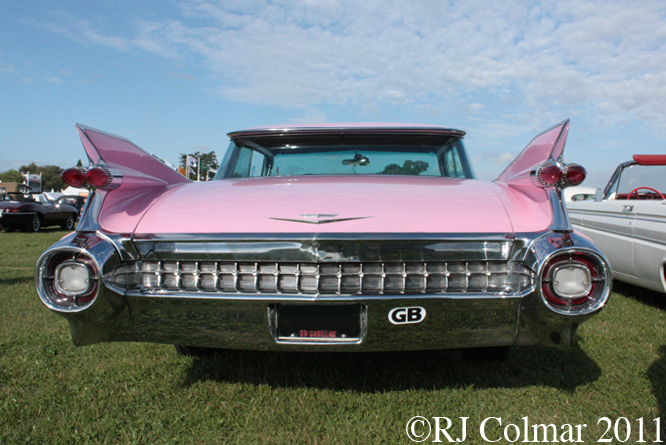
Differentiating the ’59 models from the exterior can be quite easy, if all of the exterior trim is attached.

Cadillac Series 62 Sedan 4 Window Flat Top, Goodwood Revival

We can tell this is a base 6239 model by the small badge below the arrow behind the front wheel on the front wing / fender.

Cadillac Series 62 Sedan 4 Window Flat Top, Goodwood Revival

Popular options for the ’59 Cadillacs included radio with rear speaker for $165, or radio with rear speaker AND remote control $247, a six way power seat came in at $89.

Cadillac Series 62 Sedan 4 Window Flat Top, Goodwood Revival

The 4 window sedans with their distinctive wrap around rear screens are also known as ‘flat tops’.

Cadillac Series 62 Sedan 4 Window Flat Top, Goodwood Revival

It may seem strange that Elvis, a well documented Cadillac enthusiast, never bought or owned a ’59 model, which is so clearly identified with the rock’n’roll era. Until one realises that he was doing his duty for his country at the time, serving with the 3rd Armoured Division in Friedburg Germany where he enjoyed the delights of his VW Beetle and BMW 507 convertible while keeping a lowish, by his standards, profile.

Thanks for joining me on this “Shopping Around #1” edition of “Gettin’ a li’l psycho on tyres” I hope you will join me again tomorrow. Don’t forget to come back now !
Share

Put The Family On The Road – Trojan 200

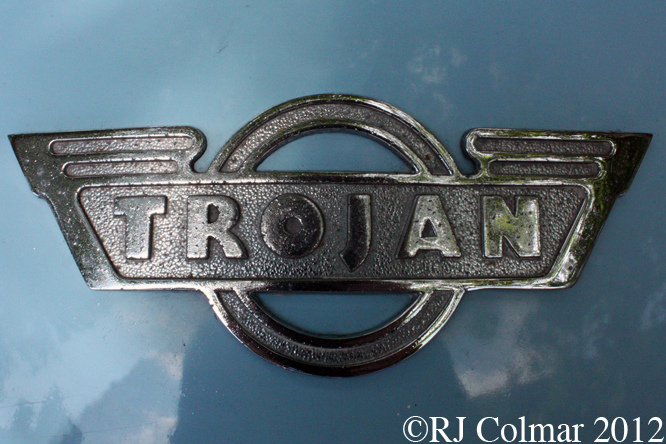
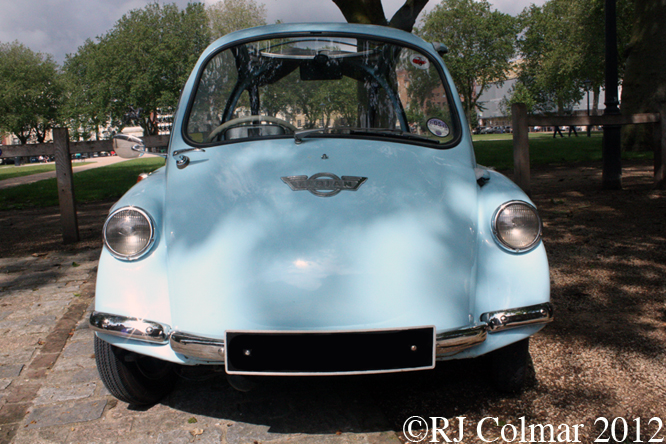
Trojan was founded by Leslie Hayward Hounsfield who in 1913 built a prototype vehicle with a 2 stroke 4 cylinder motor. Production never got under way due to the commencement of hostilities in the 1914 – 1918 war.

Trojan 200, Avenue Drivers Club

After World War 1 Trojan reached an agreement with Leyland Motors to produce cars and vans at a surplus facility where Leyland had been contracted to maintain military vehicles. With over 17,OOO private and commercial vehicles built this agreement came to and end in 1928.

Trojan 200, Avenue Drivers Club

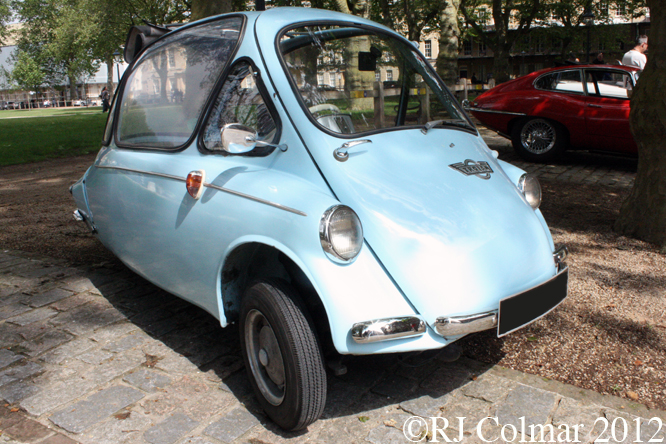
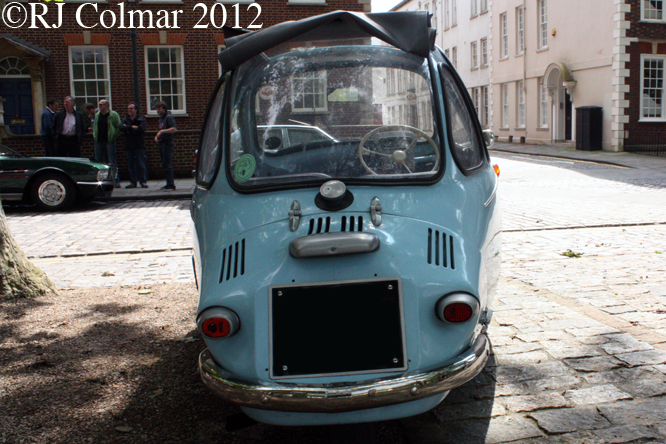
Car production declined at Trojans own factory despite the introduction of new models but sales of vans continued until the 1950’s. Peter Agg acquired Trojan in 1959 and amongst the changes he initiated was the production of the Heinkel Kabine under license which commenced in 1960.

Trojan 200, Avenue Drivers Club

The Heinkel Kabine was designed by Heinkel Flugzeugwerke and built by them from 1956 to 1958 when they licensed Dundalk Engineering Company in Ireland to manufacture the car. Quality issues saw the license quickly withdrawn and transferred to Trojan who sold the vehicles with the strap line “Put The Family On The Road”.

Trojan 200, Avenue Drivers Club

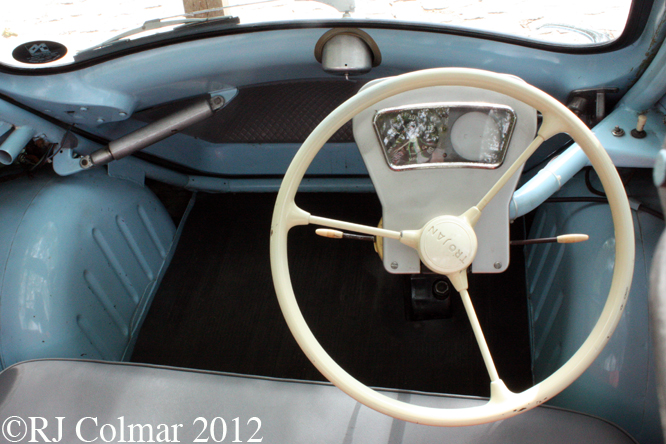
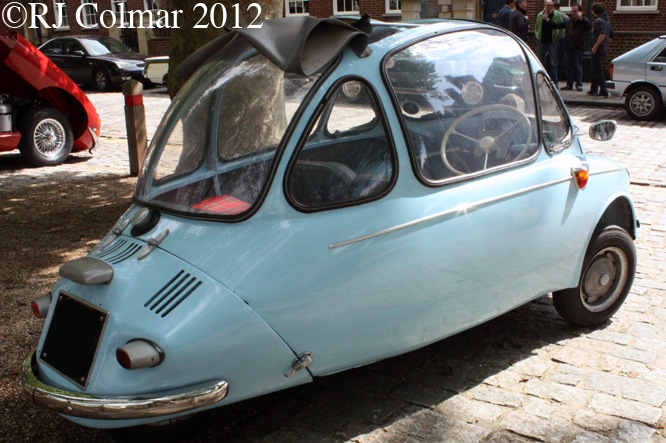
Today’s featured car was built in 1963 entry is effected through a front hinged door, similar to the Italian designed Isetta, but with out the benefit of the steering being attached to the door.

Trojan 200, Avenue Drivers Club

The car is powered by an air cooled single cylinder 4 stroke motor attached to a four speed gearbox which, unusually for a bubble car, included a reverse gear.

Trojan 200, Avenue Drivers Club

Around 6000 Trojan 200’s were built by Trojan up until 1965. Trojan diversified into building Elva sports cars from 1962 until 1965 before building 200 McLaren racing cars until the early 1970’s. The company went on to build it’s own Formula 5000 cars and a one off Grand Prix car, the Trojan 103 in 1974.

Thanks for joining me on this “Put the family on the road” edition of “Gettin’ a li’l psycho on tyres”, I hope you will join me again tomorrow. Don’t forget to come back now !

Share

Sweet Dreams Are Made Of This #3 – The Connew Story

Two years ago Barry Boor kindly granted me permission to start working on a no budget film about the Connew Grand Prix car which was designed by his cousin Peter Connew and ran 40 years ago today in the Austrian Grand Prix with Francois Migault at the wheel.

Connew PC1 02, Chadwell Heath Library

With many thanks to everyone who has participated in the making of the film I’m pleased to announce that you can now find out how the Connew, designed in a bedroom, built with beer money and run on a wad of French Francs fared on this link.

I hope you will join me in congratulating everyone who was involved in the Connew Team on their most unlikely achievement and wishing Peter well on his mission to rebuild the car. I am sure this will not be my last blog on this triumph of Peters maxim “there is nothing that cannot be done without common sense, application and half an ounce of common sense”.

Thanks for joining me on this “Sweet dreams are made of this #3” edition of “Gettin a li’l psycho on tyres”, I hope you will join me again tomorrow. Don’t forget to come back now !

Share

This Is Not A Volkswagen – Quantum Coupé

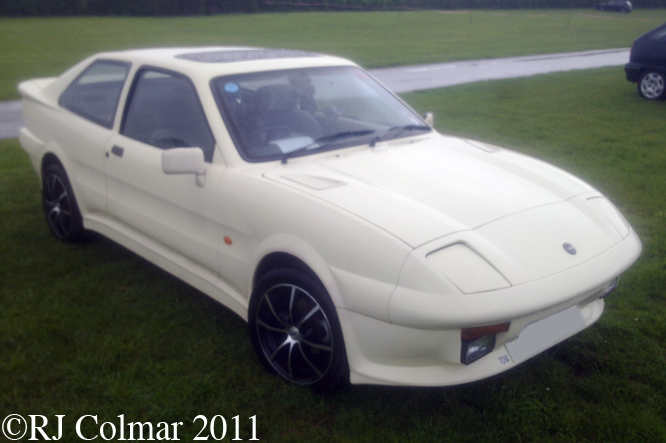
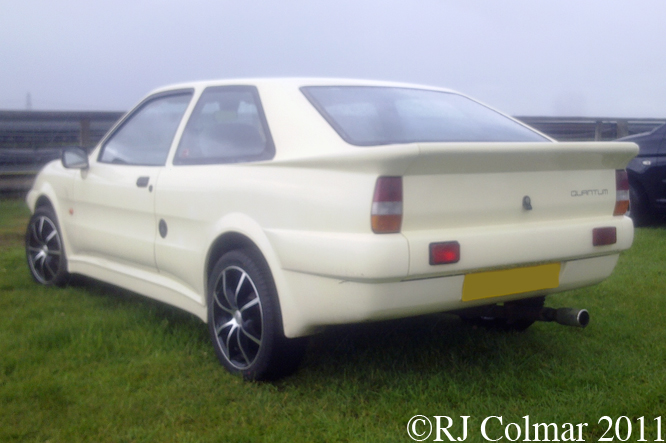
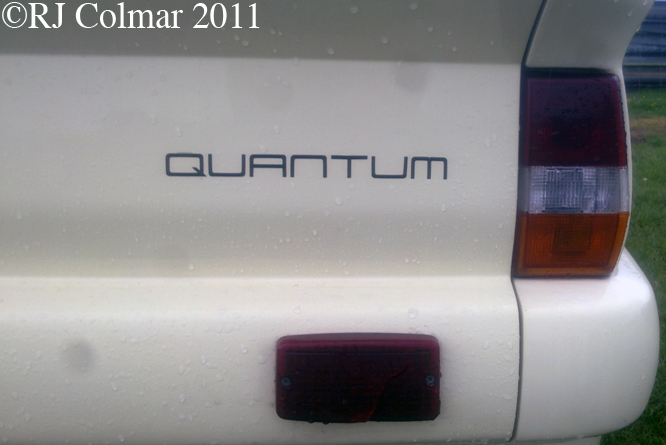
Not to be confused with the VW Passat Coupé which sold in the US as the Quantum, Quantum Sports Cars (QSC) Coupé was the brainchild of Mark and Harvey Wooldridge who founded QSC in 1987.

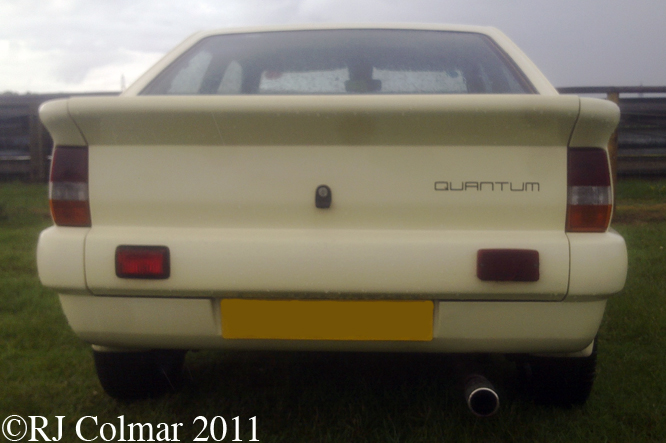
Quantum Coupé, Castle Combe

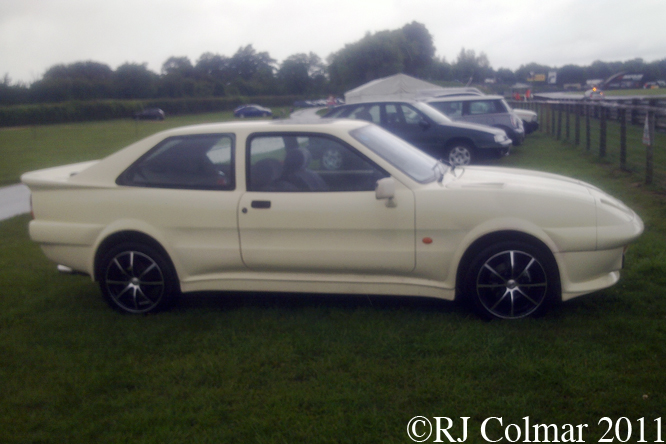
The Coupé was the brothers first model and featured an all glass reinforced plastic, grp, shell that benefited from computer analysis to ensure structural rigidity.

Quantum Coupé, Castle Combe

The mechanical running gear and many fittings of the Coupé were designed to be sourced from Ford Fiesta Mk 1 donor cars.

Quantum Coupé, Castle Combe

The very first Quantum Coupé was scrapped in the interests of safety after it had under gone many modifications during the prototype stage. The second Quantum suffered a similar fate after an accident wrote it off.

Quantum Coupé, Castle Combe

The car seen here uses parts from a 1985 donor car.

Quantum Coupé, Castle Combe

Only 17 Quantum Coupé’s were built in total, the model was replaced with a more successful saloon which required a Ford Fiesta Mk 2 donor car.

Thanks for joining me on this “This is not a Volkswagen” edition of “Gettin’ a li’l psycho on tyres” I hope you will join me again tomorrow. Don’t forget to come back now !
Share