Tag Archives: Colmar

A Drivers Dream – Ford Puma

The Ford Puma gained instant kudos when it was launched in 1997 with an award winning TV advert by Paul Street that featured clips from the film Bullitt and it’s star Steve McQueen apparently driving the little new Coupé.

Ford Puma 1.7 16v

The Puma was based around the Ford Fiesta Mk4 chassis pan and running gear and came with four 16 valve engine options with power ranging from 90 to 153 hp.

Ford Puma Millennium

Styling of the Puma followed Ford’s ‘New Edge’ styling theme that was first seen on the Ford Ka and second generation Mondeo 1996.

Ford Puma Millennium

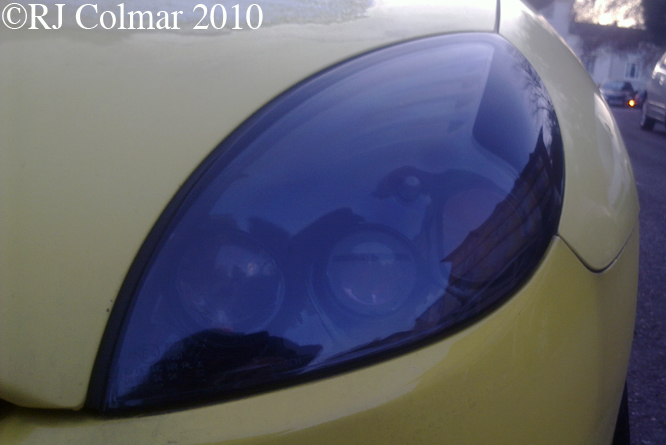
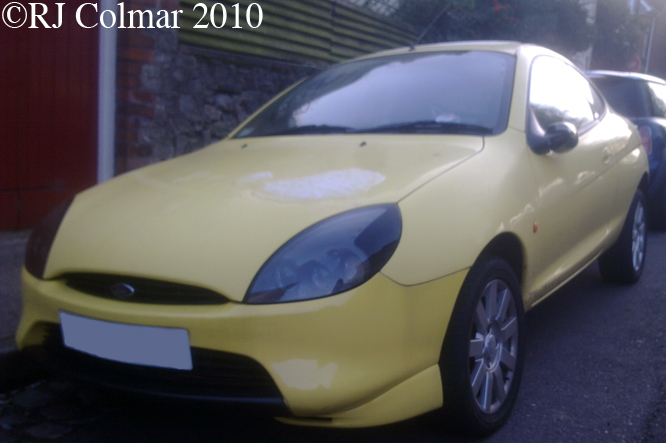
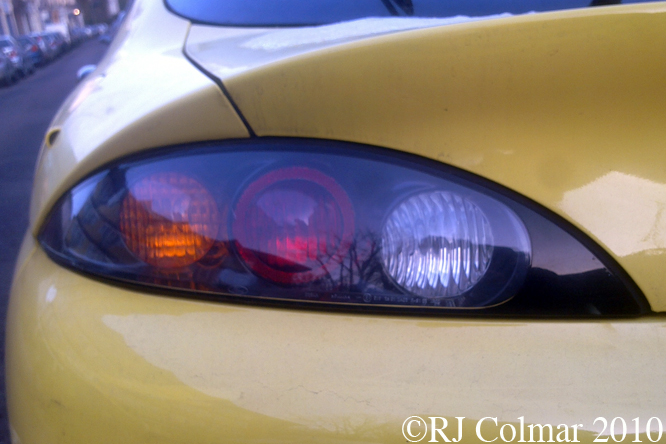
Like the Ford Ka the Puma was also a niche market model, one which generated four special editions and a fifth kit car competition version. The Zinc Yellow of the vehicle seen above indicates the car is one of 1000 Millenium Puma’s built in 2000 of which over 700 are still thought to be on the road.

Ford Puma 1.7 16v Turbo, Regency Sprint, Castle Combe

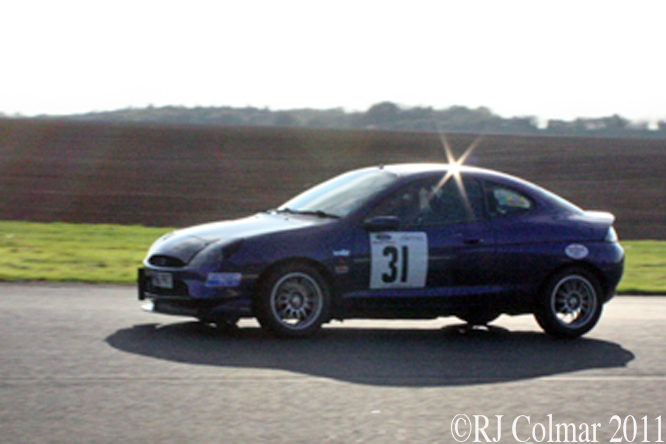
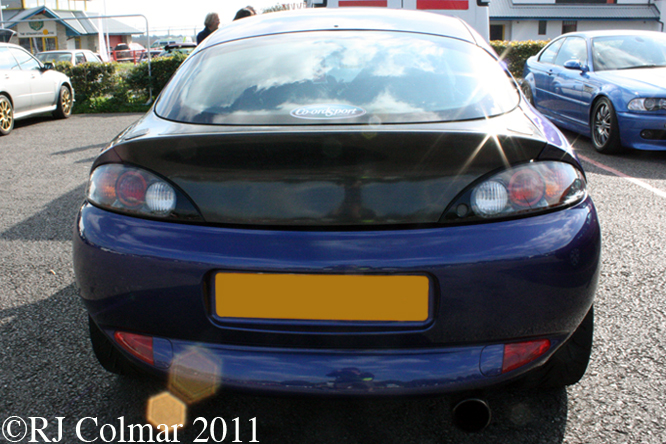
The example above seen competing in the Regency Sprint at Castle Combe last year shared by Toby Harris and Lisa Selby is a 1997 model that has been upgraded with lightweight Carbon Fibre bonnet/hood and boot/trunk lid. The performance of this car has been further enhanced by the edition of a turbocharger.

Ford Puma 1.7 16v

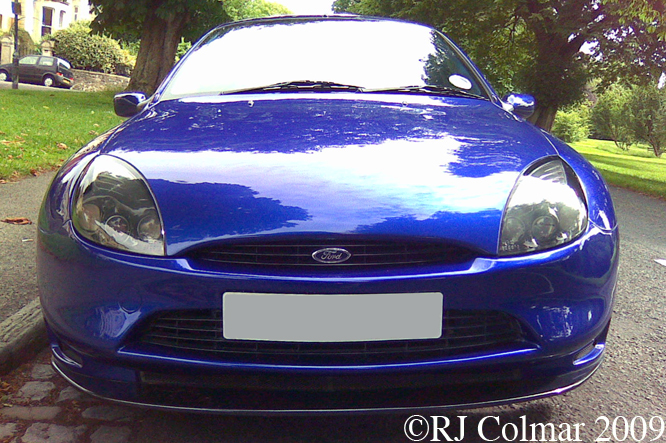
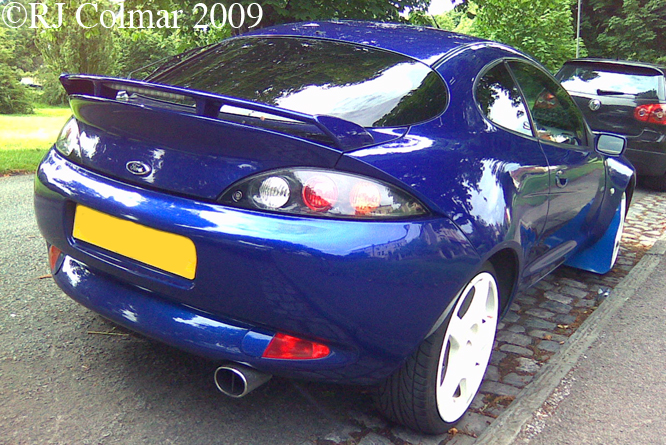
The vehicle featured in the top photo and the one above appears to be one of just 500 wide body 153hp Ford Racing Puma’s that was based on a styling exercise seen in 1999 called the ST160. Like the Ford Sierra RS 500 Cosworth all Racing Puma’s were built by Tickford’s, and were the only Puma’s not to be built at Ford Niehl Plant in Cologne Germany. Note the wheels and rear spoiler on this car appear to be after market items.

Last year the Ford Puma 1.7 was awarded the ‘Best Gem for under £1000’ award by What Car Magazine, the most desirable of all is the Racing Puma which despite losing Ford money on each one of the 500 sold and more than half having to be palmed off on lucky Ford employees at favourable rates are holding values five to seven times that which the lesser models fetch.

Ford Puma 1.7 16v Turbo, Regency Sprint, Castle Combe

Here is what one user, Ophelia, said about her Puma in 2002 “It is not a practical car, so don’t get rid of your Volvo yet but it is fun and it is effective and, all in all I do like it (but don’t tell my husband).”

Thanks for joining me on this ‘A Drivers Dream’ edition of ‘Gettin’ a li’l psycho on tyres’, I hope you will join me again tomorrow. Don’t forget to come back now !

Share

The Misfit – MG C GT Sebring Replica

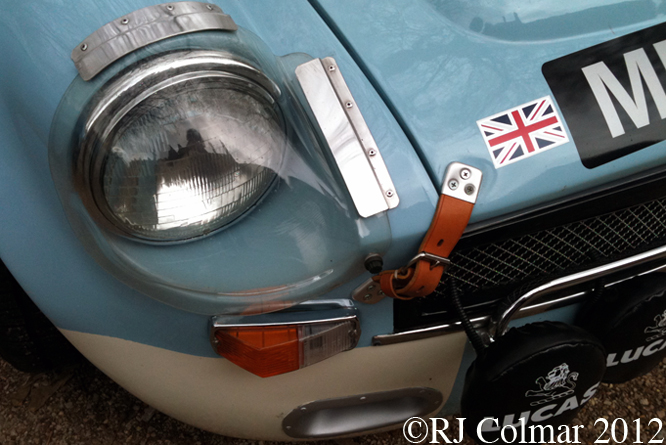
During the endless mergers that took place in the British motor industry after 1945 many models like today’s MG C GT owe more to merged corporate parts bins than to fresh from the ground up planning.

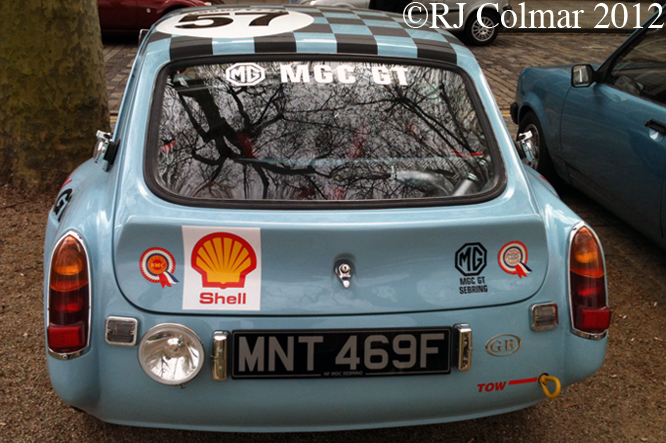
MG C GT, Sebring Replica, Avenue Drivers Club, Queens Sq, Bristol

The rational behind the MG C roadster and GT models was too build a vehicle to replace the six cylinder Austin Healey 3000 whose ancestry can be traced back to the Austin Healey 100-Six launched in 1956.

MG C GT, Sebring Replica, Avenue Drivers Club, Queens Sq, Bristol

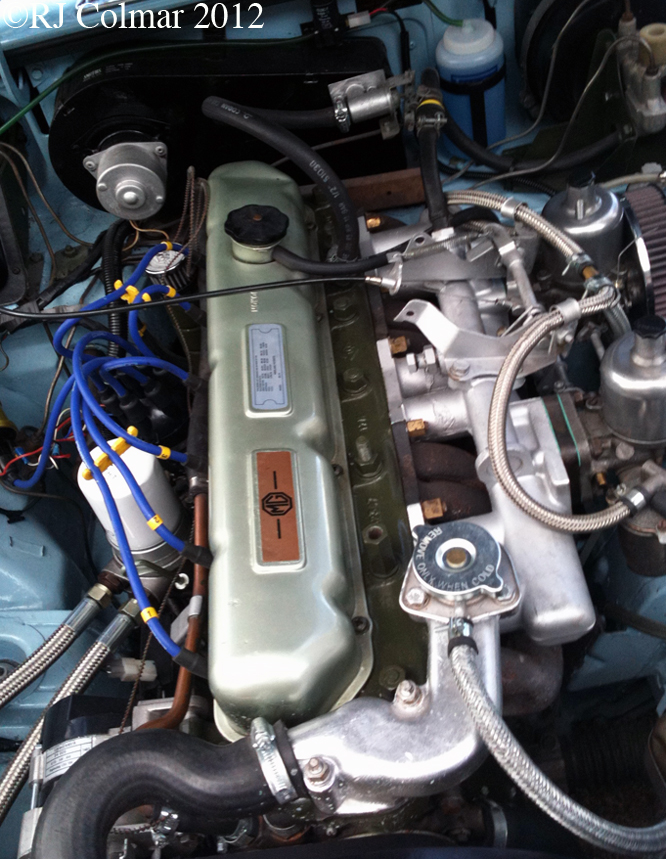
The recipe for the new MG-C was to use the MG B body shell first seen in 1962 and fit it with the 3 litre / 183 cui six cylinder Austin C series motor that was more commonly found in the Austin Healey 3000 sports car and Austin Westminster saloon/sedan.

MG C GT, Sebring Replica, Avenue Drivers Club, Queens Sq, Bristol

Unfortunately the cast iron block C series motor has 2 cylinders more than the motor around which the MG B was designed around and the C series motor was a good deal taller than the MG B 4 cylinder. This meant the chassis cross member that held the 4 cylinder motor had to be replaced, the front suspension strut suspension replaced with torsion bar suspension, the front bulkhead had to be modified and when all was said and done to accommodate an automatic transmission option the engine was not placed as far back as the engineers would have liked to achieve a 50/50 front rear weight balance.

MG C GT, Sebring Replica, Avenue Drivers Club, Queens Sq, Bristol

The new MG C also had to run on 15″ wheels in order to keep the oil sump off the ground, but all in all the engineers were pleased with their 120 mph creation which had a respectable 53/47% front to rear weight balance.

MG C GT, Sebring Replica, Avenue Drivers Club, Queens Sq, Bristol

Unfortunately the press panned the car in essence for not being different enough from the MG B but also because they found the handling tended towards understeer / push. It has been noted in some circles this characteristic may well have been exacerbated by the fact that the MG C was so much smoother than the MG B that journalists might not have been aware of the speeds they were traveling when experiencing the understeer push phenomenon.

MG C GT, Sebring Replica, Avenue Drivers Club, Queens Sq, Bristol

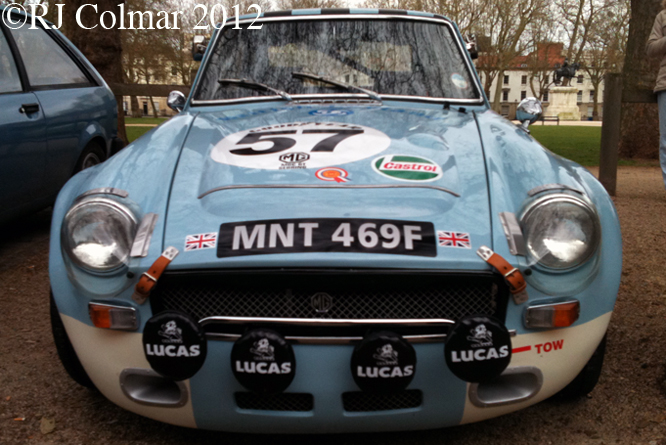
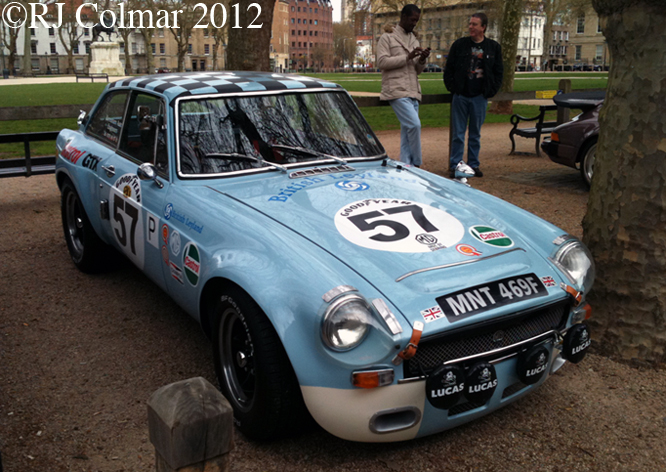
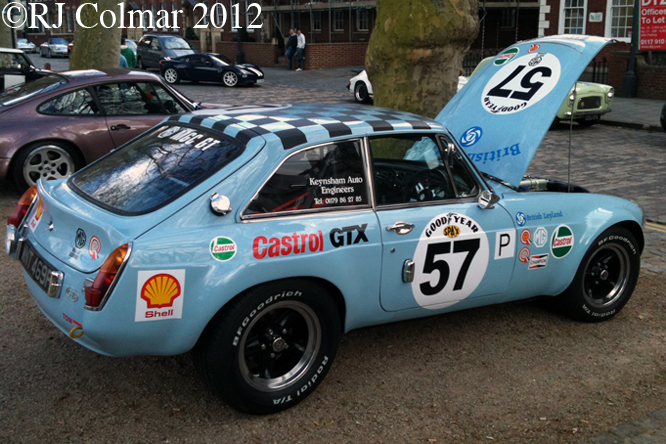
Completely oblivious to the handling criticisms Prince Charles took delivery of an MG C in 1967 and this car has apparently been passed onto Prince William. The car seen here has been turned into a replica of the triple carburetor MG C’s raced at Sebring in 1968 and 1969, though the tailgate spoiler was not used by the works cars of 1968 and 1969 which were racing in the same class as full blown racing cars like the Porsche 907 and 908 models.

MG C GT, Sebring Replica, Avenue Drivers Club, Queens Sq, Bristol

Of the 9002 MG C’s manufactured between 1967 and 1969 4458 were hard top GT’s. With the merger of British Motor Holdings with Leyland owners of the Triumph brand in 1968 the Triumph TR 6 was chosen as the newly merged corporations 6 cylinder sports car of choice and so the MG C died an early death, though in 1973 an even larger, but much lighter, engined MGB GT V8 would appear.

Thanks for joining me on ‘The Misfit’ edition of ‘Gettin’ a li’l psycho on tyres’, I hope you will join me again tomorrow. Don’t forget to come back now !

Share

Coffee, Croissant, Vintage & Classic – Avenue Drivers Club

The Avenue Drivers Club was formed in 2009 by a small group of enthusiasts of cars that will do at least 100 mph and the Avenue Café on Queen Square, Bristol. Every second Sunday of the month they meet at 9 am at Queen Square for coffee and a chat.

Talbot 10/23, Avenue Drivers Club, Queens Sq, Bristol

Being Bristol the 100 mph criteria is not strictly adhered to, as I found out yesterday when I was pleasantly surprised to find several interesting Vintage vehicles, like this 1925 Talbot 10/23, which would struggle to reach that 100 mph speed under their own steam.

The BSA Ten, Avenue Drivers Club, Queens Sq, Bristol

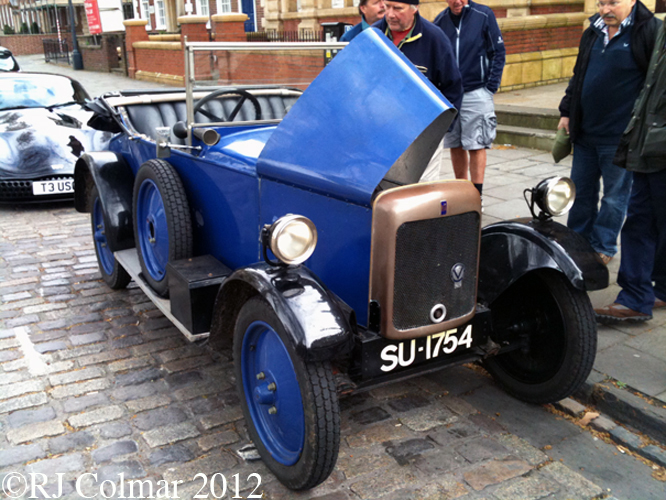
Like wise The BSA Ten powered by a twin cylinder air cooled engine from 1925/26 would struggle to reach 100 mph and if it did the owner would not know about it as his speedometer fell out on the way over to the meeting.

Morris Cowley, Avenue Drivers Club, Queens Sq, Bristol

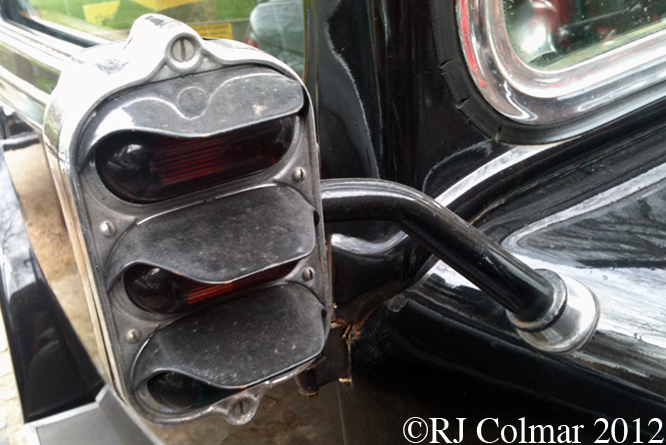
Not too sure what the function of these accessory is it appears to shine red yellow or green lights forwards and rearwards and one was mounted either side of a 1933 Morris Cowley. If you know what purpose these lights were designed for please chime in below.

Austin 10/4 Ripley Sports, Avenue Drivers Club, Queens Sq, Bristol

GALPOT regulars may remember this Austin 10 choking on a clothes peg from an earlier blog, turns out the full name for the car is Austin 10/24 Ripley Sport. This car is thought to have been first owned by the Debyshire County Constabulary in black.

MG, Avenue Drivers Club, Queens Sq, Bristol

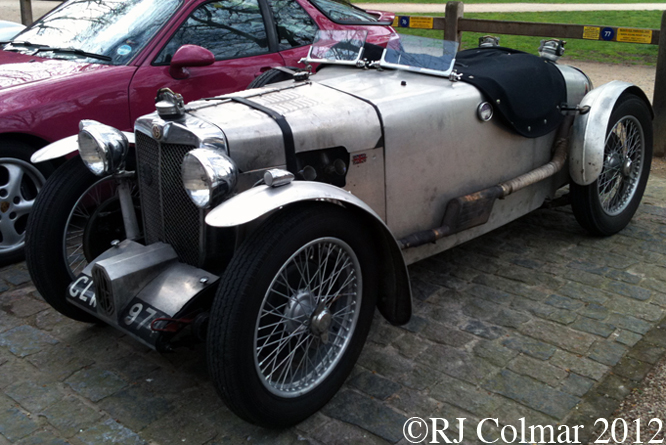
Despite my many recent Tuesday MG blogs I have not yet been able to establish exactly what model MG this nifty little 1936 racer is, if you know please chime in below.

Bristol 403, MG, Avenue Drivers Club, Queens Sq, Bristol

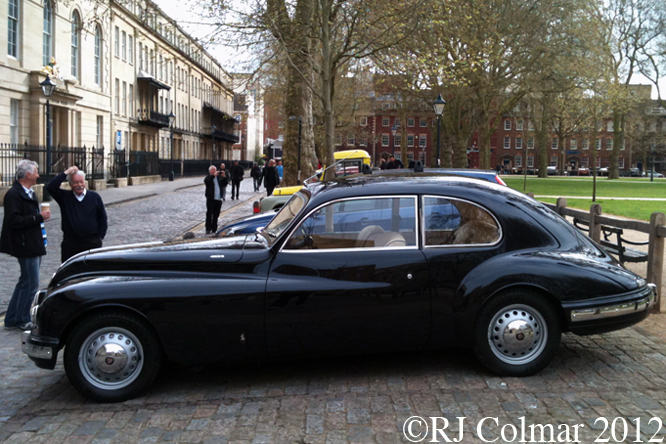
In the running for car of the day was this absolutely immaculate 1953/55 Bristol 403, the condition of this car really has to be seen in the flesh to be believed, I can imagine this car will still be turning heads in 60 years time.

Austin Gipsey, Avenue Drivers Club, Queens Sq, Bristol

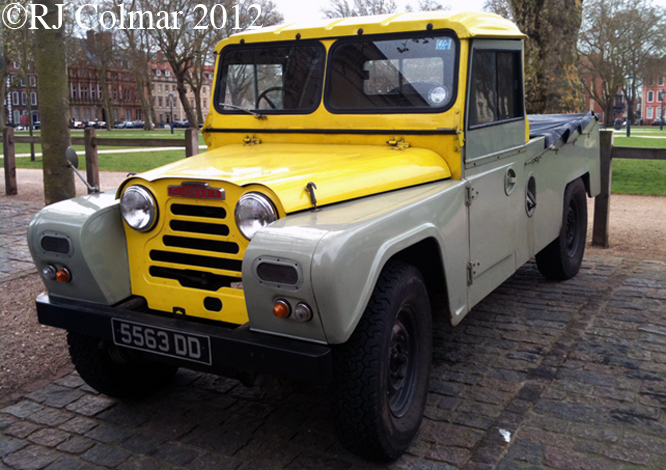
Another vehicle falling into the sub 100 mph bracket was this 1962 Austin Gipsy a would be competitor to the otherwise ubiquitous Land Rover this one with a 110″ wheelbase. There was also an immaculate Series One Land Rover and an early ‘proper’ Range Rover in attendance.

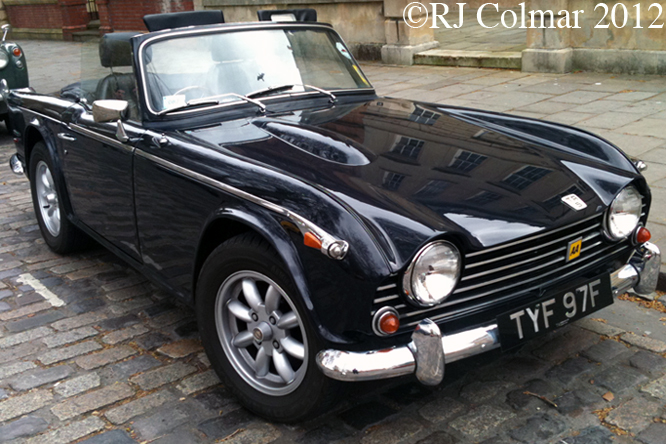
Triumph TR5PI, Avenue Drivers Club, Queens Sq, Bristol

Representing Triumph was a 2000, 2500PI a GT6 and this 1966/67 TR5PI which rather took my fancy.

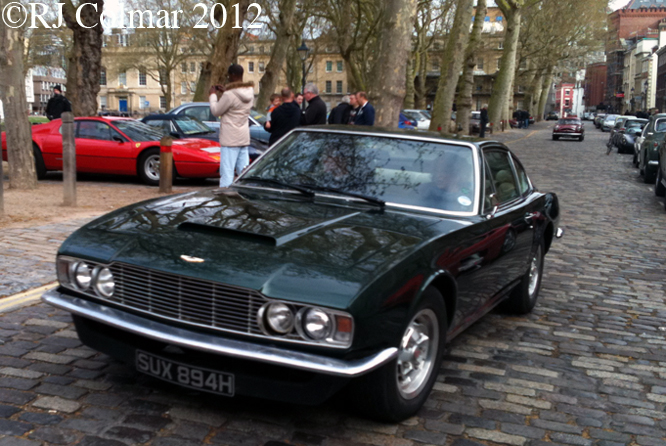
Aston Martin DBS, Avenue Drivers Club, Queens Sq, Bristol

At the more powerful end of the scale was this 1969/70 Aston Martin DBS, with an even more powerful Ferrari 365 GTB/4 parked up behind it.

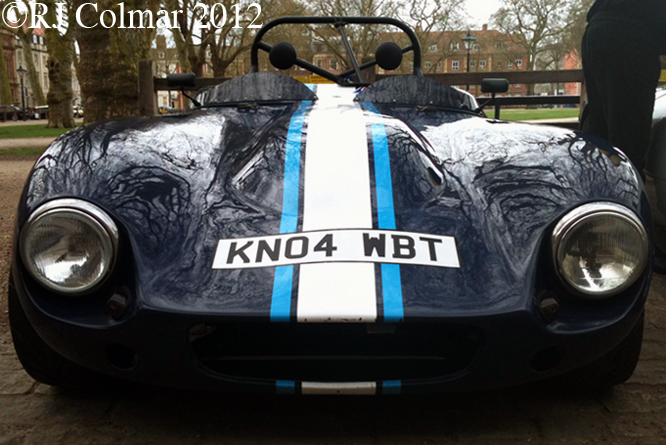
Fisher Fury, Avenue Drivers Club, Queens Sq, Bristol

Among many things I learned yesterday was the existence of Fisher cars, I mistook this for a Ginetta G4, it is actually a Fisher Fury powered by a 1 litre / 61 cui motorcycle motor.

Attack K1, Avenue Drivers Club, Queens Sq, Bristol

Car of the day was without doubt this K1 Attack, another vehicle I had never heard of before which originates from Slovakia and is powered by a Honda Type R engine. Sundays blog will reveal more about this car. Only 4 are thought to exist in the UK and this is the only one with RHD.

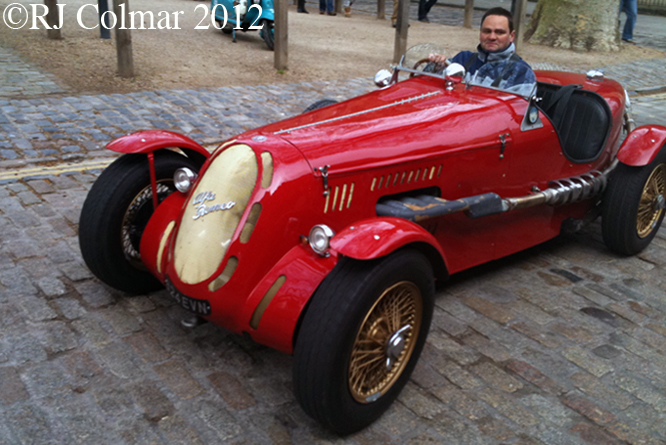
Lenham ALFA Romeo, Avenue Drivers Club, Queens Sq, Bristol

At the end of the meeting which lasted a very short 3 hours David Roots, who told me about the Avenue Drivers Club a couple of weeks ago kindly gave me a highly entertaining ride home ‘aboard’ his unique Lenham ALFA Romeo.

My thanks to David and everyone else who brought out their pride and joy I simply did not have time to include in today’s blog, can’t wait for the next meeting on the second Sunday in May.

Thanks for joining me on this Coffee, Croissant, Vintage & Classic edition of ‘Gettin’ a li’l pscho on tyres, I hope you will join me again tomorrow. Don’t forget to come back now !

12 04 12 Errata I originally had the cool white car down as a Attack K1, it’s actually a K1 Attack and it is not powered by a motor cycle engine but a Honda Type R, apologies to all concerned.

Share

Continental Elegance – Delahaye 135 Competition #46864

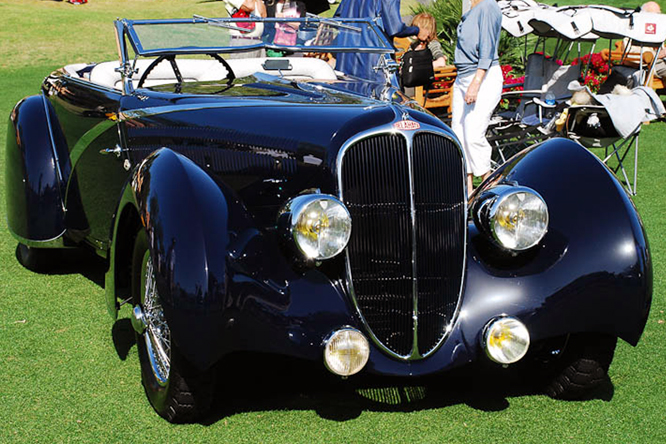
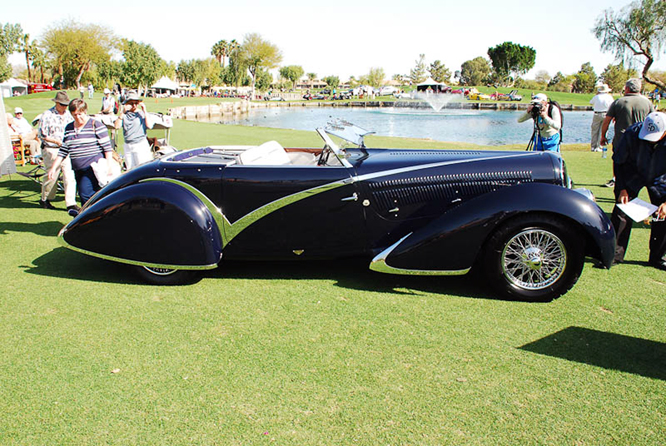
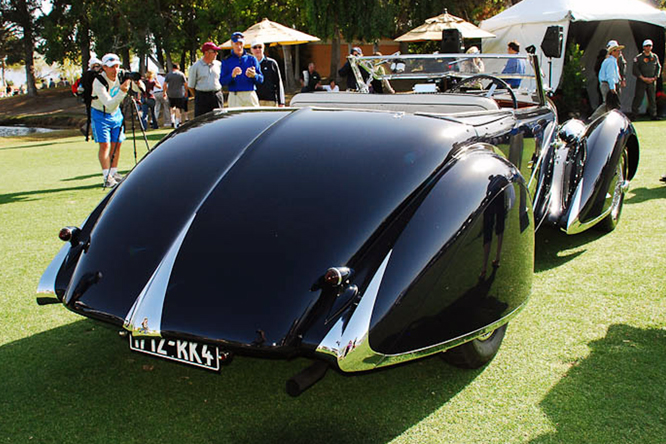
Photographs of today’s featured car, a Delahaye 135 Competition, come courtesy of Geoffrey Horton from February’s Dessert Classic Concours d’Elegance.

Delahaye 135 Competition, Dessert Classic C d'E

The 135 Competition chassis was designed as a road car, this one has a Figoni & Falaschi body originally built in 1936. at least half a dozen French Coachworks offered bodies for the 135 chassis so no two are exactly alike.

Delahaye 135 Competition, Dessert Classic C d'E

Underneath the striking bodywork the 135 featured independent front suspension and 120 hp 3.6 litre / 217 cui six cylinder motor.

Delahaye 135 Competition, Dessert Classic C d'E

Variations of the 135 chassis recorded victories 1935 Coupe des Alpes, 1937 Monte Carlo Rally and 1938 Le Mans 24 Hours events.

Delahaye 135 Competition, Dessert Classic C d'E

Between 1935 and 1938 it is believed 453 Delahaye Competition chassis were built.

My thanks to Geoffry Horton for sending me his photo’s of this magnificent vehicle.

Thanks for joining me on this ‘Continental Elegance’ edition of ‘Gettin’ a li’l psycho on tyres’ I hope you will join me again tomorrow. Don’t forget to come back now !

Share

Choice Of Champions – Lotus 49B #R10 & #R12

The story of the Lotus 49 in all of it’s guises is inextricably linked to the one component that was a decade ahead of it’s time the Ford DFV motor, which did not win it’s last race until 1983 and was still being used in 1985 running against turbocharged powered cars.
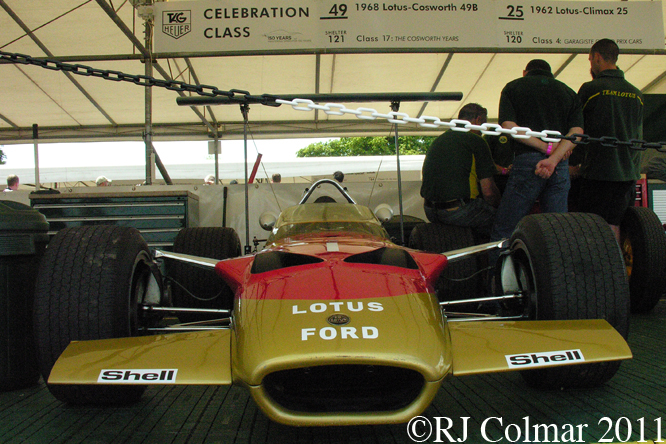
Lotus 49B, Goodwood, FoS

The Lotus 49 was originally built to compete in the 1967 Formula One season for drivers Jim Clark and Graham Hill. Colin Chapman had arranged for Ford to finance the building of the 3 litre / 183 cui Ford Cosworth V8 engine which like the BRM H16 Colin had used in 1966 was to be used as an integral component of the chassis, ie, if you take the motor out of the car the rear wheels would no longer be connected to the rest of the car sufficiently to be able to even push it.
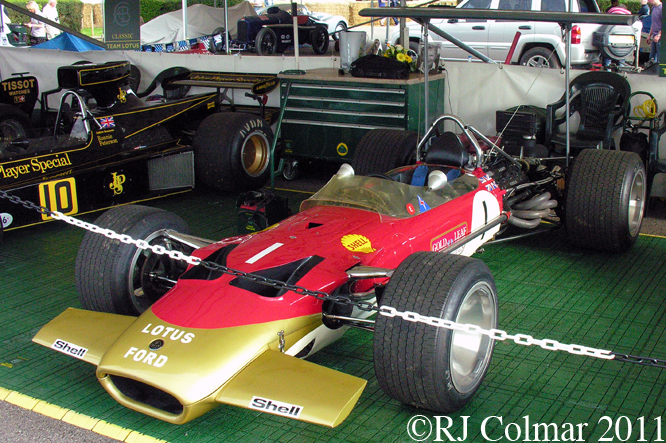
Lotus 49B, Goodwood, FoS

The Lotus 49 design, credited to Maurice Phillipe, was based on the 1965 Indy winning Lotus 38 which Len Terry is credited with being responsible for. Jim Clark drove the Lotus 49 to a debut win in the 1967 Dutch Grand Prix. The Type 49 in all it’s guises won 12 Grand Prix in total the last a lucky last lap win at the 1970 Monaco Grand Prix with Jochen Rindt at the wheel.
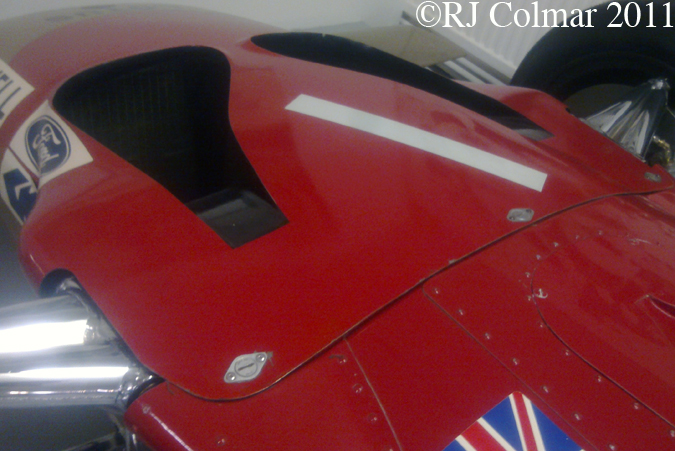
Lotus 49B, Donington Park Museum

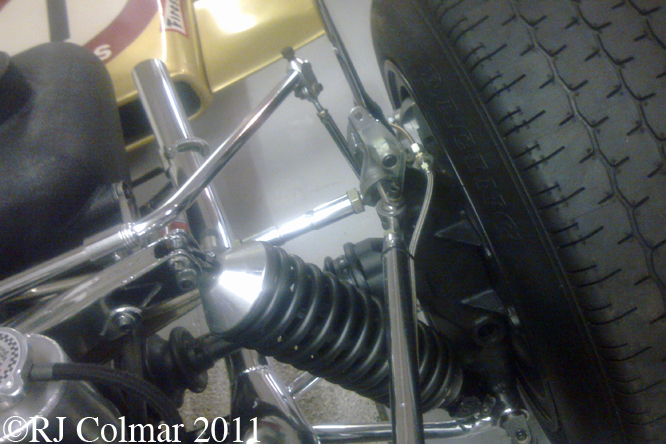
These air ducts, introduced on the 49B in 1969, allowed air to pass through the radiator and escape over the top of the car, where as on the original car the air had passed through the nose cone and out the sides of the car ahead of the front suspension units.
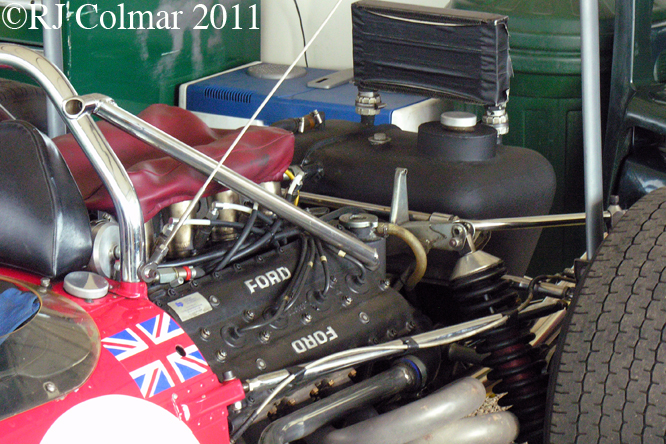
Lotus 49B, Goodwood, FoS

Producing around 400 hp when it first became available, Colin Chapman had an advantage over every other car in the field with the light and reliable Cosworth DFV which had years of development ahead of it that would see it’s output reach just short of 500 hp in 1985. Unfortunately, for Colin Chapman, realising that they needed to be seen running against other competitive teams Ford renegade on it’s exclusive deal with Lotus at the end of 1967 and allowed Ken Tyrrells Matra team to use Ford engines as well in 1968. By the mid 1970’s only Ferrari and BRM were the only regular runners not using Cosworth DFV’s.
Lotus 49B, Donington Park Museum

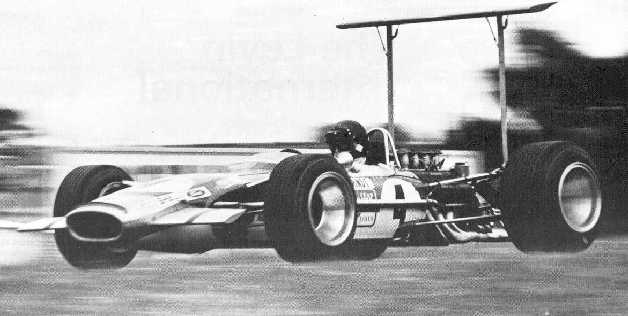
In 1968 Brabham and Ferrari copied the high aerofoil concept first seen on the Chaparral 2E Can Am car in 1966 and on the 1967 Chaparral 2F in the World Prototype championship, a month later the Lotus 49B with new rear hubs to carry the 400 lbs of downforce generated by the rear wing appeared at the French Grand Prix.
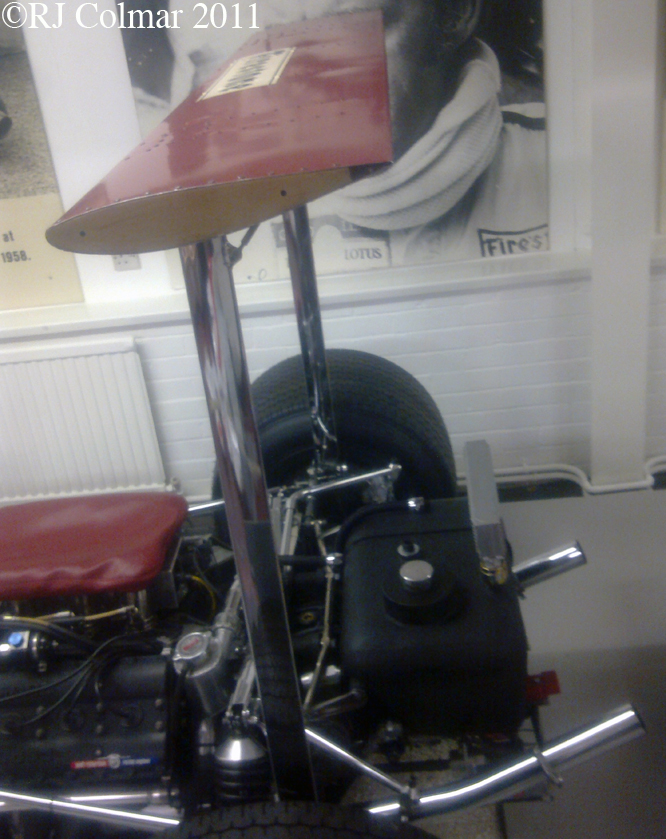
Lotus 49B, Donington Park Museum

This photo shows clearly how big an issue rear grip was back in 1968 not only is their a rear wing but the Hewland gearbox is surrounded by a large oil tank in an effort to distribute as much weight to the rear of the car as possible to improve road holding.
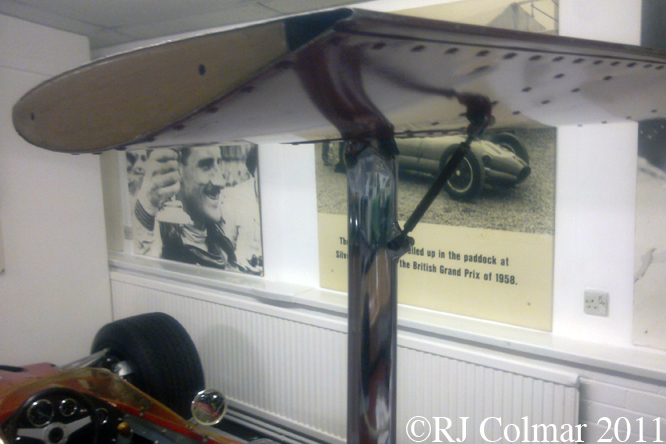
Lotus 49B, Donington Park Museum

The inverted aeroplane wing shape and light construction of the rear wing can be seen here, in 1969 similar wings were attached to the front hubs as well, but two bad accidents caused by collapsing wings for Lotus Team mates Graham Hill and Jochen Rindt led to these devices being strictly controlled from the 1969 Monaco Grand Prix on.
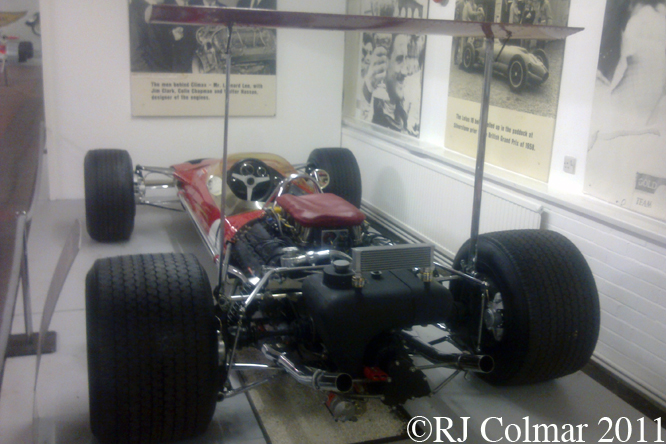
Lotus 49B, Donington Park Museum

So far as I can tell the chassis seen here, in the first, second and forth photo’s, at Goodwood is #R10. Chassis R10 was probably the original 49 #R5 which for reasons that are not clear was renumbered.

While carrying the #R5 chassis plate the car was raced in his second world championship winning year by Graham Hill to win the 1968 Monaco Grand Prix, #R10 was subsequently used by 1978 World Champion Mario Andretti to win pole for his first Grand Prix start in the 1968 US Grand Prix at Watkins Glen.

Future 1970 champion Jochen Rindt was the first to use running with a 2.5 litre / 152.6 cui version of the Ford Cosworth DFV. Jochen won two Tasman Championship races in #R10.

Reigning 1968 World Champion Graham next used #R10 to win the 1969 Monaco Grand Prix. The following season Graham was driving the Lotus 49 #R7 for the privateer Rob Walker team which he crashed beyond immediate repair during practice at Monaco. Fortunately Lotus number 2 driver John Miles had failed to qualify for the race in #R10 and so it was hastily repainted in Rob Walkers colours the night before the race for Graham to drive. He finished 5th despite having broken his legs in the 1969 season ending US Grand Prix driving the same chassis just 7 months earlier !

1972 & 1974 double world champion Emerson Fittipaldi made his Grand Prix debut in Lotus Ford 49 #R10, at the British Grand Prix in 1970.

Finally the first race I ever recall seeing on TV was the 1968 British Grand Prix which was led by first Graham Hill, then his team mate Jackie Oliver before being won by Jo Siffert all three were driving Lotus 49 B’s Jo’s being the odd one out being entered by Rob Walker, who GALPOT regulars may recall had a lot of success running Stirling Moss in his Lotus 18 during the early 1960’s. Jo’s victory was the last to be recorded by a private entrant in a ‘customer’ non works customer car.

Thanks for joining me on this ‘Choice Of Champions’ edition of ‘Gettin’ a li’l psycho on tyres. I hope you will join me again tomorrow. Don’t forget to come back now !

24 04 12 PS Tim Murray has kindly pointed out that I originally incorrectly attributed the design of the Lotus 49 to Len Terry when it should have been Maurice Phillipe, apologies for any confusion. If you see an error of fact anywhere in GALPOT blogs please do not hesitate to inform me in the comments box. Thanks to Tim for the correction.

03 08 12 Serious Errata further reading of Micheal Olivers “Lotus 49 the story of a Legend” has shown that the car which is seen in the 3rd, 5th, 6th and 7th photo’s above at the Donington Collection is actually chassis #R12 and not chassis #R10 as seen in the 1st, 2nd 4th photo’s above, there are several distinguishing features which should have made this obvious at the time I originally posted this blog including the black ‘Lotus Ford’ lettering on the nose various decals and the chrome exhaust at the rear !

Chassis R12 was built up as a show car, for the Ford Motor Company, using the floor from the Lotus 49B R6/1 which was crashed by Jackie Oliver at the 1968 French Grand Prix. Built as a non runner chassis #R12 is consequently the only Lotus 49 which has never been raced, it was donated to Tom Wheatcroft’s Donington Collection when Ford no longer had a use for it.

Sincerest apologies for this error.
Share

Same Body Bigger Motor – Ferrari 365 GTC

In 1966 Ferrari launched the 330 GTC of which some 600 hundred were built up until 1968.

Ferrari 365 GTC, BIAMF

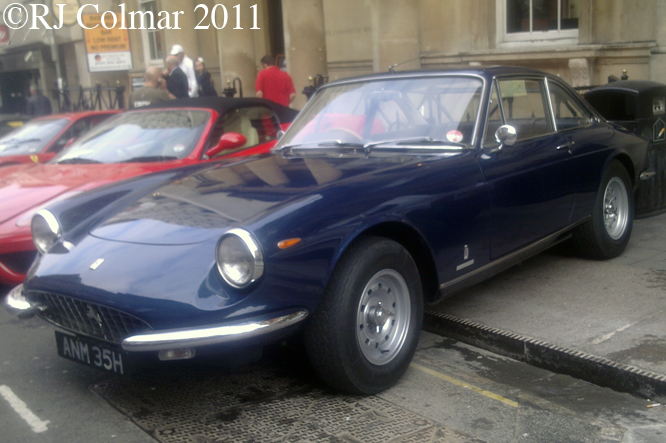
The body of the 365 GTC which replaced the 330 GTC in 1968 was almost identical apart from the absence of the large cooling ducts in the front wings/fenders which vented air from the engine bay.

Ferrari 365 GTC, BIAMF

Ferrari’s 4 litre / 244 cui V12 from the 330 cars was upgraded to a 4.4 litre / 268 cui V12 for the 365 series cars which increased the horsepower from 300 to 320.

Ferrari 365 GTC, BIAMF

One other significant difference between the 330 GTC and 365 GTC was that the later car had the gearbox moved from behind the motor to in front of the rear axle to improve the weight distribution.

Ferrari 365 GTC, BIAMF

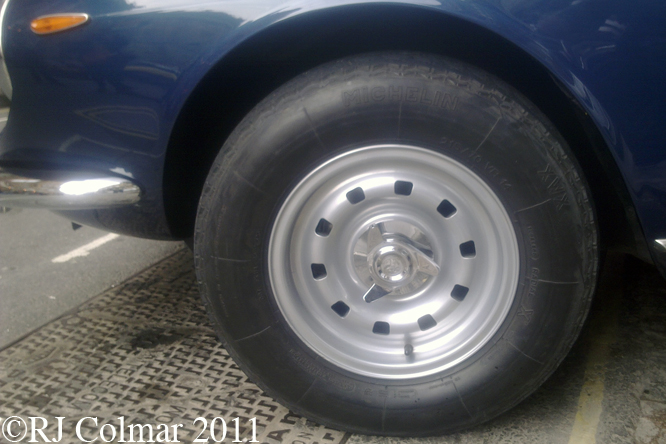
Alloy wheels came as standard Borrani wire wheels were an optional extra.

Ferrari 365 GTC, BIAMF

This 1969 car has covered over 80,000 miles and is one of 150 that were built up until 1970 when it was superseded by the elegantly understated Ferrari 365 GTC/4.

28 04 12, date for your diary, this car and several others featured on ‘Gettin’ a li’l psycho on tyres’ over the past year was seen at the Bristol Italian Auto Moto Festival (BIAMF) last year. This years BIAMF event, the largest annual participatory automotive event in Bristol will be on Saturday April 28th. Event details can be found on the BAIMF website linked here. If your planing on going leave a message below or e-mail me see address at the very bottom of this page and we will see if we can’t organise a GALPOT meeting.
Thanks for joining me on this ‘Same Body Bigger Motor’ edition of ‘Gettin’ a li’l psycho on tyres, I hope you will join me again tomorrow. Don’t forget to come back now !

Share

Big Mean ‘n’ Green – Chrysler Newport Sedan

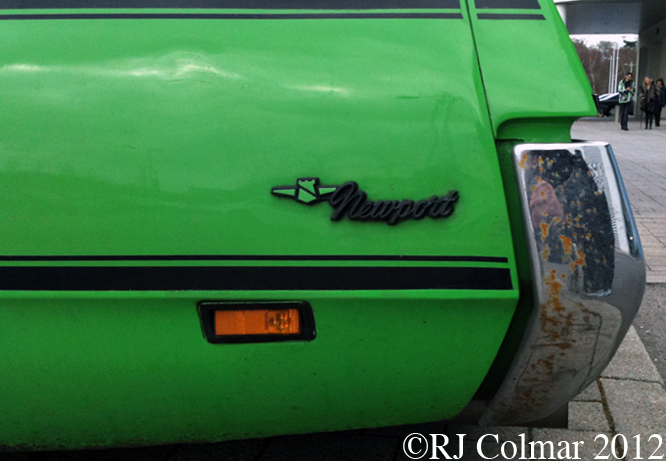
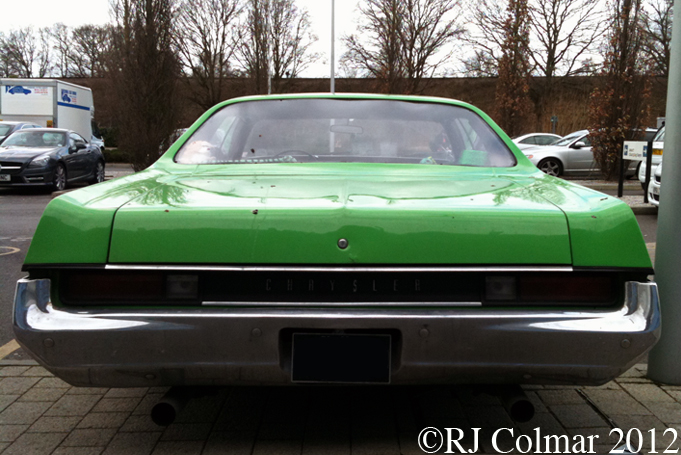
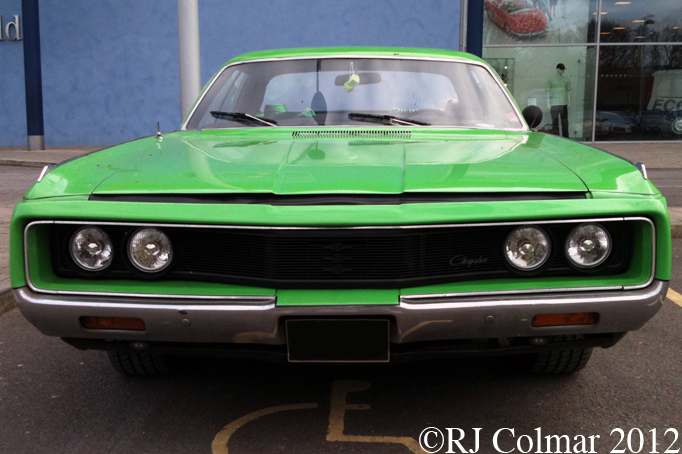
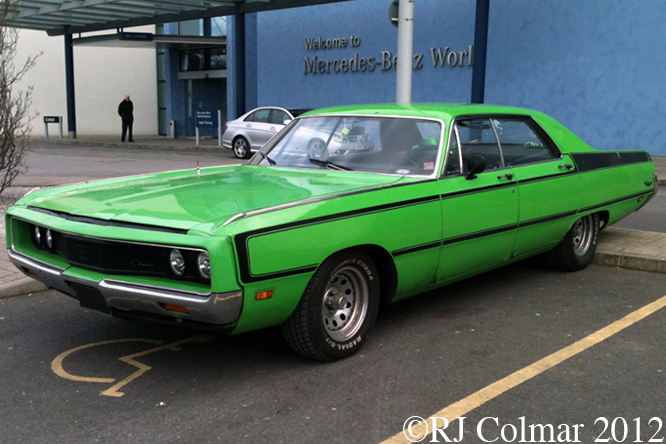
Looking from the European side of the Atlantic it sometimes appears that Detroit was selling cars by the acre, I am sure I have seen folks maintaining allotments that are smaller than the footprint of the 1969 Chrysler Newport which was marketed with the strap line ‘The attainable dream‘.

Chrysler Newport, Mercedes Benz World

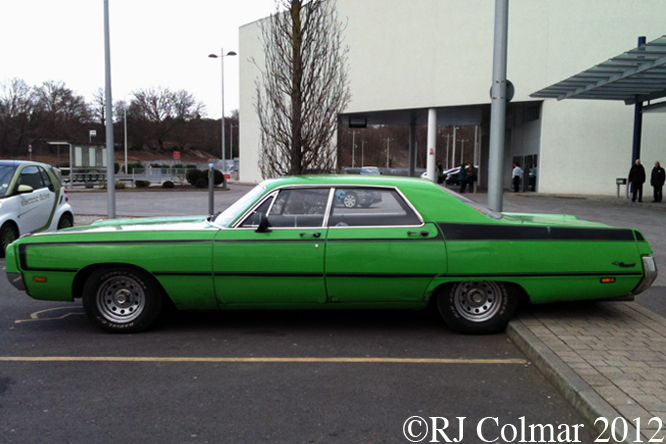
The fifth generation Newport with ‘fuselage’ styling sits on a 124 inch wheel base with bodywork that is longer, lower wider and several hundred pounds heavier than it’s predecessors.

Chrysler Newport, Mercedes Benz World

To set nearly 2 tons of sheet metal in motion five engine options were available from 255hp 5.9 litre 360 cui V8 through to 335 hp 7.2 litre 440 cui.

Chrysler Newport, Mercedes Benz World

Body style options in included 2 door convertible, 2 or 4 door hardtop and 4 door sedan, the 5 door estate version was sold as a seperate Town & Country model.

Chrysler Newport, Mercedes Benz World

The Newport shared almost identical bodies with the Chrylser 300, New Yorker and Imperial but differences in trim made the Newport a cheapest option at US$3,414.

Chrysler Newport, Mercedes Benz World

The fifth generation Newport marked a zenith in the size of full size Chyslers the fuel crises of the early 70’s meant manufacturers would emphasise downsizing as a selling point from the mid seventies to the early 1980’s the Newport range was dropped completely in 1981.

Chrysler Newport, Mercedes Benz World

The four door sedan like the 1969 model seen here, bearing the Big Mean ‘n’ Green legend on it’s registration plates was the most popular of Newport range with 55,000 units sold in 1969.

Thanks for joining me on this ‘Big Green ‘n’ Mean’ edition of ‘Gettin’ a li’l psycho on tyres’ I hope you will join me again for Ferrari Friday tomorrow. Don’t forget to come back now !

Share