Tag Archives: Colmar

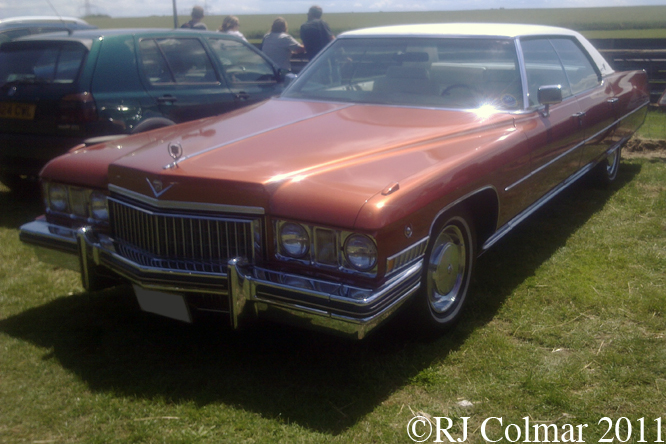
Energy Absorbing Bumpers – Cadillac Sedan de Ville

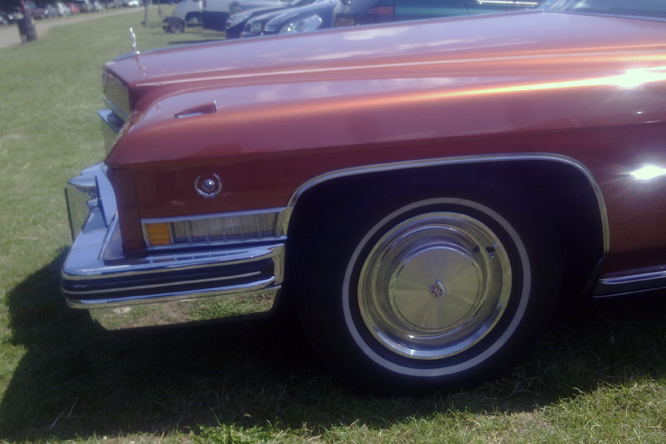
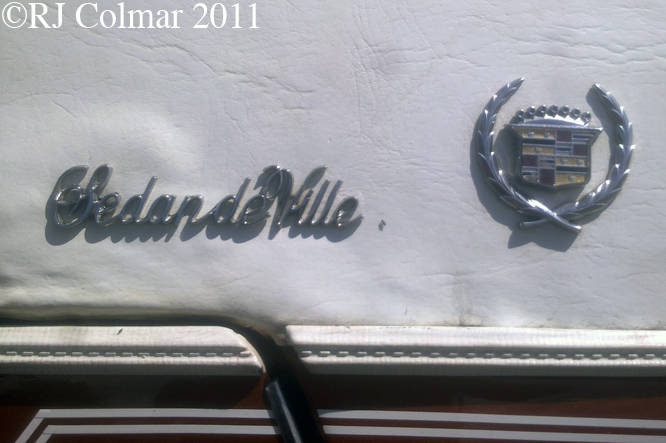
The fourth generation Cadillac Sedan de Ville which was launched in 1971 took the full size GM body to a new peak in width that would not be equalled until the 1990’s.

Cadillac Sedan de Ville, Castle Combe, C&SCAD

With 62.1 inches shoulder room at the front 64 inches at the rear at 6′ tall I could probably sleep quite comfortably on the back seat for a night if I had to.

Cadillac Sedan de Ville, Castle Combe, C&SCAD

In order to set this 5000lb leviathan in motion a 375hp 7.7 litre 427 cui single overhead cam motor was fitted to the 1973 model seen here, come 1975 this would be replaced by an 8.2 litre 500 cui motor.

Cadillac Sedan de Ville, Castle Combe, C&SCAD

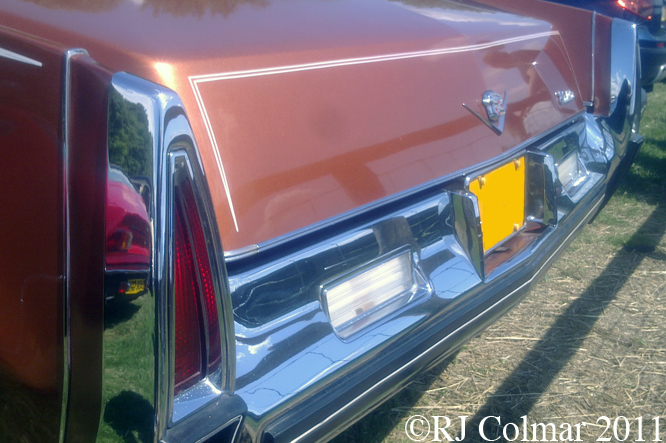
1973 saw the introduction of energy absorbing bumpers as required by new federal laws, the gargantuan Sedan de Ville is one of the few designs which swallowed up these requirements without any adverse affects to it’s aesthetics.

Cadillac Sedan de Ville, Castle Combe, C&SCAD

Production of the 1973 Sedan de Ville set a new record at 216,243.

Cadillac Sedan de Ville, Castle Combe, C&SCAD

I hope you will join me in wishing former Sedan de Ville owner Marblehead Dale ‘Grilled Cheese Gator’ Glebe a Happy Birthday.

Thanks for joining me on this Energy Absorbing Bumper edition of ‘Gettin’ a li’l psycho on tyres’, I hope you will join me again tomorrow. Don’t forget to come back now !

Share

Wade In The Water – MGB Roaster DRX 256C

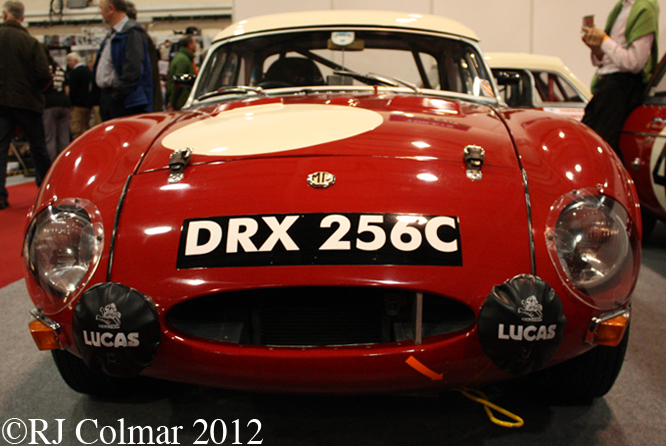
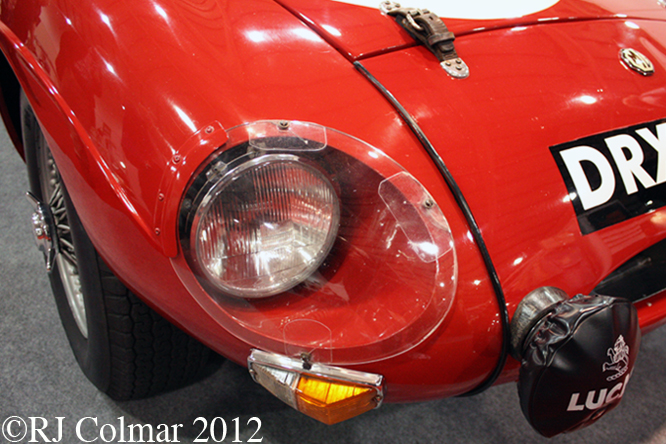
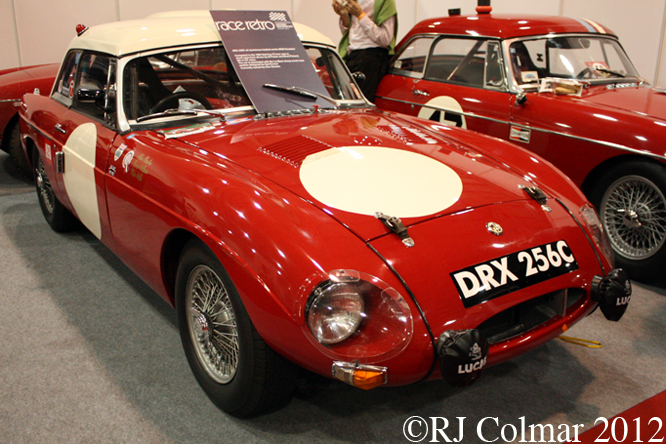
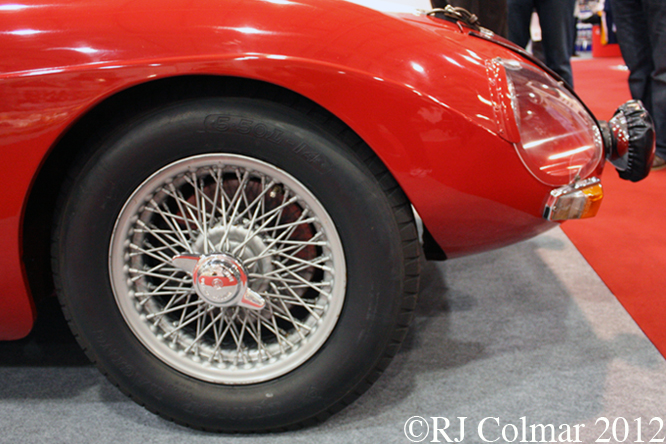
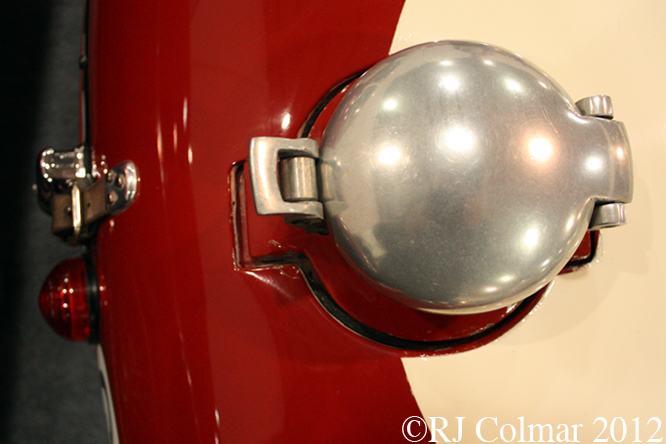
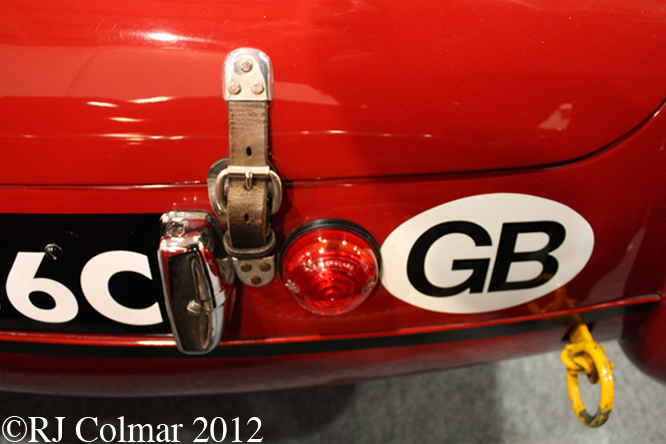
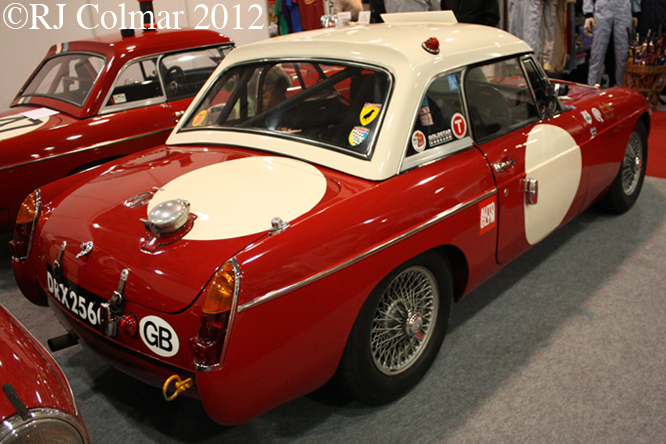
Today’s MG is a special B built with aluminium body panels at Abingdon to take part in the Sebring 12 Hours.

MG B, Race Retro

The car as seen here features a ‘Droop Snoot’ nose of the same type worn by it’s sister car DRX 255C at Le Mans in 1965.

MG B, Race Retro

However DRX256C, to the best of my knowledge, was never raced at Le Mans in period and certainly not with the Syd Enever designed nose

MG B, Race Retro

which I believe first appeared at Le Mans in 1963 fitted to a ‘B’ registered ‘7 DBL’ then in 1964 fitted to ‘BMO 541B’ and finally DRX 255C in 1965.

MG B, Race Retro

Paddy Hopkirk and Andrew Hedges qualified DRX 255C 46th and averaging 98 mph came in 2nd in class at the Le Mans 24 hours behind a Porsche 904 GTS.

MG B, Race Retro

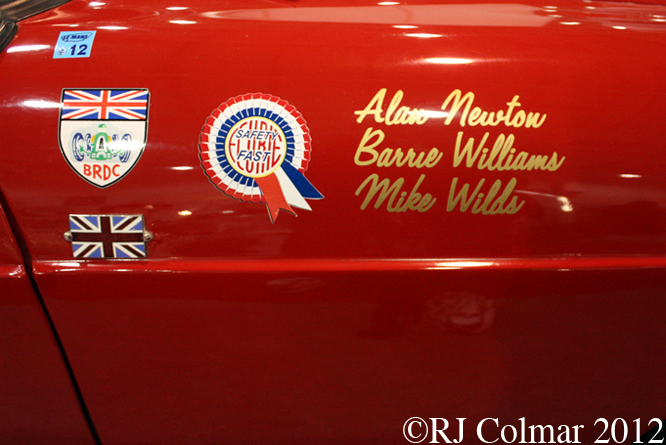
Andrew Newton is the current owner of DRX 256C Barrie Williams and former Grand Prix Driver Mike Wilds are well known UK club racers. The drivers of DRX 256C at Sebring in 1965 were American Brad Picard and Canadian Al Pease.

MG B, Race Retro

Picard & Pease qualified 50th and finished 32nd 6th in class in a race that is best remembered for a flash flood which saw some parts of the track under 6 inches of water.

MG B, Race Retro

Some drivers described them selves as being up to their elbows in water during pit stops,

MG B, Race Retro

and I believe the lead Jim Hall / Hap Sharp Chaparral 2a recorded a lap time of 12 minuets at one point during the deluge.

MG B, Race Retro

I highly recommend viewing the Shell Promotional Film called the 12 hour Grind with commentary by Chris Economaki which can be seen on youtube starting with this link for those wishing to fast forward to see what happened when the heavens opened up the wet action starts here, I have never seen anything quite like it.

Thanks for joining me on this ‘Wade in the Water’ edition of ‘Gettin’ a li’l psycho on tyres’, I hope you will join me again tomorrow, don’t forget to came back now !

Share

Oh Lord ! – Mercedes Benz World

As one of many birthday treats a couple of weeks ago I re visited Brooklands and before I got there I found time to pop into Mercedes Benz World which came highly recommended by an old school buddy Dave whom I met there for a cuppa and a catch up in the Mercedes Benz World Café.

Benz Patent Motor Car, Mercedes Benz World

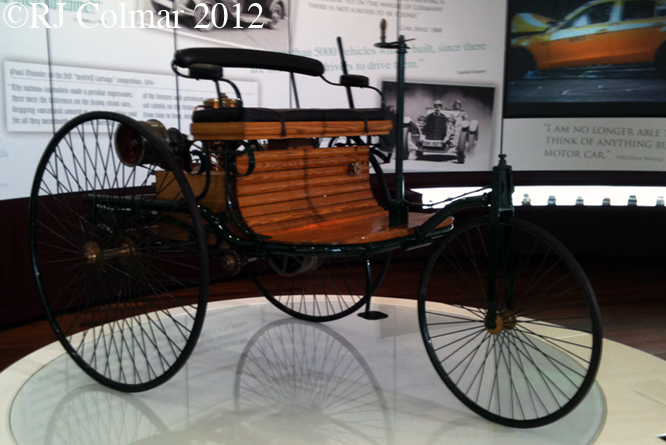
I got there a little earlier than Dave and my curiosity got the better of me the moment I walked through the door. Above a Mercedes Benz Patent Motor Car of the type that Bertha Benz took for a 110 mile spin with her sons without her husband Karl, who invented the machine even knowing about it !

Mercedes Benz 220a, Mercedes Benz World

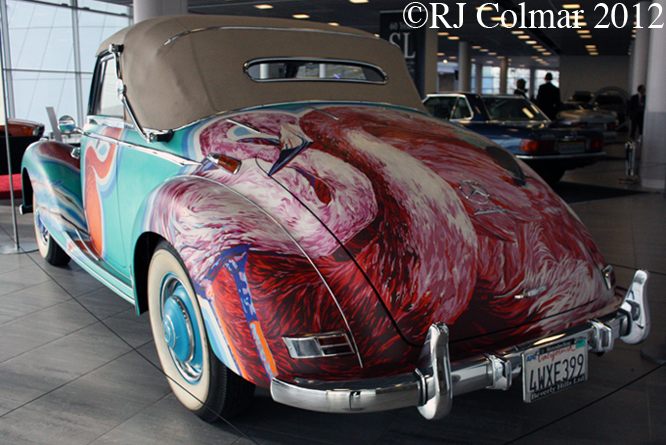
Among the more unusual exhibits was this Mercedes Benz 220a which is one of 17 that has been restored and transformed into an unuseable work of art by the painter Hiro Yamagata.

Mercedes Benz 190 SLR, Mercedes Benz World

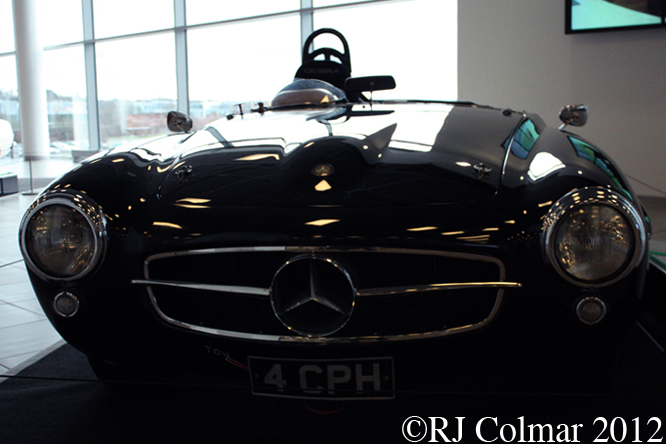
Mercedes Benz officially withdrew from racing at the end of 1955 though it has since emerged that Mercedes Benz were involved in supporting the efforts of GALPOT contributor Geoffrey Horton’s uncle George Tilp and on my visit to Mercedes Benz World I was surprised to learn that Mercedes Benz also supported Hong Kong’s Mercedes Benz agent efforts to win the 1956 Macau GP. (British) Army Sergeant Doug Steane winning the race in the works prepared 121 mph 190 SLR of which just two are known to have been built in 1956.

Mercedes Benz CLK GTR Roadster, Mercedes Benz World

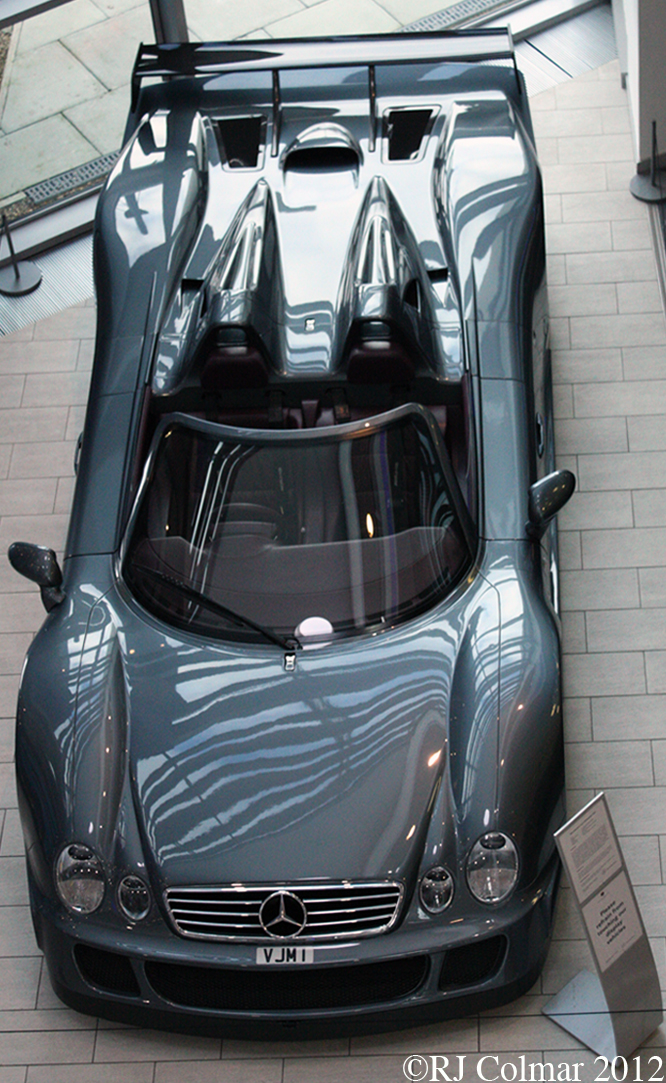
Back in December I related in a Ferrari Friday blog the story of the Sultan of Brunei and his six Ferrari 456 GT Venice cars purchased for a cool $7 million seems that around the same time the good Sultan purchased two Mercedes Benz CLK GTR’s one of the 20 Coupés in Silver the other one of six Roadster’s in blue both easily identified because they are the only two CLK GTR cars fitted with Right Hand Drive, making the car in the foyer unique of it’s type. The Sultan will have paid a minimum of $3 million in 1999 for the two CLK GTR’s when he sold them at auction ten years later he only got just short of $1.8 back for the pair.

View Suspended II, Mercedes Benz World

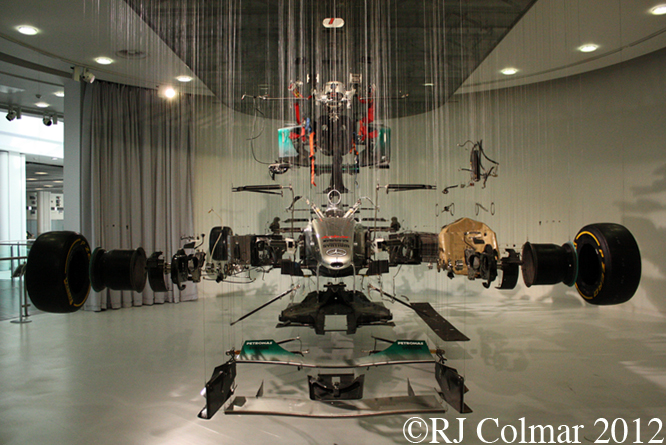
Mercedes Benz World has a surprising amount of art on display qualifying as the wildest in my humble opinion is View Suspended II by Dutch artist Paul Veroude which features 3200 components which nominally go to making a Mercedes AMG Petronas Formula One™ Team car suspended from the ceiling, although the parts do swing in the wind they are held reasonably securely in place by steel wires which took ten people a week to hang.

Mercedes-Benz SLS AMG, Mercedes Benz World

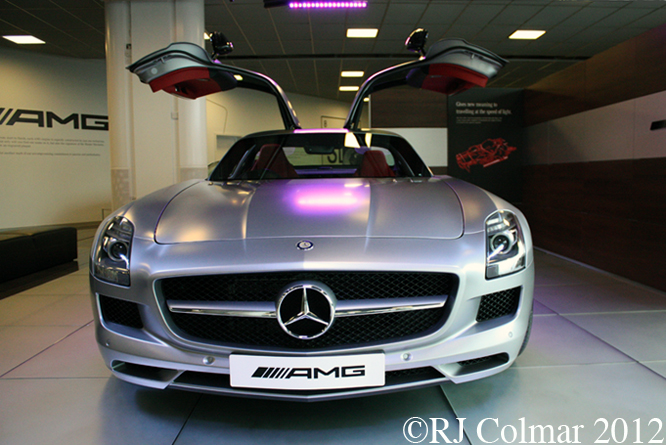
It would be difficult to end this little over view of Mercedes Benz World with anything other than a range topper, unfortunately the Maybach’s in the service center were all privately owned so I hope you enjoy dribbling with me onto your keyboard while taking in the Mercedes Benz SLS AMG which went on in the United States last year for ‘less than $200,000’, so it should be well within the reach of your average jackpot winning lottery winner.

Thanks for joining me on this ‘Oh Lord !’ edition of ‘Gettin’ a li’l psycho on tyres’, I hope you will join me again tomorrow. Don’t forget to come back now !

Share

Meica Red 908 – Bertone X1/9

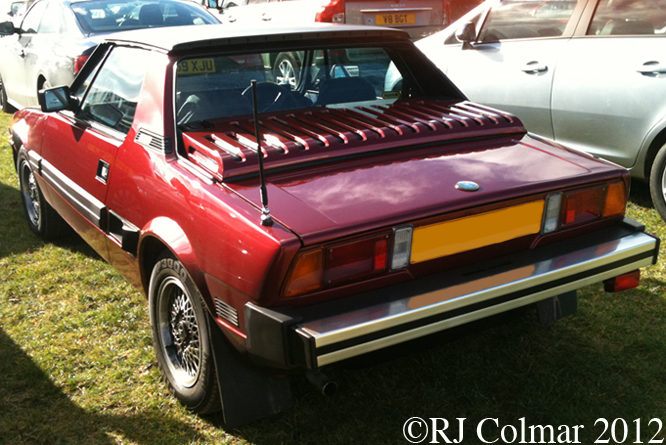
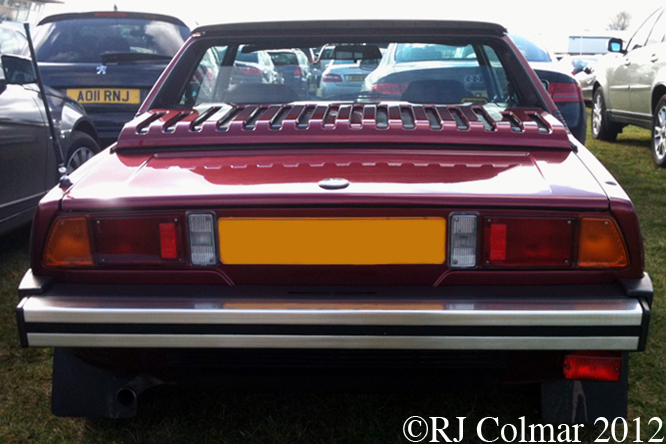
Marcello Gandini working for the Bertone studio is credited with designing the FIAT X1/9 which was based on the futuristic boat inspired Autobianchi A112 Runabout of 1969.

Bertone X 1/9, Race Retro

FIAT launched the X 1/9 in 1972 with Bertone responsible for building the monocoque body at it’s Torino factory and FIAT’s Lingotto factory responsible for the final assembly.

Bertone X 1/9, Race Retro

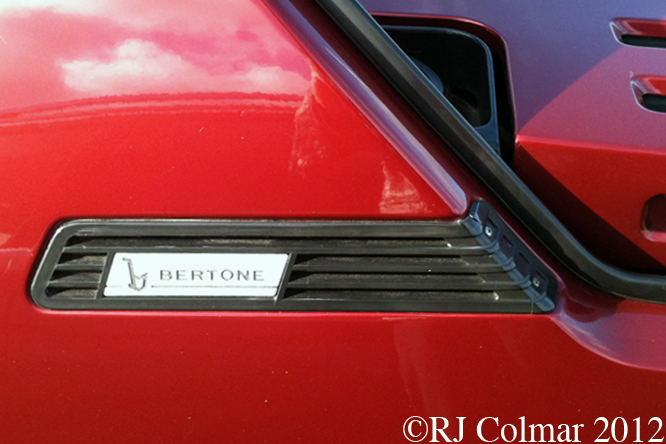
With 140,500 units produced unto 1982, FIAT handed over the final assembly responsibilities and marketing for the X 1/9 to Bertone in 1982. Bertone continued to develop the X 1/9 applying rust protection and revised seating to accommodate taller driver. 19,500 X 1/9’s were manufactured with Bertone badges.

Bertone X 1/9, Race Retro

The X 1/9 featured a rear mounted 4 cylinder transverse motor and transmission taken from the 1970 European Car of the Year Award wining front wheel drive FIAT 128 featuring and iron block and alloy head with a single overhead camshaft.

Bertone X 1/9, Race Retro

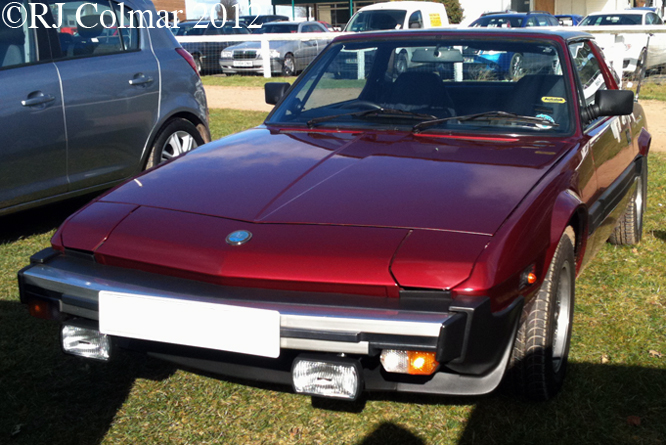
This 1989 example would appear to be painted Meica Red 908 a paint code borrowed form the Volvo colour palate which was used on the rare Volvo 780 Coupé which was also built by Bertone at the same time.

Bertone X 1/9, Race Retro

The longitudinally compact transverse mid engine and transmission layout not only gave the car excellent handling characteristics but also luggage space under the bonnet hood in the front and in the boot / trunk behind the engine.

Thanks for joining me on this ‘Meica Red 908’ edition of ‘Gettin’ a li’l psycho on tyres’, I hope you will join me again tomorrow. Don’t forget to come back now !

Share

Open Wheel Trainer – Lotus 31 Ford

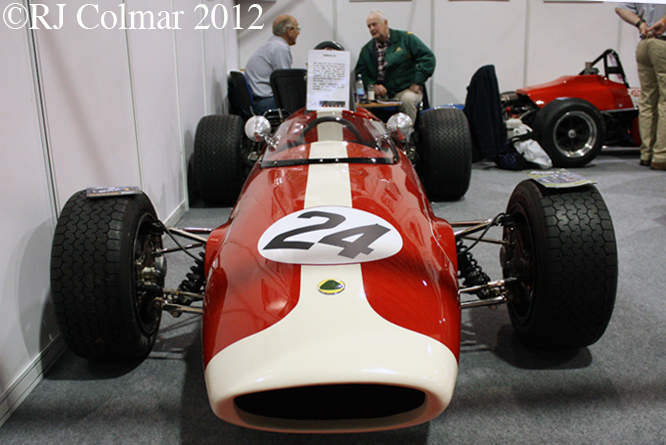
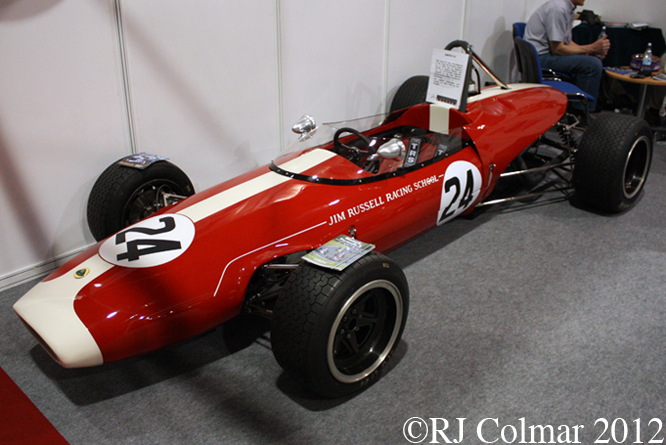
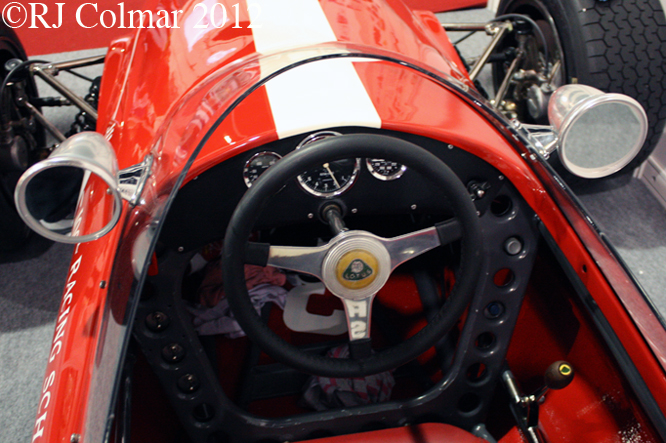
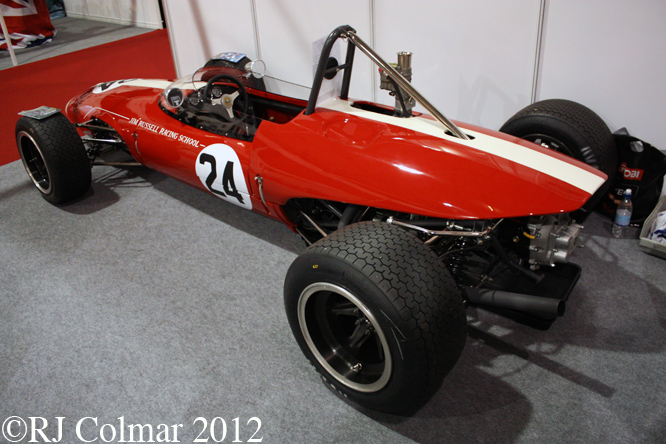
The Lotus 31 was built to comply with the new for 1964 Formula 3 regulations which replaced the previous Formula Junior.

Lotus 31 Ford, Race Retro

Featuring a space frame chassis similar to the Lotus 22 the 31 was outclassed by new Formula 3 cars built with monocoque chassis, disappointingly only 12 Lotus 31’s were built in 1964/65.

Lotus 31 Ford, Race Retro

However the simple construction and low price meant the Lotus 31’s were ideal training cars and in 1966 19 Lotus 31’s were built with the chassis numbers starting 22-F3-.

Lotus 31 Ford, Race Retro

Motor Racing Stables at Brands Hatch and Jim Russell Racing Drivers School at Snetterton, took delivery of four and five of these cars respectively.

Lotus 31 Ford, Race Retro

Power for the Lotus 31 came from a 997 cc 60.8 cui Ford Cosworth tuned Ford 109E motor that gave 97 hp at 8000 rpm. Andrew Thorpe’s ex- JRRDS school seen here at Race Retro was restored by Jon Waggitt.

Thanks for joining me on this ‘Open Wheel Trainer’ edition of ‘Getting’ a li’l psycho on tyres’, I hope you will join me again tomorrow. Don’t forget to come back now !

Share

On Luck – Ferrari 312 #0007

With the introduction of the 3 litre / 183 cui Formula One regulations in 1966 Ferrari not only found themselves unprepared they were also desperately underfunded in part due to Enzo’s withdrawal from a deal with Ford and in part because Ferrari had to spend a lot of money on his sports car programme to try in vane to stop a Ford steamroller from whipping him off the Le Mans scoreboard.
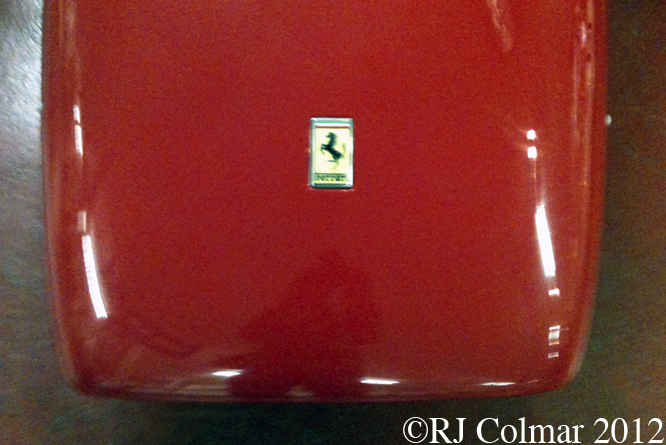
Ferrari 312/67, Donington Grand Prix Collection

In order to maintain a presence in Formula One under the new 3 litre rules a 24 valve 3.3 litre 201 cui V12 design from the Ferrari 275P2 sports car programme was modified to the meet lower 3 litre / 183 cui engine capacity regulations and installed into the first of a long line of Grand Prix Ferrari’s designed by Mauro Forghieri.
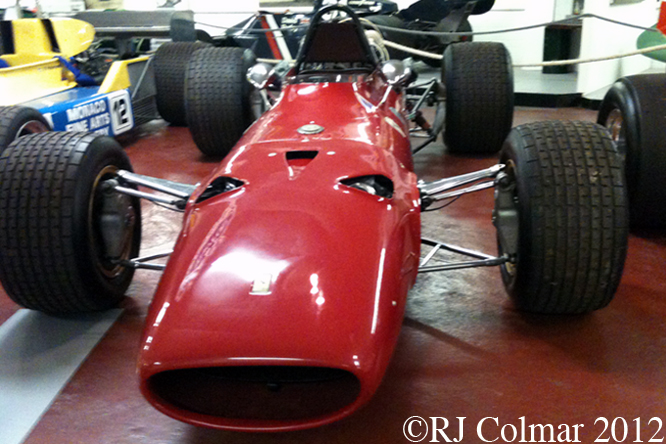
Ferrari 312/67, Donington Grand Prix Collection

Despite the heavy old sports car engine in the back Ferrari were one of the few teams to have an engine of the correct size when the 1966 season got under way many teams were giving away between 45 cui and 90 cui in engine capacity just to make the grid.
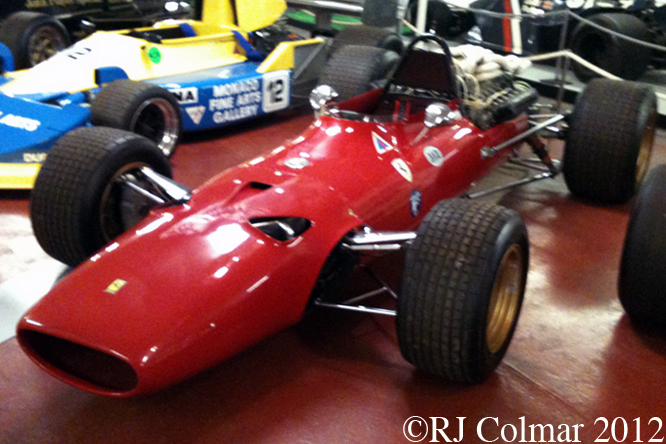
Ferrari 312/67, Donington Grand Prix Collection

1964 World Champion John Surtees started and 1966 as Ferrari’s team leader but he fell out with Ferrari’s management after winning the Belgian Grand Prix and before starting the Le Mans 24 hours, however Ferrari still finished the season a respectable 2nd in the Constructors Championship thanks to a win in Italy and a couple of second place finishes, beating John Surtees new Cooper Maserati team by a single point despite missing a couple of races.
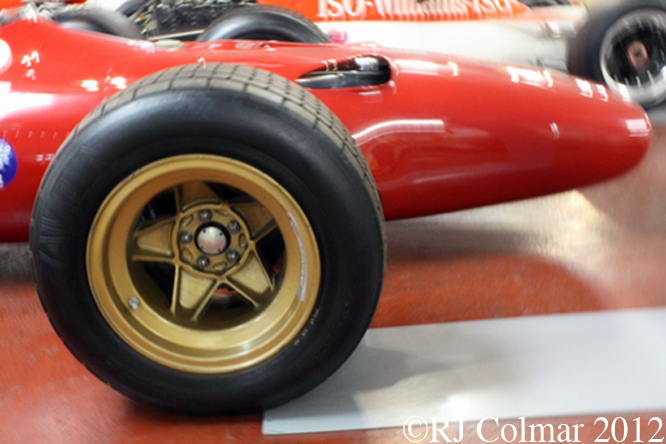
Ferrari 312/67, Donington Grand Prix Collection

For 1967 the 1966 cars were improved and chassis 0007, seen here recently at the Donington Grand Prix collection, was the last of 4 new Grand Prix cars Ferrari built in 1967, Chris Amon was hired to drive alongside Lorenzo Bandini, at Monaco Bandini qualified 2nd but an fiery accident during the race proved fatal and Chris Amon could only manage a string of four seasons best 3rd place finishes on the way to fifth in the championship for himself and his team, before taking over chassis #0007 towards the end of the season.
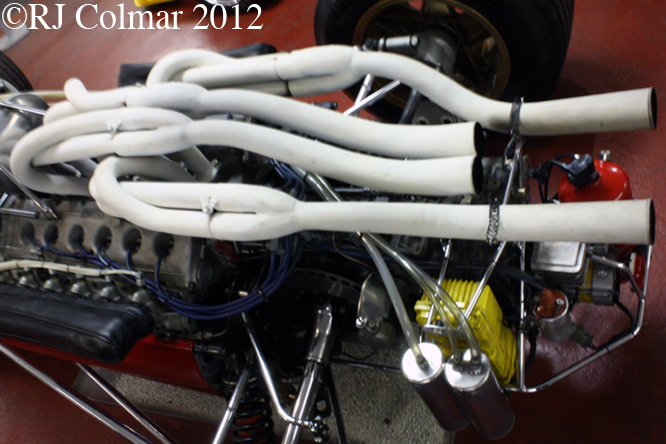
Ferrari 312/67, Donington Grand Prix Collection

In 1968 0007 was used again by Chris Amon and he won pole positions in Belgium and Holland with it but the season was a disaster for the driver who only succeeded in cementing his reputation as the unluckiest driver in Grand Prix racing with a seasons best 2nd place finish, in a newer ’68 spec 312, and a string of 7 retirements from 11 starts.
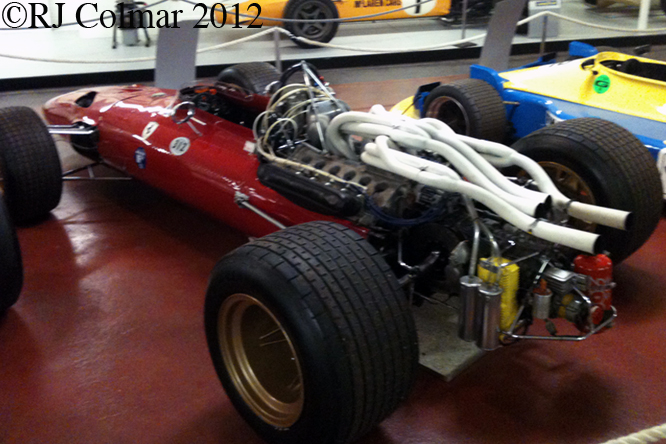
Ferrari 312/67, Donington Grand Prix Collection

1966 Le Mans winner, with Bruce McLaren in a Ford, Chris Amon never did win a Grand Prix despite starting 5 of his 108 Grand Prix from pole position, he has always maintained that he was lucky simply to have survived what is generally considered to have been the most dangerous period in racing, a point starkly backed up by the stat that 8 of the 24 starters in the 1963 Belgian Grand Prix where Chris made his debut did not see out the decade thanks to accidents at the wheel of racing cars.
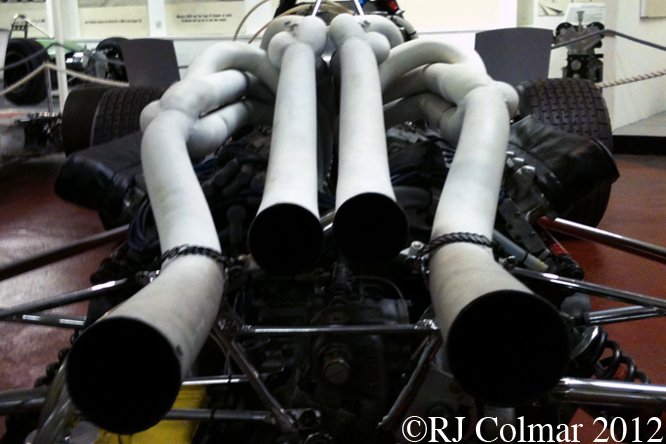
Ferrari 312/67, Donington Grand Prix Collection

The last person to drive 0007 in period was future sports car giant Derek Bell who started the non Championship Gold Cup and championship United States Grand Prix in this chassis but did not finish either event.

Thanks for joining me on the ‘On Luck’ edition of ‘Gettin’ a li’l psycho on tyres’, I hope you will join me again tomorrow. Don’t forget to come back now !
Share

Personal Luxury – Ford Thunderbird Continental

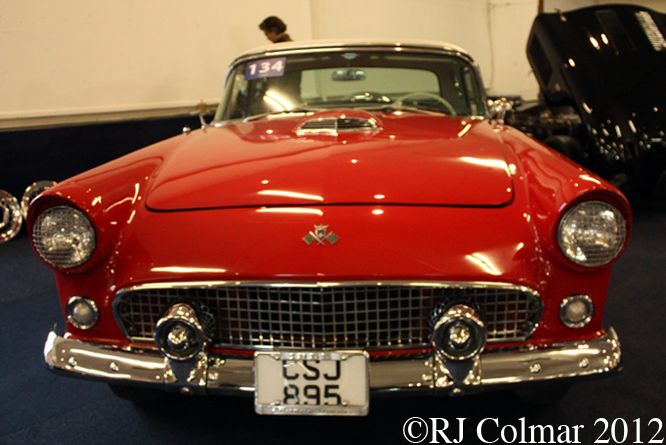
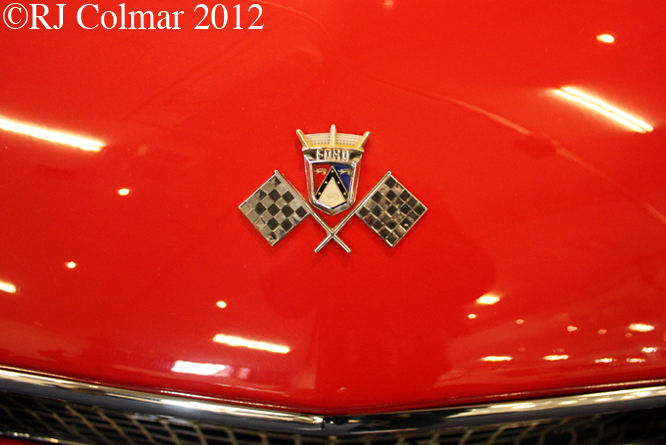
Following the announcement of the Chevrolet Corvette sports car in 1953, Ford responded by developing the Ford Thunderbird which was differentiated from the Corvette by it’s emphasis on luxury and comfort over performance.

Ford Thunderbird, Race Retro

Former GM Executive Lewis D. Crusoe and Ford Stylist George Walker found inspiration for the Thunderbird design from a sports car they saw in Paris. They worked with Ford Designer Frank Hershey on the two seater.

Ford Thunderbird, Race Retro

Ford Stylist Alden Gibberson was given a Saks suit complete with 2nd pair of trousers as his reward for coming up with the Thunderbird name which was first seen in public at the Detroit Motor Show in early 1954 and went in to production for the 1955 model year.

Ford Thunderbird, Race Retro

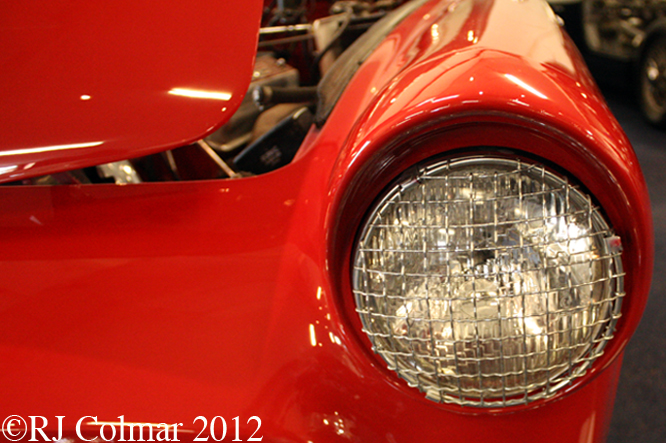
Despite many competition features like the stone guard grill over covering the front head lights the original Thunderbird was not intended for competition use.

Ford Thunderbird, Race Retro

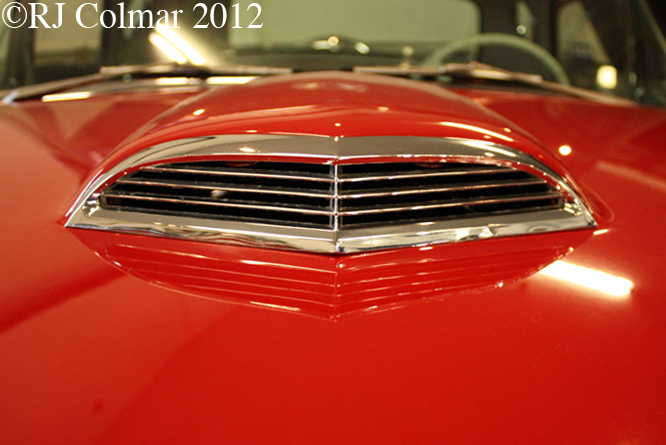
The intake on the bonnet / hood is just for show, as was the 150 mph speedometer fitted to the first series Thunderbirds which had a top speed of around 100mph.

Ford Thunderbird, Race Retro

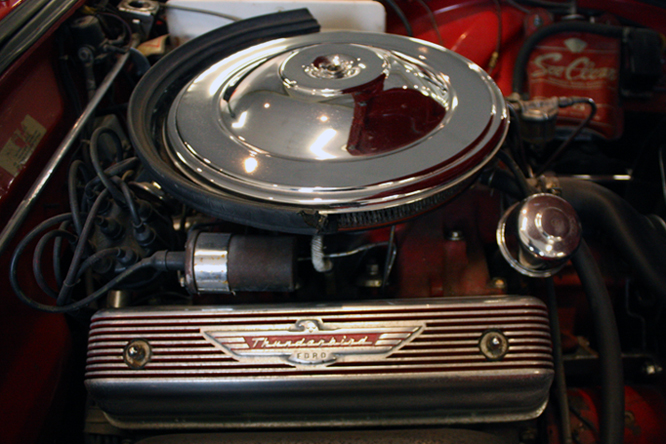
The distinctive Thunderbird rocker covers belie the fact that the 190 hp 4.8 litre / 292 cui Y block V8 was sourced from Fords Mercury division.

Ford Thunderbird, Race Retro

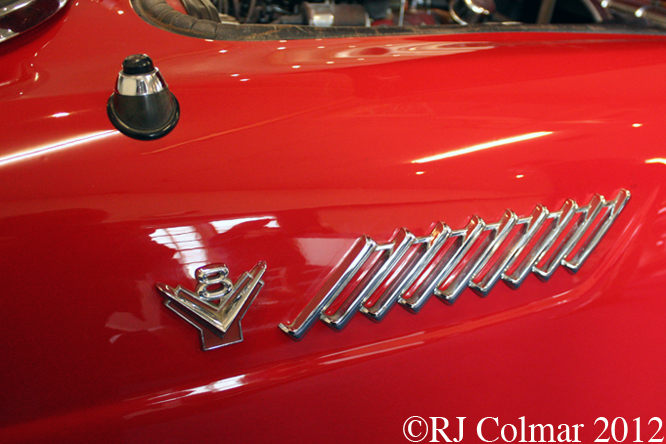
The detailing is typical of 1950’s dream cars note the V8 badge incorporates the Y which denotes the engine type.

Ford Thunderbird, Race Retro

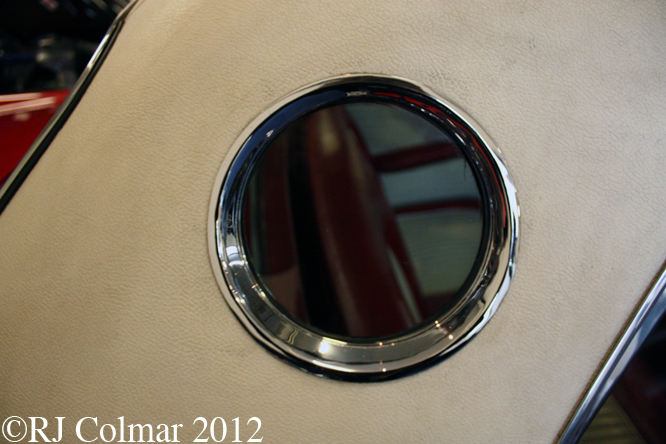
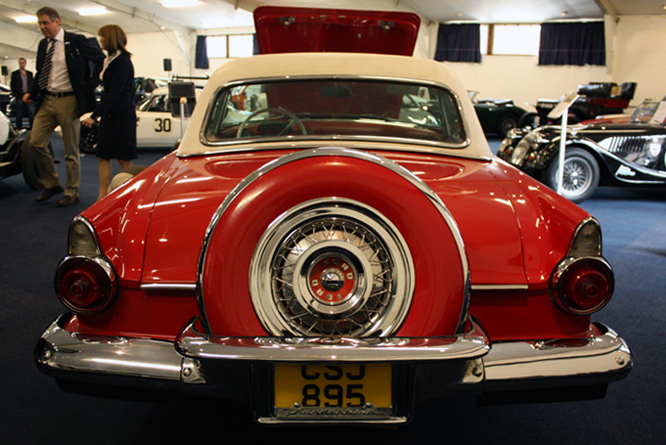
As I understand it the removable glass fiber hard top was part of the Continental option package …

Ford Thunderbird, Race Retro

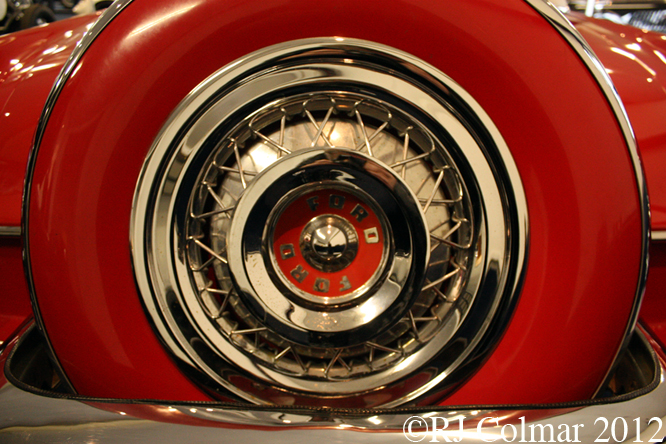
as was the bumper mounted spare wheel.

Ford Thunderbird, Race Retro

The first series Thunderbird out sold it’s Corvette competitor 20 fold with over 16,000 unit’s produced in the first year of production.

Thanks for joining me on this ‘Personal Luxury’ Edition of Gettin’ a li’l psycho on tyres’, I hope you will join me again tomorrow. Don’t forget to come back now !
Share