Tag Archives: GALPOT

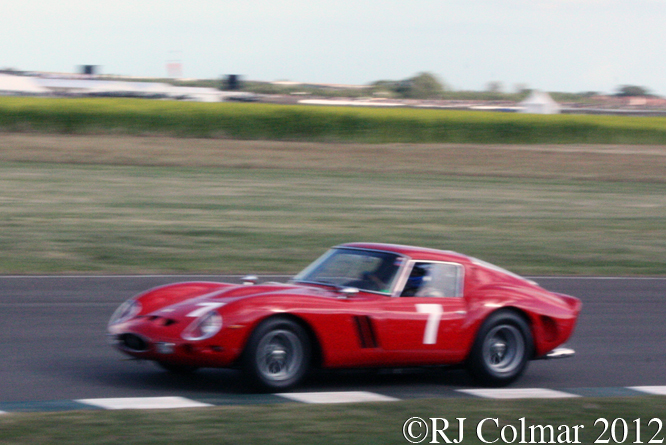
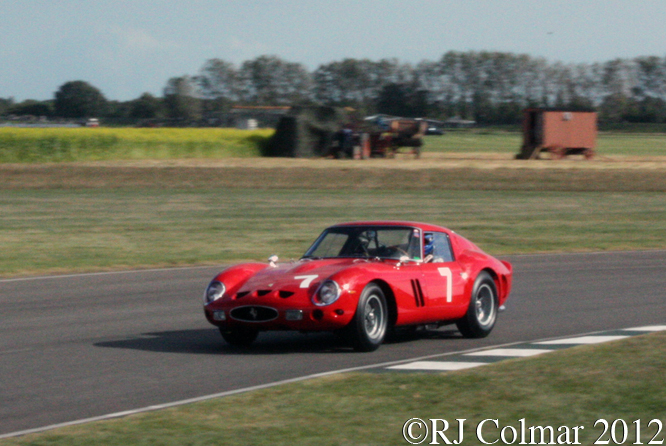
Au Danger, Mon Plaisir – Ferrari 250 GTO Berlinetta #3607GT

On June 6th 1962 Ferdinando “Nanado” Pagliarini took delivery of today’s featured Ferrari 250 GTO Berlinetta chassis #3607, he used it to compete in at least nine events up until November 1963, in which he won his class at least 4 times in Hillclimb events.

By the following season #3607 had been acquired by Ecurie Francochamps who entered the car in the 1964 Tour de France for Claude Dubois and Philippe de Montaigu who finished 8th overall and 3rd in class. Portuguese driver António Peixinho next drove the car to 5th place in the 1964 Angola Grand Prix.

Ferrari 250 GTO Berlinetta, Goodwood Revival

Philippe de Montaigu bought the car in 1965, Philippe was married to junior French Tennis Legend Annie Soisbault who at 21 had turned her hand to professional rallying and racing “because I did want to be dependent on my parents”. During her competition career she would occasionally be accompanied by her cheetah, Annie’s motto was ‘In danger, my pleasure”.

In 1965 Annie drove chassis #3607 to an overall win in the Grand Prix of Paris before crashing the car into a bridge on the Mont Ventoux Hillclimb. Alongside her competition career Annie sold Aston Martin’s to the likes of Eddie Barclay, Johnny Hallyday, Régine, Françoise Sagan and his brother Jacques Quoirez.

Ferrari 250 GTO Berlinetta, Goodwood Revival

#3607 passed into the hands of Jean-Michel Giorgi after the crash and his best of four known outings resulted in a class win on the the 1965 Agaci Rallye held in Reims.

The car remained in France until 1987 when it went to the USA. In 1990 it went under the hammer for $9,588,780 plus commission but the winning bidder never paid, the following year it sold for £6,900,000 to a Swiss gentleman who swapped it for a Ferrari P3/4 the following year.

#3607 is seen in these photographs taken during last years 50th Anniversary 250 GTO demonstration at Goodwood Revival driven by R Walton.

Thanks for joining me on this “Au Danger, Mon Plaisir” edition of “Gettin’ a li’l psycho on tyres” I hope you will join me again tomorrow. Don’t forget to come back now !

Share

Closing In On Packard – Cadillac Series 62 Coupé

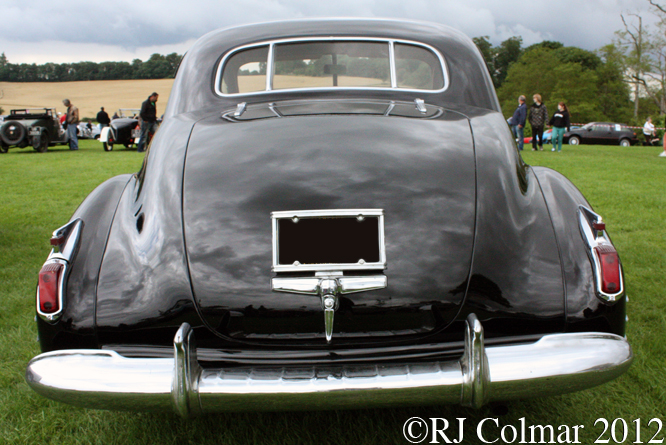
In 1940 the Cadillac Series 62 replaced the Series 61 as the entry level model in the Cadillac line up.

Buick Series 62 Coupé, Classics at the Castle, Sherborne

Sales of 5903 torpedo bodied ’40 Series 62 models accounted for 45% of Cadillac sales.

Buick Series 62 Coupé, Classics at the Castle, Sherborne

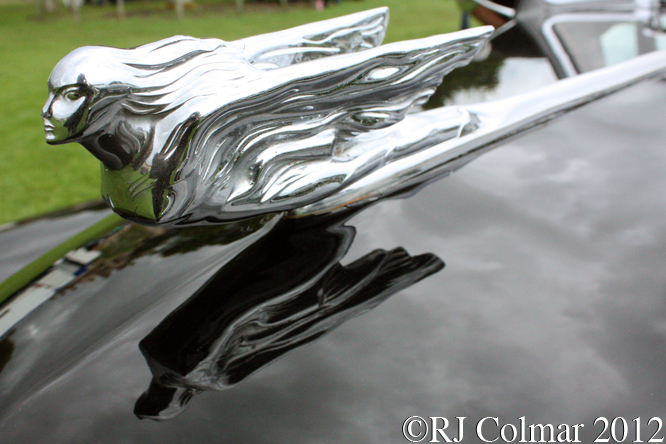
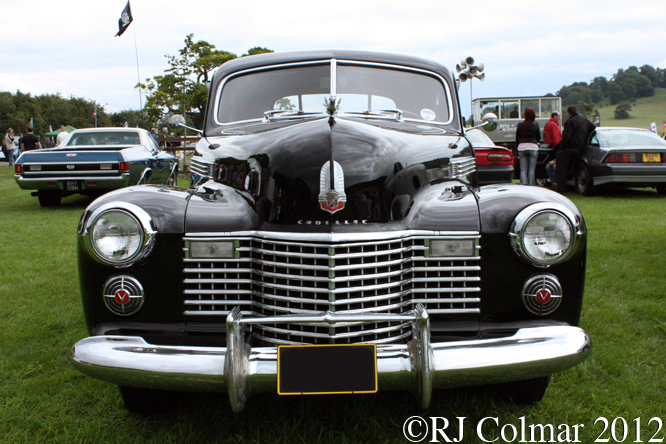
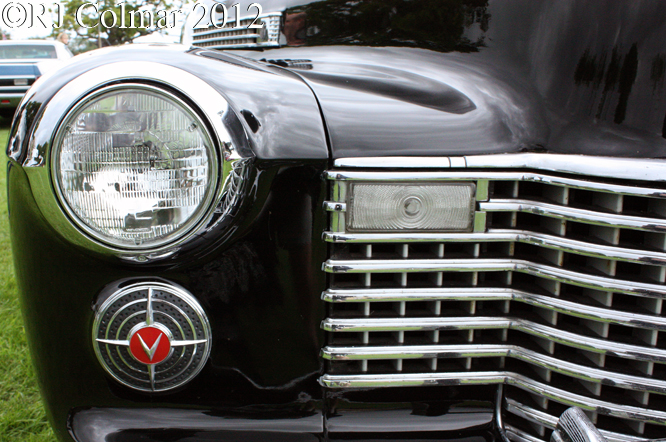
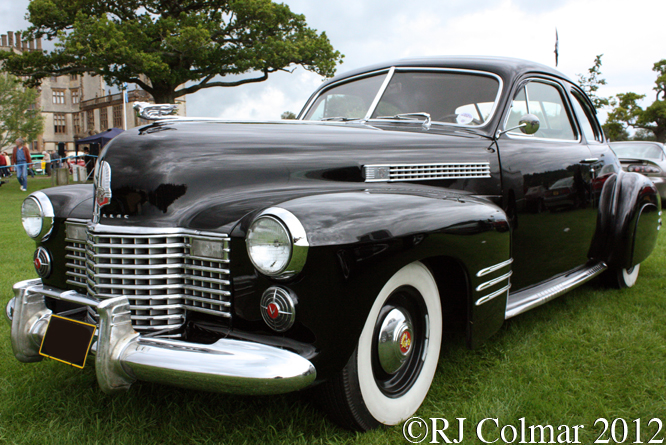
For 1941 the Series 62 received a dramatic face lift gone was the rounded vertical grill and in came the the horizontal rectangular grill into which parking lights were incorporated.

Buick Series 62 Coupé, Classics at the Castle, Sherborne

The headights which were mounted on the wings / fenders of the ’40 Series 62 were integrated into the wings / fenders of the ’41 Series ’62.

Buick Series 62 Coupé, Classics at the Castle, Sherborne

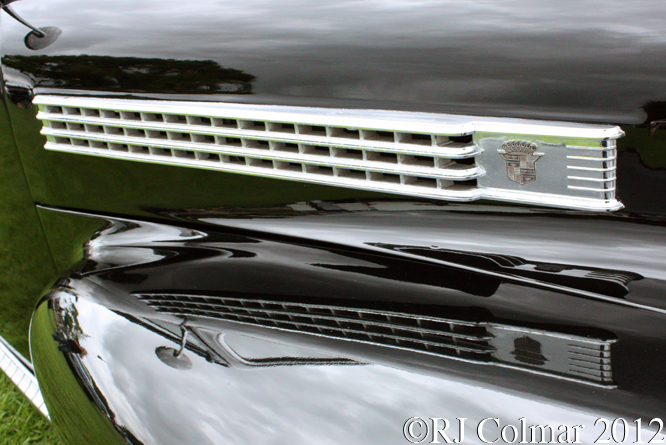
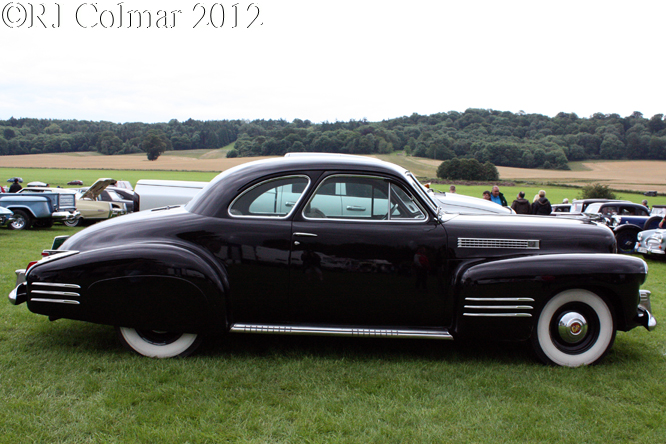
A single rectangular louvre on the side of the bonnet / hood replaced the twin louvre’s of the older model giving the vehicle a fresher and smarter appearance.

Buick Series 62 Coupé, Classics at the Castle, Sherborne

The ’40/’41 Fisher body cars shared the same platform as the Buick Roadmaster/Super, Oldsmobile Series 90 an Pontiac Torpedo but had a 5 inch wider cabin space because the body was taken out to where the running boards were on the Buick, Olds and Pontiac models.

Buick Series 62 Coupé, Classics at the Castle, Sherborne

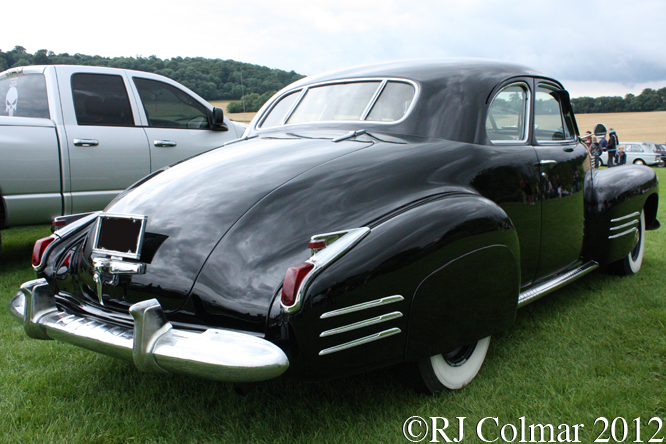
The 5 inches of extra width meant that the Series 62 could seat three up front and three more in the back.

Buick Series 62 Coupé, Classics at the Castle, Sherborne

All ’41 Cadillacs shared the same 5.7 litre / 346 cui L head V8 which produced 150 hp.

Buick Series 62 Coupé, Classics at the Castle, Sherborne

Sales of the ’41 more than quadrupled the previous years numbers to 24,734 which accounted for 37% of Cadillacs 62,290 sales just 7,000 short of premium market leader Packard.

Thanks for joining me on this “Closing In On Packard” edition of ‘Gettin’ a li’l psycho on tyres” I hope you will join me again tomorrow. Don’t forget to come back now !

Share

Palm Springs – Desert Classic Concours d’Elegance

This year the Desert Classic Concours d’Elegance moved to the Desert Princess Country Club and Doral Desert Princess Resort in Palm Springs California on February 24th and Geoffrey Horton has kindly sent sent today’s selection of photographs to us an overview of some of the vehicles present.

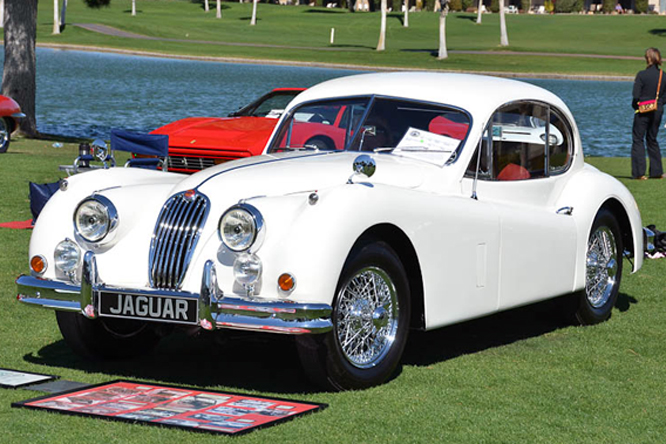
Jaguar XK 140 FHC SE, Desert Classic Concours d'Elegance, Palm Springs, CA

Geoffrey own 1955 Jaguar XK140 FHC SE/MC was looking more resplendent than ever in the spring California sun.

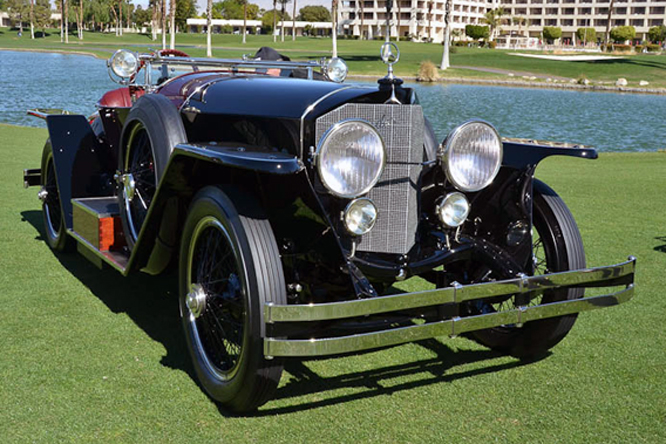
Mercedes Benz 28/95, Desert Classic Concours d'Elegance, Palm Springs, CA

When I saw this photo of a 1923 Mercedes Benz 28/95 I wondered if it was perhaps a creation from Gary L Wells workshop but in fact this beast with a 7.2 litre / 439 cui six cylinder aeroplane motor converted for road use is all the work of Mercedes Benz. The short wheel base version of the roadster, like the one seen here, was originally given the Targa Florio name after Mercedes Benz victories on the torturous Sicilian track in 1921 and 1922.

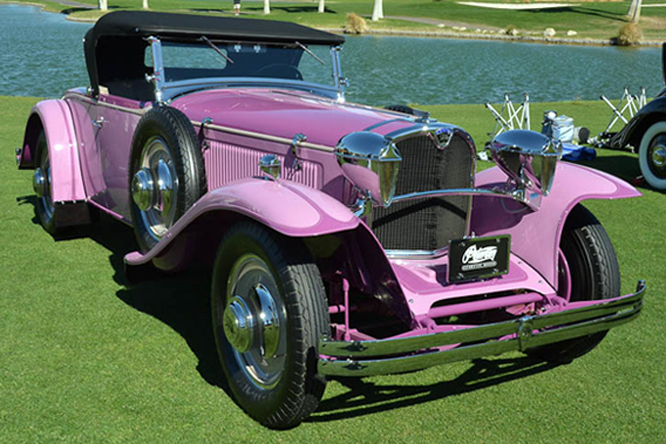
Ruxton Model C, Desert Classic Concours d'Elegance, Palm Springs, CA

Looking similar to a Cord L29 is this 1929 Ruxton Model C which like the Cord L29 has front wheel drive and a straight 8 engine but unlike the Cord L29 of which 4400 examples were built only 500 Ruxton Model C’s are thought to have been built the two tone lilac paintwork is standard for the period.

Marmon V16 Series 144, Desert Classic Concours d'Elegance, Palm, Springs, CA

Last year Geoffrey shared photo’s of a Marmon V16 Limousine, above is the last Marmon V16 sold in 1933, a Coupe version of which just 5 others are thought to remain.

Chrysler Imperial, Desert Classic Concours d'Elegance, Palm, Springs, CA

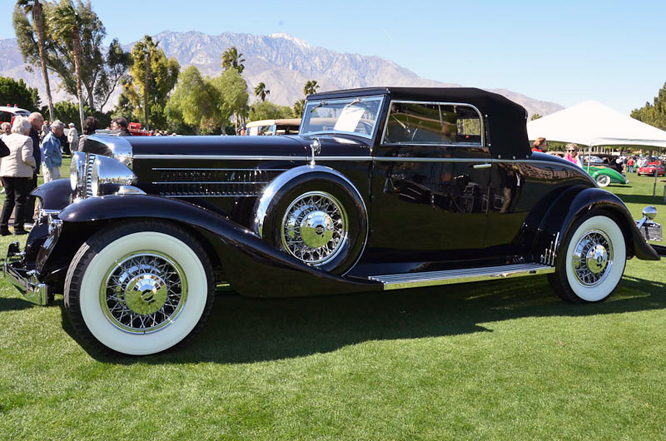
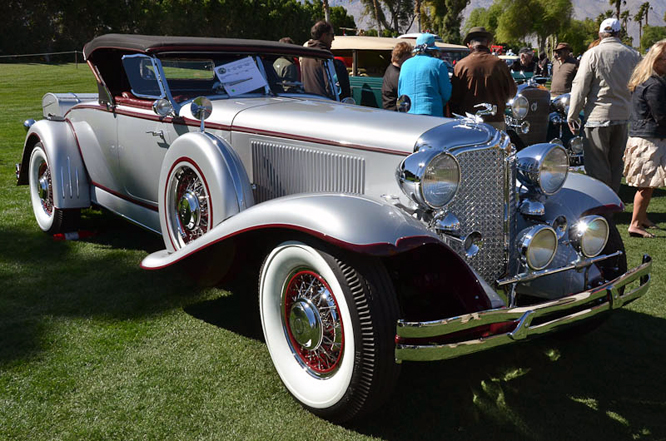
Although powered “only” by a 6.3 litre / 384 cui straight 8 Geoffrey’s car of the show was without question this 1931 Chrysler Imperial which appears to have a sheen just a little brighter than all of the other vehicles seen on the day.

Tucker 48, Desert Classic Concours d'Elegance, Palm, Springs, CA

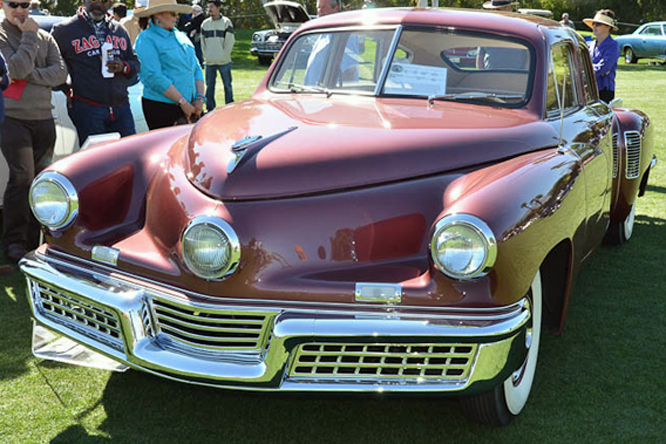
This 1948 Tucker 48 chassis #1003 featuring a motor in the boot / trunk and rear wheel drive is one of 51 built and is expected to fetch between US$1.5 and 1.9 million at auction on March 9th.

Cunningham C3, Desert Classic Concours d'Elegance, Palm, Springs, CA

Moving forward five years this 1953 Cunningham C3 is one of 20 Roadsters built in West Palm Beach, it is fitted with 331 cui Hemi V8 and was shipped to Turin for coachwork to be fitted by Vignale. In addition to the roadsters Cunningham built 5 C3 convertibles.

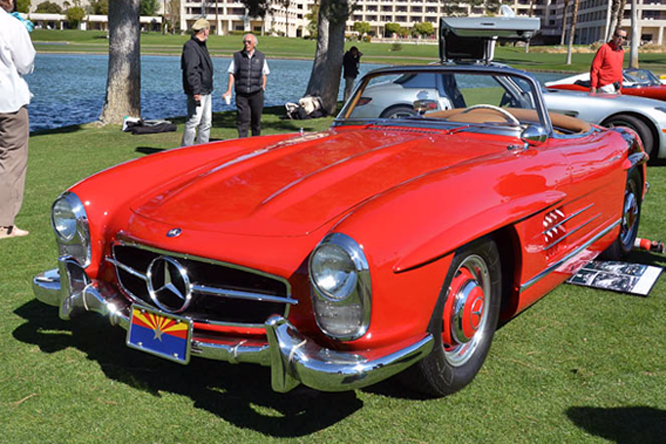
Mercedes Benz 300 SL, Desert Classic Concours d'Elegance, Palm, Springs, CA

This US Spec 1957 Mercedes Benz 300SL Roadster would have originally been distributed by Studebaker Packard Corporation.

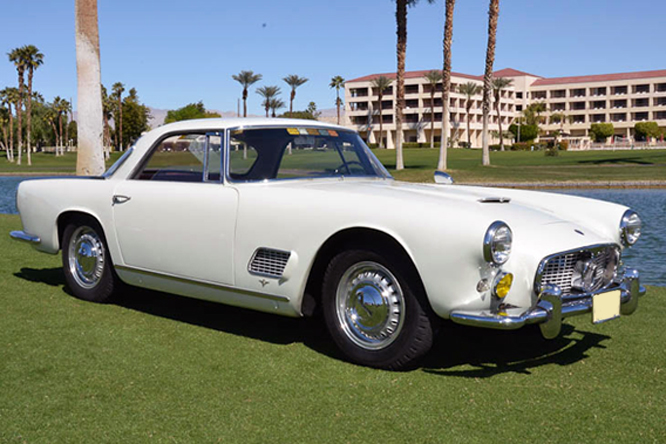
Maserati, 3500 GT, Desert Classic Concours d'Elegance, Palm, Springs, CA

According to the owner of this 1959 Maserati 3500 GT was sold new in Mexico and it “may” have once belonged to left wing Mexican President Adolfo Lopez Mateos.

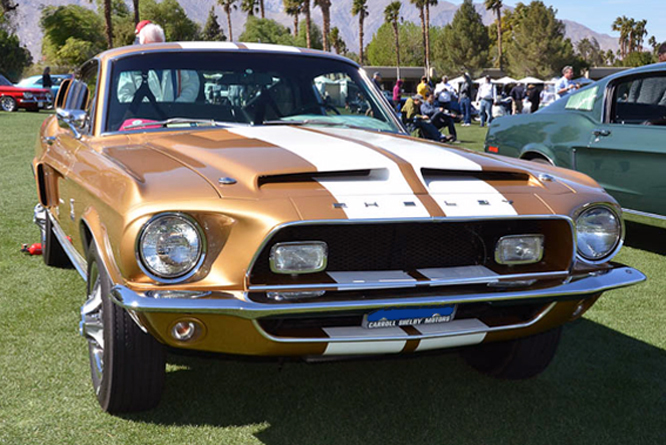
Shelby Cobra GT500, Desert Classic Concours d'Elegance, Palm, Springs, CA

The 1968 Shelby Cobra GT 500 above is fitted with a 428cui interceptor motor and had clocked well over 100,000 miles prior to a two year restoration in 2005, since when it has won a Best in Show award at the 2007 Cobra Owners Concours and been drag raced at California Speedway.

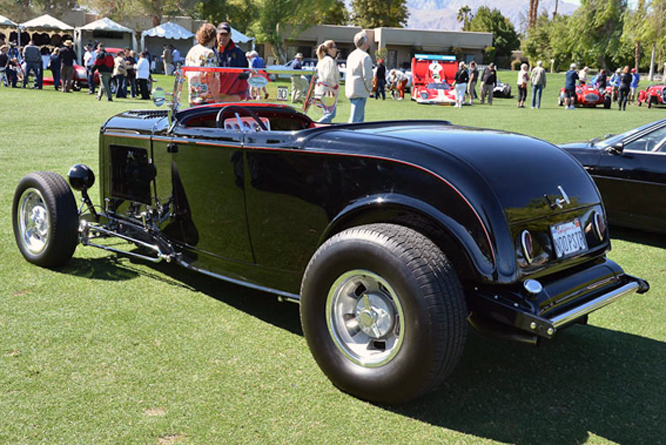
Ford Roadster, Desert Classic Concours d'Elegance, Palm, Springs, CA

Geoffrey tells me the ’32 Ford Roadster above belongs to well known IMSA racer Rick Knoop and packs 400 hp.

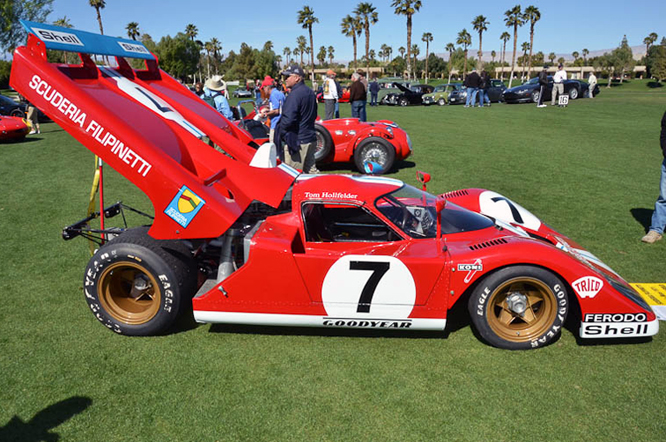
Ferrari 512M, Desert Classic Concours d'Elegance, Palm, Springs, CA

Finally a Friday car this much modified Ferrari 512 S was upgraded to M spec in 1971 and upgraded further by the Filipinetti team with a Porsche 917 windscreen to what has become known as M/F spec. Drivers of the car in period include Ronnie Peterson, Henri Pescarolo, Mike Parkes and Joakim Bonnier.

My thanks to Geoffrey Horton for sharing his photographs and a smidgen of welcome California sunshine.

Thanks for joining me on this “Palm Springs” edition of “Gettin’ a li’l psycho on tyres” I hope you will join me again tomorrow. Don’t forget to come back now !

Share

Two Bearing Crankshaft – Singer 8 Junior

Like many pioneering manufacturers of motor cars Singer Motors Ltd was founded as a manufacturer of bicycles, by George Singer in 1874. By 1901 the company had diversified into producing powered tricycles which were soon followed by powered bicycles. Singer built their first car in 1905. Over the next four Tuesday’s GALPOT will be looking at four models from the interwar years.

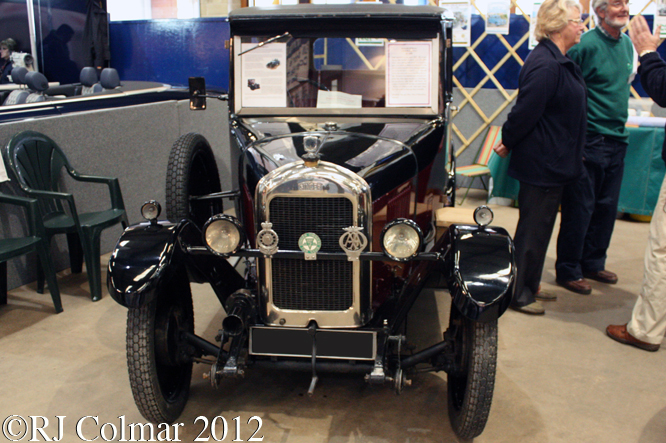
Singer 8 Junior, Bristol Classic Car Show, Shepton Mallet

The Singer 8 Junior was launched in 1926. Initially only a four seat tourer was available, in blue with black wings / fenders.

Singer 8 Junior, Bristol Classic Car Show, Shepton Mallet

For tax purposes the 4 cylinder motor was classed as having 8 horsepower, it featured gravity fuel feed, a crank running in just two bearings, overhead cam shaft, 6 volt electrics, that produced 16.5 hp at 3250 rpm. The motor would be the progenitor of future Singer power units for three decades.

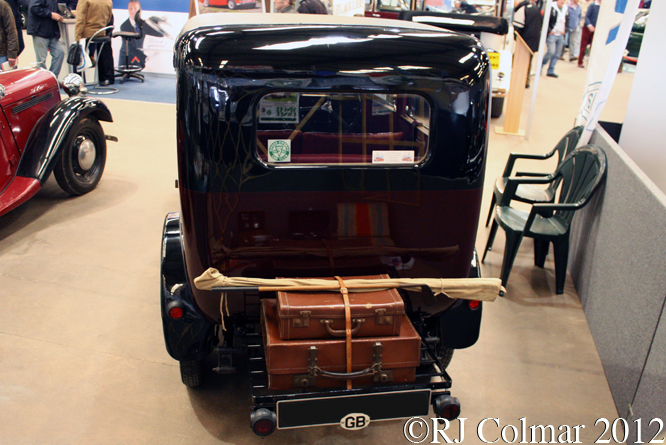
Singer 8 Junior, Bristol Classic Car Show, Shepton Mallet

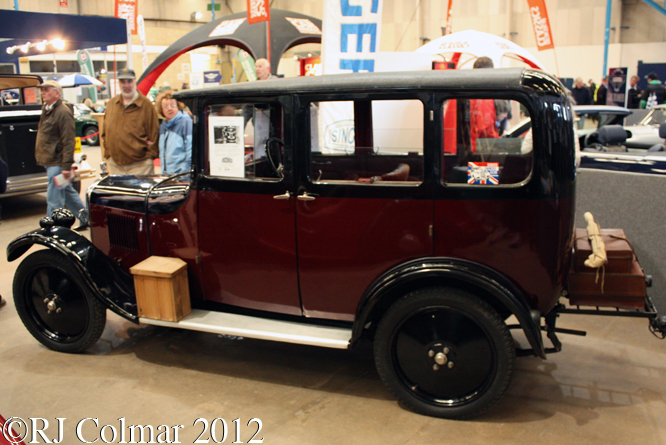
Eventually a range of different body styles were offered including Two Seater Tourer, Sunshine Saloon, Coachbuilt Saloon as seen here, Fabric Saloon, a two plus two called the Sportsman’s Coupe and a boat-tailed Sports which helped sell 6000 8 Juniors a year between 1927 and 1931 which made Singer the third largest manufacturer in the UK behind Austin and Morris.

Singer 8 Junior, Bristol Classic Car Show, Shepton Mallet

There were plans for the German Aga “Aga Fahrzeugwerke GmbH” company to manufacture Singer 8 Juniors under license, in much the same way as BMW manufactured the Austin 8 under license, but these plans came to naught, after a single prototype had been built Aga disappeared.

Today’s featured 1928 saloon / sedan was purchased by the current owners in 2009 at the Bristol Classic Car Show in Shepton Mallet, it is known to have resided in Cornwall and Surrey about 20 years ago. The owners say the car is great fun to drive “and we always get there eventually.”

Thanks for joining me on this “Two Bearing Crankshaft” edition of “Gettin’ a li’l psycho on tyres” I hope you will join me again tomorrow. Don’t forget to come back now !

Share

Hydraulic Brakes – Ford One Ton Pick Up

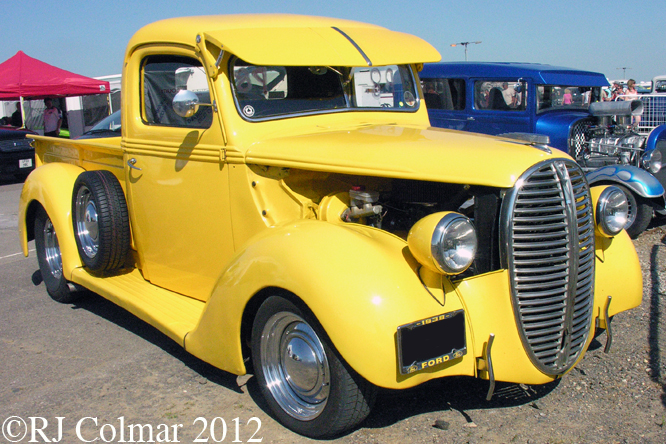
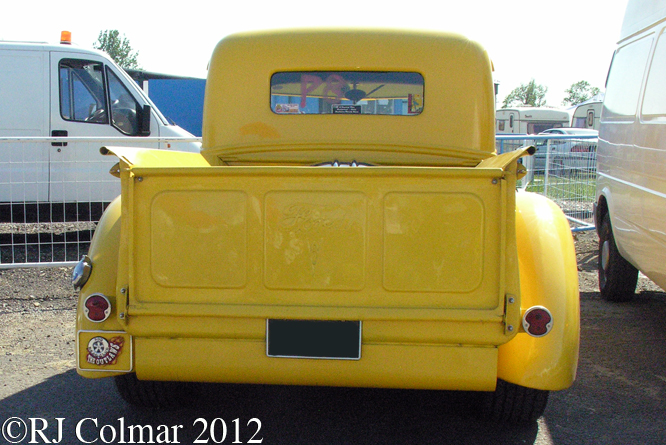
1939 saw Ford introduce numerous changes to it’s pickup range including the introduction of hydraulic brakes which most manufacturers had adopted many years earlier.

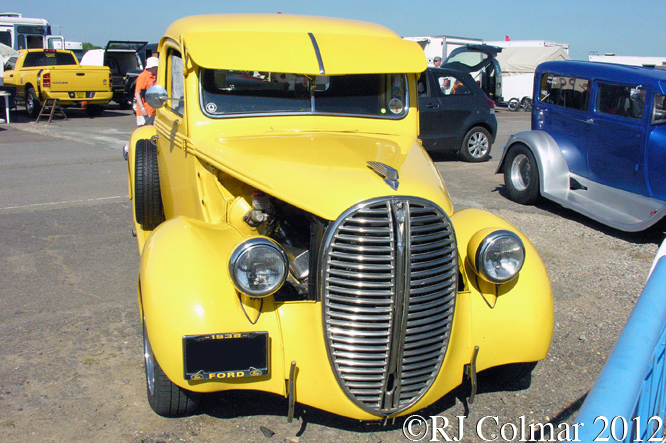
Ford 1 Ton Pickup, Shakespeare County Speedway

From the front the ’38 Ford Pickup’s were identifiable by the new oval grill, this feature was carried over into 1939. It would appear the grill on this vehicle is a ’38 type distinguished by the V8 logo below the mascot which doubles as the bonnet and hood release. The short base of the ornament on this vehicle indicates that it too is a ’38 item.

Ford 1 Ton Pickup, Shakespeare County Speedway

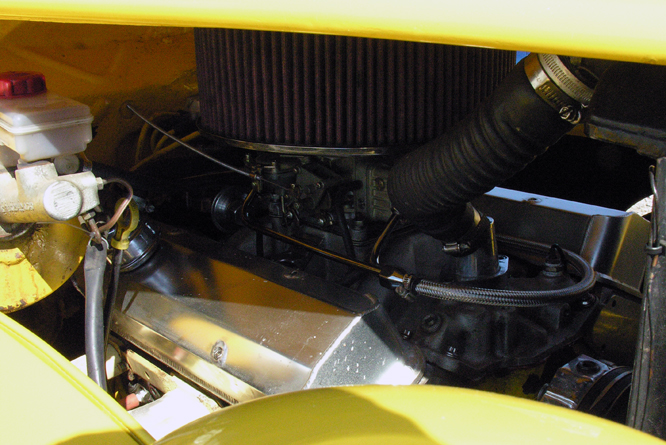
The brake master cylinder can be clearly seen attached to the front bulkhead on this particular vehicle.

Ford 1 Ton Pickup, Shakespeare County Speedway

Gone is the original 85 hp flat head V8 the motor under the bonnet / hood here is officially quoted as being 5.3 litres / 323 cui.

Ford 1 Ton Pickup, Shakespeare County Speedway

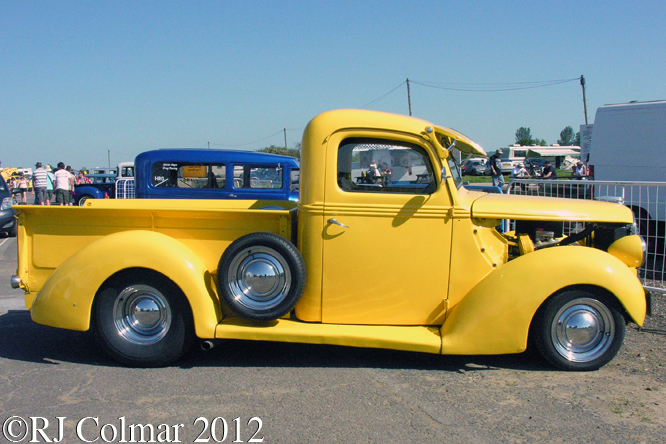
1938 saw the introduction of the 1 ton pick up to partly fill the gap between the 1 1/2 ton and half ton market segments in 1939 saw the introduction of the 3/4 ton size to cover all the pickup size bases.

Ford 1 Ton Pickup, Shakespeare County Speedway

By 1939 Ford was offering it’s truck in seven different colours, not sure if canary yellow would have been one of them but if you do please chime in below.

Ford 1 Ton Pickup, Shakespeare County Speedway

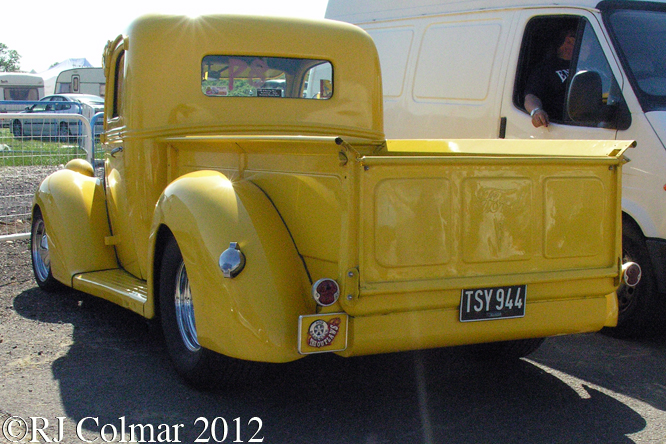
Amongst the options offered to ’39 Ford pickup customers were radio, heater, and passenger side windscreen wiper.

Thanks for joining me on this “Hydraulic Brakes” edition of “Gettin’ a li’l psycho on tyres” I hope you will join me again tomorrow. Don’t forget to come back now !

Share

The Green Batmobile – Ensign Cosworth N173 #MN01

1973 was the year in which my interest for motor racing and particularly Grand Prix motor racing ramped up from excited enthusiast to bordering, and some might say well exceeding, obsessive.

I thought it would be fun for the five Sundays in March to share the 40th anniversary of my passion for international motor racing with you by looking at five Grand Prix cars that took part in the 1973 season.
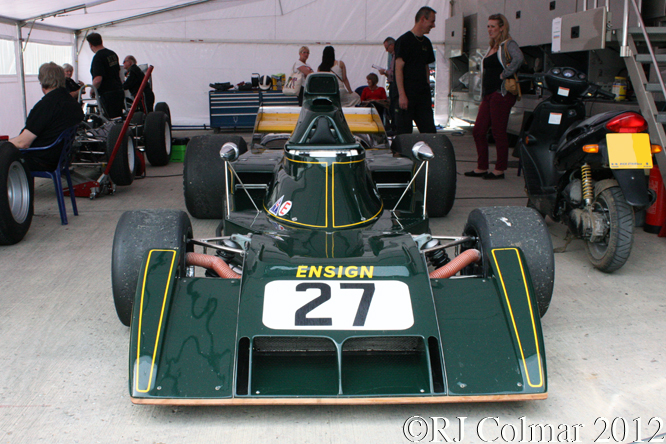
Ensign Ford N173, Silverstone Classic

The first car in this series of five Sunday blogs is the Ensign N173, it did not appear until 1973 French Grand Prix half way through the season, but I remember the first time I set eye’s on a picture of it printed in a copy of Motorsport I had an extremely affirmative WOW ! Looks like a green Batmobile, reaction to both it’s shape and colour scheme which was unspoiled by any concessions to commercial considerations quite simply because the team had no sponsor.
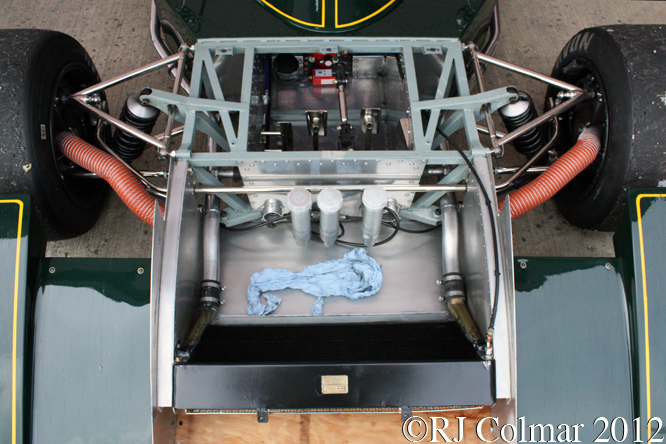
Ensign Ford N173, Silverstone Classic

Morris ‘Mo’ Nunn had progressed as far as the works Lotus Formula 3 team by 1969 when he decided his future lay not in the driving seat but as a manufacturer of racing cars. He started building his first car to the third tier Formula 3 regulations in his immaculately prepared garage behind his house in Walsall.

By 1971 the Ensign was up and running and Bev Bond won a race, with the space frame chassis car that featured Lotus 59/69 front up rights and Brabham magnesium rear uprights, fourth time out at Brands Hatch.
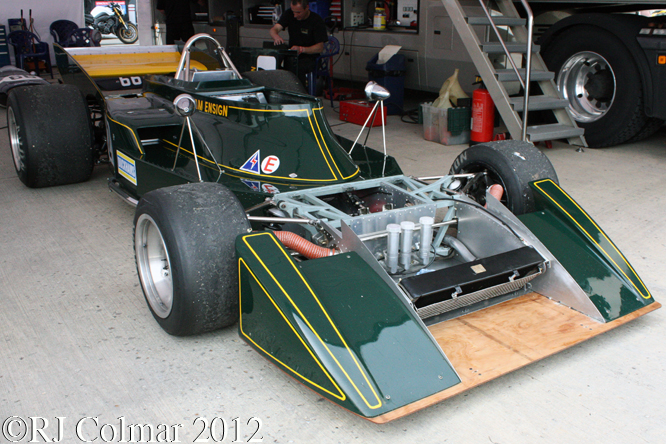
Ensign Ford N173, Silverstone Classic

In 1972 Rikky von Opel, son of rocket car pioneer Fritz von Opel and grandson of Opel car manufacturer Adam Opel joined Mo Nunn’s Formula 3 team and together they won the 1972 Lombard North British Formula 3 Championship.

Encouraged by this success “Mo” and Rikky decided to take the step up into Formula One together, despite the fact that they had no commercial backer.
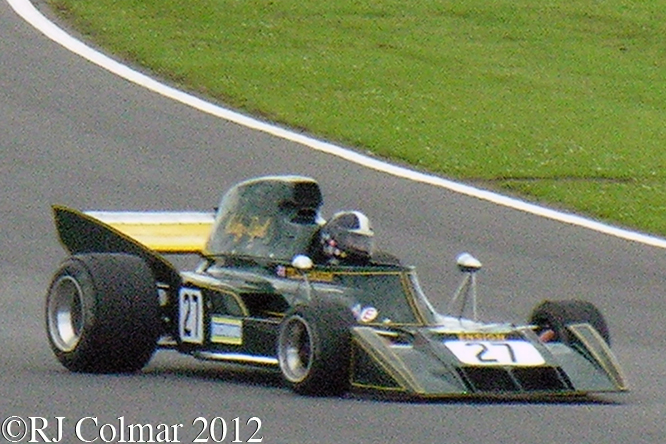
Ensign Ford N173, Silverstone Classic

The Ensign N173 was a typical garagiste’s vehicle of the period, built around a monocoque powered by a Ford Cosworth DFV driving the rear wheels through a 5 speed Hewland gearbox.

By qualifying 25th, last but one, for the 1973 French Grand Prix and finishing 15th Rikky von Opel became the first driver from Lichtenstein to take part in a Grand Prix. He is still the only driver from the principality, population less than 40,000, to take part in a Grand Prix.
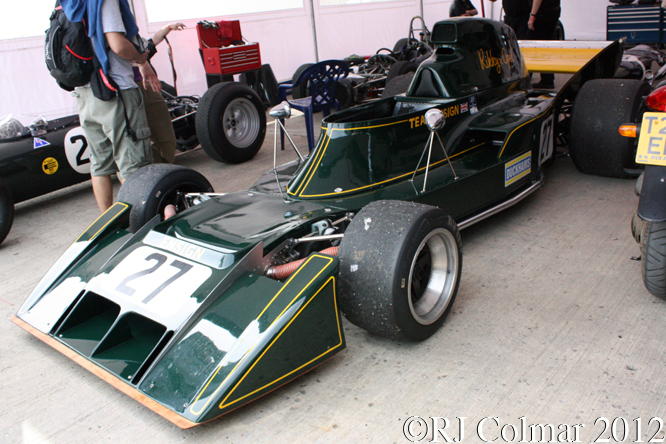
Ensign Ford N173, Silverstone Classic

At the following British Grand Prix Rikky qualified 21st and finished 13th which was to be the highlight of Ensign’s 1973 season.

Reliability would become an increasing factor in the teams lack of performance over the remaining season, a seasons best 14th place qualification for the 1973 Dutch Grand Prix came to naught when the car did not start the race due to suspension damage.
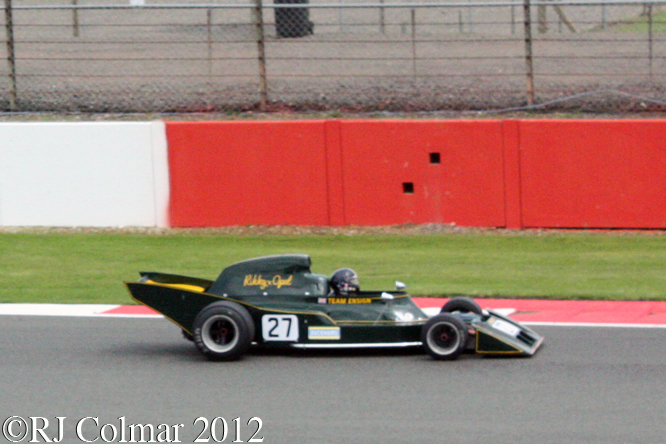
Ensign Ford N173, Silverstone Classic

Rikky persevered with the Ensign team into 1974, but after two failures to start due to uncompetitiveness and handling issues he switched to the second works Brabham car which netted him two career best 9th place finishes in Sweden and Holland.

A couple of failures to qualify in Monaco and France was enough to bring Rikky’s Grand Prix career to an end on the anniversary of his first season at the top table of the sport.
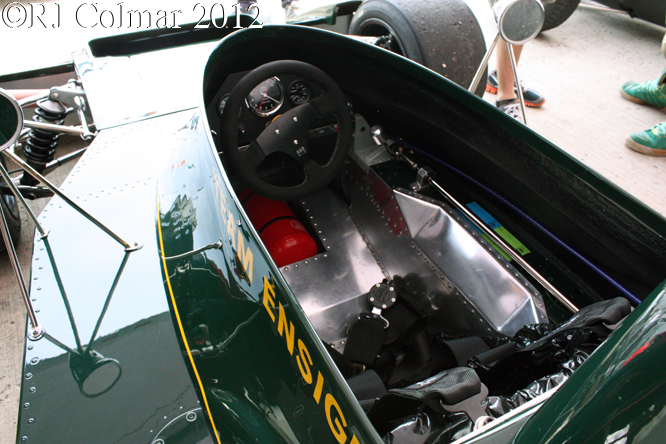
Ensign Ford N173, Silverstone Classic

The car seen here was used primarily as a back up car in 1974, Vern Schuppan raced the car in the 1974 Swedish Grand Prix, but was disqualified for having started unofficially from 26th place on the grid having completed 77 laps and finished 12th.

Mike Wilds attempted in vane to qualify MN01 for the Austrian, Italian and Canadian Grand Prix before finally qualifying 22nd for the 1974 United States Grand Prix where he completed 50 of the scheduled 59 laps to record an unclassified finish in a car that was much modified from it’s original appearance.
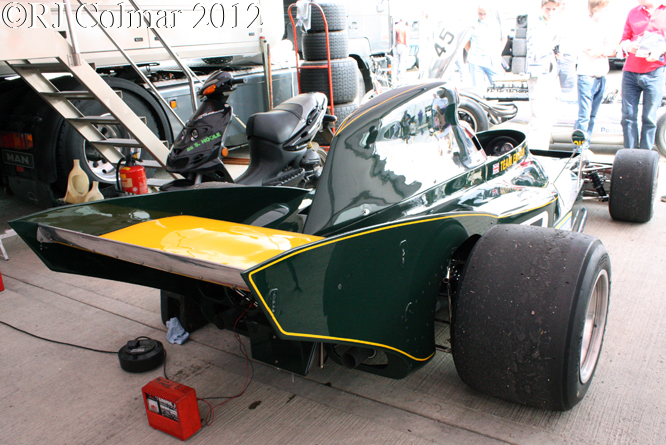
Ensign Ford N173, Silverstone Classic

Mo Nunn continued in Formula One mostly as an at best underfunded single car team until 1982.

1972 Le Mans winner Gils Van Lennep scored the Ensign team’s first point at the German Grand Prix in 1975 and the teams best finish was recorded by Marc Surer who finished 4th and was credited with the fastest lap in the 1981 Brazilian Grand Prix.
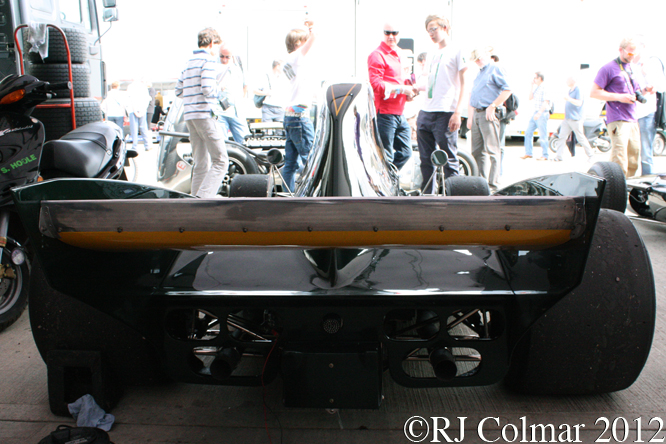
Ensign Ford N173, Silverstone Classic

Among the many drivers that drove Ensign cars in Grand Prix were Le Mans winners Vern Schuppan, Chris Amon and Jacky Ickx, Ferrari refugee Clay Regazzoni, USAC/Cart winner Danny Ongias and future World Champion Nelson Piquet was given his Formula One debut at the 1978 German Grand Prix where he qualified 22nd and retired after 31 laps.

After his team was sold to Teddy Theodore “Mo” moved to the United States where he was chief engineer for Alex Zinardi and Juan Pablo Montoya at Chip Ganassi Racing when they dominated the CART championship from 1997 to 1999 and the Indy 500 in 2000. After a spell running his own IRL cars with varying degrees of success Mo Nunn returned to Ganassi as a technical adviser in 2004.

Thanks for joining me on this “The Green Batmobile” edition of “Gettin’ a li’l psychoontyres” I hope you will join me again tomorrow. Don’t forget to come back now !

Share

F687/S – Lotus Honda 99T

1987 brought about several changes for the Lotus team firstly their hitherto sponsor John Player Special withdrew from the sport and secondly their hitherto engine supplier Renault followed suit.

Fortunately for Lotus Williams, who had an exclusive contract with Honda for the supply of motors in 1986, let the 1986 World Drivers Championship slip away by allowing their drivers Nelson Piquet and Nigel Mansell to take points off one another by refusing to issue team orders or nominate one over the other as preferred winner. This did not go down well with Honda or their preferred driver Nelson Piquet.

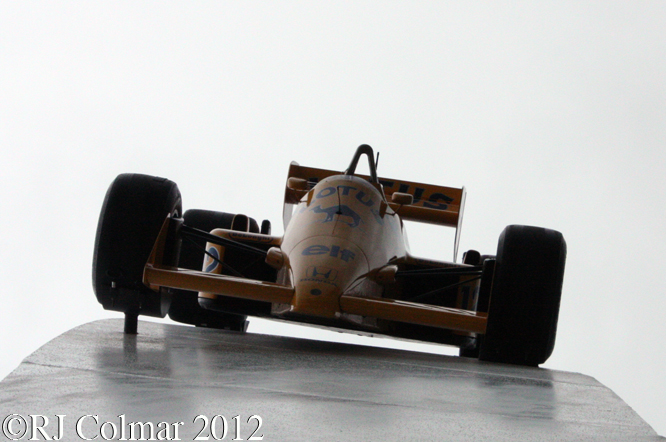
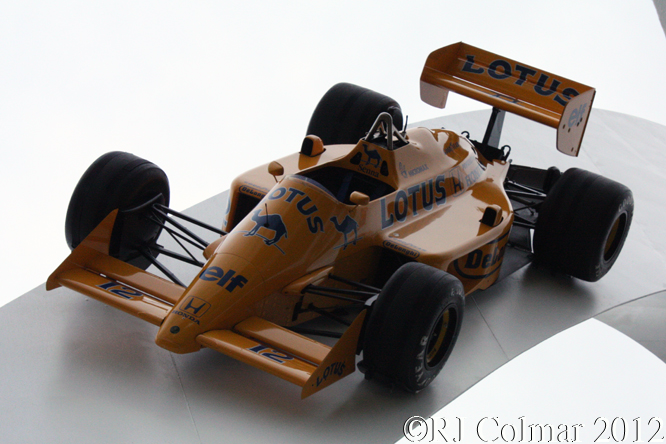
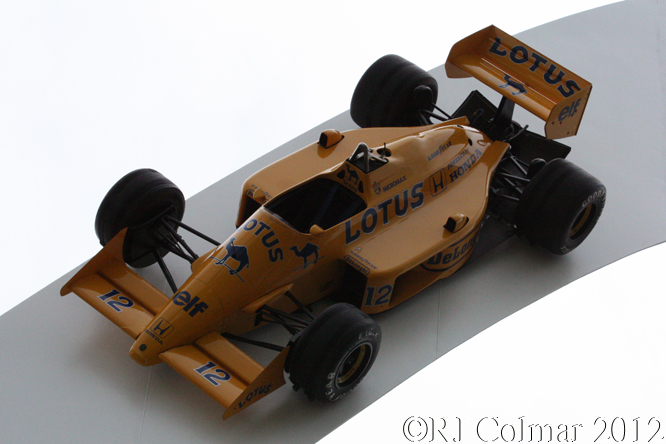
Lotus Honda 99T, Goodwood Festival of Speed

As a consequence Honda came to an arrangement with Lotus to supply year old 1986 motors to Lotus for 1987 and at the same time did a deal with McLaren to supply top spec motors for the 1988 season with Ayrton Senna as their preferred driver. Meanwhile Senna was partnered by Saturo Nakajima in the Lotus team at the behest of Honda whom Honda had tried unsuccessfully to place at Williams in place of Mansell in 1986.

Furthermore Lotus managed to secure sponsorship from the new big spenders on the Formula One block Camel.

Lotus Honda 99T, Goodwood Festival of Speed

Despite being already down on power on the Williams team thanks to the year old motors being used, Gerard Ducarouge took the brave decision to use active suspension on the 99T which although offering advantages to consistent ride height, pitch and roll added 25kgs/55lbs in weight an required 5% of the motors power to keep it working.

Lotus Honda 99T, Goodwood Festival of Speed

By the end of 1987 Senna had won two races, just as he had in ’85 and ’86, both on street circuits at Monaco and Detroit. The Detroit race would prove to be the last victory for a car built by the Lotus team founded by Colin Chapman. With 57 points, two more than in ’86 Senna finished 3rd in the World Championship in 1987 while Nakajima’s additional 7 points helped Lotus secure third in the Constructors championship.

The 1987 season marked a high point for Team Lotus since the death of Colin Champman in 1982 and from there until 1994 when the team founded by Chapman made it’s final appearance in the sport.

Players in Japan and the United States of the Gran Turismo 3 game will be familiar with the Lotus Honda 99T which was given the alias “F687/S”.

Thanks for joining me on this “F687/S” edition of “Gettin’ a li’l psycho on tyres” I hope you will join me again tomorrow. Don’t forget to came back now !
Share