Tag Archives: GT

Development Hack – Ford GT Prototype #GT/105

The Ford GT Le Mans programme, fueled by Enzo Ferrari’s last minuet snub and refusal to go through with a take over by Henry Ford II, began with a partnership between Ford and Lola. Eric Broadley disagreed with Ford over the use of steel in the construction of the chassis and so the partnership disolved leaving Ford to set up Ford Advanced Vehicles on the same Slough Trading Estate that Lola were operating from.
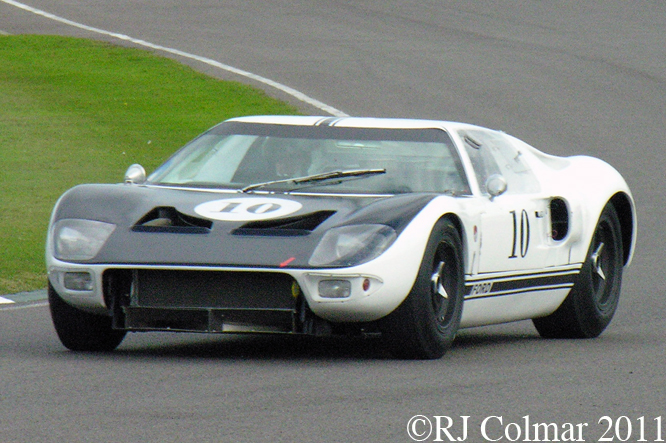
Ford GT, Goodwood Revival

Chassis #GT/105, seen here at Goodwood, was one of the 12 Ford GT’s manufactured by Ford Advanced Vehicles in 1964, it differs form the earliest examples having built from lighter 22 gauge steel as opposed to the 24 gauge used in the earliest Ford GT’s.

This car was only entered for one race in 1964, the Rheims 12 Hours, where it ran, carrying the #6 on wire wheels, with Richard Attwood and Jo Schlesser qualifying 6th and retiring with transmission problems.

Primarily #GT105 was used for extensive testing as Ford sort to turn the comparatively lumpy beast, compared to the cars used by Ferrari at the time, into a Le Mans contender by spending millions of dollars on optimising every component for durability.

While weight was saved using thinner gauge steel this car was raced with the heavier more powerful 4.7 litre 289 cui iron block Fairlane derived Cobra motor in place of the 4.2 litre 218 cui alloy block Indy derived motor which was originally used on the Ford GT project.

For 1965 development of the Ford GT40 project was moved from Ford Advanced Vehicles to Dearborn where Roger Lunn and his team worked at Kar Kraft on the design of the Mk II version and to Shelby American for race development where the 4.7 litre Cobra motors were prepared and installed, the wire wheels swapped for cast alloys and eventually the Colotti 4 speed gearboxes swapped for ZF 5 speed units.

Team Manager John Wyer remained in Slough where he oversaw the production of the Ford GT based road car project the Ford GT Mk III.

In between private testing chassis #GT/105 was raced at the Le Mans Test weekend in 1965 during which Richard Attwood, John Whitmore amd Maurice Trintignant managed third best time overall behind two Ferrari’s.

In 1966 chassis #GT/105 driven by Peter Sutcliffe and Bob Grossman qualified 19th for the Daytona 24 hours coming home 14th and first in class. At Sebring the same year Innes Ireland and Peter Sutcliffe qualified #GT/105 20th but retired with a blown head gasket.

#GT/105 today belongs to irregular Britcar competitor Richard Meins who is seen at the wheel here. Note the car appears to be fitted with a Mk II nose that has had the bottom edge cut away beneath the radiator, presumably in order to maintain aerodynamic stability and aid cooling.

Thanks for joining me on this “Development Hack” edition of “Gettin’ a li’l psycho on tyres” I hope you will join me again tomorrow when I’ll be featuring a little remembered racing Lotus Esprit. Don’t forget to come back now !

Share

But Is It A Real Car ? – Ferrari 330 GT #7123

I never had children but I imagine anyone who does who also has a leaning towards the rational must have a few heart strings pulled when their dearly beloved little might is struck with doubt and asks “Is Father Christmas real ?”

Ferrari 330 GT, Marin Sanoma C D'E

Last year I went to a friends daughters wedding, the only wedding present she asked for from her family was a pair of shoes, I’ll be honest the price of them nearly brought tears to my eyes. When I was talking to my friends daughter afterwards she candidly let slip that she would have been perfectly happy if they had been fakes because they were so uncomfortable she could only imagine wearing them the once.

Ferrari 330 GT, Marin Sanoma C D'E

A couple of weeks ago I was at the National Motor Museum at Beaulieu and I was looking at what was labelled as a Shelby Cobra thinking there is something about those funky stripes that is not quite right even if the license plate is correct for the period, turns out the car really was a Shelby Cobra with a small amount of history, but it’s owner had chosen to deviate from the common Cobra straight pair of stripes. I felt a little silly having my suspicions raised by those non standard stripes.

Ferrari 330 GT, Marin Sanoma C D'E

Somewhere in the late ’80’s early ’90’s a titled gentleman who’s family motto is “A cat stroked is gentle” sold a Ferrari 250 GT SWB Berlinetta, to the president/director of a well known software company for top dollar, over $500,000. Sometime later a real 250 SWB emerged in France bearing the same chassis number and it became evident upon further inspection that the titled gentleman had in fact sold a replica based on on a 250 GTE and so had another 2 years added to his five year sentence.

Ferrari 330 GT, Marin Sanoma C D'E

I guess the moral of these anecdotes is that it is very easy to be deceived by what we see, deceptions can happen for all sorts of reason’s some good some bad, therefore it is always wise to adhere to the Roman saying ‘Caveat Emptor’. For a car nut like myself it means always keeping an open mind and enjoying the process of finding out the stories behind the paintwork.

Ferrari 330 GT, Marin Sanoma C D'E

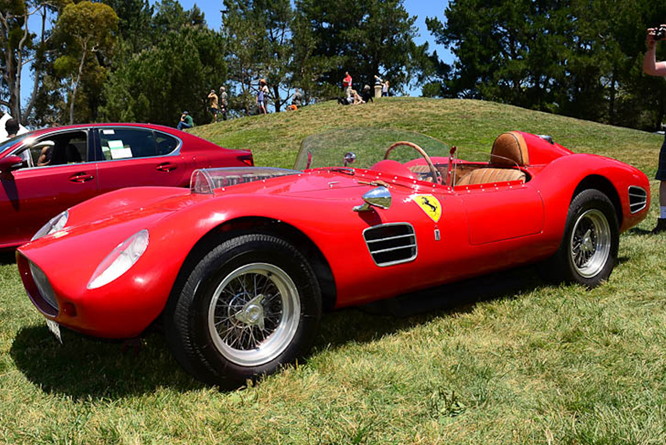
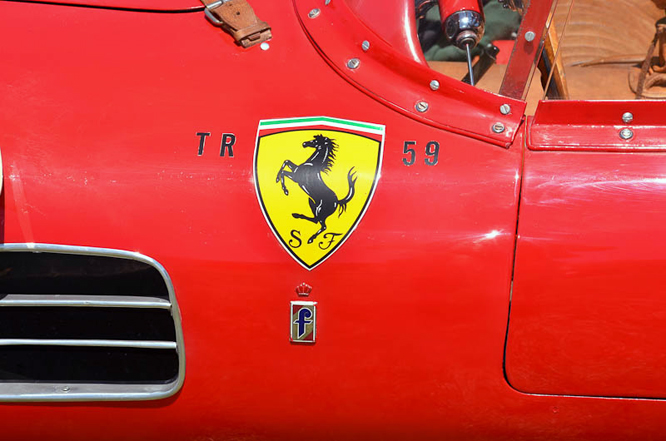
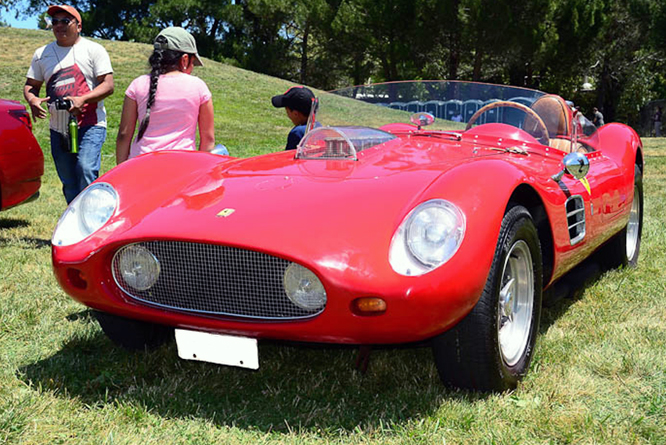
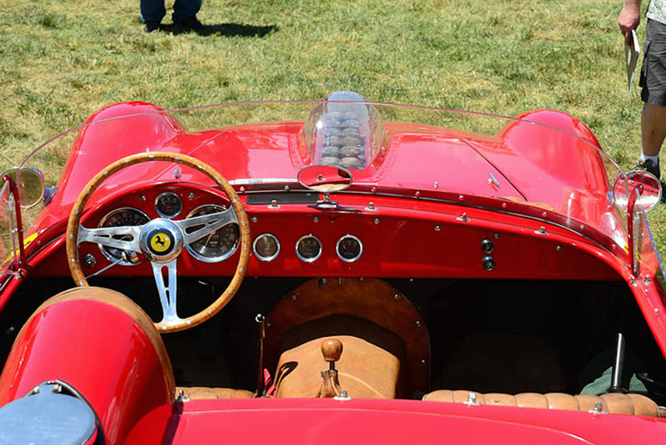
The car featured in these fabulous photo’s by Geoffrey Horton taken at the recent Marin Sanoma Concours d’Elegance started life as a Ferrari 330 GT chassis #7123 just like the one John Lennon once owned.

Ferrari 330 GT, Marin Sanoma C D'E

In 1965 chassis #7123 was originally sold to Auto House Becker in Germany painted silver with a black interior.

Ferrari 330 GT, Marin Sanoma C D'E

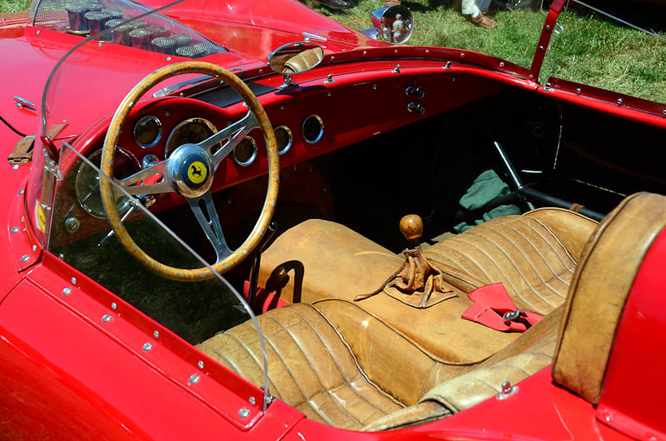
The next time #7123 surfaced was in 2002 in California. I am not sure when the replica ’59/’60 250 TR body was added but the interior looks well weathered suggesting the owner/s have had a lot of fun with her.

My thanks to Geoffrey Horton for the photo’s.

Thanks for joining me on this “But Is It A Real Car” edition of “Gettin’ a li’l psycho on tyres”. I hope you will join me again tomorrow for a look at a Lotus VI. Don’t forget to come back now !
Share

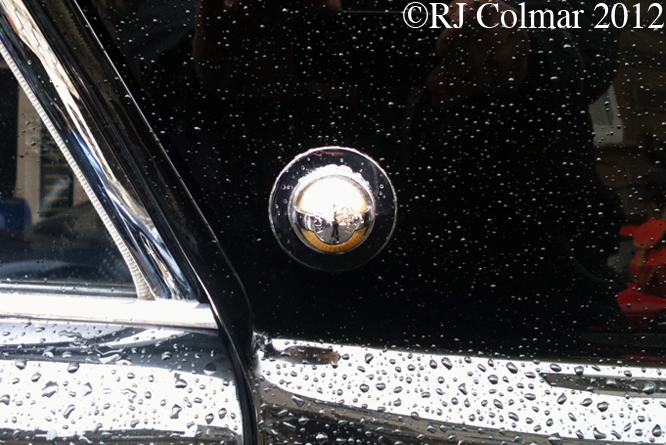
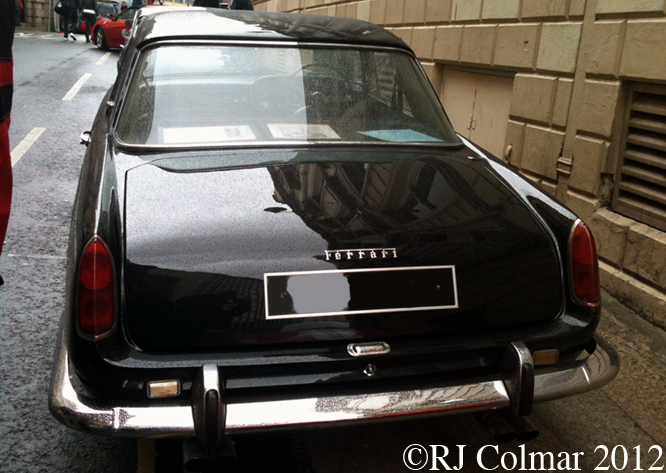
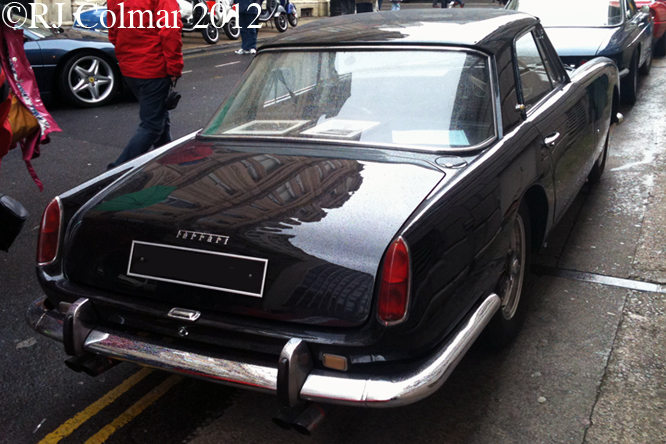
Financial Stabiliser – Ferrari 250 GT Pinin Farina Coupé #1083GT

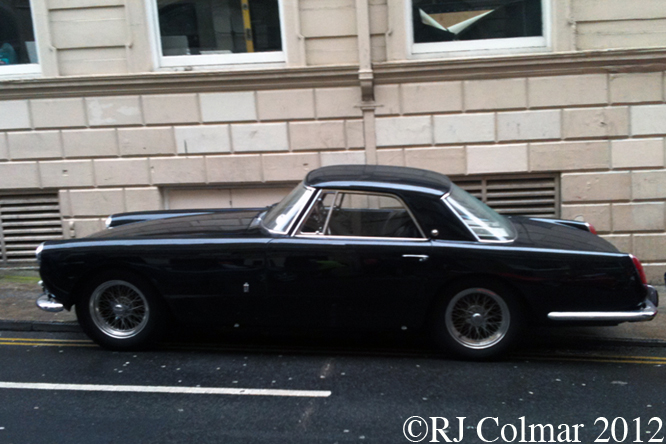
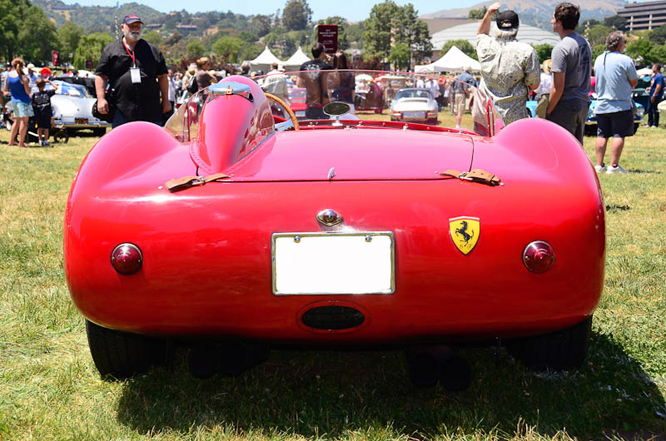
In the late 1950’s in order to stabilise the company finances Enzo Ferrari commissioned Pinin Farina to design a coupé suitable for series production.

Ferrari 250 GT Pininfarina Coupé, BIAMF

The 250 GT Pininfarina Coupé was launched at the 1958 Milan Motor Show with the last, featuring a superfast tail being shown at the 1961 London Motor Show.

Ferrari 250 GT Pininfarina Coupé, BIAMF

Ferrari 250 GT Pinin Farina (PF) Coupé boasted 240 hp at 7000 rpm from it’s 3 litre / 183 cui V12 which was connected to a four speed gearbox and a live rear axle with semi elliptic leaf sprung suspension. The 250 GT Coupé was capable of 150 mph and rest to 60 mph in less than 7 seconds.

Ferrari 250 GT Pininfarina Coupé, BIAMF

The independent front suspension comprised double wishbones and coil springs and telescopic shock absorbers. Until 1959 drum brakes were used on all four wheels.

Ferrari 250 GT Pininfarina Coupé, BIAMF

This particular car was one of two delivered from the factory to Tourist Trophy Garages in Farnham Surrey who displayed it at the 1958 London Motor Show at Earls Court.

Ferrari 250 GT Pininfarina Coupé, BIAMF

Tourist Trophy Garages belonged to the Hawthorn family who’s son Mike became the first British World Champion driver, driving for Ferrari, in 1958.

Ferrari 250 GT Pininfarina Coupé, BIAMF

The car seen here was sold to an Irish land owner in 1958 and turned up in a sorry state of repair in the 1980’s at Maranello Concessionaires, which took over the UK Ferrari Franchise after Mike Hawthorn’s death in 1959, who had the car restored. The car has belonged to it’s current owner since 1993.

Ferrari 250 GT Pininfarina Coupé, BIAMF

It is thought just over 350 of these cars were built, most of the steel bodies were fitted at a factory purpose built by Pinin Farina, in Ferrari’s terms going into series production for the first time proved a huge success.

Ferrari 250 GT Pininfarina Coupé, BIAMF

Due to the phenomenal depreciation rates of these cars, many were subsequently cannibalised for parts and some even turned into replica’s of more sought after models, it is thought only half of the production run has survived.

Thanks for joining me on this ‘Financial Stabiliser’ edition of “Gettin’ a li’l psycho on tyres’ I hope you will join me again tomorrow when I’ll be featuring a Lotus 77 Grand Prix car. Don’t forget to come back now !
Share

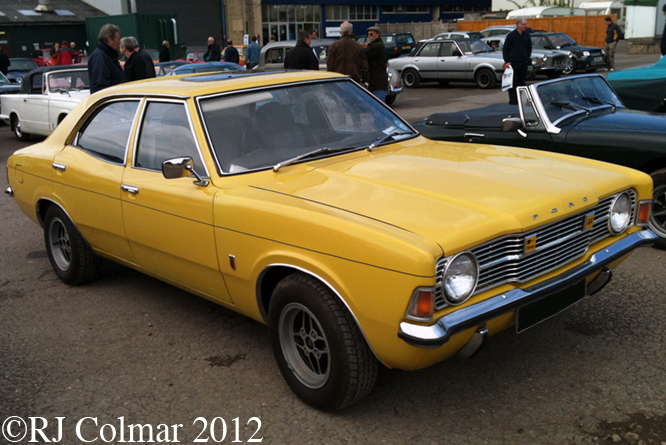
A New Peak – Ford Cortina Mk III

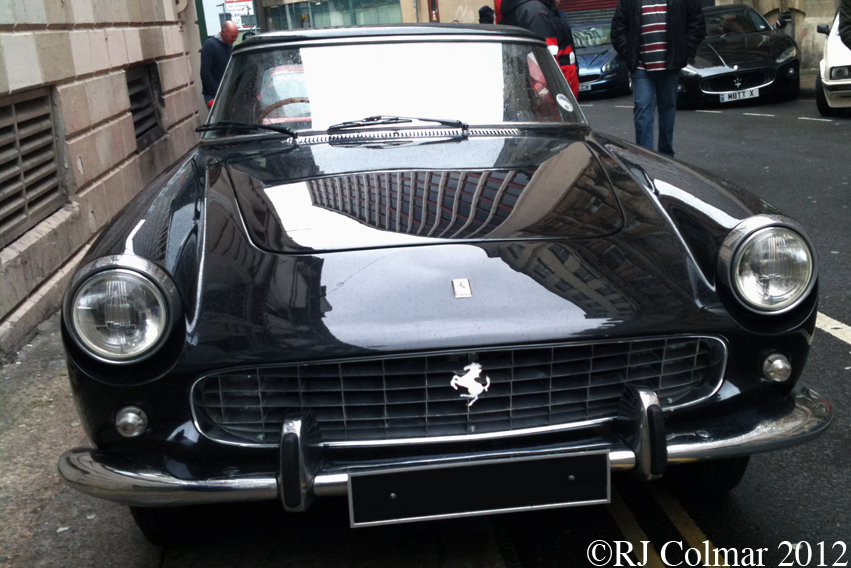
Barry Gill talking in a Ford promotional video claimed Ford had brought motoring to a new peak when they launched the Cortina MK III in 1970 and sales would prove that the claim was not without substance in the minds of the paying public.

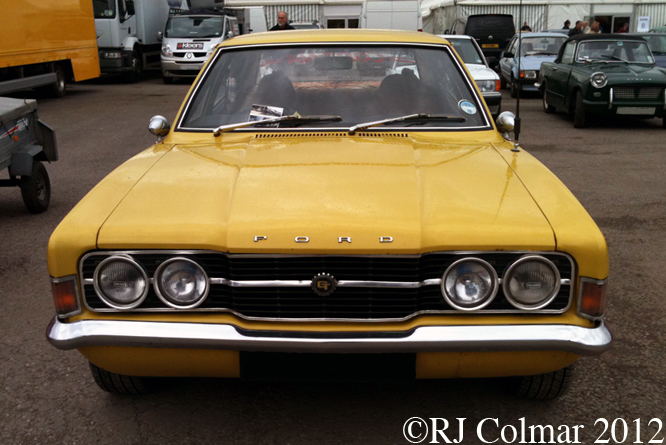
Ford Cortina Mk III XL, Bristol Classic Car Show

The new car with late 60’s wide hip US Ford Torino influenced styling was several inches wider and lower than the million plus selling Ford Cortina Mk II.

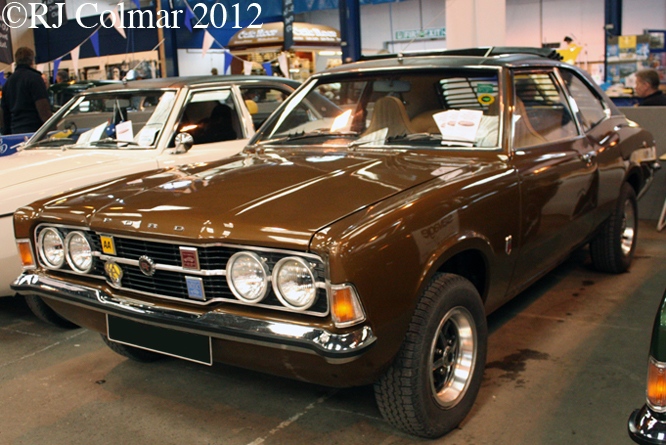
Ford Cortina Mk III GT, Bristol Classic Car Show

As with the Cortina Mk II there was a plethora of different models L and XL models featured a pair of head lights while the GT, GXL variations featured twined pairs of headlights and Rostyle wheels as seen in the photo below. The XL model in the top photo appears to have a set of out of period RS wheels.

Ford Cortina Mk III GT, Bristol Classic Car Show

The Peak Performer came in 2 door, 4 door and 5 door estate versions while specialists like Crayford would be more than turn a Saloon / Sedan into a convertible. In South Africa a pickup ‘P100’ variation of the Mk III Cortina was also built.

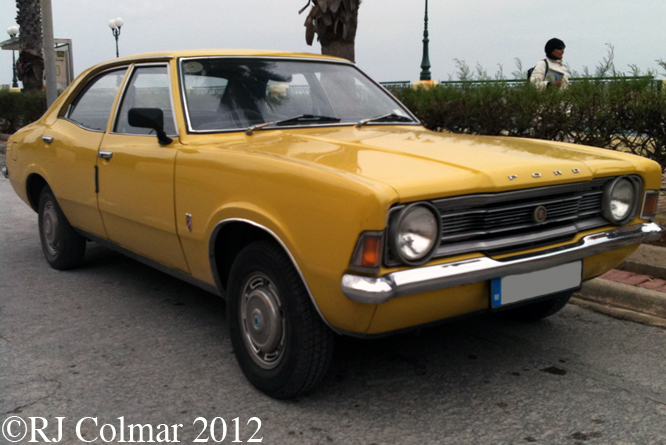
Ford Cortina 1300, Qwara, Malta

In late 1973 the Cortina recieved a mild face lift known as the TD, the Cortina (TD) 1300 above seen in Malta is almost indistinguishable from the XL at the top of the post the GT and 2000E which replaced the GXL featured square headlights in place of the twined pairs of head lights of the original Mk III.

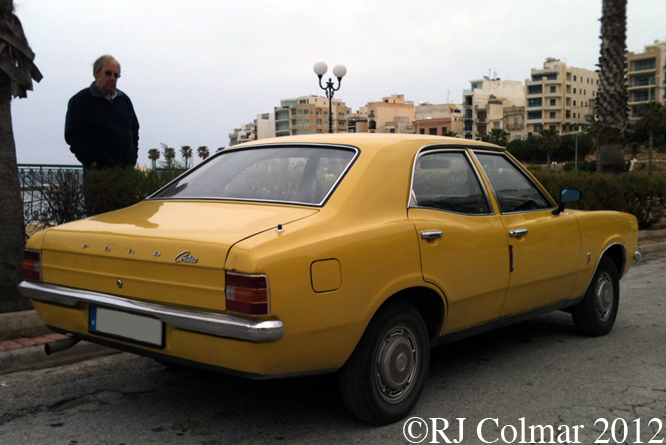
Ford Cortina 1300, Qwara, Malta

In the UK 4 cylinder overhead valve Kent and single overhead cam Pinto engines from 1.3 litre / 79 cui to 2 litres / 122 cui were available dependent on the different trim specifications.

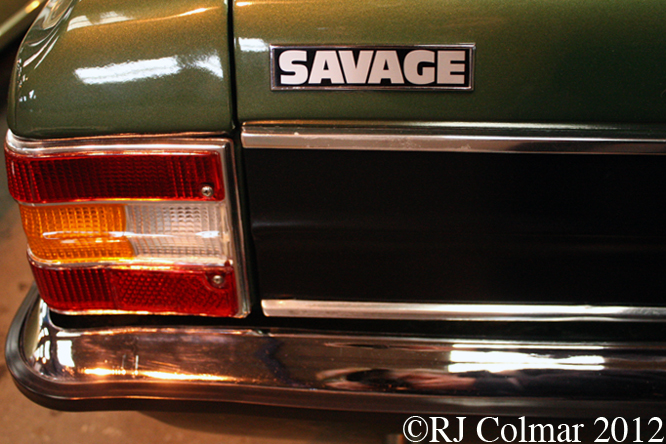
Uren Ford Cortina Mk III Savage, Bristol Classic Car Show

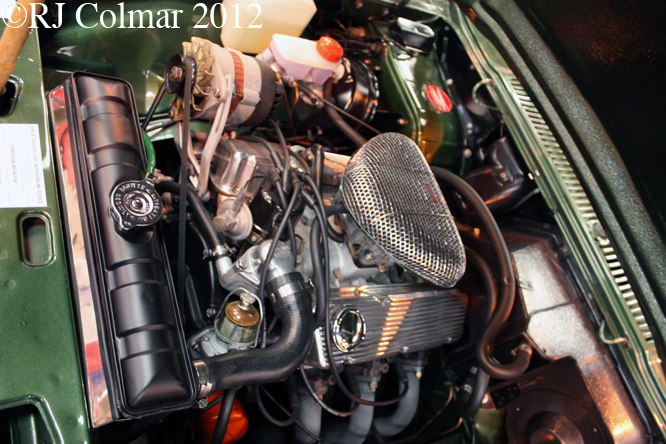
Despite the Peak Performance tag Mk III Cortina’s were never intended for competition although Radio Presenter Noel Edmonds gained a fair amount of publicity for driving one in production saloon car races and Ford did organise a celebrity series called the BAE Trident trophy when the Mk III was launched with participants including Formula One champions Graham Hill and John Surtees along with British Rally ace Roger Clark. Those in the UK wanting larger motors had to turn to Jeff Uren who fitted Essex 144 hp 3 litre V6 motors which could be specified with Westlake cylinder heads giving 190 hp or additionally with Tecalemit fuel injection under an impressively ventilated bonnet / hood to give 218 hp and a zero to 60 mph time of 7 road burning seconds.

Uren Ford Cortina Mk III Savage, Bristol Classic Car Show

Those living in Australia could order their Cortina’s with a factory fitted straight six Ford (Australian) Falcon 4.1 litre / 250 cui motor while in South Africa a Essex V6 versions of the Mk III Cortina were built with the top of the range 3 litre / 183 cui carrying a Perana badge. Like the Mk II Cortina sales of the Mk III Cortina reached well over a million by the time production ceased in 1976.

Thanks for joining me on this ‘A New Peak’ edition of “Gettin’ a li’l psycho on tyres” I hope you will join me again tomorrow when I shall be looking at Ford Torino a US contemporary of the Mk III Cortina. Don’t forget to come back now !
09 05 12 PS I did not know it at the time of the original post but a Ford Cortina features in a car chase in the 2011 Robert De Niro action movie ‘Killer Elite‘.

Share

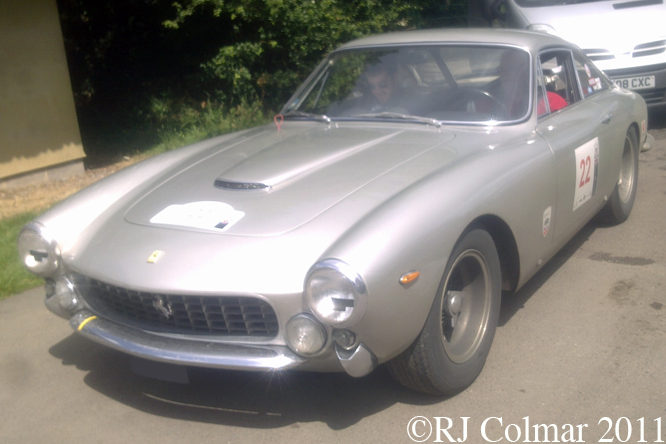
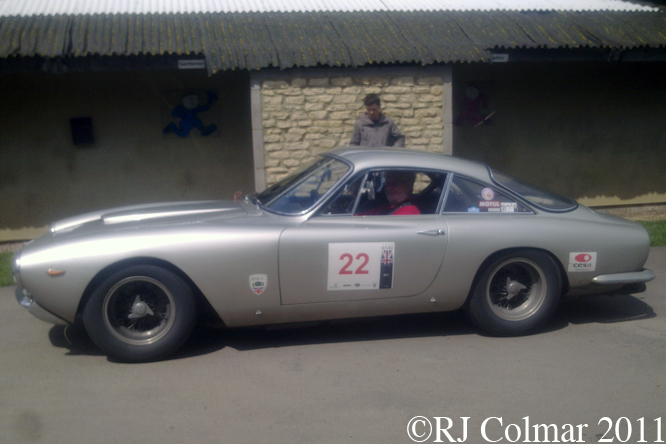
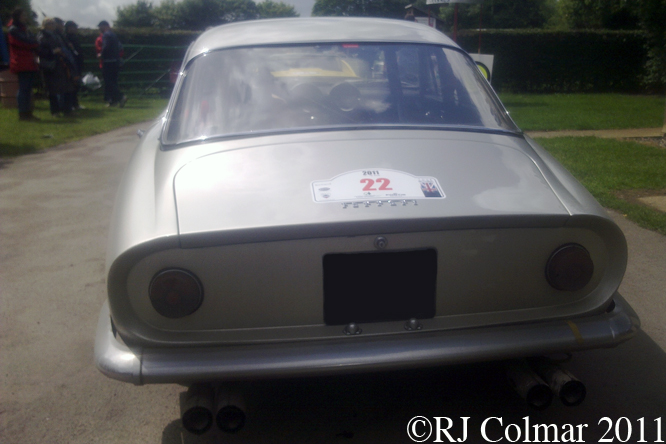
Lovin’ Spoonful – Ferrari 250 GT Lusso Pininfarina Berlinetta #5953

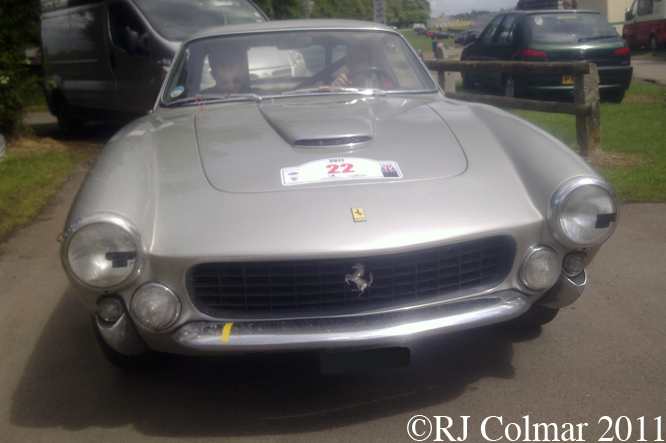
The first of a final total of 350, 250 GT Lusso Pininfarina Berlinetta’s, known more commonly as the 250 Lusso, was shown to the public at the 1962 Paris Motor show.

250 GT Lusso Pininfarina Berlinetta, Castle Combe, Tour Britannia

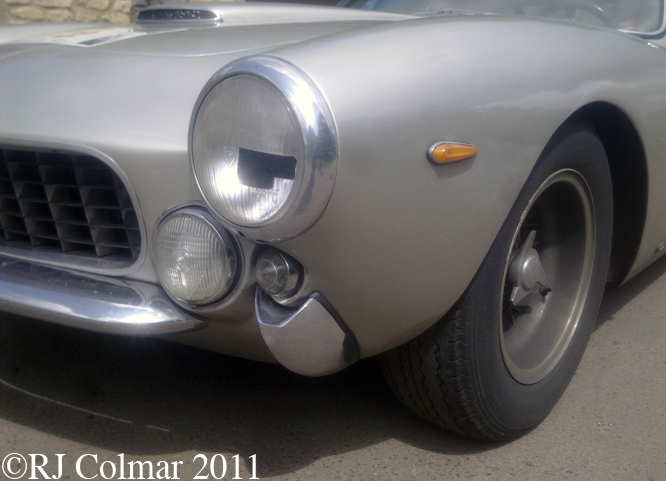
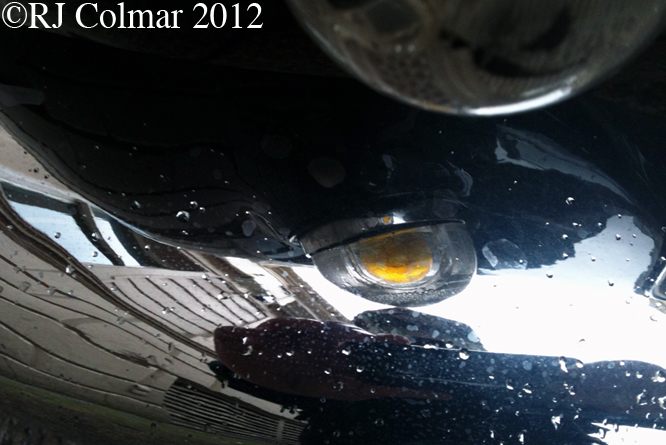
The Lusso is immediately recognisable by it’s graceful lines and unusual three piece front bumper.

250 GT Lusso Pininfarina Berlinetta, Castle Combe, Tour Britannia

Hiding under the bonnet / hood are 250 of Maranello’s finest horses from an all aluminium 3 litre / 183 cui Colombo V12, the sound of which goes something like this.

250 GT Lusso Pininfarina Berlinetta, Castle Combe, Tour Britannia

The 250 Lusso, which translates as luxury, came with a Pininfarina designed steel body manufactured by Scaglietti.

250 GT Lusso Pininfarina Berlinetta, Castle Combe, Tour Britannia

Steel being far heavier than aluminium used in the production of the racing versions of the 250, like the 250 GTO, would normally not make a 250 GT Lusso a competition car of choice, however some customers and later owners like Tim Lewis, seen in this car at Castle Combe with his son Daniel co driving, did not hesitate to strap themselves in and head for the nearest competition.

250 GT Lusso Pininfarina Berlinetta, Castle Combe, Tour Britannia

Today’s featured car chassis #5953GT was one of the last 250 Lusso’s produced in 1964, it was originally sold to Austrian Wolfgang Denzel, note this is a left hand drive car (LHD) not RHD as stated by barchetta cc, among it’s former owners somewhere between the late 80’s and early 90’s was former Aston Martin chairman Victor Gauntlett.

Anyone who likes a mystery might be interested to know that according to Wiki Steve Boone, of the band Lovin’ Spoonful’ owned one of these cars chassis #4237, said to be the the very first production Lusso, that was subsequently stolen from a repair shop in Queens New York. The stolen vehicle is probably not worth quite as much as the $2.3 million that Steve McQueens 250 GT Lusso fetched at auction in 2007 but tracking it down might make an interesting tale. At the time of writing I am still checking the veracity of the Wiki claim.

Thanks for joining me on this ‘Lovin’ Spoonful’ edition of ‘Gettin’ a li’l psycho on tyres’, I hope you will join me again tomorrow. Don’t forget to come back now !
 

Share

Escape The Option Trap – MG B GT

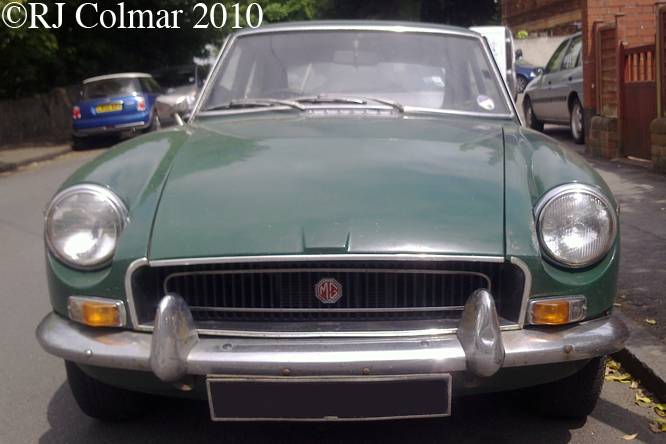
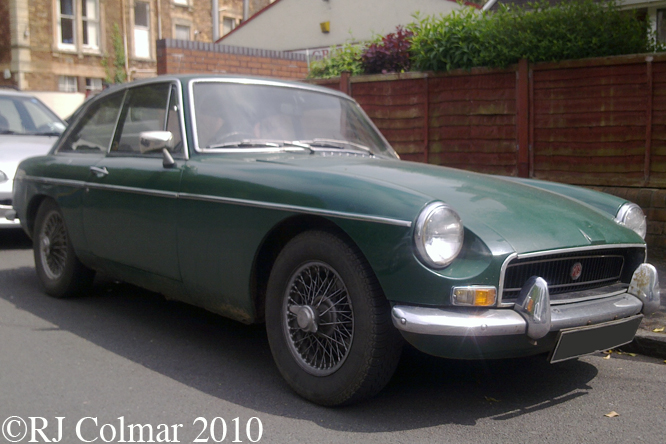
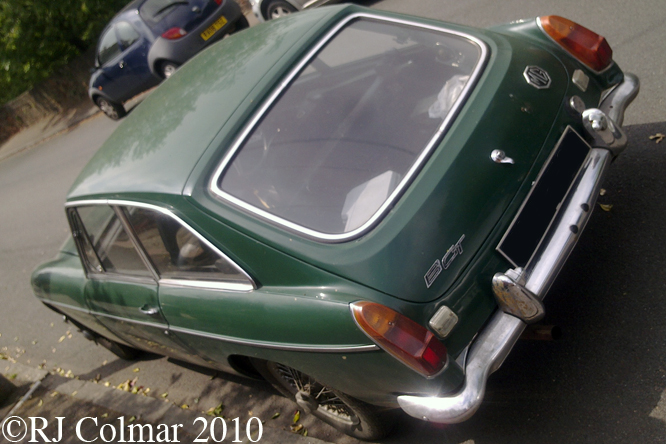
The MGB GT was launched in 1965 with a ground breaking Pininfarina inspired hatchback and the latest 5 bearing 95hp 1798 cc / 109.7 cui 4 cylinder motor as used in the the MGB Roadster.

MGB GT

In 1970 a version of the GT was launched complete with a black grill as seen above replacing the previous chrome item, reclining seats added to the 4 speed synchromesh gearbox which became available in 1967.

MGB GT

The MGB GT was recognised as an aspirational car by the likes of Playboy which featured an MGB GT in one of it’s advertisements linked here, notice how in the ad the MG owner attracts the females rather more than the Mercury Cougar standing next to it !

MGB GT

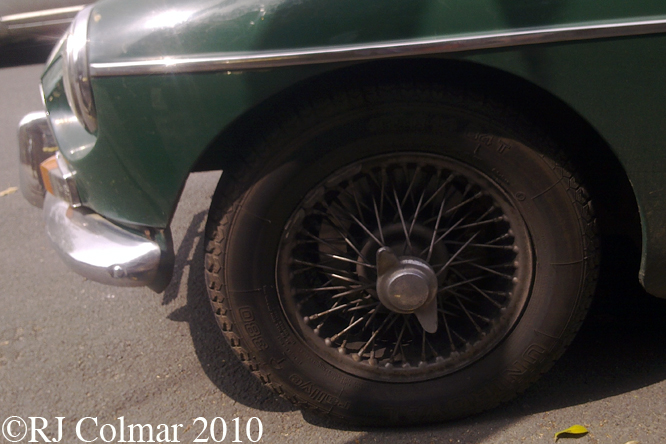
MG’s own advertising for the B GT focused on the fact that it’s fully loaded specs allowed owners to escape the option trap as seen in the link here. The 50 spoke wire wheels were standard in some markets though they would eventually be replaced with Rostyle steels wheels.

MGB GT

The extra weight of the roof over the MGB Roadster hindered the B GT’s acceleration though it increased the top speed from 100 to 105 mph. The last MG B GT’s to imported into the USA officially were 1974 though production of the GT continued for other markets until 1980.

Thanks for joining me on this “Escape The Option Trap” edition of ‘Gettin’ a li’l psycho on tyres.
I hope you will join me again tomorrow. Don’t forget to come back now !
Share

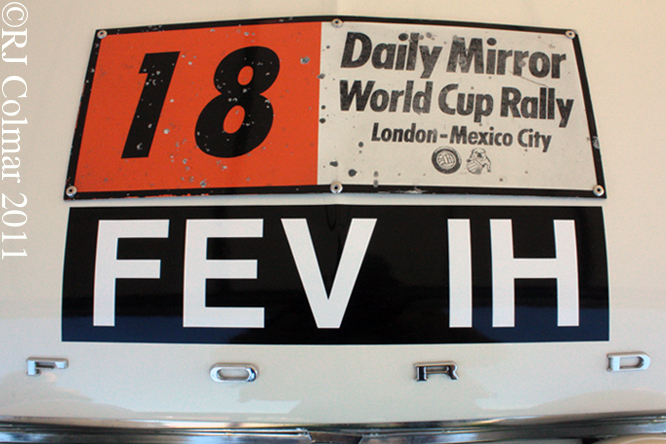
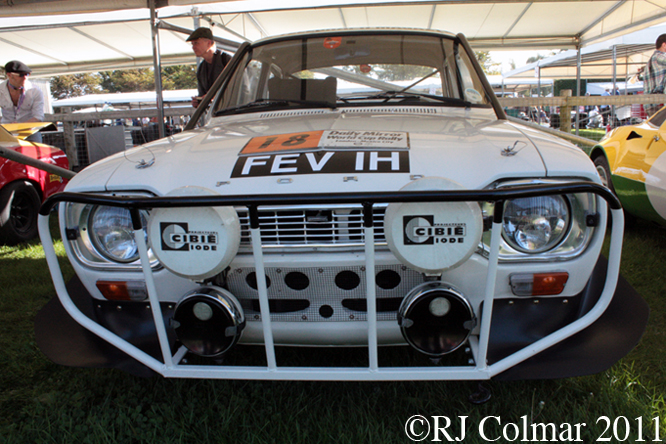
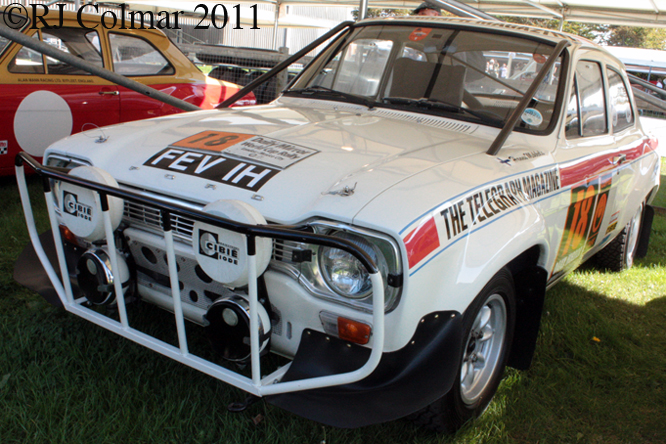
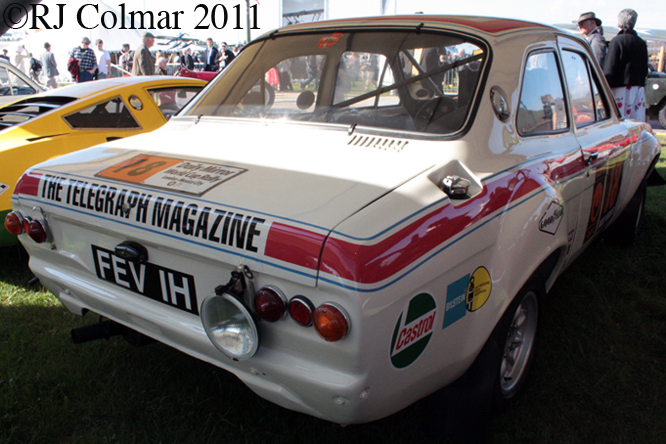
Bombproof Escort – Ford Escort 1850GT FEV 1H

Motorsport owe’s much of it’s history to the publishers of Newspapers keen create events which would resonate and engage their readers, indeed the very first recorded motorsport events emanated from the minds of the editors of ‘Le Vélocipède’, who in 1887 attracted a single car entry for a 1.2 mile race across Paris and ‘Le Petit Journal’, who in 1897 69 entries for a 79 mile ‘race’ from Paris to Rouen. By 1908 individual events took on global challenges such as the 12,000 mile 169 day New York west to Paris race which was co sponsored by The New York Times and Le Martin.

Ford Escort 1850 GT, Goodwood Revival

Possibly inspired by another 10,000 mile ten day event the London to Sydney Rally of 1968, Australian advertising sage Wylton Dickson came up with the idea of organizing a 1970 World Cup Rally to link London which had played host to the 1966 World (Soccer) Cup to Mexico which was to play host to the 1970 World (Soccer) Cup at a party in London over a glass of wine while chatting to Irish Rally Champion Paddy Hopkirk.

Ford Escort 1850 GT, Goodwood Revival

Wylton, who had never so much as seen a rally before approached Stuart Turner Ford competitions manager who gave him the thumbs up and the Daily Mirror who provided the sponsorship for the event. British Rally Champion John Sprinzel was allowed to set up an HQ at the Royal Automobile Clubs Belgrave offices from which to run the whole 16,000 mile event which crossed 26 countries on three continents in 25 days.

Ford Escort 1850 GT, Goodwood Revival

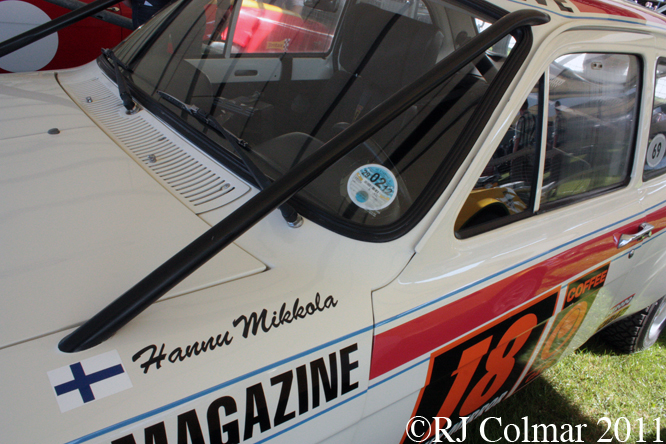
Good to his word when the 1970 World Cup Rally was announced Stuart Turner entered 6 Ford Escorts into the event for Poles Sobieslaw Zasada / Marek Wachowsk, Finns Hannu Mikkola / Gunnar Palm, England soccer star Jimmy Greaves with pro co driver Tony Fall, Monte Carlo Rally winners Raunno Aaltonen / Henry Liddon, British rally stars Roger Clark / Alec Poole and Finish rally legend Timo Makinen co driven by Frenchman Gilbert Staepelaere. Other entries in the 96 car field included a VW Beach Buggy a five car factory Moskivitch team from the USSR and two privately entered Rolls Royce’s a Silver Cloud and a Silver Shadow !

Ford Escort 1850 GT, Goodwood Revival

Ford’s official reason for fitting these bars in front of the windscreen was that they were to protect the drivers from Condors in the Andes mountains of South America, but it has been noted that these bars connect the top of the front suspension towers to the top of the A pillars which coincidentally helps transfer suspension shock to the roof diverting them away from some of the weaker welds in the bodywork.

Ford Escort 1850 GT, Goodwood Revival

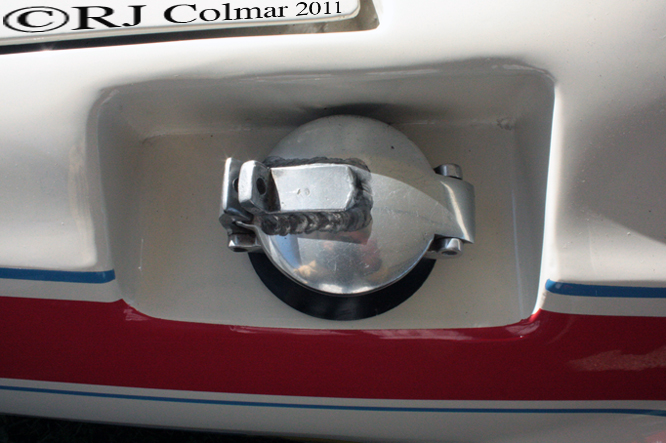
It is thought enough parts were produced for just 8 of the 1970 World Cup spec 1850 GT Escorts, which after the disappointment of easily leading the 1968 London to Sydney Marathon only for the Lotus Twin Cam engine in Roger Clark’s Cortina Lotus to fail, meaning these cars were built to be bomb proof against all foreseeable eventualities. Instead of using Lotus Twin Cam motors Ford Kent 1600cc / 97 cui pushrod motors were bored out to 1850cc / 112 cui fitted with a single Weber carburetor and dry sump lubrication which aids ground clearance. These motors were simple, durable and above all easily repairable, they were tuned to run on the low octane fuel that was to be found in the high altitude andean mountains on the South American legs of the route where stages of 500 plus miles were not uncommon and average speeds in excess of 90 mph were expected in order not to attract penalty points.

Ford Escort 1850 GT, Goodwood Revival

Hannu Mikkola had a relatively trouble free run dropping just 9 hours in penalty points over the course of the 25 day marathon, 4 of the other Escorts in the top 6 of the 23 finishers. During the course of the event FEV 1H became one of the most famous of Rally Vehicles of all time and is still among the most loved. As a result of the 1970 World Cup Rally win Ford launched a new sporty version of the Escort called the Ford Mexico with the 1600 / 97 cui Kent pushrod motor fitted to an Advanced Vehicle Operations strengthened “Type 49” body shell.

In 1995 there was a 25th Anniversary re run of the 1970 World Cup Rally, miraculously Ford ‘found’ a new unused Escort shell and built a new car to the same specifications as FEV 1H. Hannu Mikkola came out of retirement with Gunnar Palm to win the rerun as well, the new cars registration is H1 FEV.

Thanks for joining me on this Bombproof Escort edition of ‘Gettin’ a li’l psycho on tyres’, I hope you will join me again tomorrow. Don’t forget to come back now !
Share