Tag Archives: Museum

Perfect Car For A Wedding #5 – Vauxhall 14/6

Vauxhall 14/6, Arwell Wilson MM

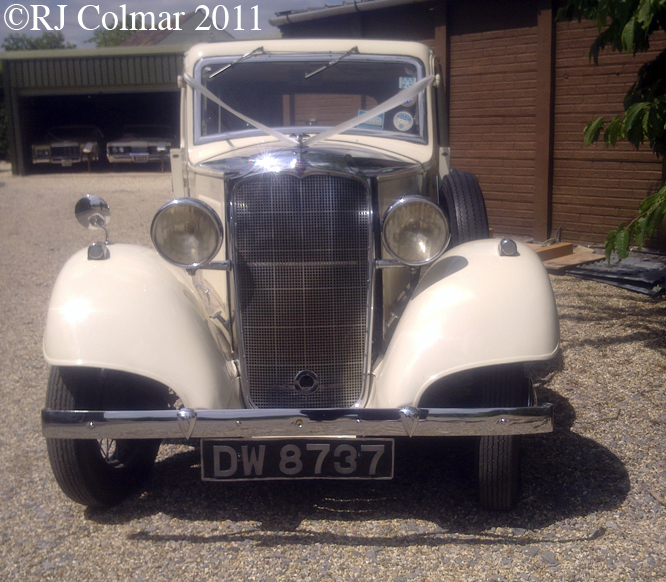
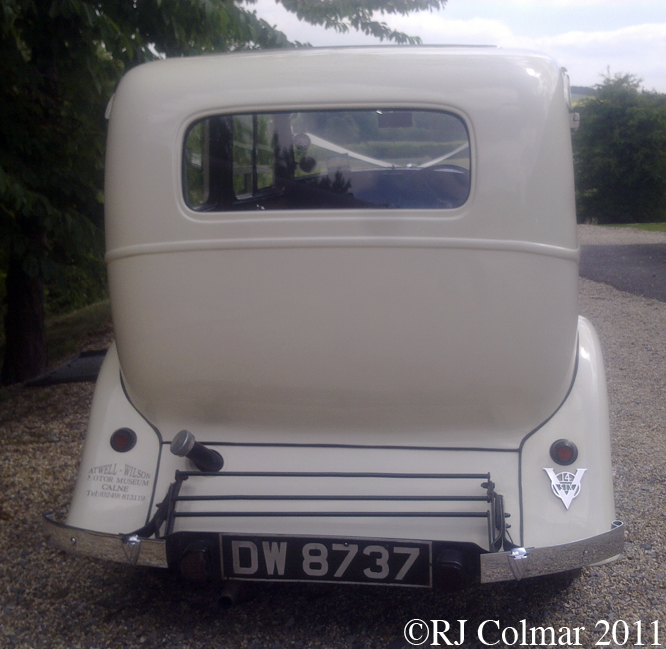
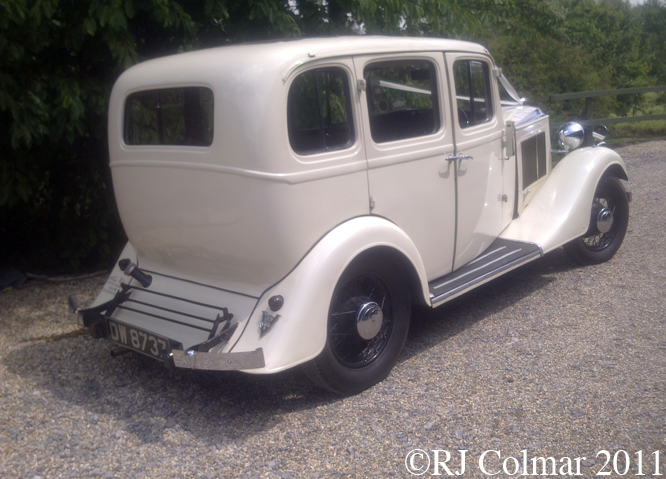
Todays perfect car for a wedding is a 1934 Vauxhall 14/6 seen here at the Atwell Willson Motor Museum in Calne.
Vauxhall 14/6, Arwell Wilson MM

Vauxhall Motors Ltd was founded in 1857 to manufacture pump and marine engines, in 1903 Vauxhall also began manufacturing motor cars.
Vauxhall 14/6, Arwell Wilson MM

In 1925 the brand was taken over by General Motors who still own it today. Since the late 1970’s all new Vauxhalls have in essence been badge engineered Opel’s designed in Germany.

Vauxhall 14/6, Arwell Wilson MM

The name of the 14/6 derives from the Royal Automobile Club (RAC) taxable horsepower rating which gave HMRC (Her Majesties Revenue and Customs) in the UK a method of collecting road taxes.

RAC h.p. = D²*n/2.5 where D is the diameter of the cylinder bore in inches and n is the number of cylinders.
Vauxhall 14/6, Arwell Wilson MM

Like all tax laws this one ended up distorting the market place, in this instance by halting the development of efficient over spare cylinders because the tax laws favoured inefficient narrow bore cylinders with long strokes until the UK taxation structure was rethought in the 1940’s.
Vauxhall 14/6, Arwell Wilson MM

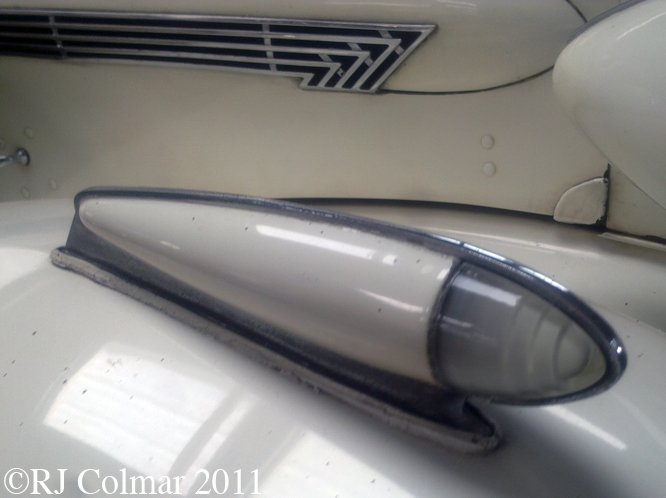
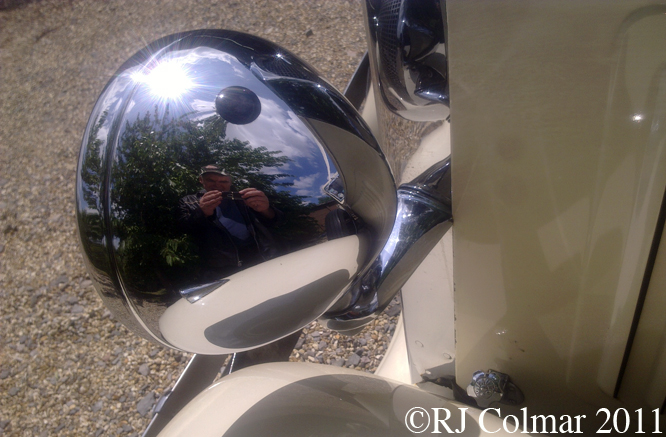
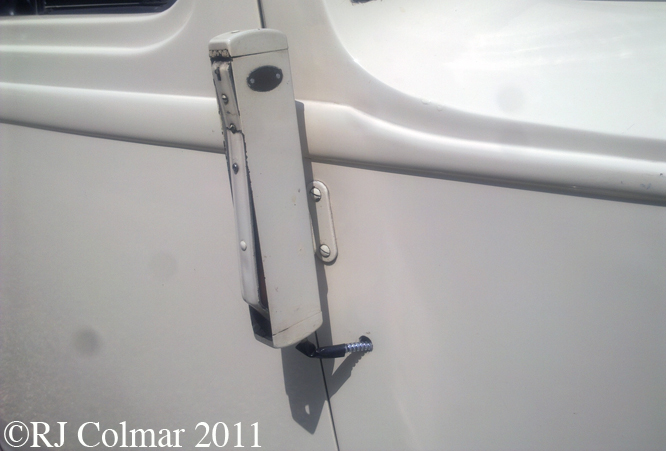
Up until WW2 most signals from one driver to another were given by hand, trafficators to indicate when a turning maneuver was about to commence, such as these were optional extra’s and were found on new cars until the early 1960’s.
Vauxhall 14/6, Arwell Wilson MM

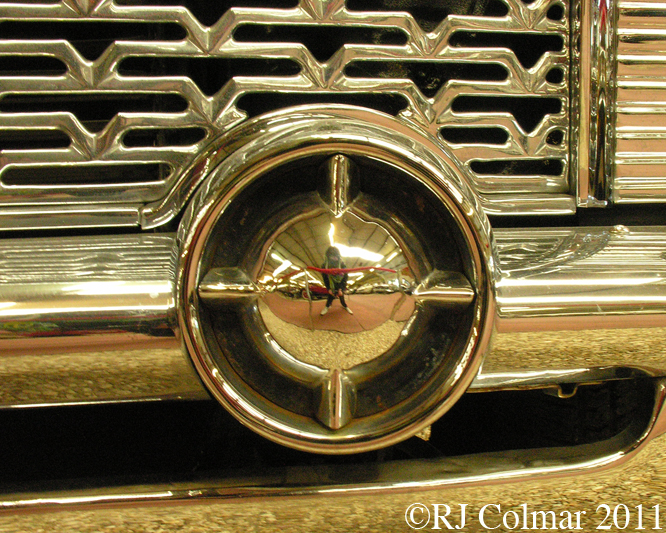
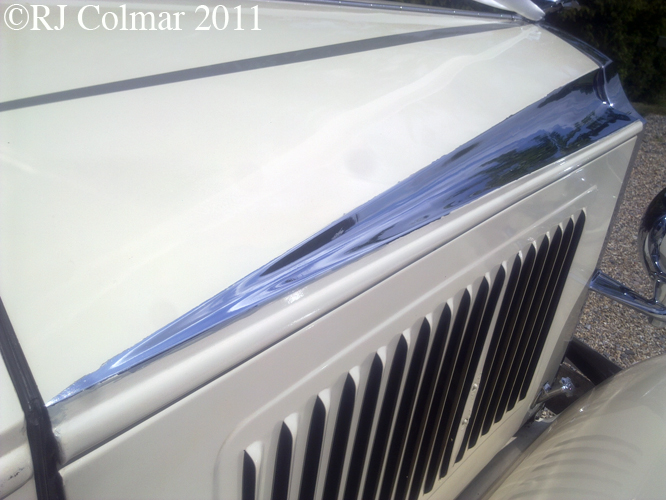
Distinctive sculpted chrome bonnet details like these were in evidence on some Vauxhall models like the Velox until 1957.
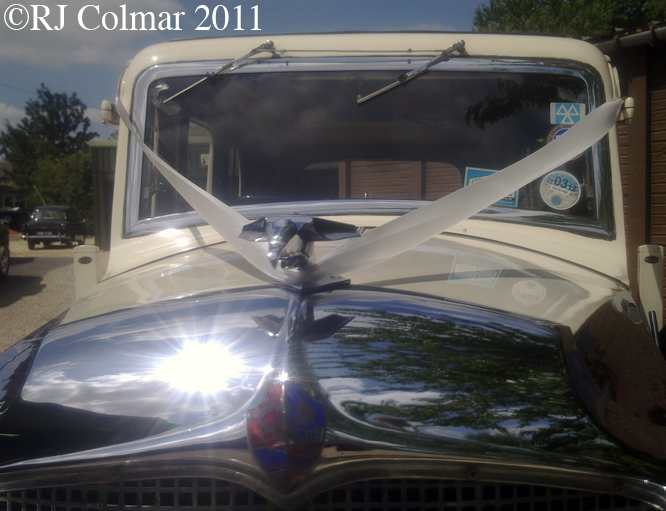
Vauxhall 14/6, Arwell Wilson MM

This particular car is available for hire from the Atwell Wilson Motor Museum Trust.

The museum is holding a classic festival this weekend, I hope to pop by on Sunday.

Wishing all those tying the knot today best wishes.

Thanks for joining me on the RAC taxable horsepower edition of ‘Gettin’ a lil’ psycho on tyres’ I hope you will join me again tomorrow. Don’t forget to come back now !

Share

Grand Prix City – Donington Park Museum

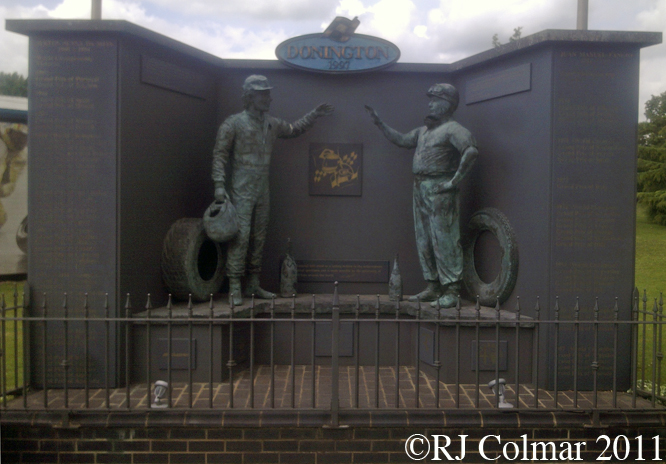
Donington Park Museum

(Ayrton Senna & Juan Manuel Fangio)

A couple of weeks ago I had the opportunity to drop in to the Donington Park Museum, home to the Donington Park Grand Prix Collection. Donington Park dates back to at least the Doomesday Book compiled in 1086 and is one of the longest established deer parks in the UK.

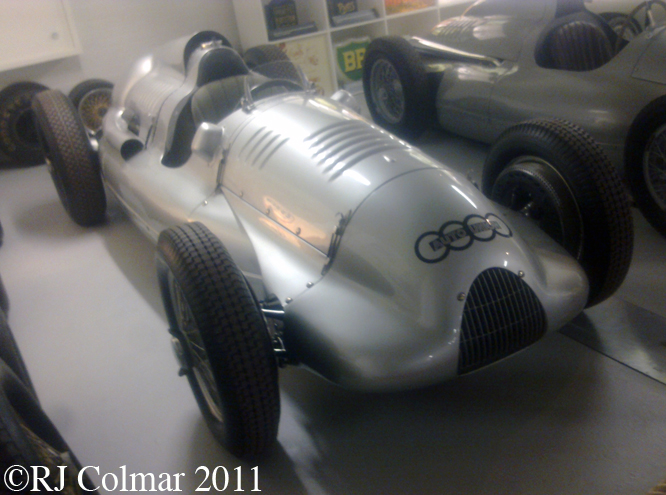
Auto Union Type D, Donington Park Museum

(1939 Auto Union Type D)

After serving as a Prisoner Of War camp for German officers in World War 1, a race track was built in 1931 for £12,000. The track played host to Grand Prix races featuring the Mercedes and Auto Union ‘Silver Arrows’ Grand Prix cars, Tazio Nuvolari driving an Auto Union during practice for the 1938 British Grand Prix fatally struck a stray deer.

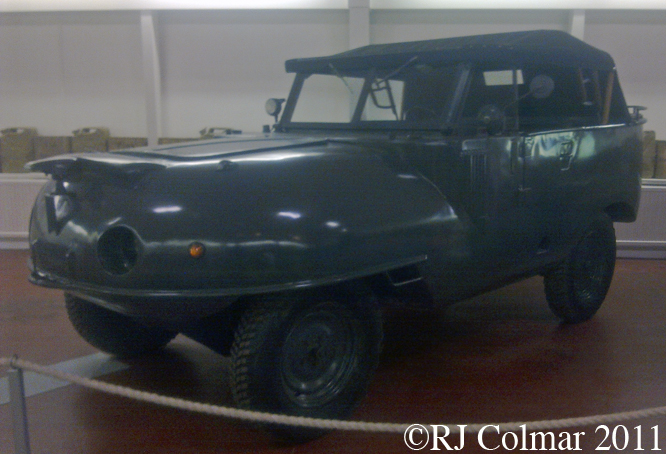
Trippel SG6, Donington Park Museum

(1942 Trippel SG 6)

During World War 2 Donington Park became home to 50,000 vehicles as the largest military transport depot in Europe. In 1971 local building magnate Tom Wheatcroft took over the Donington Park circuit and 8 years later racing was resumed after a nearly 40 year break. The highlight of the resumption of racing at Donington was almost certainly the 1993 European Grand Prix.

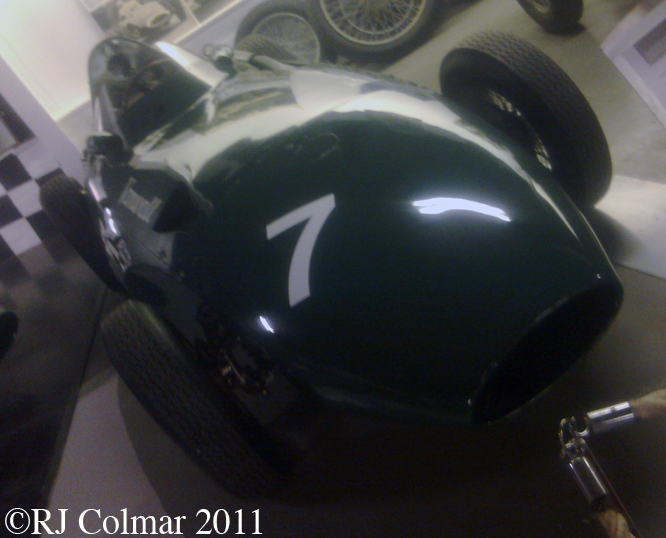
Vanwall VW9, Donington Park Museum

(1958 Vanwall VW9)

Tom Wheatcroft alongside his property developing business had a passion for racing, collecting vehicles associated with the circuits pre war history, vehicles used in WW2, during which Tom served in a tank regiment and British built Grand Prix cars.

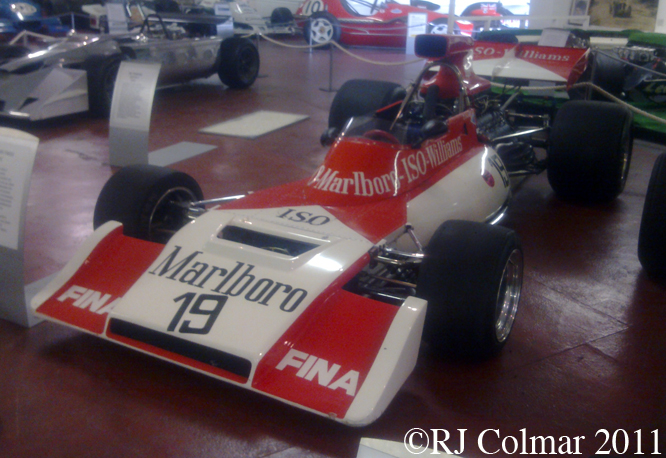
March BMW 732, Donington Park Museum

(1973 March BMW 732)

He also sponsored and entered talented drivers, including Derek Bell, Richard Morgan and in particular Roger Williamson whom Wheatcroft financed in Formula 3 and 2 and an ill fated Grand Prix drive in which Roger met his untimely demise in a horrific accident during the 1973 Dutch Grand Prix.

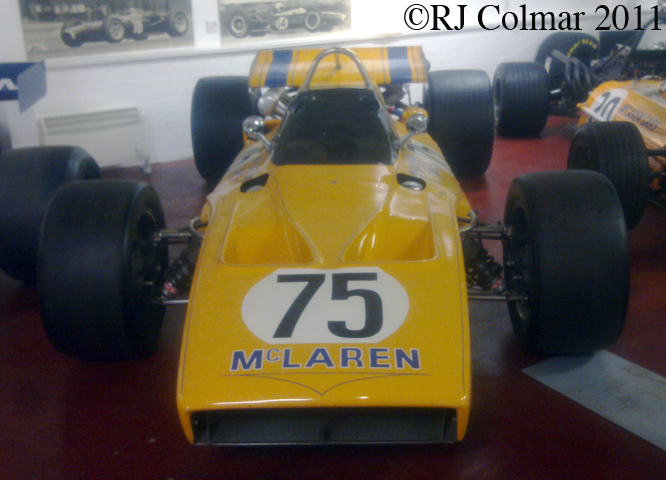
McLaren M15, Donington Park Museum

(1970 McLaren Offy M15)

The Donington Park Museum houses the largest collection of McLaren

Williams FW02, Donington Park Museum

(1973 Williams – Cosworth FX3B)

and Williams vehicles outside of these two prestigious manufacturers own collections.

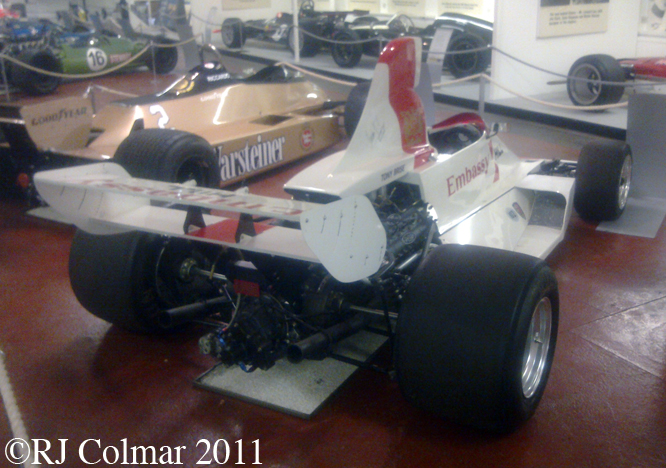
Hill GH2, Donington Park Museum

(1975 Hill – Ford GH2)

I spent several memorable hours going round the museum housing a veritable feast of some of the highs and low’s of British Grand Prix endeavour. Situated just of the M1 near Nottingham, at just £8 a visit, I’ll look forward to dropping in again when the opportunity next presents it’s self.

Slightly off topic, wishing all GALPOT readers in the USA and US readers abroad Happy Independence day.

Thanks for dropping today’s Donington Park edition of ‘Gettin’ a lil psycho on tyres’ i hope you’ll join me again tomorrow for a look an Independence day cruise in the UK. Don’t forget to come back now !

Share

Off The M4 – Atwell Wilson Motor Museum

For several years now every month I have been making a trip up to London to go and see my folks, on the way back no matter what time of day I frequently find myself in a traffic jam some where around J18 on the M4 which could add anything up to an hour on my normal 2 hour journey time.

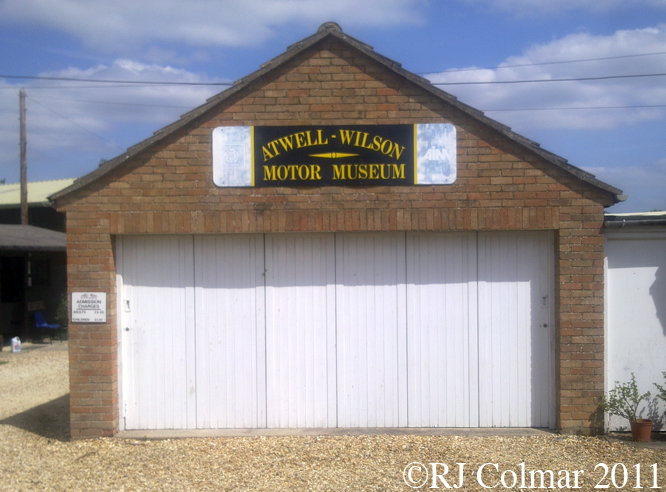
Atwell Wilson Motor Museum, Calne

About 18 months ago forewarned, by a big new electric message board on the M4, of an impending jam between Junction 18 and 20 I took a detour and followed the A338 from Junction 14 down to Upper Eddington and then followed the A4 west to Bristol.

Buick, Atwell Wilson Motor Museum, Calne

Going through Calne I passed a sign for a Motor Museum, 18 months later with a little time on my hands I managed to follow the sign about a mile down Stockley Lane and on the left I found the Atwell Wilson Motor Museum.

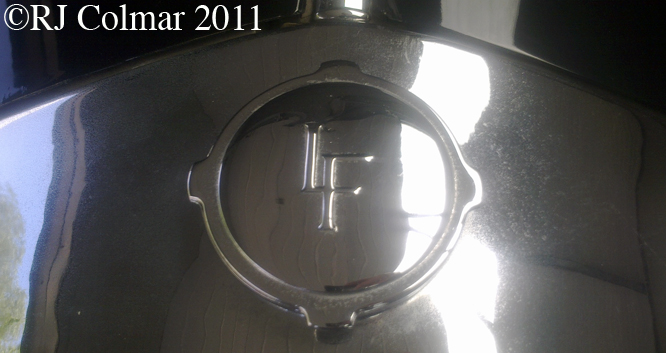
Lea Francis, Atwell Wilson Motor Museum, Calne

Entrance is an unbelievably low £5 and within were over 100 2, 3, 4 wheeled vehicles, and one soon to depart 6 wheel World War 2 AEC RAF Refuelling Tanker.

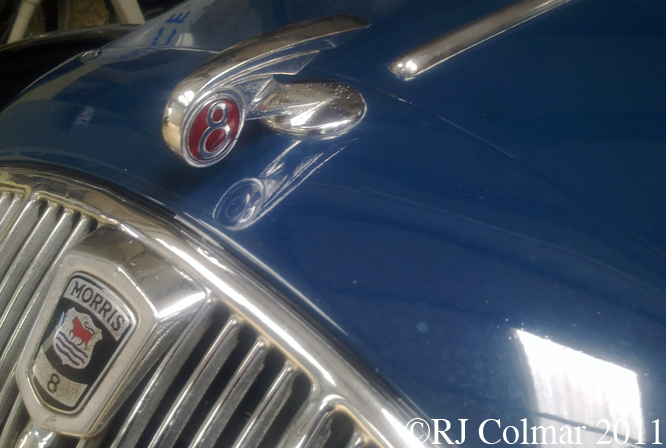
Morris 8, Atwell Wilson Motor Museum, Calne

The collection can broadly be divided into vintage and classic mass production vehicles with a particularly interesting collection of Limousines both British and American which are available at very reasonable rates for wedding hire.

Nash Statesman Super, Atwell Wilson Motor Museum, Calne

The Atwell Wilson Museum was founded by Richard and Hasel Atwell, who lived in Wiltshire all of their lives, in 1962 they started collecting vehicles with a local connection and maintaining them in a road worthy condition. Richard passed away last year, the Museum that has grown out of the collection is run by 15 volunteers.

Plymouth Fury, Atwell Wilson Motor Museum, Calne

On the weekend of July 9th and 10th the museum will be hosting a classic car weekend, if you have a classic car, or even if you don’t but would like to attend call 01249 813119 or e-mail enquiries@atwellwilson.org.uk for details. I shall look forward to attending on one of the two days.

Thanks for popping by today’s Atwell – Wilson edition of ‘Gettin’ a lil’ psycho on tyres’, I hope you will join me again tomorrow for a closer look at the Atwell – Wilsons 1962 Plymouth Fury. Don’t for get to come back now !

Share

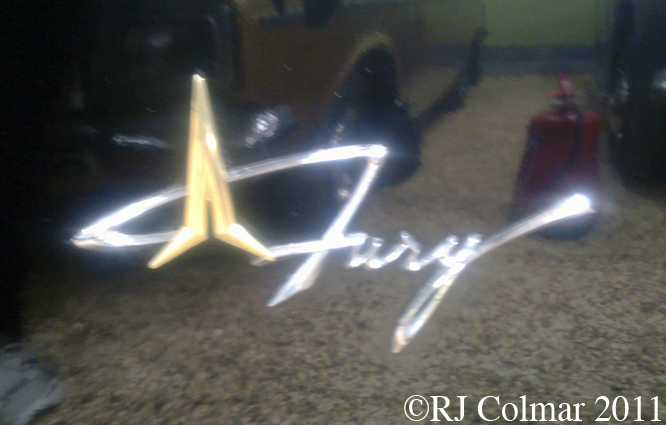
Chthonic deity of vengeance – Plymouth Fury

Plymouth Fury, Atwell Wilson Museum

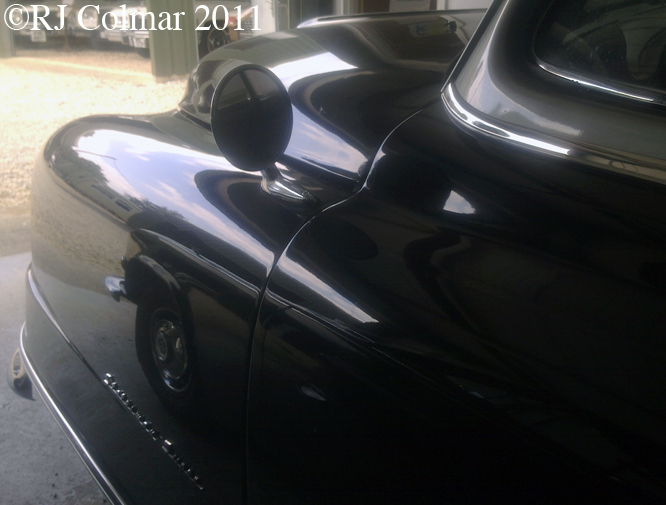
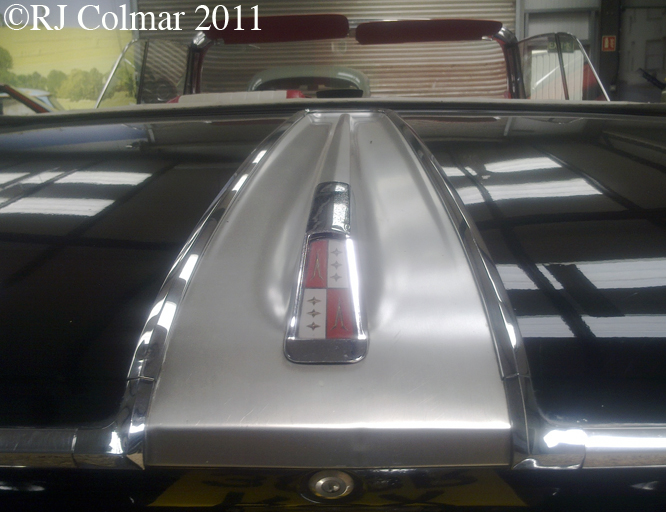
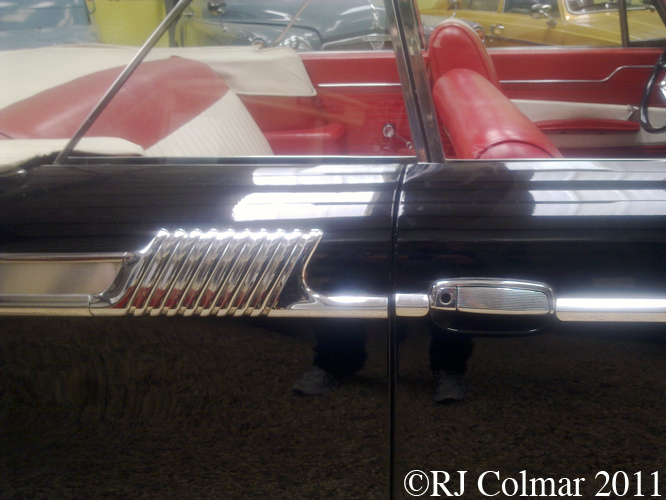
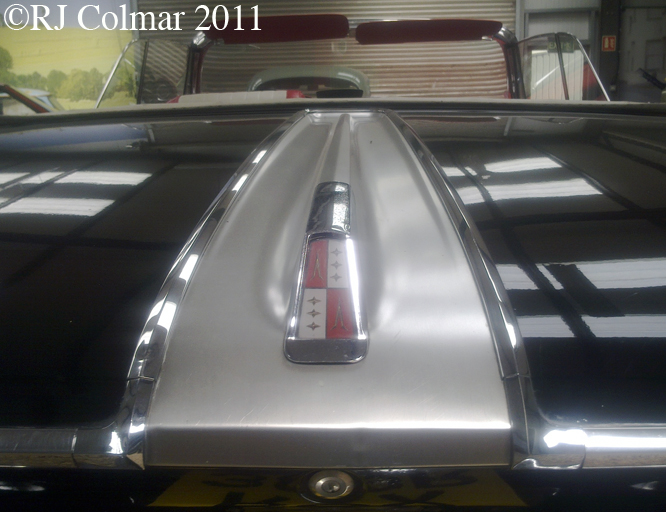
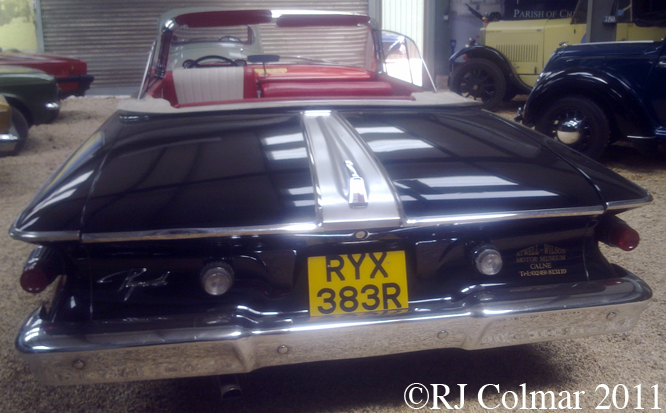
The second generation Plymouth Fury was in production from 1960 to 1964, in 4 door saloon / sedan, 2 door coupé, 4 door estate / station wagon or 2 door convertible body styles. The model featured in today’s blog was built in 1961.

Plymouth Fury, Atwell Wilson Museum

Second generation Furies are distinguishable from their earlier siblings by featuring unit-body construction doing away with the need for a separate chassis.

Plymouth Fury, Atwell Wilson Museum

The Fury takes its name from mythological subterranean personifications of vengeance.

Plymouth Fury, Atwell Wilson Museum

An electric motor powers a hydraulic pump which acts to power the hood down and back up, the hood is locked shut manually and sealed with a couple of press studs.

Plymouth Fury, Atwell Wilson Museum

Allegedly the ’62 Fury was downsized after the President of Chrysler misheard a GM executive saying that Chevrolet, GM’s bargain equivalent of Chryslers Plymouth brand would not have any full size cars in it’s ’62 model line up.

Plymouth Fury, Atwell Wilson Museum

With some 5,400 body welds to each Plymouth the unitary construction of the second generation Fury was estimated to have 40% more sag resistance and double the twist resistance of the first generation Fury with its body on frame construction method.

Plymouth Fury, Atwell Wilson Museum

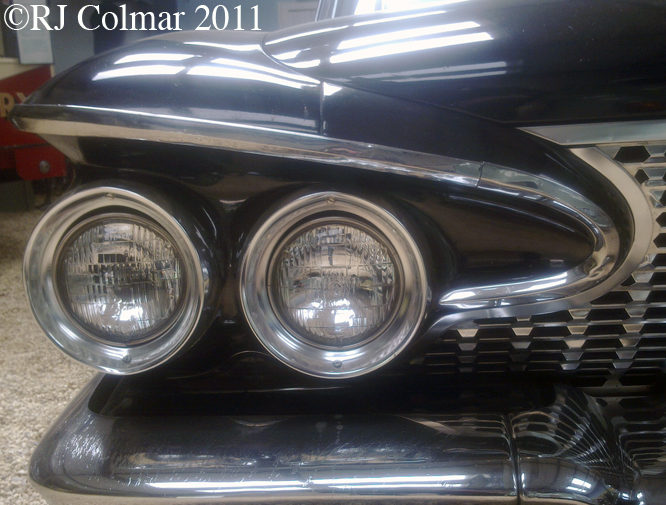
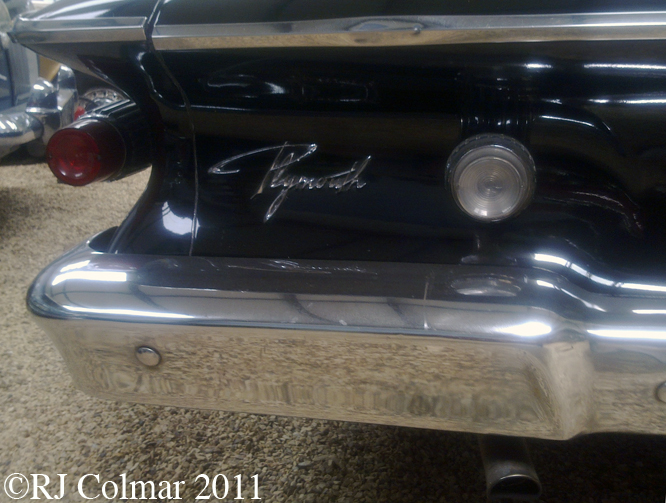
There is some debate about the ’61’s down turned fins which were critically acclaimed but not well received by the public , were they a deliberate feature or an unresolved feature by designer Virgil Exner who suffered a heart attack in 1960 and was near death when the 1961 and ’62 Fury designs were finalised.

Plymouth Fury, Atwell Wilson Museum

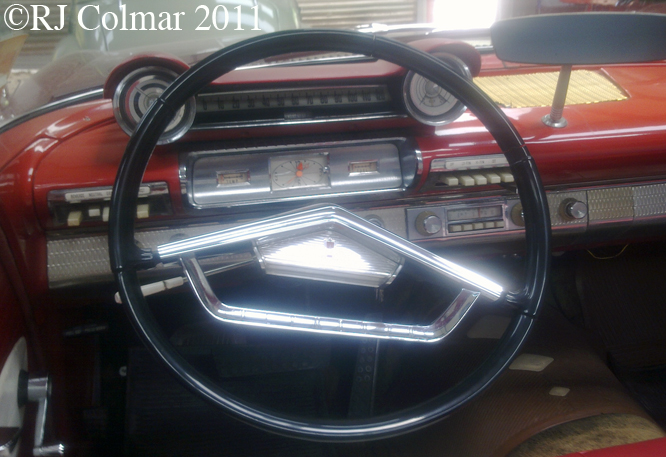
A particularly cool feature of the second generation Fury is that it has no gear stick / shift either floor or column mounted but instead the Torqueflite automatic gearbox is operated by just five simple push buttons at the 9 o’clock position to the left of the steering wheel.

A copy of this transmission operating system was also adopted by Bristol Cars on their 407 model which also used identical Chrysler 313 cui V8 engines and Torqueflite gearboxes to this particular Plymouth Fury.

Plymouth Fury, Atwell Wilson Museum

Imported from California in 1976 this is thought to be the only working ’61 Plymouth Fury in the United Kingdom and can be hired for weddings for a modest £275 pounds.

My thanks to the Atwell-Wilson Motor Museum for keeping this magnificent land yacht in working fettle and on display,

Thanks for joining me for another Mopar edition of ‘Gettin’ a lil’ psycho on tyres’ I hope you will join me again tomorrow when we take a peak at something very large and in charge from behind the Iron Curtain. Don’t for get to come back now !

Share

The Alpine Job – Allard K1 #156

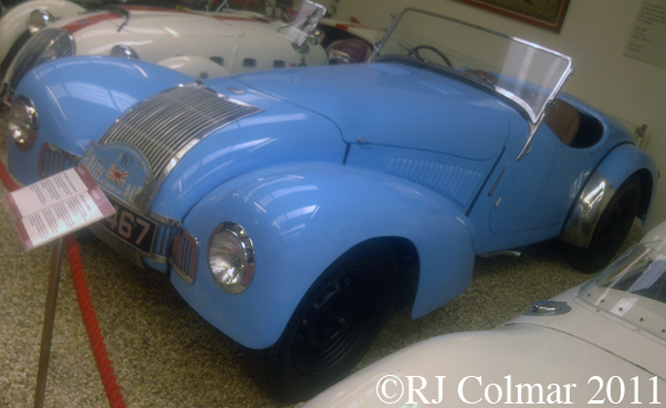
One of the cool aspects of The Italian Job (1969) is that it features 3 Mini get away cars one Red, one White and Blue.

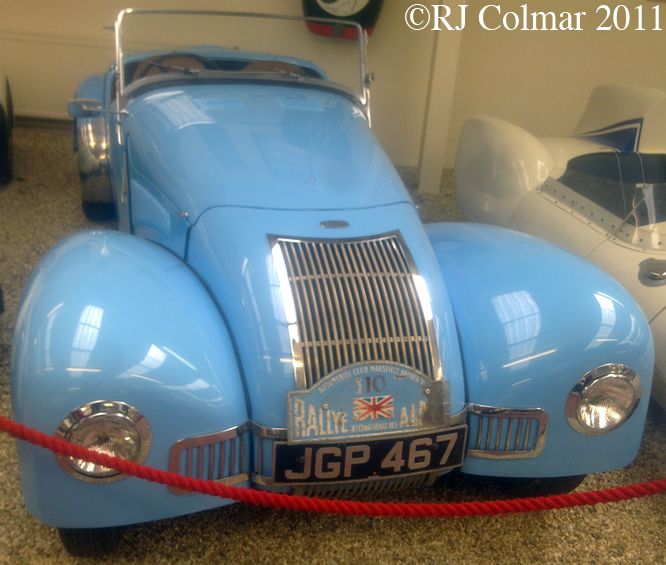
On my recent visit to the Haynes International Motor Museum I was surprised to learn that the idea of continental forays in three patriotically colour co-ordinated vehicles was not born in the ‘Swinging 60’s’ but rather dates back to at least 1947 when Allard entered three cars for the Alpine Rally one Red one White and one Blue.

David Hooper tells me that two of the cars used in this event chassis 156 seen here and 595 left the factory painted blue so presumably chassis 595 was repainted white especially for the Alpine event.

Allard K1, Haynes IMM

The model used by Allard on the Alpine adventure was the K1 fitted with a British built 3622 cc / 221 cui 85 bhp side valve Ford V8 with aluminium cylinder heads and twin carburetors, not to be confused with the externally visually similar 100 bhp 3917 cc / 239 cui Mercury V8 from the WW2 Universal Carrier known as the Bren Gun Carrier with which the Allard brothers had worked during the war and supplied as standard with the Allard J2 model.

Allard K1, Haynes IMM

The K1 chassis featured independent front suspension, Marles steering gear and hydraulic brakes.

Allard K1, Haynes IMM

Production of the Allard K1 ran from 1946 to 1948 with 151 examples built, though thanks to a rushed order an early K2 chassis, #1703, one K2 was delivered with a K1 body. Meaning there were actually 152 K1 bodied vehicles and only 118 K2 bodied vehicles built.

Allard K1, Haynes IMM

[Photo courtesy David Hooper]

Leonard Potter drove this particular vehicle, the only one of the 3 1947 Alpine team cars in original unrestored condition, to fifth place in class in the 1947 Alpine Rally despite a damaged front. There were no overall awards in this event until 1952 if there had been Potter would have been classified no better than 17th.

The remaining two cars did not fair so well Goff Imhoff in the white car (which according to some sources is described simply as pale) won a trophy on the manoeuvrability test at Aix but ultimately retired with a gearbox problem, while Maurice Wick retired with a big end failure.

My thanks to David Hooper for his photograph and recollections, to Colin Warnes of the Allard Registry along with David McKinney, Allan Lupton, Tim Murray, Peter Stowe, and Richard ‘Vitesse2’ Armstrong of The Nostalgia Forum, for rifling through a library of information that I can only dream of accessing.

Hope you have enjoyed today’s Alpine edition of ‘Gettin’ a lil’ psycho on tyres’ and that you will join me again tomorrow for a visit to an interesting collection of cars in Calne. Don’t forget to come back now !

22 06 11 mikeC has kindly confirmed that the Allard team cars were definitely red, white and blue on the 1947 Alpine Rally.

Share

Rare Side Vents – Ferrari 250 GT Cabriolet Series 2 #1815GT

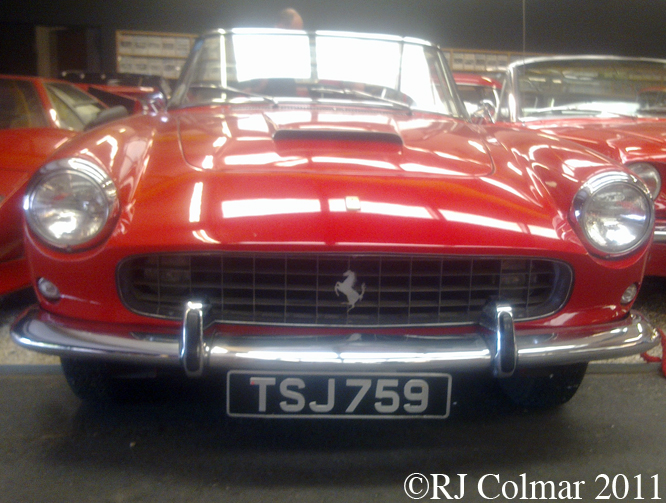
Despite the Haynes International Motor Museum having a room full of red vehicles only one of the Rosso Corsa cars is a Ferrari.

Ferrari 250 GT Cabriolet Series 2, Haynes IMM

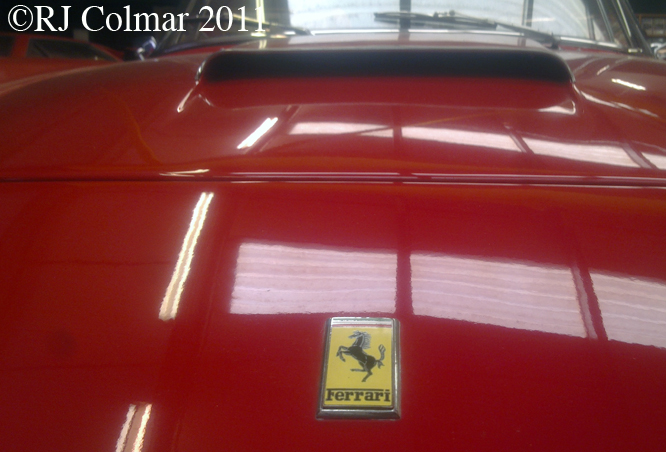
The Ferrari 250 GT Cabriolet Series 2 was launched in 1959 featuring a Pinin Farina designed body that was simpler than the Series 1, in part was due to the intention of the Series 2 to be made for series production rather than to order.

Ferrari 250 GT Cabriolet Series 2, Haynes IMM

This 1960 left hand drive model with a 3185 cc / 194 cui V12 was orginally exported to the USA and in 1987 was sold by Coy’s of London with the registration ‘Q 999 EGC’.

Ferrari 250 GT Cabriolet Series 2, Haynes IMM

It is thought around 212 Series 2 models were manufactured as against just 36 of the Series 1 model.

Ferrari 250 GT Cabriolet Series 2, Haynes IMM

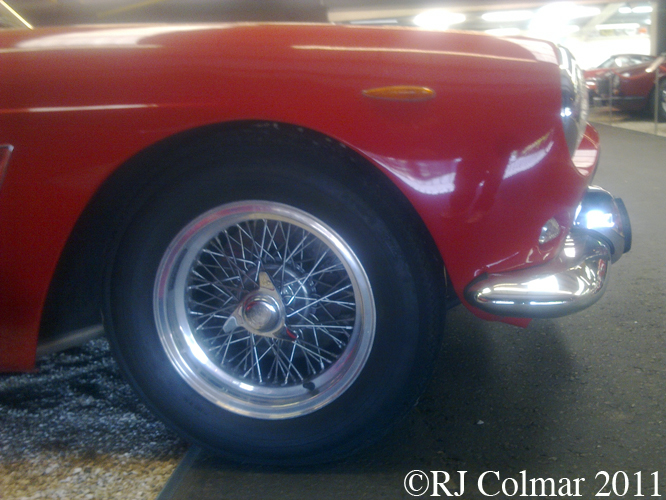
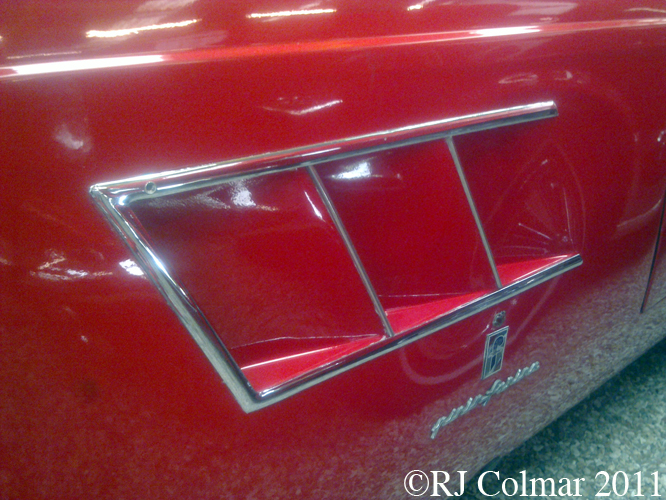
While the Series 2 is known as a model manufactured in series this particular example has extremely rare, for the model type, side vents.

Thanks for joining me on this slightly tardy Ferrari Friday edition of ‘Gettin’ a lil’ psycho on tyres’, I hope you’ll join me for a stretch limo edition tomorrow. Don’t forget to come back now !
Share

Lots of Red Cars – Haynes International Motor Museum

Allard K1, Haynes IMM

A couple of weekends ago I was in a bah humbug mood looking for something to do when a friend asked if I had ever been to the Haynes International Motor Museum, to which I had not and responded accordingly, before I knew it I was being whisked away towards Sparkford in deepest Somerset.

Auburn 852SC, Haynes IMM

The museum bills it’s self as having the UK’s largest collection of cars, numbering over 400, to which maybe added it probably has the largest collection of cars painted red !

Austin Healey Sprite, Haynes IMM

John Haynes publisher of many DIY car repair manuals established the museum, which operates as an Educational Charitable Trust, in 1985.

GAZ M13 Chaika. Haynes IMM

Apart from the accidental or otherwise concentration of red vehicles there are plenty of cars from all over the world some of which were models and or manufactures I had never heard of before.

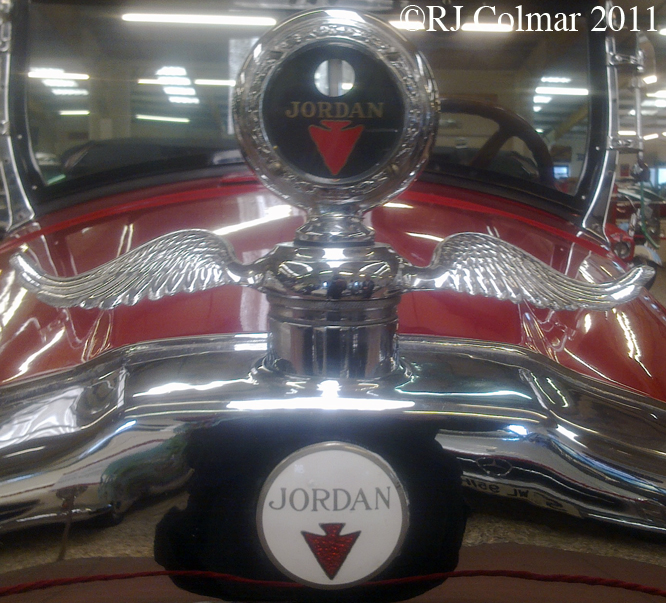
Jordan Playboy, Haynes IMM

The vehicles are tightly packed at the moment, though unusually for a museum many, possibly even most, get a run round the museum grounds by the museum staff, while others can be hired for weddings and special occasions, a magnificent growling Viper got a quick blast round the museum while we were there.
Lanchester, Haynes IMM

Plans are afoot to expand the museum is September this year and having managed to snap only 10% of the collection over the couple of hours of my visit I look forward to returning even with the building work underway, the ticket I purchased is valid for a year !

Look forward to sharing some of the stories behind these cars in future editions of ‘Gettin’ a little psycho on tyres’, I hope you will join me again tomorrow for a trip to Silverstone. Don’t forget to come back now !
Share