Tag Archives: Show

5900 Miles To Fame And Fortune – Chevrolet Master 85 Coupé

The origins of the Chevrolet Master 85 Coupé can be traced back to 1928 when Chevrolet started to switch from building four cylinder motors to six cylinder motors.
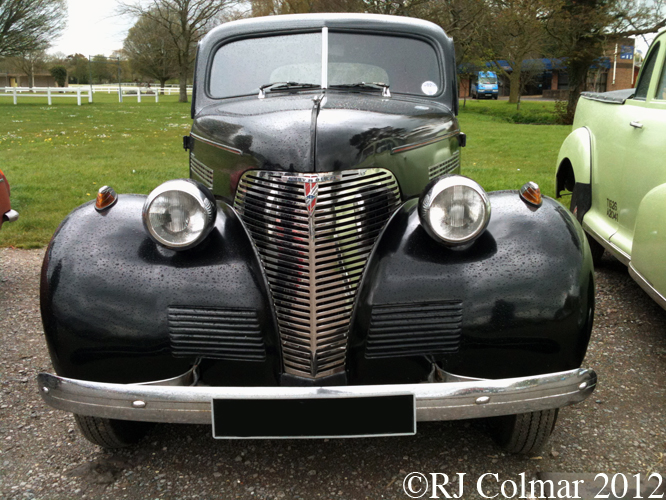
Chevrolet Master 85 Coupé, Bristol Classic Car Show

The introduction of this innovation played to Chevrolet’s advantage as coincidentally Fords experienced a downturn in fortunes as it belatedly switched production from the Model T to the Model A.
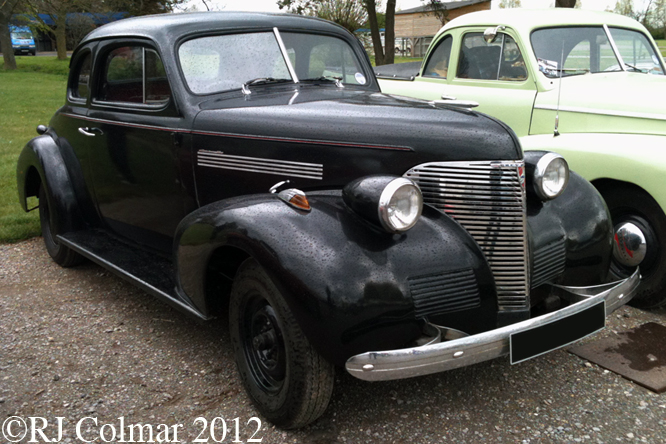
Chevrolet Master 85 Coupé, Bristol Classic Car Show

In 1933 the Master series was introduced as an above base (Standard) range of vehicles and in 1937 this series received an 85 hp 3.5 litre / 216 cui six cylinder motor from which the marketing department added the 85 to the Master Series name.
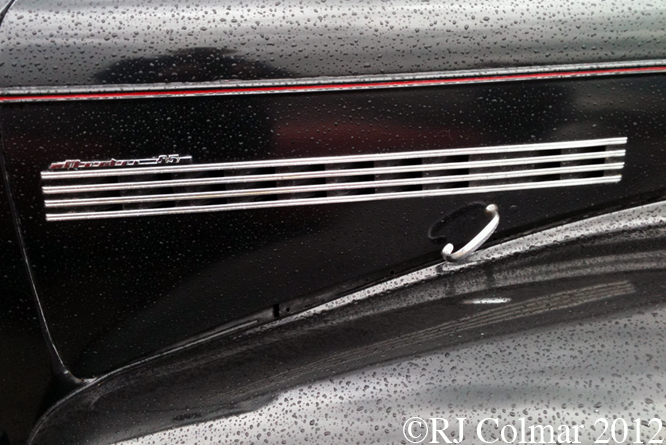
Chevrolet Master 85 Coupé, Bristol Classic Car Show

A ‘tiptoe-matic’ diaphragm spring clutch aided smooth changes between the three forward gears in the gearbox.
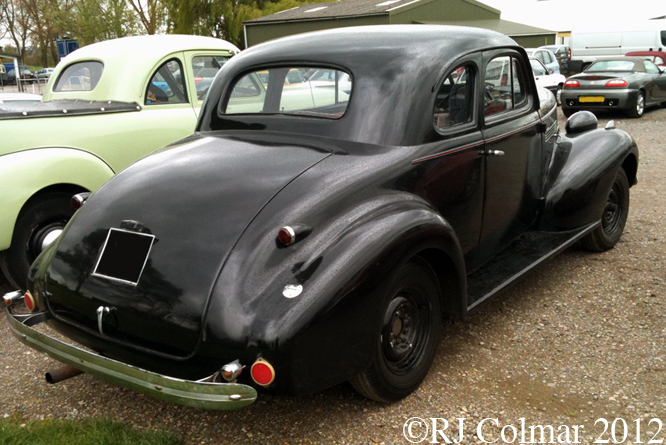
Chevrolet Master 85 Coupé, Bristol Classic Car Show

In 1939 the sealed Dubonnet inspired ‘Knee Action’ independent front suspension was abandoned in favour of coil springs and wishbones.
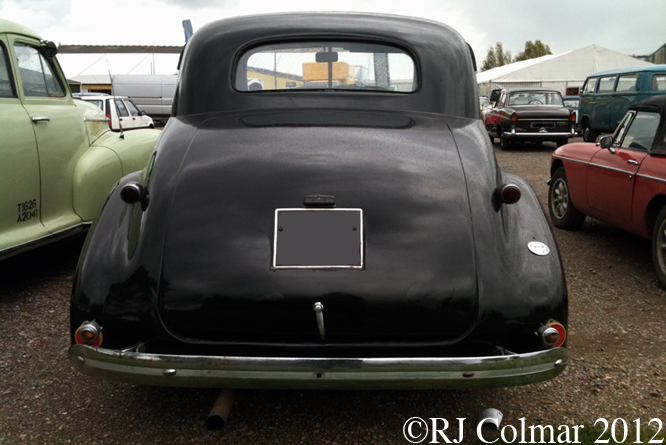
Chevrolet Master 85 Coupé, Bristol Classic Car Show

In 1940 a little known 29 year old Argentinian Juan Manuel Fangio, who had started making a name for himself racing a Ford Model A, and his friends modified a Chevrolet Master 85 Coupé for the demands of a 5900 mile race from Buenos Aires, Argentina to Lima, Peru and back.
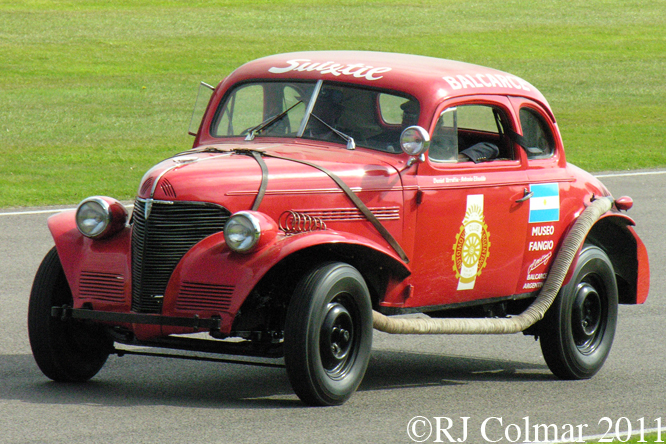
Chevrolet Master 85 Coupé, Goodwood Revival

Juan managed to average 53.5 miles per hour on some of the worlds roughest roads traversing some of the worlds most isolated regions to win the race. He backed up the performance with back to back Turismo Carretera Series championship wins in 1940 and 1941 which was enough to secure backing from the Argentinian government in 1948 for a trip to Europe that would herald the arrival of the worlds first 5 time World Champion.

The copper pipe clearly seen on the wing / fender of Juan’s Master 85 above acts as an oil cooler.

Thanks for joining me on this ‘5900 miles to Fame And Fortune edition of “Gettin’ a li’l psycho on tyres”, I hope you will join me again tomorrow when GALPOT will feature a Ferrari 458. Don’t forget to come back now !

Share

Silver Plated Steering Wheel Boss – MG 18/80 Mk II Prototype

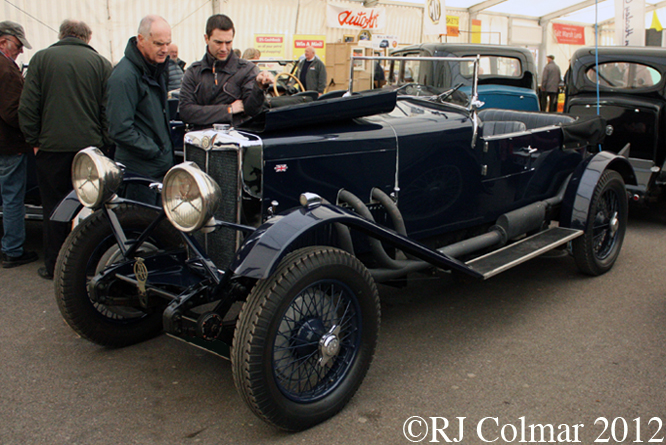
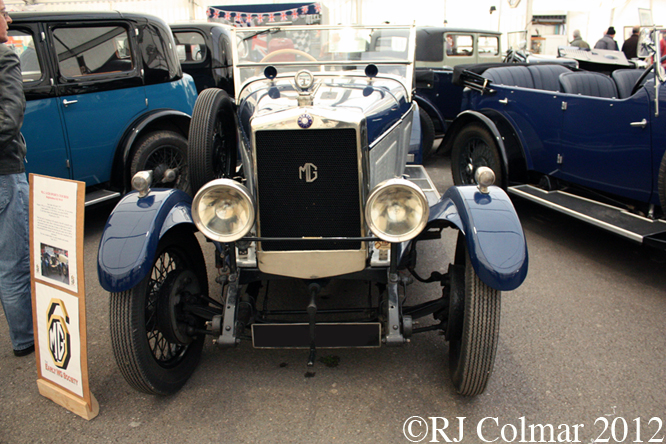
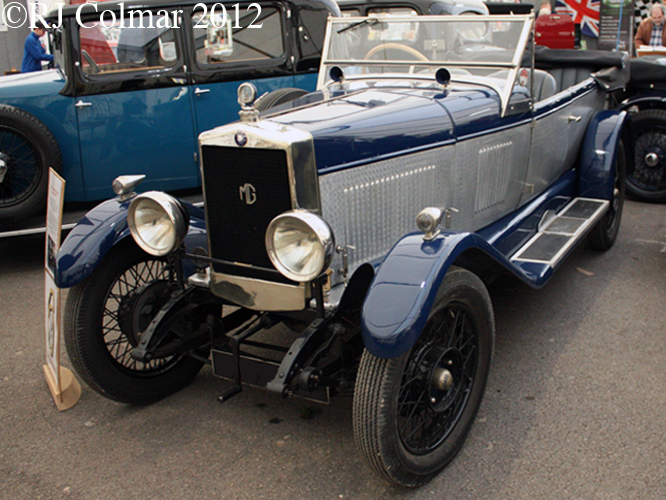
In 1928 MG moved away from it’s original remit of giving Morris Bullnose products wider appeal which culminated in the MG 14/40 and started to manufacture it’s own chassis and engine blocks.

MG 18/80 Mk II Prototype, Bristol Classic Car Show

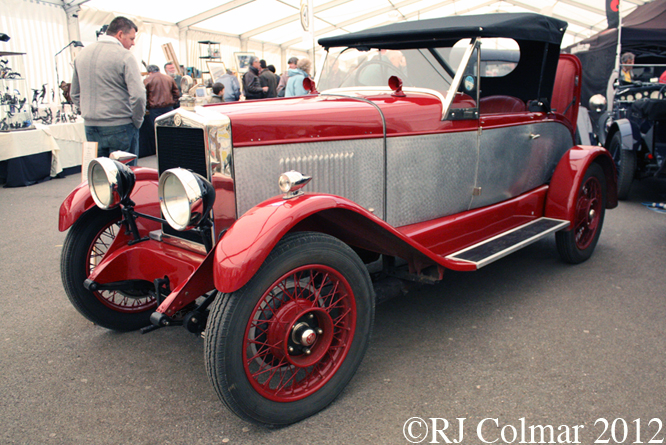
The new 18/80 model featured both a unique MG chassis and engine block both of which had been developed from lessons learned from a Morris Light Six Saloon that never went into production. The new distinctive radiator design would be maintained all the way through to the T Series.

MG 18/80 Mk II Prototype, Bristol Classic Car Show

The 18/80 also featured unique to MG front and rear axles with Rudge Whitworth centre lock wheels an either tourer or saloon body styles.

MG 18/80 Mk II Prototype, Bristol Classic Car Show

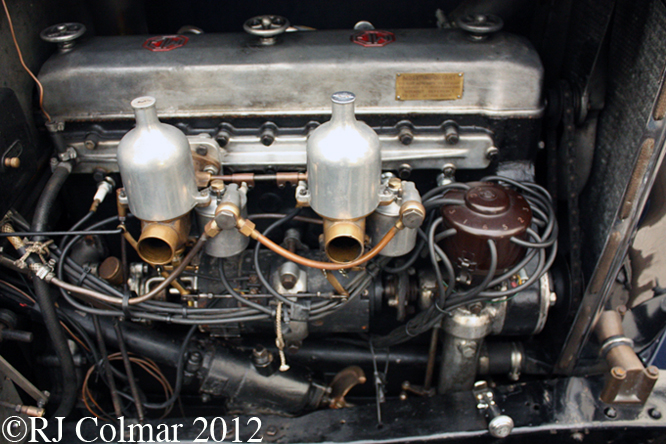
The twin carburetor six cylinder motor featured a four bearing crankshaft with a Duplex chain, see behind the radiator on the right, which drives the camshaft, distributor, water pump, oil pump and dynamo. The MG 80 hp rated six gave the 18/80 enough power to reach 100 mph. The motor seen here has been upgraded with a MK III cylinder head and ignition and drives through a Rover SD1 clutch in place of the original cork in oil unit.

MG 18/80 Mk II Prototype, Bristol Classic Car Show

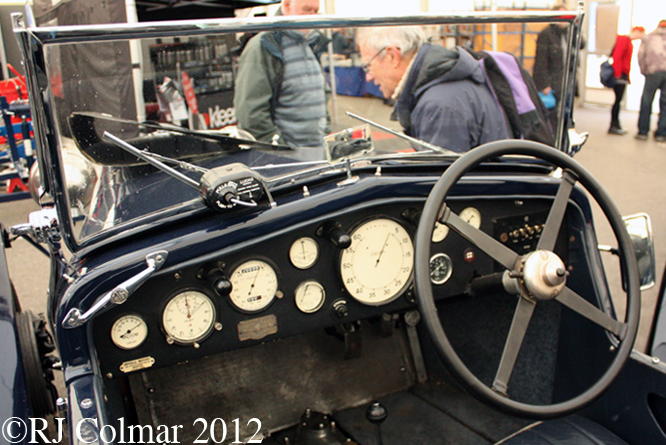
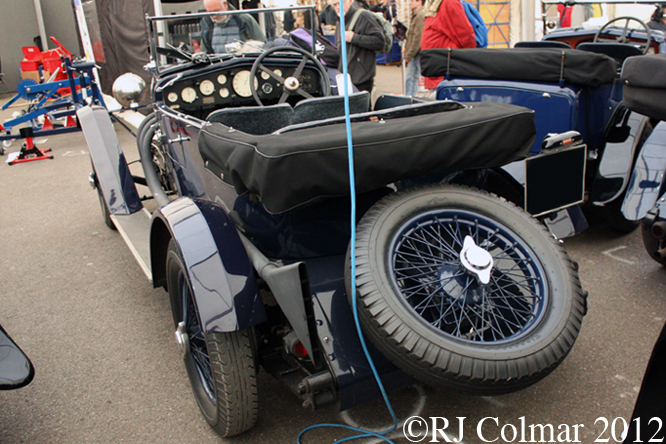
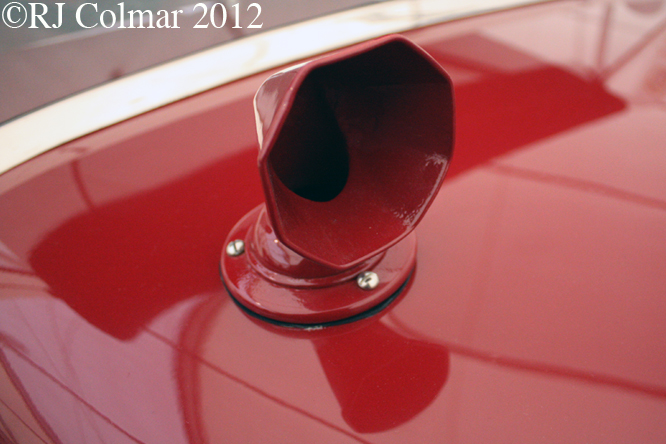
The 1929 chassis of the vehicle featured today was originally built as a prototype for the MK II saloon in 1929 however by the early 80’s the body was in such a poor state that it was replaced with a Mk III 18/100 ‘Tigress’ style body. Note the unique silver plated steering wheel boss from the original Mk II Prototype has been retained, but the dash and instrumentation are from a Mk III Tigress.

MG 18/80 Mk II Prototype, Bristol Classic Car Show

As a result of underwhelming track performance, only five ready to race Mk III ‘Tigress’ vehicles, styled after the contemporary Bentley competion models, were built in period.

Thanks for joining me on this “Silver Plated Steering Wheel Boss” edition of “Gettin’ a li’l psycho on tyres” I hope you will join me again tomorrow when I’ll be featuring a Techno DAF. Don’t forget to come back now !
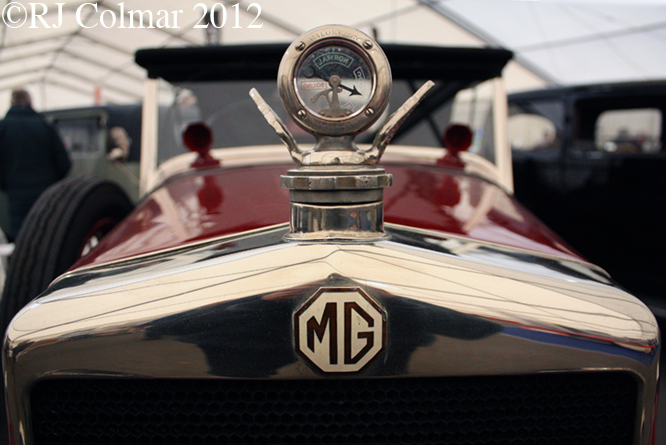
Share

Buried And Covered In Concrete – MG 14/40 MK IV Sports

Towards 1927 production of MG’s moved to a new factory in Edmund Road, Oxford and production of the MG 14/40 MK IV commenced, with MG Car Company becoming a legal entity in 1928.

MG 14/40 Mk IV Sports, Bristol Classic Car Show

14/40’s were built around bare Morris Oxford chassis, unlike earlier MG’s that were built from completed frames that were striped and rebuilt to MG specifications, as the MG 14/28 had been but were now given MG chassis numbers, MG badges and motors, optimistically, estimated to produce 40hp.

MG 14/40 Mk IV Sports, Bristol Classic Car Show

MG publicity at the 1928, London, Motor Show mentions Land Speed Record Breaker Malcolm Campbell as an owner of a 14/40, a model which was struggling to sell at the time in part due to the age of the Oxford chassis and side valve motor underpinning the car.

MG 14/40 Mk IV Sports, Bristol Classic Car Show

MG founder Cecil Kimber went to great lengths to differentiate his cars from their Morris inheritance before fitting MG bodies, his alleged obsession with octagons is said to have been frequently overdone.

MG 14/40 Mk IV Sports, Bristol Classic Car Show

This Mk IV Sports is one of 135 such vehicles built in 1928 and the only survivor in the UK of a total of just four that are known to exist.

MG 14/40 Mk IV Sports, Bristol Classic Car Show

The winner of Best Vintage Car award at the Bristol Classic Car Show, where it is seen in these photo’s, has no history prior to 1999 when it was found beneath a ripped up concrete base of a shed in Gloucestershire.

MG 14/40 Mk IV Sports, Bristol Classic Car Show

The disassembled car was found carefully preserved beneath a further layer of gravel complete with it’s guarantee plate and original number plates apparently ready for it’s ground up restoration.

Thanks for joining me in this ‘Buried And Covered In Concrete’ edition of “Gettin’ a li’l psycho on tyres’ I hope you will join me again tomorrow when I’ll be going Dutch with a Daf. Don’t forget to come back now !
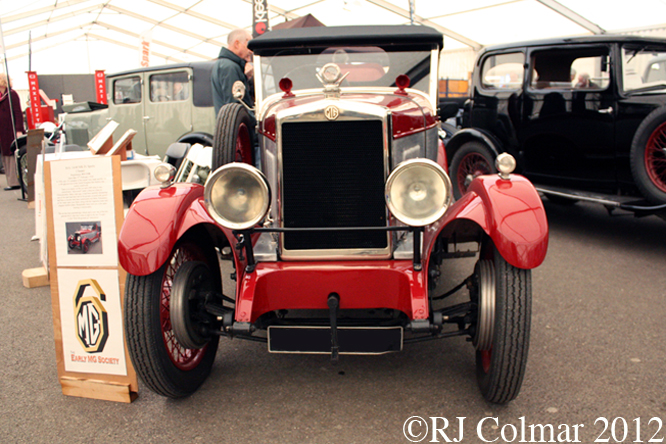
Share

Imshi Chassis – MG 14/28

The history of the foundation of MG cars as a manufacturer is closely linked to the development of a vehicle, by Cecil Kimber of Morris dealer Morris Garages in 1923, based on a 14/28 Morris Oxford chassis purchased directly from the Morris Factory. In 1927 Morris Garages started registering their cars for the road with the local council as MG’s advertising one such car as being based on the ‘Imshi chassis’. Imshi, Arabic for ‘get a move on’, refers to a news paper journalists six month expedition through Europe and North Africa in a 14/28 Morris Oxford.

MG 14/28 Classic Car Show, Bristol Classic Car Show

MG badges did not appear on the cars with MG bodies and modifications to Morris chassis and motors until 1928 and the blue radiator badge on the 1927 14/28 seen here bears the ‘Morris Oxford’ name. The car, seen here at the Bristol Classic Car Show, belonging to an Early MG Society member, is one of just 10 of the later 290 flat radiator 14/28’s built, the original 14/28 maintained the bull nose radiator from the original 14/28 Morris Oxford chassis.

MG 14/28 Classic Car Show, Bristol Classic Car Show

This car was found in 1989 and the current owner acquired it in 1996 and since proceeded with a restoration to bring the 65 mph car, which cost £350 new, to it’s current condition.

Thanks for joining me on this ‘Imshi Chassis’ edition of ‘Gettin’ a li’l psycho on tyres, I hope you will join me again tomorrow when I’ll be featuring a Panhard. Don’t forget to come back now !
Share

Easy Handler – Ford Gran Torino

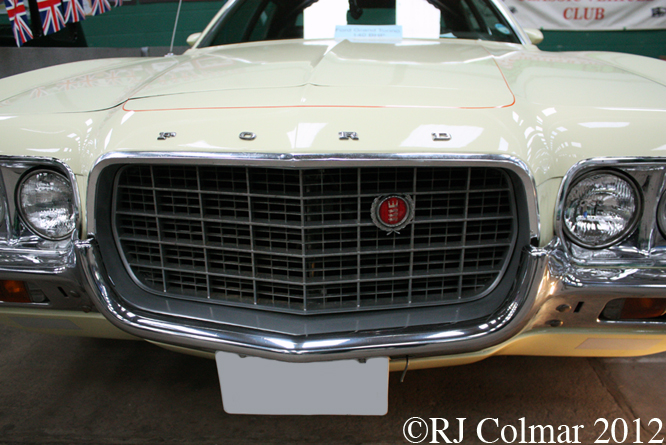
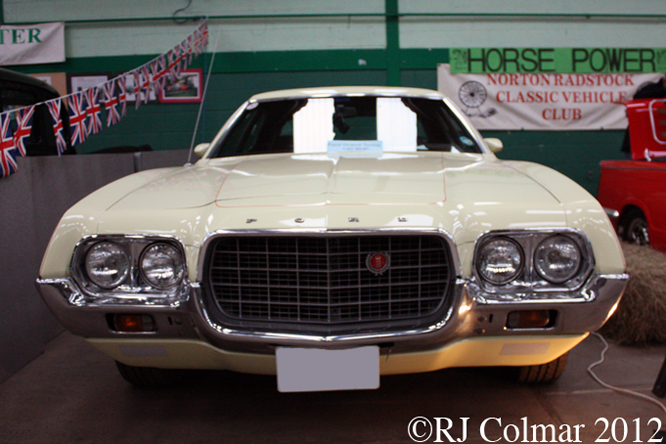
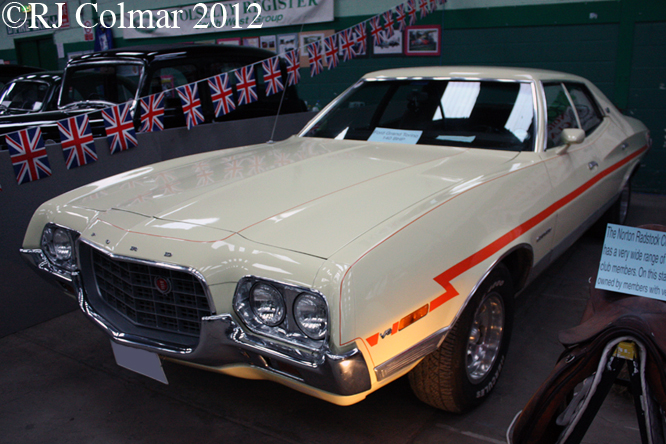
For 1972 Ford stepped back in time and revived the separate chassis frame and body technique to build the Torino and Gran Torino models that were made both wider and heavier in Ford’s relentless pursuit of a comfortable quiet ride, ‘easy handling‘ and not forgetting a good profit.

Ford Gran Torino, Bristol Classic Car Show

Behind the basking shark like mouth of this particular Gran Torino sits a mid range 5.8 litre / 351 cui Windsor or Cleveland V8.

Ford Gran Torino, Bristol Classic Car Show

The Torino’s improved ride was said in Ford’s publicity to be down to the ‘computer tuned’ suspension and was well received in contemporary press reports.

Ford Gran Torino, Bristol Classic Car Show

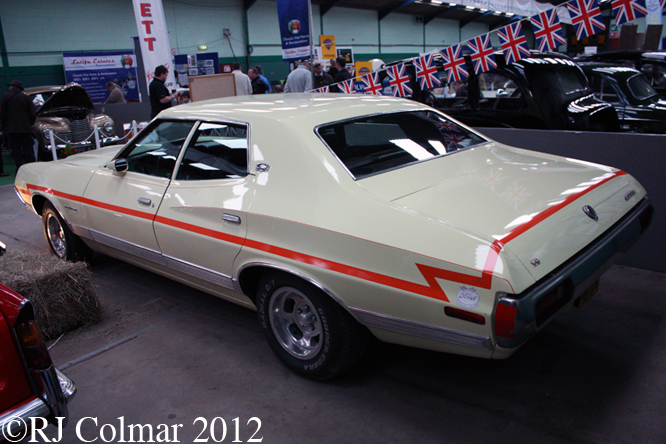
Styling of the ’72 was typical for the period long bonnet / hood, short boot / deck. The two and four door models were built on 114″ and 118″ frames respectively, allowing Ford to make significant savings in interchangeable body panels.

Ford Gran Torino, Bristol Classic Car Show

In a nod to advances in braking technology that had been widely available in Europe for five or six years the Torino along with its Mercury Montego twin became the first US mid size vehicle to have front disc brakes fitted as standard. It’s hard to imagine FIAT, the Italian automobile manufacturer, naming a model ‘Great Detroit’ after the USA’s great motor city but it is probably best not to tempt fate.

Ford Gran Torino, Bristol Classic Car Show

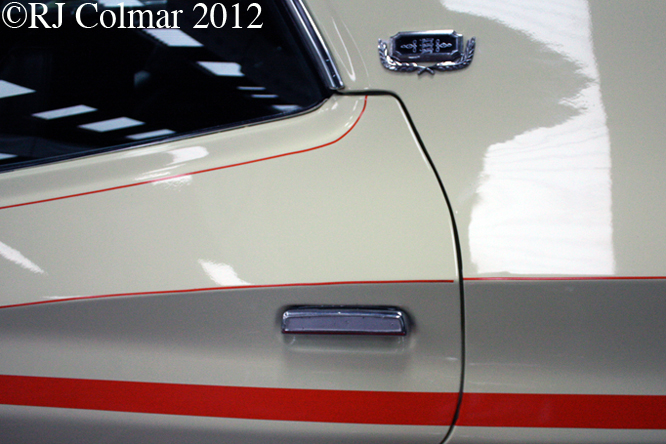
Recessed door handles were a new safety feature for the ’72 Torino models. The vehicle seen in these images at the Bristol Classic Car Show belongs to a member of the Norton Radstock Classic Vehicle Club.

Ford Gran Torino, Bristol Classic Car Show

The success of the 9 model ’72 Torino range can be judged by nearly 500,000 sales that for the first time since 1964 allowed Ford to eclipse the Chevrolet Chevelle to claim top spot in the mid size market segment. It was probably not by accident that Clint Eastwood chose a ’72 Gran Torino as an analogous model for his 2008 film of the same name to chart the decline of public civility in Detroit.

Thanks for joining me on this ‘Easy Handler’ edition of “Gettin’ a li’l psycho on tyres” I hope you will join me tomorrow. Don’t forget to come back now !
Share

A New Peak – Ford Cortina Mk III

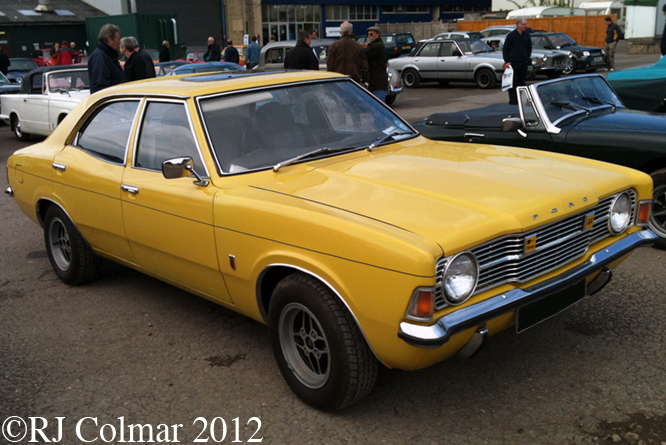
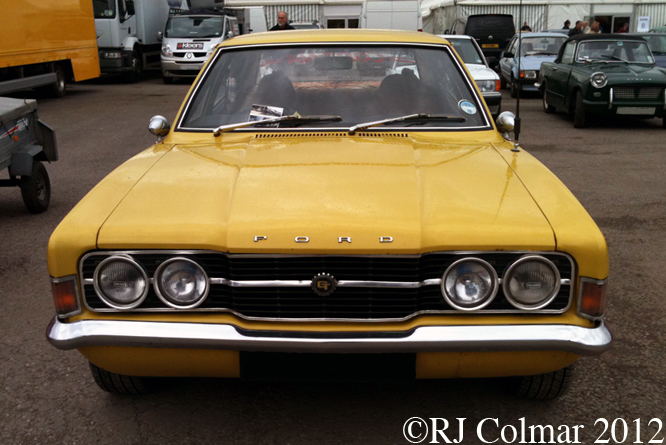
Barry Gill talking in a Ford promotional video claimed Ford had brought motoring to a new peak when they launched the Cortina MK III in 1970 and sales would prove that the claim was not without substance in the minds of the paying public.

Ford Cortina Mk III XL, Bristol Classic Car Show

The new car with late 60’s wide hip US Ford Torino influenced styling was several inches wider and lower than the million plus selling Ford Cortina Mk II.

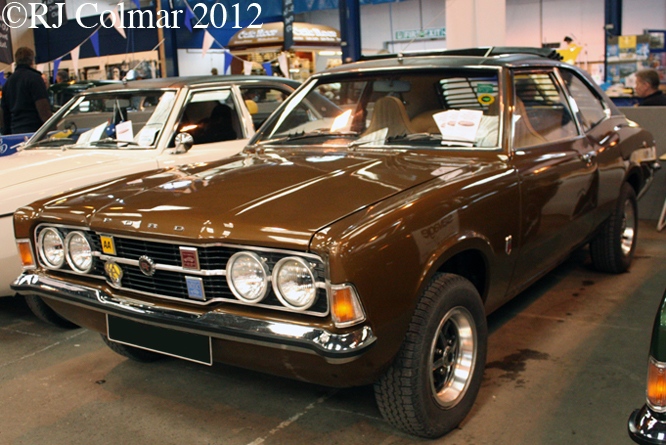
Ford Cortina Mk III GT, Bristol Classic Car Show

As with the Cortina Mk II there was a plethora of different models L and XL models featured a pair of head lights while the GT, GXL variations featured twined pairs of headlights and Rostyle wheels as seen in the photo below. The XL model in the top photo appears to have a set of out of period RS wheels.

Ford Cortina Mk III GT, Bristol Classic Car Show

The Peak Performer came in 2 door, 4 door and 5 door estate versions while specialists like Crayford would be more than turn a Saloon / Sedan into a convertible. In South Africa a pickup ‘P100’ variation of the Mk III Cortina was also built.

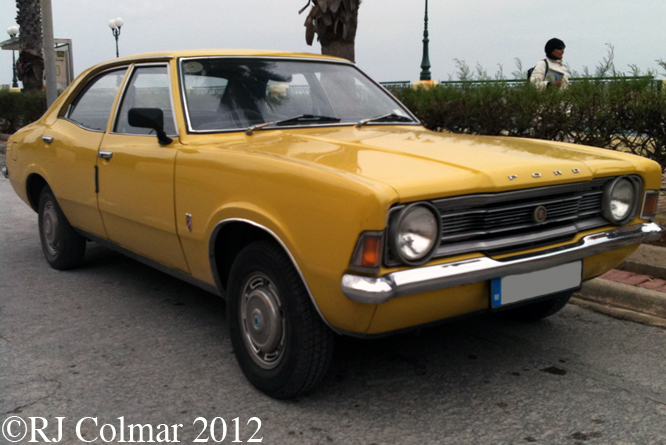
Ford Cortina 1300, Qwara, Malta

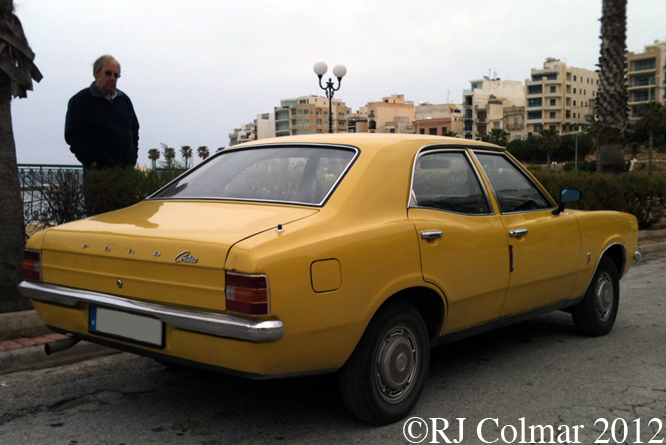
In late 1973 the Cortina recieved a mild face lift known as the TD, the Cortina (TD) 1300 above seen in Malta is almost indistinguishable from the XL at the top of the post the GT and 2000E which replaced the GXL featured square headlights in place of the twined pairs of head lights of the original Mk III.

Ford Cortina 1300, Qwara, Malta

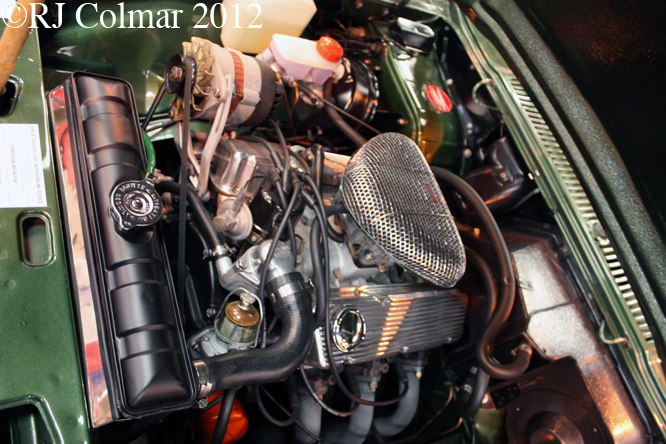
In the UK 4 cylinder overhead valve Kent and single overhead cam Pinto engines from 1.3 litre / 79 cui to 2 litres / 122 cui were available dependent on the different trim specifications.

Uren Ford Cortina Mk III Savage, Bristol Classic Car Show

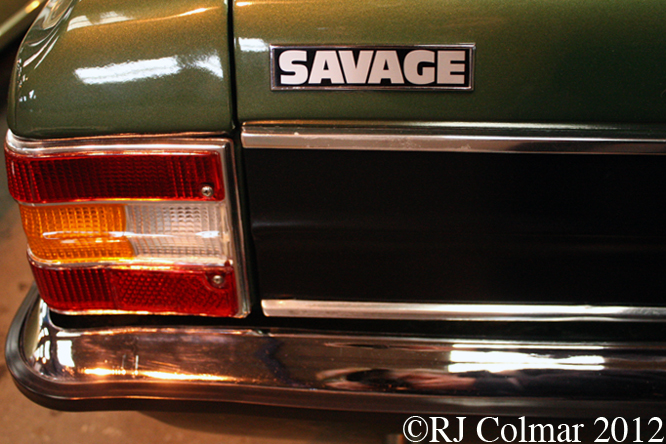
Despite the Peak Performance tag Mk III Cortina’s were never intended for competition although Radio Presenter Noel Edmonds gained a fair amount of publicity for driving one in production saloon car races and Ford did organise a celebrity series called the BAE Trident trophy when the Mk III was launched with participants including Formula One champions Graham Hill and John Surtees along with British Rally ace Roger Clark. Those in the UK wanting larger motors had to turn to Jeff Uren who fitted Essex 144 hp 3 litre V6 motors which could be specified with Westlake cylinder heads giving 190 hp or additionally with Tecalemit fuel injection under an impressively ventilated bonnet / hood to give 218 hp and a zero to 60 mph time of 7 road burning seconds.

Uren Ford Cortina Mk III Savage, Bristol Classic Car Show

Those living in Australia could order their Cortina’s with a factory fitted straight six Ford (Australian) Falcon 4.1 litre / 250 cui motor while in South Africa a Essex V6 versions of the Mk III Cortina were built with the top of the range 3 litre / 183 cui carrying a Perana badge. Like the Mk II Cortina sales of the Mk III Cortina reached well over a million by the time production ceased in 1976.

Thanks for joining me on this ‘A New Peak’ edition of “Gettin’ a li’l psycho on tyres” I hope you will join me again tomorrow when I shall be looking at Ford Torino a US contemporary of the Mk III Cortina. Don’t forget to come back now !
09 05 12 PS I did not know it at the time of the original post but a Ford Cortina features in a car chase in the 2011 Robert De Niro action movie ‘Killer Elite‘.

Share

Terry’s Jam Jar – Ford Capri II 2.0S

After selling more than a million Mk 1’s Ford Capri’s between 1969 and 1974 Ford gave the ‘Car you always promised your self‘ a new body with a shorter bonnet / hood and hatch back tailgate while retaining most of the original running gear.

Ford Capri II 2.0S, Bristol Classic Car Show

The 4 cylinder 2.0 litre / 122 cui Pinto motor was offered as a half way house between the top of the range 3.0 litre / 183 cui V6 Essex powered vehicles and the lesser 4 cylinder Kent powered models.

Ford Capri II 2.0S, Bristol Classic Car Show

The Capri II, like it’s predecessor was sold under the Mercury brand in the USA, it was taken off the US market after the 1977 model year.

Ford Capri II 2.0S, Bristol Classic Car Show

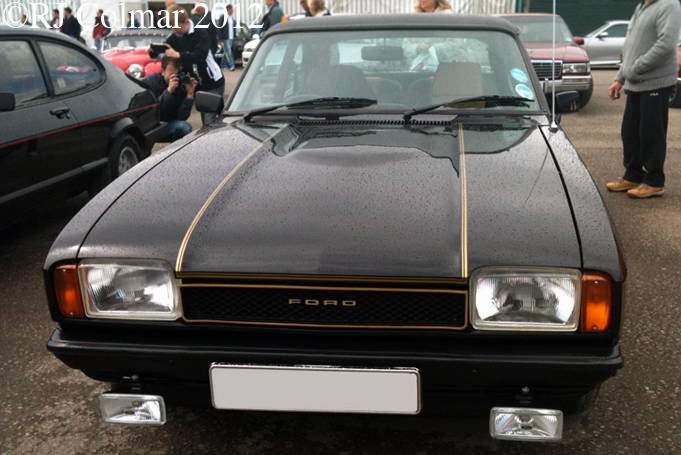
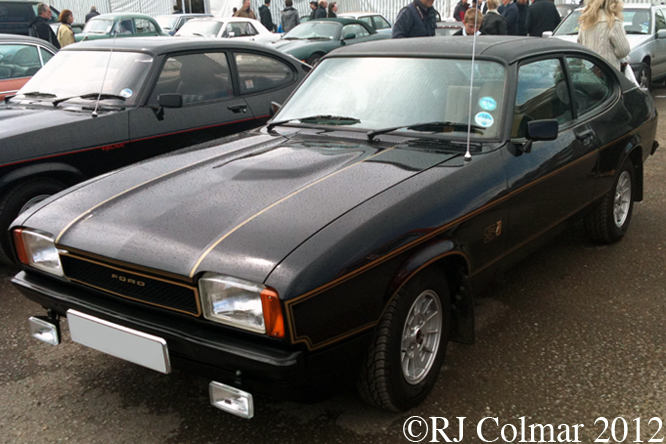
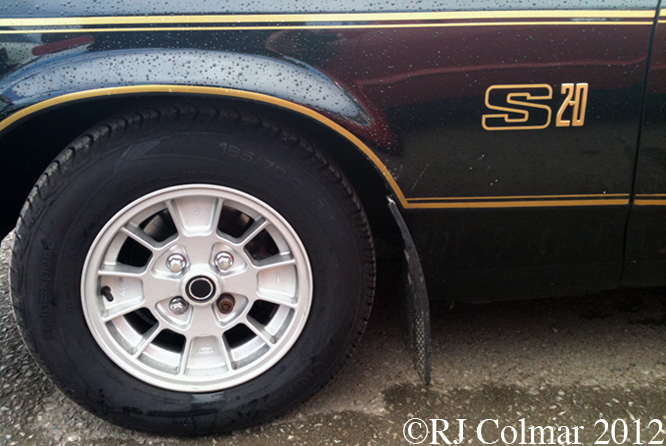
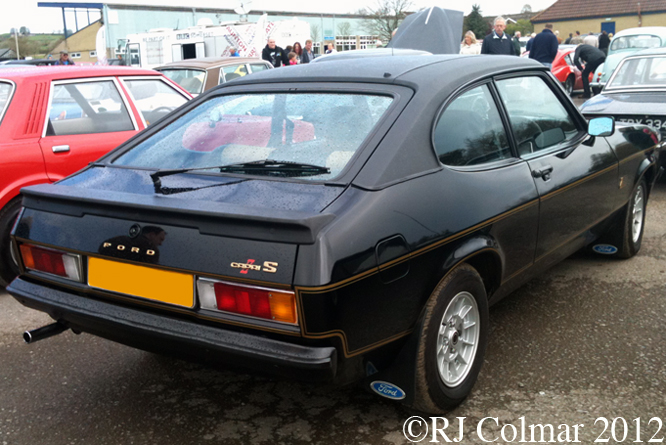
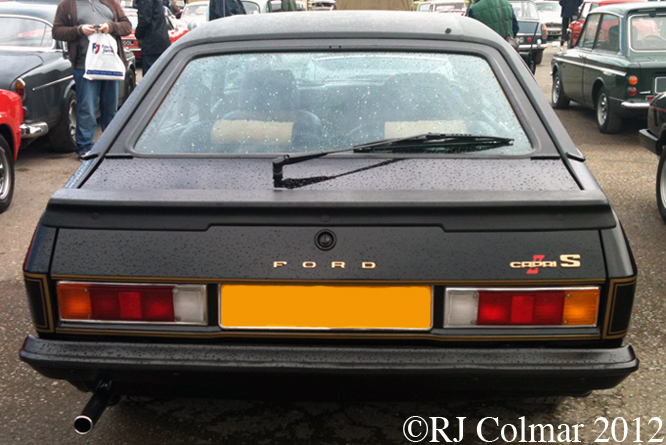
The 2.0S, seen here at last weeks Bristol Classic Car Show, was available with came with standard alloy wheels, in 1975 a John Player Special, (tobacco brand !) limited edition was announced with gold coloured alloy wheels, the 1976 example seen above has similar black and gold paintwork to the JPS limited edition which mimicked the colour scheme seen on the world championship winning JPS Lotus team cars of 1972 and 1973.

Ford Capri II 2.0S, Bristol Classic Car Show

The most famous Ford Capri II 2.0S, in British circles at least, was a white one that was seen on the Intro to a TV series called Minder, about London’s criminal under world featuring a crooked entrepreneur Arthur, pronounced Arfur, Daley and his ‘Minder’ Terry McCann who is seen in the opening sequences test driving and accepting a 1976 white 2.0S in return for his ‘services’.

Ford Capri II 2.0S, Bristol Classic Car Show

Terry’s Jam Jar, cockney slang for car, registered SLE 71R was voted the 28th most popular TV car in a 2005 pole by Sky satellite TV viewers.

Thanks for joining me on this ‘Terry’s Jam Jar’ edition of ‘Gettin’ a li’l psycho on tyres’ I hope you will join me again tomorrow. Don’t forget to come back now !
Share