Tag Archives: Volkswagen

Test 7 Gordano – Le Jog

On Saturday afternoon I gathered with a couple of friends from the Bristol Pegasus Motor Club and a few more from the Bristol Motor Club to marshal Test 7 of the 20th Le Jog classic car rally from Lands End to John O’Groats.
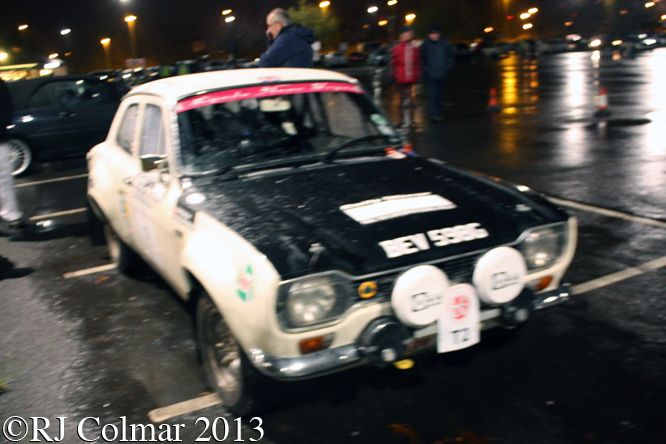
Ford Escort TC, Gordano Services, Le Jog

First competitor to arrive at the start area were David Bryan and Ian Humperson in this Escort Twin Cam built up as a replica of a car in which Roger Clark competed in the 1968 RAC Rally. Unfortunately David and Ian declined to take Test 7 as they had a problem with the rear suspension. However they completed the event and won blue ribands in the Touring Trial.
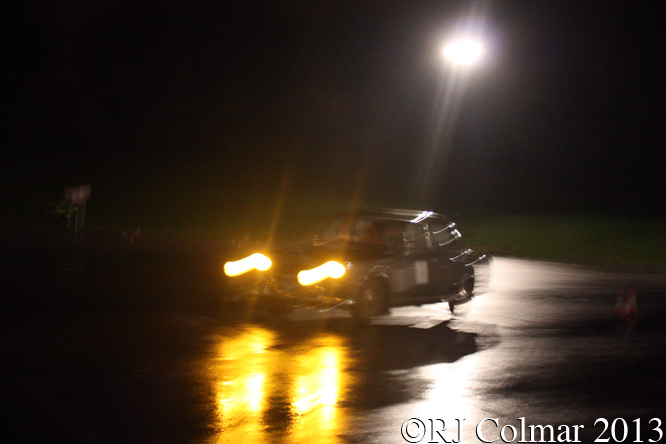
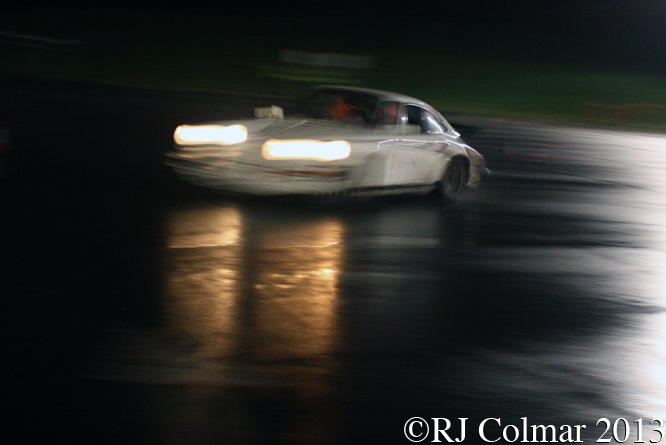
Hennipman/Hennipman, Peugeot 403, Test 7, Gordano, Le Jog

Yellow head lights were from 1939 to 1993 as much a part of French motoring life as Disque Bleu were to the French Café life, so when we saw the car coming above we could be pretty sure it was French and it turned out to be 1960 Peugeot 403 being crewed by Dutchman Pieter and Thijs Hennipman.
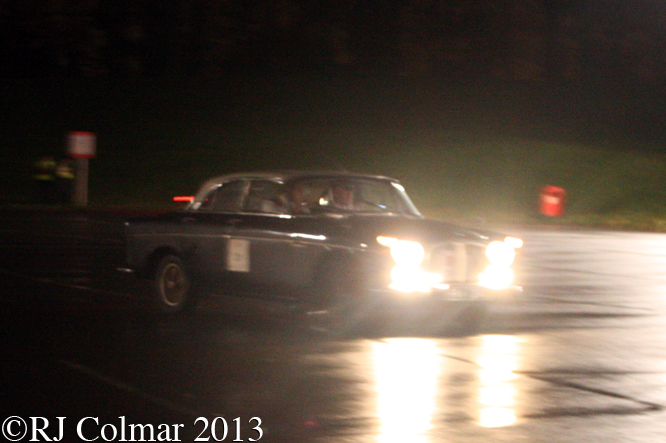
Botterill/Marshall, Rover P5B Coupé, Test 7, Gordano, Le Jog

Competitors chose some unlikely if comfortable steeds for this four day event, run in the spirit of pre special stage rallying with plenty of regularity runs, navigation exercises and auto tests as run in the car park at Gordano Services. Above Nigel Botterill and Julian Marshall had one of the more comfortable vehicles in the event in the form of a 1967 Rover P5B Coupé.
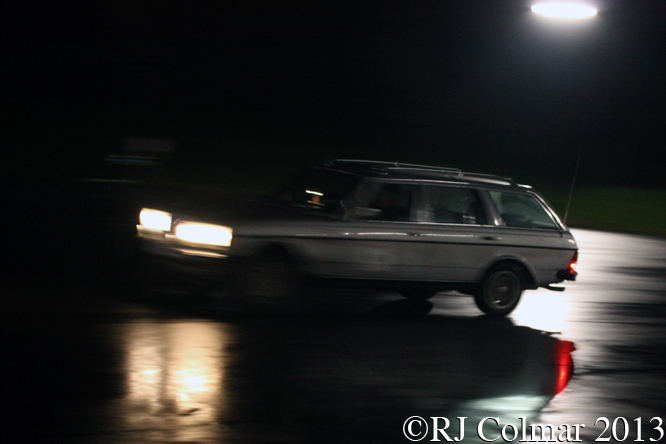
Helmbold/Helmbold,  Mercedes Benz 280 TE, Test 7, Gordano, Le Jog

The Botterill / Marshall may have been equaled for comfort by the Mercedes Benz 280 T, but Helga and Selina Helmbold had far more space in the boot / trunk than the pair in the Rover. Seeing this vehicle compete complete with roof rails made me wonder if I might be able to use my own car in this event at some point in the not too distant future. Helga and Selina beat a Porsche 944 to finish fourth in class G2 for vehicles built post January 1975.
Baker/Baker, Porsche 911 SC, Test 7, Gordano, Le Jog

The 1978 Martini striped Porsche 911 SC crewed by Micheal and Simon Baker was probably the outright fastest vehicle in the event so it was no surprise to find them winning class G2.
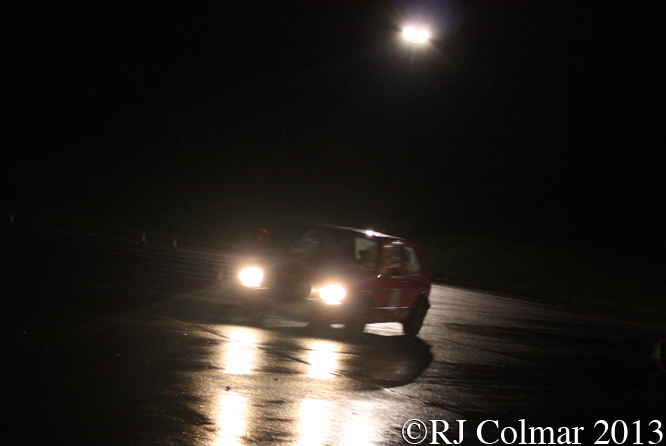
Harris/Joseph, VW Golf GTi, Test 7, Gordano, Le Jog

Simon Harris and Russel Joseph won the G1 class for under 2 litre cars built post January 1975 in their 1983 Volkswagen Golf GTi Mk 1 seen above.
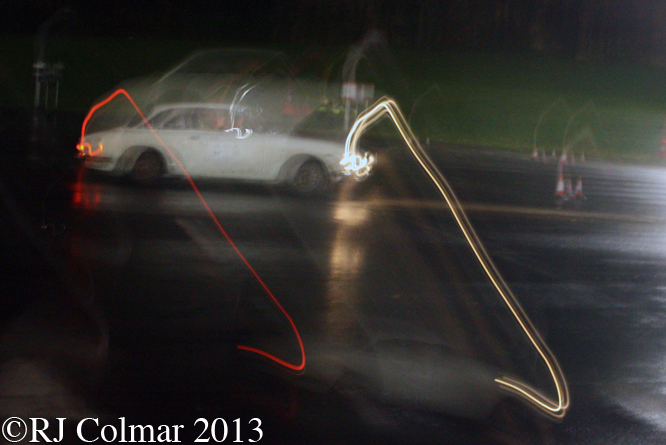
Buzzard/Lyne, ALFA Romeo GTV, Test 7, Gordano, Le Jog

Overall winners of the event were Andrew Buzzard and Rob Lyne seen above in their 1967 ALFA Romeo Giulia Sprint GTV.
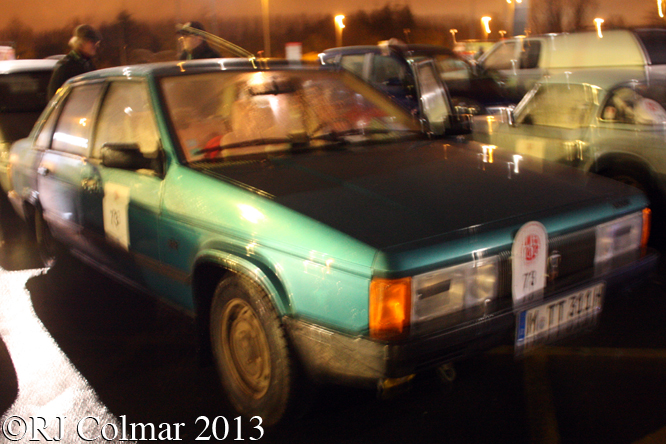
Schulze/Krey, Talbot Tagora GLS, Gordano Services, Le Jog

Peter Schulze and Micheal Krey probably had the least likely car on the event, it turns out Talbot Togara’s were used in the French Super Tourisieme series back in the early 1980’s. Peter and Krey won an absolute beginners award for their efforts, if you speak German you can read about their adventure on their Alte Franzosen blog.
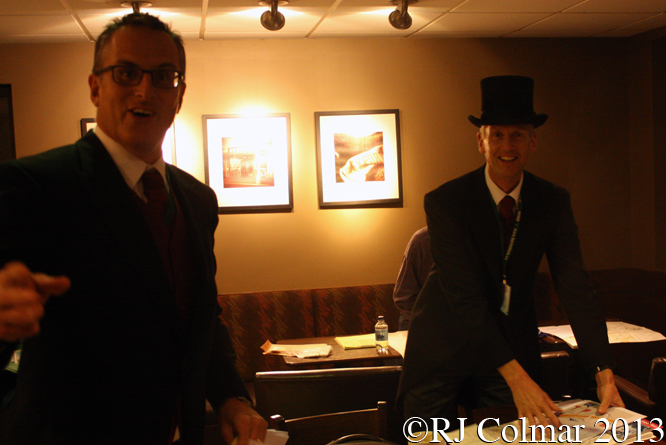
Botterill/Marshall, Gordano Services, Le Jog

Not only did Nigel Botterill, left and Julian Marshall, right drive an extremely comfortable car but they cut a fine dash by competing in the finest top and tails as if on their way to a wedding. Nigel and Julian kindly left me their unused meal vouchers which went along way to helping Tim and I thaw out from out marshaling duties.
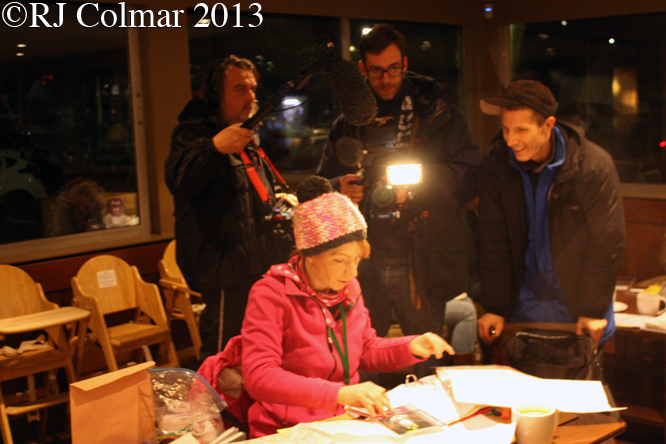
Sandra Wukovich, Gordano Services, Le Jog

Above Sandra Wukovich catches up with some map reading for the camera’s,
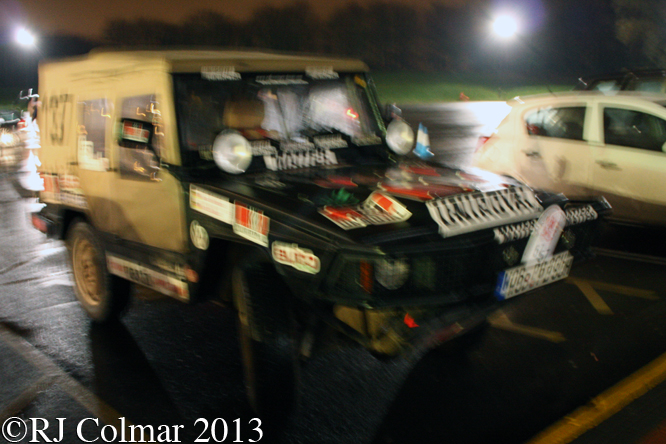
Edelhoff/Wukovich, VW Iltis, Gordano Services, Le Jog

Sandra and Stefanie Edelhoff were competing in this 1979 Volkswagen Iltis a factory classic collection replica of a vehicle used in the Paris Dakar Rally the drive train of which formed the basis of for Audi’s adventure into four wheel drive competition in the early 1980’s.
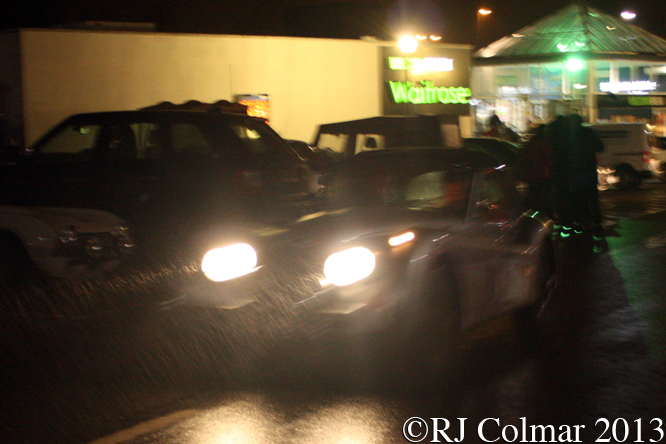
12 Jaguar XK 120 IMG_5349sc

Once the crew’s had completed their navigation, for the next leg of the event in Wales, they headed off into the rain from whence they came. Above Philip Haslam and Peter Fletcher depart for Wales in their Jaguar XK 120.

Thanks for joining me on this “Test 7 Gordano” edition of “Gettin’ a li’l psycho on tyres” I hope you will join me again tomorrow when I’ll be looking at a road going Ford GT40. Don’t forget to come back now !

Share

Maintaining A Motorbike – Wartburg 353 W

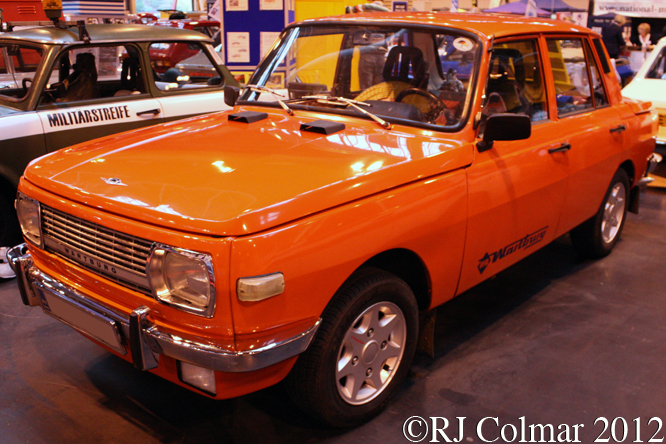
While a student and a devotee of the form follows function philosophy of industrial design Carl Klaus Dietel experimented with aerodynamic shapes of cars at the Weissensee College of Art in Berlin in 1961. Later he was transferred from the Central Research Center in Chemnitz, then called Karl Marx Stadt, to the VEB Automobilwerk Eisnach where his hatchback / notchback design was given to Wartburg 311 designer Hans Fleischer with instructions to get rid of the NATO jeep like grill and add a proper boot.

Wartburg 353, Classic Car Show, NEC, Birmingham

Fleischer did as he was instructed and also raised the waste line from bumper level to the mid point of the now square specified headlights. Power for the new 353 model came from the 3 cylinder 2 stroke engine inherited from the 311 model but now giving 55 hp. These motors had only 7 parts and so the saying came that one could drive a 353 car while maintaining a motorbike. It was a nippy performer too with of 95 miles an hour and thanks to the high revving engine could reach 62 mph from rest in 12 seconds.

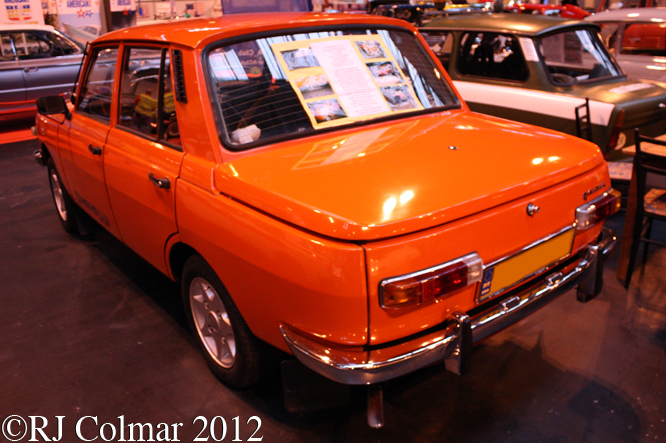
Wartburg 353, Classic Car Show, NEC, Birmingham

Design of the interior of the 353 was shared between Dietel and Lutz Rudolph. Upon launch in 1966 the 353 immediately out performed it’s eastern block rivals from Lada / Zhiguli and Moskvitch in every way including safety, acceleration, top speed, thanks to a free wheel function economy, ergonomics, handling, space and all important off road capability, despite being saddeled at the behest of the Soviets with only a two stroke motor.

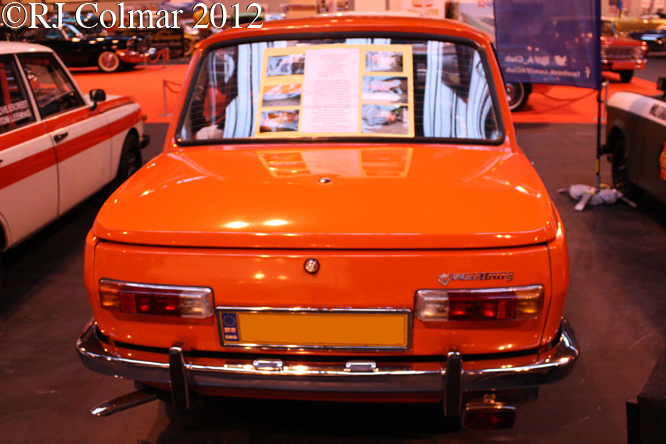
Wartburg 353, Classic Car Show, NEC, Birmingham

This particular 1984 Wartburg 353 served as a taxi for ten years before being imported to the UK. The current owner acquired it as a non runner with a snapped off column shift and substantial damage to the bonnet and both front and rear wings. After the panels were repaired and or replaced and a new sill was welded in the car was resprayed it’s original flame red colour.

Wartburg 353, Classic Car Show, NEC, Birmingham

Before the collapse of the Eastern Bloc a single 353 was fitted with a Volkswagen 4 stroke motor in 1988. However a combination of political events and globilisation over took production and VEB Automobilwerk Eisenach closed it’s doors in 1991 for good after just 152,775 4 cylinder Wartburg 1.3’s and 1,225,190 353’s had been produced in two series; 353 from ’66 – ’75 and 353 W ’75 – ’88.

Thanks for joining me on this “Maintaining A Motorbike” edition of “Gettin’ a li’l psycho on tyres”, I hope you will join me again tomorrow. Don’t forget to come back now !
Share

Happy Pick Up – Škoda Felicia Fun (Typ 796)

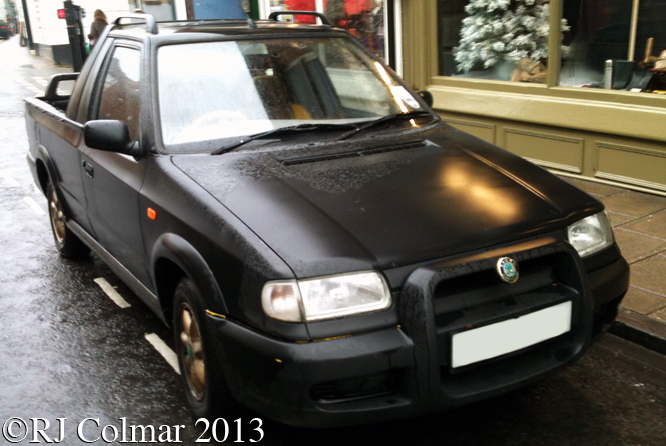
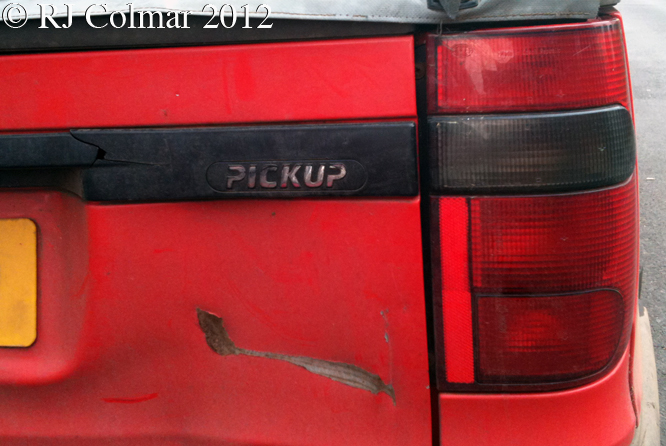
In the space of 10 years Škoda’s UK reputation went from one of derision by non owners of the rear engined Estelle series to top of the 1998 JD Power Customer satisfaction survey after a transformation initiated by the front wheel drive Favorit models, built from 1987 to 1994, and completed by the launch in 1995 of the Felicia (Happy) series from which today’s featured pick-up takes it’s front panels.

Škoda Felicia Fun, Bristol

The transformation was in no small part helped by the collapse of the “Iron Curtain” in the early late 1980’s and Volkswagen’s acquisition of the Škoda brand and assets from the Czech government in 1991.

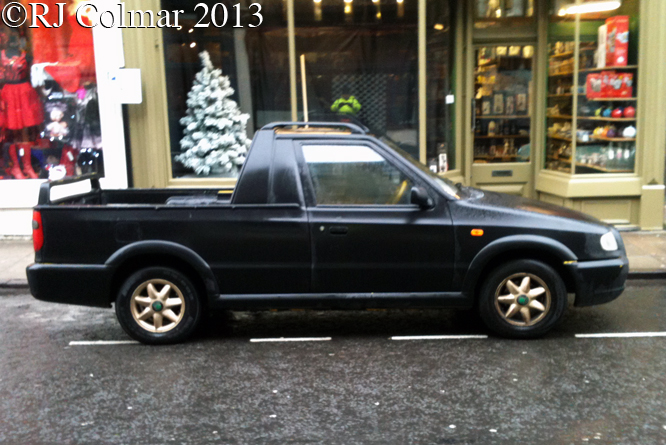
Škoda Felicia Fun, Bristol

The Felicia Pick Up launched in 1995 shares the same AO3 polo Mk III platform as the Volkswagen Caddy Typ 9U launched in 1996.

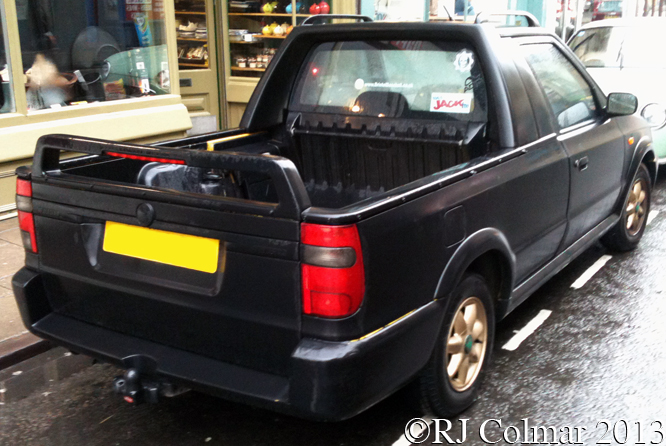
Škoda Felicia Fun, Bristol

The passenger accommodation of Felicia Utility can be increased to make room for two more passengers by repositioning the rear screen, if the weather is inclement there is even a tonneau cover to keep the rear passengers dry.

Škoda Felicia Fun, Bristol

So far as I have been able to ascertain all the lifestyle Felicia Fun models left the factory painted bright yellow with alloy wheels, these appear to be collectable classics in the making and are fetching a hefty premium over all of the other Felicia models.

Thanks for joining me on this “Happy Pick Up” edition of Gettin’ a li’l psycho on tyres I hope you will join me again tomorrow for a look at the last in this month’s series of cars fitted with 2 stroke motors. Don’t forget to come back now !
Share

7′ Bed – Volkswagen Caddy Typ 9U

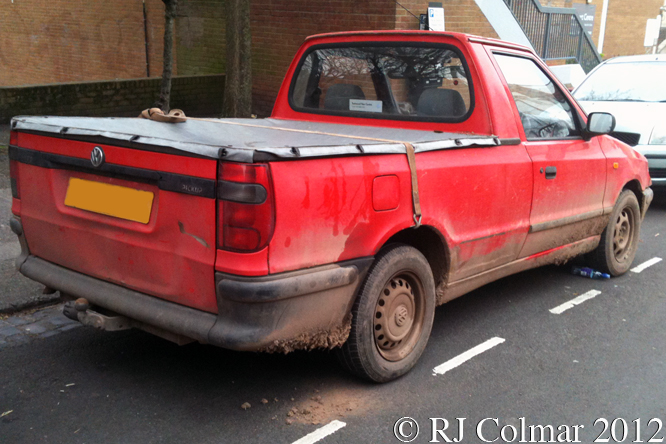
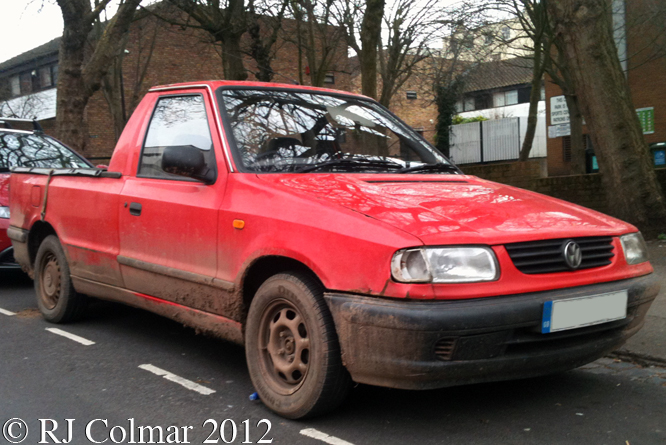
By 1996 Volkswagen’s design and production of their second generation Caddy’s had been farmed out to SEAT who were responsible for the Typ 9K van and Škoda who were responsible for the Typ 9U pick up featured today.

Volkswagen Pick Up, Bristol

Both the 9K and 9U were based on VW Polo Mk 111 AO3 platforms, the 9U Pick Up came with either a 75 hp petrol or 64 hp diesel motors.

Volkswagen Pick Up, Bristol

The 7′ / 2m bed is good for a carry a 1168 lb / 530 kgs load.

Volkswagen Pick Up, Bristol

Options were limited to twin airbags, standard in some markets, ABS brakes and air conditioning on models fitted with petrol motors.

Volkswagen Pick Up, Bristol

The Caddy Typ 9U was manufactured at Škoda’s Kvasiny plant in the Czech Republic from 1996 to 2004.

Thanks for joining me on this “7′ bed” edition of “Gettin’ a li’l psycho on tyres” I hope you will join me again tomorrow. Don’t forget to come back now !
Share

Typ 148 RHD – Volkswagen Caddy

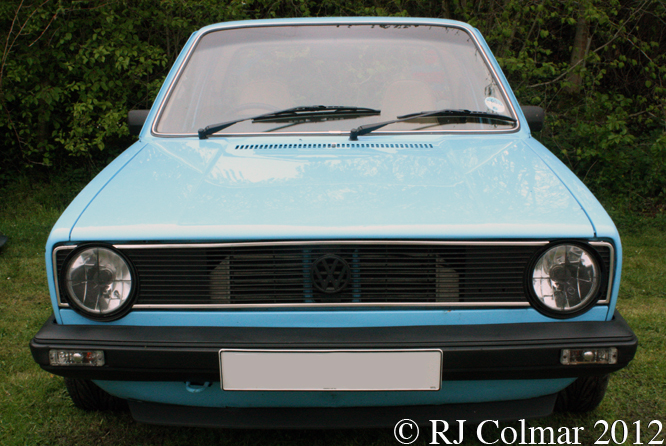
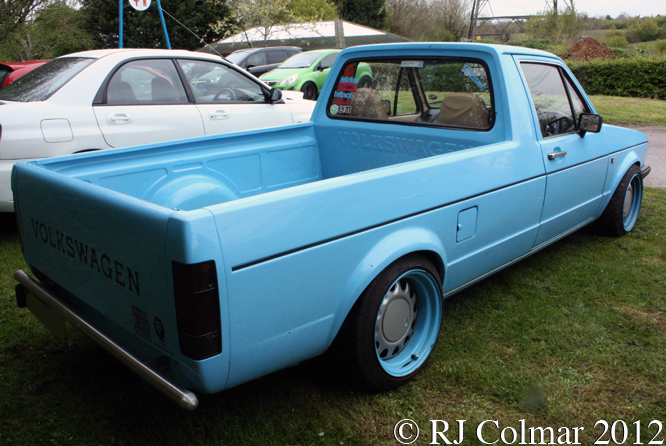
Strangely the Volkswagen Caddy is unknown by that name in the USA the country which gave the initial momentum to the model thanks to Volkwagen of America’s in interest in a prototype pick up version of the Golf Mk 1 Hatchback built in Germany.

Volkswagen Caddy, Spring Performance Car Action Day, Castle Combe

The Typ 14 or more correctly Typ 147-LHD (Left Hand Drive) was first built at VW’s Westmoreland County, PA plant and sold in the US as the Rabbit Pick Up in 1979, so far as I have been able to determine production at Westmoreland ceased in 1982 and was switched to Sarajevo, Bosnia and Herzegovina where production of the European Typ 147-LHD and 148 Right Hand Drive variants continued until 1992. Production of Caddy’s continued in South Africa until 2007 alongside Mk 1 Golf’s which them selves were in production up until 2009.

Volkswagen Caddy, Spring Performance Car Action Day, Castle Combe

European Typ 14’s were only ever marketed as Volkswagen Caddy’s where confusion of the name with supersize 5000lb 500 cui V8 US land yachts was less likely.

Volkswagen Caddy, Spring Performance Car Action Day, Castle Combe

The Typ 14 Caddy is not to be confused with later variants, Typ 9K Polo Mk III based Caddy, Typ 9U Škoda Felicia pick-up or Typ Golf Mk 5 based Volkswagen Touran.

Volkswagen Caddy, Spring Performance Car Action Day, Castle Combe

Today’s 1989 Caddy seen last year at the Spring Performance Car Action Day at Castle Combe appears to be powered by the high end 70 hp petrol motor.

Thanks for joining me on this “Typ 148 RHD” edition of “Gettin’ a li’l psycho on tyres” I hope you will join me again tomorrow. Don’t forget to come back now !

Share

On The Green – Niello Concours Serrano

Last week I had a look at some of the Ferraris and Porsche 911s marking the 50th Anniversary of the model at Niello Concours at Serano this week Karl Krause’s photographs show some of the other Marques that were represented.

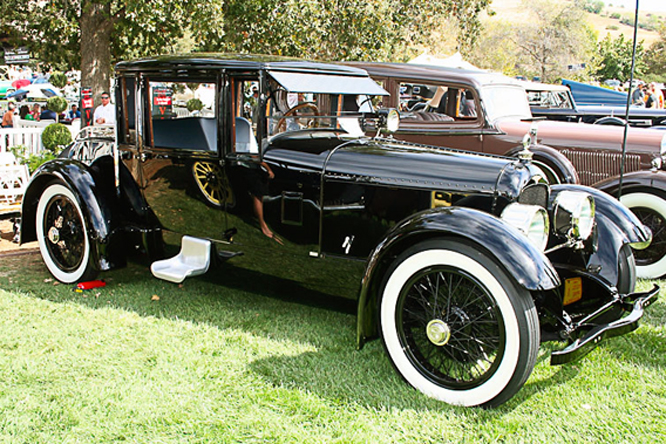
Duesenberg Model A Coupé, Niello Concours Serrano

The Duesenberg Brothers were not the greatest businessmen, they had intended to manufacture 100 Model A Coupé’s, like the 1921 example above, a week instead of the 650 manufactured over six years from 1921 to 1927, but they were great engineers. The 100 hp Model A featured a straight 8 motor with over head cam shaft and four valves per cylinder, the Model A also featured hydraulic brakes on all four wheels while rivals like Rolls Royce were still selling customers vehicles of similar weight and performance with two wheel cable operated brakes.

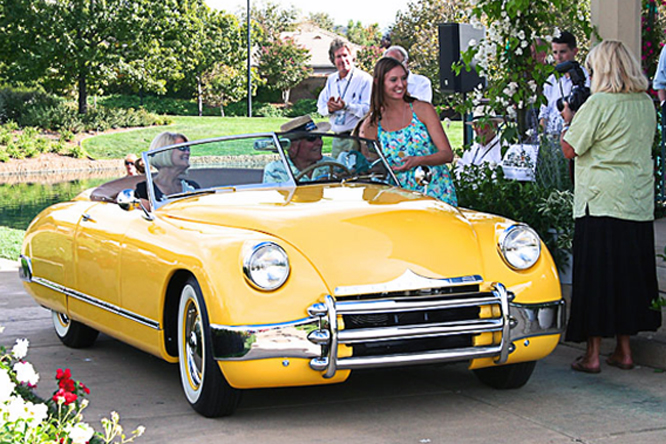
Kurtis, Niello Concours Serrano

In 1948 Frank Kurtis showed up at the 1948 Indy 500 with a two seat customised 1941 Buick which ran not only an extreme streamlined body but also independent suspension on all four wheels. Public reaction to the vehicle was so encouraging Frank put the car, like the one above, into production, using many Ford components including a Ford V8 with Edelbrock heads, in 1949 one of which, was timed at over 142 mph at Bonneville.

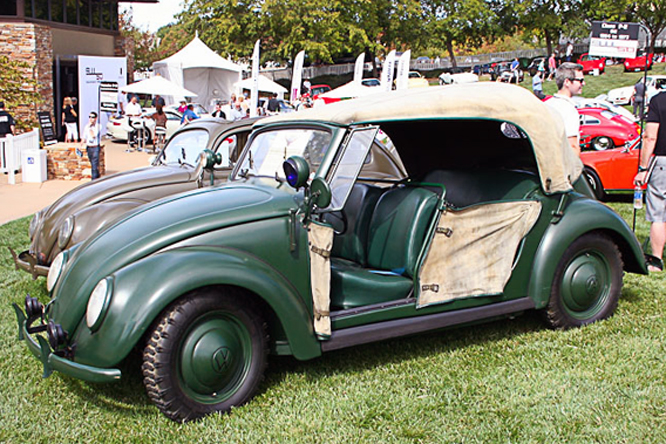
Volkswagen Beetle, Niello Concours Serrano

Meanwhile crime fighting authorities in Germany were using stripped down Volkswagen Beetles like the one above in 1949.

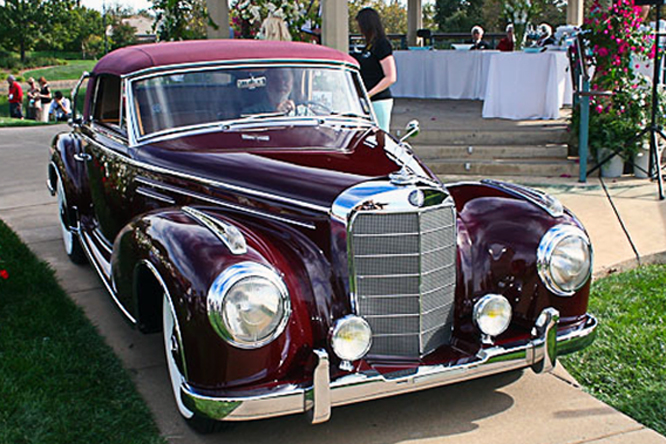
Mercedes Benz W187 Cabriolet B, Niello Concours Serrano

In 1951 Mercedes Benz introduced it’s first post war six cylinder models including the W187 220, which was modeled on the W153 dating back to 1938. The curved windscreen on the example seen above indicates that this is a two door two seat 220 Cabriolet A manufactured between 1953 and 1955 when the W187 series cars were replaced by the ponton bodied W105/W180 series cars.

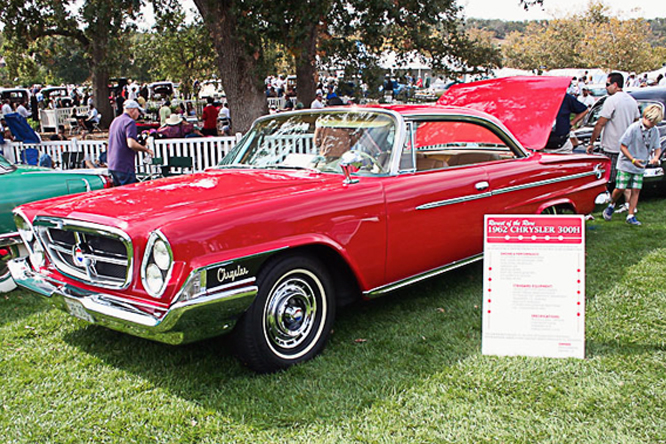
Chrysler 300 H, Niello Concours Serrano

By 1962 the Chrysler letter series were becoming a tough sell, only 435 Chrysler 300H coupés, like the one above, were built as the rest of the Chrysler 300 range could be ordered with many of the features that had been previously exclusive to the letter range.

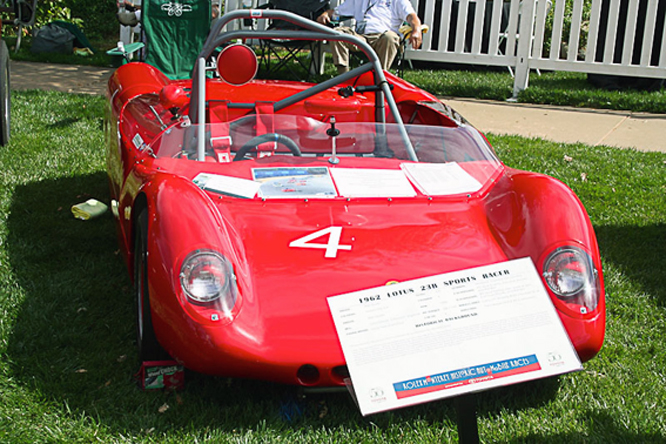
Lotus 23B, Niello Concours Serrano

In 1962 over 130 Lotus 23’s, like the one above, were built that are known to have been entered in over 600 national and international events and recorded over 110 outright victories and a more than a further 130 class victories up to the Kyalami 9 hours in 1981. The history of this particular car is not known to me at the time of writing, if you know anything about it, please do not hesitate to chime in below.

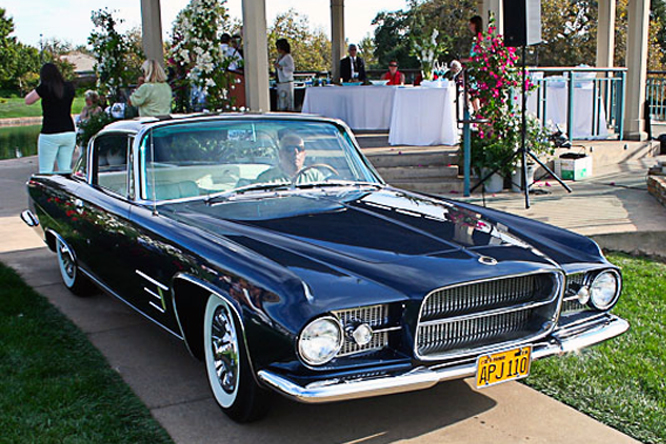
Dual Ghia L.6.4, Niello Concours Serrano

Production of the original Dual Ghia ceased production in 1958 after each of the cars built lost money, in 1961 Eugene Casaroll started building an updated Dual Ghia L.6.4 model like the one above, with a 335 hp 6.4 litre / 383 cui Mopar sourced V8, however production came to halt for the same financial reasons in 1963.

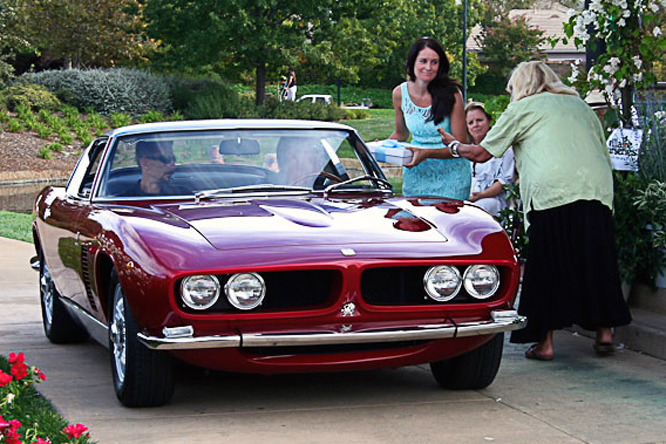
Iso Griffo, Niello Concours Serrano

Like the Dual Ghia the Giotto Bizzarrini designed Iso Griffo, like the example seen above, first seen in 1963 used many proprietary parts though these were sourced from GM including the 400 hp blueprinted Chevrolet small block V8 of the type more commonly found in the Corvette.

Mosler MT 900

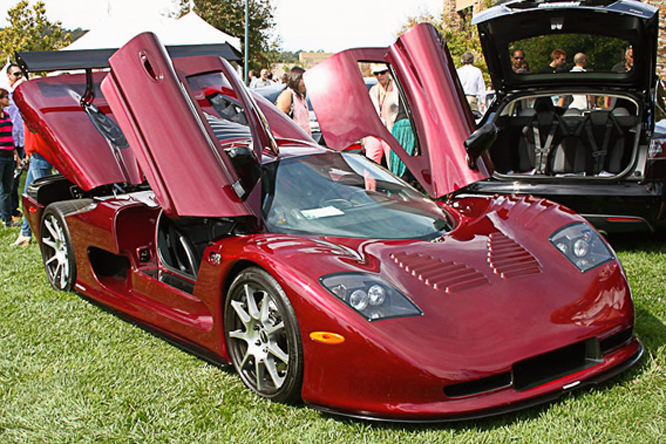
Exact numbers of Mosler MT900’s are hard to pin down but it seems safe to say the 2010 example above is one of less than 100 road & race versions built between 2001 and 2011.

Lamborghini Murciélago Roadster, Niello Concours Serrano

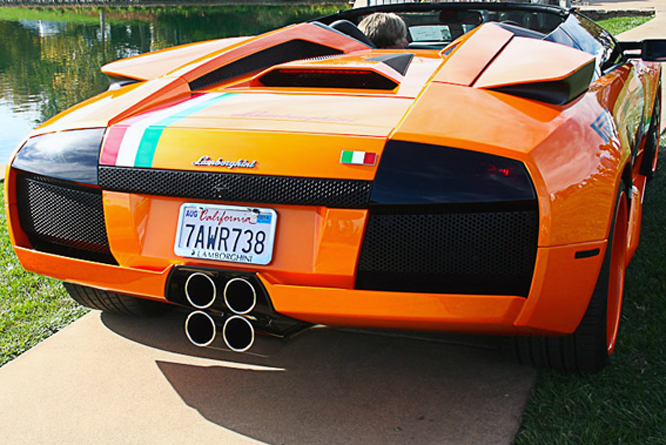
2013 marks the 50th Anniversary of the diversification of Lamborghini from agricultural machinery manufacture into road car manufacture, above is a Murciélago Roadsters at the time of writing I’m not sure of it’s age or exactly which of the Murciélago Roadster variants this is, I suspect the exhaust is a giveaway if you know the model please chip in below.

Jaguar XK 140 FHC SE MC, Niello Concours Serrano

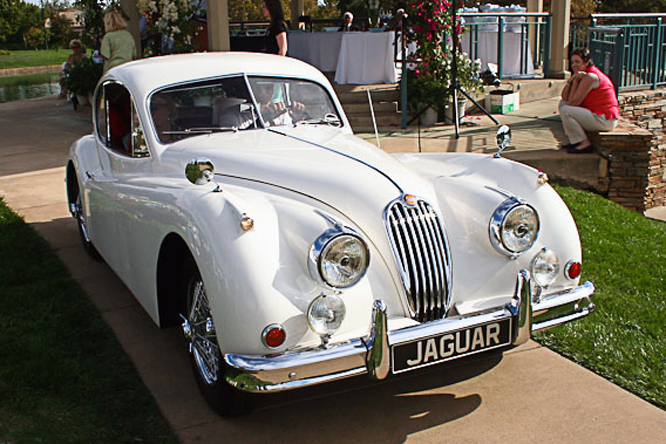
Finally despite finishing first in class Geoffrey Horton missed out on getting a coveted SCCA ring with his Jaguar XK140 FHC SE MC which was restored from a rats nest 28 years ago. He will be sitting SCCA events next year but will continue attending non SCCA sanctioned events next year.

My thanks to Geoffrey Horton for this seasons many photographs he has shared from the California Concours d’Elegance scene and to Karl Krause for sharing today’s photographs.

Thanks for joining me on this “On The Green” edition of “Gettin’ a li’l psycho on tyres” I hope you will join me again tomorrow when I’ll be looking at the first of a series of four US station wagons. Don’t forget to come back now !
Share

Split Screen Forward Control Pick Up – Volkswagen Type 2 (T1) Pick Up

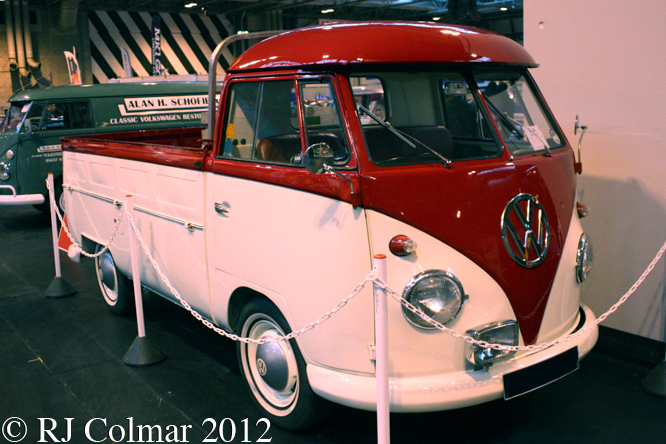
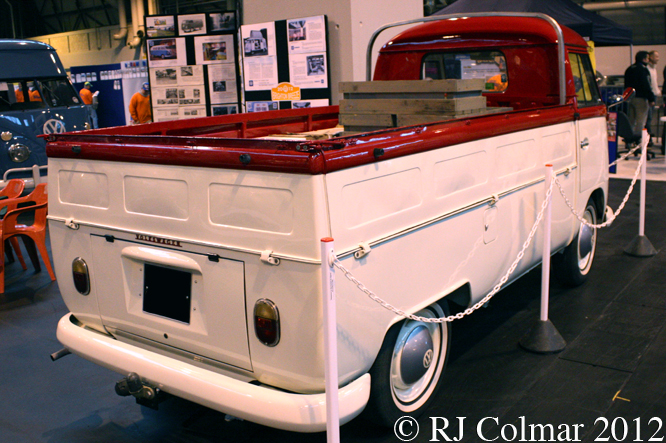
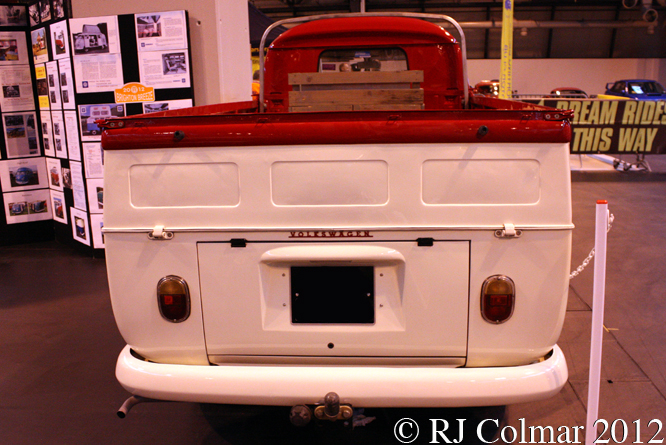
This month’s monday blog sees a return to the pick up theme, today’s featured pick up is a 1963 Volkswagen Type 2 (T1) seen at last years Classic Motor Show held at the NEC in Birmingham.

01 Volkswagen Type 2 (T1) Pick Up,

The pick up version of the Volkswagen Type 2 was not introduced until 1952 three years after Type 2 production commenced. The pick up variant had the fewest changes of all the Type 2 (T1)’s until the introduction of the bigger Type 2 (T2) in 1968.

02 Volkswagen Type 2 (T1) Pick Up,

1963 saw the introduction of the 51 hp 1500 cc / 91.5 cui flat 4 cylinder air cooled motor which replaced the 40hp 1200 cc / 72 cui unit first seen in 1959.

03 Volkswagen Type 2 (T1) Pick Up,

Sales of Type 2 (T1)’s are often incorrectly thought to have been adversely affected in 1964 by the so called Chicken Tax introduced by the United States on imported panel vans and pick ups, a response to the on going trade tariff war between the US and Europe after West Germany had introduced trade restriction on imported US Chicken. In fact President Johnson appears to have applied a 25% tax on imported panel vans and pick ups in order to avert a strike by the United Auto Workers before the 1964 Presidential election and it was the UAW’s President Walter Reuthner who wanted the reduction on such imports.

04 Volkswagen Type 2 (T1) Pick Up,

Volkswagen pick ups were ready made for transporting racing cars without the need for a trailer, perhaps the single most famous example of such a transporter was run by Fife, WA Volkswagen dealer Pete Lovely who was frequently seen pulling into the Formula One paddock in his VW Type 2 (T1) pickup with his Lotus 49 on the back.

Split screen forward control VW Pick Ups today are highly collectible, I have seen examples in good condition being offered for €22,000, GBP £18,000, US$ 30,000 which is probably a bargain when one takes into account the amount of time and effort it requires to keep one in good condition.

Thanks for joining me on this “Split Screen Forward Control Pick Up” edition of “Gettin’ a li’l psycho on tyres” I hope you will join me tomorrow for the first in a series of two stroke Tuesday’s. Don’t forget to come back now !
Share