Tag Archives: Volkswagen

Last Rear Engined Dubs – Volkswagen Type 2 (T3)

The Type 2 (T3) was the last all new rear engined design from Volkswagen who’s reputation had been founded on the rear engined Beetle stretching back to 1945. By 1979 the water cooled Golf was already rewritting Volkswagen history when the Type 2 (T3) with it’s distinctive squared features appeared on the market.

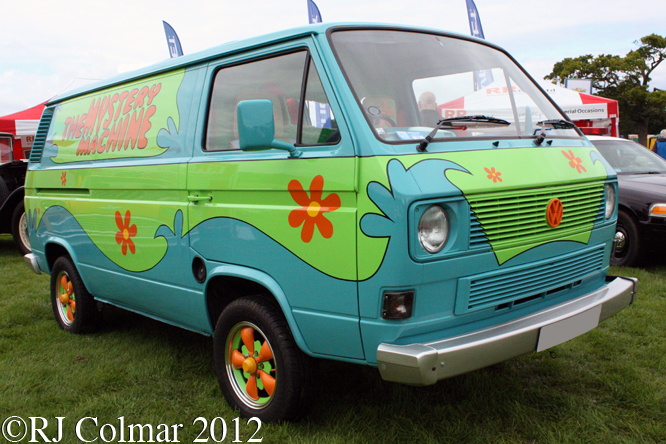
Volkswagen Type 2 (T3), Classics at the Castle, Sherbourne

The Scooby Doo Mystery Machine above belongs to RRElite Ltd and has been kitted out with customised ‘Scooby Doo’ seats for six passengers, flat panel TV screens for the DVD player, state of the art sound system and LED ambient lighting. Of course ‘Scooby Snacks’ can be ordered when hiring this vehicle.

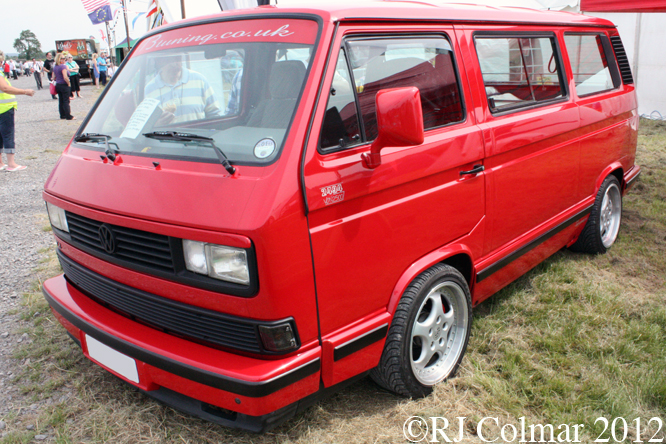
Volkswagen Type 2 (T3), Summer Classics, Easter Compton

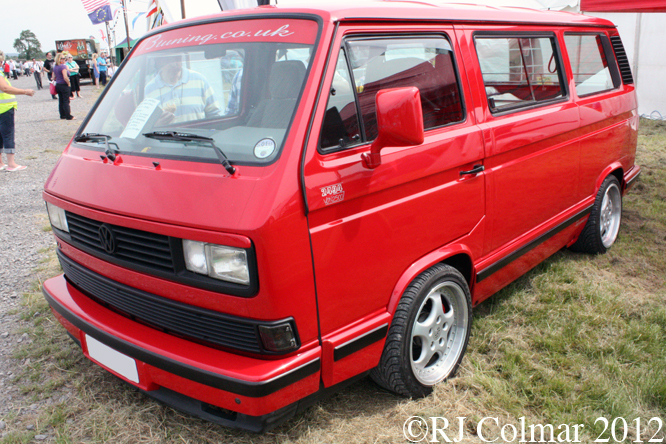
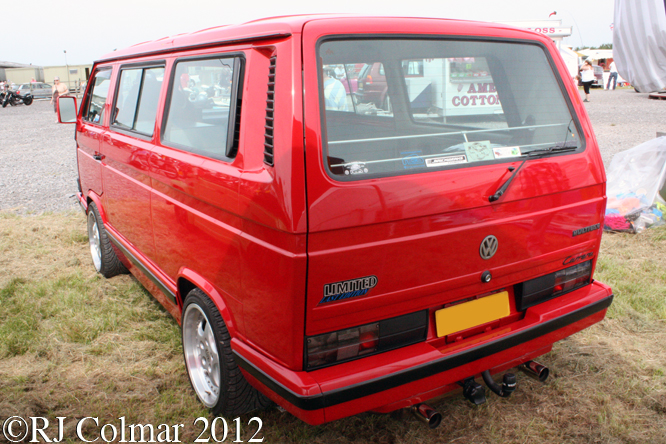
German production of the Type 2 (T3) came to a halt in 1992, above is #2494 of the Last Limited Edition of which 2500 were produced in Hannover. This vehicle now boasts a handy 230 hp Subaru flat six motor coupled to a Porsche gearbox and fitted with Porsche brakes to keep it under control.

Volkswagen Type 2 (T3), Summer Classics, Easter Compton

Variations of the Type 2 (T3) include one fitted with a Porsche Carrera motor to support the Porsche 959 Paris Dakar entry, and a water cooled fuel injected alloy six cylinder version which started as a Volkswagen Project but was completed by the German Tuning Firm Oettinger known as the WBX6.

In 1990 production of Type 2 (T3)’s started in South Africa, these were powered by the famous Volkswagen Audi Group fuel injected 5 cylinder Audi motors. The last South African Type 2 (T3) rolled off the assembley line in 2002.

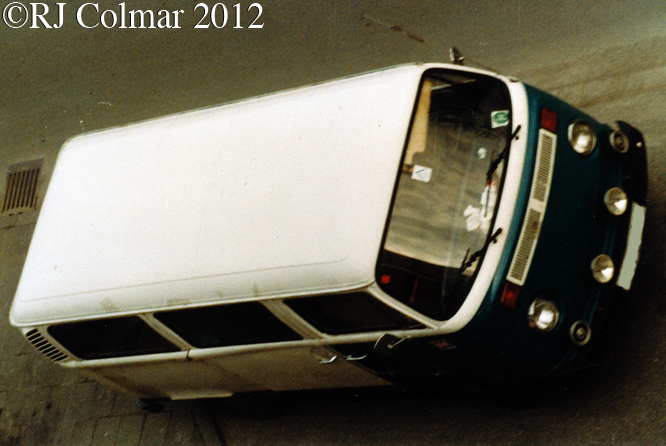
Back in 1992 my then girlfriend and I acquired a 1983 vintage Type 2 (T3) that had served as a builders van and had been fully insulated and paneled inside. We bought it for £950 with one years MOT and tax drove it over 12,000 miles in a year and had so much fun with it we never had time to take a photo and sold it one year later for £1200 with no MOT or Tax and an exhaust that needed repair !

Thanks for joining me on this “Last Rear Engined Dub” edition of “Gettin’ a li’l psycho on tyres” I hope you will join me again tomorrow when the blog will be going purple for Americana Thursday. Don’t forget to come back now !

Share

Wolly Bulli – Volkswagen Type 2 (T2)

In the Autumn turn of 1982 twenty odd college class mates and I made our way from the Untied Kingdom to Paderborn University for the first half of the third year of our European Business Studies course. I overslept on the train and ended up a hundred kilometers further east than intended in Kassel having missed my stop, but I digress.

VW Type 2 (T2) Kombi, Paderborn, Germany

Once in Paderborn we soon made friends with our fellow German students some of whom had banded funds together to buy a late bay VW Type 2 (T2b) Kombi seen above, in Germany these vehicles are known locally as “Bulli”. The Type T2 (T2) was first seen in 1967, it was wider and longer than it predecessor the Type 2 (T1) which I looked at last week. The motor was slightly larger starting at 47 hp wich increased to 70 hp by the mid 1970’s, but the real improvements were in low end torque which helped this heavy vehicle keep pace with the rest of the traffic.

VW Type 2 (T2) Kombi, Paderborn, Germany

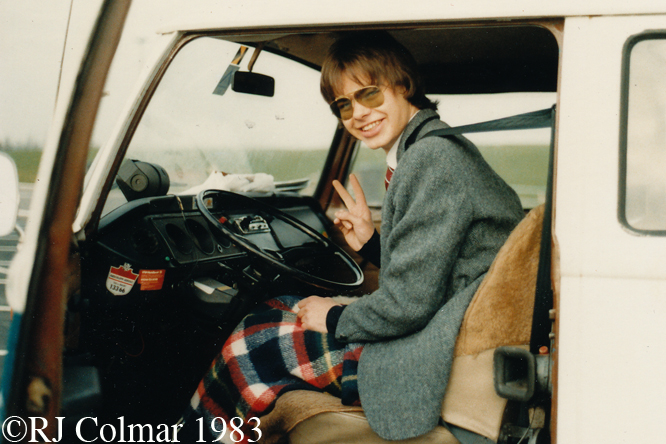
Above I can be seen sitting at the wheel of my friends Type 2 wrapped in a blanket in the middle of February as I was about to return from Wolsburg where I had a placement at Volkswagen to Paderborn. To reduce the intake of exhaust fumes, because the heat exchangers were breaking up, the heating pipes were blocked up and the windows were kept open hence the blanket was necessary to keep warm in the well ventilated unheated bus.

Type 2s went through three distinctive body developments from ’67 to ’71 the early bay T2a was characterised by low front indicators and rear light clusters inherited from the Type 2 (T1), from ’71 to the early 1990’s the late bay Type 2 (T2b) is characterised by high front indicators and larger vertical oblong rear light clusters. By the early 1990’s production in Mexico and Brazil moved to the Type 2 (T2c) which has a raised roof and the latest models now built only in Brazil have duel fuel water cooled engines which run on petrol or ethanol.

Type 2 (T2) Camper, Shakespeare County Raceway

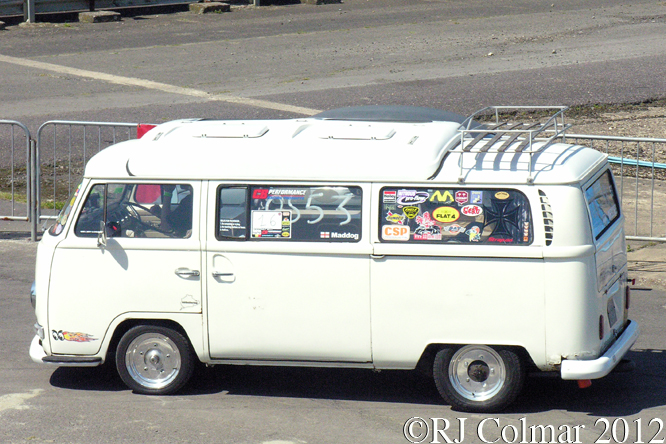
Chris Maddog Antell’s VW Type 2 camper van seen above at Shalespeare County Raceway is an early bay Type 2 (T2a) with low front indicators and small rounded rear light clusters he runs it with a 2276 cc / 138 cui motor of yet to be determined origin, if you know please do not hesitate to chime in below.

Volkswagen Type 2 (T2c), The Classic Motor Show, NEC, Birmingham

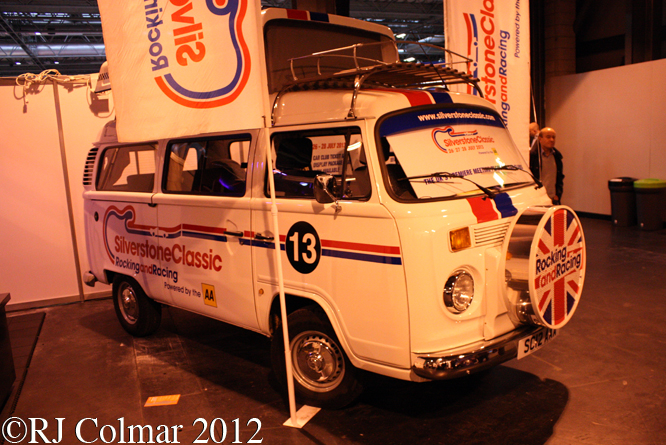
The Type 2 (T2c) as seen above at The Classic Motor Show is still in production in Brazil a couple of years ago they were being manufactured at a rate of 100 a day, some of these vehicles can be seen in Europe where they are often used as camper vans. The latest news courtesy of mariner at The Nostalgia Forum is that Type 2 (T2c) production is planned to come to a halt in Brazil next year.

Thanks for joining me on this “Wolly Bulli” edition of “Gettin’ a li’l psycho on tyres”. I hope you will join me again tomorrow. Don’t forget to come back now !

Share

Ben’s Bus – Volkswagen Type 2 (T1)

In 1946 production of the VW Beetle was in full swing at maximum capacity at the Wolfsburg plant when Dutch importer Ben Pon paid the factory a visit and observed an improvised parts transporter which he recognised could be vastly improved upon with a new vehicle using a stock Beetle Type 1 chassis pan. Pons first doodles of his proposed vehicle were dated 1947 and two and a half years later the first type 2 rolled off the production line.

VW Type 2 Transporter, Goodwood Revival

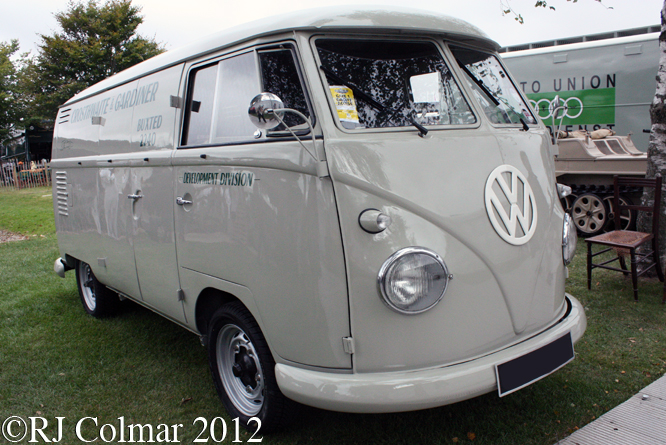
The split windscreen was not part of Ben’s original design but was incorporated to improve the aerodynamic efficiency after wind tunnel testing showed marked improvements of the split screen at the University of Braunschweig. The original Type 2 with just 25 hp were rated to carry 1,500 lbs / 690 kgs. Above is a 1959 Type 2 with hinged rear door used by leading historic race car restoration specialists Crosthwaite & Gardiner who pride themselves on manufacturing everything from a Bugatti nut to an entire Auto Union Grand Prix car.

VW Type 2 Camper, Summer Classics, Easter Compton

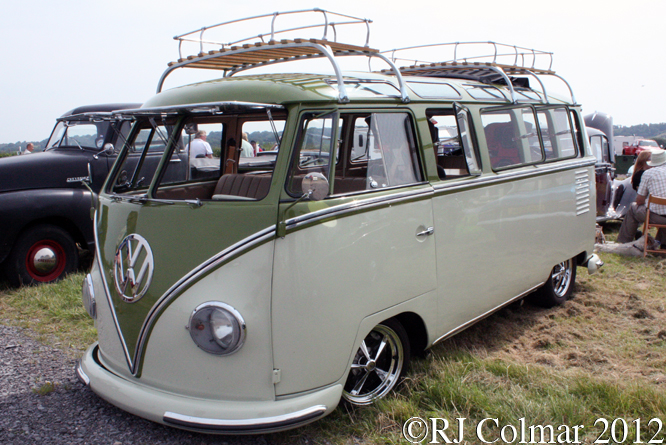
It was not long before the versatility of the Type 2 began to shine through with, panel vans, 2 and four seat pickups, buses, campers being offered while 3rd parties converted Type 2’s to run on railway tracks and a myriad of other applications. It was not long before Type 2s were manufactured in a new dedicated plant in Hannover.

VW Type 2 Transporter, Goodwood Revival

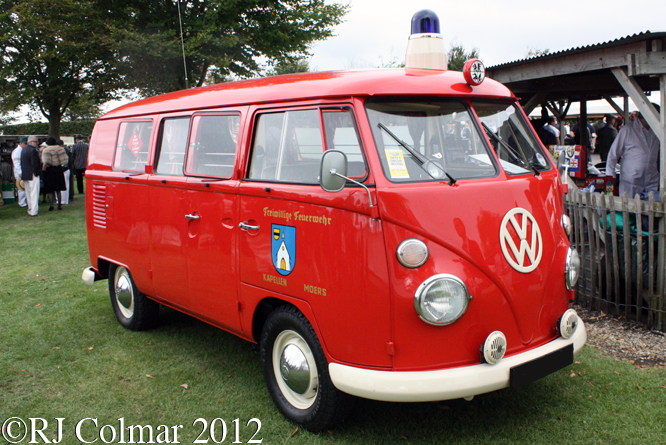
The Type 2’s underwent continuous development by 1967 a larger motor was producing 54 hp and the load capacity had increased to 1000 kgs / 2,205 lbs. production of the Type 2 (T1) ceased in Germany in 1967 but continued in Brazil until 1975. Above is a 1964 Type 2 Transporter that appears to have served the Kapellen Stadt Moers volunteer fire brigade in North Rhine Westfalen. Like all today’s featured Type 2s it’s a left hooker which goes to show just how popular these vehicles still are in the UK.

VW Type 2 Transporter, Rare Breeds, Haynes International Motor Museum

The period from 1947 to 1991 is often referred to as the era of the Cold War between the Western Allies and East Bloc, a period punctuated by tensions in which mutually assured nuclear destruction reared it’s head as a possibility from time to time. What I did not realise was that the Western Allies were not in a particularly harmonious economic relationship at the time.

Each member nation was keen to preserve it’s own industries from the predatory monopolism of it’s neighbours and alleged friends. This culminated in 1963, soon after the Cuban missile crises, in the Germans and French placing restrictive tariffs on imported US chicken, in return to protect it’s automotive industry the US placed restrictive tariffs on Type 2s, designating them as commercial vehicles, which cut US sales by two thirds at a stroke. These tariffs are still in place today and Ford who these tariffs were to aimed at protecting among others has resorted to importing vehicles built in Europe which comply with passenger vehicle ordinances and then taking them to a warehouse in Baltimore for the passenger vehicle compliant items to be stripped and shredded turning said vehicles to commercial applications.

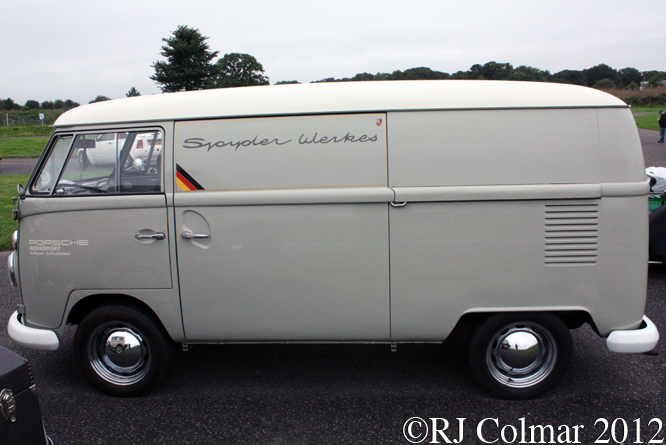
Above is a 1966 Type 2 which unusually has sliding rear doors on both sides, this vehicle served the Fire services at Zurich Airport and then a small Swiss village before being returned to it’s original colours and converted for use as a race car tow and support vehicle. With the introduction of the Transporter (T4) in 1990 all previous Transporter/Kombi’s/Buses were retrospectively given T1 to T3 identities so original iteration Type 2’s built between 1950 and 1975 became Type 2 (T1), 2nd iteration Type 2s with larger bodies built from 1968 to present became Type 2 (T2) and third iteration wedge shape Type 2s became Type 2 (T3) also known as T25.

Thanks for joining me on this “Ben’s Bus” edition of “Gettin’ a li’l psycho on tyres” I hope you will join me again tomorrow. Don’t forget to come back now !

Share

5th Rare Breeds Show – Haynes International Motor Museum

Last Sunday I managed to pop out for a couple of hours to catch the 5th Rare Breeds Show at the Haynes International Motor Museum.
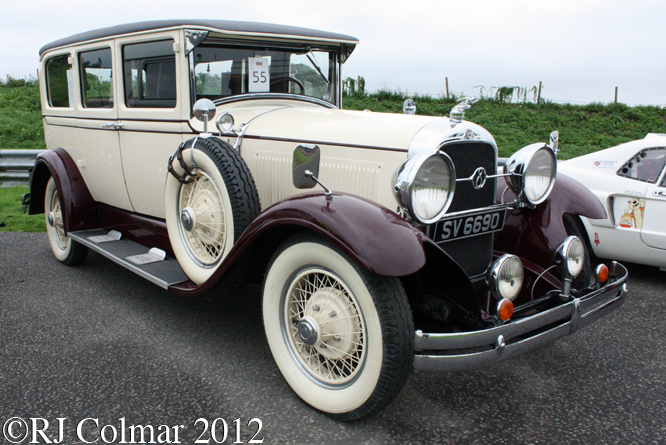
Studebaker President 8 Limousine (FA), Rare Breeds, Haynes International Motor Museum

Back in 1928 $2,450 could get you this Studebaker President 8 Limousine powered by a 100 hp 5121 cc / 313 cui straight 8 motor. This car which competed on price with Chrysler and Buick but in interior finish with Packard and Duesenburg, was built in Walkerville Canada and is believed to be the only one of 2450 built still on the road. It is operated as a wedding car by vintage-wheels.co.uk.
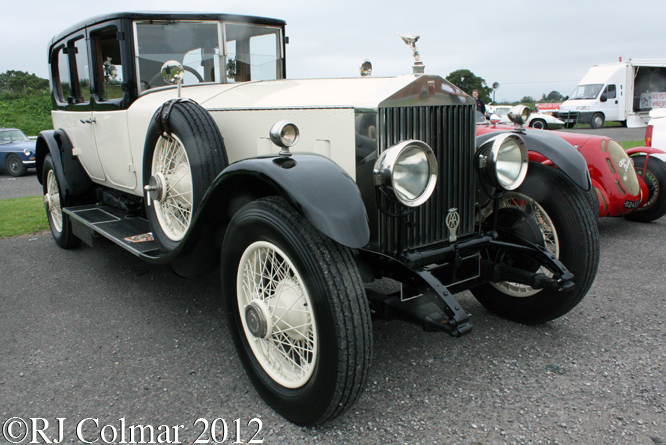
Rolls Royce Phantom I, Rare Breeds, Haynes International Motor Museum

Rolls Royce New Phantoms, built from 1925 to 1929 replaced the Rolls Royce Silver Ghost series, with a new overhead valve six cylinder motor replacing the side valve motors of the earlier models. These cars were built in Derby England and Springfield Massachusetts. This 1929 model would be one of the last New Phantoms built, they were replaced in 1929 by the Phantom II at which point New Phantoms became retrospectively known as Phantom I’s. I hope you are paying attention in the back there, this car was one of several at the rare breeds show operated by rrelite.co.uk.
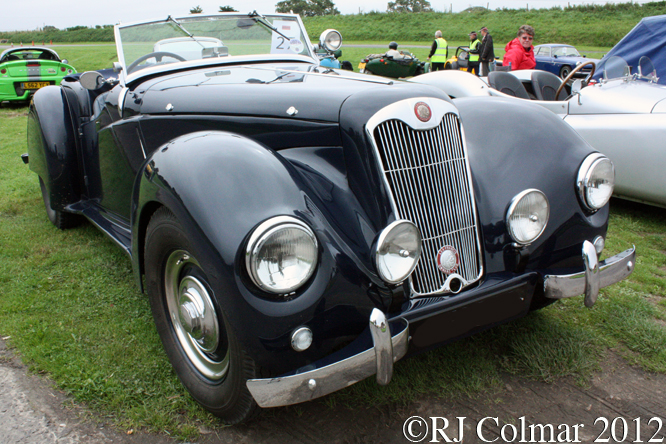
Lea Francis 14HP Sports, Rare Breeds, Haynes International Motor Museum

Weighing a ton but armed with a 87 hp motor a Lea Francis 14(taxable)hp Sports could reach 87 mph with steering and, rod operated, brakes to match. Unfortunately it’s price meant just 111 of these car were built between 1947 and 1949. This 1948 example is one of over 40 known survivor’s.
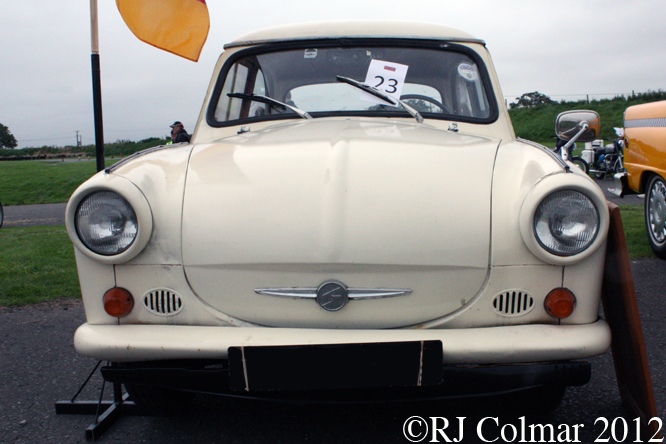
Trabant P60, Rare Breeds, Haynes International Motor Museum

With a name that translates from German to Russian into Sputnik the East German Trabant P50 was launched in 1958 with two cylinder 18 hp 500 cc / 30.5 cui aircooled two stroke motor derived from a pre war DKW. The body made extensive use of Duroplast made from recycled cotton waste from the Soviet Union and local phenol resigns from the dye industry. This 1962 P60 is fitted with the more power powerful 23 hp 600cc / 36.6 cui motor that would remain in production, from 1964 in the ‘updated’ 601 series bodies, until the collapse of the Berlin wall 1989.
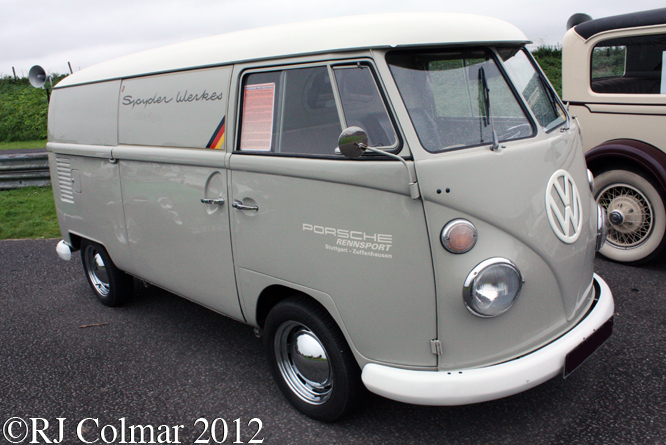
Volkswagen Type 2, Rare Breeds, Haynes International Motor Museum

Despite having only 27,000 miles on the clock this 1966 Volkswagen Type 2 has many stories to tell, it started out like as a fire truck at Zurich Airport, it has rare for the period sliding doors on both sides to facilitate access to the fire pump that used to be inside. It then served as a fire truck in a Swiss Village, with 15,000 miles on the clock it came to the UK in 2003 and was bought and returned to it’s original factory supplied colours by Ross Gammie who discovered that it’s 53 hp was not really enough to pull his Porsche 908 race car. Since it’s redesignation as a race support vehicle the van with it’s period correct Porsche 356 wheels has since changed hands again.
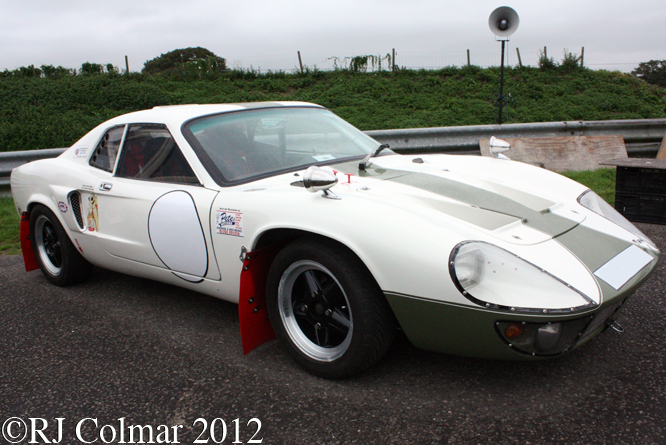
FT Bonito Special, Rare Breeds, Haynes International Motor Museum

Amazingly the FT Bonito Special above also started life as a Volkswagen, a 1967 Beetle, before a conversion was started in 1986 to turn the bug into an FT Bonito, a kit car from a company called Fibrefab. The current owner found it unfinished in a garden in 1999 and has since brought it too life with a VW Golf motor. This is thought to be the only competition version of an FT Bonito ever to have been built.
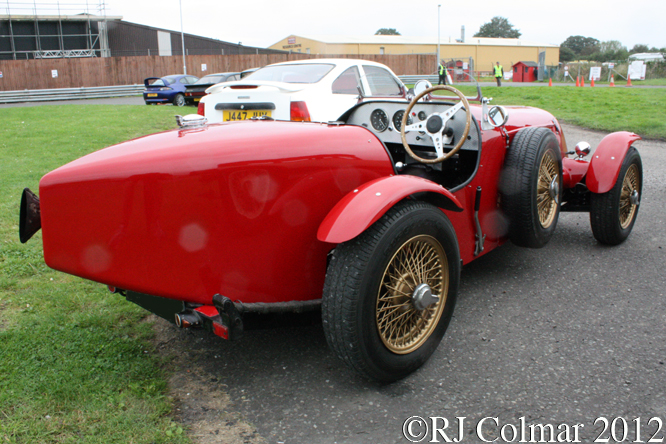
Lenham ALFA Romeo, Rare Breeds, Haynes International Motor Museum

David Roots Lenham ALFA Romeo special was looking resplendent, even on a dull day, as usual.
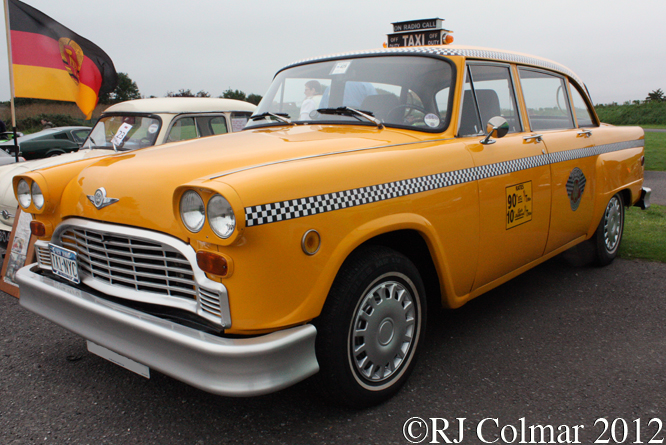
Checker Marathon, Rare Breeds, Haynes International Motor Museum

The New York ‘cab’ above is a 1978 Checker Marathon with a 160 hp 5735 cc / 350 cui V8 motor. The car is also operated for weddings and filming by rrelite.co.uk . Among it’s credits is an appearance in the 2008 Boyzone number Love You Anyway.
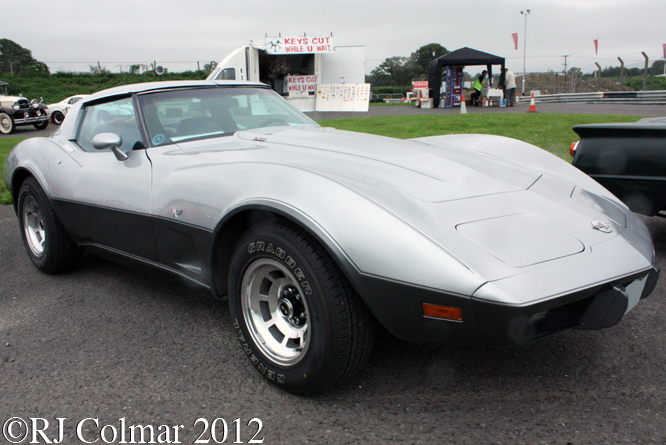
Chevrolet Corvette, C3 B2Z, Rare Breeds, Haynes International Motor Museum

I looked in detail at a Chevrolet Corvette C3 some weeks ago the 1978 model seen here has the $399 B2Z 25th Anniversary option two tone paintwork along with the 25th Anniversary mandatory $380 option aluminium wheels and sport door mirrors.
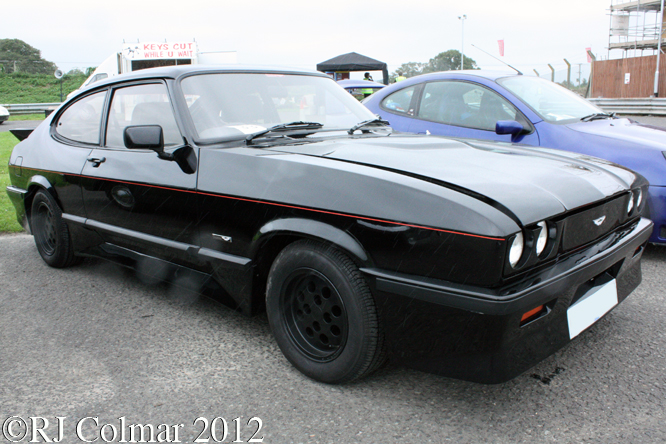
Tickford Turbo, Rare Breeds, Haynes International Motor Museum

The Tickford Capri is a Ford sanctioned hand built Ford Capri with a 205 hp turbocharged motor that cost double the price of a standard 170 hp Ford Capri 2.8i. This 1984 example #002 was the first type approved version, ordered by someone desperately keen to have one built as close to the prototype show car before Tickfords had even moved into the planned production facility for the series.
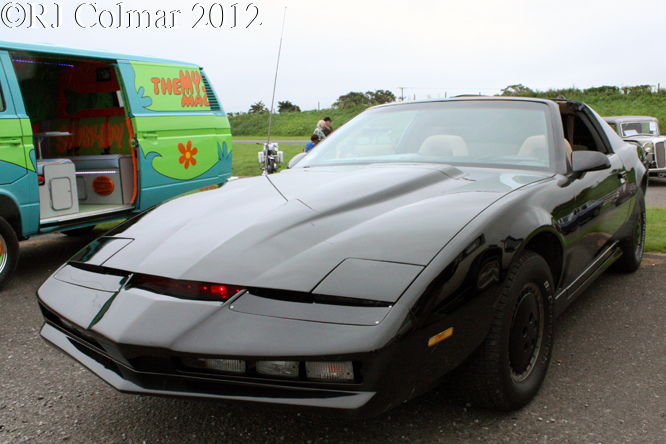
Knight Industries Two Thousand, Rare Breeds, Haynes International Motor Museum

The 1984 Pontiac Trans Am based Knight Industries Two Thousand (K.I.T.T) was developed for the Foundation for Law and Government (FLAG) by Wilton Knight and was essentially an artificially intelligent electronic computer module installed in an advanced, mobile, robotic automobile.

The original 1982 K.I.T.T was a hard top, but no doubt in danger of getting a hot head due to his crime fighting success, it was deemed that Micheal Knight be given a Targa Top for the 1985 crime wave. This particular K.I.T.T thought to be one of thirty built is operated by rrelite.co.uk.
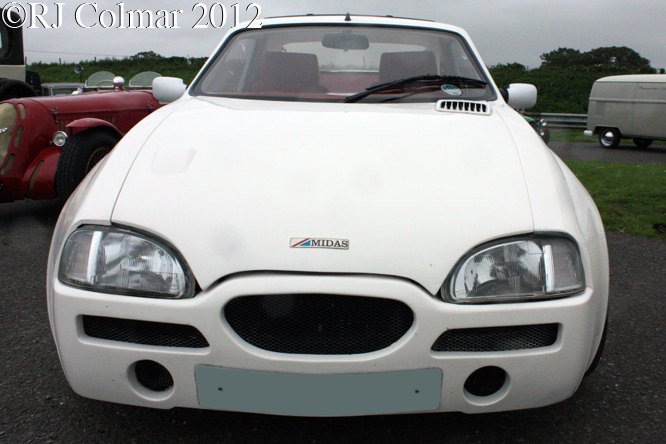
Midas Cortez, Rare Breeds, Haynes International Motor Museum

This 1991 Midas Cortez is the spiritual ancestor of the Mini Marcos with Rover Metro running gear.

Thanks for joining me on this “5th Rare Breeds Show” edition of “Gettin’ a li’l psycho on tyres” I hope you will join me again tomorrow. Don’t forget to come back now !
Share

Coffee, Croissant & Cars #3 – Avenue Drivers Club

Last Sunday being the second Sunday of the month it was time to amble down St Micheal’s Hill towards Queen Square for another Avenue Drivers club meeting.

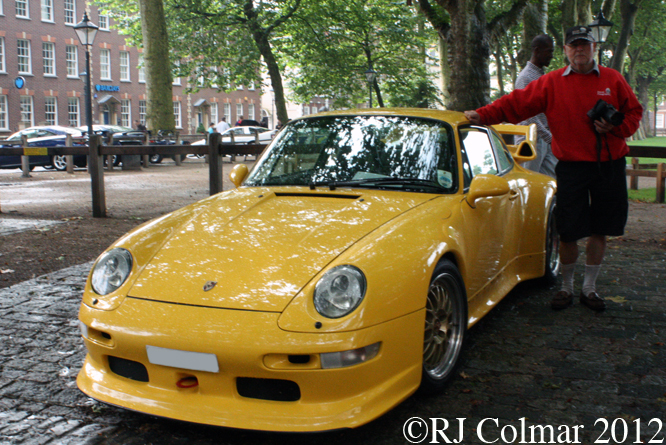
Porsche 993 GT2, Avenue Drivers Club, Queen Square, Bristol

Where I was greeted Ted who brought along his DP Motorsports tuned Porsche 993 GT2 which came complete with matching yellow dash instruments. If your looking for photographs of old competition cars in action Ted’s Ferret Fotographics is a great place to start.

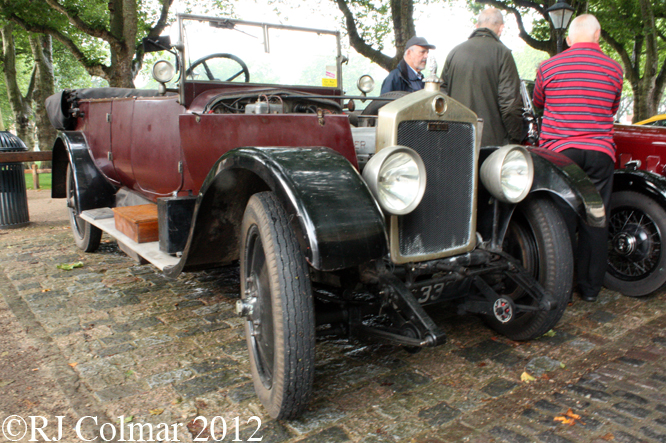
Lanchester, Avenue Drivers Club, Queen Square, Bristol

Keeping the Lanchester flag flying at the Avenue Drivers Club was this 3 liter / 183 cui 1925 Lanchester 21.

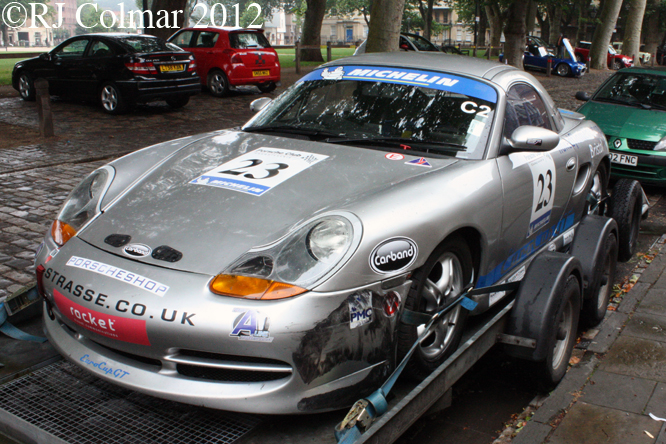
Porsche Boxster, Avenue Drivers Club, Queen Square, Bristol

With signs of tyre rub on both sides to the bumper there was no doubt this Porsche Boxster prepared by Porscheshop and driven by novice driver Stuart Ings. You can see an in car video of Stuart in action at Oulton Park a couple of weeks ago on this link.

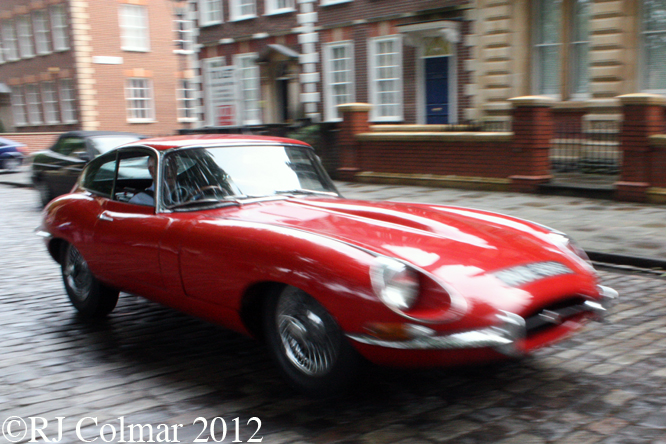
Jaguar E-type, Avenue Drivers Club, Queen Square, Bristol

Flying the flag for Jaguar was this lush E-type.

Austin 10, Avenue Drivers Club, Queen Square, Bristol

This Austin 10 motor powers an Austin 10/24 Ripley sport that is a regular at Avenue Drivers Club meetings and was featured in GALPOT blog early last year.

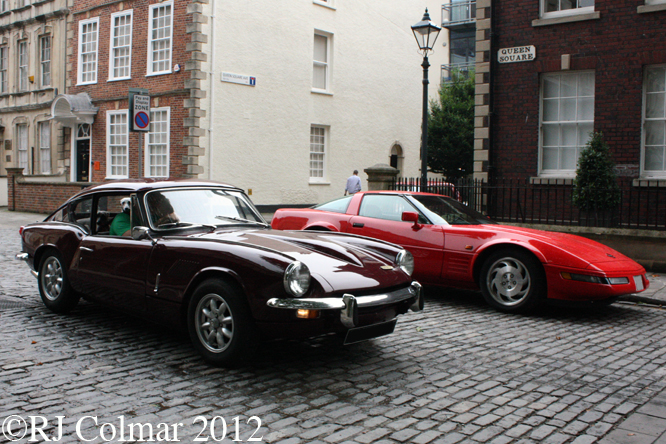
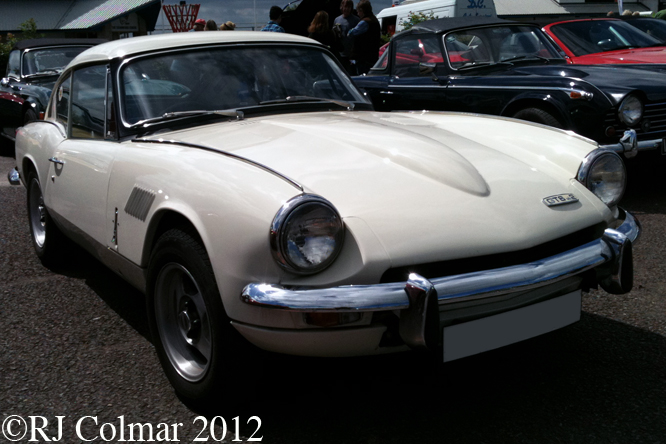
Triumph GT6, Avenue Drivers Club, Queen Square, Bristol

I’ve been meaning to write a blog about this Triumph GT6 Mk II for some time, it was great to see and hear it last weekend.

BMW 840 Ci, Avenue Drivers Club, Queen Square, Bristol, Queen Square, Bristol

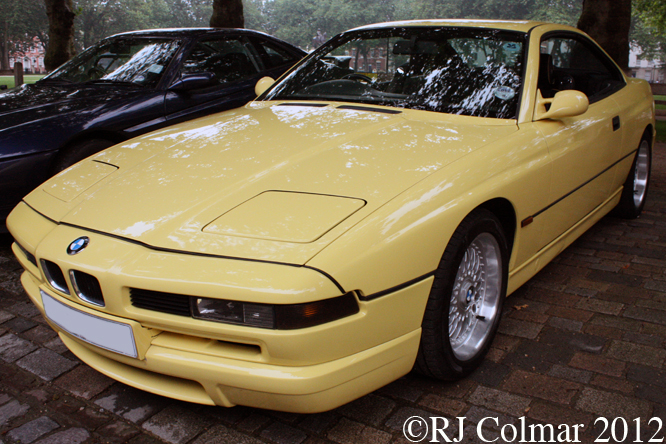
BMW had originally intended their entry level 8 series cars to be powered by 3 liter motor’s however it would appear they decided better of it by allegedly chopping most of the 18 built up and introducing the 4 liter V8 powered 840 Ci instead. Above is one of the last built in 1999 with a 4398 cc / 268 cui V8 with 5 speed automatic transmission.

Volkswagen Golf III, Avenue Drivers Club, Queen Square, Bristol, Queen Square, Bristol

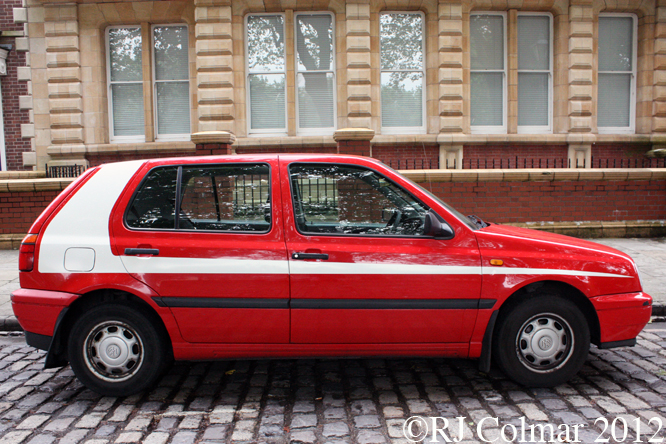
The Spirit of Starsky and Hutch is obviously alive and well in Bristol, for the second time in two days I saw a vehicle with a laser stripe ! Above on a humble Golf III.

Vauxhall, Nova, Avenue Drivers Club, Queen Square, Bristol, Queen Square, Bristol

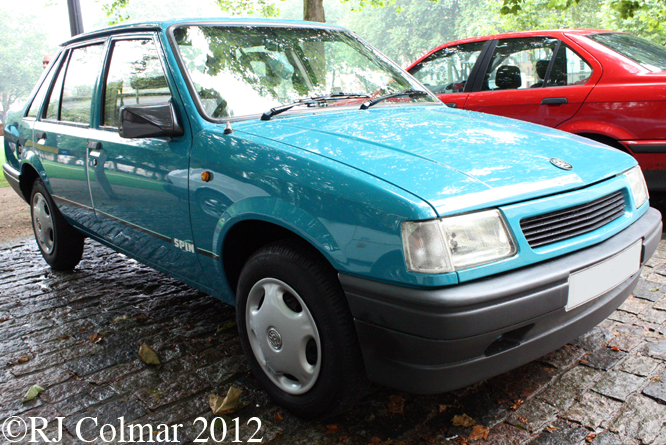
Entering into the ranks of classics, 20 years old this year, is the immaculate Vauxhall Nova Spin above, a badge engineered Opel Corsa which like it’s German badged counterpart was built in Spain.

Ferrari, F430, Avenue Drivers Club, Queen Square, Bristol, Queen Square, Bristol

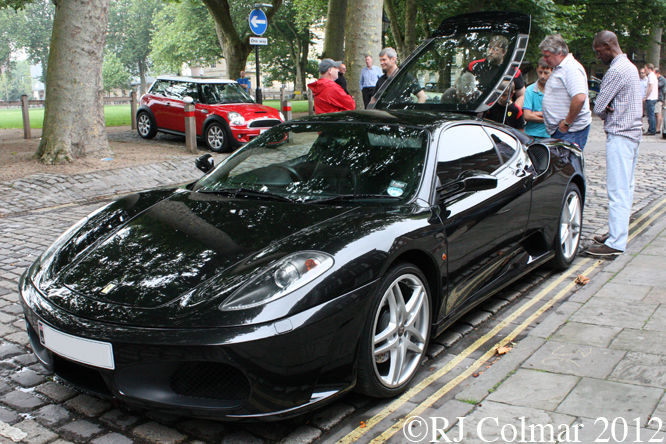
I first came across this wailing Ferrari F430 on my way to Sherborne Castle last month. The owner had just spent a considerable sum on a new exhaust, however the vacuum operated exhaust valve had been plumbed incorrectly and still needs sorting out, meantime the exhaust volume has been set permanently at volume 10 !

Suzuki RV 125 VanVan, Avenue Drivers Club, Queen Square, Bristol, Queen Square, Bristol

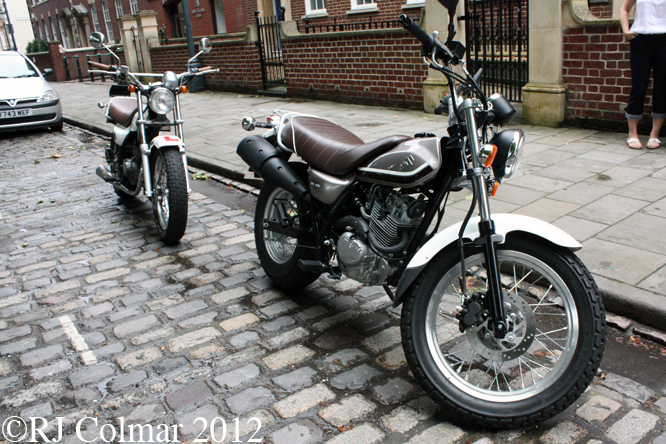
Representation of two wheeled transport was very thin last week, however these matching Suzuki RV 125 VanVan’s reminded me of my schooldays, an older lad had one imported from Japan in the mid 70’s when RV 125’s were powered by two stroke motors.

TVR Cerbera, Avenue Drivers Club, Queen Square, Bristol, Queen Square, Bristol

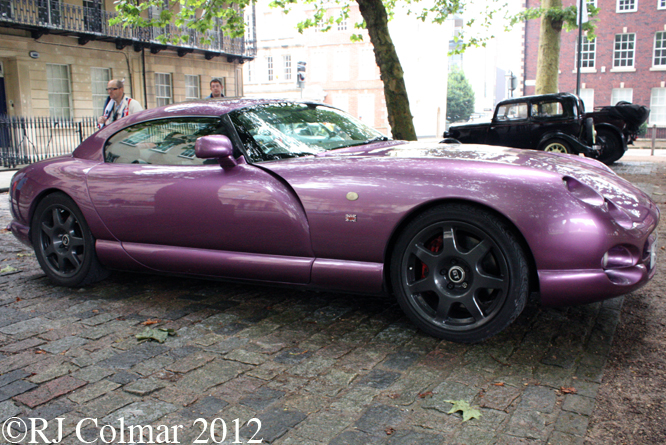
This 1997 TVR Cerbera powered by the larger 4578 cc / 279 cui TVR V8 motor turned up late in the morning just as I was leaving. The Cerebra name is derived from Cerberus the mythical Greek three headed beast that guarded Hades which is fitting for a car that is considered a three plus one thanks to it’s front passenger seat which moves further forward than the drivers seat to afford the rear passenger behind a little more leg room than on the drivers side.

Thanks for joining me on this Coffee, Croissant & Cars #3 edition of “Gettin’ a li’l psycho on tyres” I hope you will join me again tomorrow. Don’t forget to come back now !
Share

Summer Classics – Easter Compton

Halfway between Bristol and the former holiday resort Severn Beach lies Washingpool Farm just outside Easter Compton which played host to Summer Classics at the weekend.

Zil 131, Summer Classics, Easter Compton

By no means the biggest show I have attended this year, what Summer Classics lacked in quantity it more than made up with in quality and good company on Saturday. Above is a 150 hp V8 that took part in a race, possibly the greatest race of all time the nuclear arms race. This 1971 6 x 6 Zil 131 was fitted out as a Zelda R140 mobile radio station designed to be used as a mobile command center. The cabs for the radio operators on the back of the trucks were designed to survive nuclear fall out and thus ensure the possibility of mutual destruction !

Volkswagen Subaru Multivan, Last Limited Edition, Summer Classics, Easter Compton

The Type 3 Transporter / Multivan above is one of the last 6, 2494 of 2500, Last Limited Edition (LLE) Multivans made in 1992. There was also a Redstar limited edition available to VW employees only and production of the Type 3 continued in Mexico until 2003. This particular LLE Multivan is a particularly quick camper having been fitted with a 230 hp 3.3 liter / 201 cui Subaru flat six motor, Porsche gearbox and brakes and a Scania Shifter.

Paramount Sport, Summer Classics, Easter Compton

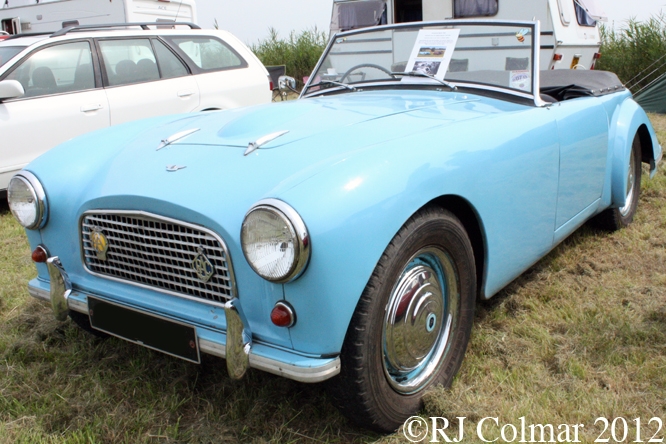
Saturdays ‘car manufacturer I had never even heard of before’ was Paramount. The 1953 Paramount Sports above featuring an aluminium body on an ash frame is one of only 3 road worthy Paramount vehicles from a total of 80 of all types thought to exist.

MG6 GT, Summer Classics, Easter Compton

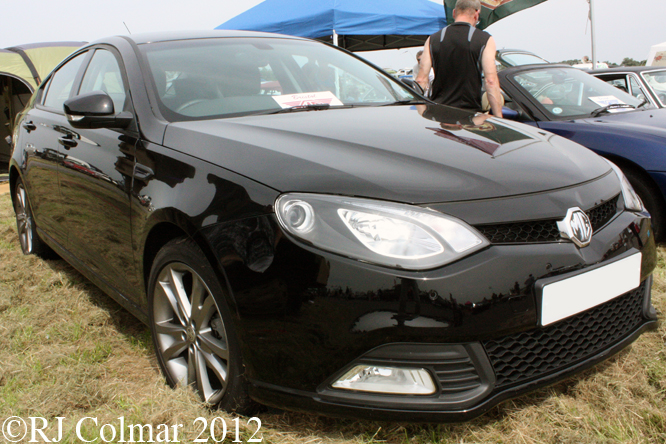
After the MG Rover group disappeared in 2005 the MG marque was revived in 2011 with help from many former employees who were re employed at the MG Motor UK Technical Center by new owners of the MG marque SAIC Motor. The MG6 GT above, built from a complete knock down kit supplied by SAIC was assembled at Longbridge, home to the former MG Rover Group. Despite a successful presence in the British Saloon Car Championship production volumes so far are thought to be small probably not yet reaching a thousand.

Peterbilt, 8 Seconds, Summer Classics, Easter Compton

I have never sat in a Peterbilt before, nor a TV star nor a vehicle that has 1,000,000 miles, I ticked all those boxes on Saturday when I climbed into the cab of Straight 8 a 1993 Peterbilt which was featured in Trick My Truck in January 2007. As can be seen the truck has over 1.2 million miles on the clock !

Rover 3500S, Summer Classics, Easter Compton

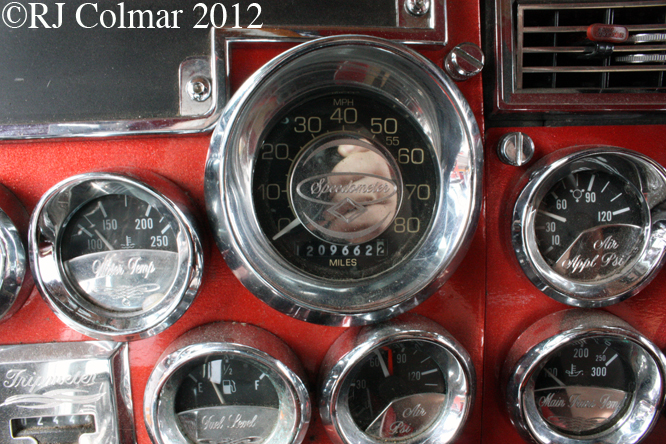
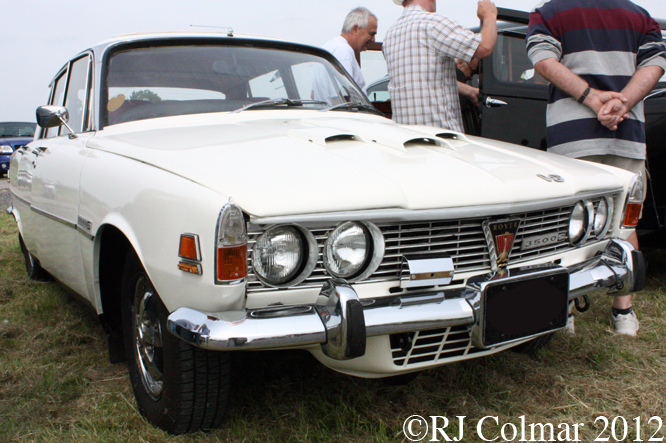
The Rover 3500S came in two different forms for the UK Market S stood for Synchromesh as used in the four speed manual gearbox while in the US Market all Rover 3500 S models were automatics. Looking at the dash this is clearly a right hand drive vehicle, unfortunately I did not notice if the car was a converted LHD automatic or a UK supplied manual making use of the Rover parts bin with a US spec front number plate mounting, ice warning device seen to the left of the number plate and US spec bonnet with three air intakes. The wipers would suggest this is a UK spec car with some US spec goodies.

Armstrong Siddeley Whitley, Summer Classics, Easter Compton

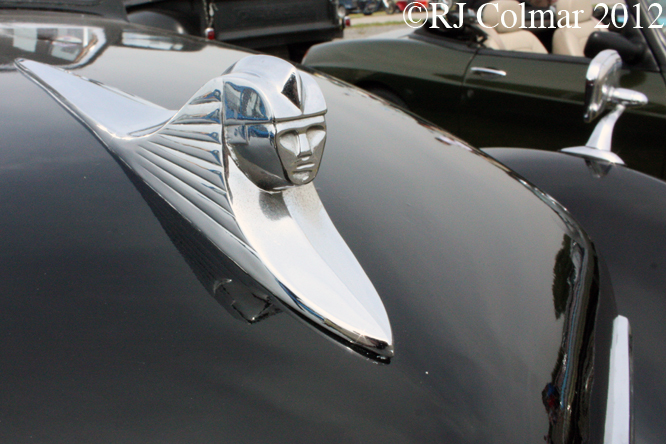
Unlike Bristol Cars which refrained from using the names of Bristol Aeroplanes, it’s parent organisation, for it’s vehicles until 1975 Armstrong Siddeley used the names of it’s parent companies WW2 aircraft, including Hurricane and Lancaster upon the the resumption of vehicle manufacture in 1945. The Sphinx mascot is seen above on a 1953 Armstrong Siddeley Whitley which takes it’s name from a twin engined bomber that is named after a suburb of Coventry where Armstrong Siddeley’s were built.

Lincoln Zephyr, Summer Classics, Easter Compton

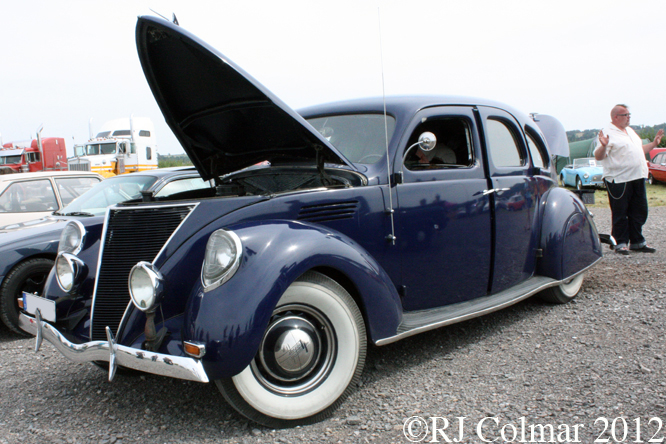
My personal vote for car of the show goes to this 1936 Lincoln Zephyr. This V12 was occupied by a family of four with an outsize classic TV and was making it’s way on a 1600 plus mile holiday journey from Dresden, Germany at an eye watering 21 mpg imperial / 18 mpg US !

Singer Le Mans, Summer Classics, Easter Compton

Among many storied cars at the Summer Classics Show on Saturday was this Singer Le Mans built in December 1935 it took part in the 1936 Exeter Trials with HD Acres at the wheel as can be seen on this link. By 1939 the Singer had acquired the large centre fog light and was in the hands of RJW Appleton who used it to compete in the Lands End Trial. The present owner spent many years rebuilding the Singer after acquiring a big box of ‘bits’.

Ford Torino, Summer Classics, Easter Compton

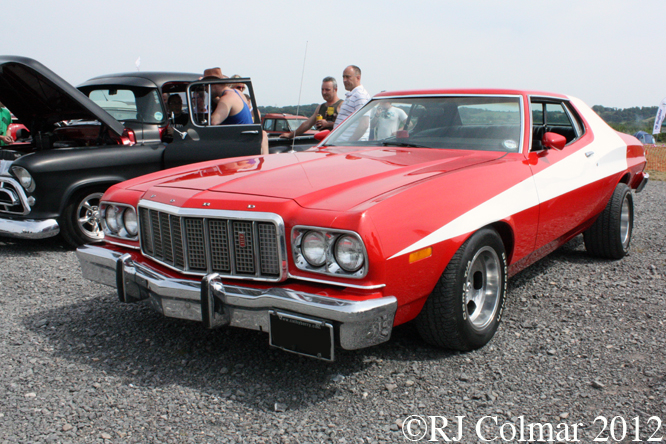
The “striped tomato” 1974 Ford Gran Torino seeen above is one of the first six built in 1973, for the ’74 model year. It was picked up by it’s current owner in San Francisco with a straight body and has been slowly restored since with well over £6k in suspension parts alone. By all accounts Paul “Michael” Glaser took an instant disliking to the car with which he will be forever associated as Starsky from the Starsky & Hutch TV series. He thought the car looked like a ridiculous ride for a supposed undercover cop and referred to it as striped tomato both in private and later in scripts for the show.

Sunbeam Alpine, Summer Classics, Easter Compton

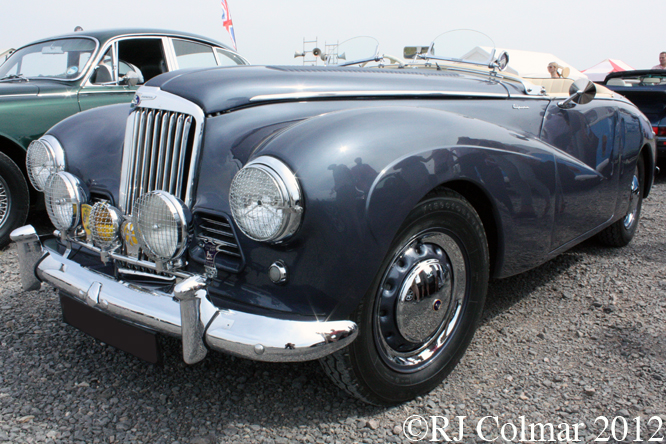
Fresh paintwork and equally fresh cream leather interior suggest this 1953 Sunbeam Alpine Mk I has been recently restored, love the way the Brooklands Aero screens sets the look of this car apart from it’s 1.582 siblings that were built from 1953 to 1955.

BSA Combination, Summer Classics, Easter Compton

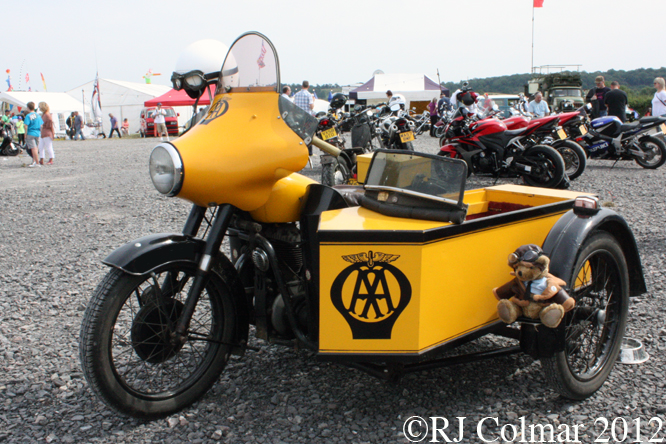
BSA first built the 591cc / 36 cui M21 in 1937, with production lasting until 1963 ! Used by the armed forces and in large numbers with combination sidecars, as seen with the 1951 model above, by the Automobile Association (AA) as roadside assistance units.

Thanks for joining me on this “Summer Classics” edition of “Gettin’ a li’l psycho on tyres” I hope you will join me again tomorrow. Don’t forget to come back now !
Share

Classic & Sports Car Action Day – Castle Combe

On Saturday David Roots kindly invited me to join him and the Bath & West Car Club for the Classic and Sports Car Action Day at Castle Combe.

Triumph GT6 MkII, Castle Combe C&SCAD

Among the cars on display was this Triumph GT6 MkII which reminded me that GT6 enthusiast Hazen Wardle is soon to release the third of his Reche Plimpton, The Triumph Detective stories.

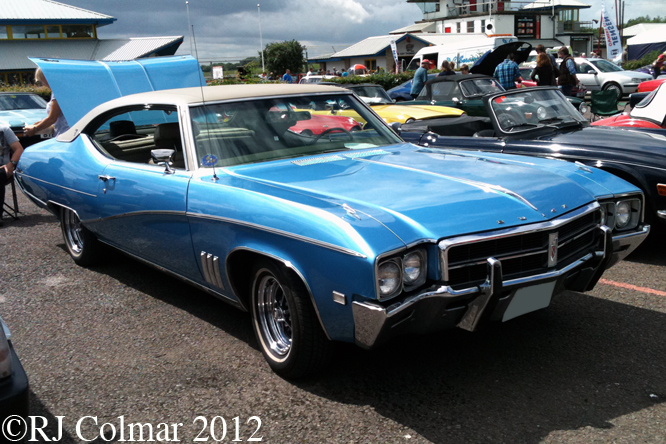
Buick Skylark, Castle Combe C&SCAD

With out a doubt car of the show for me was this third Generation 1969 Buick Skylark, with the post modern descending curved chrome that harks back to an all together different age of motoring before the use of unitary bodies became commonplace.

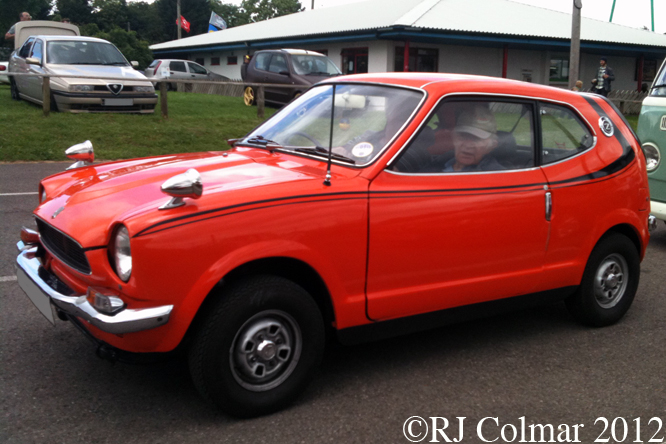
Honda Z600, Castle Combe C&SCAD

The 1972 Honda Z600, from the Honda S800 Sports Car Club, preparing to take part in the on track parade above predated the Honda Civic range and is powered by 36 hp 598cc / 36.4 cui two cylinder single overhead cam motor that could be taken up to 9,000 revolutions per minute and was recorded as capable of using less than 130 mpg (imperial) at a steady 30 mph.

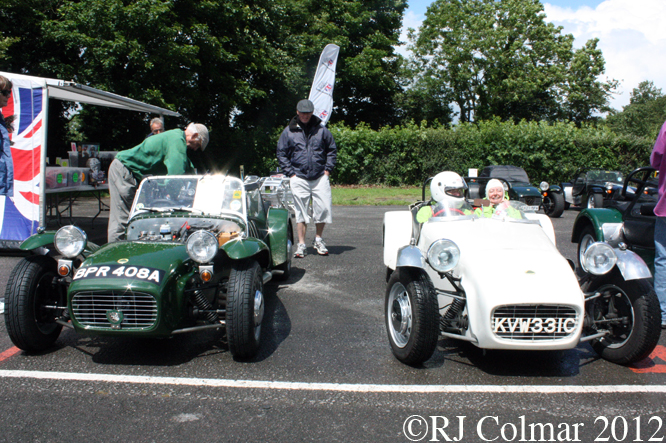
Lotus Seven S2, Castle Combe C&SCAD

The Lotus Seven Club were in attendance in large numbers, above two Lotus Seven S2’s one of which was the feature on my regular Lotus blog on Saturday.

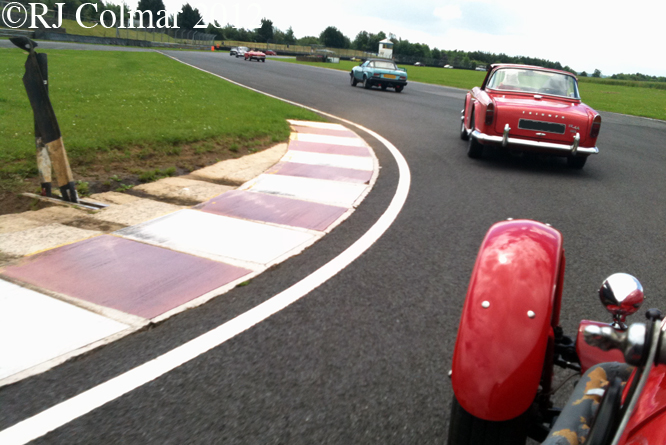
Bobbies, Castle Combe, C&SCAD

Despite his far better judgement David kindly took me round Castle Combe on the parade laps, here we are passing through the Bobbies Chicane.

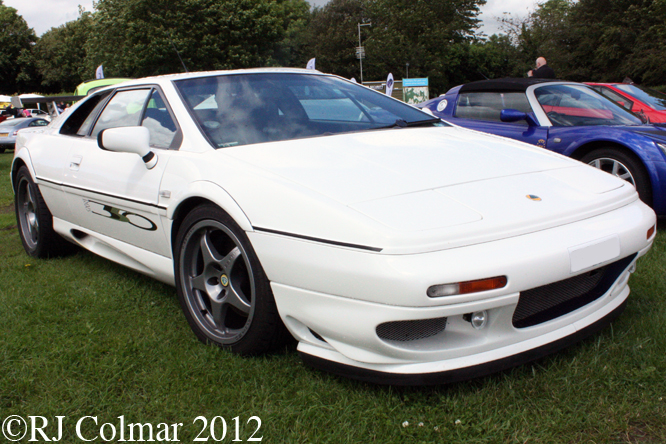
Lotus Esprit Sport 350, Castle Combe, C&SCAD

Coming all the way from Wales in the Club Lotus (South Wales) area was this 2000 Lotus Esprit Sport 350, the final iteration of the Esprit line of which just 50 were manufactured.

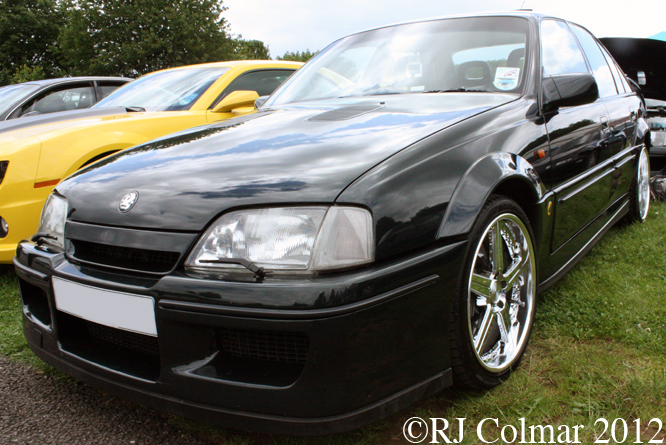
Lotus Carlton, Castle Combe, C&SCAD

Four years after acquiring Lotus, GM handed Lotus the task of upgrading the mundane Vauxhall Carlton, The 177 mph Lotus, Type 104, Carlton was the result, capable of reaching 60 mph in just 5.2 seconds with the aid of twin turbochargers, Corvette Z1 gearbox and Holden rear limited slip differential. This was a Q car of the first order, very popular with both police forces and security services when helicopters and light planes were in short supply. All Lotus Carlton’s and Lotus Omega’s, for the European Market, were painted a shade of green so dark it looks black in all but the strongest sunlight.

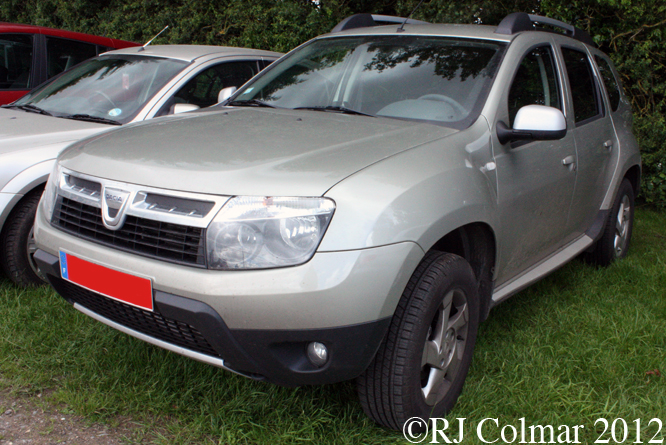
Dacia Duster, Castle Combe, C&SCAD

We don’t see too many Romanian built Dacia’s in the UK and when we do they are usually on Romanian plates so it was a surprise to see this Dacia Duster on French diplomatic plates. The Dacia Duster is based on a Nissan platform and running gear with 2 and 4 wheel options available, they are priced to compete with second hand cars. Expect to see a Dacia powered by an 850 hp Nissan GTR motor on Pikes Peak in the not too distant future.

Volvo 850, Castle Combe, C&SCAD

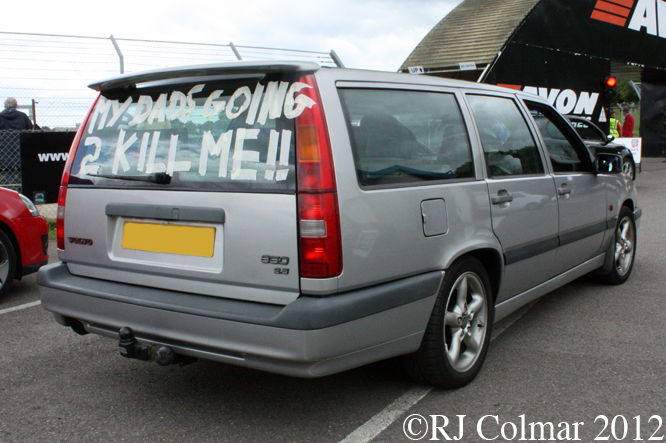
Looks like someone borrowed a 1996 Volvo 850 while Dad was still asleep last Saturday morning.

Bedford Rascal, Castle Combe, C&SCAD

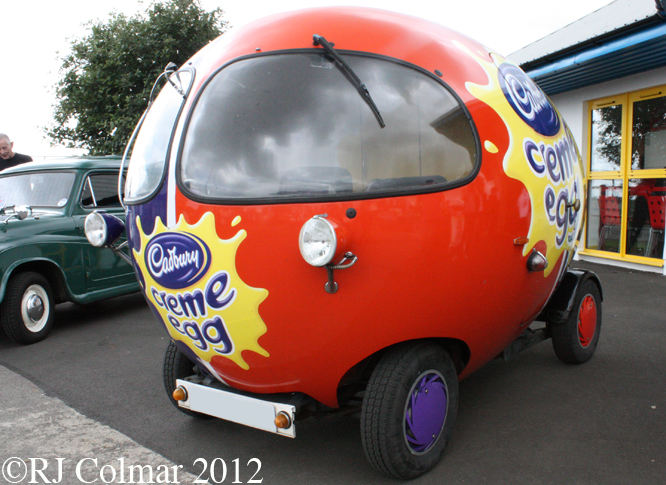
There used to be an advertisement on British TV that advised us to go to work on an egg, this Cadbury’s cream egg was built on a 1995 Bedford Rascal Microvan.

Marcos Owners Club, Castle Combe, C&SCAD

Marcos which used to be based in Bradford upon Avon in Wiltshire used to be one of several local car manufacturers during the 1960’s and 1970’s prior to moving to Kenilworth in 1981, following insolvency in 1972. So it was no surprise to see a strong showing from the Marcos Owners Club.

Victory Car Club, Castle Combe, C&SCAD

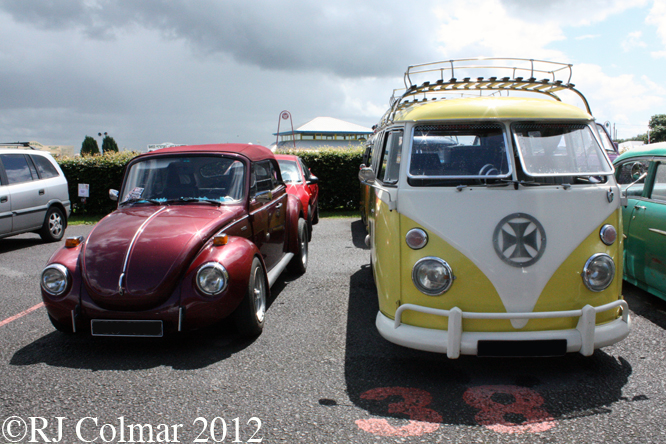
The 1972 Beetle Cabriolet and 1964 VW Type 2 show that my own ’99 Golf Mk IV still has an achievable if long way to go before becoming a classic !

Thanks for joining me on this “Classic & Sports Car Action Day” edition of “Gettin’ a li’l psycho on tyres” I hope you will join me again tomorrow. Don’t forget to come back now !

Share