The Saturday Club – Jaguar XJ220

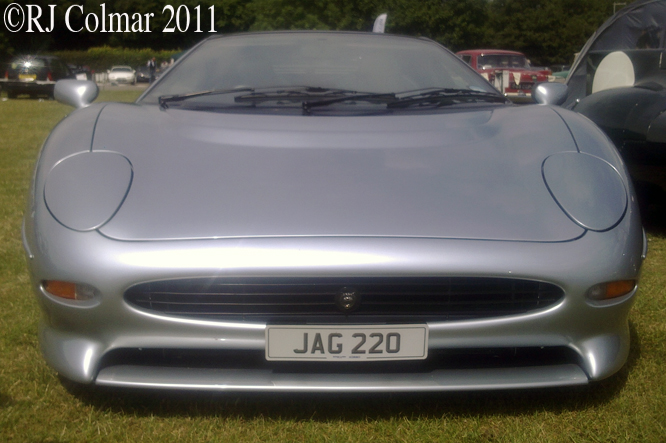
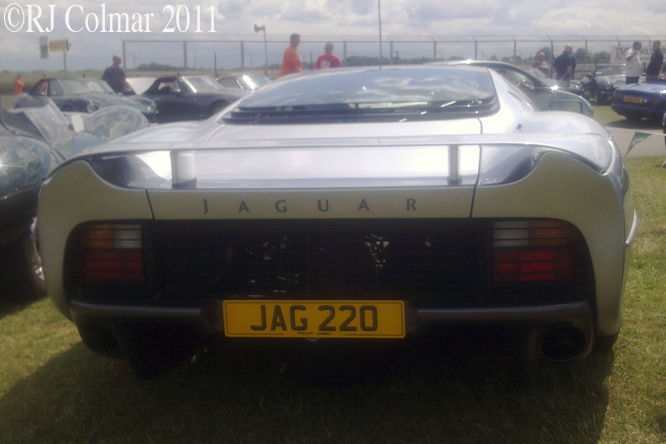
What better way to show your passion for your work than by attending informal after hours meetings with like minded fellow employees to work on unofficial pet projects ? Such was the enthusiasm of Cheif Engineer Jim Randle and select fellow employees at Jaguar in the 1980’s that their ‘Saturday Club’ generated Jaguars XJ220 super car designed to take on Ferrari, Lambourghini and Porsche in the super car market head on.
Jaguar XJ220

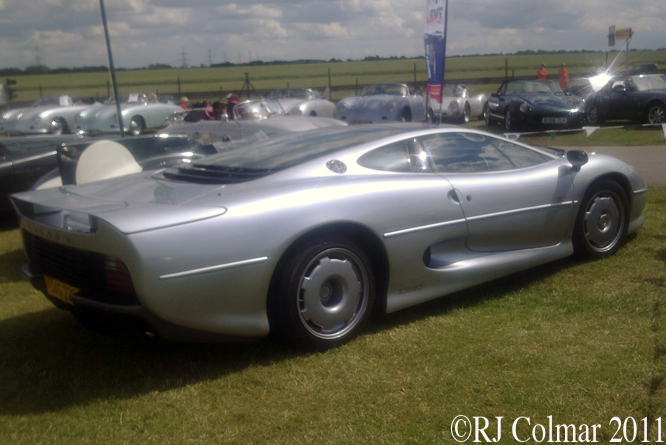
The XJ220 as originally proposed and shown to the public featured a mid mounted quad cam 6.2 litre / 378 cui V12 all wheel drive scissor doors and a projected top speed of 220 mph.
Jaguar XJ220

The XJ220 was further developed into a production model by Jaguar Sport and Tom Walkinshaw Racing (TWR) who ran factory backed racing programmes for Jaguar with the XJS and later XJR models.
Jaguar XJ220

In production guise the XJ220 appeared rear wheel drive and with a smaller but more powerful 3.5 litre / 213 cui twin turbo V6 taken from the MG Metro 6R4 rally programme.
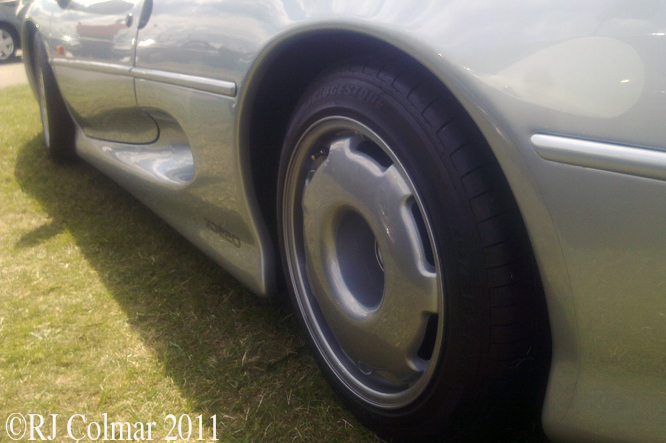
Many customers and above all speculators were not best pleased with the change in specs of the production model and tried unsuccessfully to sue Jaguar for the return of thier deposits. The last XJ220’s were sold for a third of their asking price in 1997, and still fetch a similar price today.

In 1992 works Jaguar racer Martin Brundle recorded a top speed of 212 mph road spec XJ220 which with the catalytic converters removed managed 217 mph at the Nardó Ring in Italy.

Thanks for joining me on this Saturday Club edition of ‘Gettin’ a li’l psycho on tyres’, I hope you will join me again tomorrow. Don’t forget to come back now !

Share

Wobbly Web Wheels – Lotus 12

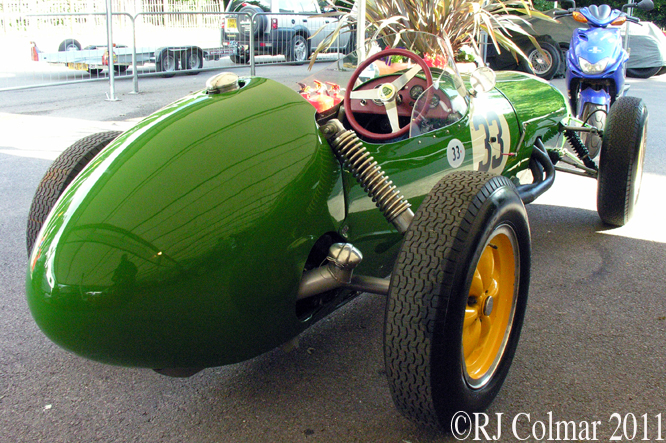
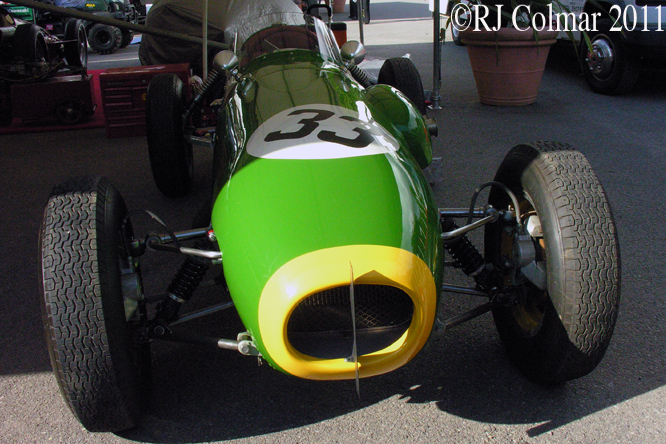
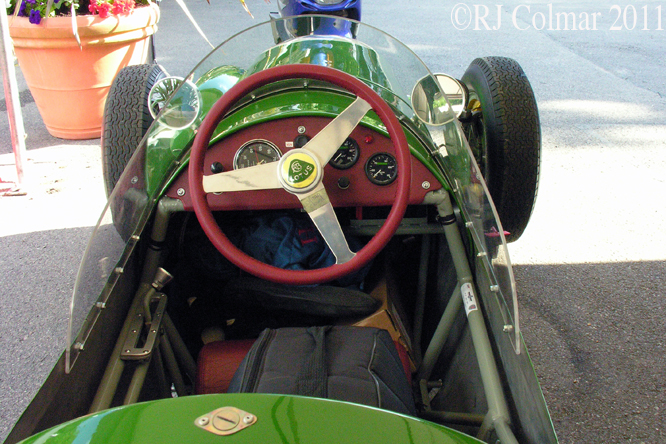
Despite only being fitted with mock up engine and all new rear transaxle made of wood the Lotus 12 with a chassis made of Reynolds 531 tubing looked sensational to the select members of the press lucky enough to it in the stable block at the back of a hotel in Hornsey in October 1956.

Lotus 12

Lotus 12, Goodwood Festival of Speed, June 2011

The space frame chassis had independent wishbone suspension on the front and was to be powered by a 4 cylinder Coventry Climax motor built to meet the then second tier Formula 2 regulations. The gearbox mounted to the rear transaxle was to feature a sequential shift as used on motor cycles.

Lotus 12

Lotus 12, Goodwood Festival of Speed, June 2011

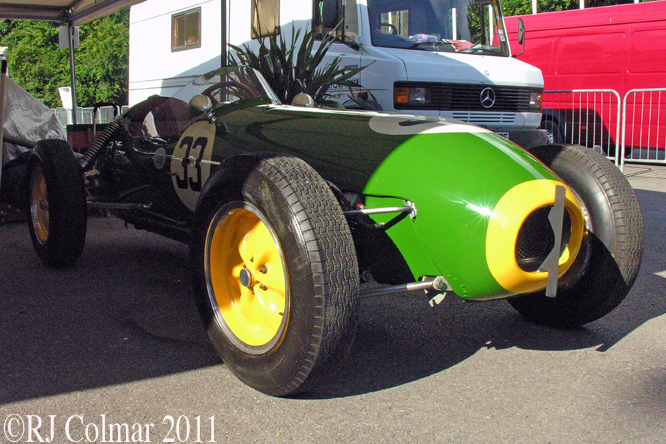
Typical of designer Colin Chapmans maxim to add lightness the magnesium ‘wobbly web’ wheels, inspired by a design Colin had seen on a US military aircraft, were fitted with six wheel nuts instead of the more common central knock off nut because Formula 2 races did not, as a general rule, require pit stops to change tyres and the six small wheel nuts weighed less than the one knock off nut.

Lotus 12

Lotus 12, Goodwood Festival of Speed, 2011

Colin Chapmans first foray into open wheel racing under his own Lotus banner while innovative was not as successful in 1957 as had been the Vanwall for which Colin had designed the chassis, but this did not prevent him from fitting the 12 with an oversize version of the Formula 2 Coventry Climax engine and running two examples at the Monaco Grand Prix in 1958 for Graham Hill and a second F2 spec car for Cliff Allinson to mark Lotus first entry into the top Formula One tier of the sport.

Lotus 12

Lotus 12, Goodwood Festival of Speed, 2011

The first two Lotus 12’s featured de Dion suspension but Chapman refined his design by fitting his own version of the Macpherson struts fitted with universal joints that became known as the Chapman strut, a system also used on the Lotus Elise. In Formula One races the Lotus 12 scored some promising sixth place finishies and a remarkable 4th place in Belgium but the most important Colin Chapman was now playing on the big stage where he would leave an indelible mark right up until his untimely demise im 1982.

Thanks for joining me on this Wobbly Web edition of ‘Gettin’ a li’l psycho on tyres’ I hope you will join me again tomorrow when we will be looking at a big cat. Don’t forget to come back now !

Share

From The Mystery Batch – Ferrari 196 S

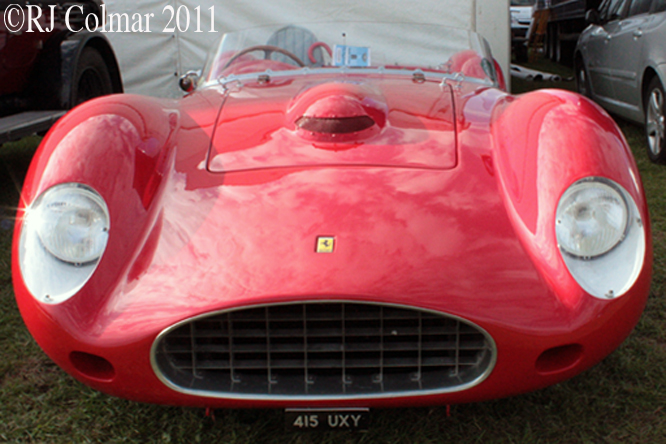
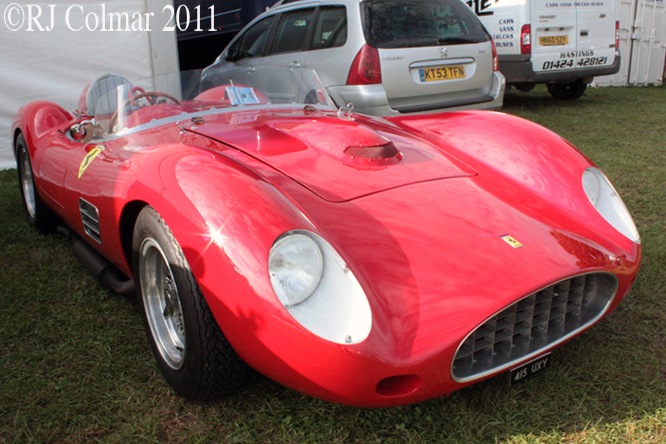
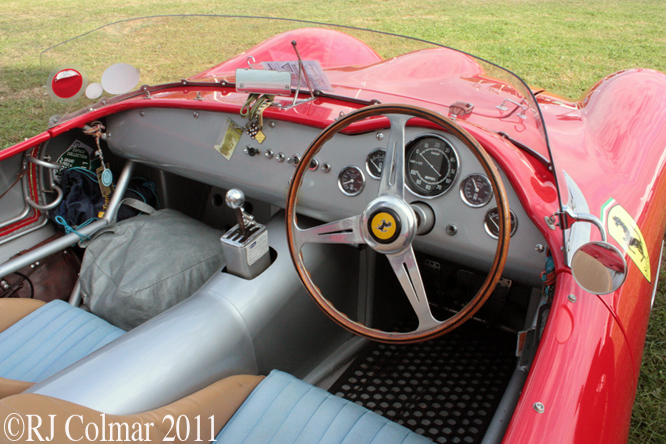
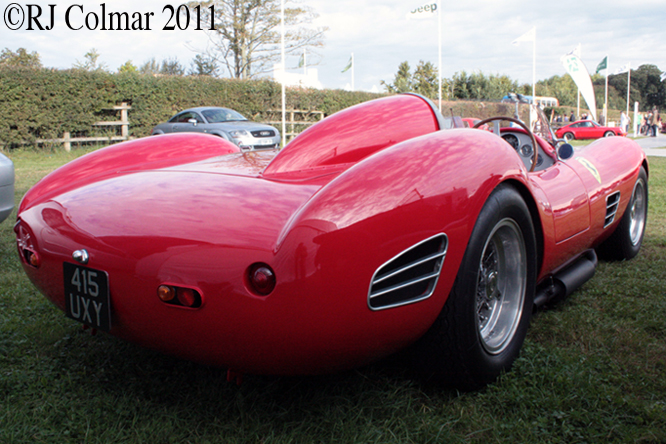
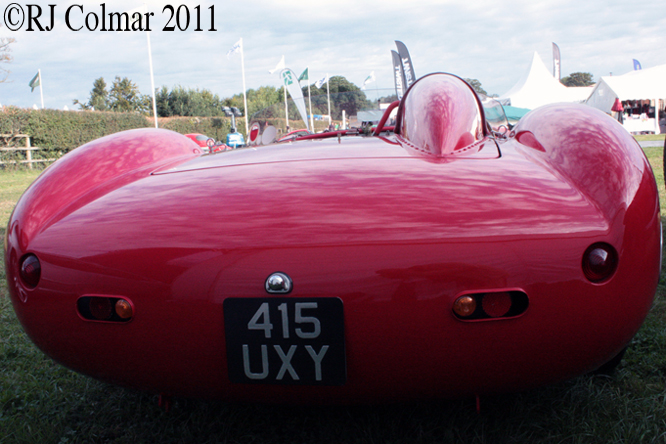
Early in the morning just after I arrived in the car park at the Goodwood Revival a couple of weeks ago I heard the low rev rumble of what was obviously a highly strung racing car, I looked over my shoulder to see a bright red car that looked like a Ferrari, sounded like a Ferrari and even smelled like a Ferrari right behind me. A while later I caught up with the car and mindful of keeping a stock of photo’s of Ferrari’s for Ferrari Fridays here at GALPOT I happily snapped away not entirely sure of what it was I was looking at.

It certainly looked like something from the late 1950’s, an HPI (like Carfax) check of the registration revealed that this car was built in 1958 and had a 2417 cc 147 cui engine an engine size I’d normally associate with a 246 Dino V6 from the early 1970’s.

Yet the car looked like a 12 cylinder Testa Rossa. Searching through Google images I came across another photo of what appears to be the same car labelled as a 1958 Ferrari 196S Fantuzzi Spyder.

I had a look at Barchetta website to see if I could identify the chassis number but could find no 196S model for 1958. There are however two 246S models listed for 1959 and 1960 the first chassis #0776TR owned by Sir Antony Bamford appears to also be known as a 196S, which looks similar to today’s featured car, but has a prominent additional scoop on the drivers side of the bonnet along with a perspex scoop for the carburetors.

The second 246S listed on the Barchetta site is chassis #0784 which I looked at a couple of weeks ago. Having drawn a blank as to which car 415 UXY was I tried asking at Ferrari Chat and was surprised to learn from Ed Niles and tx246 that this car is one of a batch of 12 196S replicas built more or less from scratch possibly in Modena possibly by ‘”Old Timers” that worked for Fantuzzi. Due to risk of these people losing their pensions, they work in secret.’

Searching ‘Ferrari 196S Replica’ in Google revealed two more cars from this mystery batch of around 12 which appear to have been built in the 1990’s, one yellow and one red the latter lists the name of the first owners as Mecanic – Import a specialist vehicle dealer in Belgium whom I have tried to contact and asked for more details about the ‘”Old Timers” that worked for Fantuzzi’ as of the time of writing I have had no reply.

My thanks to Ed Niles and tx246 at Ferrari Chat for their help unraveling today’s mystery car.

Thanks for joining me on the trail for another carcaeoloy hunt, I hope you will join me again tomorrow when I’ll be looking at a Lotus open wheeler. Don’t forget to come back now !

Share

The Very Wildest – Kellison J4 Grand Turismo

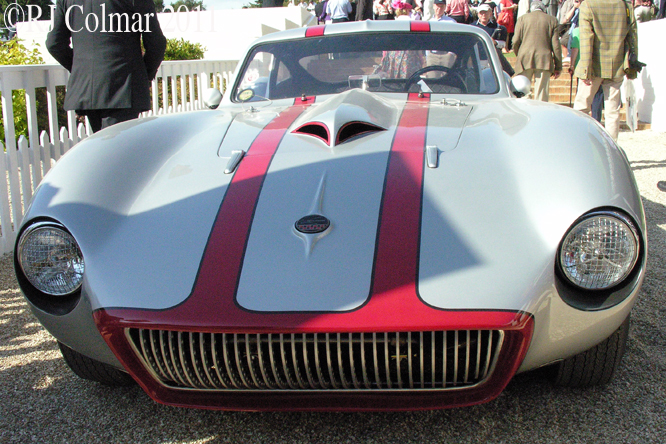
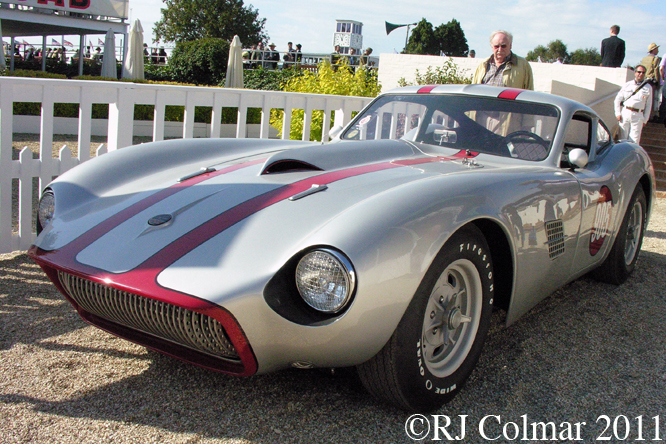
According to Griff Borgeson writing in Sports Car Illustrated in May 1960 when the Kellison J4 Grand Turismo was shown at the Los Angeles International Motorshow in December 1959 one ‘hipster’ summed up the audiences reaction by quipping ‘That is the very Wildest’.

Developed by former Korean Air Force Vet and missile engineer James Kellison, at just 39 inches tall and 67 inches wide the Coupé was also one of the lowest and widest cars present.

James opened a repair shop to generate the cash to turn his design into a kit car that could be built in around 130 hours. The 160lb fibre glass body was designed to fit either a salvage yard chassis or a bespoke 140lb chassis designed by stress engineer Chuck Manning.

The sales literature advised potential customers that the $6700 Kellison with independent suspension, custom finished interior and luggage space for three large suitcases was a luxurious touring car and the first American car to surpass Europe’s most distinguished designs.

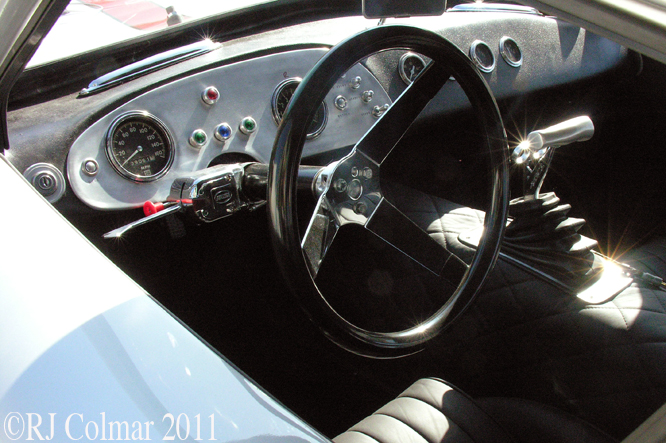
The cockpit was designed to comfortably seat a 5′ 8″ driver and passenger, though the construction of the seats was left to individual builders so that taller drivers could find away to accommodate themselves.

The Kellison could take any of the available V8’s of the day including the Ford, Chevy and Chrysler’s other proprietary parts included the windscreen that came from early 1950’s Studebaker Commander or Champion models, a rear screen from a 1949 Buick, Oldsmobile or Cadillac and door hinges that came from Mopar vehicles dated ’49 to ’52.

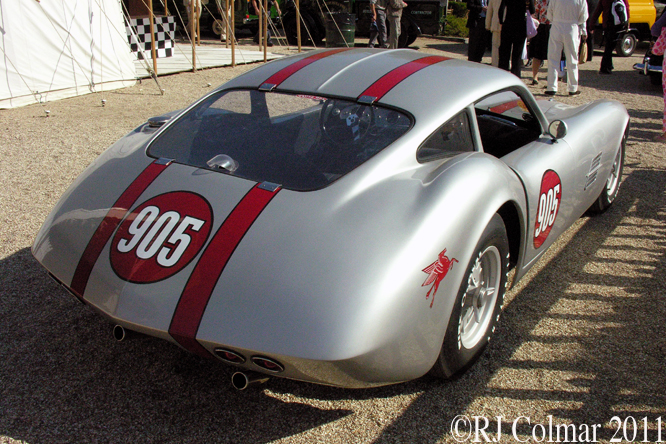
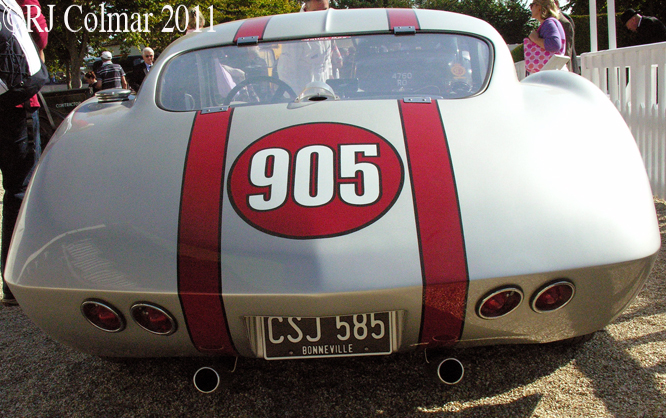
Kellison sent several vehicles to Bonneville Speed Week over the years all painted silver with maroon stripes and the #905, taken from his address ‘905-907 Sutter Street, Folsom California. One of his later J5 models is said to have recorded a top speed of 186 mph.

This particular model, in need of a pair of windscreen wipers, seen at the recent Goodwood Revival apparently has recently been acquired by Lord March. More on the Kellison Marque can be found at kellisoncars.com.

Thanks for joining me on this #905 edition of ‘Gettin’ a li’l psycho on tyres. I hope you will join me again for Ferrari Friday tomorrow. Don’t forget to come back now !

25/10/11 Egg on my face dept, reader Martin Christandl kindly informs me that Lord Marches car is actually a J6 model not the similar looking J4. Thanks Martin. If you spot any any other errors please do not hesitate to let me know.

Share

Beware HMRC – Ford Model A

After 18 solid years of solid market dominance the Tin Lizzie Ford Model T with over 15 million units sold world wide was reaching the end of it’s marketable life as the worlds truly massed produced car, and despite some resistance from it’s creator, Henry Ford, a replacement was designed with the same attention to detail as to how it would be mass produced.

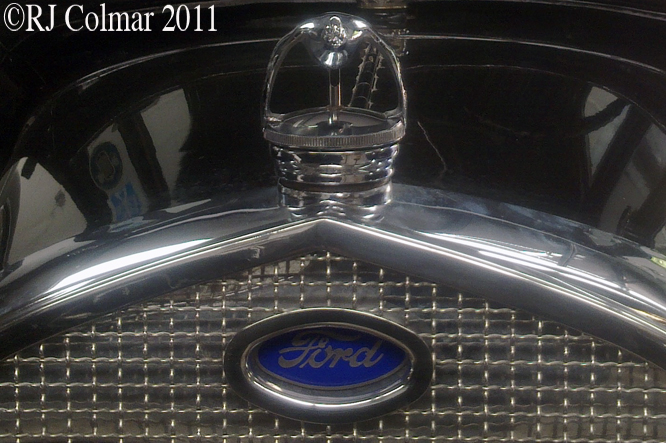
Ford Model A, Atwell Wilson Motor Museum

The Ford Model A was launched in 1927 with an improved 4 cylinder 201 cui / 3.3 litre engine, conventional clutch, brake, accelerator foot pedal arrangement, with a variety of colours for a variety of passenger and commercial body styles.

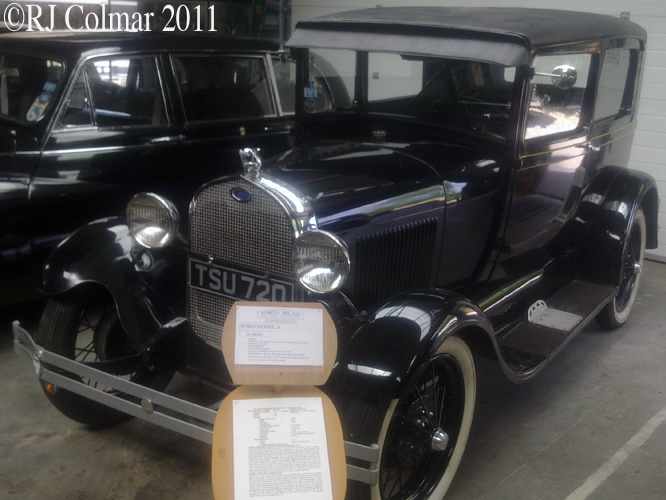
Ford Model A, Atwell Wilson Motor Museum

Despite being in production for a relatively, compared to the Tin Lizzie, short time of just 4 years from 1927 to 1931 over 4.5 million Model A’s were produced. With production being continued in Russia under Licence by GAZ from 1932 to 1936.

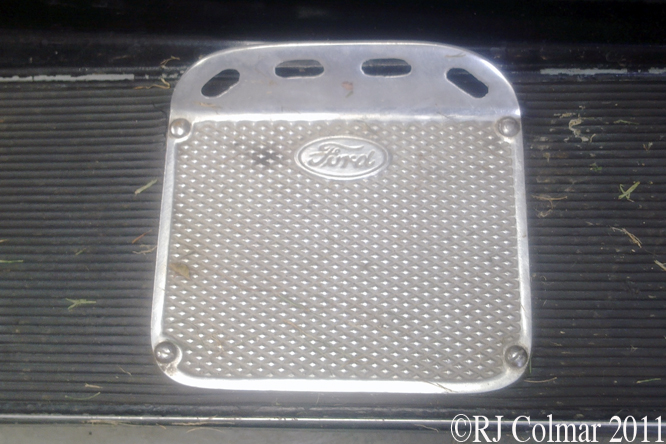
Ford Model A, Atwell Wilson Motor Museum

However not all was rosy for the Model A in Europe where cars were taxed on either engine size or horsepower or in the case of His Majesties Revenue & Customs a formula involving both.

Ford Model A, Atwell Wilson Motor Museum

As a result of the punitive taxation rules European manufacturers had specialised in building lighter cars with smaller engines and the Model A did not stack up well against the light weights, even less so when the Model a was offered with a smaller 122 CUI / 2 litre motor because the smaller motor had a much higher fuel consumption.

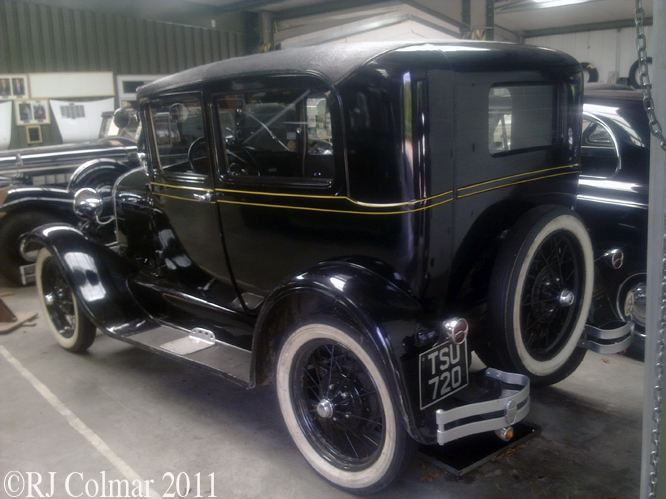
Ford Model A, Atwell Wilson Motor Museum

The Model A became the first Ford manufactured entirely in Britain when Ford’s new plant at Dagenham was opened in October 1931. However this 1929 model, seen here at the Atwell Wilson Museum will have been assembled from a kit in the same facility at Old Trafford in Manchester as the earlier ‘British Built’ Model T’s.

Thanks for joining me on this HMRC edition of ‘Gettin’ a li’l psycho on tyres’, I hope you will join me again tomorrow. Don’t forget to come back now !
Share

Dan Wheldon 1978 – 2011 – RIP

Dan Wheldon photograph courtesy Jeff Fuller.

“To do something well is so worthwhile that to die trying to do it better cannot be foolhardy. It would be a waste of life to do nothing with one’s ability, for I feel that life is measured in achievement, not in years alone.” – Bruce McLaren

Dan Wheldon

Born Emberton, Buckinghamshire, England, 22nd June 1978

1988

British Cadet Kart Champion

1989

British Cadet Kart Champion

1990

British Cadet Cart Champion

1993

British Junior 100B Kart Champion

1995

FIA ‘Ayrton Senna’ Memorial World Cup Winner

1996

Formula Vauxhall Junior

Three Wins

1997

British Formula Ford

Four Wins

1999

US F2000 National Championship,

Rookie Of The Year & Champion.

2001

Indy Lights Wins

Gateway
Atlanta

Indy Lights Rookie Of The Year

2003

Indycar Rookie Of The Year

2004

Indycar Wins

Twin Ring Motegi
Richmond International Raceway
Nazareth

2005

Indycar Wins

Homestead Miami Speedway
St Petersburg
Twin Ring Motegi
89th Indianapolis 500
Pikes Peak International Raceway
Chicagoland Speedway

Indycar Champion

2006

Rolex 24 Hours Daytona

Winner with Scott Dixon & Casey Mears

Indycar Wins

Homestead Miami Speedway
Chicagoland Speedway

2007

Indycar Wins

Homestead Miami Speedway
Kansas Speedway

2008

Indycar Wins

Kansas Speedway
Iowa Speedway

Married to Susie Behm

2009

1st son born Sebastian Wheldon

2011

2nd son born Oliver Wheldon

Indycar Wins

95th Indianapolis 500

Died Las Vegas Motor Speedway 16th October 2011

“The biggest thing for me is the Indianapolis 500” – Dan Weldon

I hope you will join me in offering sincerest condolences to Dan’s family, friends, team and fans.

Share

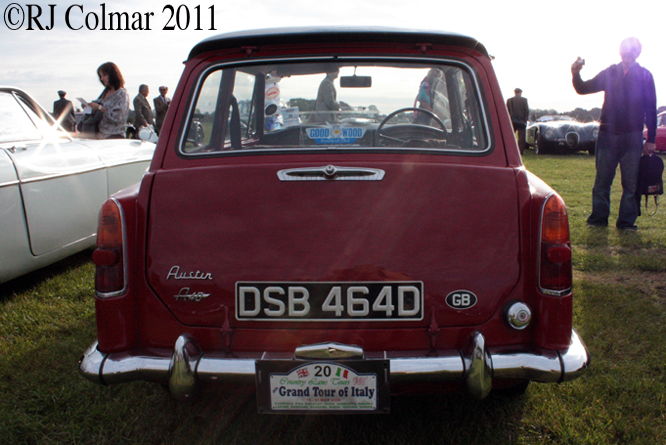
Straight and True – Austin A40 Countryman

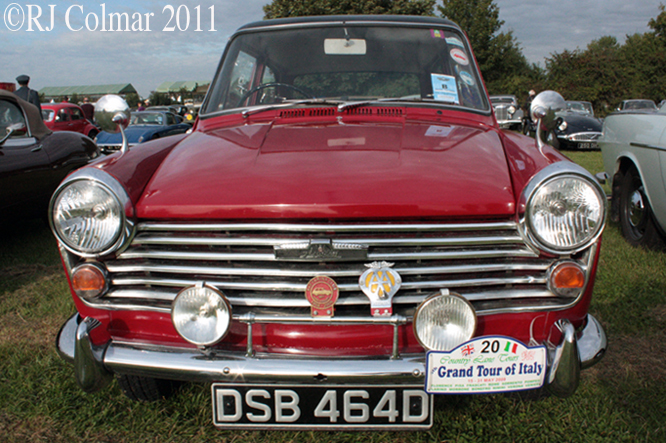
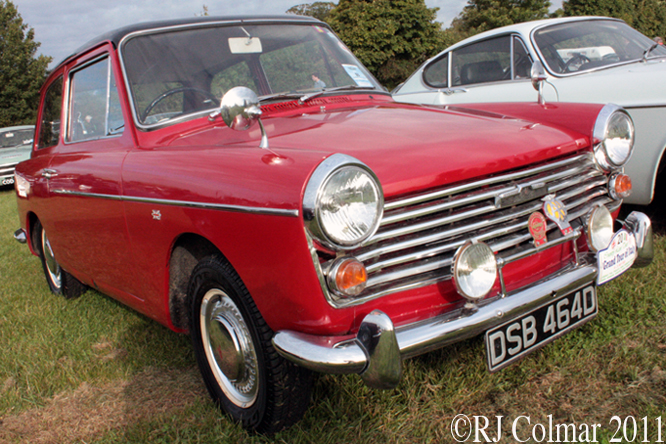
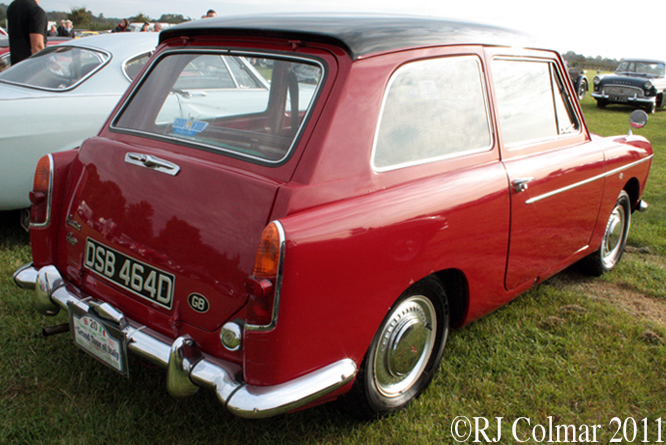
For the first official post at the new home of GALPOT I thought it might be appropriate to go back to the birth place of my passion for the automobile and for driving by having a look at an Pinin Farina styled Austin A40 Countryman.

Austin A40 Countryman, Goodwood Revival

I was 5 years old when my Folks purchased their first car I remember going to the offices of the British Motor Corporation in Nicosia, Cyprus and looking through seemingly countless brochures full of illustrations of two tone motor cars when we went to order it. The car Dad ordered was grey with a white roof his thinking being that the colours would reflect the fierce Mediterranean sunlight and help keep the interior of the car just a little cooler. The car came with red vinyl seats and red carpets.

Austin A40 Countryman, Goodwood Revival

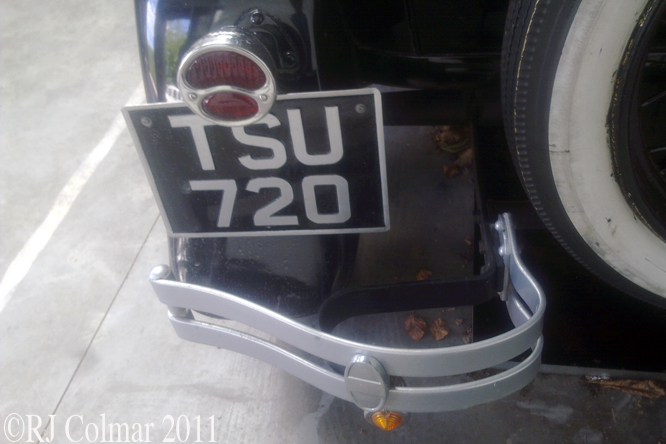
I’ll never forget my excitement when Dad pulled into our grapevine dappled drive for the first time with our shiny new car registered CE 270, we spent what seemed like hours pouring over the details I mistook the shiny chrome heater control panel for a radio and learned where to find the spark plugs, distributor, the spare wheel and jacking tools. Seems incredible to think now that our Austin hatchback was not supplied with any seat belts, though it was not long after we got it that Dad had some fitted to the front seats.

Austin A40 Countryman, Goodwood Revival

Over the ensuing two years we explored the ancient history of Cyprus from north to south and east to west, but best of all most Sundays of the summer we loaded up a picnic, home made awning, swimming goggles, flippers, buckets and spades and then headed to Mckenzie Beach, just outside Larnaca, where all our neighbours and my school friends would be. That beach is particularly important to me because one Sunday Dad invited me to sit on his lap in the drivers seat and steer the car. My first lesson being that you could drive it straight and true without any input to the steering wheel at all.

Austin A40 Countryman, Goodwood Revival

Without any navigation skills most of the time I spent in the car was naturally on the back seat, in fact I probably spent as much time sitting astride the transmission tunnel where, although exterior view was limited, I used to pretend I was riding a motor bike ! In 1966 when Dad got posted back to the UK our little grey A40 Countryman was loaded onto a ship and we headed for Istanbul and then Athens where the car was unloaded. From Athens we started our first road trip driving over 2,500 miles through Greece, Bulgaria, Romania, Hungry, Austria, Czechoslovakia, Germany, The Netherlands, Belgium and a bit of France on our way to London.

Austin A40 Countryman, Goodwood Revival

The last time I saw our A40 Countryman, called Daisy, now with the UK registration DHM 44D was 3 years after we sold it, the hours of fun we had on the beach were telling in the large areas of bubbled paintwork under which rust seeded by the Mediterranean sea had obviously terminally taken hold of the bodywork on our now eight year old A40 Countryman.

Thanks for joining me on this ‘Straight And True’ edition of ‘Getting’ a li’l psycho on tyres’ I hope you will join me again tomorrow. Don’t forget to come back now !
Share