Swiss Style British Built – Alvis TD21 Drop Head

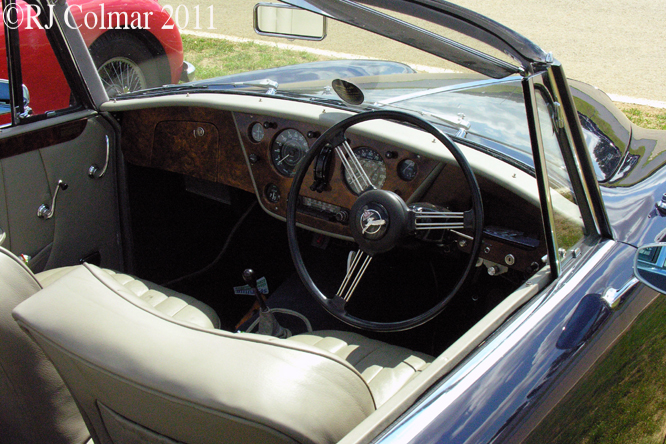
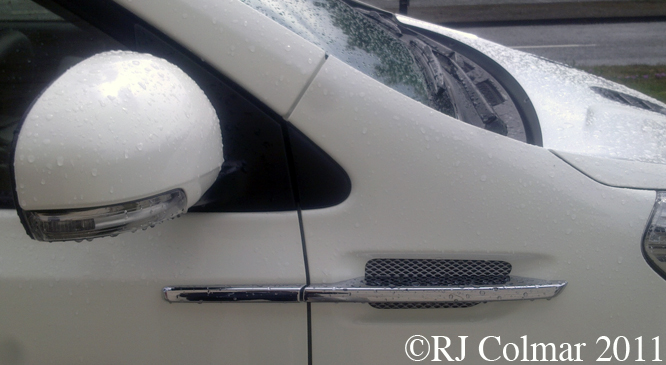
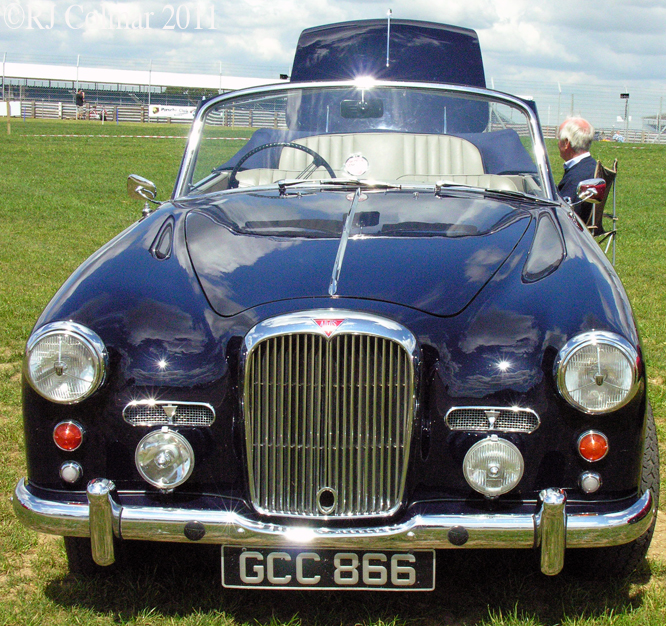
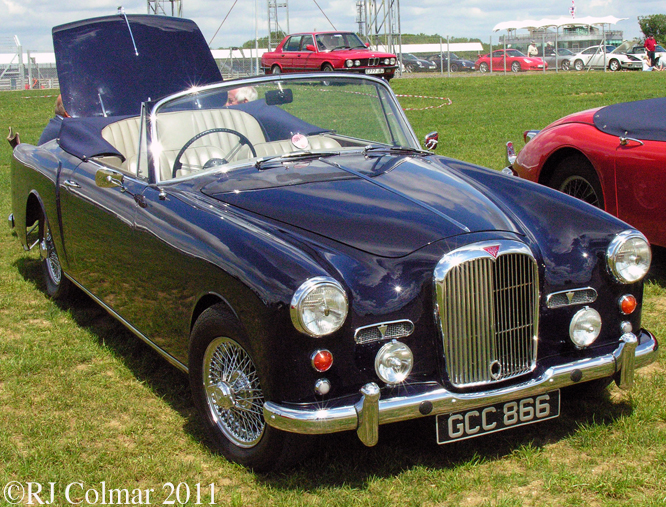
Among the more handsome vehicles to be built in Britain in the late 1950’s was the Alvis TD21, like the 1959 example seen here at the recent Silverstone Classic.

Alvis TD 21, Silverstone Classic

The TD range, available in 2 door saloon or drop head form came with an Alvis 3 litre / 183 cui 6 cylinder motor with 7 bearing crankshaft which produced 115 hp.

Alvis TD 21, Silverstone Classic

The bodywork was designed by Swiss company Hermann Garber working with the Park Ward coach works who took on the production of the beautifully proportioned panels which were mounted on a separate chassis.

Alvis TD 21, Silverstone Classic

With either 4 speed manual, sourced from the Austin Healey parts bin, or 3 speed Borg Warner automatic transmission the TD had a top speed of 103 mph.

Alvis TD 21, Silverstone Classic

The TD21 was upgraded to Series II spec in 1961 with external changes including integrated front fog lights and internal changes including all round disc brakes and ZF 5 speed manual gearbox. From 1958 to 1964 1070 TD21’s of both types were built.

Thanks for joining me on this Swiss style edition of ‘Gettin’ a lil’ psycho on tyres’, .I hope you’ll join me again tomorrow when I’ll be visiting Oulton Park for some classic and historic races. Don’t forget to come back now !

Share

Thunder In The Hills – Mendips Raceway

Last Sunday after I had dropped friends off at the airport I found myself with some unscheduled time on my hands. Normally I might have sauntered home to watch what remained of the Belgian GP but when I got to the roundabout of decision I headed in the opposite direction from home and went on a little drive through Somerset.

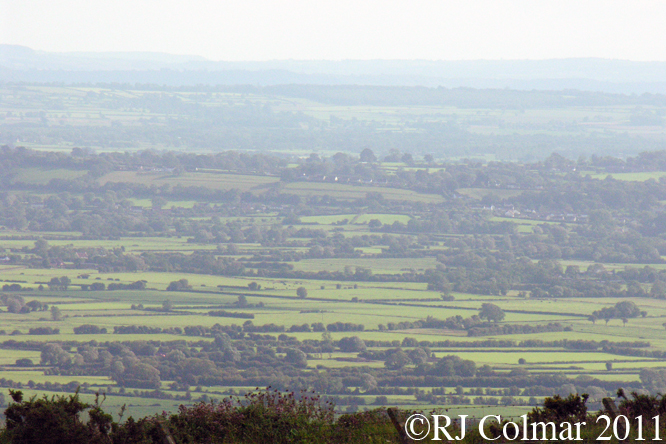
Somerst

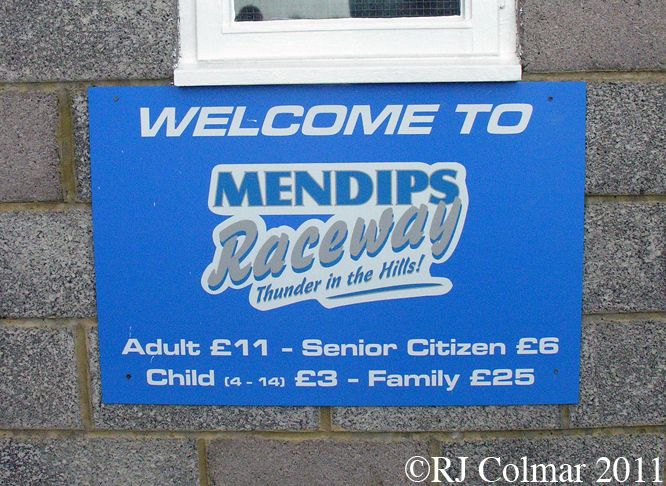
After a couple of deviations from the main road I came to a tiny sign saying ‘STOCK CAR RACING’, I needed no encouragement to follow it and ended up at Mendips Raceway.

Mendips Raceway

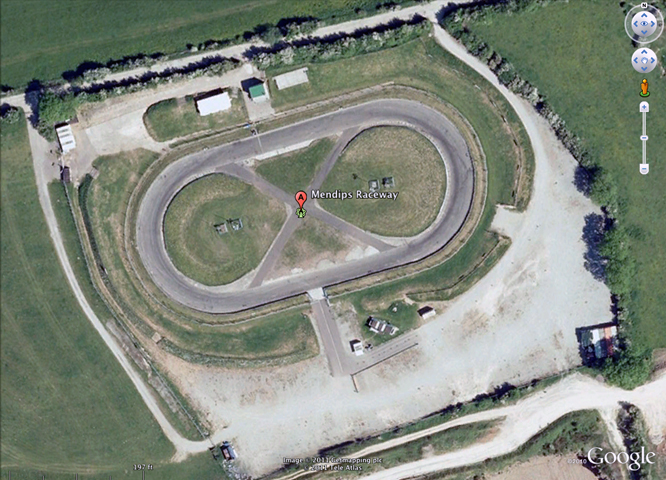
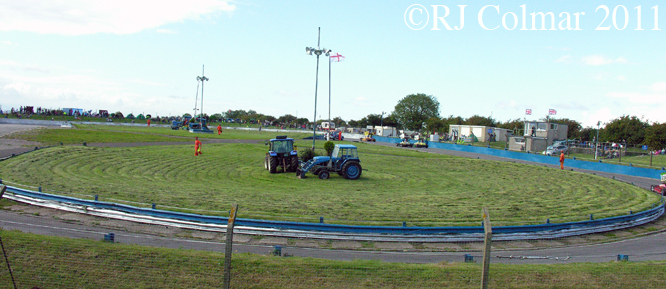
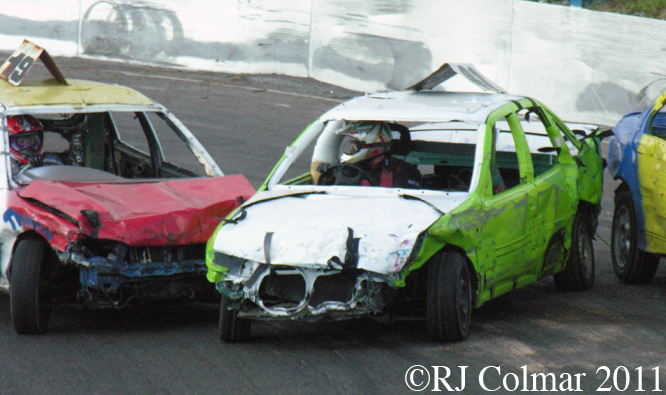
Mendips Raceway turns out to be my local paved oval located between Shipham and Charterhouse it caters for the four formulae which collectively are often referred to as Banger racers.

Mendips Raceway

The Mendips Raceway oval, opened in 1969, dips to the east with an optional figure of 8 configuration. This year fourteen dates comprised the fixture list.

Mendips Raceway

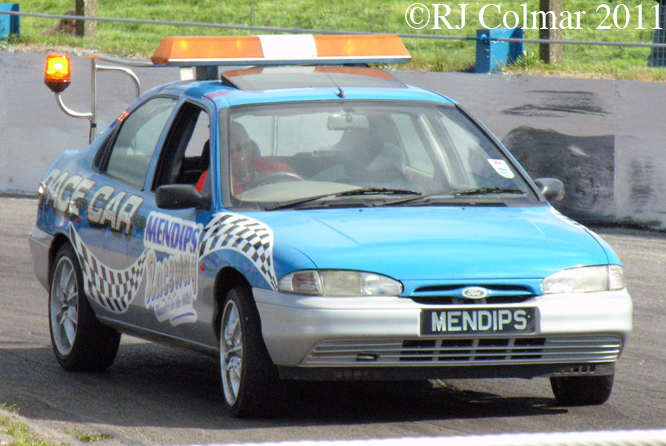
Races are started behind a pace car with drivers starting positions usually in reverse championship or reverse previous race order.

Ford Mondeo, Mendips Raceway

This series I Ford Mondeo served as both Pace Car and Victory Parade car on Saturday.

Andy Russel, Aaron Charles, Mendips Raceway

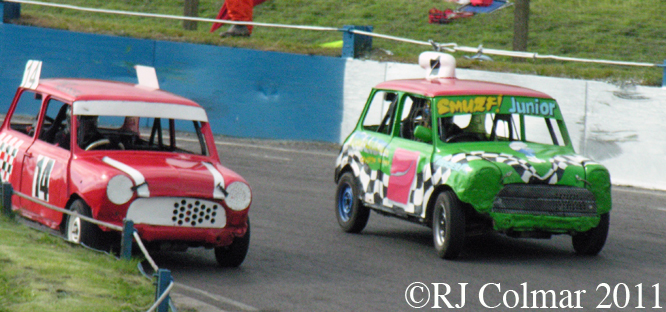
The entry level into banger racing is known as Junior Rods featuring vehicles with engines up to 1000cc / 61 cui such as the Mini’s of #14 Andy Russell and #7 Aaron Charles. Junior Rods are a strictly non contact form of banger racing aimed at attracting competitors aged 11 -16.

Liam Rowe, Mendips Raceway

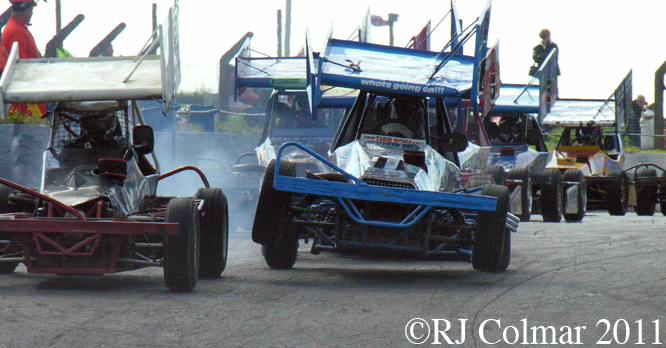
BriSCA Formula 2 can trace it’s origins back to 1960 when a formula for heavily armoured, usually self built cars weighing 650 kgs / 1430 lbs was introduced. Today these cars maybe powered either by Ford Pinto or Ford Duratec motors. Contact between vehicles is permitted in F2 though Liam Rowe was probably wondering if it was worth it as his front wheels get airborne. Note unlike the closed wheel cars which turn right F2 cars turn left.

#14 Sam Holdings, Mendips Raceway

Finally there were several heats and a final for Rookie Bangers in which almost anything appears to go as #41 Sam Holdings finds out on the way to winning the Rookie Bangers trophy.

Thunderbird 1 & 4,  Mendips Raceway

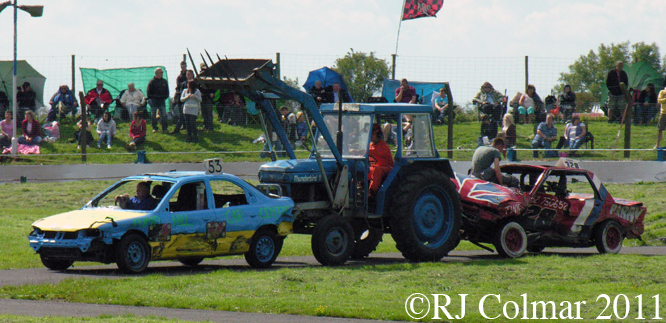
After the races four tractors, named Thunderbirds 1 to 4 were used to clear up the mess. Thunderbird 1 is seen pushing Adrian hearts Mondeo and pulling Lee Dalton’s Ford Cortina to the paddock, where repairs were made, and both cars started further races !

Mushwacker, Mendips Raceway

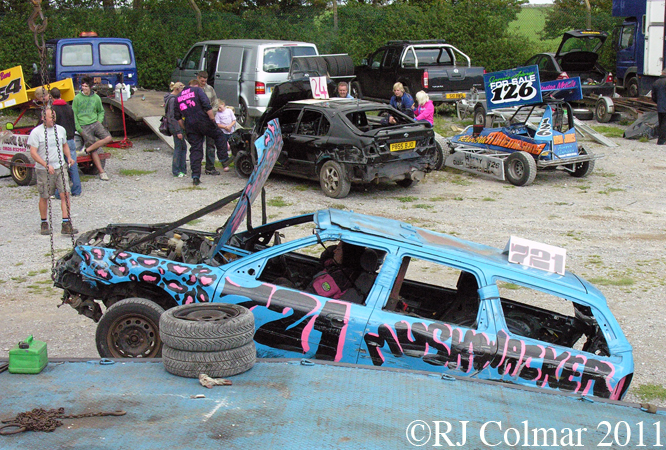
Having a lifting crane on your transporter can make access to vehicles for routine maintenance and repairs easier tasks. Note the driver of the #721 Mushwacker is powered down ‘a la’ Jimmy Johnson at Texas in Fall 2010.

Austin A40 Countryman, Mendips Raceway

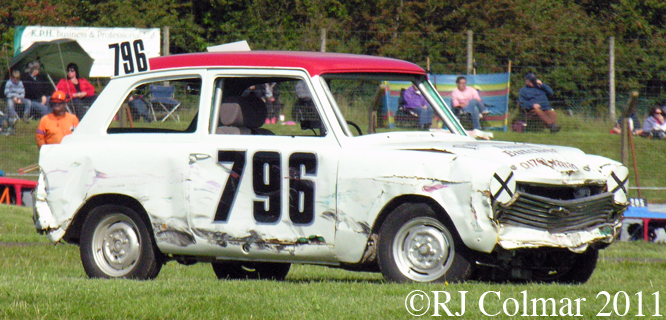
Car of the day for me was this Pininfarina designed Austin A40 Countryman, a car of the type I first steered on a beach while sitting on my old mans lap aged all of 5, this one being a tad over enthusiastically pedalled by Dan Steeds who got himself black flagged from one of the Junior Rods races for avoidable contact.

Thanks for joining me on this Banger edition of ‘Gettin’ a lil’ psycho on tyres’ I hope you will join me again tomorrow. Don’t forget to come back now !

Share

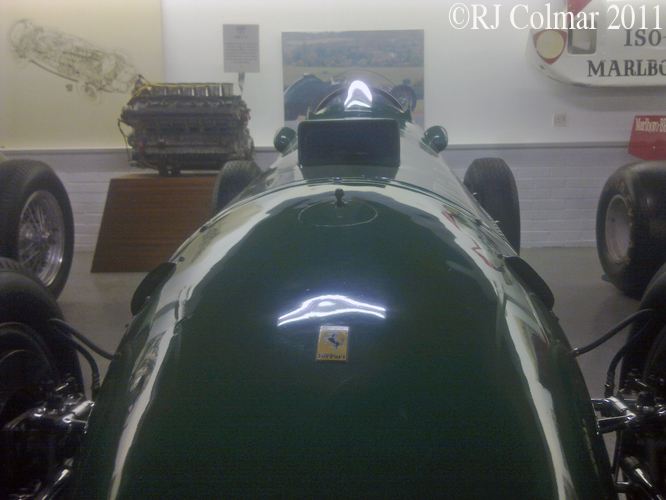
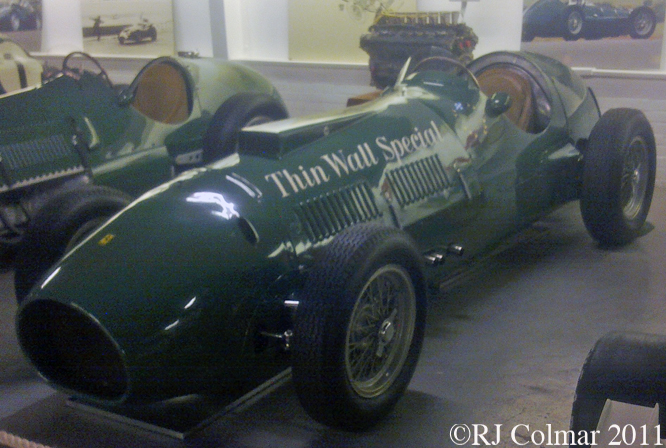
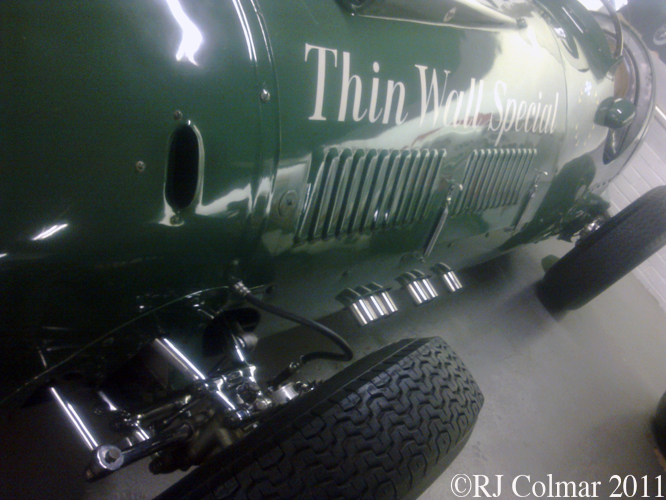
Thinwall Special #4 – Ferrari 375 #010

Having failed to become a regular Grand Prix contender with his first attempt at building the Ferrari 125 F1, Ferrari’s second attempt at building a Grand Prix car was based around a 4.5 litre / 274 cui normally aspirated V12 motor designed by Aurelio Lampredi.

Ferrari 375, Donington Collection

The 375 proved a more competitive proposition against the 1.5 litre / 91 cui supercharged pre war designs of Alfa Romeo that were the class of post WW2 Grand Prix fields. Jose Froilan Gonzalez was at the wheel of a 375 when he won the 1951 British Grand Prix, claiming the marques first victory in a World Championship Grand Prix Race.

Ferrari 375, Donington Collection

The fourth and final 1952 Thinwall Special seen here at the Donington Collection, shares the same, long Indianapolis chassis design as the Grant Piston Ring Special. This car should not be confused with the third Thinwall Special which comprised the Ferrari 125 chassis I looked at last week fitted with a 375 type motor that scored a famous victory in the rain shortened International Trophy at Silverstone in 1951.

Ferrari 375, Donington Collection

Piero Taruffi won the first and second of 8 victories recorded for this car at Dundrod and Silverstone in 1952. Mike Hawthorn and Nino Farina were also engaged to drive the car in 1952 and 1953. Peter Collins appears to have been the last driver to race this car, owned by Tony Vandervell, in 1954.

Many thanks to Don Capps for clarifying the distinctions between the four Thinwall Specials.

Thanks for joining me on this Ferrari Friday edition of ‘Gettin a lil’ psycho on tyres’ I hope you will join me again tomorrow for some banger racing. Don’t forget to come back now !

Share

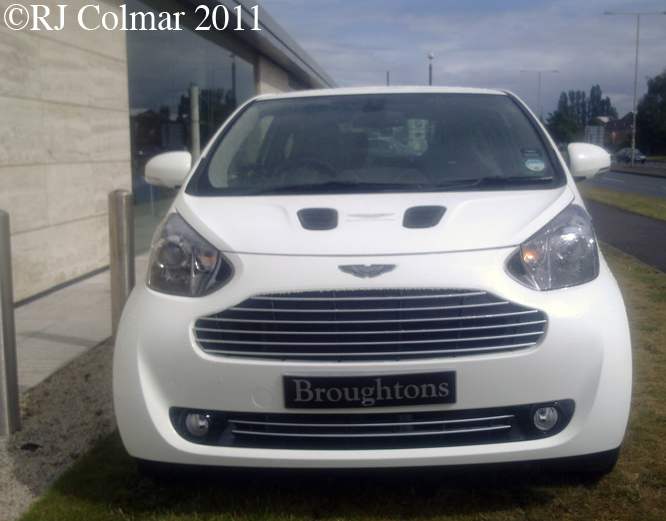
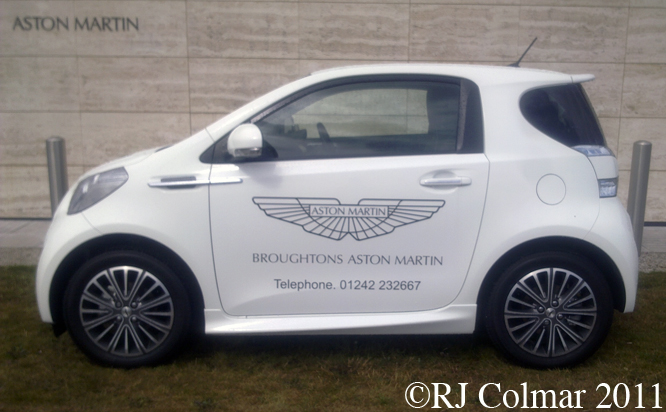
Bespoke Luxury Shopping Trolley – Aston Martin Cygnet

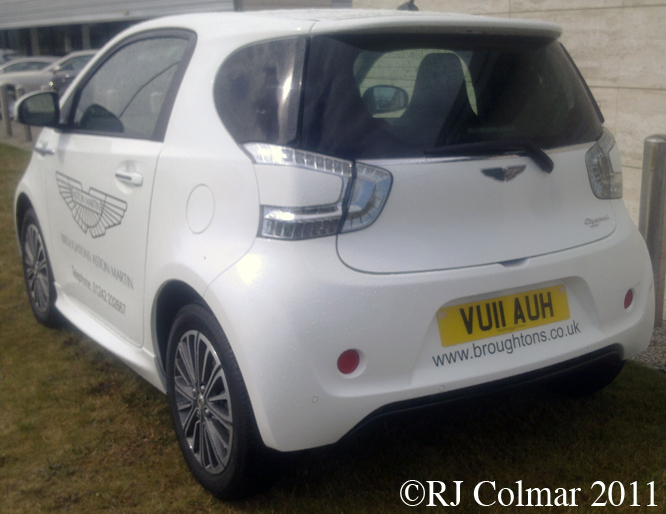
A couple of weeks ago, returning from a trip to the Cotswold Motoring Museum, I was playing I spy with an auto knowledgeable Italian 13 year old as we drove through Cheltenham looking at the back of this car it was my turn to say I spy something beginning with C, we dispensed with the manufacturers initials after only a coupe of rounds.

Aston Martin Cygnet, Chelmford

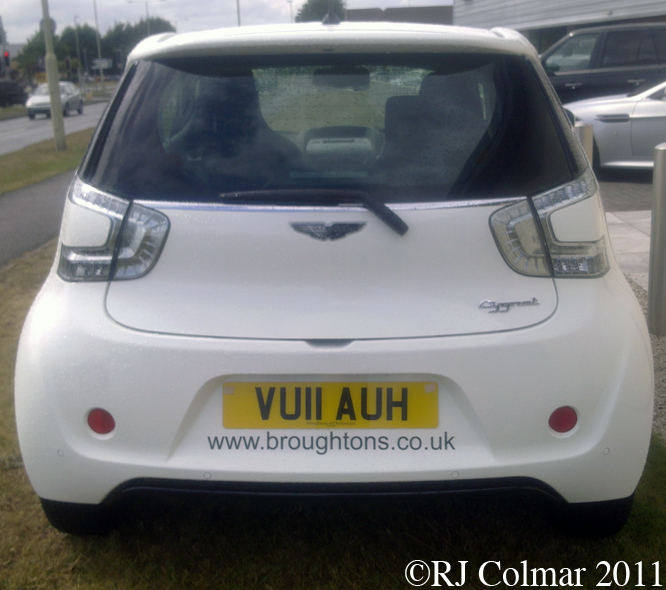
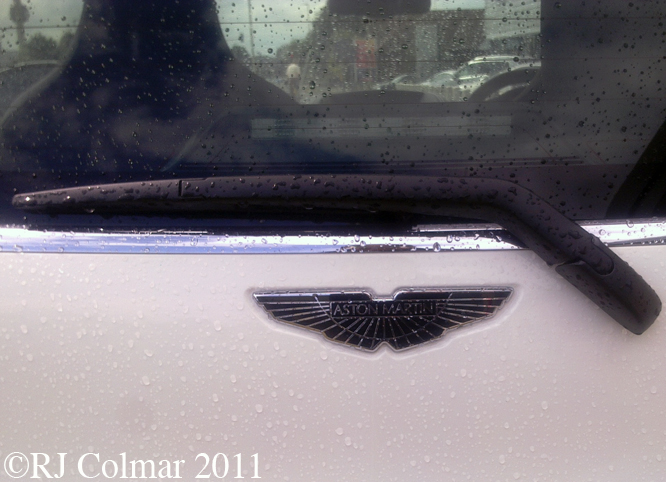
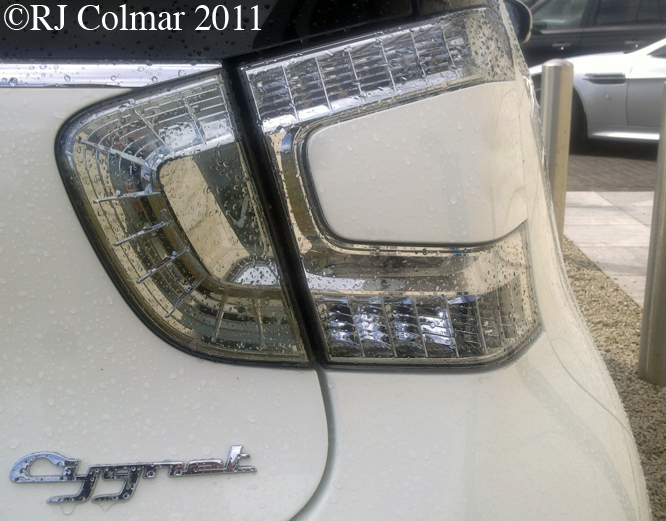
C-Max he said pointing to the Ford in front of us, no I replied, he gave up quickly and I pointed to the back of this Aston Martin and said ‘Cygnet’.

Aston Martin Cygnet, Chelmford

No no he appealed Toyota iQ just like my Auntie in Milan. I pulled over at the next junction parked the car and we went to have a look.

Aston Martin Cygnet, Chelmford

To stay ahead in the automotive industry just like in motor sport one has to think laterally, so when the European Union announced regulations that car manufacturers had to reduce the average fuel consumption across their fleet average Aston Martin wasted little time in finding a partner making low emissions vehicles.

Aston Martin Cygnet, Chelmford

Settling on a partnership with Toyota to make a high end, at £30,000 that is the extremely exclusive high end, version of the Toyota iQ a vehicle that will cost as little as £10,000.

Aston Martin Cygnet, Chelmford

From the rear the two cars, apart from the badging and diffuser are identical, while the front gets the Aston Martin look with grills and trim that is without doubt not from the Toyota parts bin.

Aston Martin Cygnet, Chelmford

The interior is also bespoke Aston Martin customers choosing abundant stitched leather in a variety of two tone colour combinations.

Aston Martin Cygnet, Chelmford

Performance is quoted as 107 mph with the CVT (constant velocity transmission) automatic being 0.2 secs faster than the 6 speed manual in the 60 mph dash that takes 11.6 seconds.

Aston Martin Cygnet, Chelmford

Aston Martin hope to sell 4000 Cygnets, which went on sale in the UK earlier this year, annually.

Thanks for joining me on this I Spy edition of Gettin’ a lil’ psycho on tyres’, I hope you’ll join me again tomorrow. Don’t forget to come back now !

Share

Multi Purpose Vehicle – Volvo 240 Tørslanda

The Volvo 200 series launched in 1974 was a significant update of the 140 series which is outwardly easily identifiable by federal spec railway sleeper like low impact bumpers that gave the vehicle all the style, despite the best efforts of Jan Wilsgard, of a house brick.
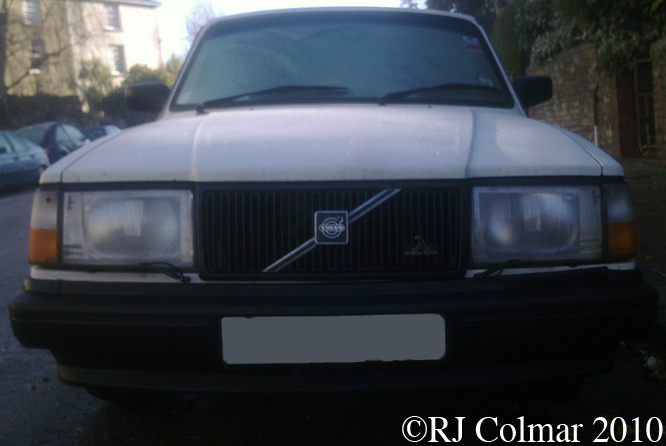
Volvo 240 Tørslanda

From 1974 – 1993 the 200 series came with a variety of straight 4 engines, some with turbo chargers, Peugeot Renault Volvo, PRV, aluminium V6’s and straight 5 cylinder or 6 cylinder diesels sourced from the Volkswagen.
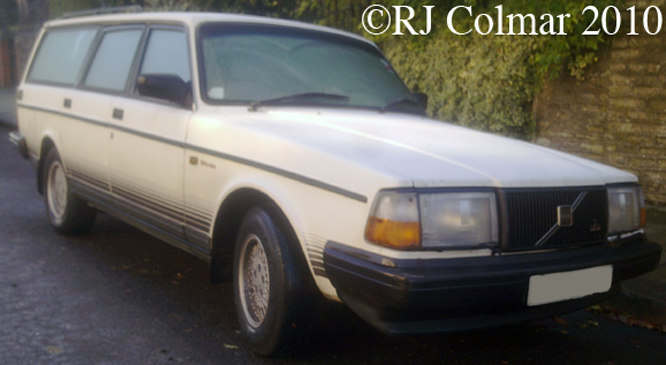
Volvo 240 Tørslanda

Over the 19 year production run there were numerous stylistic updates which softened the more extreme features of the early 200 series, it was never considered a particularly good looking car but it’s robustness and average 19 year longevity did lend the 200 series a certain status cache somewhere between a Range Rover and a multi purpose vehicle, MPV, Mini Van, the latter which first appeared as the 200 series production was being wound up.
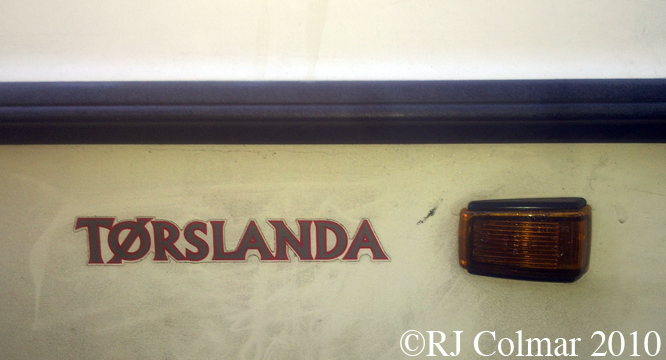
Volvo 240 Tørslanda

The 1993 Tørslanda special edition, named after the Swedish factory that built them, was a back to basics estate station wagon model, allegedly designed to cope with harsh Scandinavian winters.
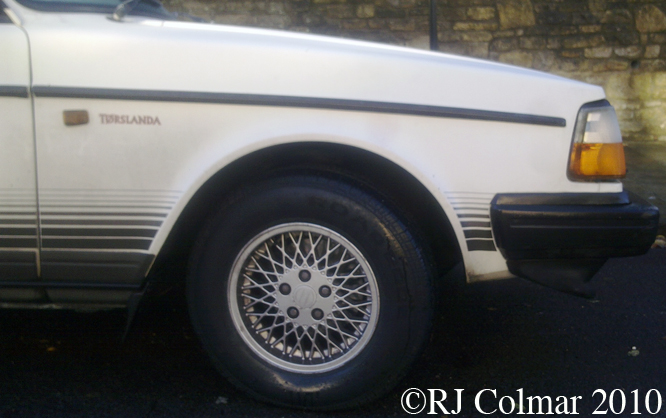
Volvo 240 Tørslanda

It featured, by then already retro, manual mirrors, door locks and windows front & rear, plastic trim in place of chrome which fairs badly in snow, heated seats, power steering, full length body stripes and BBS style alloy wheels.
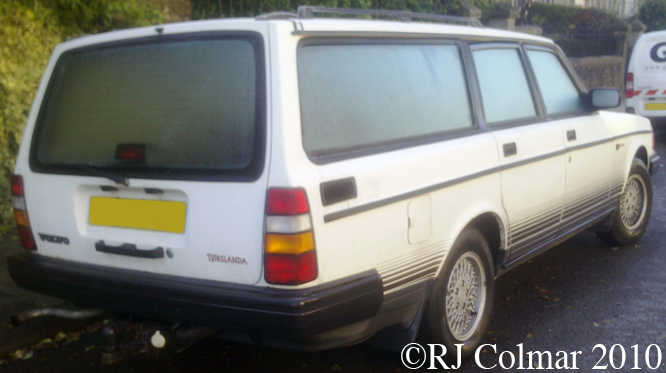
Volvo 240 Tørslanda

The 200 series estates / station wagons, which accounted for a third of the 2.8 million units produced in Sweden, Australia, Belgium, Canada, Italy and Malasia, were particularly popular with those needing a large cargo area, the 41 cubic feet cargo area could carry large pieces of furniture, cookers, fridges, washing machines or hay bales and was often supplied with dealer fitted rear facing seats that could accommodate two small children. These cars are still popular with trades people in Europe today.
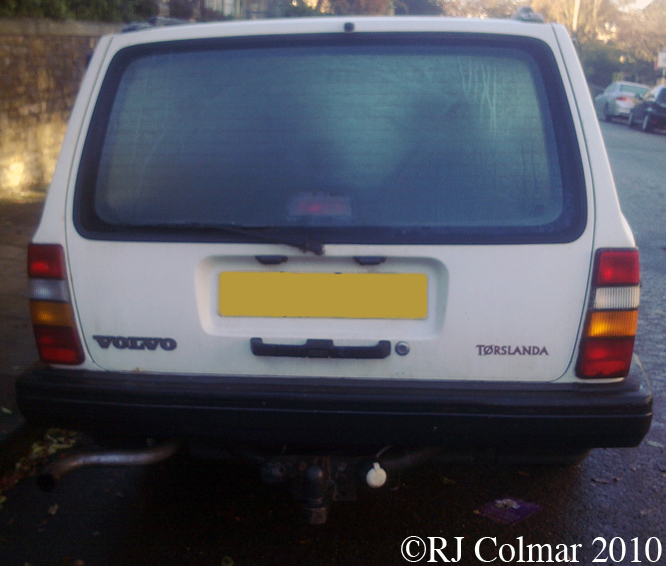
Volvo 240 Tørslanda

Whilst outright performance was rarely top of the list of a typical 200 series customers desires, Volvo did support the development of a turbocharged two door model that allowed Gianfranco Brancatelli and Thomas Lindström driving for the Eggenberger Motorsport team to share the 1985 European Touring Car Championship.

Thanks for joining me on this Tørslanda special edition of ‘Gettin’ a lil’ psycho on tyres’, I hope you will join me again tomorrow. Don’t forget to come back now !
Share

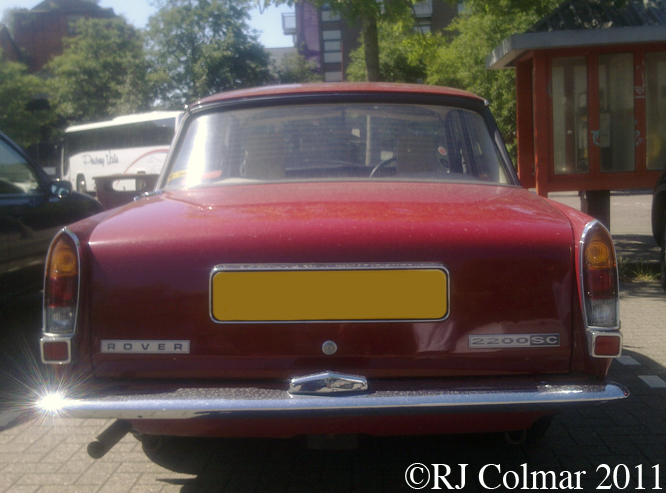
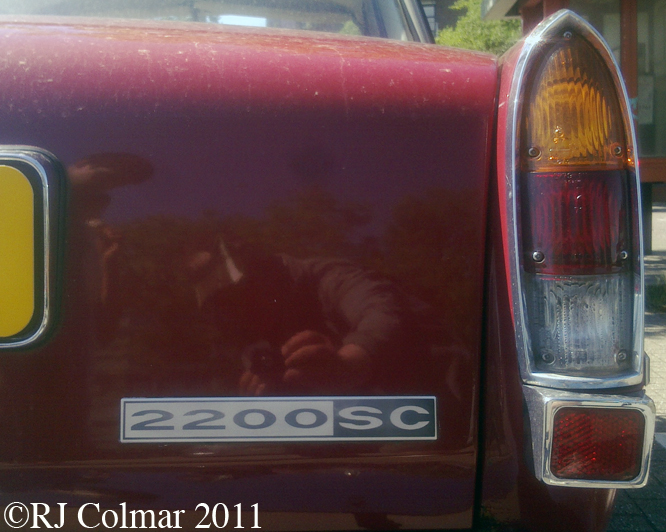
Royal Tragedy – Rover P6 Series II 2200 SC

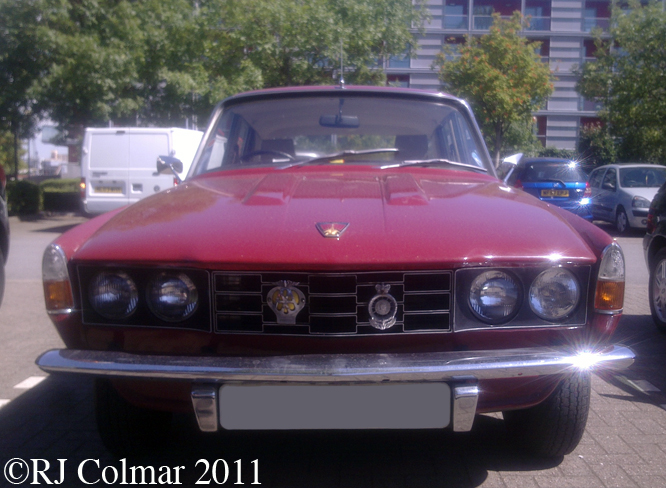
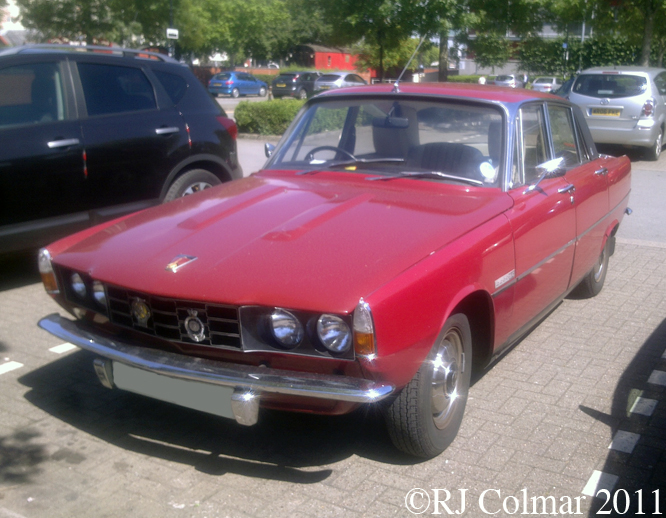
Some of you may remember I found a cut’n’shut Rover Series I P6 Cabriolet behind a hedge last year, today I am looking at the Series II P6 introduced in October 1970.

Rover P6 Series II 2200 SC

Initially the P6 Series II comprised exterior changes to the grill, plastic replacing alloy, rear lights and the instrumentation and switches of the two more expensive Twin Carburettor and 3500 versions.

Rover P6 Series II 2200 SC

From 1973 the Series II P’6s came in three flavours the 98 hp 2200SC, Single Carburettor, 115hp 2200, Twin Carburettor and 3500.

Rover P6 Series II 2200 SC

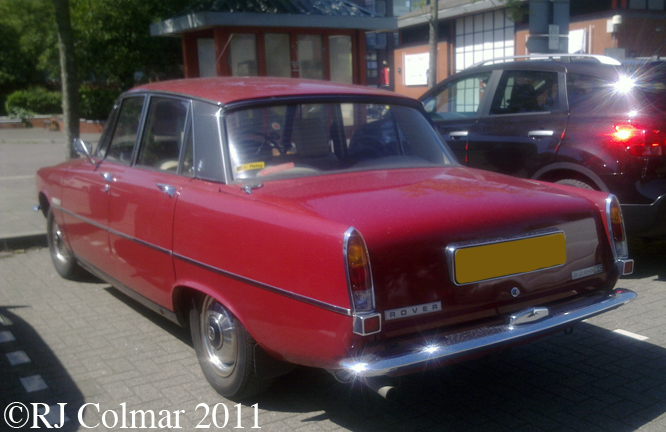
Production of the P6 ceased in March 1977 with 32, 270 units produced over four years. Allegedly the last 2200 model was a Left Hand Drive export model that was converted to Right Hand Drive by the Tourist Trophy Garage in Farnham.

Rover P6 Series II 2200 SC

British Leyland, the nationalised merger of large swathes of the British motor industry was entering it’s worst period of industrial relations during the production of the P6 and this was reflected in abominable reliability issues, one driving organisation reporting that their 3500 P6 had required three engines, two gearboxes, two clutch housings and a wiring loom in 6000 miles motoring over 6 months and was off the road for 114 days out of the 165 days that it was tested over !

Rover P6 Series II 2200 SC

An attempt was made to export a high spec P6 to the USA but with less than 1500 units sold many of the cars built for the USA were eventually sold in Left Hand Drive European markets instead.

Rover P6 Series II 2200 SC

While driving her daughter Stéphanie home on September 13th, 1982, Princess Grace of Monaco, nee Grace Kelly, suffered a stroke which caused her to drive her P6 off the road. She never regained consciousness and died from her injuries the next day, while Stéphanie who fractured her neck in the accident, made a full recovery.

Thanks for joining me on this edition of ‘Gettin’ a lil’ psycho on tyres’, I hope you will join me again tomorrow. Don’t forget to come back now !
Share

1% Efficiency Gain – Porsche 935 K3 #00017

The dominating sports car of the mid 70’s to early 1980’s was the Porsche 935, built for a set of regulations known as Group 5. The 935 was based around the Porsche 911, the works factory team developed three distinct versions in ‘76, ‘77 and ’78 when the Moby Dick version marked the high tide of factory 935 development. Porsche also built a customer version of the 935 the 935/77A.

Meanwhile the Kremer Brothers set about developing their own 935, the K1, based on the Porsche 934 model, that was available for the technically less demanding Group 4 regulations in 1976. In 1977 the Kremer brothers acquired a customer 935 and in 1978 followed their own development path based on the 935/77A to develop the K2.

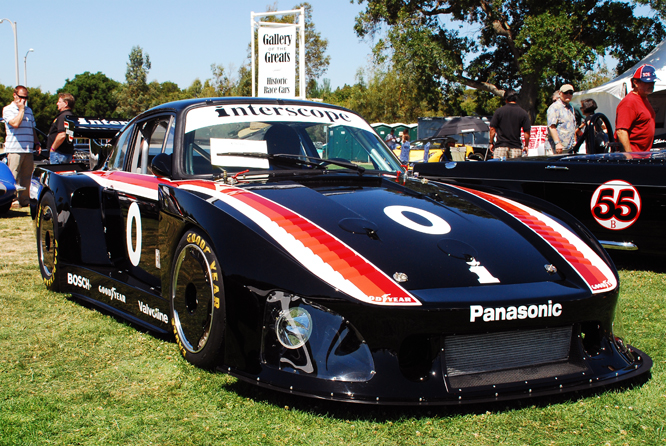
Porsche 935 K3 #00017, Palo Alto

For 1979 their K3 model featured over 100 detail changes from the standard customer 935 ’77 which included a lighter air to air intercooler in place of the hitherto ubiquitous air to water sytem, composite carbon fibre panels which saved 30 kgs / 62 lbs. The DM 400,000 K3 was thought to have been 1% more efficient than the standard customer 935 ’77 which over an endurance distance of 6, 12 or 24 hours would accrue to a handy advantage.

The K3 scored the 935 models only win at Le Mans in the hands of the Klaus Ludwig and the Whittington Brothers Don and Bill and a string of customers were soon knocking on the Kremer Brothers door in Cologne asking for copies.

Porsche 935 K3 #00017, Palo Alto

It is believed the Kremer Brothers built 13 K3’s and supplied kits to update older 935 models. I have not managed to ascertain if this 935 K3 is one of the Kremer brothers built models or one built up from a kit around a donor car, it carries the paint work of a vehicle belonging to Ted Field that was raced by Ted, Danny Ongias and Milt Minter in the Daytona 24 hours that came in 3rd from 5th on the grid.

Canepa Design are known to have recently restored such a car and if as seems highly probable this is the same vehicle the chassis number of this vehicle is # 00017.

My thanks to URY914 at The Nostalgia Forum for confirming that this car may have been converted to Trans Am spec and entered by John Klug Racing in 1983 and to Geoffey Horton who kindly sent me these photos from Palo Alto Concours d’Elegance.

Thank you for joining me on this Interscope edition of Gettin’ a lil’ psycho on tyres’, wishing you all a happy bank holiday Monday, I hope you will join me again tomorrow. Don’t forget to to come back now !
Share