Tag Archives: Classic Motor Show

Fastest Four Seats – ISO Rivolta Fidia

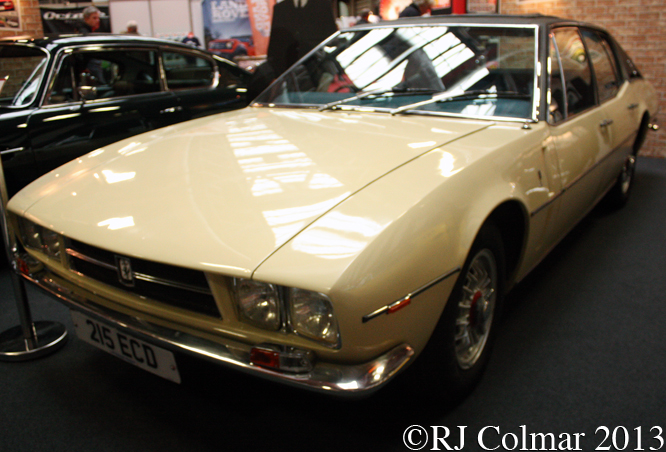
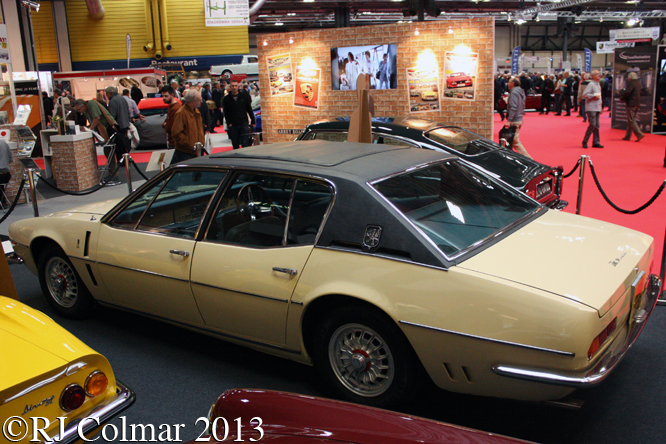
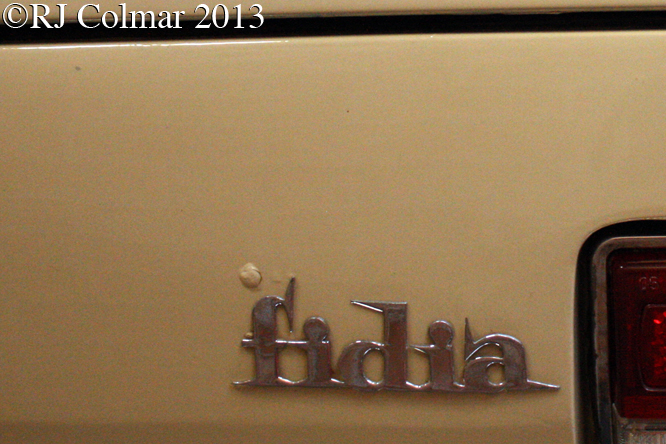
The ISO Rivolta Fidia was designed with a body by Giorgetto Giugiaro then still working for Ghia, to compete with the Maserati Quattroporte first seen in 1963, and was first shown to the public at in 1967 at the Frankfurt Motor Show where it carried the S4 name.

ISO Rivolta Fidia, Classic Motor Show, NEC, Birmingham

By the time of the 1969 press launch in Athens the S4 had been renamed Fidia after the artist “Phidias” who was responsible for the friezes that decorated the Parthenon that Lord Elgin controversially sent to England in 1802.

ISO Rivolta Fidia, Classic Motor Show, NEC, Birmingham

The choice of Athens for the press launch was not the wisest as the local petrol was not of sufficiently high octane to prevent “pinking” which where the peak of the combustion process no longer occurs at the optimum moment for the four-stroke cycle.

ISO Rivolta Fidia, Classic Motor Show, NEC, Birmingham

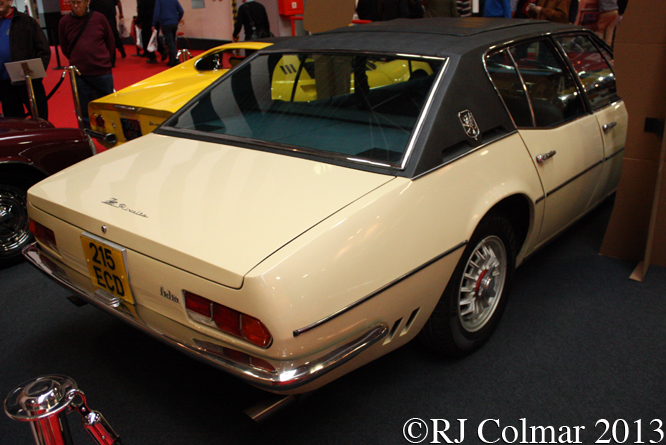
At the time of the press launch, with the strap line “The Fastest Four Seats In The World” today’s featured car the second built and first with right hand drive, had already been built and delivered to it’s owner John Lennon for a price in excess of a comparable Rolls Royce.

ISO Rivolta Fidia, Classic Motor Show, NEC, Birmingham

Until General Motors demanded payment in advance of shipping the Fidia was powered by the 5.4 litre / 327 cui small block Chevrolet motor which gave the car an impressive rest to 60 mph time of 7 seconds.

ISO Rivolta Fidia, Classic Motor Show, NEC, Birmingham

From 1973 on the Fidia was powered by Fords 5.8 litre / 352 cui V8 with either a 5 speed manual ZF transmission or Fords Cruise-o-matic automatic transmission.

ISO Rivolta Fidia, Classic Motor Show, NEC, Birmingham

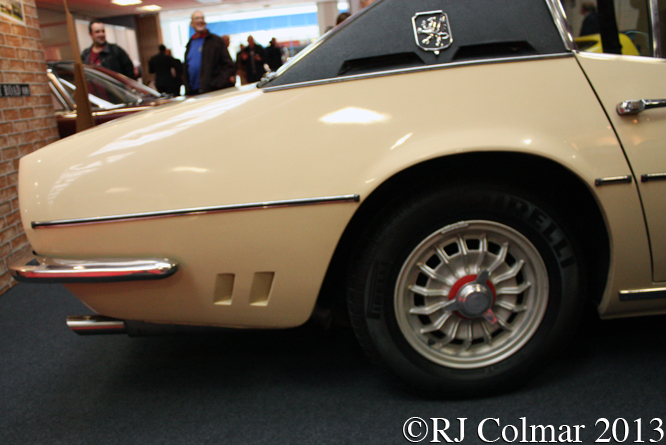
Despite John Lennon buying three Fidia’s, with 192 built between 1967 and 1975 the Fidia never reached the production levels of the Quattroporte of which 776 had been built when production came to a stop in 1969.

Thanks for joining me on this “Fastest Four Seats” edition of “Gettin’ a li’l psycho on tyres” I hope you will join me again tomorrow for a look at an Australian built Land Crab. Don’t forget to come back now !

Share

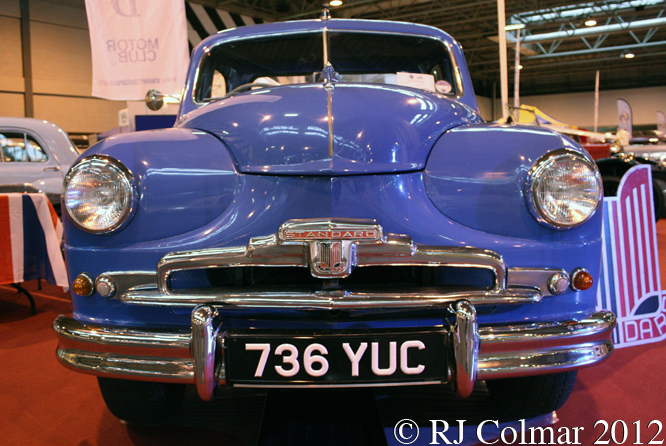
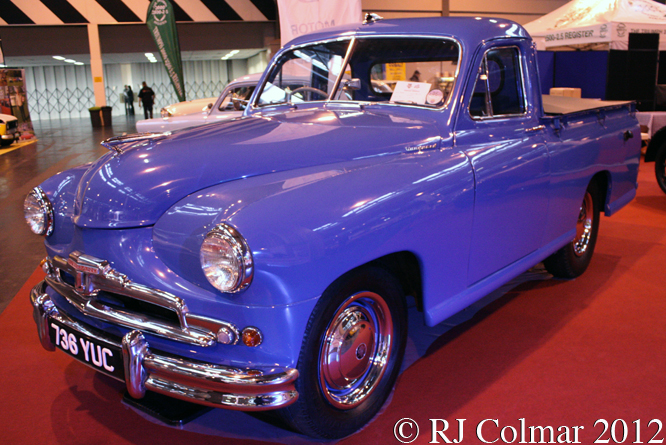
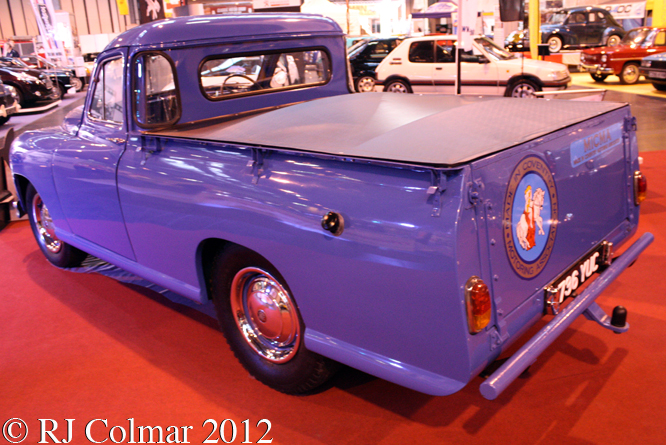
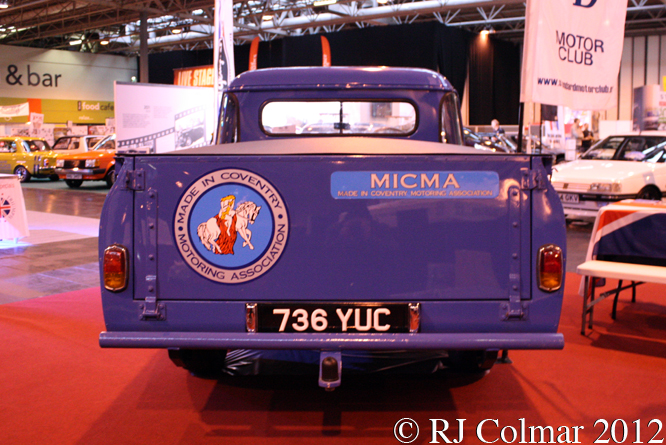
Theosophical Pickup – Standard Vanguard Phase II Pickup

In 1903 by Reginald Walter Maudslay founded the Standard Motor Company in Coventry England. 42 years later after WW2, during which Standard had been involved in the production of utility vehicles and various aircraft including the Mosquito night fighter bomber, Standard recommenced production of civilian vehicles, bought the remains of the Triumph Motor Company which went into receivership in 1939 and was kept busy post war initially with the production of Ferguson Tractors.

Standard Pickup, Classic Car Show, NEC, Birmingham

In 1948 the all new Plymouth inspired 2 litre 122 cui Standard Vanguard Phase 1 replaced all existing models and remained in production until replaced by the Phase II in March 1953, the main external difference being the Beetle back of the Phase I being replaced by a regular 3 box 4 door saloon shape for the Phase II.

Standard Pickup, Classic Car Show, NEC, Birmingham

By this time Standard were also involved in the production of Rolls Royce Avon jet engines for use in Britains fleet of nuclear armed V-Bombers like the https://www.psychoontyres.co.uk/wings-wheels-dunsfold-aerodrome/12-dscn6360sc/, these motors fitted with afterburners would also form the basis of the Rolls Royce Olympus jets that were fitted to Concorde the worlds only operational supersonic passenger airliner.

Standard Pickup, Classic Car Show, NEC, Birmingham

Apologies I digress alongside the Phase I and Phase II passenger Vanguards Standard also manufactured Pickups which like all other Vanguards seemed to be particularly popular with the Royal Air Force. Phase II Vanguards were manufactured until 1956, a completely new body Vanguard having been introduced in 1955.

Standard Pickup, Classic Car Show, NEC, Birmingham

Today’s featured Pickup, seen at last years Classic Motor Show, was restored some ten years ago and was recently offered on e-bay where it was noted that a floor operated manual Triumph TR3 four speed gearbox with overdrive. The top bid for the Standard Pickup was £7,200 pounds but this was below the reserve so the car appears not to have sold.

While researching today’s blog I stumbled across this linked page for the Theosophy Wales Society who appear to be big fans of all Standard Vangards which remained in production until 1963 in the UK while production of Phase I Vanguard UTE (Pickup) continued until 1964 in Australia.

Thanks for joining me on this “Theosophical Pickup” edition of “Gettin’ a li’l psycho on tyres” I hope you will join me tomorrow for a look at a bright green mid engined icon from Italy. Don’t forget to come back now !

Share

Slough Pickup – Citroën 2CV SAP Pickup

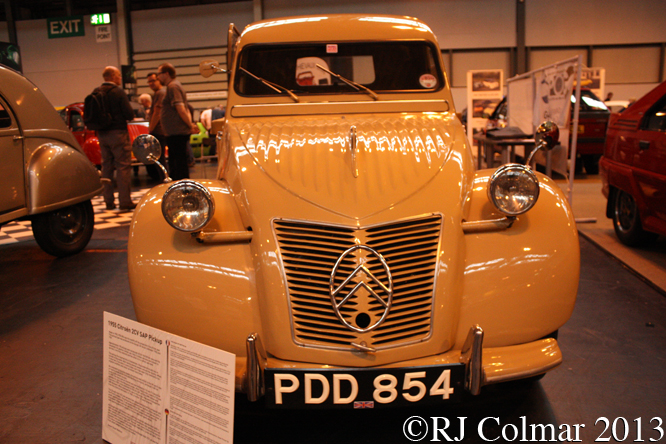
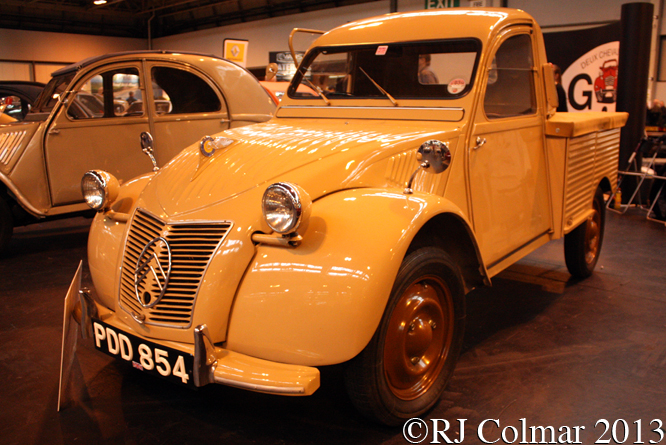
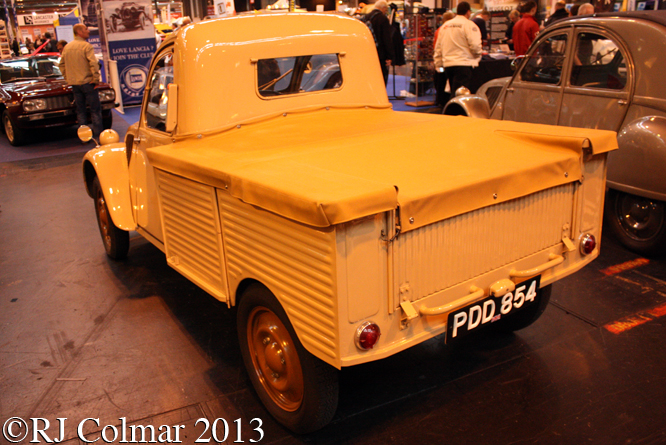
Citroën 2CV’s are usually thought of as more French than Croissant, but in fact not all 2CV’s were built in France, the last were built in Portugal and for a period in the 1950’s and 1960’s a number were also produced in Slough some of which like today’s featured 1955 Pickup were unique to the UK market.

Citroën 2CV SAP Pickup, Classic Motor Show, NEC, Birmingham

Although the model did not prove a huge success with the British agricultural community at which it was aimed, in 1957 the Royal Navy saw the potential of the vehicle because it was both light enough to be lifted by the fleets largest helicopters and rugged enough to useful in the Malaysian jungle where an armed conflict; known as the Malaysian Emergency, where the Australian and British forces of the British Commonwealth were engaged against the insurgent Malayan National Liberation Army – the military arm of the Malaysian Communist Party, from 1948 – 1960.

Citroën 2CV SAP Pickup, Classic Motor Show, NEC, Birmingham

Two batches making 65 2CV pickups in total were dispatched in 1959 and 1960 aboard HMS Albion and HMS Bulwark and deployed with the aid of the aforementioned helicopters in the Malaysian jungle.

Citroën 2CV SAP Pickup, Classic Motor Show, NEC, Birmingham

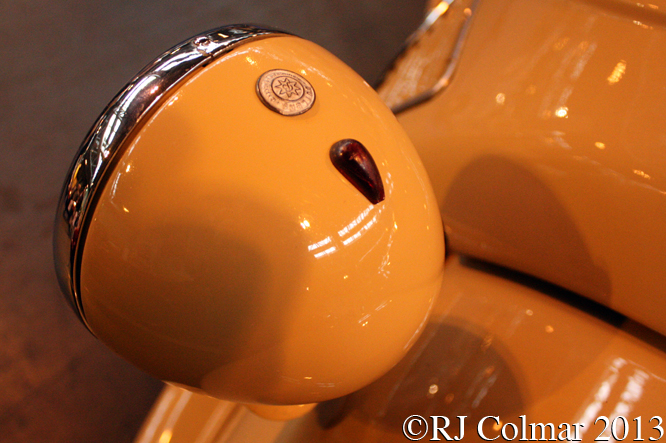
Unique features of the 2CV pickups included the Butler head lights and Lucas sourced semaphore indicators and tail lights.

Citroën 2CV SAP Pickup, Classic Motor Show, NEC, Birmingham

The dash had a unique British spec centrally mounted speedometer which could only be seen at night with the aid of a roof mounted interior light.

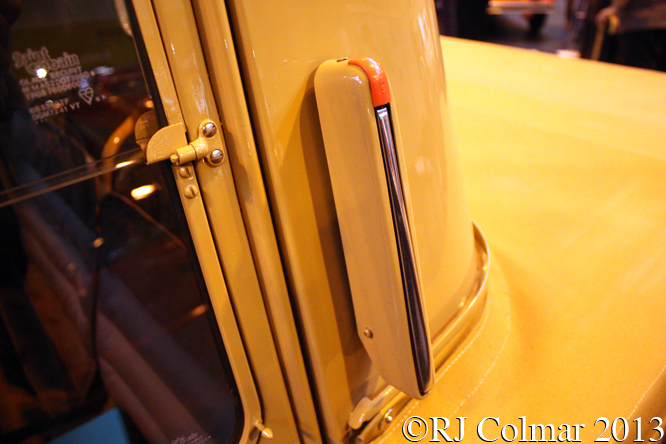
Citroën 2CV SAP Pickup, Classic Motor Show, NEC, Birmingham

The original factory, as seen on this model at the Classic Motor Show at the NEC in Birmingham, colour options were also unique to the British built 2CV’s. From 1953 to 1962 just 130 of civilian and military 2CV pickups were built and just 2 civilian ones are in road worthy condition with a third in urgent need of restoration.

Thanks for joining me on this “Slough Pickup” edition of “Gettin’ a li’l psycho on tyres” I hope you will join me again tomorrow for the start of GALPOT’s celebration of the 50th year of Lamborghini car production. Don’t forget to come back now !

Share

Christmas Came Early – Classic Motor Show, NEC, Birmingham

Last weekend I joined my friends from the Bristol Pegasus Motor Club in the back of a Ford Transit and headed for the National Exhibition Center in Birmingham where the Classic Motor Show was in full swing.
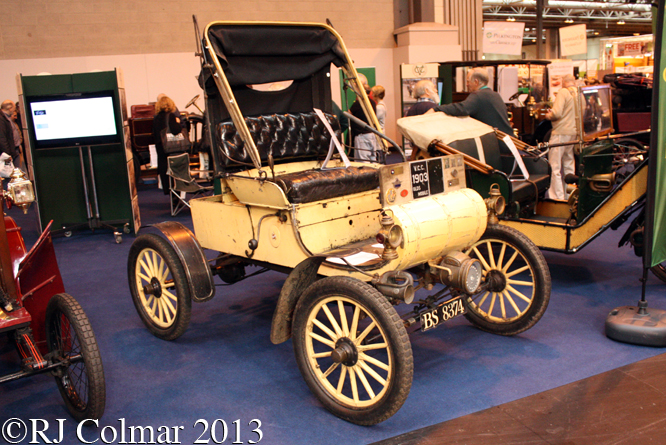
Oldsmobile Curved Dash, Classic Motor Show, NEC, Birmingham

Amongst my favourites in the seven halls packed with cars was this 5hp single cylinder 1903 Oldsmobile Curved Dash a regular runner despite spending 50 years in the USA from 1950 to 2002 virtually unused.
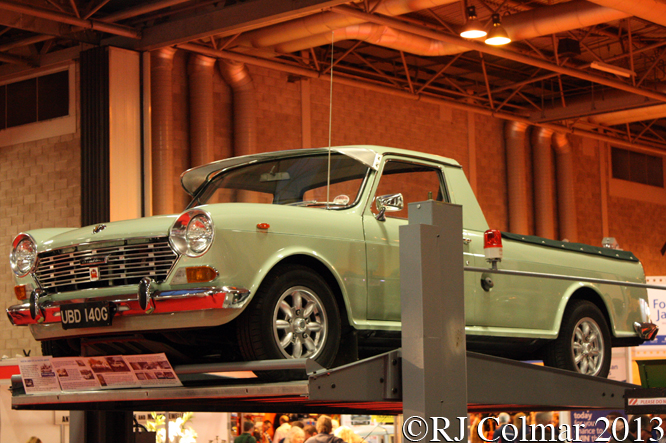
Austin 1800 UTE, Classic Motor Show, NEC, Birmingham

Austin was a well known British manufacturer which got swallowed up in the British Motor Corporation empire, to meet demand for a pick up in the Antipodes the Australian BMC plant devised the Austin 1800 UTE (Australian for Pickup) based on the front wheel drive ‘Landcrab’ ADO 17 platform. This was the first time I had seen such a vehicle.
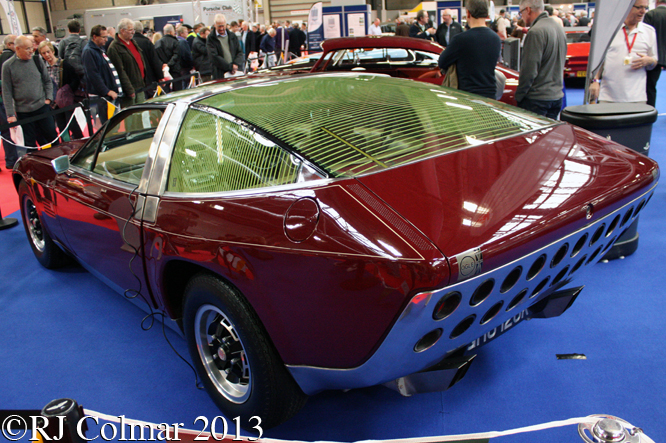
Aston Martin DBS V8 Ogle, Classic Motor Show, NEC, Bristol

The Aston Martin DBS V8 Ogle was a concept car commissioned by WD & HO Wills to promote the then new brand of Sotherby cancer sticks, it was first seen at the 1972 Geneva Motor Show. Among the many interesting features were an array of no less than 22 rear lights which included sequential lights for indicating, the number of brake lights showing varied according to the brake pressure applied. So far as I can discern this is one of three Wills ordered a second car in Red and White to promote it’s Embassy brand and a middle aged lady is reputed to have paid £30,000 for a third.
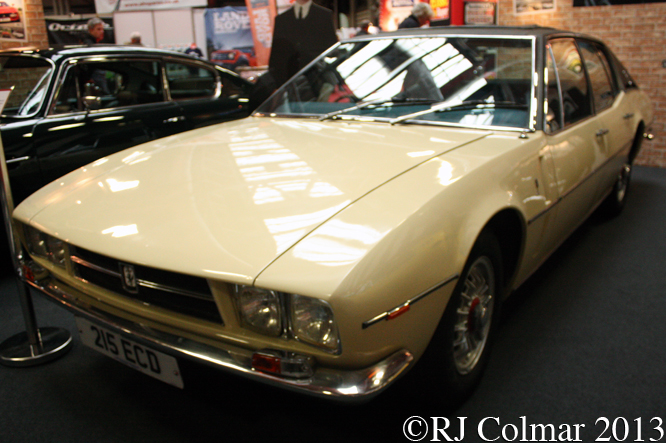
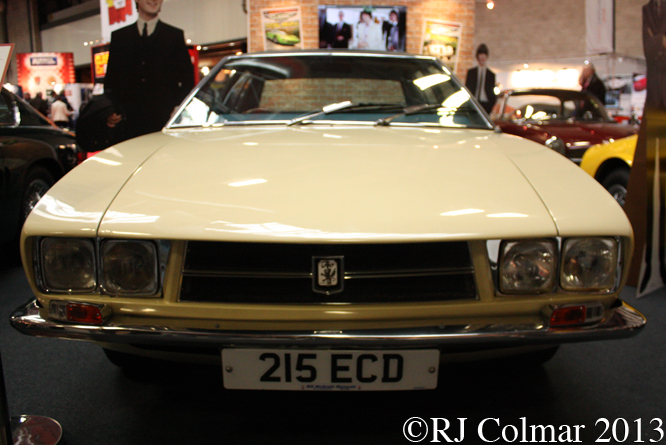
ISO Rivolta Fidia, Classic Motor Show, NEC, Birmingham

John Lennon is known to have been a somewhat reluctant driver, but he knew what he liked in a car and that was summed up in the Iso Rivolta Fidia, the one above is the second of three that he purchased. This one is unusual because it has a Chevrolet V8 motor in place of the standard Ford V8.

Vauxhall Cavalier Sportshatch, Classic Motor Show, NEC,  Birmingham

In the late 1970’s and 1980’s Vauxhalls and Opels became increasingly similar above is a Vauxhall Cavalier Sports Hatch which had much in common with the second generation Opel Manta. This particular one has body kit which makes it look even more like the Chevrolet Monza that inspired the design and a non standard turbocharged motor to improve it’s performance.
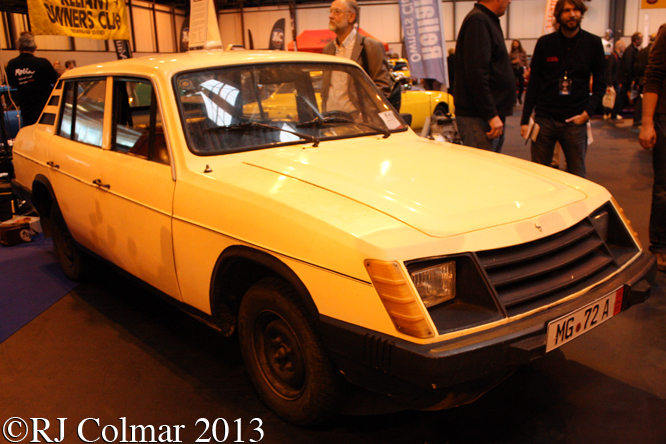
Anadol A8, Classic Motor Show, NEC,  Birmingham

News to me at the motor show was that Turkey had an indigenous motor industry not only building vehicles from knock down kits but having a manufacturer Anadol who made cars initially to a design by the same Ogle who designed The Sotherby Special. For 1981 Anadol felt confident enough with it’s own design capabilities to launch the Ford Kent powered A8 model. Only 1013 were built when the plug was pulled in 1984. This one was driven over 5000 reliable miles to the UK from Turkey.
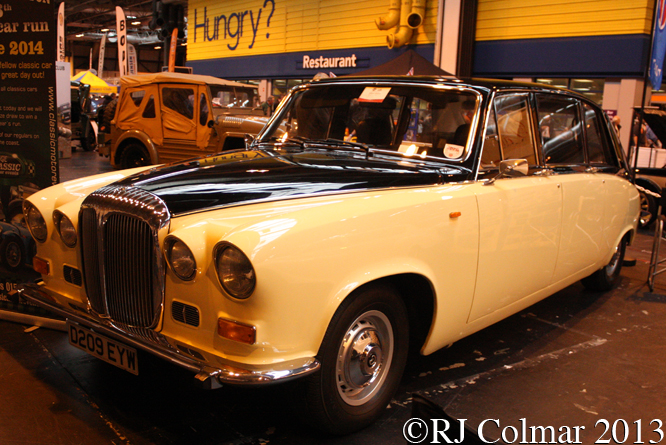
Daimler DS420, Classic Motor Show, NEC, Bristol

Sadly the Daimler DS420 limousine launched in 1968 was mostly made up of parts from the Jaguar parts bin including the XK engine. In fact the model was the last to be manufactured powered by the XK engine when production closed in 1992. The example seen here is from 1986/87.
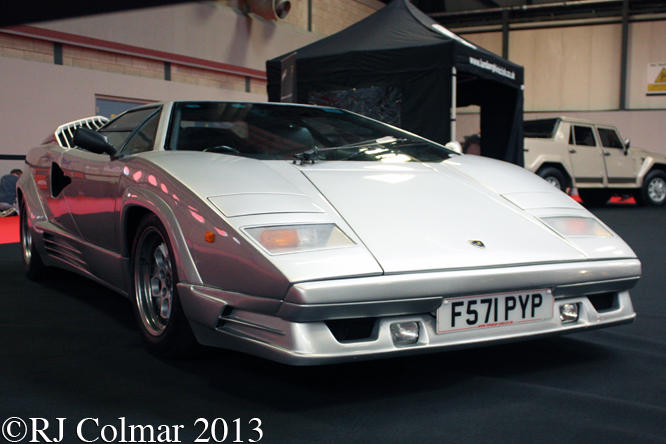
Lamborghini 25th Anniversary Countach , Classic Motor Show,

Celebrating 50 years of Lamborghini production was Lamborghini Club UK who’s display included this 1988 Lamborghini 25th Anniversary Countach.
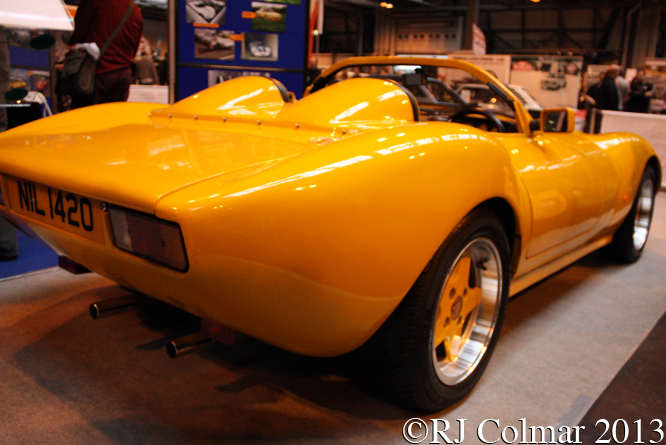
Ginetta G33, Classic Motor Show, NEC, Birmingham

The Ginetta G33 continues to grow on me, ever since I saw one competing at Gurston Down earlier this year I have had a real yearning to try the model.
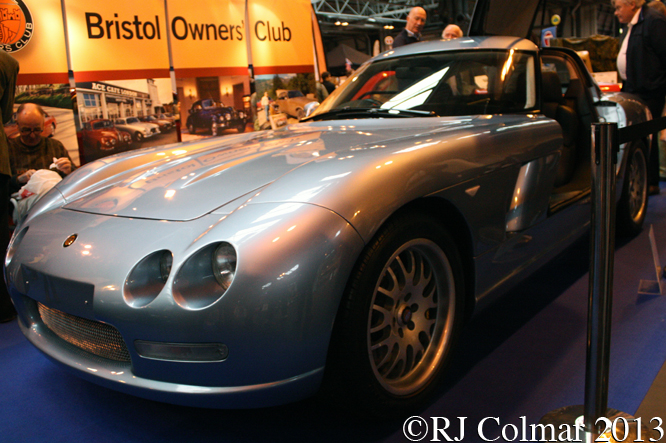
Bristol Fighter, Classic Motor Show, NEC, Birmingham

The undisputed high light of the day for me however came when Bristol Owners Club member Mr Gibbs owner of this 210 mph Bristol Fighter, the last Bristol to be completed to date, invited me to try the drivers seat for size, wow !, what an experience at 6′ tall I do not fit comfortably in many cars, especially those with any kind of performance credibility but the Bristol fitted like a glove. After posting this blog next on my to do list is write a nice letter to a big chap with a white beared and a red and white outfit, Dear Santa …..

Thanks for joining me on this “Christmas Came Early” edition of “Gettin’ a li’l psycho on tyres”, I hope you will join me again tomorrow for a look at a Falcon Station Wagon. Don’t forget to come back now !
Share

Claudes Concept – Aston Martin Atom

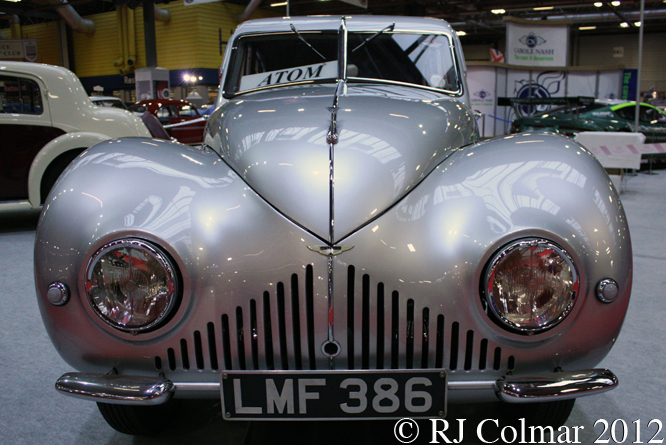
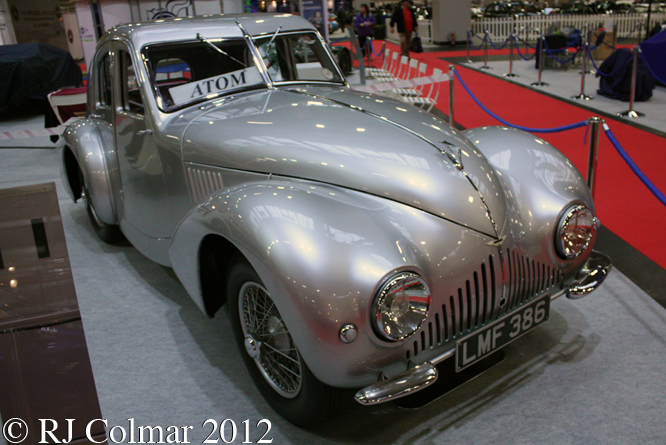
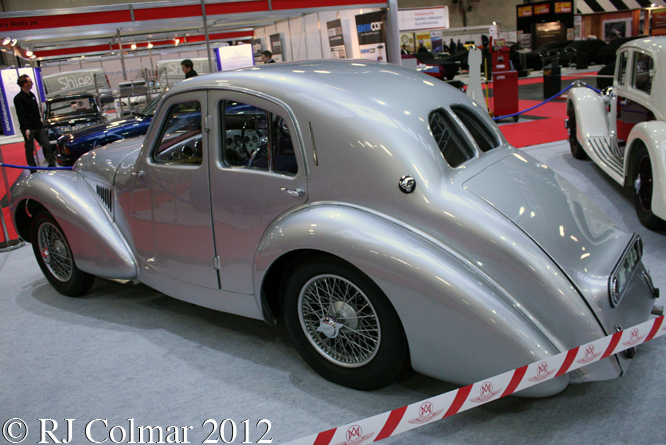
In 1939 Aston Martin constructed a working concept called the Atom designed by Claude Hill which is seen here at last years Classic Motor Show at the National Exhibition Centre in Birmingham.

Aston Martin, Atom, Classic Motor Show, NEC Birmingham

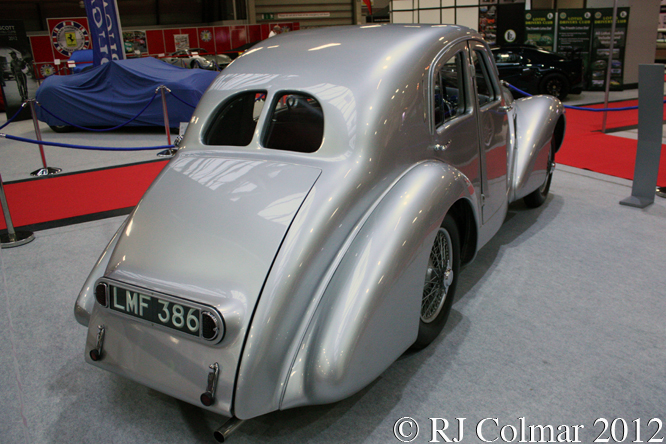
The car was built around a spaceframe superstructure of square section tubes with an aluminium paneled body.

Aston Martin, Atom, Classic Motor Show, NEC Birmingham

The Atom was originally powered by a 15/98 2 litre motor, but in 1944 this was replaced by a new 2 litre pushrod motor designed by Hill.

Aston Martin, Atom, Classic Motor Show, NEC Birmingham

Apparently the futuristic Atom was tested extensively during the course of the war, the chassis formed the basis of most subsequent Aston Martins up to the DB Mark III in 1957.

Aston Martin, Atom, Classic Motor Show, NEC Birmingham

When Sir Arthur Sutherland offered his “High Class Motor Business” for sale in 1947 the companies future owner, David Brown tested the Atom and afterwards decided to purchase Aston Martin which would remain in his hands until 1972.

Thanks for joining me on this “Claudes Concept” edition of “Gettin’ a li’l psycho on tyres” I hope you will join me again tomorrow. Don’t forget to come back now !
Share