Tag Archives: Classic

Almost Factory Catalogued Convertible – Citroën DS20 Cabriolet d’Usine

From 1961 Citroën commissioned Henri Chapron to build the DS19 Usine (factory) Convertible’s to order for distribution through the Citroën dealer network.
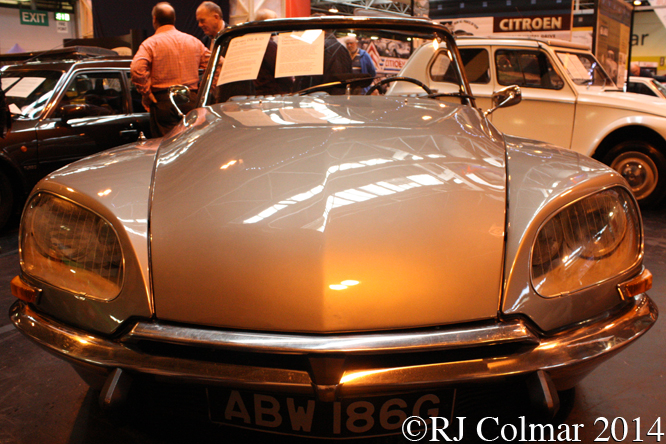
Citroën DS20 Cabriolet d'Usine, Classic Motor Show, NEC, Birmingham

The Usine unlike the earlier Chapron devised La Croisette Decapotable was based on Flaminio Bertoni’s drawings for a DS Cabriolet.
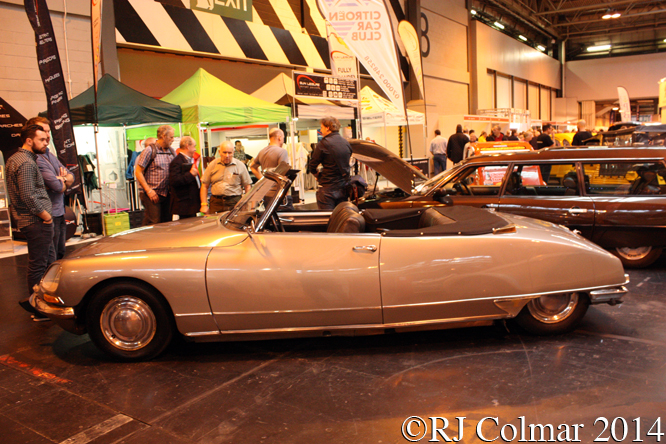
Citroën DS20 Cabriolet d'Usine, Classic Motor Show, NEC, Birmingham

As might be expected from the most expensive model in the DS range the Cabriolet d’Usine was kept up to date with all the latest DS face lifts which in 1968 included a reworked nose by Robert Opron who would go on to style on the Citorën SM and CX models.
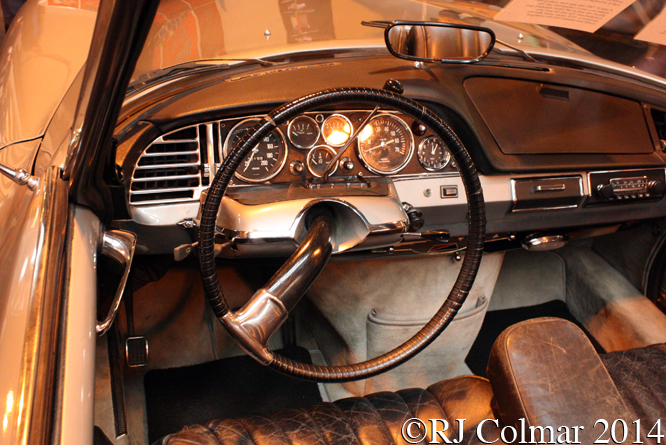
Citroën DS20 Cabriolet d'Usine, Classic Motor Show, NEC, Birmingham

The DS third face lift by Opron included a pair of headlights in the front wing/fender cluster that swiveled up to 80° with the steering to improve the drivers vision when cornering.
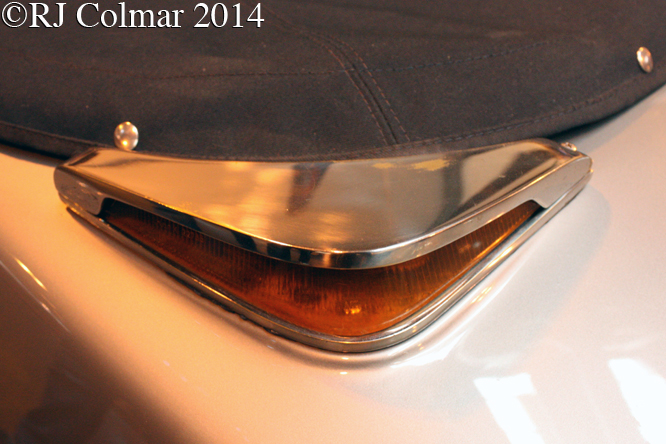
Citroën DS20 Cabriolet d'Usine, Classic Motor Show, NEC, Birmingham

The swiveling headlight feature was pioneered on the 1935 Tatra T77a and copied by the 1948 MY Tucker 48, which never went into full scale production, both of which had a third central headlight that swiveled with the steering.
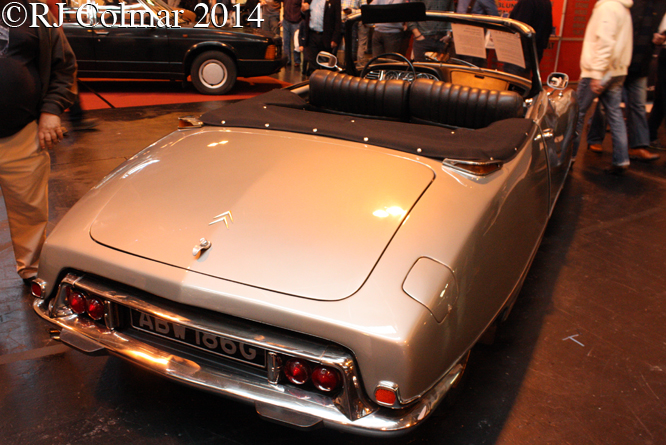
Citroën DS20 Cabriolet d'Usine, Classic Motor Show, NEC, Birmingham

This car is officially registered as having been built in 1969 when just 47 DS21 variants, with the original DS type hydraulically operated transmission and DS21 M with conventional manual clutch operated transmission were built.
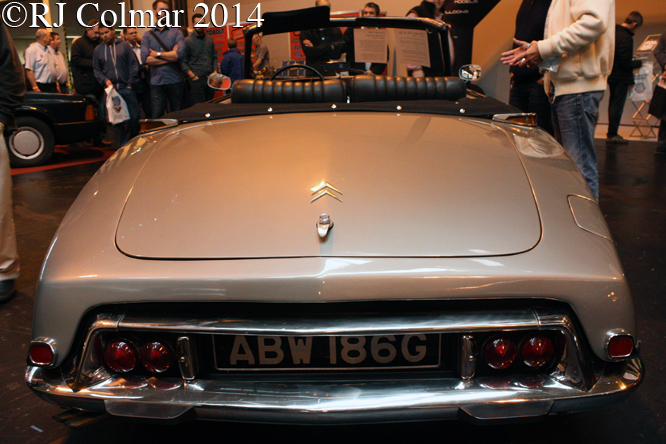
Citroën DS20 Cabriolet d'Usine, Classic Motor Show, NEC, Birmingham

With a motor officially registered as 1985cc / 121 cui this model would be a DS20 Cabriolet d’Usine meaning either a clerical error as by 1969 only DS21 Cabriolet d’Usine’s with 2,175cc / 132 cui motors were built or this vehicle is no longer powered by it’s original motor, there never having been a factory catalogued DS20 Cabriolet d’Usine so far as I know.

Thanks for joining me on this “Almost Factory Catalogued Convertible” edition of “Gettin’ a li’l psycho on tyres”, I hope you will join me again tomorrow when I’ll be visiting the revival of the Chateau Impney Hill Climb. Don’t forget to come back now !

Share

Going Places In Style – Marcos Mantis

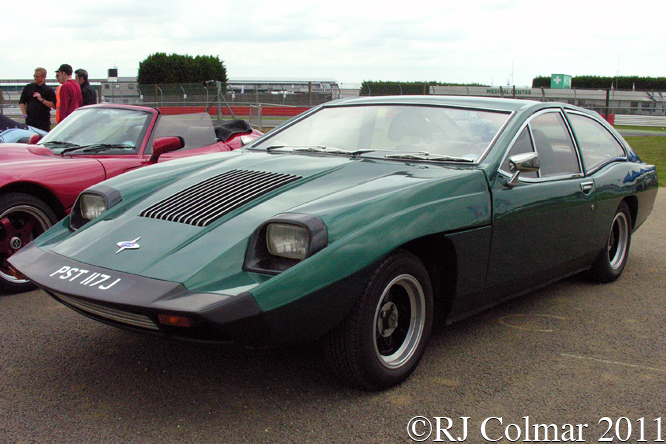
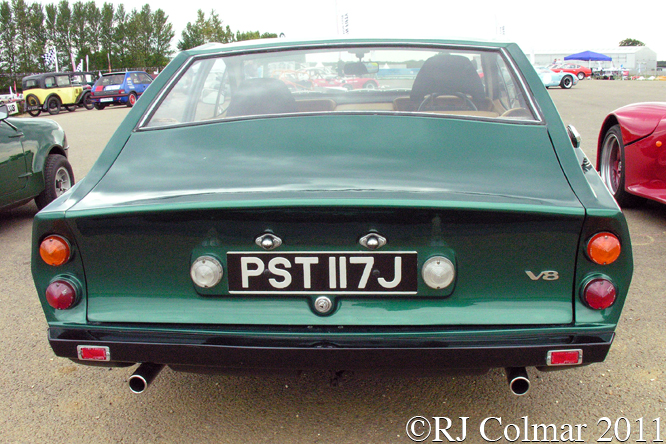
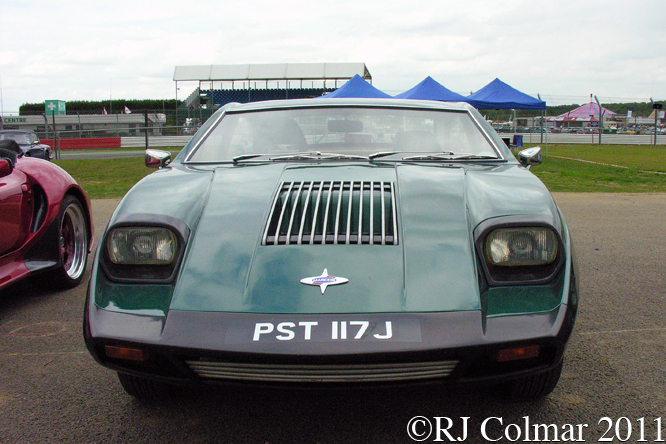
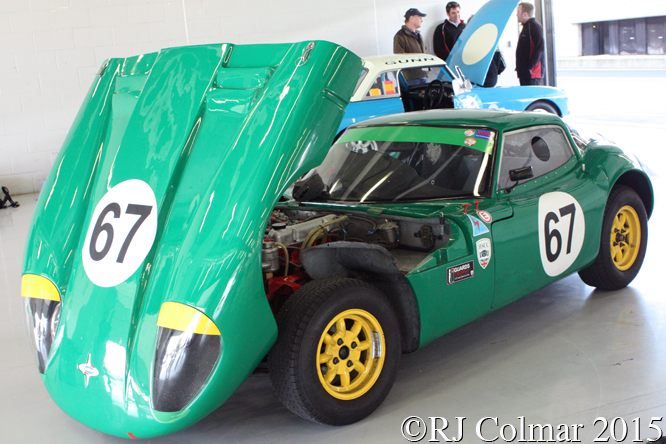
The first Marcos Mantis better known as the Mantis XP was a radical marine ply racer that raced once in 1968 before being sold to an American client, the second Mantis iteration today’s featured 2+2 Mantis M70 was launched in 1970 and remained in production until 1972 when the company was liquidated, in 1997 a third iteration 2 seat Mantis was launched as a road car and later spec racer.

Marcos Mantis M70, Silverstone Classic,

Styling of the Mantis was by Denis Adams and Jem Marsh while ex Lotus engineer Brian Cunnington was responsible for the chassis, made from square section tubular steel, and production engineering.

Marcos Mantis M70, Silverstone Classic,

The Mantis was initially offered as a complete vehicle with a Triumph 2.5 PI straight six motor and 4 speed Triumph gearbox driving an axle from the Ford Capri parts bin.

Marcos Mantis M70, Silverstone Classic,

The promotional brochure for the Mantis highlighted the models all round visibility, handling and “the boot, with a capacity of 10 cubic feet, makes the Mantis ideal for the man who is going places and wants to travel in style.”

Marcos Mantis M70, Silverstone Classic,

In all 32 Mantis models were built before Marcos was liquidated in 1972, some of the later examples were supplied in kit form at 5/6ths of the price of the complete car.

In the mid 80’s Autotune who had acquired the moulds and manufacturing rights to the Mantis recommenced production of the model, as a kit car requiring a Ford Cortina Mk II or Mk III donor car, which was renamed as the Autotune Mirage.

Today’s featured 1971 Mantis seen at Silverstone Classic several years ago is described by one of it’s owners as “The one Jem Marsh had with the Rover 3500 V8 EFI lump.”

Thanks for joining me on this “Going Places In Style” edition of “Gettin’ a li’l psychoontyres, I hope you will join me again tomorrow when I’ll be looking at another “Goddess”. Don’t forget to come back now !
Share

Cast Iron, Glassfibre And Marine Ply – Marcos 1800 GT

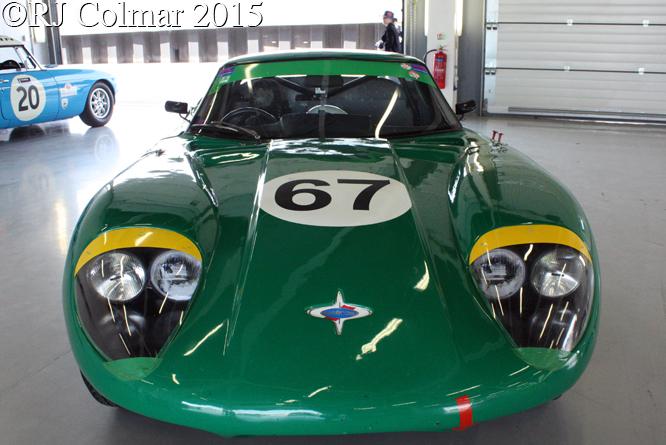
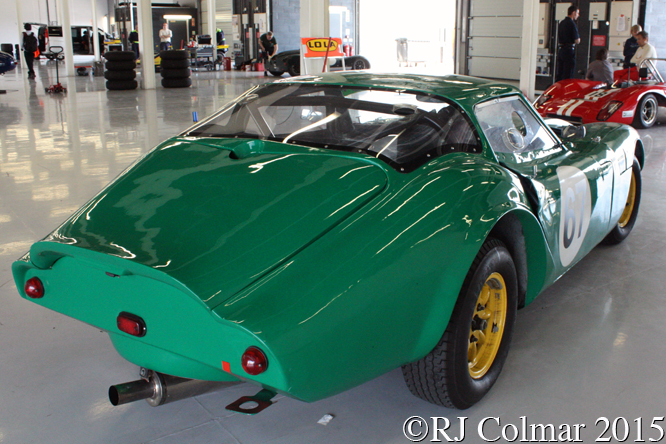
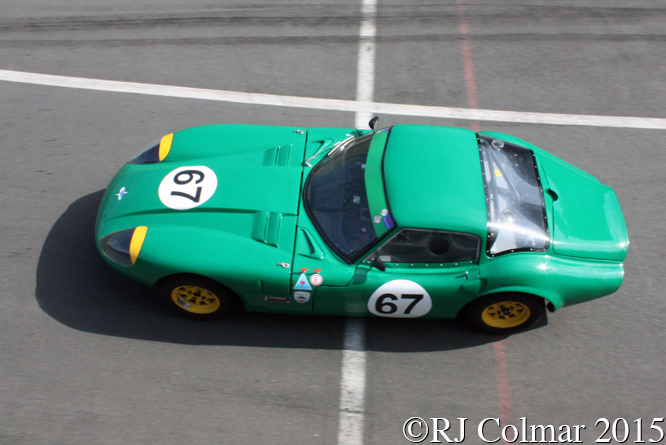
To create the sensation of the 1964 Racing Car Show, Marcos kept faith with the marine ply chassis construction method espoused by former de Haviland aero engineer Frank Costin, glueing no fewer than 386 pieces of marine ply together which were then bonded to a glass fiber body to end up with a strong and above all light monocoque chassis.

Marcos 1800 GT, Silverstone Classic, Press Day,

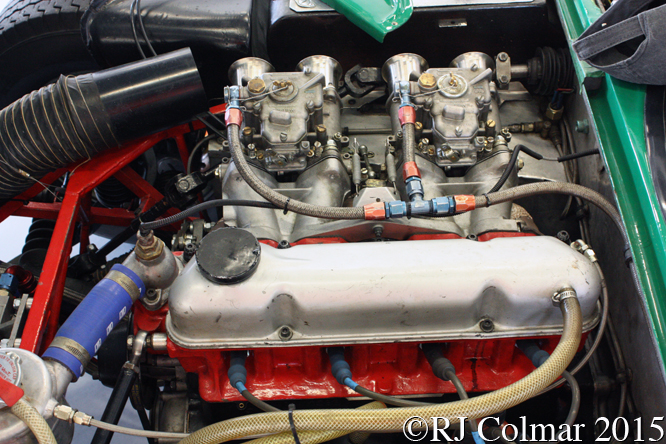
Marcos turned to Volvo for a supply of cast iron block B18 engines, more commonly found in the Volvo’s P1800 Coupé, with either four speed or five speed manual gearboxes fitted.

Marcos 1800 GT, Silverstone Classic, Press Day,

At the rear the first 33 1800 GT’s were fitted de Dion suspension, which was dropped in favour of a cheaper Ford live axle for the remaining 73 1800 GT’s that were built up until 1966.

Marcos 1800 GT, Silverstone Classic, Press Day,

The scintillating glass fibre body was the work of the Adams brothers Denis and Peter, featuring a forward hinging front to ease access to the engine.

Marcos 1800 GT, Andrew Smith, Silverstone Classic, Press Day,

With 96hp the 1800 GT could accelerate from rest to 60 mph in 8.2 seconds and on to a top speed of 116 mph, however a works entry for Jem Marsh, John Quick and Peter Taggart at Le Mans in 1968 with a slightly larger B20 motor still failed to qualify.

Marcos 1800 GT, Andrew Smith, Silverstone Classic, Press Day,

Despite it’s enthusiastic reception the car proved to be an expensive slow seller, it was not very profitable even after the live axle, which helped drop the price from £1500 to £1340, was adopted.

Marcos 1800 GT, Silverstone Classic, Press Day,

In 1966 the 1800 GT gave way to Ford and Triumph powered models, but today the 1800 GT, such as the example raced by Andrew and Tom Smith seen in these pictures at the recent Silverstone Classic Press Day, is a more highly prized vehicle because it is the last Adams bodied Marcos legible to be driven in Historic Sports Car Club (HSCC) events.

Thanks for joining me on this “Cast Iron, Glassfibre And Marine Ply” edition of “Gettin’ a li’l psycho on tyres” I hope you will join me again tomorrow when I’ll be looking at a convertible Citroën. Don’t forget to come back now !
Share

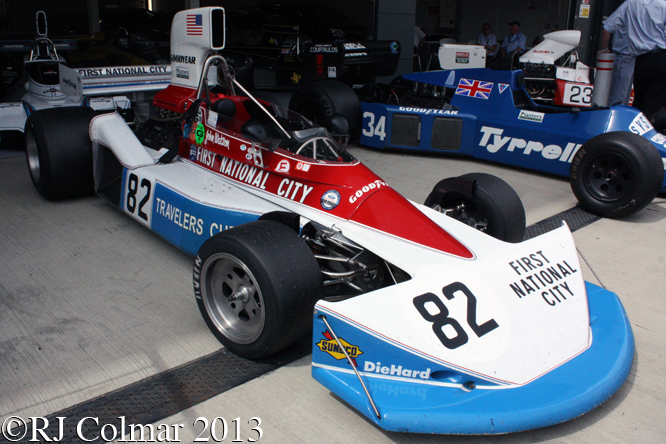
Pursuing The Unfair Advantage – Penske Cosworth PC3

After Mark Donohue drove his Penske PC1 to a 5th place finish in the 1975 Swedish Grand Prix Roger Penske, forever pursuing an unfair advantage, gave Geoff Ferris the go ahead to build a new car and ordered a March 751 for Mark to drive in the interim.

Penske PC3, Silverstone Classic

Mark finished 5th from 15th on the grid in the March on it’s debut at the 1975 British Grand Prix, retired with a damaged tyre on lap 1 of the German Grand Prix and then succumbed to injuries received from an accident during practice for the Austrian Grand Prix.

Penske PC3, Silverstone Classic

Skipping the Italian Grand Prix Penske returned to the fray at the 1975 United States with today’s featured car the Penske PC3 chassis #PC3/01 and John Watson as his new driver.

Penske PC3, Chris Drake, Silverstone Classic

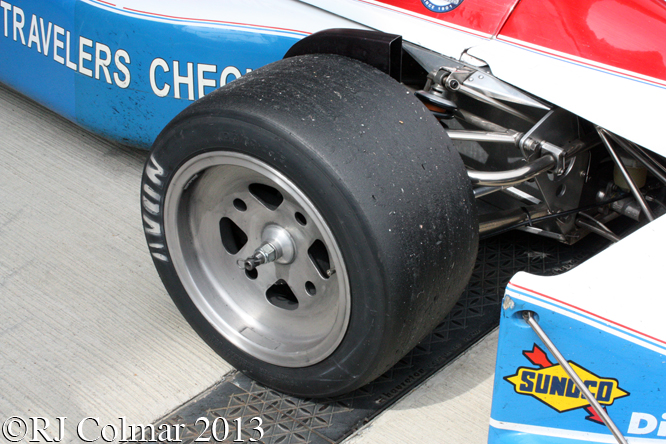
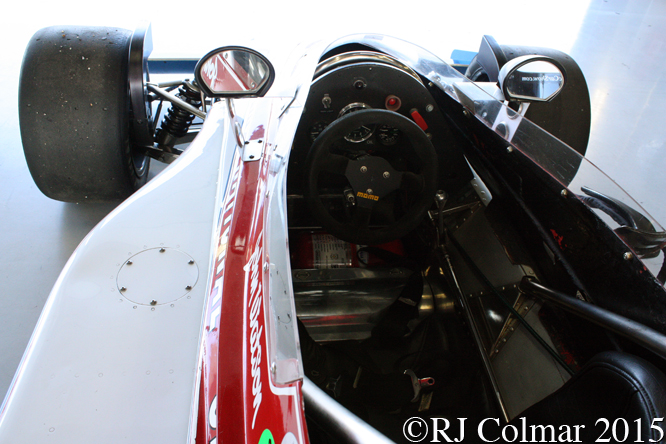
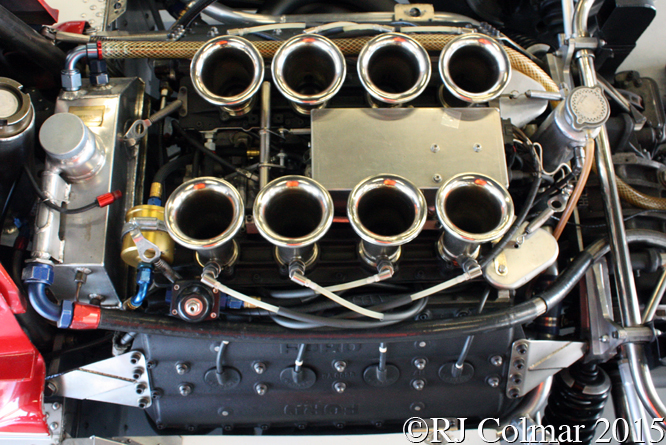
With it’s shovel nose the 3 litre / 183 cui Cosworth V8 powered PC3 bears some resemblance to the March 751 which Mark crashed in Austria however it retained the rear suspension layout of the PC1, and was, aside from it’s tall airbox, fully compliant with new regulations that would be mandated from May 1976.

Penske PC3, Silverstone Classic, Press Day,

John qualified 12th for the 1975 US Grand Prix, but after a misfire was detected swapped over to take the start of the race in the older PC1 in which he finished 9th.

Penske PC3, Silverstone Classic, Press Day,

#PC3/01 was raced on four occasions in 1976 with John scoring the models best finish in South Africa with a fifth place finish from 3rd on the grid.

Penske PC3, Silverstone Classic

But even as the team was celebrating it’s improved qualifying form Geoff was working away on the new PC4 which made it’s debut at the 1976 Swedish Grand Prix.

Unlike #PC3/01 the second PC3 #PC3/02, in which John retired from each of his three starts, was immediately sold on and had a second career in the 1976 and 1977 British Shellsport Group 8 Championships, Derek Bell drove the car to a win at Oulton Park in April 1977.

Today’s featured car is seen at a recent Silverstone Classic meeting with Chris Drake at the wheel.

Thanks for joining me on this “Pursuing The Unfair Advantage” edition of “Gettin’ a li’l psycho on tyres” I hope you will join me again tomorrow when I’ll be looking at a Volvo powered Marcos. Don’t forget to come back now !

Share

The Mud Plugger And Speedway Rider – Alexis Mk 1 #HF101

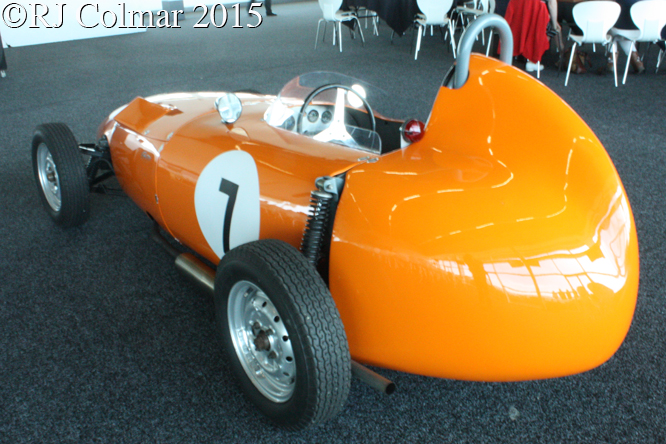
In 1953 Alex Francis set about buiding Trials car, mud plugger, to replace his Flathead Mercury V8 powered HRG, over the following years he built two more such cars before meeting Australian former speedway rider Bill Harris, in 1959, who had designed and been driving the 2nd Flather 500 Formula 3 car for Sheffield steel merchant and founder member of BRM Dennis Flather since 1954.

Alexis Mk 1, Silverstone Classic, Press Day,

Alex, a building contractor by day, and Bill set about building the Mk 1 Alexis to meet the new Formula Junior regulations from a premises in Birmingham.

Alexis Mk 1, Duncan Rabagliati, Autumn Classic, Castle Combe,

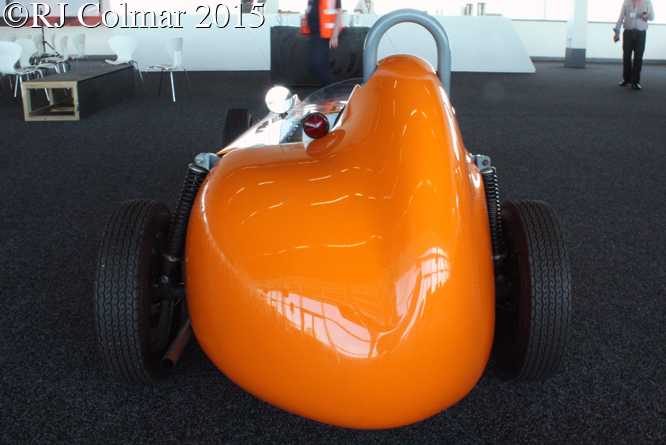
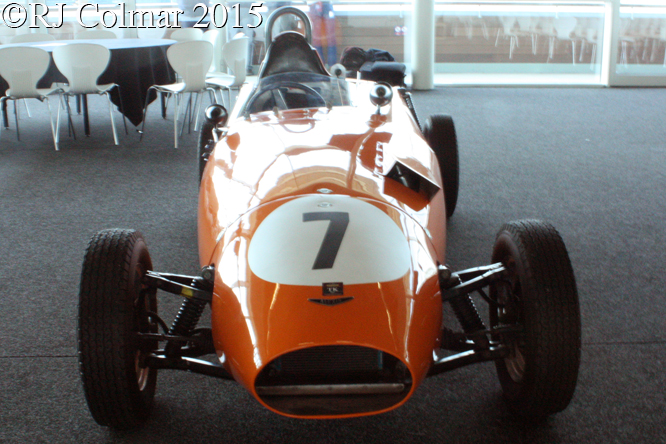
The Mk 1 features a space frame and somewhat behind the curve front mounted 1 litre / 61 cui BMC A series engine and Austin A35 rear axle with a Triumph Herald based independent front suspension.

Alexis Mk 1, Silverstone Classic, Press Day,

The body for the car was in polished aluminium and the plan was that Alex and Bill would share the driving. I believe the car was raced just once by Alex and at Oulton Park, and I have seen a photo of it apparently competing on the short hill at Prescott, before it was bought by an American customer.

Alexis Mk 1, Silverstone Classic, Press Day,

Over 20 years ago chairman of the Formula Junior Historic Racing Association Duncan Rabagliati bought the Mk 1 which had returned to the UK, there is only one chassis #HF101, and has been regularly racing it ever since.

Alexis Mk 1, Silverstone Classic, Press Day,

Duncan, seen at the wheel above at last years Castle Combe Autumn Classic meeting, and the Alexis hold the distinction of being the only driver and car combination to have competed in all previous editions of the Silverstone Classic meeting.

Thanks for joining me on this “The Mud Plugger And Speedway Rider” edition of “Gettin’ a li’l psycho on tyres” I hope you will join me again tomorrow when I’ll be looking at a US Formula One car. Don’t forget to come back now !
Share

Five F1 Classics – Silverstone Classic

In the last of this series celebrating the Silverstone Classic Silver Jubilee this edition of “Gettin’ a li’l psycho on tyres” looks at five decades of Formula One cars.

OSCA G4500, Stephan Rettenmaier, Silverstone Classic,

Last year one of the highlights of the Maserati Centenary Trophy was seeing Stephan Rettenmaier exercising the 1951 V12 OSCA G4500, the only purpose built Formula One car built by the Maserati brothers, as opposed to the company bearing their name.

Lotus 25, Silverstone Classic,

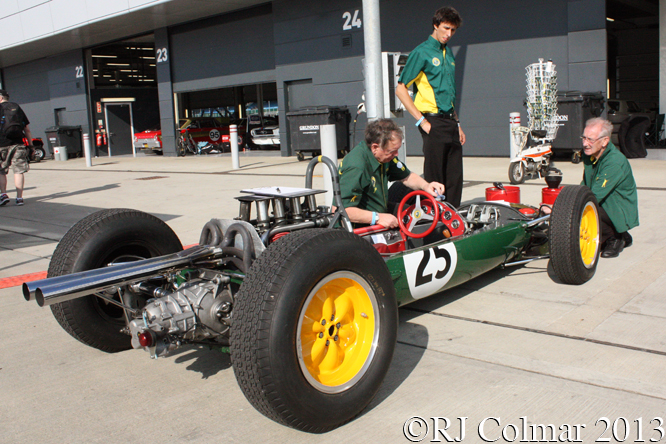
Above Bob Dance far right is seen above fettling Andy Middlehurst’s #25 Lotus 25 chassis #R4, just as he did for Jim Clark over 50 (fifty) years ago.

March 2-4-0, Jeremy Smith, Silverstone Classic,

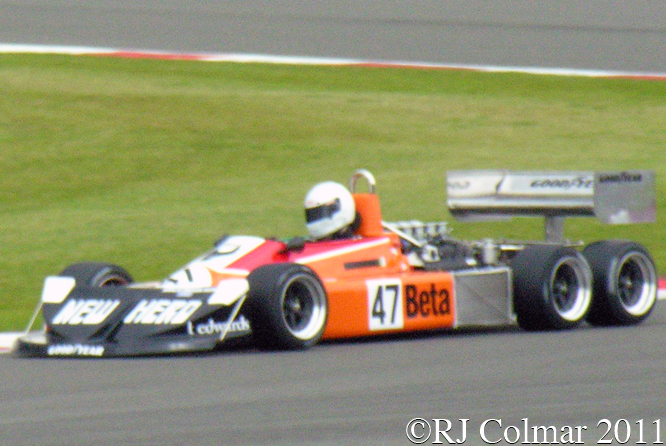
The March 761 was never raced in 2-4-0 configuration as seen above driven above by Jeremy Smith, but it probably helped nurture the interest of many a Scalextric racer into fully fledged Formula One fan.

Williams FW 08, Richard Eyre, Silverstone Classic,

In my humble opinion a Ferrari driver should have won, a Renault driver could have one drivers championship but a well deserving Williams driver Keke Rosberg did win the 1982 Formula One Drivers championship, driving an FW08 like the one seen with Richard Eyre at the wheel above, a six wheel version of the FW08 was also tested in 1981.

Benetton B192, Silverstone Classic,

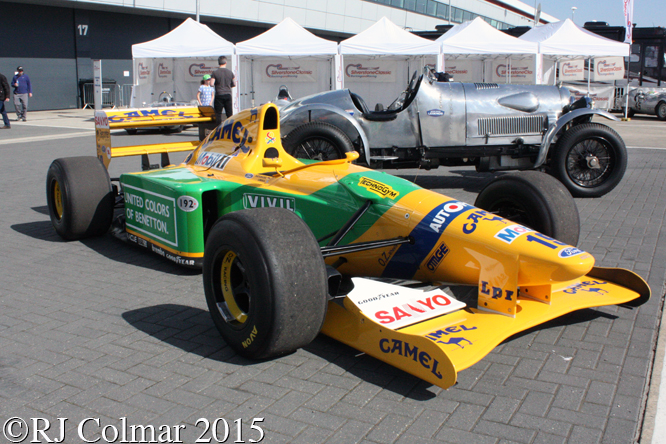
Finally this year will see the appearance of Legends of Modern Formula One demonstrations featuring cars from the 3.5 litre Formula One era like Lorina McLaughlin’s ex Micheal Schumacher championship winning Benetton B192 seen above at the Silver Jubilee Silverstone Classic Press Day.

Entry to Silverstone Classic is by pre booked tickets only which are available from the website linked here.

Thanks for joining me on this “Five F1 Classics” Edition of “Gettin’ a li’l psycho on tyres” I hope you will join me again tomorrow. Don’t forget to come back now.

Share

Five Classic Racing Ferraris – Silverstone Classic

The Silverstone Classic meeting usually offers the Ferrari fanatic a bonanza of Maranello’s finest road and racing cars and I am sure this year’s Silver Jubilee edition of the event will be no different.

Ferrari 500 TRC, David and James Cottingham, Silverstone Classic

Among the myriad of Ferrari racers seen in recent years have been the Cottinghams Ferrari 500 TRC which finished 7th both at the 1957 Le Mans 24 hours and on the 1958 Targa Florio.

Ferrari 246 Dino, Tony Smith, Silverstone Classic,

Another regular competitor is Tony Smith’s 1958 Ferrari 246 Dino which counts among it’s former occupants Wolfgang von Trips, Oliver Gendebien, Dan Gurney and Phil Hill the latter drove the car to the last win for a front engined Grand Prix at Monza in 1960.

Ferrari 166/206, Harry Leventis,  Gregor Fisken, Silverstone Classic,

Ing. Forghieri, responsible for the design of Harry Leventis’s Ferrari 166/206, above, was never the cars biggest fan, once likening the design, in conversation with desginer Gordon Murray, as to sticky brown smelly stuff, however that did not prevent Ludovico Scarfiotti driving the car in an earlier form to claim the 1965 European Hillclimb Championship.

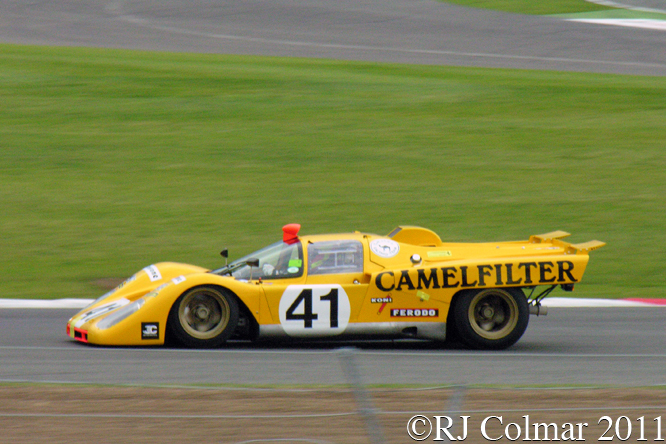
Ferrari 512M, Nathan Kinch, Silverstone Classic

Ferrari 512’s are not an uncommon sight at Silverstone Classic weekends, #1030 seen above with Scotsman Nathan Kinch at the wheel, was raced in S form in 1970 and M form in 1971 under the Ecurie Francorchamps banner but found it’s greatest success under JC Bamford’s ownership for whom Peter Brown, Willie Green and Neil Corner all drove it on various occasions to seven straight wins in it’s last seven races during 1972 six victories were claimed in the Motoring News GT Championship and the other in the Interserie race held at Silverstone.

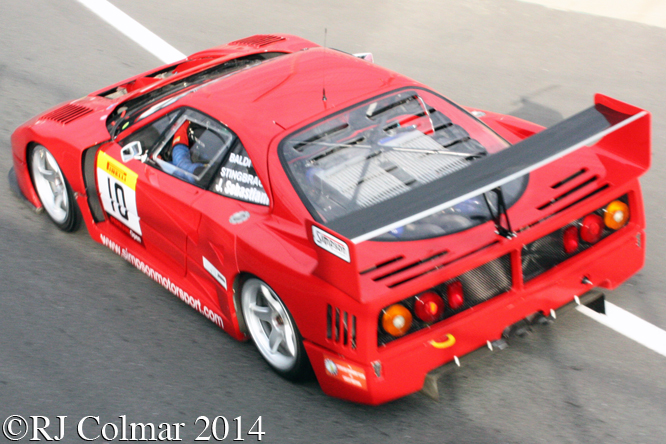
Ferrari F40 LM, Stefano Sebastiani, Silverstone Classic,

Finally the Silver Jubilee edition of the Silverstone Classic will see the first race for GT cars from the 1990’s, above Stefano Sebastiani is seen about to put his 1989 F40 LM, a converted road car, through it’s paces during last years popular GT demonstration run.

Tickets for this years advance ticket only Silver Jubilee Silverstone Classic are available from this linked website.

Thanks for joining me on this “Five Classic Racing Ferraris” edition of “Gettin’ a li’l psycho on tyres”, I hope you will join me again tomorrow when I’ll be looking at the first of a series of Formula Junior open wheelers. Don’t for get to come back now !
Share