Tag Archives: Classic

Five Group C Classics – Silverstone Classic

Third in a series of five blogs celebrating Silverstone Classic’s Silver Jubilee today’s blog looks at five stunning Group C cars, which round out the meetings Super Saturday’s by racing into the evening, that have competed in the event over the years.
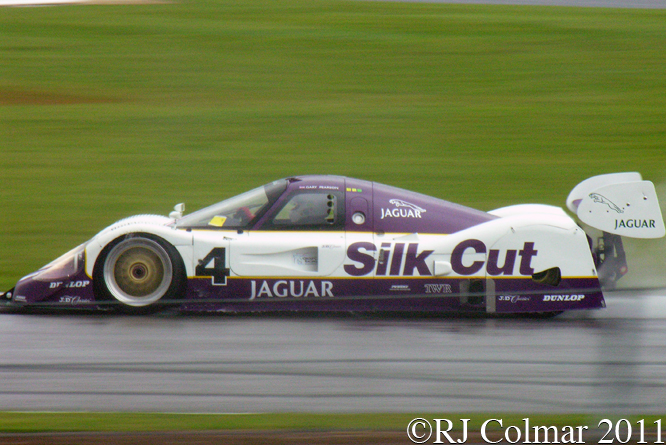
Jaguar XJR-11, Gary Pearson, Silverstone Classic,

Gary Pearson’s 1989 Jaguar XJR-11 above marks a significant ramping up of Jaguar’s efforts to remain at the top of the Group C tree by switching from a stock block derived 7 litre / 432 cui V12 to a MG Metro 6R4 derived twin turbo 3.5 litre / 216 cui V6 that produced around 750hp.
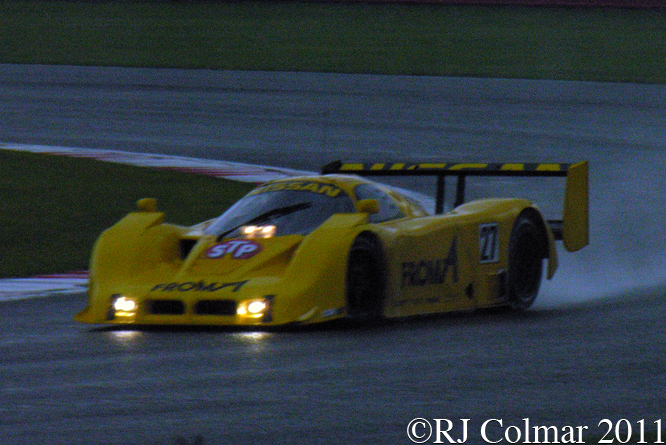
Nissan RC90, Steve Tandy, Silverstone Classic,

For the 1991 season Nissan sold one of there Lola built R90C chassis, #07, to Nova Engineering for use in the 1991 All Japan Sports Prototype Championship, Nova fitted a body developed in the Yatabe (Japan Automobile Research Institute—JARI) wind tunnel and called the car seen above with Steve Tandy at wheel, the R91CK.
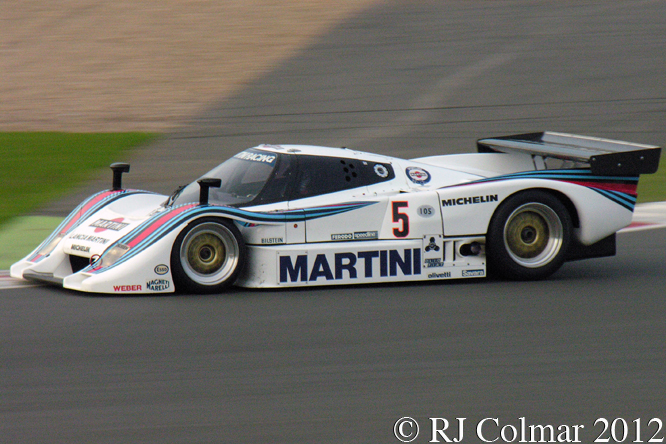
Lancia LC2, Roger Wills, Silverstone, Classic,

Going back to 1985 is Roger Wills Ferrari powered Lancia LC2/85 with it’s distinctive wider body than the original LC2’s raced in 1983 and ’84.
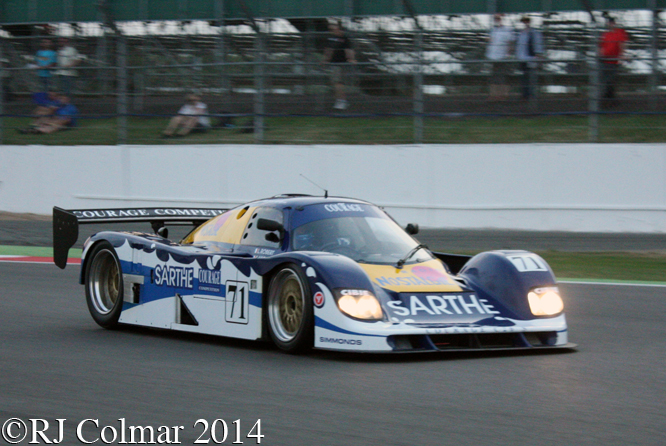
Courage C26S, Georg Kjallgren, Silverstone Classic

I believe the Courage C26S, seen above with Georg Kjallgren at the wheel, started life as the second chassis built in Le Mans by Courage Competition in 1984 originally powered by a Cosworth DFL V8, in 1989 it was fitted with a Twin Turbo Porsche flat 6 and brought up to C26S specification for the 1991 Le Mans 24 Hours where it failed to qualify on speed and was further disqualified for running under weight.
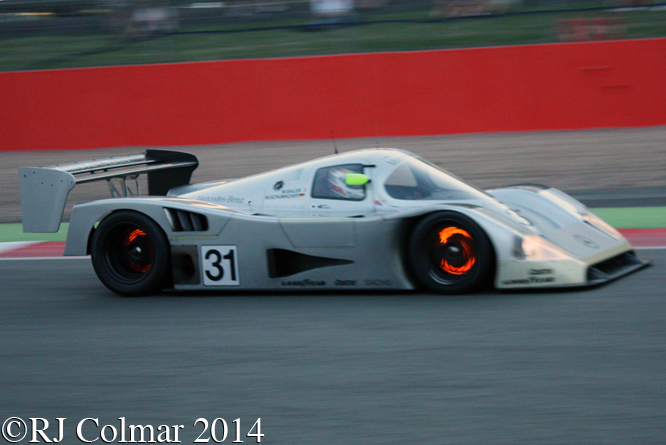
Mercedes Benz C11, Bob Berridge, Silverstone Classic,

Coolest of the Group C cars in my eyes is the Mercedes Benz C11 built for the 199O World Sports Car Championship which season during which it took seven wins from the eight races started securing the constructors championship for Mercedes Benz and Drivers Championship for Jean-Louis Schlesser and Mauro Baldi, I believe the car seen above with Bob Berridge at the wheel was the prototype which was never raced in period, but has a very successful career as a historic racer.

More, including tickets, on this years Silver Jubilee Silverstone Classic can be found on this link.

Thanks for joining me on this “Five Group C Classics” edition of “Gettin’ a li’l psycho on tyres” I hope you will join me again tomorrow for a trip to the recent Sonoma Historic meeting. Don’t forget to come back now !

Share

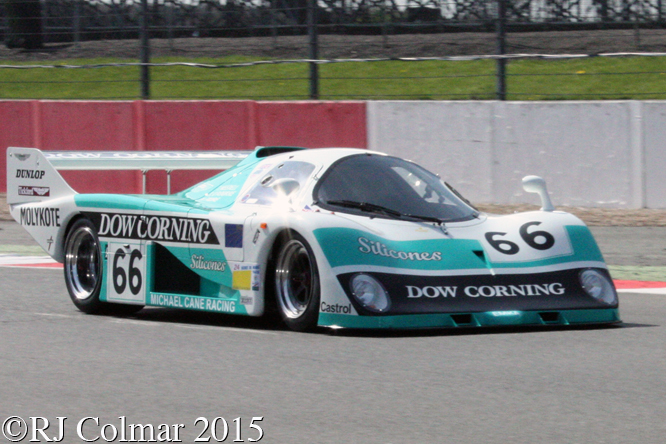
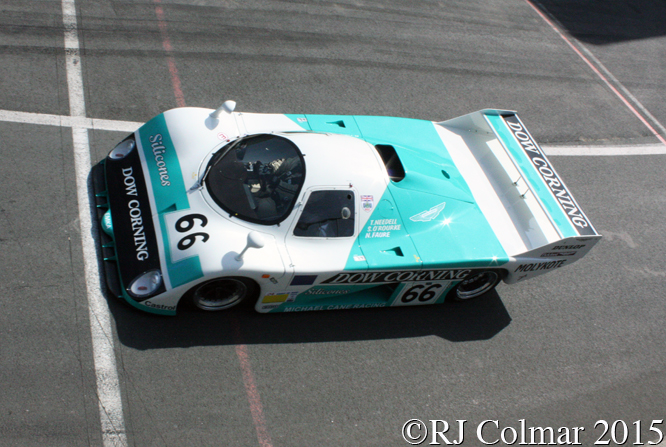
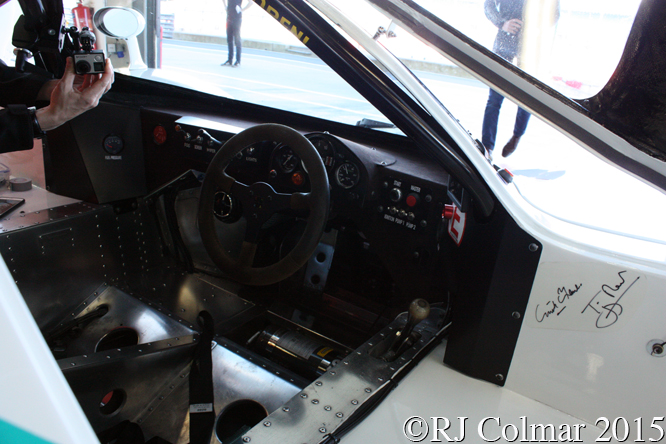
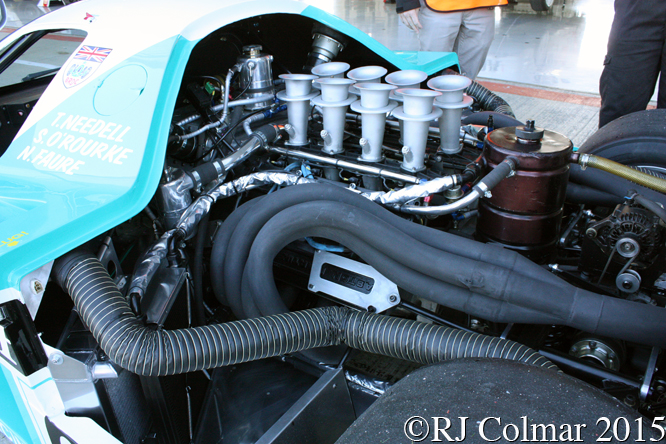
9 Mins Of Fame – EMKA C84/1

Trained accountant Steve O’Rourke and EMKA productions became the management team for Pink Floyd post Syd Barrat and both Steve and drummer Nick Mason shared an interest in racing cars.

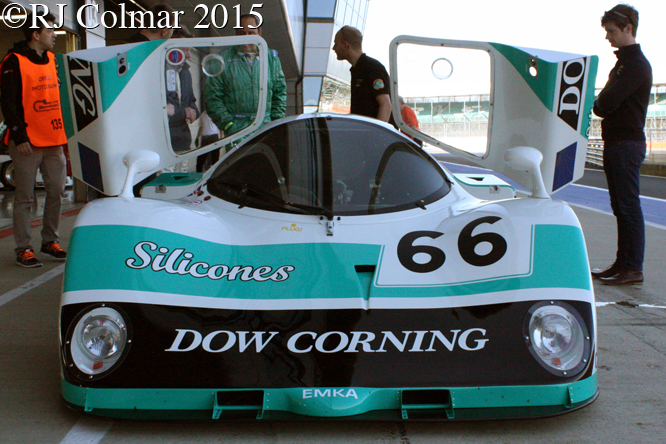
EMKA C84/1, Silverstone Classic Test Day,

Steve’s international racing career got of the ground with a Ferrari 512BB which he entered and drove from 1979 to 1980 scoring a best 7th place finish in the 1980 Silverstone 6 hours with Chris Craft and Vic Norman.

EMKA C84/1, Rudolf Ernst,  Silverstone Classic Test Day,

In 1981 Steve had Michael Cane Racing convert Niki Lauda’s 1979 Project Four Motorsports BMW M1 Procar to a more liberal Group 5 spec and raced that for two season’s scoring a best 2nd place in the 1981 Silverstone 6 Hours whith Derek Bell and David Hobbs sharing the cockpit, Nick Mason also co drove Steve’s BMW M1 on it’s two outings in 1982.

EMKA C84/1, Rudolf Ernst,  Silverstone Classic Test Day,

For 1983 Steve made the bold decision to follow in the footsteps of Robin Hamilton and Nimrod to build his own Aston Martin powered Le Mans challenger the EMKA C83/1.

EMKA C84/1, Silverstone Classic Test Day,

Len Bailey who was based at Gomm Metal Developments in Woking did the design work, Gomm did the metal work, the fibre glass body was constructed by Protoco, Aston Martin Tickford supplied 5,340 cc / 325.8 cui V8 engine and the whole car was prepared for competition by Micheal Cane Racing.

EMKA C84/1, Silverstone Classic Test Day,

On it’s debut at Silverstone the C83/1 was driven by Tiff Needell, Jeff Allam and Steve, they qualified 17th but retired on the last lap due to a failed wheel bearing. Nick Faure replaced Jeff at Le Mans for the 24 hour race where the car qualified 25th and finished 17th despite spending 2 hours in the pits with a suspension problem.

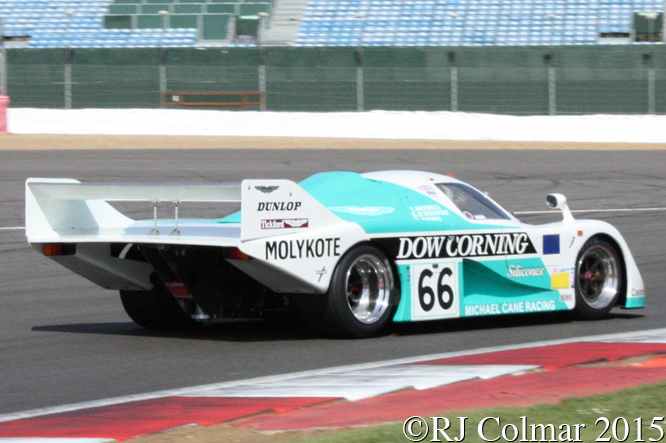
EMKA C84/1, Rudolf Ernst,  Silverstone Classic Test Day,

Due to uncertainty over the 1984 fuel regulations the C83/1 did not race again until 1985, by which time the ground effect venturi had been replaced with a flat floor, the rear suspension had been revised and the car had been renumbered as C84/1.

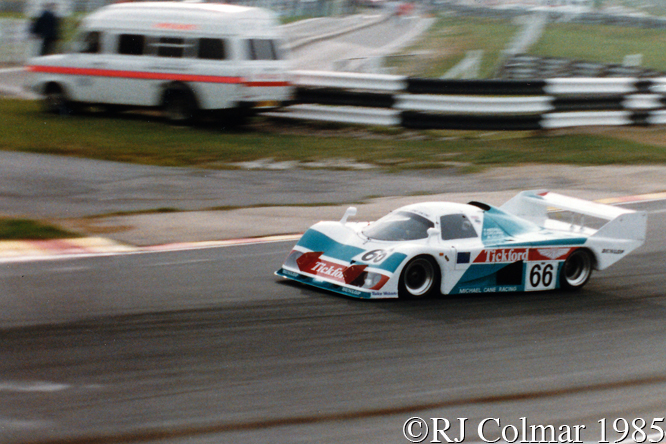
EMKA C84/1, Tiff Needell, Mark Galvin, Steve O'Rourke, Brands Hatch, 1000 kms

At Silverstone the C84/1 driven by Steve, Tiff and Bob Evans was nearly four seconds a lap in qualifying than two years earlier and qualified 15th for the six hour race but it retired again this time due to an engine issue.

Nick Faure again drove the car at Le Mans in 1985, in place of Bob, and the trio were now nine seconds a lap faster in qualifying and started from 13th on the grid. By employing an out of sequence fuel strategy Tiff Needell was able to lead the 24 Hour classic for 9 mins during the opening hours before finishing a respectable 11th.

C84/1 appeared at Spa where James Weaver took over the guest seat from Nick Faure and at Brands Hatch, as seen in the last photo where Mark Galvin took over from James. The car qualified 17th and 10th respectively, retiring from both races fuel pressure and drive belt issues respectively.

Steve retired from competition until 1991 when he returned racing GT’s winning the British GT GT2 and GT1 class drivers championships with co-driver Tim Sugden in 1997 and 1998 respectively, his highest Le Mans finish was 4th also in 1998 when he shared his McLaren with Tim and Bill Auberlen.

A second EMKA was built in 1989 using the discarded ground effect floor from the C83/1 and spare parts from C84/1 including the revised type of suspension, with the original red C83/1 bodywork.

Owner Rudolf Ernst is seen at the wheel of C84/1 in the photo’s above taken at the Silverstone Classic Test Day earlier this year.

Thanks for joining me on this “9 Mins Of Fame” edition of “Gettin’ a li’l psycho on tyres” I hope you will join me again tomorrow when I’ll be looking at another Le Mans Challenger from Mercedes Benz. Don’t forget to come back now !
Share

Braving The Elements – Bristol 450

Bristol Cars introduction to motor racing came as a supplier of 2 litre 6 cylinder motors which were used by chassis manufacturers that included AFN who produced Fraser Nash cars, Cooper, Lister, Lotus and smaller operations like Warrior.

Bristol 450, Autumn Classic, Castle Combe

The first use of a Bristol 2 litre engine at Le Mans came in 1949 when Norman Culpan drove his Fraser Nash High Speed from Yorkshire to the La Sarthe circuit where he was joined by AFN director HJ Adlington and the pair recorded a third place finish 11 laps down on the winning Ferrari 166MM driven by Luigi Chinetti and Lord Selsdon, after the race Norman drove his car back to Yorkshire and AFN produced a run of 34 cars known as Le Mans Replica and Le Mans Mk II’s, these cars have also since been replicated by Crosthwaite & Gardiner, Werner Oswald and others.

Bristol 450, Autumn Classic, Castle Combe

In 1952 Percy Kemish and Stan Ivermee were responsible for setting up the Bristol’s Racing Department which included employees Ken Evans, Rupert Gildersleeve, and Stan Sparks.

Bristol 450, Autumn Classic, Castle Combe

The chassis for the first Bristol 450 Le Mans challengers were based heavily on the Bristol powered ERA G-Type, an open wheeler with an unusually wide chassis and offset driver which had been bought from ERA proprietor Leslie Johnson at the end of the 1952 season, while the aerodynamically tested coupé body appeared remarkably crude with lights that looked like they had been added as an after thought.

Bristol 450, Autumn Classic, Castle Combe

Two Bristol 450’s made the grid for the 1953 Le Mans race one retired when a connecting rod broke causing the car to skid off the Mulsanne Straight on the 30th lap and the second retired after a crankshaft balance weight sheered through the sump and exhaust causing a fire after completing 70 laps.

05 Bristol 450_4569sc

With the crankshaft balance weights removed Peter Wilson and Jack Fairman drove a 450 to a 2 litre class victory and 5th place overall in the Reims 12 hour race in July 1953.

Bristol 450, Autumn Classic, Castle Combe

For 1954 the 450’s received refined coupé bodies with faired in headlights and two pronounced tail fins, this time the team finished 1st, 2nd and 3rd in class at Le Mans as Peter Wilson with Jim Mayers, Tommy Wisdom with Jack Fairman and Mike Keen sharing with Tommy Line brought their cars in 7th, 8th and 9th places overall, at Reims the 450’s came home in 10th, 11th and 12th places overall, 2nd, 3rd and 4th in the 2 litre class.

Bristol 450, Autumn Classic, Castle Combe

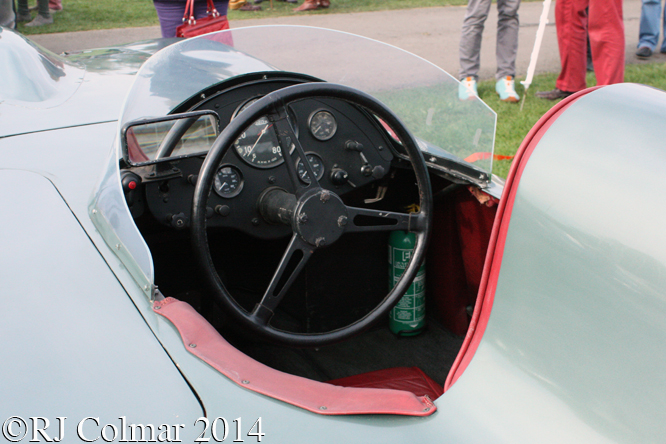
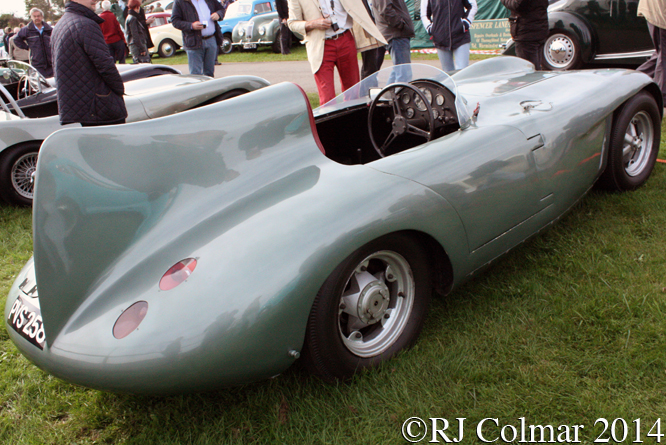
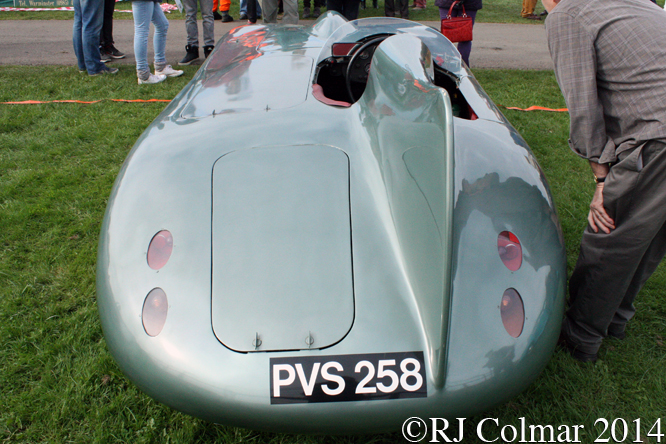
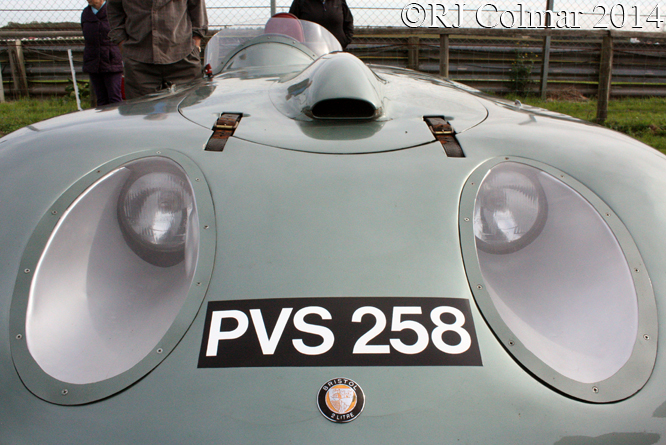
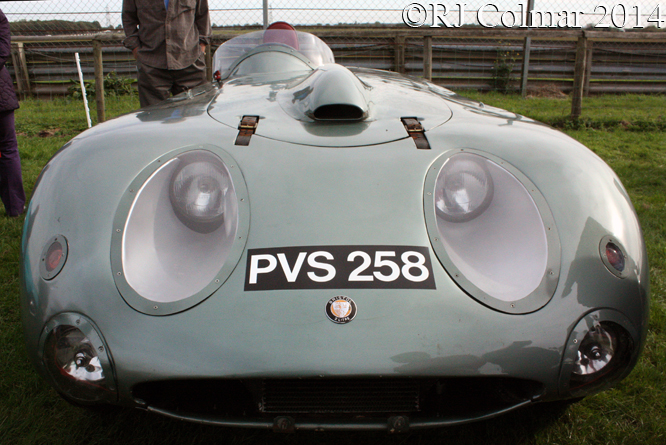
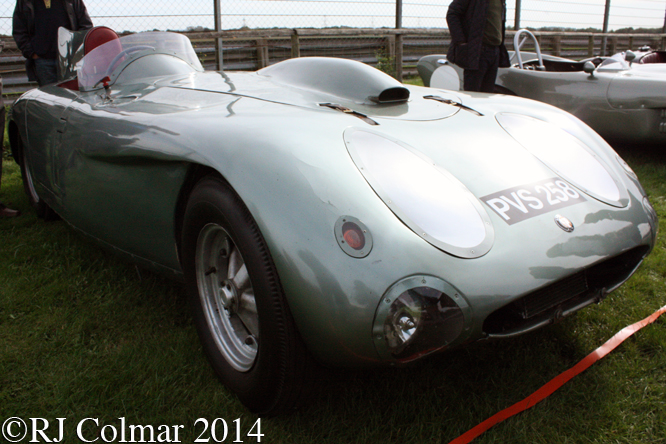
For 1955 more speed was sought by taking the roofs off the cars and running them with a screen for the driver who now had to brave the elements and deck over the passenger seat as seen in these photos taken at last years Autumn Classic meeting at Castle Combe.

Running with the same driving squad as 1954, the now 150 mph cars achieved exactly same result at Le Mans as in 1954, this time with Mike Keen and Tommy Line pipping Tommy Wisdom and Jack Fairman for 8th place.

The teams prize monies for the 1955 race were donated to the fund set up to help the victims of the 1955 Le Mans disaster and the Racing Department was disbanded before the Bristol Cars Division was separated from the Bristol Aeroplane Company in Autumn 1955.

The teams cars were all broken up bar today’s featured car, which is said to have been built up from the best parts of the broken up cars but without one of the motors built for the 450 racing programme, for many years this 450 belonged to Bristol Cars proprietor Tony Crook.

Thanks for joining me on this “Braving The Elements” edition of “Gettin’ a li’l psycho on tyres” I hope you will join me again tomorrow when I’ll be looking at a 1990’s Mercedes Benz Le Mans Challenger. Don’t forget to come back now !
Share

All Enveloping Compliance – Allard J2X Le Mans #3055

In 1950 Sydney Allard ventured to Le Mans for the 24 Hours race with American Tom Cole as his co driver and the pair in the Cadillac powered Allard J2 came home with a more than credible 3rd place overall finish, and 8 litre / 488 cui class.

Allard J2X Le Mans, Silverstone Classic,

The following year two J2’s were entered for the 24 Hours, but this time Sydney and Tom retired after completing 134 laps with a broken gearbox team mates were frustratingly unclassified, despite having completed more than 194 laps, due to transmission problems which kept from them running when the clock heralded the end of the race.

Allard J2X Le Mans, Silverstone Classic,

For 1952 new regulations for Le Mans outlawed cycle wings / fenders on cars like the J2, and Talbot T26 by mandating bodies with fully enveloped wheels.

Allard J2X Le Mans, Andy Dee Crowne, Silverstone Classic, Test Day,

Talbot employed Charles Deutsch to simply rebody their existing T26 cars, but Allard took the opportunity to switch to his new J2X chassis which featured an extended frame, trailing radius rods, and the engine mounted 7 1/2 inches further forward to create more space in the cockpit.

Allard J2X Le Mans, Andy Dee Crowne, Silverstone Classic, Test Day,

Two types of body were available for the J2X, cycle mudguard of which 77 are believed to have been built and enclosed J2X Le Mans of which 10 or 11 are believed to have been built.

Allard J2X Le Mans, Silverstone Classic,

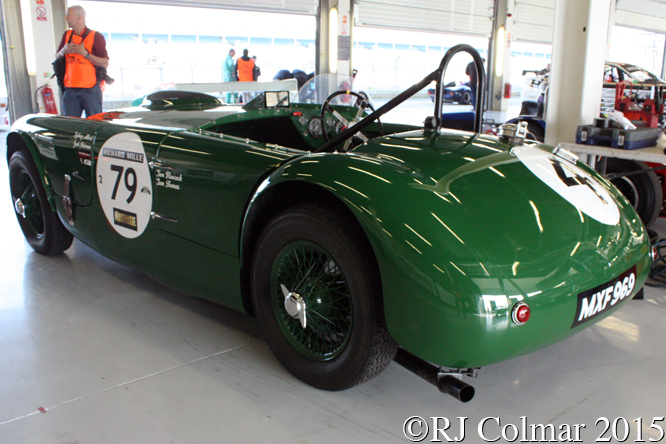
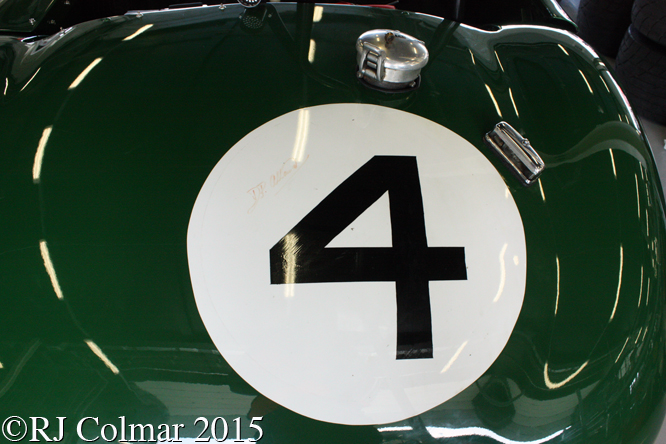
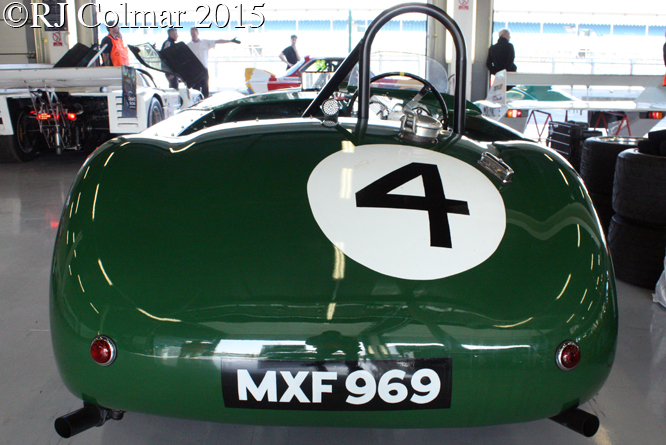
Two Chrysler V8 331 cui / 5394 cc powered Allard J2X Le Mans cars were taken to Le Mans for the hour race in 1952, today’s #4 chassis #3055 for Sydney Allard and Jack Fairman and the #5 chassis #3049 for Frank Curtis and Zora Arkus Duntov.

Allard J2X Le Mans, Silverstone Classic,

Frank and Zora qualified 14th on the grid, but retired with brake failure, in front of the sister car of Sydney and Jack which had qualified 18th and retired with a fuel tank issue.

Allard J2X Le Mans, Silverstone Classic,

#3055 was prepared to it’s present condition by Sam Thomas Racing and returned to Le Mans for the first time in 62 years last year.

Allard J2X Le Mans, Silverstone Classic,

Owner Andy Dee Crowne is seen at the wheel in these photographs taken at the Silverstone Classic test day earlier this year.

Thanks for joining me on this “All Enveloping Compliance” edition of “Gettin’ a li’l psycho on tyres” I hope you will join me again tomorrow when I’ll be looking at two of the all time greatest drives in history that gave Mercedes Benz a 1-2 finish. Don’t forget to come back now !
Share

Bookended With Class Wins – Dodge Viper GTS-R #C7

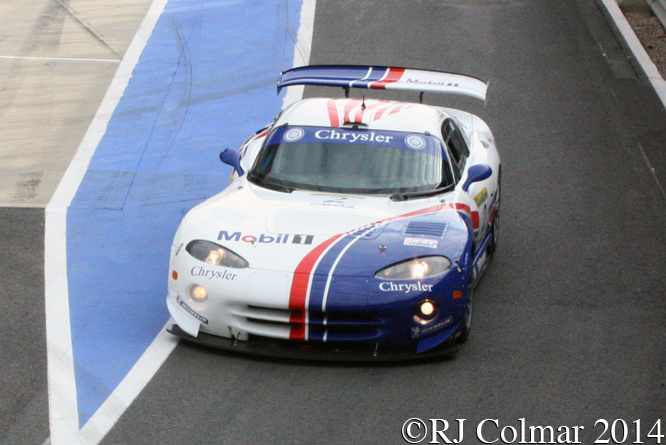
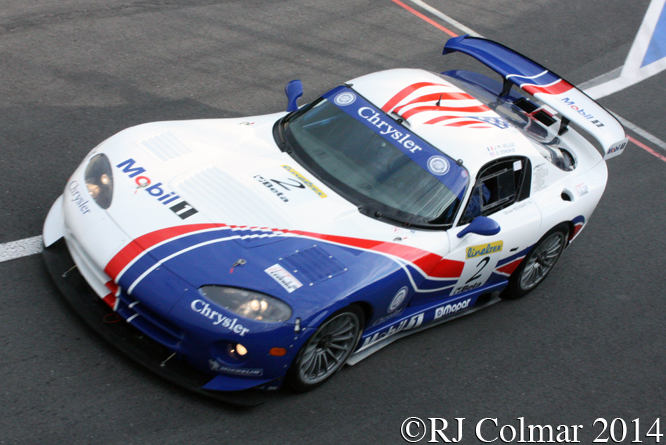
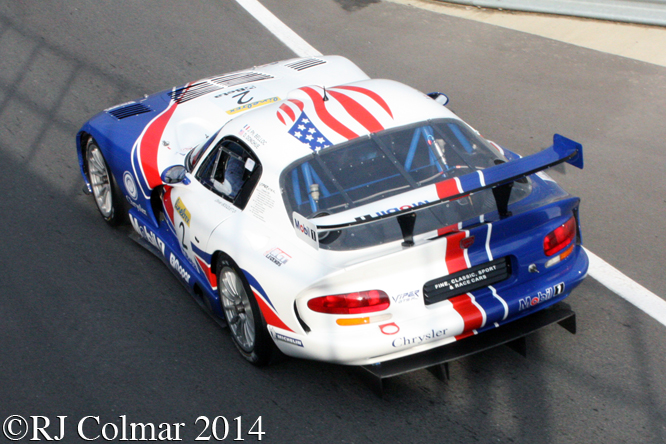
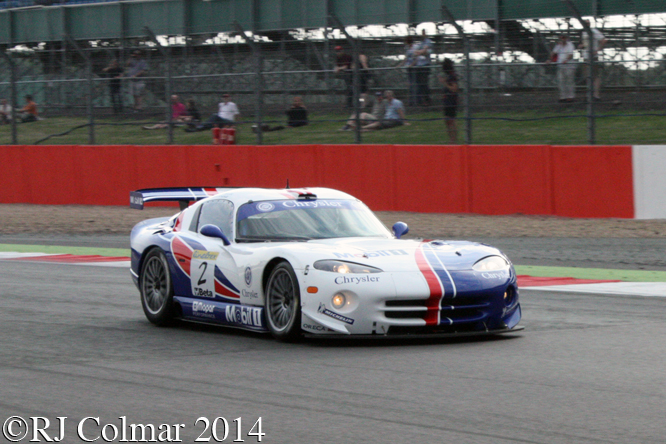
Like the Forent Moulin’s Dodge Viper GTS-R #C30 I looked at last year today’s featured Chrysler example chassis #C7 was originally built for the French Oreca entrant.

Chrysler Viper GTS-R, Oliver Bouquet, Silverstone Classic,

In 1997 the Viper Oreca team entered the car in 10 events with Philippe Gache and Olivier Beretta as #C7’s principle drivers who achieved a season high 10th place overall, 1st In GT2, on the cars debut at the Hockenheimring in April.

Chrysler Viper GTS-R, Oliver Bouquet, Silverstone Classic,

For the 1997 Le Mans Prequalifying weekend the following month later Phillipe and Oliver were joined in the #61 Oreca entry by Soheil Ayari and between them they were classified 44th.

Chrysler Viper GTS-R, Oliver Bouquet, Silverstone Classic,

For the 24 Hour race at Le Mans in June 1997 Soheil was moved over to the #62 Oreca entry replaced in the #61 Oreca entry by Dominique Dupuy. #C7 started from 34th on the grid with a 37th fastest qualifying time of 4m 4.654s, but retired after an accident on it’s 264th lap.

Chrysler Viper GTS-R, Oliver Bouquet, Silverstone Classic,

#C7’s final two appearances were at Le Mans in 1998, Dominique Dupuy was joined in the car now renumbered #53 by Justin Bell for the Prequalifying Weekend during which they were classified 36th.

For the 1998 Le Mans 24 Hour race a month later Dominique was taken out of the car after the preliminary qualifying session and replaced by Luca Drudi and David Donohue who with Justin started 33rd on the grid with a time of 4m 05.648s.

They finished the race 11th overall and bookended the cars career with another GT2 class win.

The car is seen in these photographs taken at last years Silverstone Classic with Oliver Bouquet at the wheel.

Thanks for joining me on this “Bookended With Class Wins” edition of “Gettin’ a li’l psychoontyres” I hope you will join me again tomorrow. Don’t forget to come back now !
Share

The Short One – Alpine A220 #1731

Following the mixed fortunes of the M series and A210 prototypes Alpine built from 1963 to 1966 the Dieppe based concern decided that the future lay in the new top level Championnat Internationale des Marques for prototype sports cars restricted to using 3 litre / 183 cui motors.

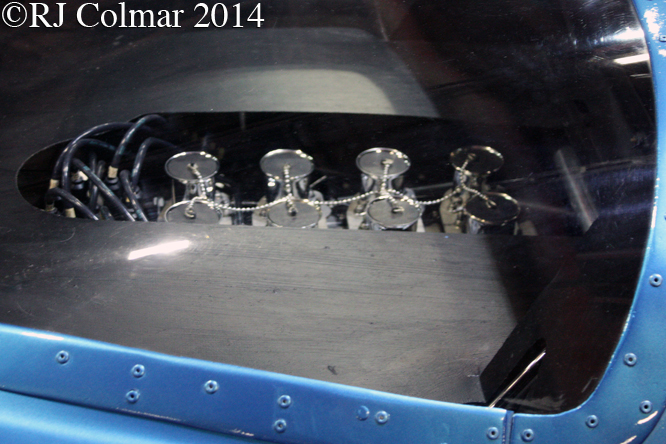
Accordingly in 1967 Alpine built a 3 litre V8 motor with twin overhead chain driven cams and two 1500 cc / 91.5 cui Renault sourced cylinder blocks sharing a common crank.

Alpine A220, Classic Motor Show, NEC, Birmingham,

The A211 chassis for the new engine was a beefed up version of the A210 Len Terry design using larger diameter tubes and similar suspension.

Two A211’s were entered for the 1967 Le Mans 24 hours, but neither arrived and subsequently only one, chassis #1727, appears to have been raced scoring a best third place, three laps in arrears, with Patrick Depailler and André de Cortanze sharing the wheel at Monza in 1968.

Alpine A220, Classic Motor Show, NEC, Birmingham,

Undeterred Alpine revised the A211 in 1968 to become the A220, distinguished by mid mounted radiators ahead of the rear wheels, stronger suspension and larger ventilated disc brakes.

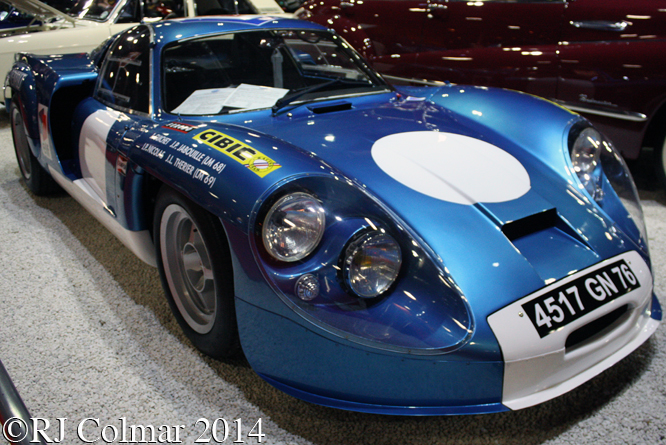
Today’s featured A220 was the second to be built and completed in April 1968 and was taken to the Le Mans Test weekend in April where Mauro Bianchi and Roger Delageneste recorded the 4th best time.

Alpine A220, Classic Motor Show, NEC, Birmingham,

#1731 retired from it’s first two races, at Zeltweg Mauro Bianchi and André de Cortanze retired with an oil leak and Le Mans where Jean Guichet and Jean-Pierre Jabouille retired with alternator failure after 16 hours.

Jean Guichet and Henri Grandsire are believed to have driven this car to a 4th place finish in the 1968 Paris 1000kms.

Alpine A220, Classic Motor Show, NEC, Birmingham,

At the 1968 Moroccan Grand Prix André Guelfi retired #1731 with engine failure and in 1969 1000km race at Spa Jean-Pierre Jabouille and Henri Grandsire are believed to have retired the car with either gearbox or damper failure.

Jean-Luc Thérier and Jean-Pierre Nicolas qualified #1731 19th on the grid with a time of 3m 45s at Le Mans but retired, as did the other three A220’s, after 12 hours with head gasket failure.

Jean Vinatier then competed with #1731 twice recording a 3rd best time on the Chamrousse Hillclimb and 2nd place finish at Nogaro.

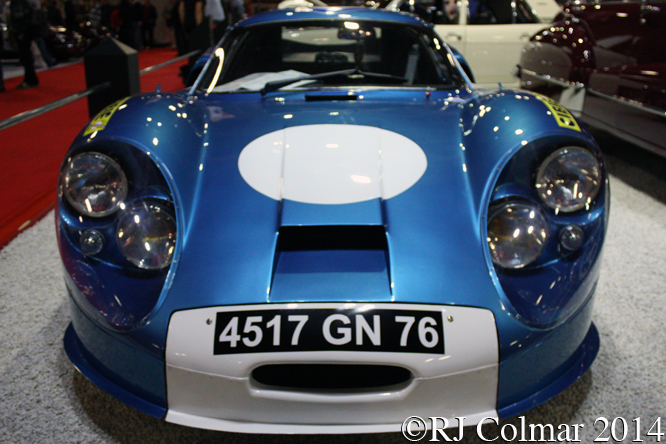
Finally Jean-Pierre Jabouille and Jean-Claude Guénard retired today’s featured car, seen at last years Classic Motor Show at the NEC in Birmingham, from the Critérium Des Cévennes with alternator failure.

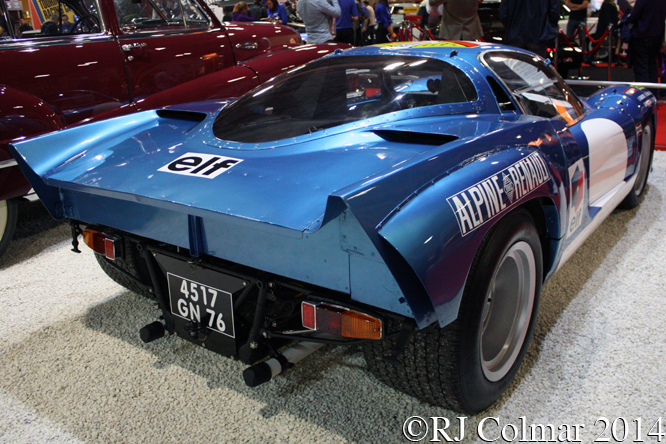
#1731 is unique among A220’s because the aerodynamic tail was shortend in July 1969 and road registered in anticipation of taking part in events like the Tour d’France, plans for which never came to fruition as Alpine withdrew from prototype sports car racing until 1974 when it’s return culminated in winning the 1978 Le Mans 24 Hour race with a the A442 B.

Thanks for joining me on this “The Short One” edition of “Gettin’ a li’l psycho on tyres” I hope you will join me again tomorrow when I’ll be paying a visit to Bournemouth. Don’t forget to come back now !
Share

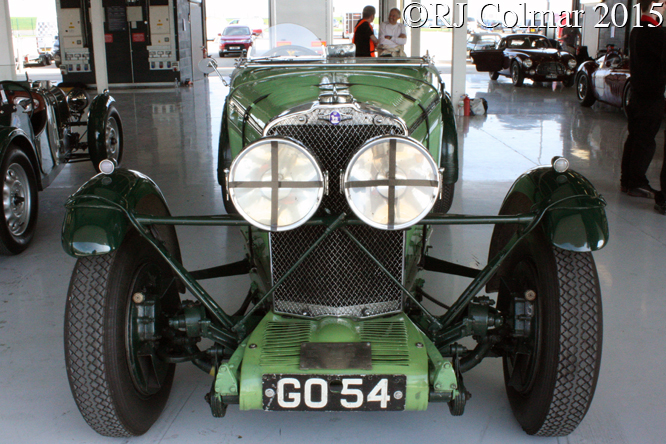
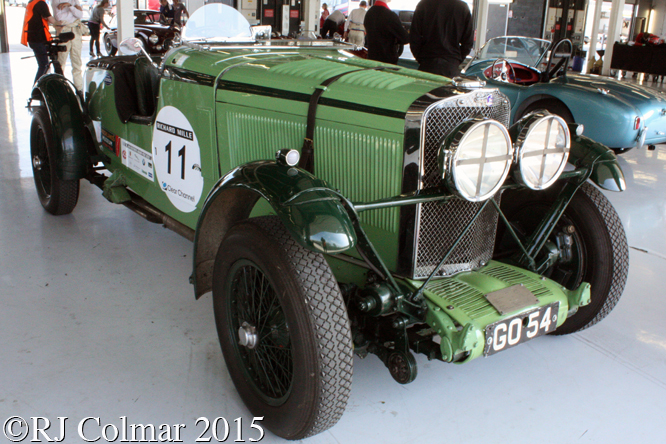
Irascible Swiss Perfectionism – Talbot AV 105 #31054

At the 1926 London Motor Show Talbot presented it’s new 1665 cc / 101 cui six cylinder 4 seat sports touring car the 14-45 designed by it’s Swiss Automotive Engineer Georges Roesch.

Roesch who was described as an irascible perfectionist, over saw the development of the 20-70 variant of the 14-45 which used the same engine block given larger cylinder bores and strokes with a capacity 2,276 cc / 138 cui that was launched in 1930.

Talbot 105, Silverstone Classic Test Day,

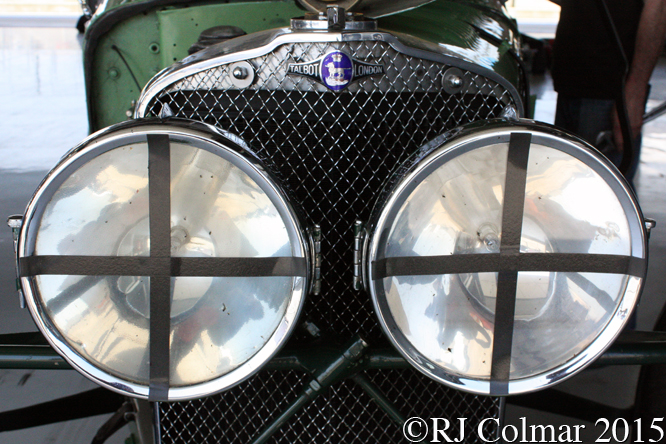
The final iteration of Roesch’s six cylinder, for today’s featured 105 model launched in 1931, again using the same block yielded a displacement of 2969 cc / 181 cui and could be tuned to produce 119 hp for road racing and a reputed 125 hp for racing at Brooklands.

Talbot 105, Silverstone Classic Test Day,

With an eye on the up to 3 litre class spoils and encouraged by Colonel Warwick Wright, Arthur W. Fox and Charles Nicholl entered a team of three Talbot 2.3 litre AO90 cars for Le Mans in 1930 keeping one of them as a spare.

The car driven by Brian Lewis and Hugh Eaton duly finished 3rd overall behind two Bentley Speed Six’s and first in class, 17 laps down on winners Woolf Barnato and Glen Kidston, and the second car driven by Johnny Hindmarsh
and Tim Rose-Richards finished 4th overall.

Talbot 105, Silverstone Classic Test Day,

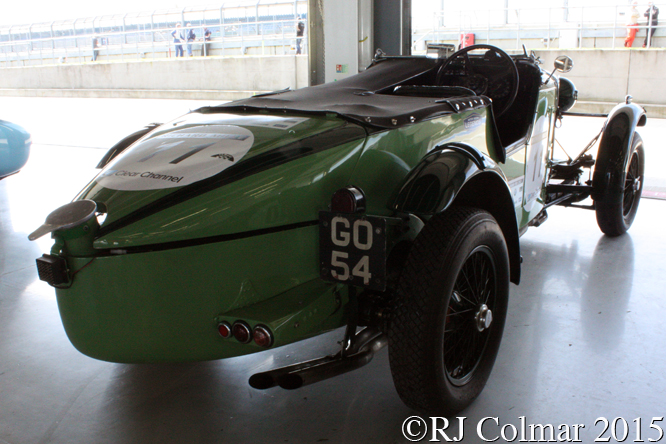
In 1931 Arthur W. Fox and Charles Nicholl took a team of three 3 litre / 183 cui AV 105’s to Le Mans and today’s featured chassis #31054 was the spare.

Tim Rose-Richards and Owen Saunders-Davies completed 173 laps to finish third 11 laps behind the winning supercharged Alfa Romeo 8C 2300LM, also running in the 3 litre class driven by Lord Howe and Sir Henry Birkin and a supercharged 7.1 litre Mercedes Benz driven by Boris Ivanowski and Henri Stoffel (F)

Talbot 105, Silverstone Classic Test Day,

In 1932 AW Fox entered two AV 105 cars for the Le Mans 24 Hours, one as a spare and #31054 got it’s turn to shine as the nominated race car with Brian Lewis and Tim Rose-Richards at the wheel.

Completing 180 laps Brian and Tim finished 3rd a staggering 38 laps behind the winning super charged Alfa Romeo driven by Raymond Sommer and Luigi Chinetti which finished two laps ahead of it’s sister car driven by Franco Cortese and Giovanni Battista Guidotti.

Talbot 105, Silverstone Classic Test Day,

During the 1931 season Humfrey Symons and Norman Garrad, drove #31054 on the Alpine Rally winning the Glacier Cup, while John Cobb drove the car to a 6th place finish overall 2nd in class in the Brooklnds 500 with a speed of 104.60 mph.

After Le Mans in 1932 Johnny Hindmarsh drove #31054 in the Tourist Trophy but finished unclassified four laps down on the winning Riley 9 driven by Cyril Whitcroft, the sister 105 #31053 driven by Tim Rose-Richards did a little better finishing 6th two laps down.

Talbot 105, Silverstone Classic Test Day,

At the 1932 Brooklands Autumn Meeting Irish speedway rider Fay Taylour was entrusted with #31054 where she finished second in the Ladies Race.

The cars last known in period result for #31054 came on the first of September 1934 when it was entered by D. C. Sidebottom for Earl Howe in the Tourist Trophy where it was classified 13th.

Talbot 105, Silverstone Classic Test Day,

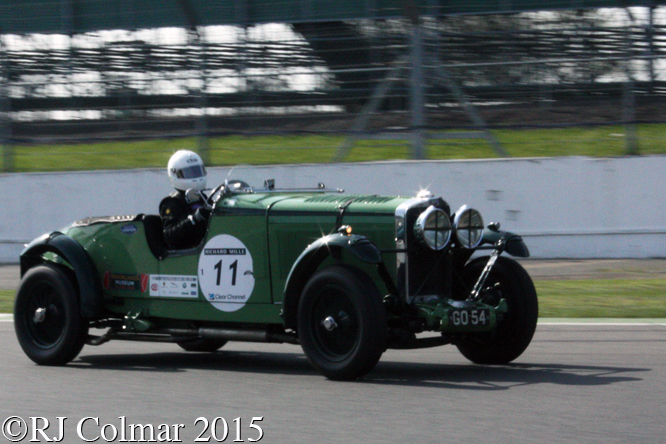
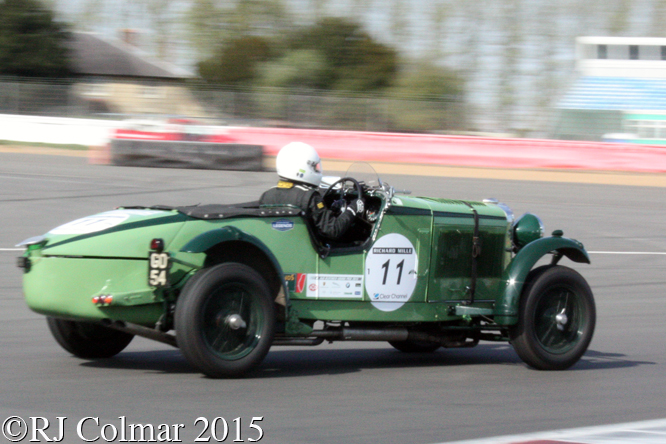
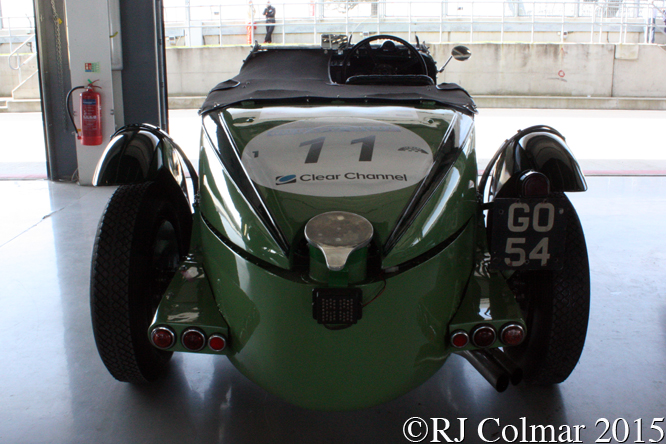
GO54 is currently owned by Nicholas Pellett who is seen driving the car at the recent Silverstone Classic Test Day.

During the course of the day Nicholas kindly took me for a thrilling ride around the circuit, the overwhelming memory of which was the comfortable ride afforded by the Luvax hydraulic dampers and the smooth pull of the straight six engine.

My thanks to Nicholas for his hospitality.

Thanks for joining me on this “Irascible Swiss Perfectionism” edition of “Gettin’ a li’l psycho on tyres” I hope you will join me again tomorrow when I’ll be looking at a 1930 Mercedes Benz. Don’t forget to come back now !
Share