Tag Archives: Colmar

Pop Up Swansong – Ferrari 456M

The Ferrari 456 launched in 1995 was the long awaited V12 powered 2+2 replacement for the Ferrari 412 GT which had been out of production since 1989.
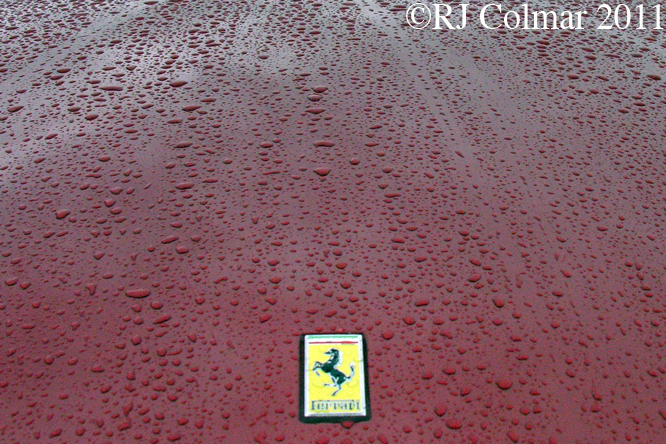
Ferrari 456M, Silverstone Classic

During the intervening 6 years if you wanted a 2+2 Ferrari you had to make do with the mid engine 8 cylinder Mondial 2+2.
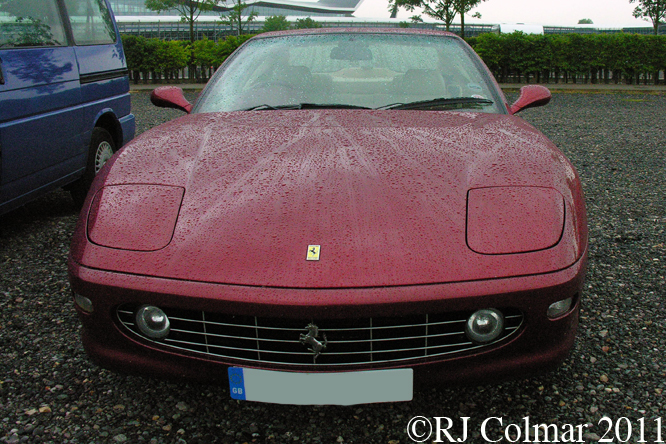
Ferrari 456M, Silverstone Classic

Ferrari reentered the front engine rear wheel drive GT market with a V12 that owed nothing to the Ferrari 412 but was derived from the 65 degree Ferrari Dino V6 motor which in V12 form with 4 valves per cylinder and two overhead camshafts could produce an unstressed 436hp.
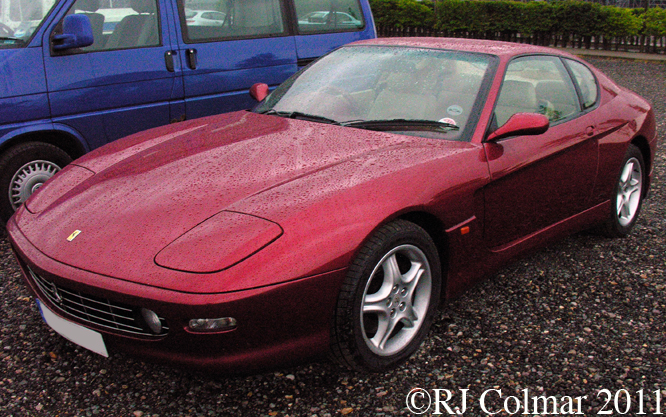
Ferrari 456M, Silverstone Classic

In 1998 the 456 was upgraded to 456M (Modificata) spec, externally distinguishable by the fog lights mounted in the grill, like the 1999 example seen here earlier this year at the Siverstone Classic.
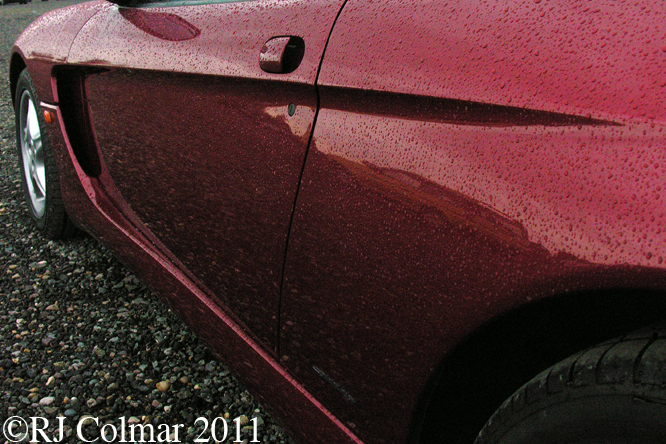
Ferrari 456M, Silverstone Classic

456M spec motors were said to be good for an even smother 442hp thanks in part to a change in the firing order of the 12 cylinders and in part to the improved Bosch electronic engine management system.
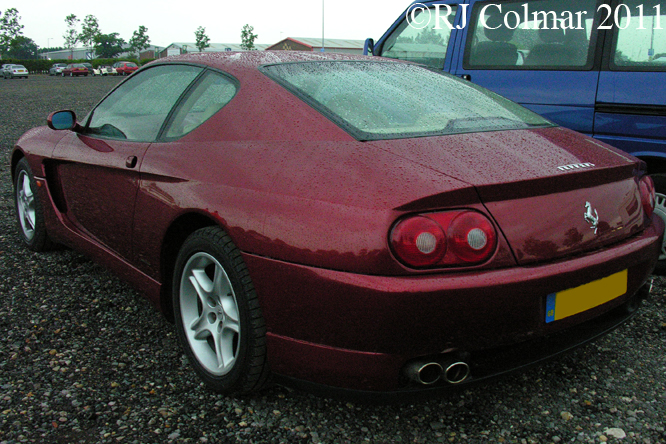
Ferrari 456M, Silverstone Classic

There are a number of extremely rare variations on the 456 platform, these include two four door saloon / sedans built for the mysterious Nafsas Al Khaddaja allegedly resident in Belgium.

Prince Jefri Bolkiah of Brunei is said to have ordered 7 456 GT Venice 4 door shooting brakes, but found he only had $9 million dollars in spare change when it was time to pay for them so only took six of them home without any change.

The Sultan of Brunei had two 456 Spyders built while Mike Tyson had an aftermarket Spyder conversion on his.

Finally there is Shaquille O’Neal’s example which features a number of aftermarket modifications to accommodate his 7′ 1″ frame including much longer seat rails and a unique, for a 456, targa top.
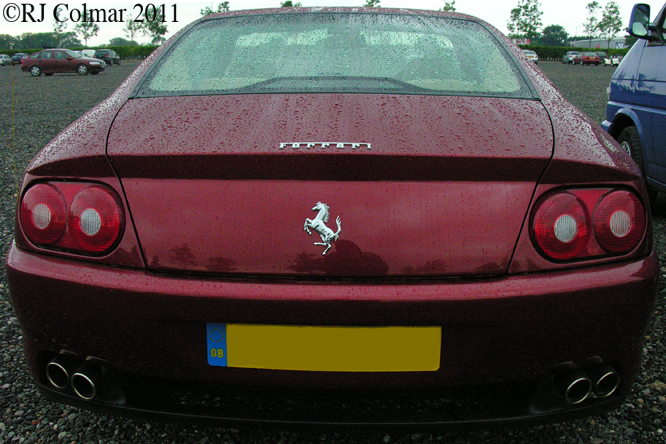
Ferrari 456M, Silverstone Classic

The 456M was the last Ferrari to feature pop up headlights which were no longer necessary at the time the car was launched in 1995, but remained since they had been a requirement at the time the design of the model commenced. In all 3,289 456 variants had been produced when production switched to the 612 Scaglietti in 2003.

Fellow blogger Jay Wollenweber spotted the older 458 model on the sunny streets of San Ramon recently.

Thanks for joining me on this Pop Up edition of ‘Gettin’ a li’l psycho on tyres’ I hope you will join me again tomorrow. Don’t forget to come back now !

PS Don’t forget …

Automobiliart GALPOT Seasonal Quiz
Automobiliart, Paul Chenard

December 26th – January 2nd

Win a set of Paul Chenard Greetings Cards
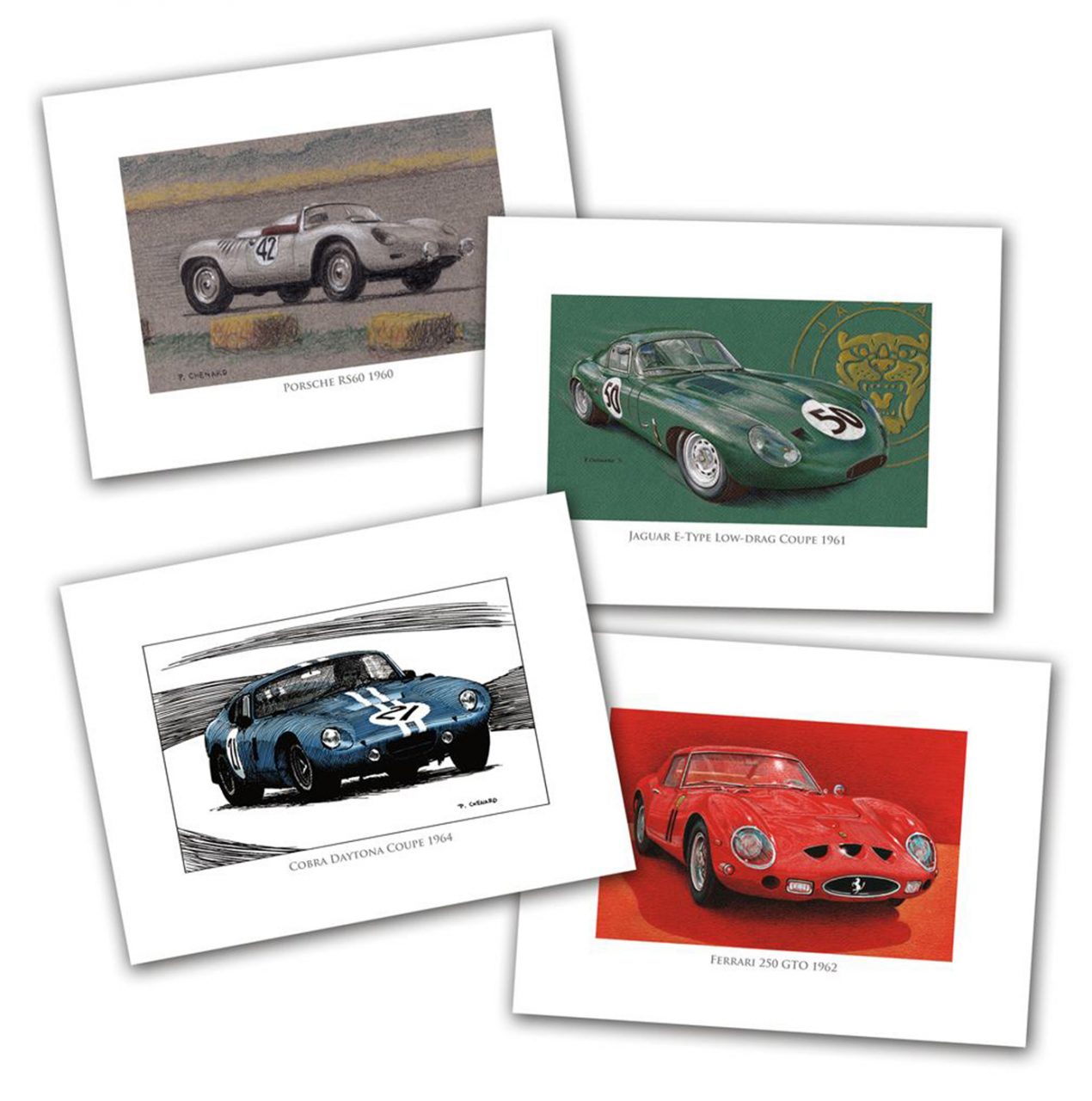
Sports-GT cars set, Paul Chenard

Set 1 Sports & GT Cars

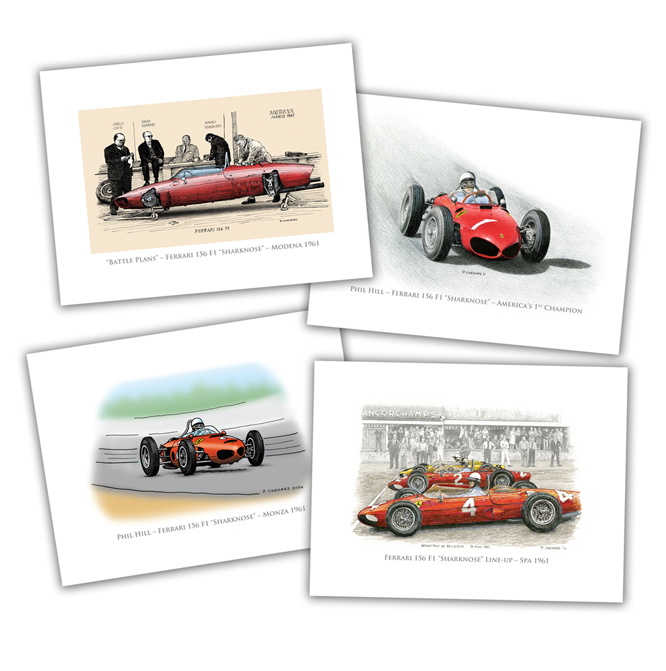
Phil Hill, Sharknose Ferrari Set, Paul Chenard

Set 2 Phil Hill World Drivers Championship 50th Anniversary Edition
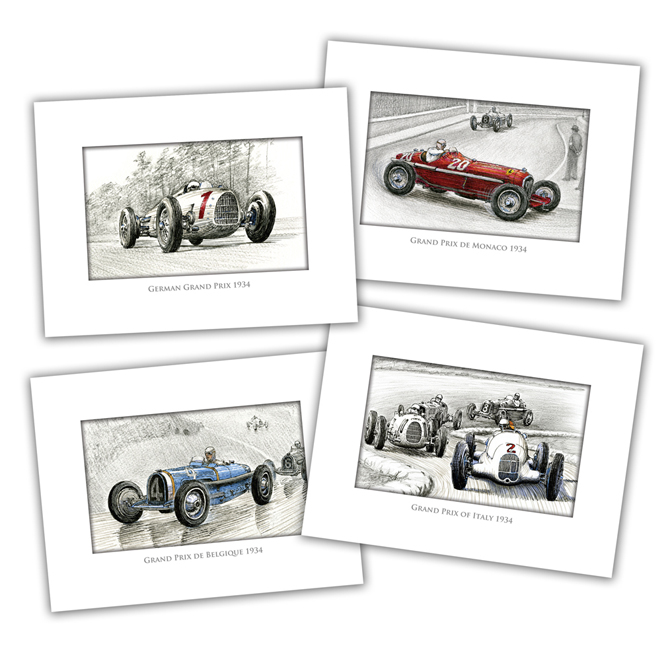
1934 GP Season Card set, Paul Chenard

Set 3 1934 Season

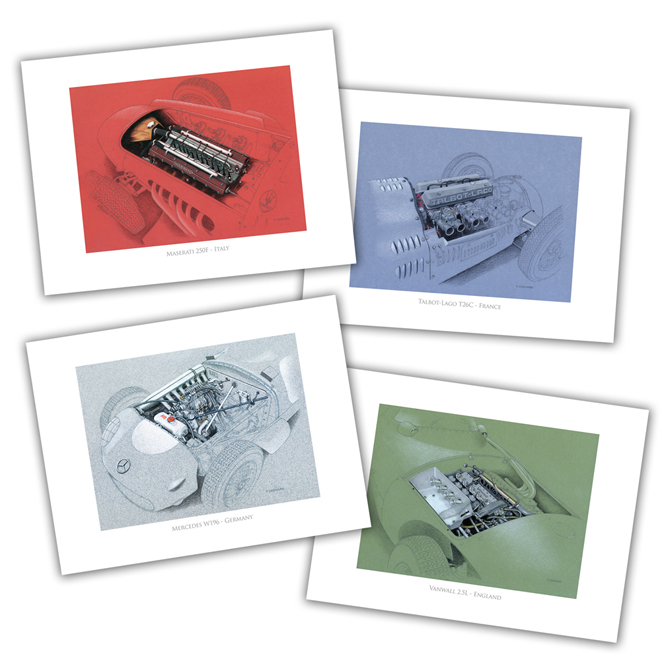
1950s Grand Prix Engines

Set 4 Grand Prix Engines of the 1950’s

or
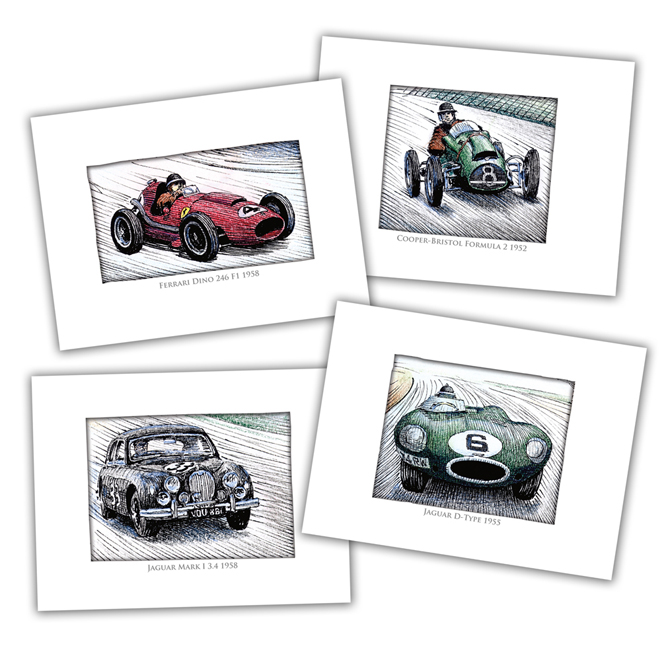
Mike Hawtorns racecars Card set, Paul Chenard

Set 5 Mike Hawthorn’s Race Cars

The Automobiliart GALPOT Seasonal Quiz will comprise 8 categories.

Overall winner chooses one set of Paul Chenard Greetings Cards from the five sets shown above.

The cards measure 15.24cm x 11.43cm, come in packs of 12 with 3 copies of 4 designs in each set, plus A6 envelopes.

Which set will you choose ?

The free to enter Automobiliart GALPOT Seasonal Quiz will run from December 26th – January 2nd Entries close January 8th 2012, Winner announced January 16th 2012.

Full details on December 26th at GALPOT.

Looking for Automotive Seasonal Gift Idea’s? Visit Automobiliart Now !

Share

Automobiliart – Paul Chenard

One of the amazing things about the internet is the way it brings people together regardless of physical or geographic location, a case in point cropped up last year when I was looking for a photograph of McLaren drivers Denny Hulme and Peter Revson for an ongoing documentary project and found exactly what I was looking for on the Automobiliart blog run by Paul Chenard.

Automobiliart, Paul Chenard

I e-mailed Paul and he kindly put me in touch with the owner of said photograph and thanks to our shared interest in motor racing and Gilles Villeneuve in particular Paul and I have remained in touch ever since.

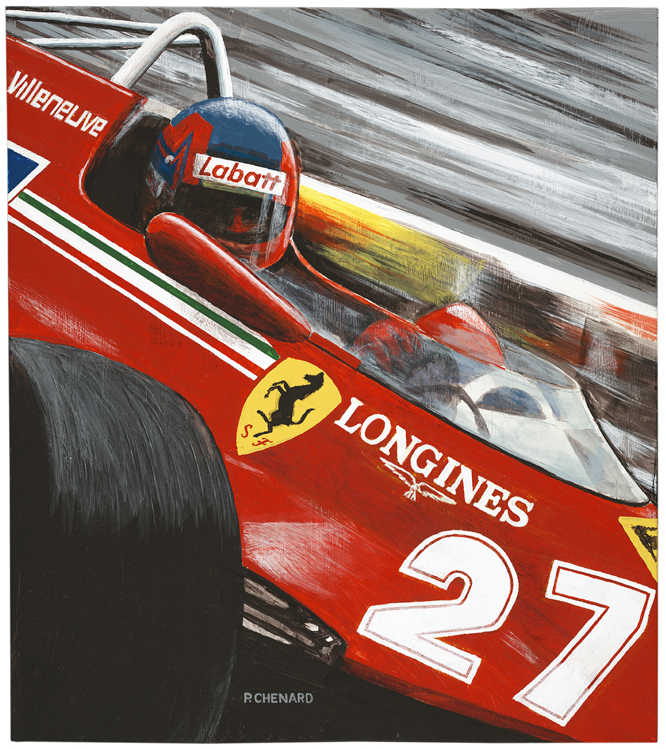
Gilles Villeneuve, Ferrari 126 CK, Monaco, 1981

Paul, who hails from Nova Scotia, trained as a graphic designer and in the 1980’s he engaged his passion for the history of Grand Prix and Sports/GT racing by collecting vintage toy racing cars, books and reference material on racing history.

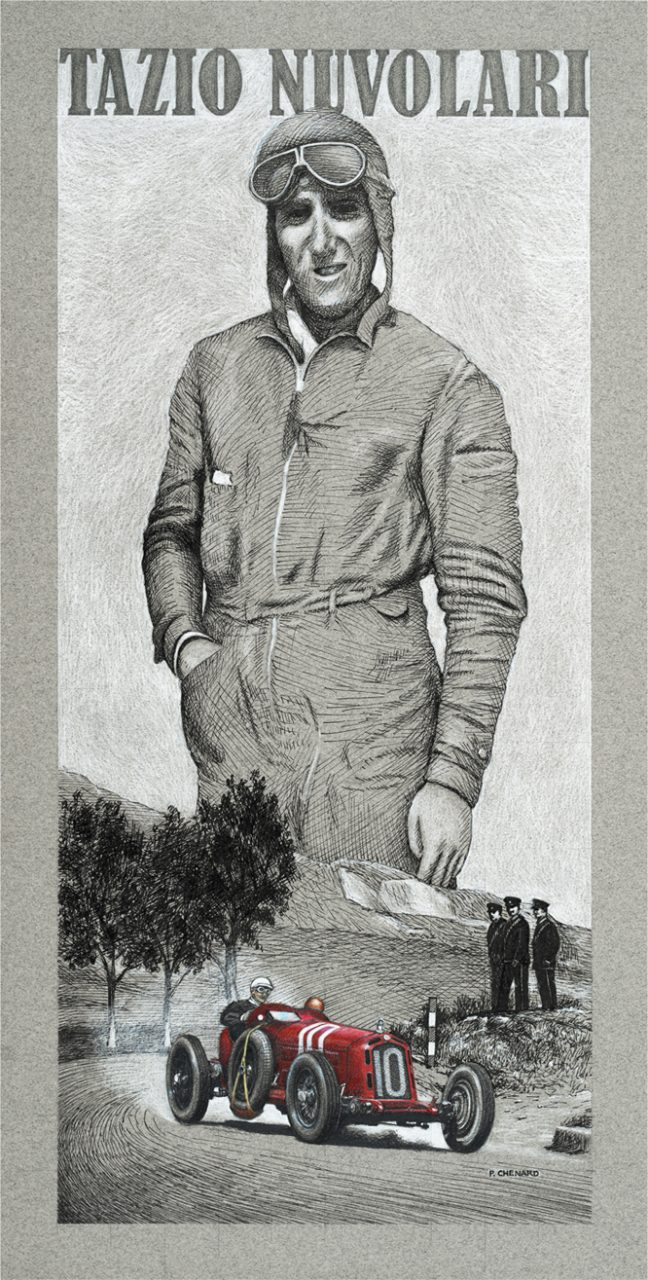
Tazio Nuvolari, Targa Florio, 1932, Paul Chenard

In 2007 Paul decided to combine his professional work with his interest in motor racing and set up Automobiliart.com to market his works which are made using a variety of media.

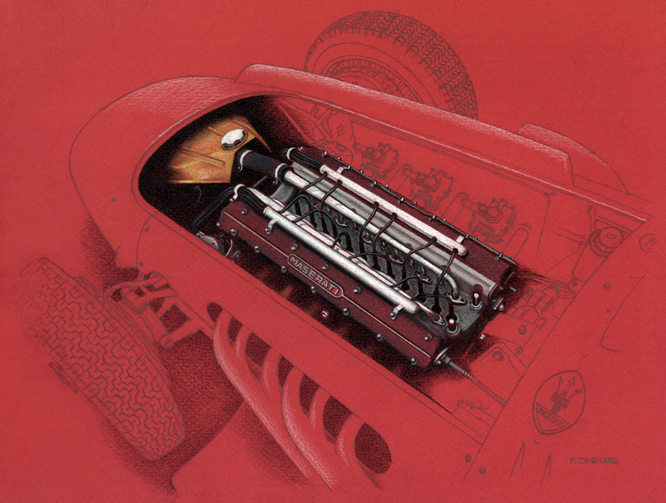
Maserati 250 F, Paul Chenard

Unusually, and this is why I like Paul’s work, he captures the “feeling” I get when spectating at races and looking at racing cars so well I can almost smell them.

Paul Chenard, Goodwood Revival

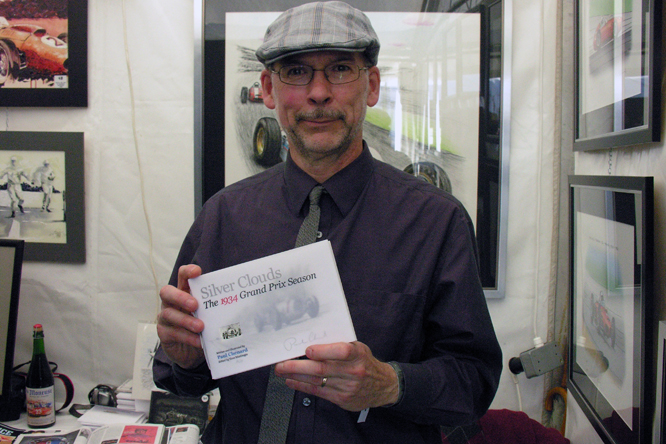
In September I had the opportunity to meet Paul at Goodwood, above he can be seen promoting his entertaining “Silver Clouds: 1934 Grand Prix Season” limited edition 40 page hand assembled book, designed written & illustrated by Paul, a book Mercedes Benz thought so good they ordered two, of the only 50 copies to be printed, for their museum.

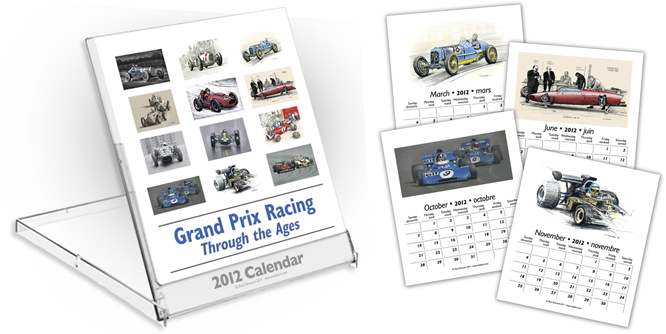
Paul Chenard, Calender

You can find a fine selection of more of Pauls work, which make excellent seasonal gifts, on this link to the Automobiliart.com website.

Sports-GT cars set, Paul Chenard

Last week I mentioned to Paul that I was compiling questions for a seasonal quiz and he has kindly agreed to donate one of these sets of blank greetings cards to the winner of the Automobiliart GALPOT Seasonal Quiz which will be running from December 26th to January 2nd.

Phil Hill, Sharknose Ferrari Set, Paul Chenard

The cards, which measure 15.24cm x 11.43cm, come in packs of 12 with 3 copies of 4 designs in each set, plus A6 envelopes.

1934 GP Season Card set, Paul Chenard

The winner of the Automobiliart GALPOT Seasonal Quiz will get to choose one set of cards from either the SportsGT, Phil Hill Ferrari 156 F1 “Sharknose”, 1934 Grand Prix Season

1950s Grand Prix Engines

Grand Prix Engines of the 1950’s or

Mike Hawtorns racecars Card set, Paul Chenard

Mike Hawthorn’s Race Cars sets.

Full details of the Automobiliart GALPOT Seasonal Quiz will be announced with the first questions on December 26th.

Thanks for joining me on this Automobiliart edition of “Getting’ a li’l psycho on tyres” I hope you will join me again tomorrow. Don’t forget to come back now !
Share

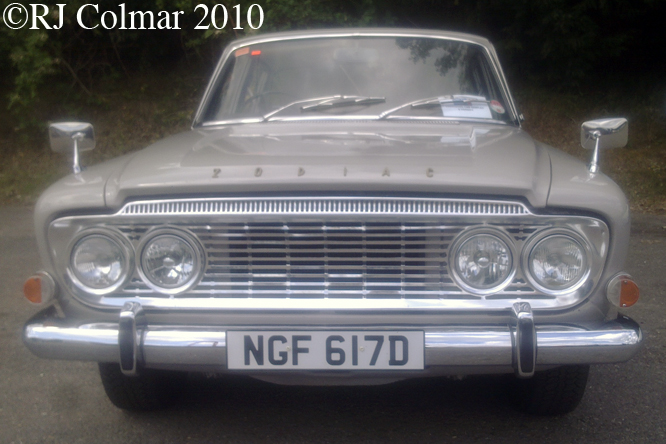
Z Cars Edsels English Cousins – Ford Zephyr & Zodiac Mk3

After the humungous sales & marketing flop that was the Ford Edsel debacle Canadian Roy Brown moved on to designing smaller projects in the Ford empire namely the Ford Cortina along with the Zephyr and Zodiac Mk3’s featured today.

Ford Zephyr 6, Mk3, Goodwood Revival

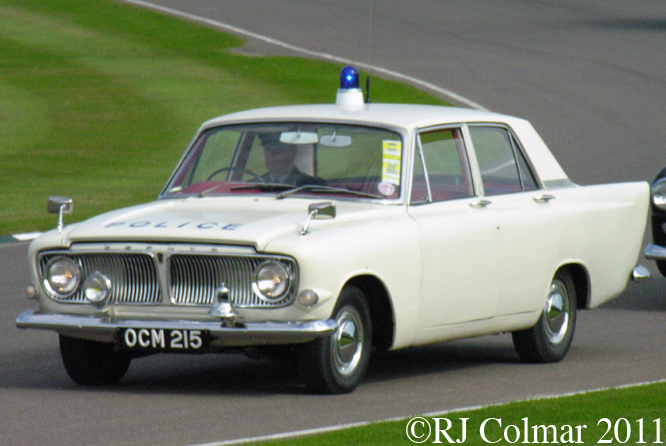
The Consul name was dropped from the Zephyr and Zodiac range and moved to the smaller Cortina range in 1962 while the entry level Zephyr became the 4 cylinder powered Zephyr 4. Seen above at the Goodwood Revival is a 1963 6 cylinder Zephyr 6, a model that became indelibly implanted in my mind thanks to the kitchen sink Police drama known as ‘Z -Cars‘, please do not even think of pronouncing it “Zee”, one of the earliest adult orientated show’s I remember seeing on our very first black and white television in 1966.

Zodiac, Castle Combe

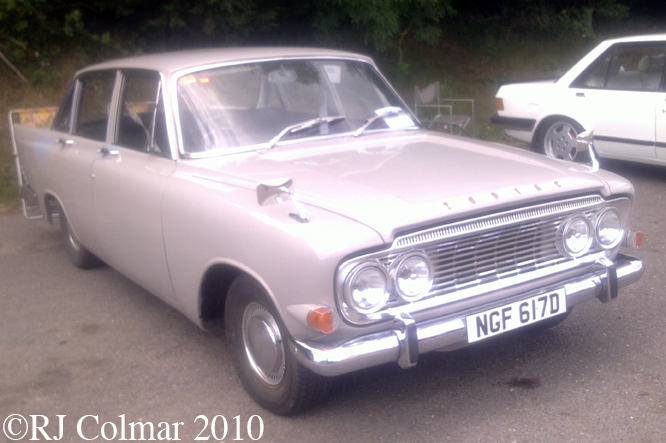
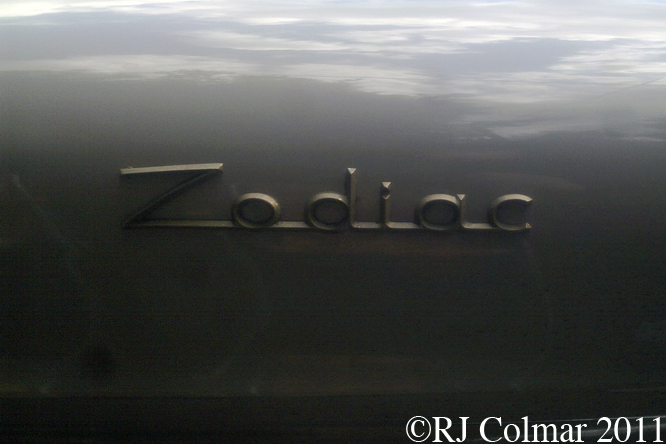
The Zodiac, as seen here at Castle Combe Classic and Sports Car Action Day, was the top of the range Mk3 ‘Z’ range featuring twined head lights to leave no doubt in the minds of purchasers that this car was the one with all the goodies.

Zodiac, Castle Combe

Both the Zephyr 6 and the Zodiac were built with straight 6 2,553 cc / 156 cui motors inherited from the Zephyr and Zodiac Mk 2 models.

Ford Zodiac, Mk3, Castle Combe

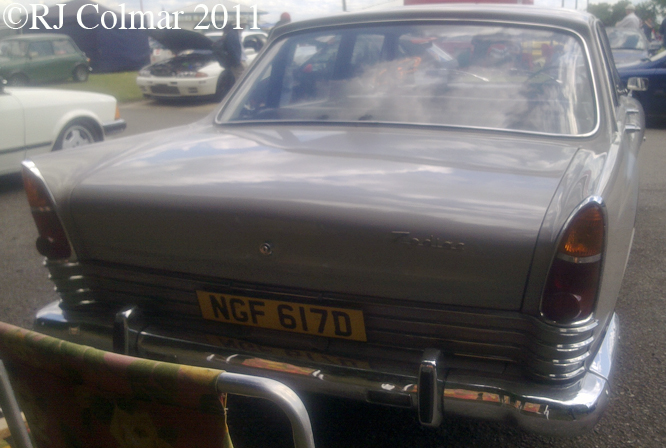
The Zodiac Mk3 can also be externally differentiated from the Zephyr Mk3 by the rear quarter light which has been moved from the rear door of the cheaper Zephyr 6 to the C-post of the more expensive Zodiac.

Ford Zodiac, Mk3, Castle Combe

From the rear both the Zephyr and Zodiac Mk3 models clearly owe, even if understated, lines of DNA heritage to the Ghia built Lincoln Futura of 1955.

Thanks for joining me on this Z Car edition of ‘Gettin’ a li’l psycho on tyres’. I hope you will join me again tomorrow. Don’t forget to come back now !
Share

Cherry & Jones – Vauxhall XVR

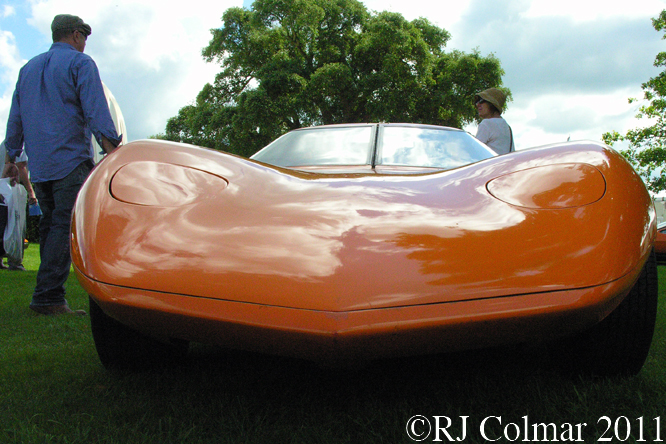
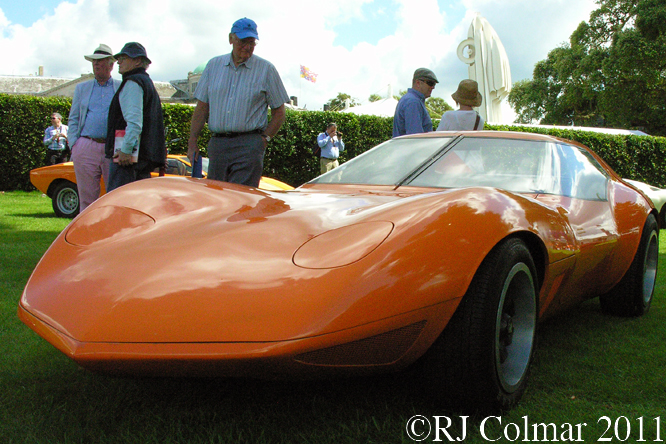
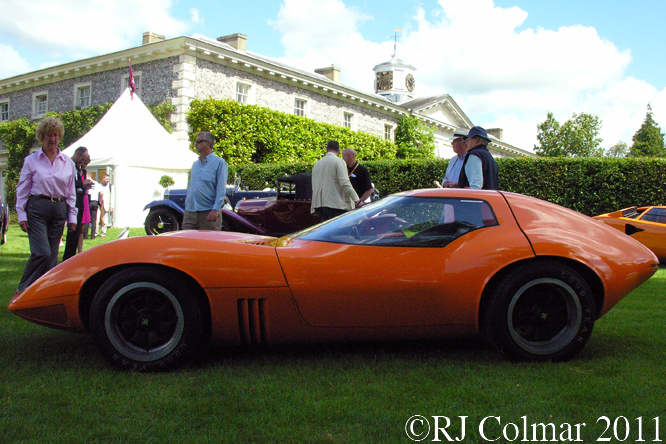
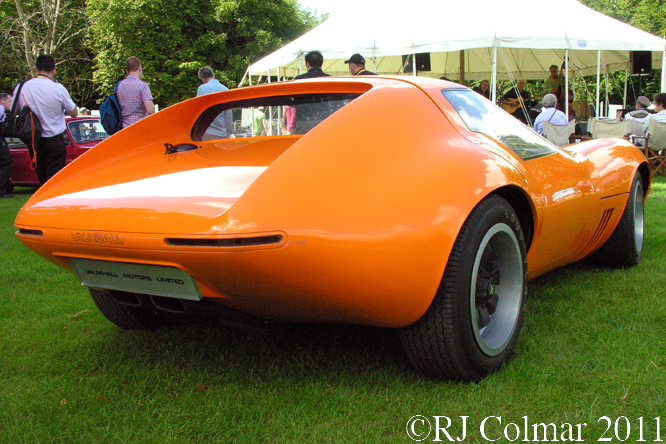
The Vauxhall XVR, seen here at Goodwood Festival of Speed, was the first Concept Car ever exhibited by Vauxhall Motors, it appeared in public at the Geneva motor show in 1966.

Vauxhall XVR, Goodwood FoS

Wayne Cherry who had been involved in the design of the Chevrolet Camaro / Pontiac Firebird and Oldsmobile Tornado was transferred from GM central in Detroit to GMs English manufacturer Vauxhall Motors in 1965 and with is credited with the Stingrayesque styling of the XVR alongside the Director of Styling David Jones.

Vauxhall XVR, Goodwood FoS

3 XVR models were built powered by 71 hp twin carburetor 1594 cc / 97 cui 4 cylinder motors as used in the performance VX 4/90 variation on the Vauxhall 101.

Vauxhall XVR, Goodwood FoS

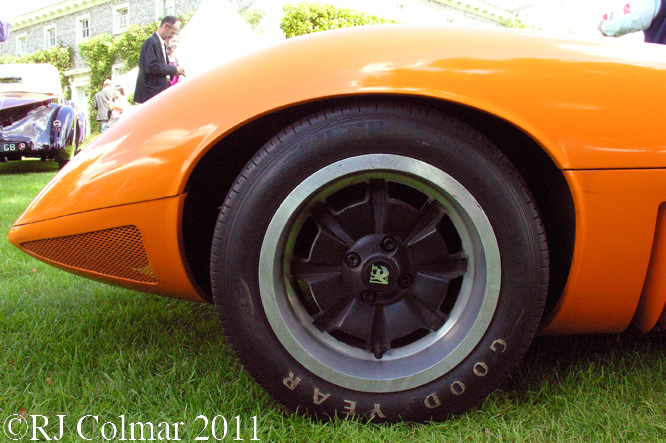
The XVR was built on a custom built chassis with independent suspension and disc brakes all round.

Vauxhall XVR, Goodwood FoS

Gull wing doors were part of the futuristic XVR package, even though they had already been seen on the production Mercedes 300 SL dating back to 1954, though unlike the Mercedes the doors on the XVR also form the unusual for the period split windscreen.

Vauxhall XVR, Goodwood FoS

It is not known why Vauxhall halted production of the XVR concept which is known to have been put through trials at Vauxhall’s Research and Test center after it’s public debut in Geneva.

Vauxhall XVR, Goodwood FoS

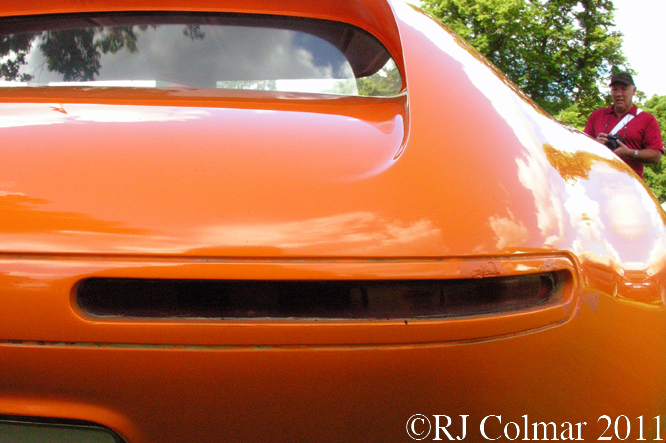
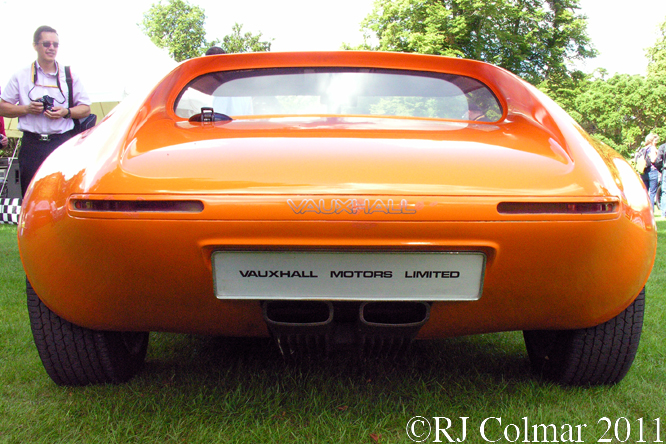
Elements of the concept are said to have found their way into the design of the Vauxhall Firenza including the styling of the dashboard and tail lights.

Vauxhall XVR, Goodwood, FoS

Although as we shall see next week the German chapter of GM, Opel, would build a car that took it’s styling from it’s own Opel Experimental GT concept dating from 1965 it would take another 34 years before the Vauxhall brand name would appear on a two seat sports car namely the Vauxhall VX220.

Thanks for joining me on this XVR edition of ‘Gettin’ a li’l psycho on tyres’, I hope you will join me again tomorrow. Don’t forget to come back now !

Share

Phil Hill Tribute – Peterson Museum

It’s a great pleasure to blog about the recent tribute to Phil Hill, celebrating the 50th anniversary of his World Championship win, at the Peterson Automotive Museum thanks to GALPOT’s roving correspondent Geoffrey Horton.

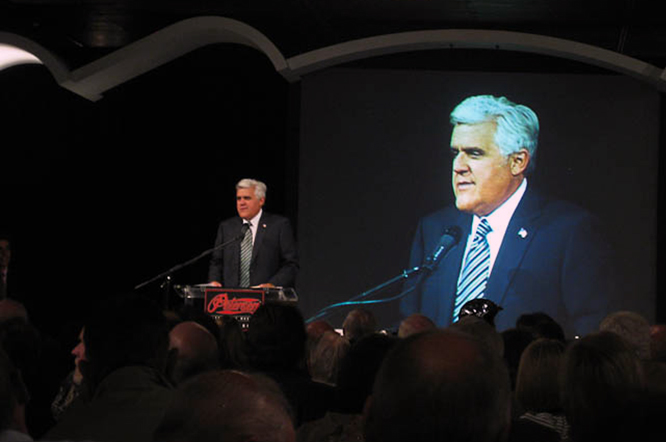
Jay Leno, Phil Hill Tribute, PAM

Ueber car enthusiast Jay Leno was amongst the guests to lend humour to the occasion.

Pierce Arrow, PAM

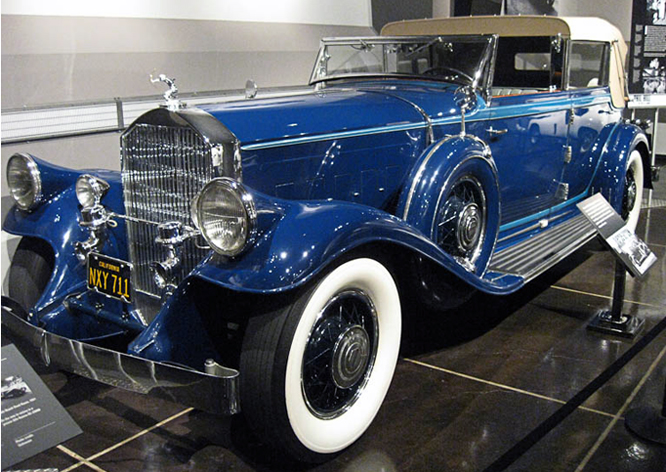
Amongst the exhibits was this 1931 Pierce Arrow convertible sedan by Lebaron that was ordered new by Phil’s Aunt and in which Phil leaned to drive. He also used the car to attend USC and in 1955 he restored the car with his brother Jerry and promptly unexpectedly won the Best in Show award at Pebble Beach.

Peterson Automotive Museum

Some of Phil’s competitors from his early days at this event shared with the appreciative audience stories of Phil’s early exploits with an MG TC in Cal Club events which were not always entirely legal events held on circuits.

Ferrari 375MM Vignale, Peterson Automotive Museum

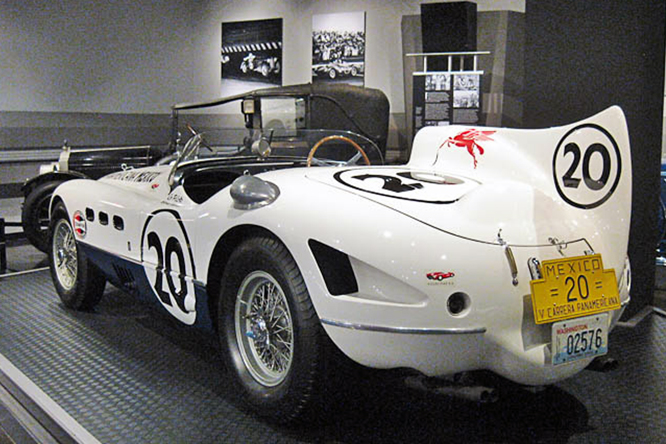
Of the delectable Ferrari’s present that Phil has driven was this unique 1953 375MM with Vignale bodywork and non stock tailfin that was added after the car was built in 1954. Phil drove this car to a second place finish in the 1954 Carrera Panamericana. It was also later driven by Carol Shelby.

Peterson Automotive Museum

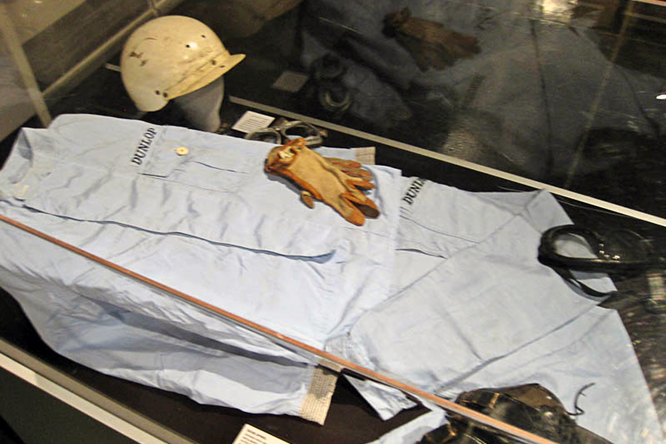
Nothing remains of the original Shark Nose Ferrari 156 which he used to win the 1961 World Drivers Championship, they were all destroyed on the instruction of Enzo Ferrari, but the helmet seen here was used by Phil in his Championship winning season.

Packard Model 30, Peterson Automotive Museum

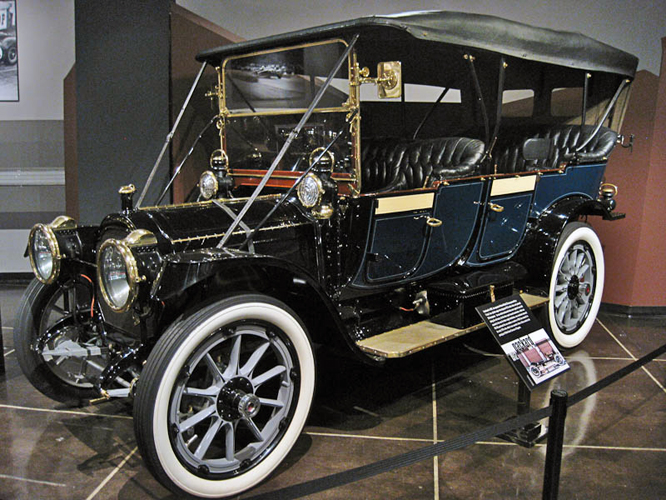
This 1912 Packard Model 30 with a gearbox mounted ahead of the rear axle and rear cable operated brakes only was purchased by Phil in 1966 and won it’s class at Pebble Beach Concours d’Elegance in the 1970’s

Peterson Automotive Museum

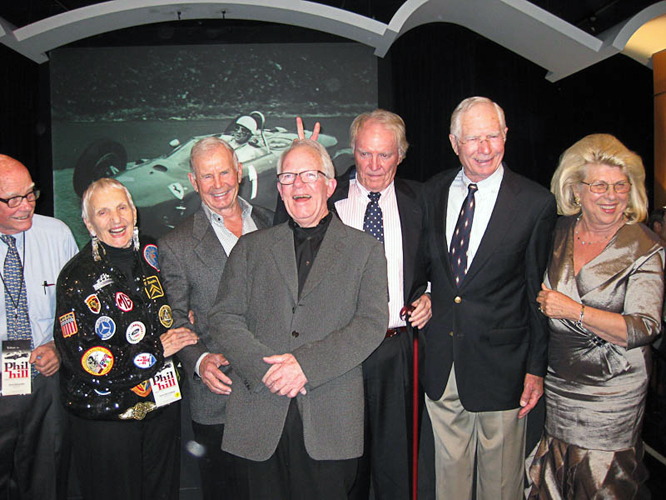
Guests who discussed the life and times of Phil were left to right, John Lamm, Editor at Large “Road and Track, Denise McLuggage racing driver and journalist, Parnelli Jones, Jesse Alexander photographer, Dan Gurney, Jim Hall and Phil’s wife Alma.

My thanks to Geoffrey Horton for sending me the photo’s and the details of the Phil Hill Tribute evening at Peterson Automotive Museum.

Thanks for joining me on this Phil Hill edition of ‘Gettin’ a li’l psycho on tyres’ I hope you will join me again tomorrow. Don’t forget to come back now !

Share

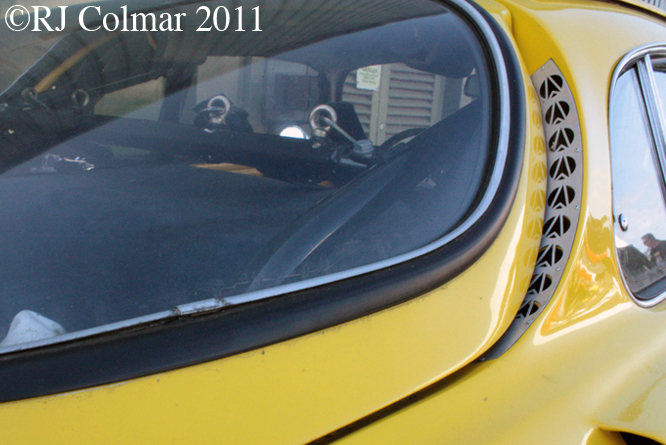
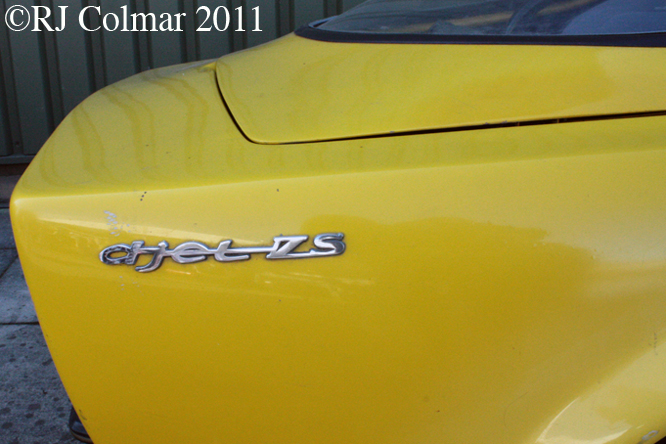
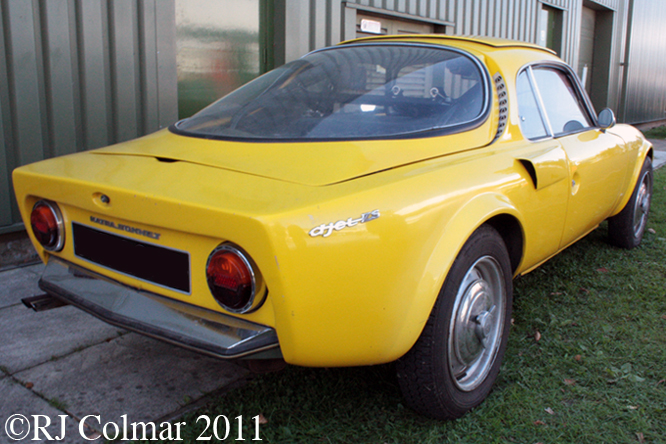
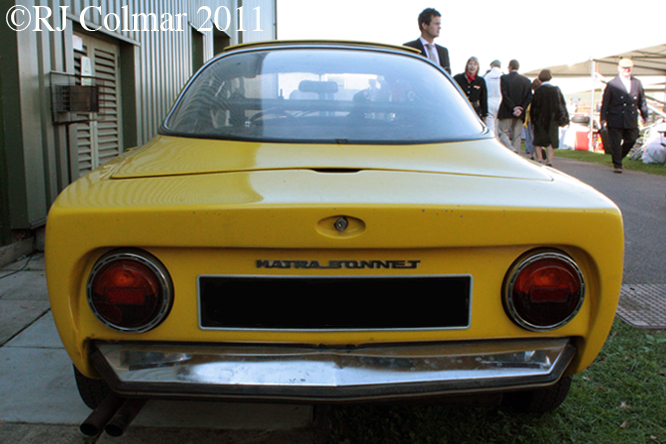
French Revolutionary – Matra Bonnet Djet VS

After building over 1000 vehicles including the successful DB Panhard HBR Charles Deutsch and René Bonnet parted company over a disagreement about the supplier of engines for future models.

Matra Bonnet Djet VS, Goodwood Revival

René was keen to switch to Renault motors while Charles wanted to stick with Panhards with which they had found much success.

Matra Bonnet Djet VS, Goodwood Revival

In 1962 Automobiles René Bonnet launched the Djet, with the D allegedly added to help french owners pronounce the name correctly. Fiberglass bodies for the Djet were manufactured by Matra, a company at the time more commonly associated with missile production, which were then glued to a steel chassis.

Matra Bonnet Djet VS, Goodwood Revival

The car is revolutionary because this is was the first sports car to go into mass production with a engine mounted behind the driver and ahead of the rear wheels the so called mid rear position.

Matra Bonnet Djet VS, Goodwood Revival

The VS, yes that is a ‘V’ as in roman numeral and not a ‘Z’, denotes that this car is powered by a 90 hp Gordini spec 1108 cc / 67.6 cui 5 bearing 4 cylinder Renault ‘Cléon’ motor which gave the model a top speed of 118 mph.

Matra Bonnet Djet VS, Goodwood Revival

The model was launched as the René Bonnet Djet in 1962 of which less than 200 were built by 1964 when as a consequence of focusing on racing activities Bonnet got into financial difficulties and was subsequently bought out by Matra.

Matra Bonnet Djet VS, Goodwood Revival

Matra launched improved versions of the Djet in 1965, like the 1966 example seen here and sold them successively under the Matra Bonnet Djet, Matra Sports Djet and Matra Sports Jet up until 1967 when production ceased with over 1,490 further vehicles completed.

Thanks for joining me on the revolutionary mid engined edition of ‘Gettin a li’l psycho on tyres’ I hope you will join me again tomorrow. Don’t forget to come back now !

Share

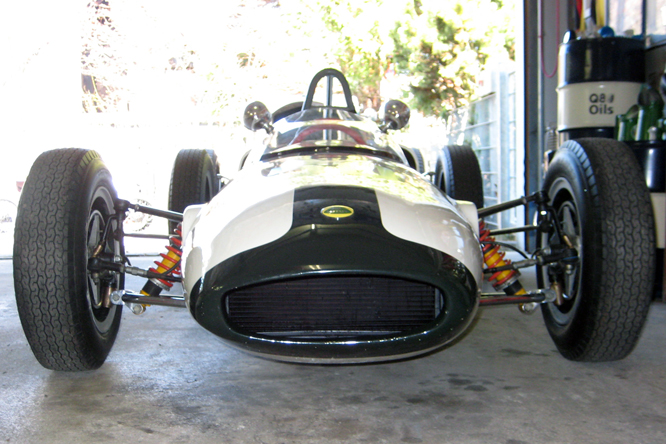
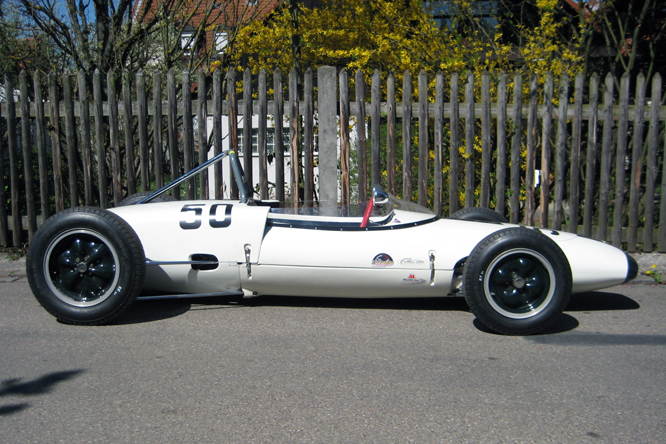
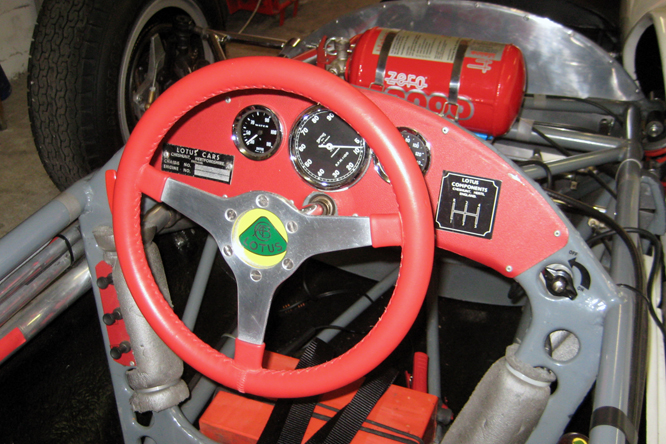
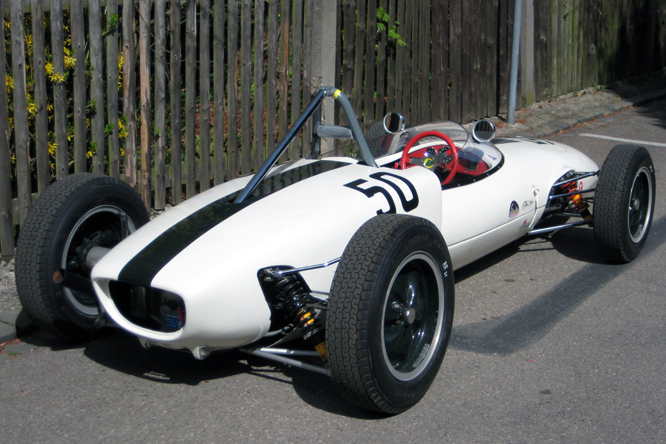
Thread Breakers – Lotus 20 # 20-J-892

In 1958 at the suggestion of engineer, journalist and former racing driver Count Giovanni “Johnny” Lurani Formula Junior was adopted as an entry level form of open wheel racing that mandated the use of engines, gearboxes and brakes from everyday production road cars.

Lotus Ford 20

There were two classes up to 1000cc / 61 cui vehicles were allowed to run with a minimum weight of 360 kgs / 792 lbs and up 1100cc / 67 cui were allowed to run with a minimum weight of 400 kgs / 880lbs. The larger engine class was the most popular and initially a large variety of motors were used including FIAT, BMC, Moskvitch with 4 stroke 4 cylinder engines while SAAB and DKW 2 stroke 3 cylinder engines were also popular.

Lotus Ford 20

The series initially featured front engine vehicles but followed the trend set in Formula One and went the rear engined route at the turn of the decade. Lotus built a successful variation of the Lotus 18 Formula One car for formula Junior in 1960 and followed that up with Lotus 20 model that is featured today.

Lotus Ford 20

This particular Lotus 20, # 20-J-892, belongs to long time Lotus enthusiast Ralf Pickel, who fell in love with Lotus cars thanks in part to Matchbox, from Schwabach in Southern Germany.

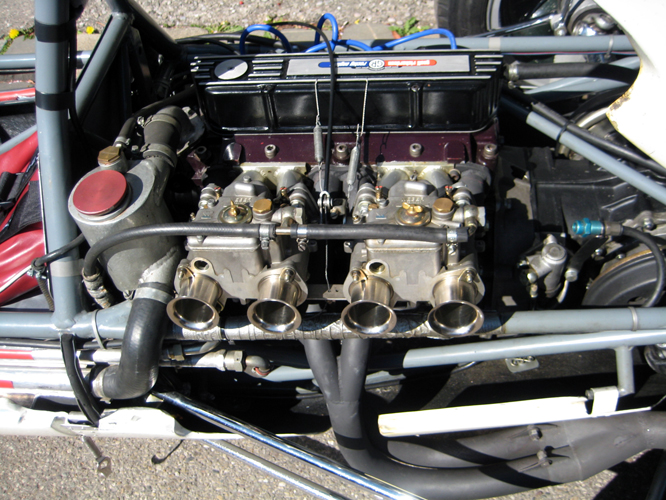
# 20-J-892 was supplied new to Honda Racing Team manager and ex motorcycle racer Reg Armstrong fitted with a Cosworth tuned Ford engine number # 61425. Reg is thought to have driven the car at several events in Ireland.

Lotus Ford 20

After being sold on, first to Edmund Gill then to Bill Popplewell, who shared the driving with Frank Keane in Ireland, the car was fitted with a larger engine in 1965 by Brian Cullen for entry into Formula Libre events.

At Phoenix Park a drive shaft, which also acts as a critical suspension component, snapped causing an accident while Brian was at the wheel, that damaged the left hand side of the chassis.

Lotus Ford 20

Gordon Percy bought the damaged 20-J-892 with the intention of using it to build a grass track racer but over a period of 20 years he never quite got round to it and in 2000 the car left Ireland and ended up being restored by Michael Hibberd who replaced the damaged chassis members. After a couple of further documented changes of ownership Ralf bought the car from Richard Smeeton, who had a fresh £12,000 Richardson built Ford Formula Junior engine installed, earlier this year.

Lotus Ford 20

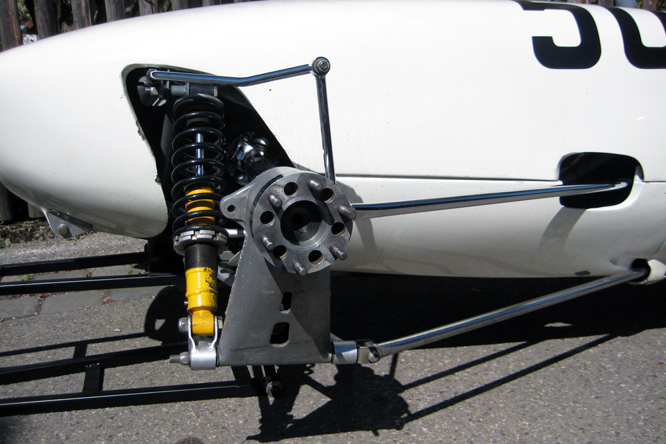
Ever since he bought the car Ralf has been wondering why the mirrors are mounted so high and close together on the screen, the probable answer has recently come to light that in the absence of timing beams on hill climbs a thread was stretched across the finish line of these events that mechanically stopped the timing clock when it was broken as cars crossed the finish line.

One one occasion when Reg Armstrong was driving today’s featured Lotus 20, which was considerably lower than all of the other vehicles in a contest, the thread was broken not by the car but Reg’s chin, reportedly causing copious blood shed.

Subsequently it is thought the mirrors were placed high on the screen to prevent further injury. A similar bloody fate befell the slightly taller Edmund Gill when he drove 20-J-892 following year when again the height of the finish line thread took no account of how low the Lotus 20 was.

To date Ralf has only had the opportunity to do some testing and demonstration events with this neat racer, but has plans to drive the car in anger for the first time next year hopefully at Hockenheim in April and Salzburgring in May.

My thanks to Ralf for sharing the photo’s and information on his Lotus. Thanks to TNFers Alan Cox, David Mckinney, Simon Thomas, Bill P, Richard Hinton, David Beard, Tim Murray, Richard Young, Edward Fitzgerald and larryd who contributed to the Lotus 20 and Reg Armstrong threads on The Nostalgia Forum.

Thanks for joining me on this Formula Junior edition of ‘Gettin’ a li’l psycho on tyres’ I hope you will join me again tomorrow. Don’t forget to come back now !

Share