Tag Archives: McLaren

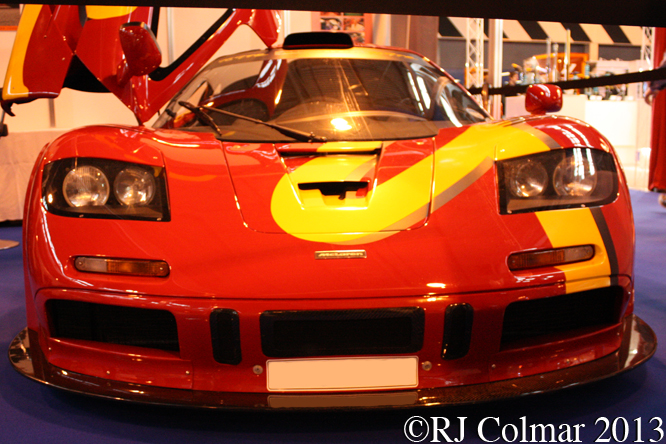
Testing The Beat – McLaren F1 GTR #10R

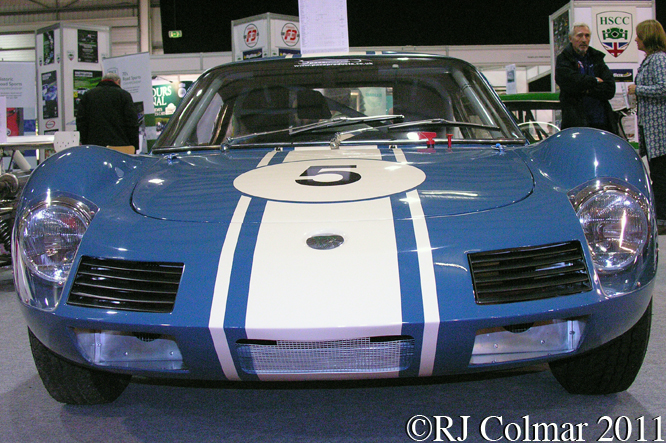
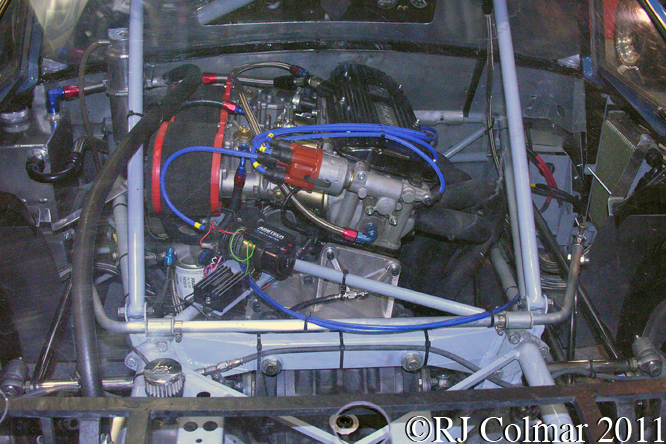
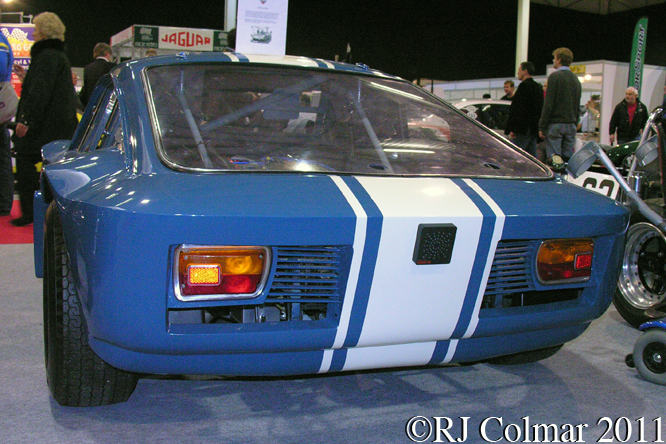
For several years before his untimely death Bruce McLaren toyed with the idea of building a road car once his racing operations had become firmly established. In 1970 he had a Can Am McLaren M6 fitted with a GT body that both he and Gordon Coppock had worked on to perfect. After Bruces death the directors of McLaren decided to shelve the road car project although to further copies of the M6GT were built by Trojan who were responsible for building McLaren’s customer racing cars.

Twenty years later McLaren designer Gordon Murray convinced Ron Dennis to back his concept for the ultimate road car which Peter Stevens was engaged to complete the exterior styling. The McLaren F1 road car was launched in 1992 and in 1998 it set road car speed records of 231 mph with the rev limiter switched on and 243 with the limiter switched off.

At around the same time as the launch of the F1 a movement for racing GT cars was gathering pace and for the 1995 Season McLaren built 9 F1 GTR variants the first of which #01R, modified road car chassis #019 was loaned to Lanzante Motorsport who entered Yannick Dalmas, Masanori Sekiya and JJ Lehto into the 1995 Le Mans 24 hours under the Kokusai Kaihatsu Racing banner and improbably won as a result of superior reliability over the much faster Courage Porsche C34 prototype driven by “Brilliant” Bob Wolleck, Eric Hélary and Mario Andretti. The race winners covered just 298 laps the last time a Le Mans 24 hours had been won with less than 300 laps completed was 1952 to when Hermann Lang and Fritz Reiss drove their Mercedes Benz 300SL to victory with 277 laps completed.

McLaren F1 GTR, Autosport International, NEC, Birmingham

For the 1996 season Mclaren built a further batch of nine cars with extended front and rear bodywork which was easier to remove than on the original ’95 F1 GTR, magnesium gearbox housing with stronger internals which resulted in a lighter car. Two of the ’95 Spec F1 GTR’s were similarly upgraded.

Today’s featured vehicle is the first of the ’96 F1 GTR’s chassis #10R which was used as a test development vehicle to replace the Le Mans winning #01R which had immediately been retired from competition for publicity purposes.

David Brabham used the car for a test session at Le Mans in 1996 where he recorded the 20th fastest time, but the car has never been raced.

When pop drummer Nick Mason bought #10R he had McLaren convert the car for road use as were several F1 GTR’s once their competition careers were over.

Mark Hales tested the 600hp BMW V12 powered #10R for Evo magazine and recorded a 0-60mph time of 3.2 seconds and a top speed of 240.1 mph.

In 1997 a further development of the F1 GTR featuring an even longer body, 10 examples of which were built. An over view of the racing results of the F1 GTR from 1995 to 2007 can be seen on this link.

Thanks for joining me on this “Testing The Beat” edition of “Gettin’ a li’l psycho on tyres”, I hope you will join me again tomorrow. Don’t forget to come back now !

Share

The Kiwi Bear Corrections – McLaren Offy M15

Firstly a big thanks to racer Jerry Entin who kindly corrected a blog I posted a couple of years ago about Denis Hulme’s participation in the 1970 Indy 500 and has kindly sent some additional photo’s from the IMS Archive to complete the story.

McLaren Offy M15, Indy 500

Photo Courtesy Jerry Entin and IMS Archive 1970

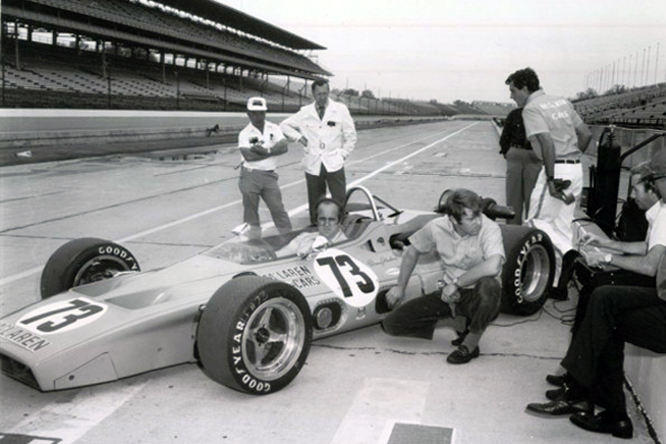
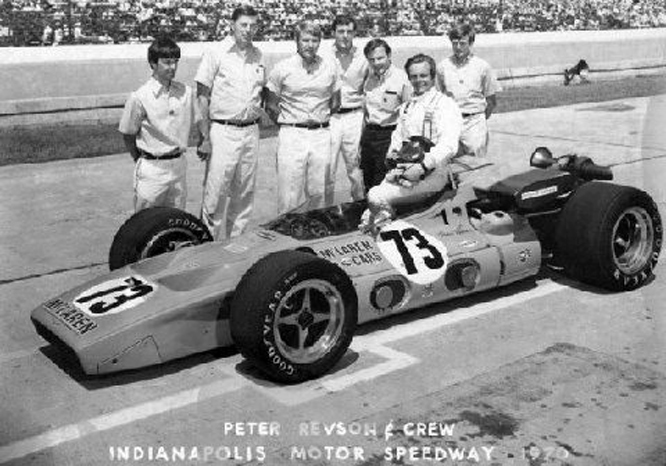
For 1970 Bruce McLaren had Gordon Coppock design the first McLaren Indy 500 challenger, above the #73 McLaren Offy M15 is seen in the Indy pit lane with Denny at the wheel, Tyler Alexander crouched beside him and Teddy Mayer with clip board on the pit wall. Jerry tells me the little guy in the back ground is Chickie Hirashima a well known crew chief and Offy engine builder.

McLaren Offy M15, Indy 500

Photo Courtesy Jerry Entin and IMS Archive 1970

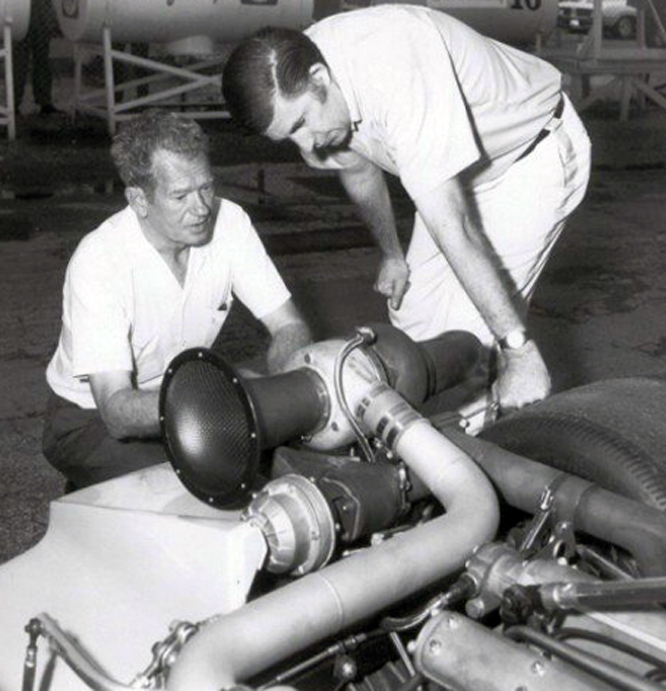
The turbocharged Offenhauser’s that McLaren used were prepared by George Bolthoff (R) with help from the legendary Herb “Herbie Horsepower” Porter (L) of Speedway Engines.

McLaren Offy M15, Indy 500

Photo Courtesy Steve Arnaudin Copyright Ed Arnaudin 1970

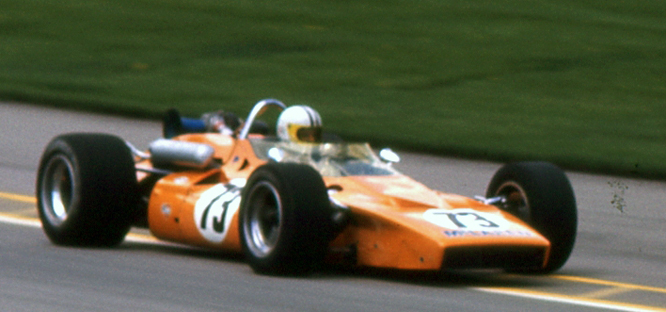
Ed Arnaudin’s photo above show’s New Zealander Denny taking part in practice,

McLaren Offy M15, Indy 500

Photo Courtesy Jerry Entin and IMS Archive 1970

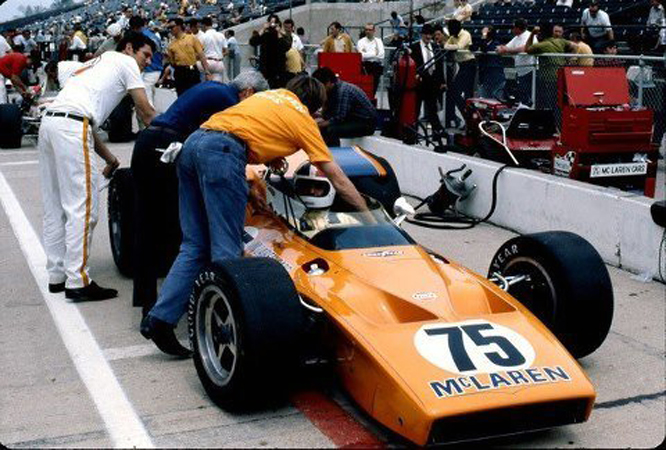
his team mate in the #75 McLaren Offy M15 was to have been fellow New Zealander Chris Amon with whom team owner Bruce McLaren had won the 1966 Le Mans 24 Hours driving a Ford GT40.

McLaren Offy M15, Indy 500

Photo Courtesy Jerry Entin and IMS Archive 1970

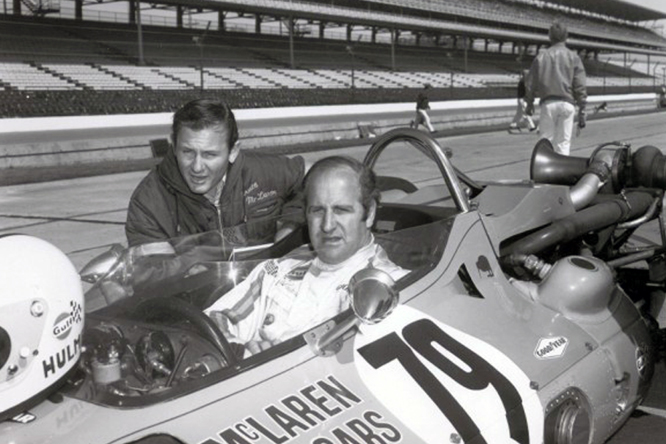
Team owner Bruce McLaren, seen above squatting next to Denny, had tested the #79 M15 making a big impression driving in convoy with his #73 and #75 entries on the opening day of practice for the 1970 Indy 500 and Denny was to shake down the #79 back up car to cover all eventualities.

McLaren Offy M15, Indy 500

Photo Courtesy Jerry Entin and IMS Archive 1970

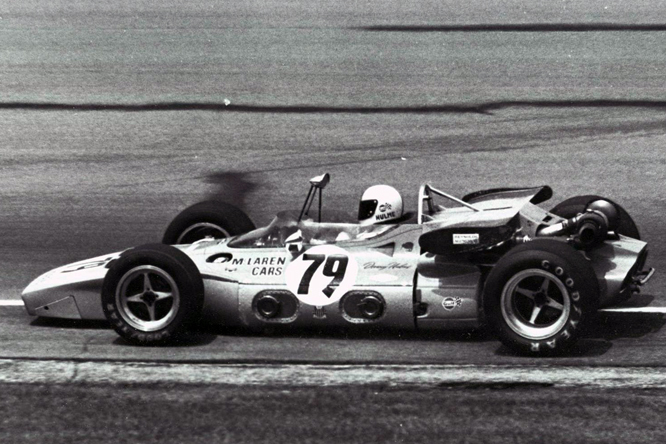
However the #79 developed a methanol fuel leak,

McLaren Offy M15, Indy 500

Photo Courtesy Jerry Entin and IMS Archive 1970

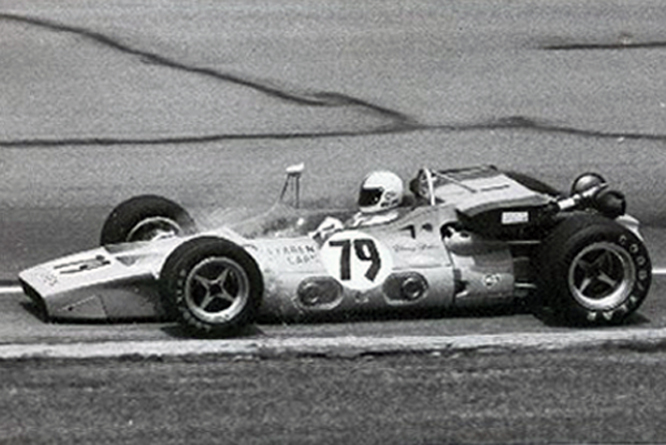
which caught fire, the only evidence of the fire in the photo above is the clearly visible heat haze above the far front wheel as Denny prepares to jump and roll away from his car which was still traveling at 70 mph.

McLaren Offy M15, Indy 500

Photo Courtesy Jerry Entin and IMS Archive 1970

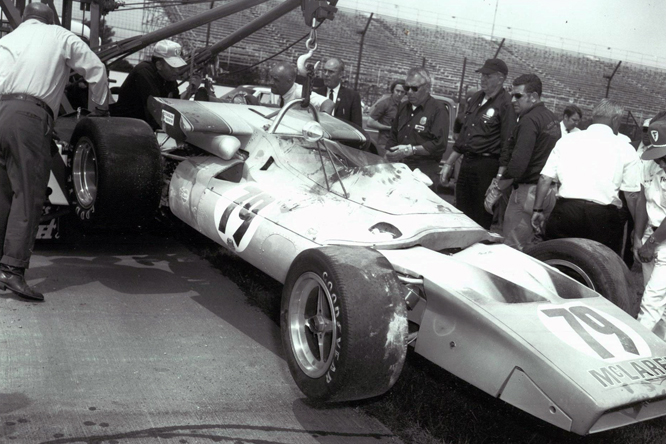
Denny received severe burns to his hands which forced him to miss the Indy 500 and the next two Grand Prix however within a month he was back behind of the wheel of his McLaren Chevrolet M8D Can Am car winning the series with six race victories, a string of three third place finishes also helped Denny secure 4th place in the world drivers championship all while his hands were still healing.

McLaren Offy M15, Indy 500

Photo Courtesy Jerry Entin and IMS Archive 1970

Teddy Mayer engaged Peter Revson to replace Denny in the #73 for the Indy 500, Peter qualified 16th but retired and was classified 22nd.

McLaren Offy M15, Donington Park Museum

On seeing the extent of his countryman Denny’s injuries Chris Amon was not impressed with the Indy safety facilities and withdrew from the race.

McLaren Offy M15, Donington Park Museum

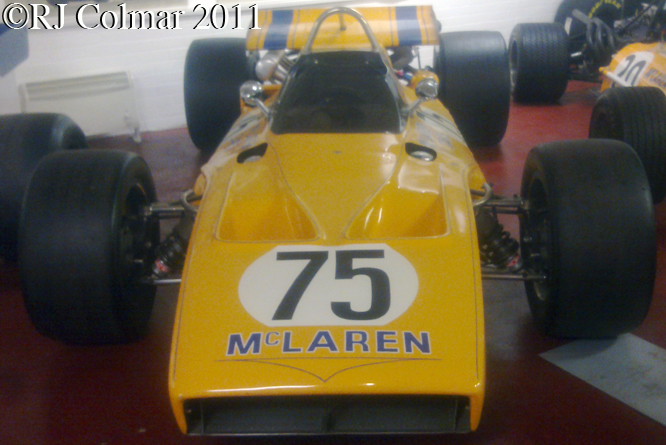
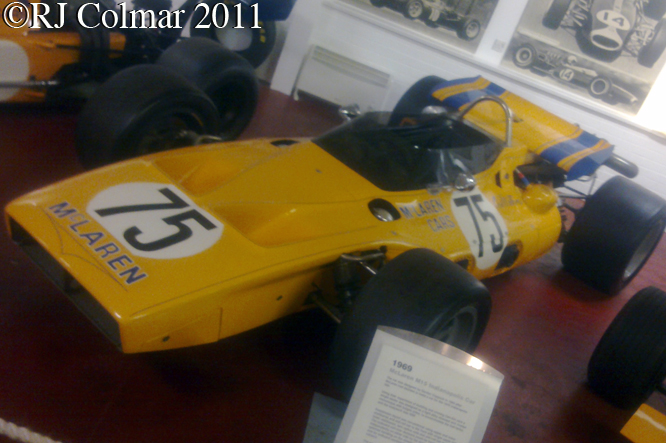
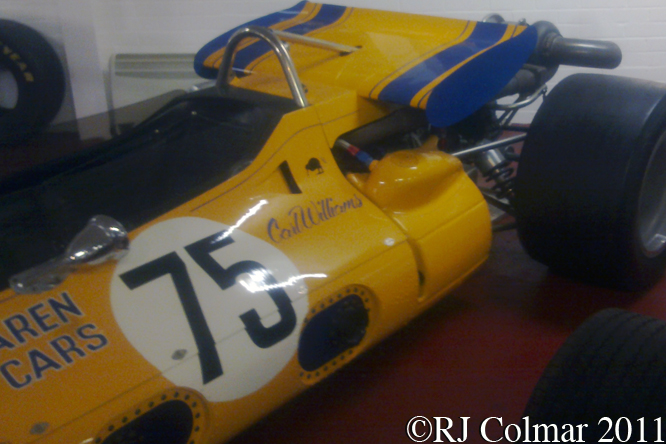
Chris’s place in the #75 was taken by Carl Williams who qualified 19th and brought the car home 8th to record McLaren’s first finish in the Indy 500. The teams next design the M16 would become the class of the field in early 1970’s taking wins with Mark Donohue driving in 1972 and Johnny Rutherford in 1974 and 1976.

McLaren Offy M15, Donington Park Museum

However team owner Bruce McLaren would not see any of these success he was killed a couple of days after the 1970 Indy 500 testing a McLaren Chevrolet M8D Can Am car at Goodwood. Team manager Teddy Mayer took over the running of the Bruce’s legacy which is now the second oldest team in Grand Prix racing behind Ferrari.

My thanks to Jerry Entin, IMS Archive, Ed and Steve Arnaudin who made today’s blog possible and apologies for any confusion caused by getting the car Denny was driving when he got injured wrong in the original post.

Thanks for joining me on this “The Kiwi Bear Corrections” edition of “Gettin’ a li’l psycho on tyres” I hope you will join me again tomorrow. Don’t forget to come back now !

Share

Pete Aron’s Yamura – McLaren Ford M2B

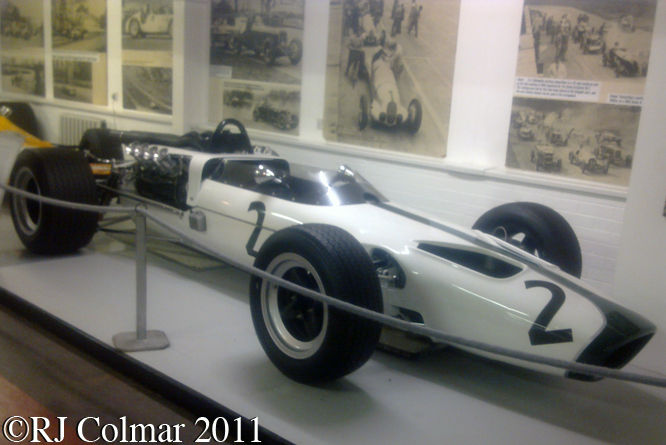
With the decline in fortunes of the Cooper Car Companies Grand Prix program, for which he had been driving since his arrival in Formula One in 1958, Bruce McLaren decided that with the success of his McLaren M1 sports cars he could follow his former mentor Jack Brabham, who left Cooper to build his own Formula One cars in 1962, and start his own Grand Prix team in time for the new 3 litre / 183 cui regulations which came into effect in 1966.

Through 1965 McLaren built and extensively tested the M2A which was designed by Robin Herd and fitted with a 4.5 litre / 274.5 Oldsmobile V8 from the McLaren M1 program.

McLaren Ford M2B, Donington Park Museum

The monococoque of the McLaren M2A made extensive use of compressed balsa wood sandwiched between thin sheets of aluminium called Malite which made the monocoque much stiffer than a conventional monocoque as had been successfully used in the Lotus 25 and it’s successor the Lotus 33.

However Malite proved to be difficult to work with and repair and so for the McLaren M2B the use of Malite was restricted to the inner skins and upper surfaces of the monocoque which still offered significant advantages to the stiffness of the structure.

McLaren Ford M2B, Donington Park Museum

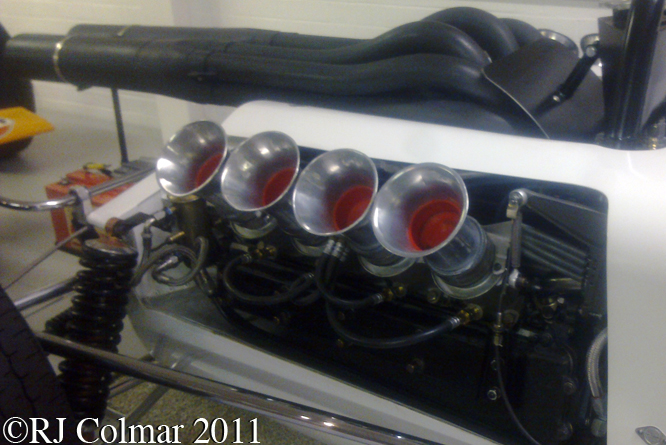
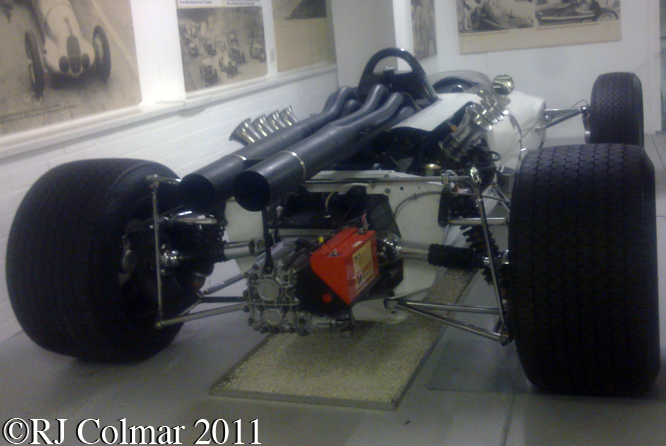
Originally the M2B was powered by a V8 motor derived from Ford’s Indy programme, but this proved way to heavy allegedly when connected to the gearbox the whole power train weighed as much as some rivals entire cars, while later on a much lighter and less powerful Serenissima motor was also tried.

The two engines are easily distinguished the Indy derived Ford has exhausts between the Vee formed by the eight cylinders as seen here and the Serenissima had more conventional side exhausts.

McLaren Ford M2B, Donington Park Museum

Bruce McLaren made 4 starts in the M2B, after retiring at Monaco he realised the Ford based motor needed less weight and more power so he secured the use of the Serenissima’s as an interim measure. At the British Grand Prix Bruce scored his first World Championship point in a car bearing his own name. By the US Grand Prix improved Ford based motors were back from Traco and Bruce came in 5th, before retiring at the Mexican Grand Prix which closed the season.

Although the season was a failure the team learned from their mistakes and made do with BRM 2 litre / 122 cui V8 motors for 1967 before becoming one of the three teams using the Ford Cosworth DFV, alongside Lotus and Tyrrell in 1968.

The white and green colour scheme of the M2B is said to have been mandated by a deal between Bruce and the producers of the John Frankenheimer’s film “Grand Prix” which required the McLaren M2B to look like the fictional Japanese “Yamura” which James Garners character Pete Aron drove to a championship win in the film.

Thanks for joining me me on this Malite Monocoque edition of “Gettin a li’l psycho on tyres”, I hope you will join me again tomorrow. Don’t forget to come back now !

Share

Racing Transformer – McLaren Elva Mark I #M1A-20-15

In 1952 aged just 14 years old Bruce McLaren entered his first competition driving event a hillclimb in New Zealand with an Austin A7 Ulster which hois Dad Les had restored. by 1957 he was driving a Cooper Climax which he also modified sufficiently to become runnner up in the 1957 and 1958 New Zealand Formula 2 series.

By the end of 1958 Bruce made his Grand Prix debut in the German Grand Prix driving a works Formula 2 Cooper Climax where he finished fifth but was not awarded any World Championship points which were only awarded to drivers of Formula One cars. Bruce stayed with Cooper for seven years becoming the then youngest Grand Prix winner aged just 22 in the 1959 US Grand Prix at which his team mate Jack Brabham won his clinched his World Championship.

In 1963 Bruce founded Bruce McLaren Motor Racing Ltd and his first car was the Zerex Special a car that had been transformed from a 1.5 litre / 91.5 cui Cooper Climax single seater Formula one car to a two seater sports car powered by an Oldsmobile V8 featuring a tube frame of Bruces own devising, the rechassisied car painted garden gate green was distinguished by eight stub exhausts angled to the rear, won first time out at Mosport in Canada in 1964 and again at Brands Hatch the same year. This car was last seen in Venezuela at the end of the 20th Century.

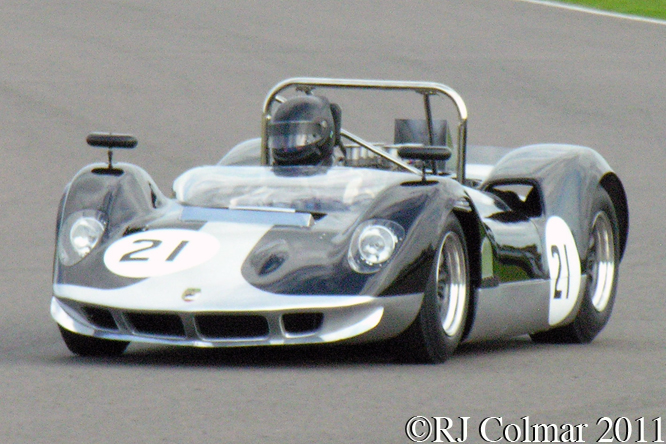
For 1964 Bruce built 3 Oldsmobible powered M1A sports racing cars which were the first first to bear his name, of which the first Bruce raced, the second was used for testing and the third was a show car. Bruce entered into an agreement with Trojan who were also owners of Elva Cars to build a production run of customer M1A’s under license for the 1965 season.

McLaren Elva Mark I, Goodwood Revival

Today’s featured car is one of the 24 M1A’s built under license and was marketed in the USA as the McLaren Elva Mark 1 which could be fitted with Chevrolet, Ford or Oldsmobile V8’s. This particular chassis #M1A-20-15 was originally supplied to Joe Starkey who is recorded as having won seven events in McLaren Elva Mark 1 chassis in 1965 and 1966, although at the time of writing these achievements have not been specifically ascribed to the chassis featured today. If you believe this car is the one Joe won those races in, as seen winning at Green Valley in 1966 in this linked photo by Jerry Melton please do not hesitate to chime in below.

In 1968 having failed to attract much interest in it’s 3 litre / 183 cui Formula A open wheel series the SCCA opened up it’s premier category to 5 litre / 302 cui stock block motors which over the ensuing 6 years proved extremely popular in the US, UK South Africa and particularly Australia where the F5000 series, as Formula A was known outside the USA, remained a premier category until 1982.

For the new 5 litre / 302 cui regulations Joe Starkey had his M1A transformed into an offset single seater open wheel car running a 500 cc / 30 cui undersized Oldsmobile motor. Starkey’s McLaren in open wheel form can be seen in this grainy linked photo. Joe was not alone converting a McLaren 2 seater into an open wheeler for Formula A.

Since the featured photograph of the car restored to it’s original closed wheel form was taken, with current owner John Bladon driving at Goodwood, the large chrome safety cage has been replaced with a black one of more modest proportions in time for a winter trip to Australia.

I’ll be celebrating McLaren’s first 50 years by featuring 3 more McLarens on Sunday’s for the rest of April.

My thanks to owner John Bladon, David McKinney and RA Historian from The Nostalgia Forum for their help identifying today’s featured car.

Thanks for joining me on this “Racing Transformer” edition of “Gettin’ a li’l psycho on tyres” I hope you will join me again tomorrow. Don’t forget to come back now !

Share

Forty Inches Tall But Not A Ford – Elva GT 160 #70/GT/3

For 1964 a plan was hatched for Elva to build 100 2 litre / 122 cui GT cars capable of 160 mph, after the unexpected death of David Ogle, who had originally intended to design the car, Trevor Fiore was commissioned to design the bodywork which ended up with a roof line just 40 inches off the ground much like the Ford GT40 announced the same year.

Elva GT160, Race Retro, Stoneleigh

The two GT 160’s displayed at the London Racing Car Show and Turin Motor show caused a sensation, but even before either car had turned a wheel in anger there were many problems, the GT 160 did not have sufficient ground clearance to meet the regulations and the cars were well over the targeted weight of 600 kgs.

Elva GT160, Race Retro, Stoneleigh

Additionally the aluminium bodies manufactured by Fissore in Italy attracted an unexpected 15% tax railing the cost of manufacture and sales price, furthermore Elva was in the process of being swallowed up by Trojan who at the same time were doing a deal with Bruce McLaren to manufacture McLaren sports racing cars for customers.

Elva GT160, Race Retro, Stoneleigh

So the GT 160 was eventually shelved after just three cars had been completed, all of which still exist today, two them being seen in historic racing circles including what I believe to be the third and final BMW powered chassis featured today which was seen at Race Retro a couple of years ago.

Elva GT160, Race Retro, Stoneleigh

In 1965 Sir Richard Wrottesley raced the first GT 160 chassis as a prototype at the Le Mans test weekend, the Nurburgring 1000 kms and Le Mans 24 hours.

Elva GT160, Race Retro, Stoneleigh

Sir Richard recorded the cars only finish, 17th place, in the Le Mans test and though the car was not a strong competitor against its intended Porsche 904 and ALFA Romeo TZ rivals in the GT class it did record a top speed of 165 mph on the Mulsanne Straight at Le Mans.

Thanks for joining me on this “Forty Inches High But Not A Ford” edition of “Gettin’ a li’l psycho on tyres” I hope you will join me again tomorrow. Don’t forget to come back now !

Share

Parkinson’s Research And Care – 8th Danville Concours d’Elegance

The weekend before last saw the 8th Danville Concour’s d’Elegance take place, organised to raise funds for research into Parkinson’s desease. Thanks to photographs by Geoffrey Horton here are a few of the cars that took part.

Aston Martin DB2, Danville Concours d'Elegance

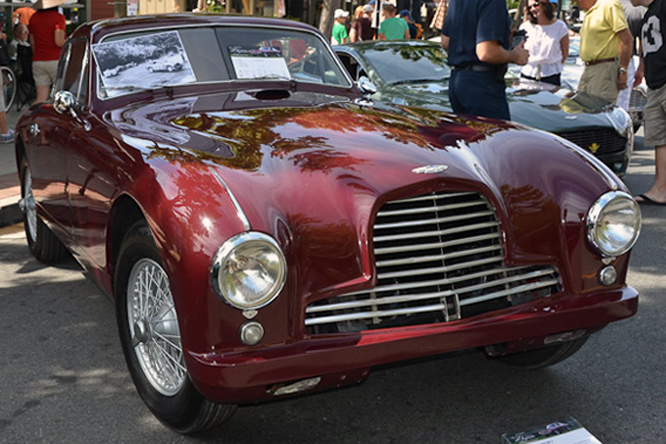
The USA’s first World Champion driver Phil Hill is said to have been the first owner of this Aston Martin DB2, in 1951 a decade before he won the World Championship driving for Ferrari.

Aston Martin DB 2/4, Danville Concours d'Elegance

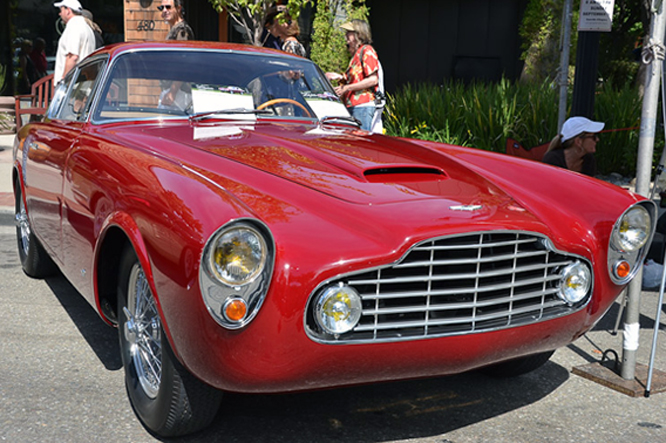
One of the worlds rarer Aston Martins is the DB2/4 with Italian coachwork by Serafino Allemano. This 1953 chassis #LML/761 was ordered by a customer in Casablanca who used it in local races.

Aston Martin DB5, Danville Concours d'Elegance

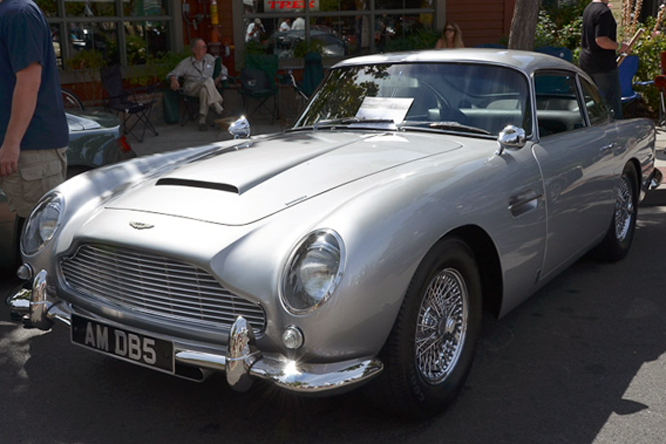
Another mouth watering example of the Aston Martin marque was this DB5 1023 of these classic ‘James Bond’ models were manufactured between 1963 and 1965, most of them with out the swiveling number plates, bullet proof rear screen, ejector seat, machine guns smoke screen and oil slick that the handsome man with the Edinburgh brogue found useful until he crashed avoiding a mirror in Gold Finger.

Maserati GranTurismo MC, Danville Concours d'Elegance

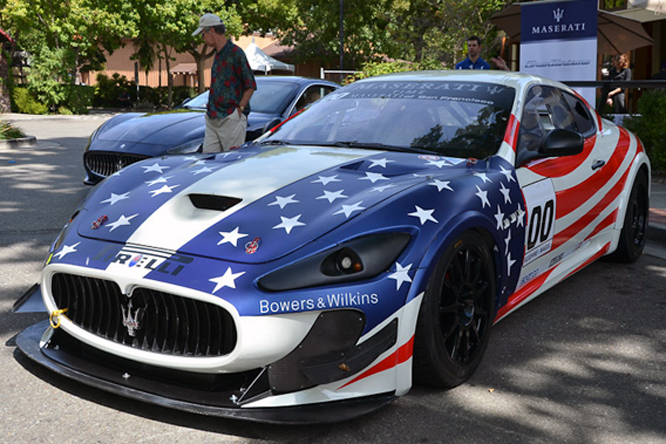
Both yesterday and the day before saw the first ever Trofeo Maserati races taking place at Sanoma using racing versions of the Gran Turismo MC as seen above. Venezuelan debutant Alex Popow won Saturdays race with Grey’s Anatomy guest star Patrick Dempsey claiming 6th. Sunday’s results were unknown at the time of writing.

Fisker Karma, Danville Concours d'Elegance

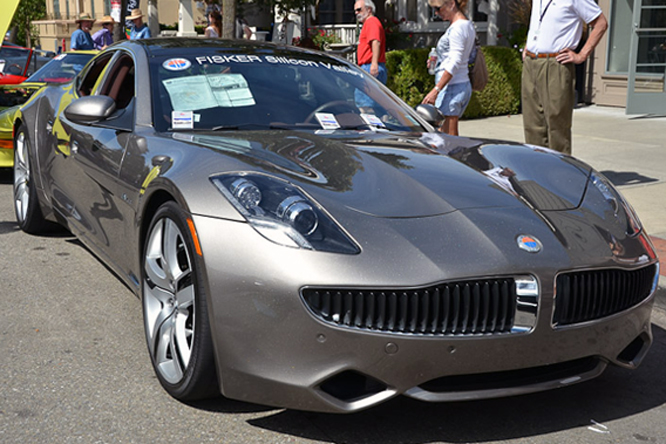
Fisker Automotive was founded in 2007 in Anaheim California, but has the hybrid Fisker Karma vehicles it markets manufactured by Valmet Automotive in Uusikaupunki, Finland. Among the novel features are a solar panel roof which contributes to the climate control system.

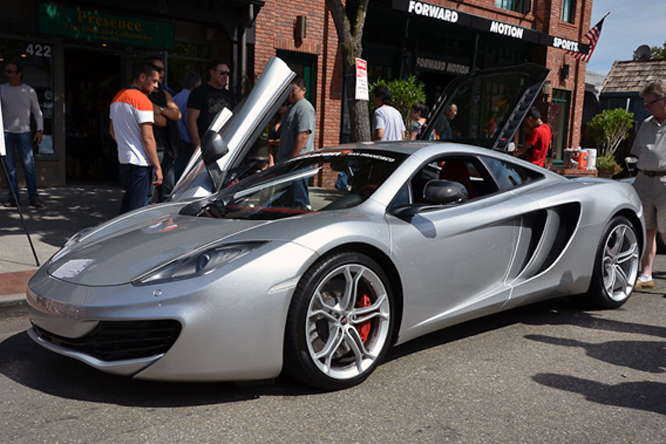
McLaren MP4-12C, Danville Concours d'Elegance

The McLaren MP4-12 C is the racing car manufacturers third road car after the 1969 M6GT (3 possibly 4 built) and 1992/98 F1 (106 built), like all McLaren’s road car projects the MP4-12 C draws heavily on it’s racing technologies which in this case includes a second brake pedal which acts on the inside rear wheel to minimise understeer.

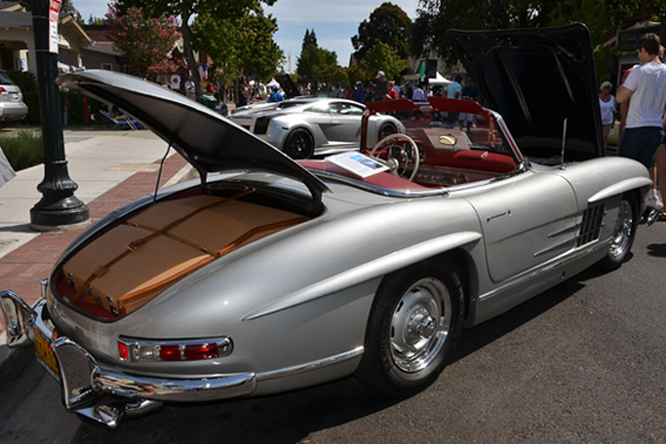
Mercedes Benz 300 SL, Danville Concours d'Elegance

From 1957 to 1963 Mercedes Benz manufactured 1,858 300 SL Roadsters, this one comes complete with the optional factory luggage cases and is one of less than 20 1957 vehicles fitted with Rudge wheels.

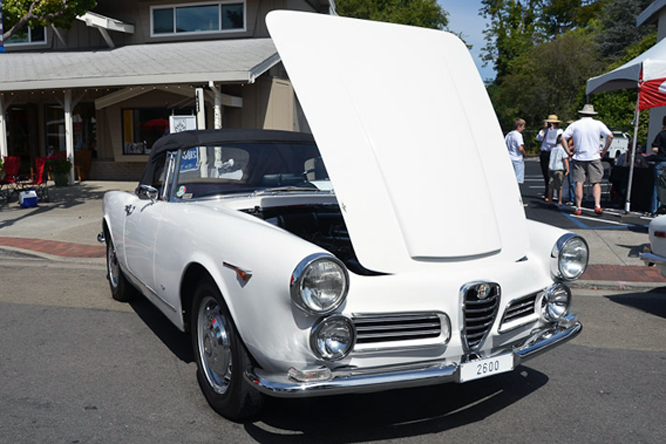
ALFA Romeo 2600 Spyder, Danville Concours d'Elegance

Since the 1920’s ALFA Romeo had offered straight six powered vehicles to it’s customers the 2600 or 106 series manufactured from 1961 to 1968 was the last of this line. Above is 1964 2600, one of 2,255 Spyders built, powered by a 145 hp twim overhead cam version of the straight 6.

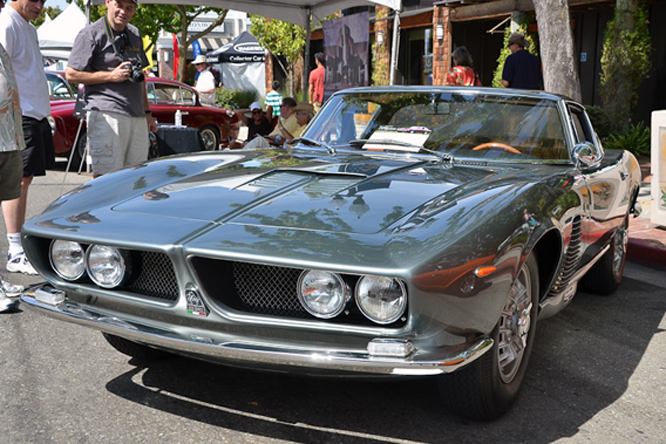
Iso Griffo, Danville Concours d'Elegance

So far as I have been able to discern the Iso Grifo A3/L above ‘might be’ the 1963 prototype shown by Bertone at the 1963 Turin Auto Show. Clues are the given 1963 date of the car and it’s current location. Sales of the 395 hp Chevy V8 cars did not begin until 1965.

Chevrolet Streamliner, Danville Concours d'Elegance

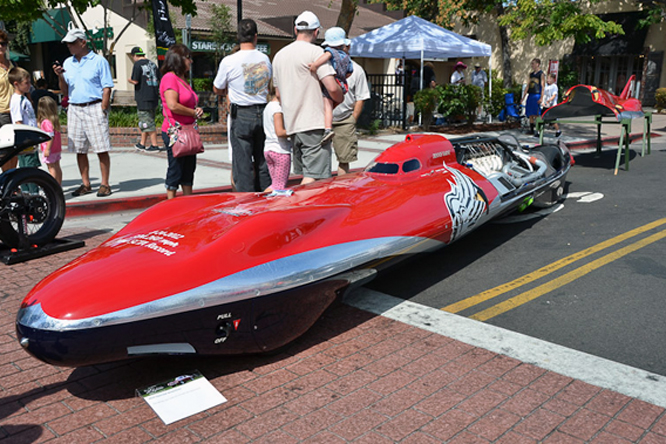
Getting seriously psycho on tyres is Dennis Varni who on the 14th of September recorded a two way speed of 334.360 mph in this Chevrolet Streamliner powered by a turbocharged straight 6 motor at Bonneville.

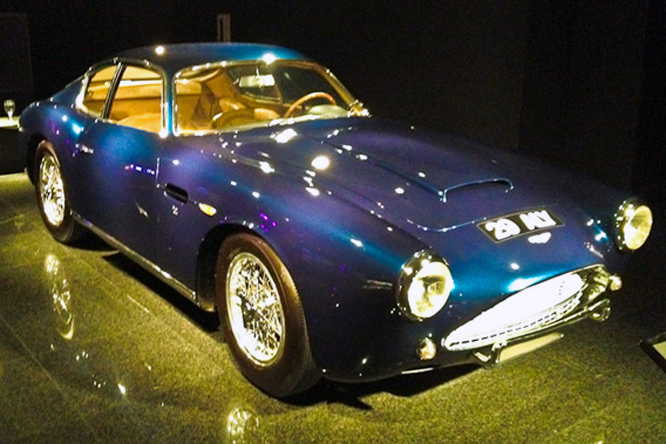
Aston Martin DB4 GT Zagato, Danville Concours d'Elegance

Geoffrey was fortunate to get to the Danville Gala Dinner where this 1961 Aston Martin DB4 GT Zagato was on display, it is the only one of the 19 original cars that still exist that has non faired-in headlights. The UK plate ’29 ALY’ has been reasigned to a 2002 Ford Ka.

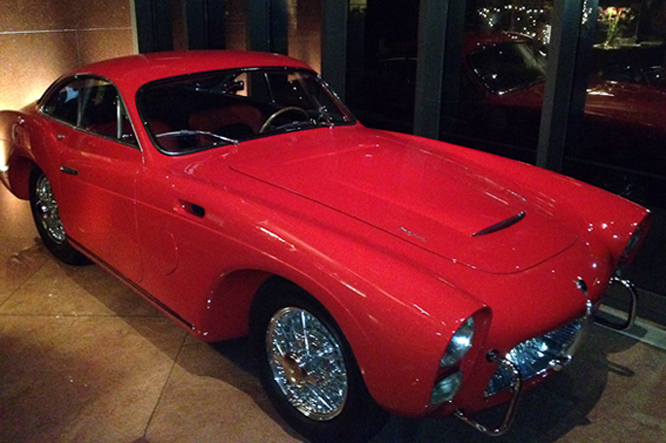
Pegaso Typo Z Saoutchik Coupé, Danville Concours d'Elegance

Finally this 1955 Pegaso Tipo Z with a Saoutchik Coupé body is one of only two identical cars for international car exhibitions, at a cost of between US$15 to 35,000 they were amongst the most wildly expensive vehicles of their time.

My thanks to Geoffrey Horton for sharing his photograph’s, there will be further blogs from Danville in the week ahead.

Thanks for joining me on this “Parkinson’s Research and Care” edition of “Gettin’ a li’l psycho on tyres” I hope you will join me again tomorrow when I shall be looking at an MG. Don’t forget to come back now !

Share

Theme Lotus – Goodwood Festival Of Speed

On Friday I headed off under grey skies with friends, Tim, Pete and Dave to Goodwood House just outside Chichester for the Festival Of Speed.
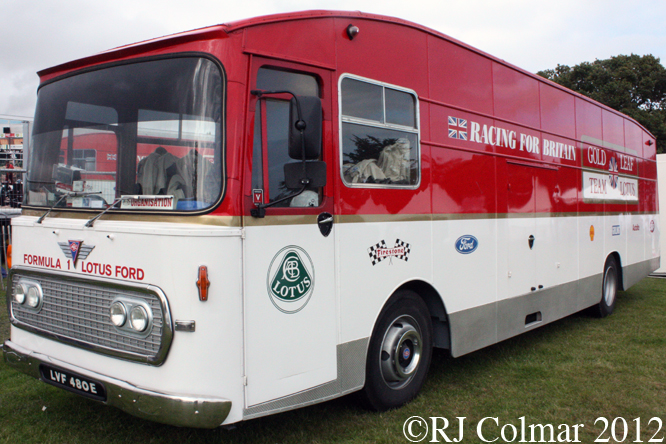
AEC Swift, Goodwood Festival Of Speed

The featured manufacturer this year was Lotus which was founded 60 years ago by Colin Chapman who’s cars not entirely uncoincidentally are currently also featured every Saturday here at GALPOT. Welcoming us on the way into Goodwood House was this 1967 AEC Swift based transporter used by Gold Leaf Team Lotus from 1967 to 1970 during which period team won two world drivers championships with Graham Hill(’68) and Jochen Rindt (’70) and two world constructors in the same years.
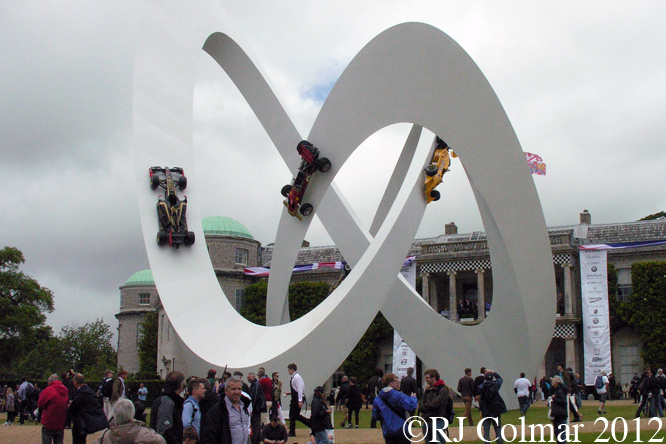
Race Track, Gerry Judah, Goodwood Festival of Speed

Gerry Judah’s art work on the lawn in front of Goodwood House featured no less than six cars five of them winners and a contemporary F1 car built in Enstone which I find as difficult to call a Lotus in the same way as I had trouble calling the Lotus 76 a John Player Special back in 1974.
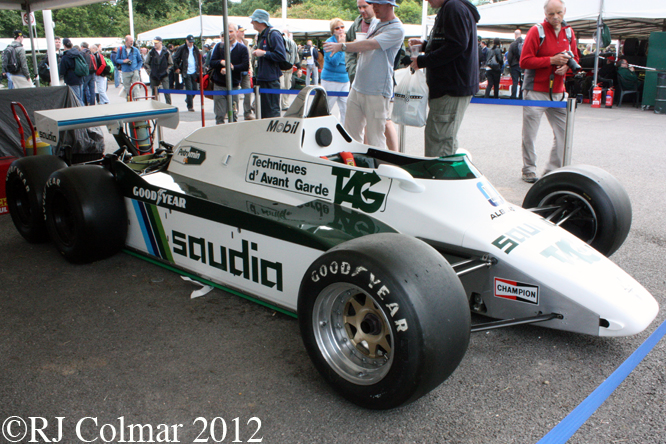
Williams FW08B, Goodwood Festival of Speed

In the paddock there were several cars I had heard of but never seen in the flesh including the six wheel, 4WD, 1982 Williams FW08B which was never raced thanks to a late call to ban more than four wheels from Formula Once cars with only two to be driven from the start of the 1983 season.
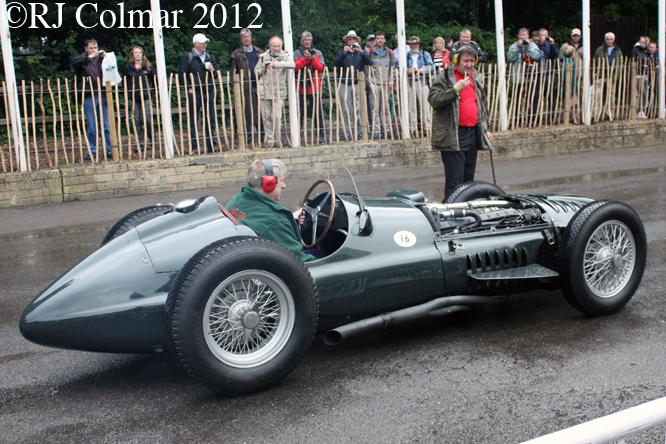
BRM P15 Mk 1, Goodwood Festival of Speed

Of all the many stories of British grit in Grand Prix Racing perhaps none exemplifies how not to organise a team better than BRM which managed to organise the support in cash, kind and facilities from the British Motor Industry to make two of the most complex racing motors ever built. The first was a 1.5 litre / 91 cui supercharged V16 which comprised to 750 cc / 45.5 cui V8’s mounted back to back. The 500 hp motor, which could be taken up to 12,000 rpm, was more powerful than any of it’s contemporaries but the combination of organisational and design complexity did not result in a particularly reliable motor car. It did not win any championship Grand Prix, it was only entered in two but it did score championship points, and won a non championship 12 lap race at Goodwood. The most memorable thing about this vehicle is the sound it makes, utterly unmusical in comparison to a V8, and as harsh as granite, note two people in this photo are wearing ear defenders ! The smell of oil coming off it’s engine after the warming up session seen here was quite unforgetable too !
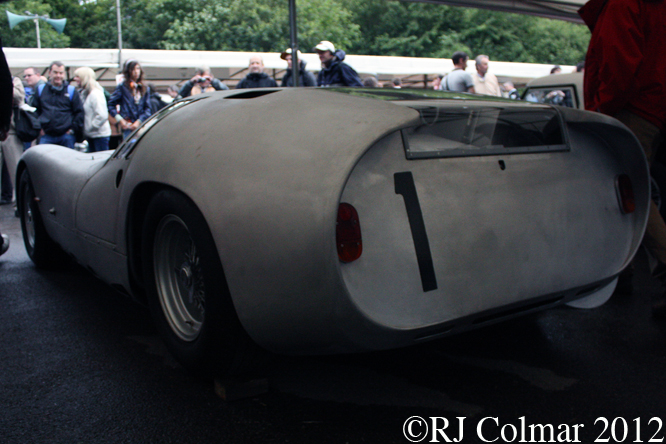
Maserati Tipo 151/3, Goodwood Festival of Speed

Amongst the sports cars this Maserati Tipo 151/3 is a 1980’s replica of one of three 151’s that were prepared for Le Mans in 1962 and then continually modified. The 151/3 seen here made of from orginal parts and fitted with the low Pierre Drogo body made from the same buck as the body made specially for the 1964 24 Hours at Le Mans where 151/3 was timed at 196 mph on the Mulsanne Straight, like the BRM P15 it suffered poor reliability and retired as it has had in ’62 and ’63.
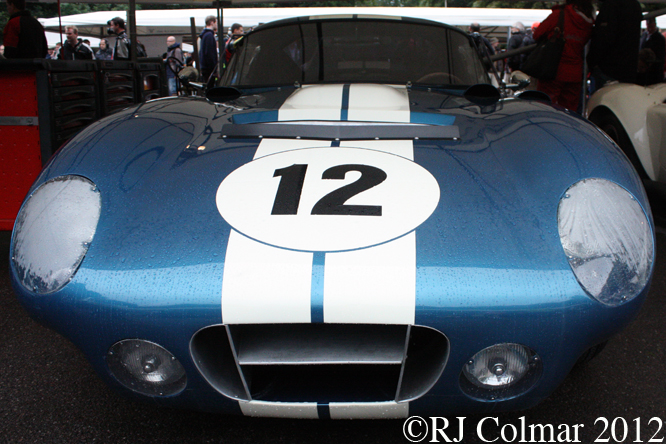
Shelby American Cobra 'Daytona' Coupé, Goodwood Festival of Speed

Racing successfully against the original 151/3 were the Shelby American Cobra Coupé’s also known as the ‘Daytona’ Coupé. So far as I can tell this #12 car is chassis CSX2300 which scored a best 6th place finish at Daytona in 1965 with Ed Leslie and Allen Grant at the wheel, the cars next appearance was at Sebring where it carried the #12 with Leslie and Grant again driving finishing 13th.
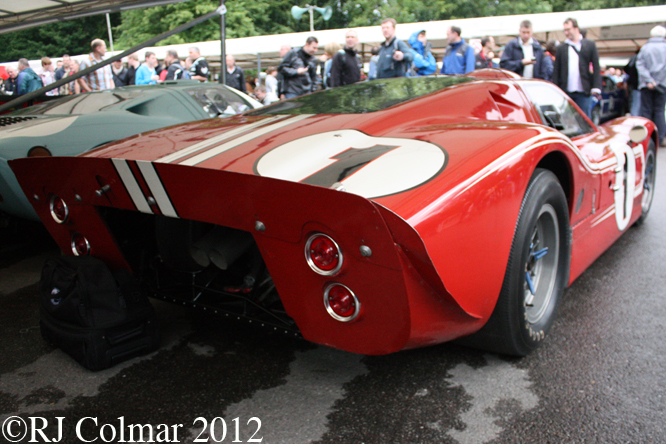
Ford Mk IV, Goodwood Festival of Speed

Dan Gurney and AJ Foyt won the 1967 Le Mans 24 Hours driving this Ford Mk IV, beating two Ferrari P4’s in the process thus avenging Enzo Ferrari’s last minuet refusal to sell out to Ford earlier in the decade.
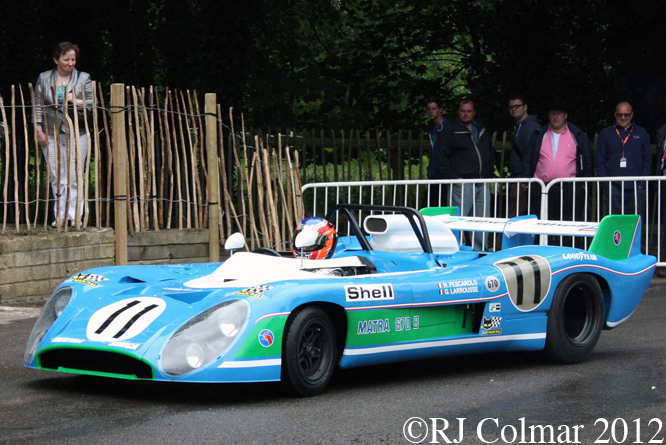
Matra MS670 B, Goodwood Festival of Speed

The Matra 670 B with a long tail, by Matra standards, won Le Mans in 1973 with Henri Pescarolo and Gerrard Larrousse at the wheel, also beating a Ferrari this time a 312PB driven by Art Mezario and Carlos Pacé.
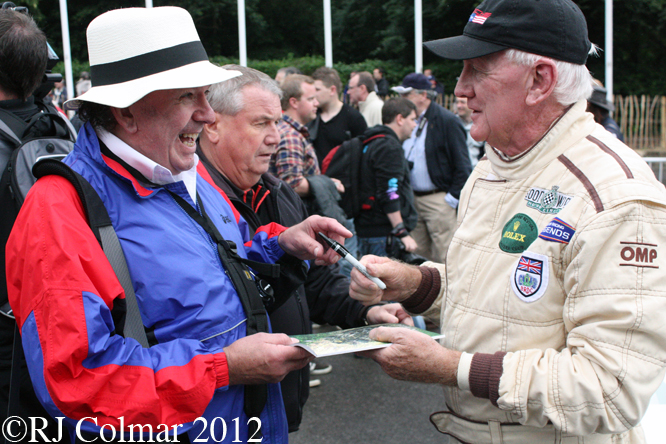
Tony 'Giraffe' Gallagher, Goodwood Festival of Speed

Above regular GALPOT contributor, through The Nostalgia Forum, Tony ‘Giraffe’ Gallagher happily accepts an invitation to sign 1980 IMSA Champion John Fitzpatrick’s programe.
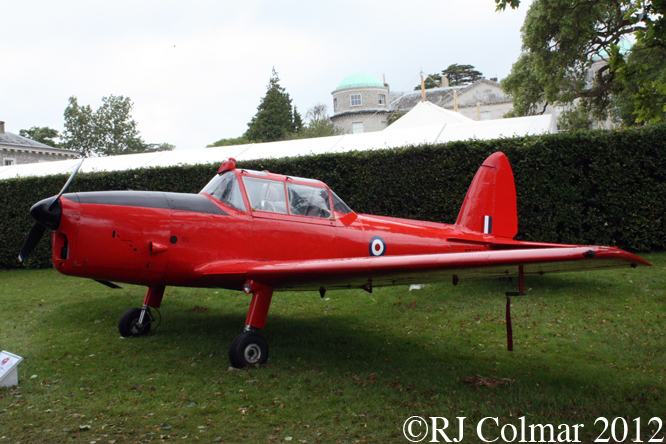
De Havilland DHC-1 Chipmunk, Goodwood Festival of Speed

Continuing the Diamond Jubilee celebrations this years Concours d’Elegance centered on numerous vehicles the Queen and other state dignitary’s have used, this De Haviland of Canada DHG – 1 Chipmunk was used by both HRH Prince Phillip and HRH Prince Charles for training purposes in the 1950’s and 60’s. Back in the day when I was a schoolboy and an RAF Cadet I went up in one of these on a couple of occasions, being handed the controls mid flight on one of them !
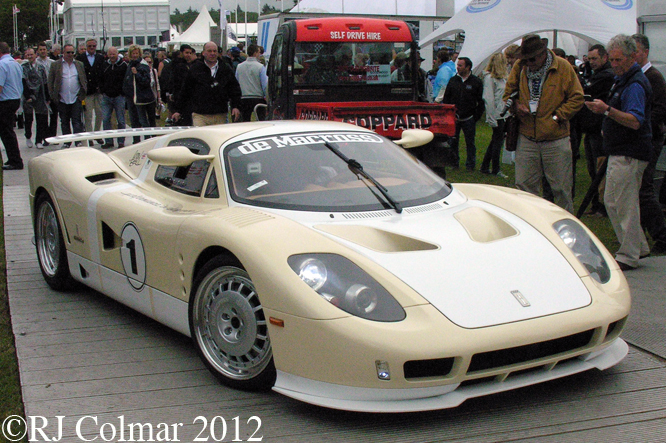
de Macross GT1, Goodwood Festival of Speed

The De Macross GT1 appears to be constructed from a mix of Korean Finance, Canadian Manufacturing and US Roush Yates power and any number of styling queues taken from an equally diverse range of vehicles. The drivers name on the side of the car was none other than that of motorsports TV presenter Justin Bell.
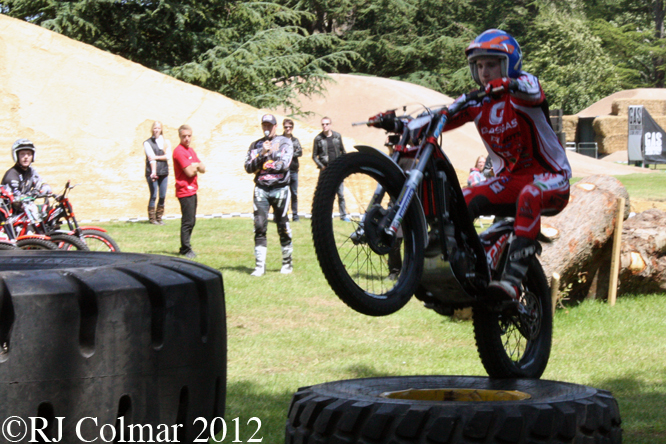
Goodwood Action Sports, Goodwood Festival of Speed

Keeping folks entertained on two wheels were a number of youngsters who were doing things on motor bikes that I have only been able to aspire to dreaming of.
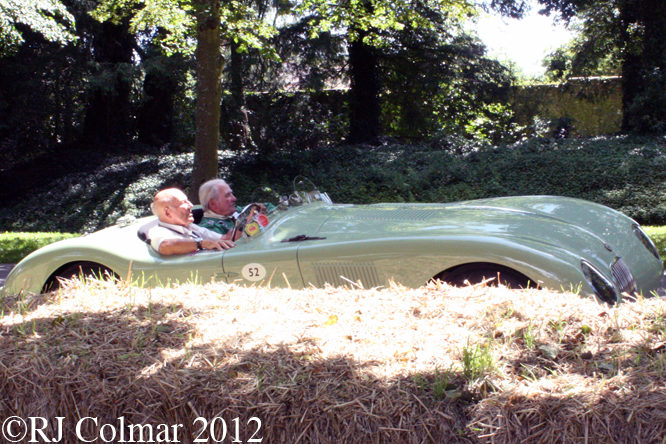
Jaguar C Type, Goodwood Festival of Speed

Sir Stirling Moss shares a little joke with former Jaguar works test driver and team mate Norman Dewis as they prepare for a quick blast up Goodwood’s hill climb.
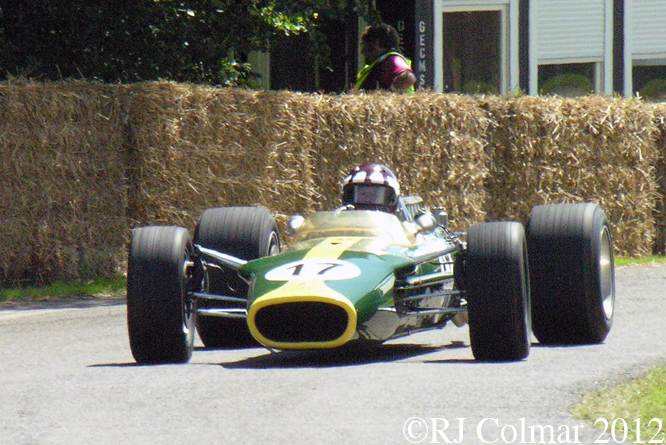
Lotus 49, Goodwood Festival of Speed

Jackie Oliver drove a Gold Leaf Team Lotus 49B in 1968 here he is seen driving the 1967 Lotus 49 chassis R2, later renamed R11, that Jim Clark used to win the 1967 Dutch Grand Prix the first of 155 Grand Prix victories for the Ford Corworth DFV engine that powered it and the first of 12 for the Lotus 49 type.
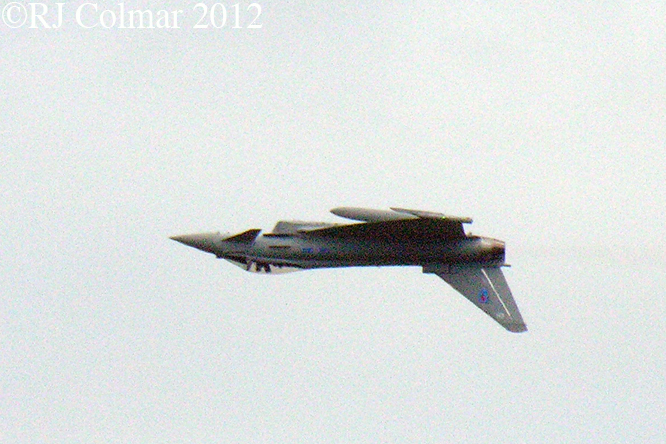
Eurofighter Typhoon, Goodwood Festival of Speed

Delivered nearly five years late and horrendously over budget the Eurofighter Typhoon made up for it with a simply stunning display of power, speed and maneuverability. With 40,000 lbs of thrust this plane can be flown like one of the better short nosed paper aeroplanes I used to make when I was a kid with the added bonus it does not crash when landing.
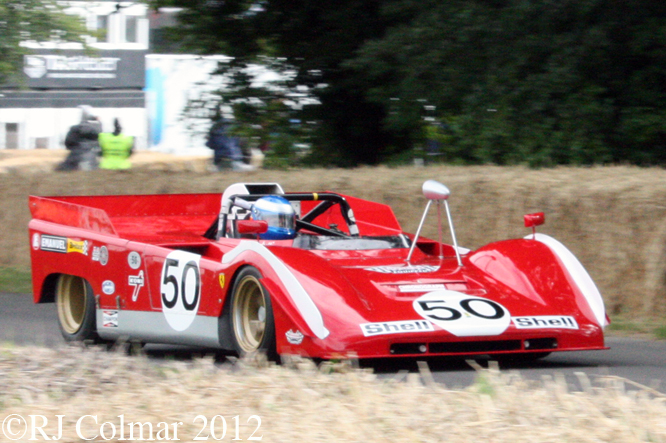
Ferrari 712, Goodwood Festival of Speed

Paul Knapfield’s Ferrari 712 chassis #1010 haa a long story to tell suffice to say here that in period it has underwent two body upgrades from it’s original 512S spec and an engine upgrade to make it the Ferrari with the largest Ferrari motor ever raced. This car will be the subject of a blog in the fulness of time.
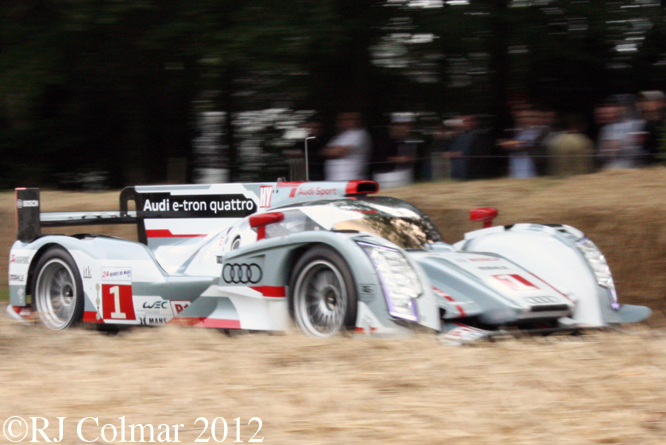
Audi R18 e-tron quattro, Goodwood Festival of Speed

Le Mans 24 hours will be remembered this year as the first ever to be won by a hybrid diesel, the #1 Audi R18 e-tron quattro of André Lotterer, Marcel Fässer and Benoit Tréluyer beat the the sister car of Allan McNish, Rinaldo Capello and Tom Kristensen, with a regular diesel coming in third. McNish is seen driving the e-tron quattro above which despite the stickers is not necessarily the car that crossed the line first at Le Mans.
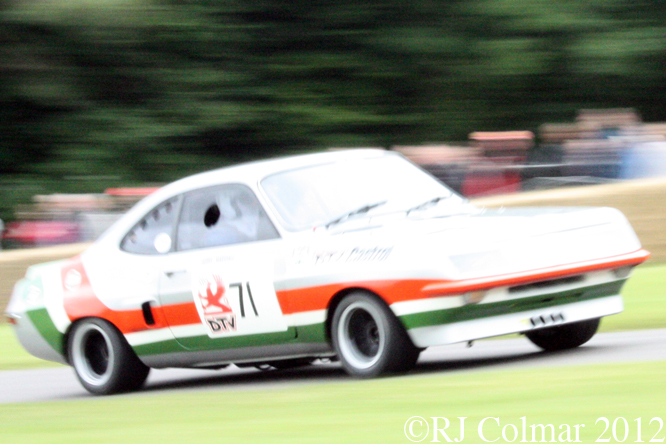
Vauxhall Firenza 'Old Nail', Goodwood Festival of Speed

The ‘Droop Snoot’ Vauxhall Firenza “Old Nail” belonging to Paul Chase-Gardener scored over 60 victories with Gerry Marshall at the wheel back in the 1970’s Gerry’s son Gregor, another contributor to GALPOT through The Nostalgia Forum, was scheduled to drive this car later in the weekend.
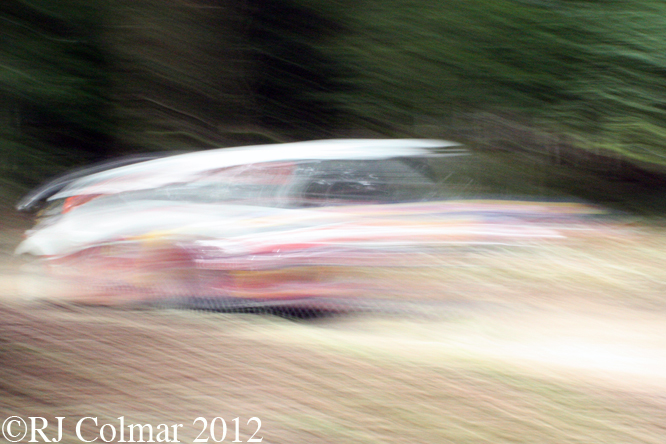
Citroen DS3 WRC, Goodwood Festival of Speed

There were several Citroen DS3’s entered on the Goodwood Rally stage I believe this may have been the DS3 WRC example of Thierry Neuville, but I’ll happily take a second better informed opinion if you have one to add below.
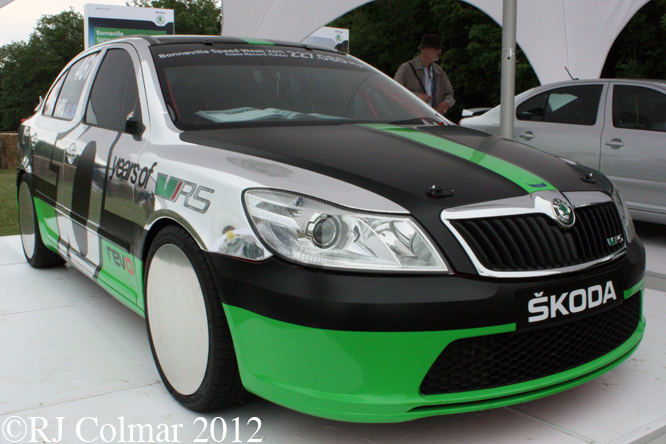
Skoda Octavia vRS, Goodwood Festival of Speed

One of the pleasant rewards for taking the time to walk to the top of the hill was finding this Skoda Octavia vRS, a car that might not ordinarily bring the phrase ‘psycho on tyres’ to mind however this one had it’s turbo 2 litre / 122cui engine uprated from 200 hp to 500 hp and along with a few other safety mods achieved 227.080 mph at Bonneville to claim the 2 litre production car class record with Richard Meaden at the wheel last year.
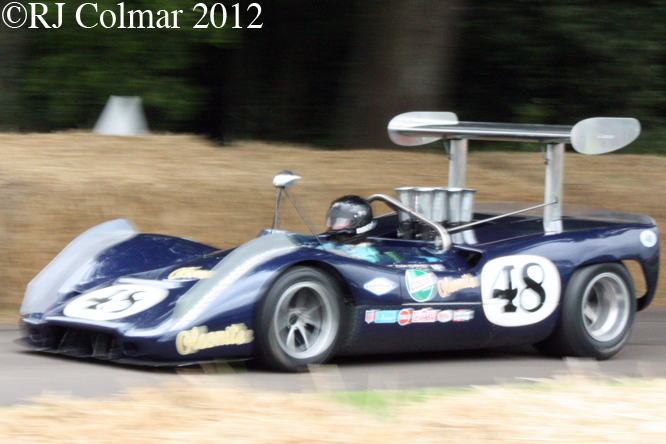
McLaren M6B 'McLeagle', Goodwood Festival of Speed

Four time World Drivers Champion Alain Prost was the honoured driver at Goodwood this year, though there were probably more vehicles present that were associated with Dan Gurney including the McLaren M6B, driven on this occasion by owner Andy Boone, which Dan modified so much it gained the ‘McLeagle’ sobriquet. Dan’s efforts were not enough to beat the Bruce and Denny show, Denny won the championship. Gurney’s best result with the car was a 4th place in the 1968 Can Am race at Riverside.
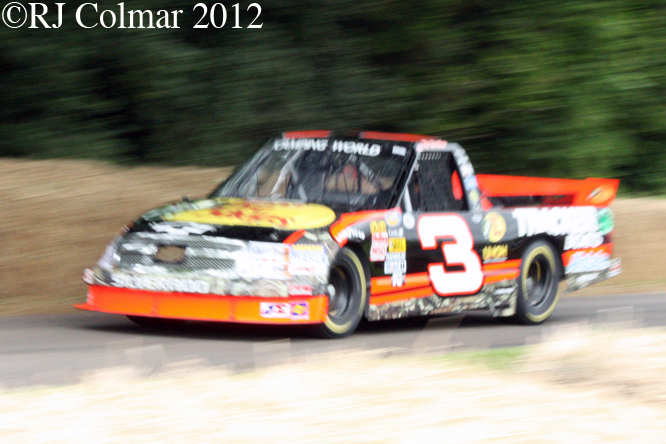
Chevrolet Silverado, NCWT, Goodwood Festival of Speed

It’s always great to see and hear a little NASCAR action, Goodwood marked the first occasion on which I have seen a Camping World Truck Series (CWTS) truck in action, the #3 Chevrolet Silverado was driven by Austin Dillon to the Championship last season his brother Ty was scheduled to drive over weekend.
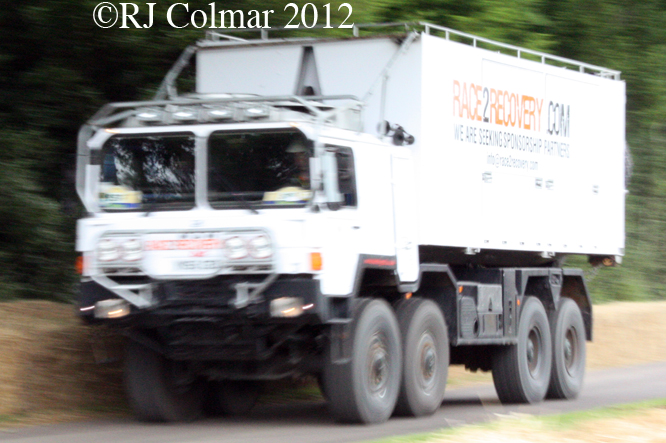
MAN 8x8, Goodwood Festival of Speed

Largest vehicle on the track was the Race 2 Recovery MAN 8×8 Dakar support truck driven by Ben Gott. Race 2 Recovery plans to enter a team of Land Rovers in next years Dakar Rally all driven by injured soldiers. If you would like to help their cause you can find details on this Race2Recovery link.
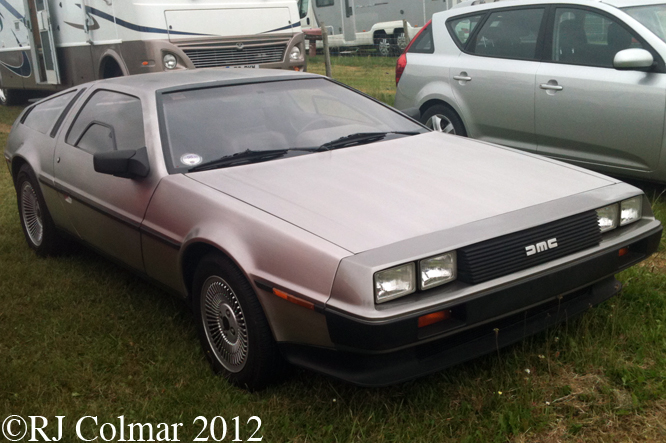
DeLorean DMC-12, Goodwood Festival of Speed

All too soon after a pleasurably exhausting day wondering around the grounds of Goodwood House without having seen everything it was time to say a quick hello to a couple of friends and then rejoin my passengers for the two hour back to the future drive home, my nomination for top car in the car park award went to the DeLorean DMC-12 which was substantially re-engineered by Lotus founder Colin Chapman, prior to the commencement of production in 1981.

Thanks for joining me on this ‘Theme Lotus’ edition of “Gettin’ a li’l psycho on tyres” I hope you will join me again tomorrow. Don’t forget to come back now !
Share