Tag Archives: Mercedes Benz

British World Beater – BRM V16 Type 15 No. 1

After the on track success and commercial failure of his pre war English Racing Automobiles project and as the 1939-45 war drew to a close Raymond Mays returned to thoughts about how to build a British World Beater to compete in the highest form of motorsport.
BRM V16 P15 Mk 1, National Motor Museum, Beaulieu

The saga that ensued was an object lesson in how not to go motor racing which began 2nd March 1945 when Raymond Mays announced an appeal to form a cooperative to design, build and race a national Grand Prix car.
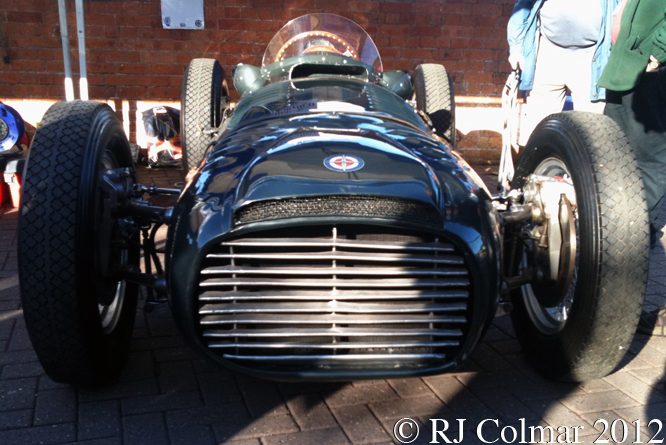
BRM V16 P15 Mk 1, BRM Day, Bourne

Mays used his natural charm and reputation as a successful racing driver to attract over one hundred interested parties mostly from the motor industry and associated suppliers who were to contribute to the scheme with cash and or in kind.
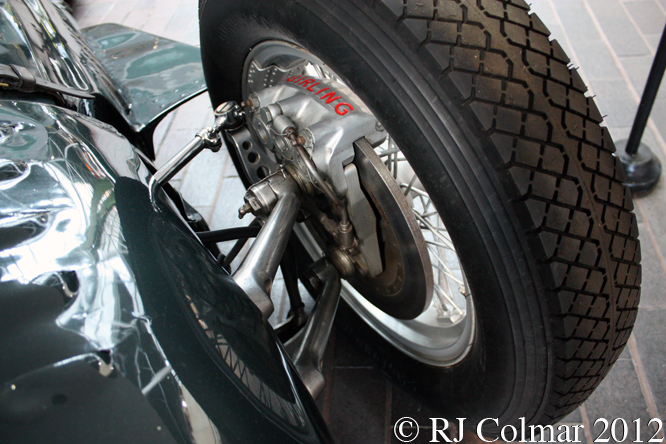
BRM V16 P15 Mk 1, National Motor Museum, Beaulieu

Part of the problem with this way of working is that there were two many cooks, successful heads of industry, who in the kitchen that became known as the British Motor Racing Research Trust. As a result everything concerning the production of parts, running of the project and finances was done by committee. Note disc brakes did not appear on the BRM V16’s until 1952.
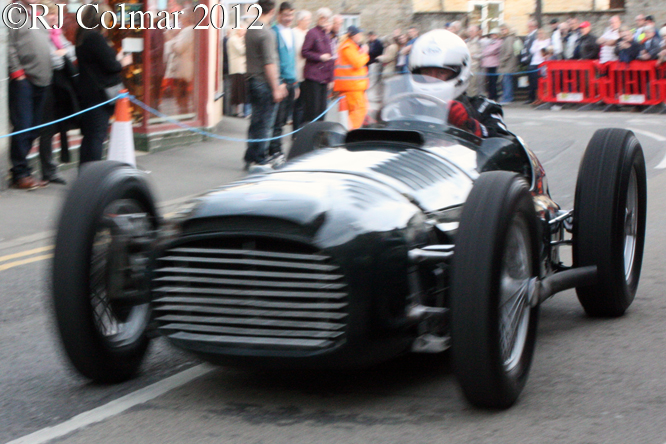
BRM V16 P15 Mk 1, BRM Day, Bourne

With more PR people, than mechanics, working for companies desperate to be associated with the project in order to drum up orders on the world stage the first of the new cars was completed at Bourne in 1949 and even given a run in the dead of night through the sleepy market hamlet of Bourne, Lincolnshire where it was built. Against May’s better judgement the car was shown to an eager audience of the Press on the 15th of December 1949.
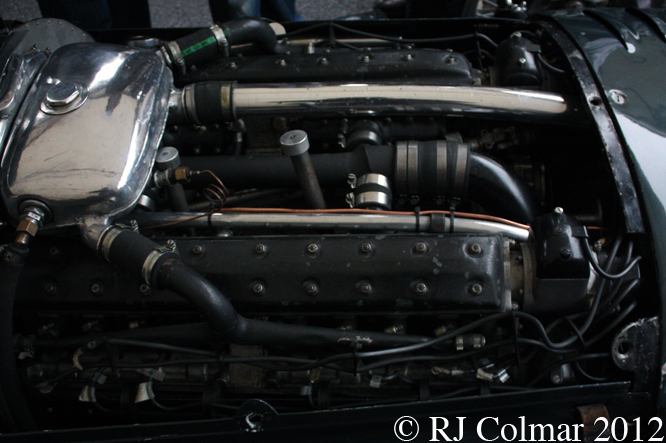
BRM V16 P15 Mk 1, Goodwood Festival Of Speed

The concept for the car including the engine is credited to Raymond Mays collaborator at ERA Peter Betherton. Betherton’s choice of 1.5 litre V16 architecture with the two banks of cylinders inclined at 135° seems to have been inspired by the pre war unraced prototype Alfa Romeo Tipo 162 designed by Wifredo Ricart which was said to produce 490 hp.
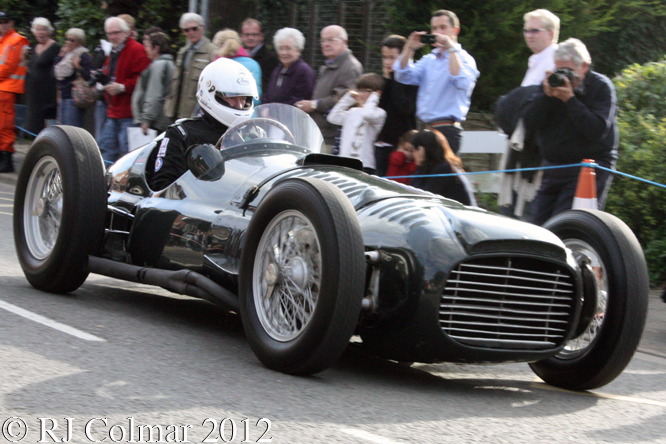
BRM V16 P15 Mk 1, BRM Day, Bourne

BRM’s V16 was in essence two V8’s with a drive taken from the crankshaft between the two halves. Fatally the car was supercharged by an aircraft type centrifugal supercharger developed by Rolls Royce. The problem with this type of supercharger is that it gives great power, for aircraft operating continuously at a high rev range BUT it is almost unmanageable in a racing car application where smooth power band is required from low revs. The BRM V16 is said to have produced 550 hp at 12,000 unforgettable ear splitting RPM, see 8m 22s into this clip turn your volume up loud !
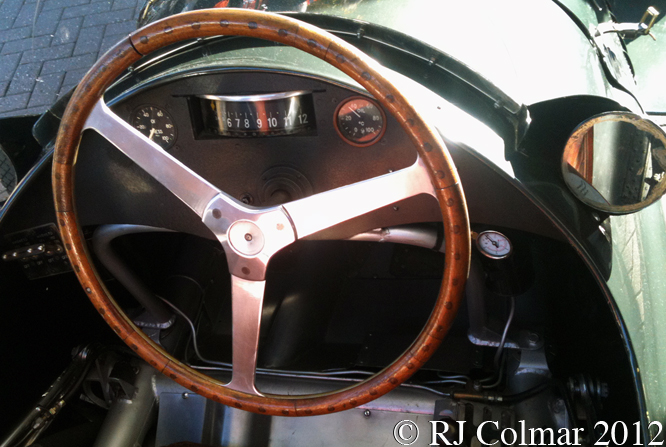
BRM V16 P15 Mk 1, BRM Day, Bourne

The gearbox for the car was a copy from Mercedes Benz blueprints obtained as ‘war reparations’ of the type used on their pre war Grand Prix dominating cars.
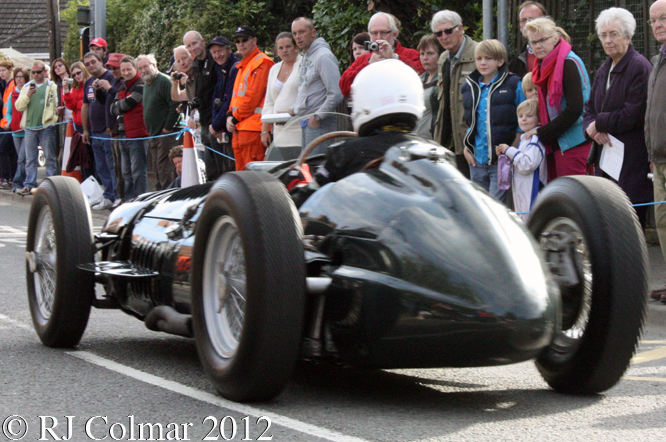
BRM V16 P15 Mk 1, BRM Day, Bourne

The V16 BRM’s were supposed to make their debut at the 1950 British Grand Prix however they were still far from ready and instead one car did a couple of demonstration laps in front of future Queen Princess Elizabeth and her husband Prince Philip.
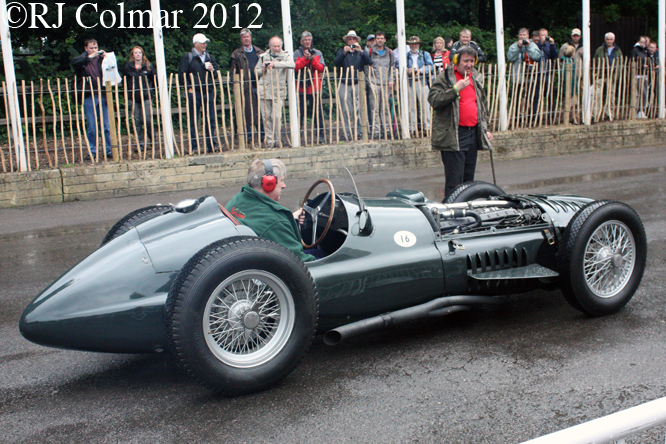
BRM V16 P15 Mk 1, Goodwood Festival Of Speed

When the V16 did make it’s debut in the hands of Raymond Sommer it arrived at 9:40 am on the morning of the 1950 non championship Daily Express Trophy after an all night engine rebuild at Bourne. The car had been flown at the race organisers expense twixt factory and circuit where Sommer needed to complete 3 quick laps before 10 am in order to be given dispensation to start from the back of the grid.
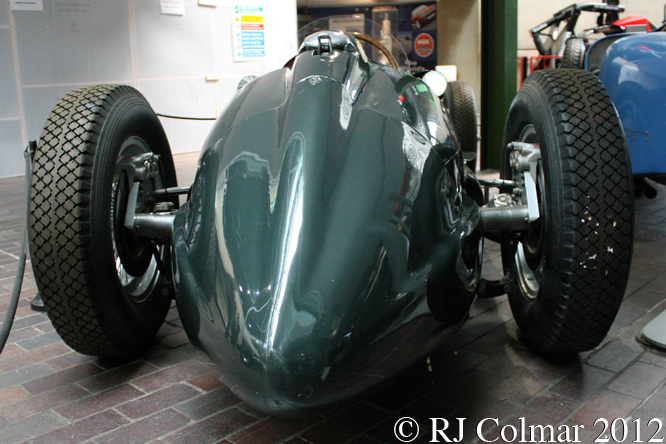
BRM V16 P15 Mk 1, National Motor Museum, Beaulieu

Come the race and an expectant crowd who had been given a souvenir pamphlet on the new British wonder when the flag dropped the field sped away leaving Sommer behind as a universal joint snapped leaving the car with no drive.

Later in 1950 Reg Parnel driving the same car seen here won two minor races at Goodwood in the rain and the following season Reg used chassis No.1 on the cars Grand Prix debut at Silverstone where he finished 5th enough to score a point in the world championship. Team mate Peter Walker came home 7th in No.2 like Reg he was suffering from the intense cockpit heat with the addition of neat fuel vapor fumes coming from the motor.

The following year Formula One was abandoned in favor of Formula Two, in part because in their efforts to sign Juan Manuel Fangio BRM reneged on a deal to race in Turin which gave the unintended message to other race organisers that BRM was unable to challenge Ferrari. Ferrari won the two world championships run to Formula Two regulations in 1952 and 1953.

Fangio did sign for BRM and in one of the few non championship races held in 1952 and 1953 and he took a great liking to the V16 BRM’s. Driving chassis No.1 at Albi he beat the Ferrari driven by Alberto Ascari in the heat but then retired from the lead of the final when a tyre failed damaging the hub and brake disc. This was the high point of the BRM’s career as a British World Beater, although it did win 15 non championship races between 1951 and 1954 in all.

If you want to know the whole story behind BRM I can wholeheartedly recommend “BRM The Saga of British Racing Motors” by Doug Nye. Volume one of a projected two took almost sixteen years to write and while I am ploughing through a copy of volume one kindly lent to me by Tim Murray BRM fans are eagerly anticipating the appearance of BRM Volume 4 which Doug has repeatedly told his fans is in the pipe line.

Thanks for joining me on this “British World Beater” edition of “Gettin’ a li’l psycho on tyres” I hope you will join me again tomorrow when I shall be looking at a Formula One car from France. Don’t forget to come back now !

04 07 13 Errata the correct type designation for the original V16 BRM is Type 15, not P15, thanks to Tim Murray for pointing this out to me some time ago. Not also that the car featured here has been fitted with a later type large radiator and associated body work modifications first seen in 1952.

Share

Palm Springs – Desert Classic Concours d’Elegance

This year the Desert Classic Concours d’Elegance moved to the Desert Princess Country Club and Doral Desert Princess Resort in Palm Springs California on February 24th and Geoffrey Horton has kindly sent sent today’s selection of photographs to us an overview of some of the vehicles present.

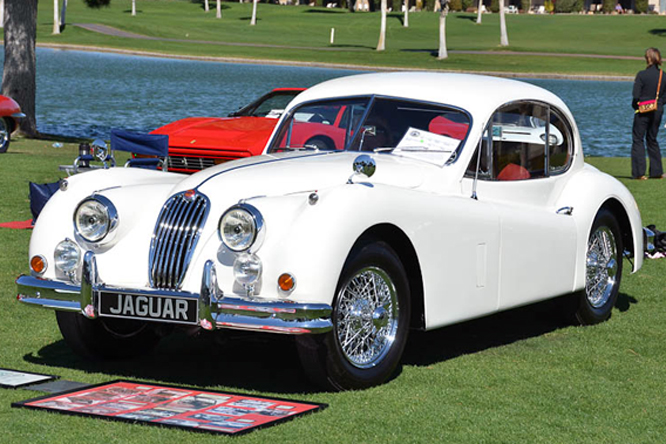
Jaguar XK 140 FHC SE, Desert Classic Concours d'Elegance, Palm Springs, CA

Geoffrey own 1955 Jaguar XK140 FHC SE/MC was looking more resplendent than ever in the spring California sun.

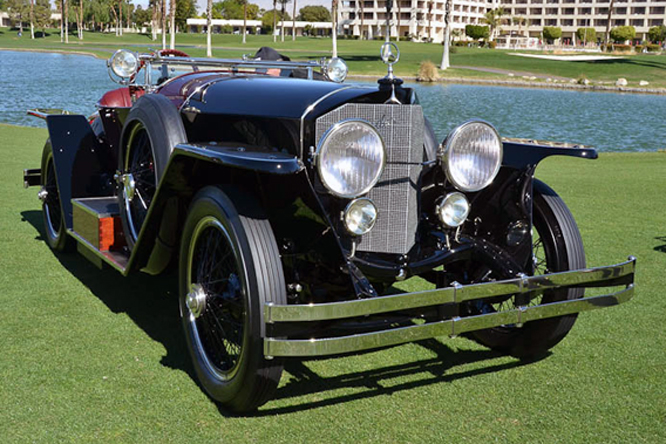
Mercedes Benz 28/95, Desert Classic Concours d'Elegance, Palm Springs, CA

When I saw this photo of a 1923 Mercedes Benz 28/95 I wondered if it was perhaps a creation from Gary L Wells workshop but in fact this beast with a 7.2 litre / 439 cui six cylinder aeroplane motor converted for road use is all the work of Mercedes Benz. The short wheel base version of the roadster, like the one seen here, was originally given the Targa Florio name after Mercedes Benz victories on the torturous Sicilian track in 1921 and 1922.
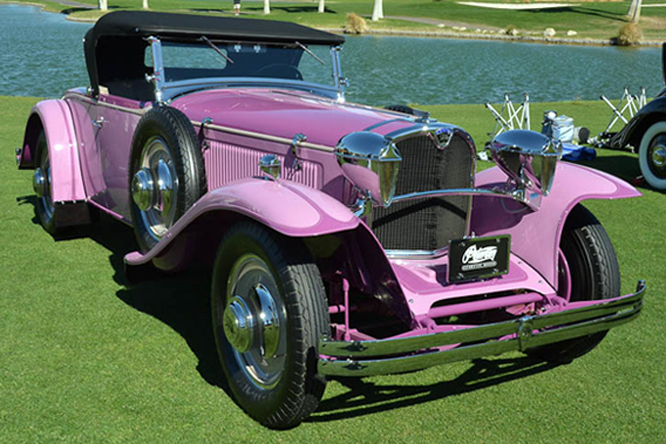
Ruxton Model C, Desert Classic Concours d'Elegance, Palm Springs, CA

Looking similar to a Cord L29 is this 1929 Ruxton Model C which like the Cord L29 has front wheel drive and a straight 8 engine but unlike the Cord L29 of which 4400 examples were built only 500 Ruxton Model C’s are thought to have been built the two tone lilac paintwork is standard for the period.
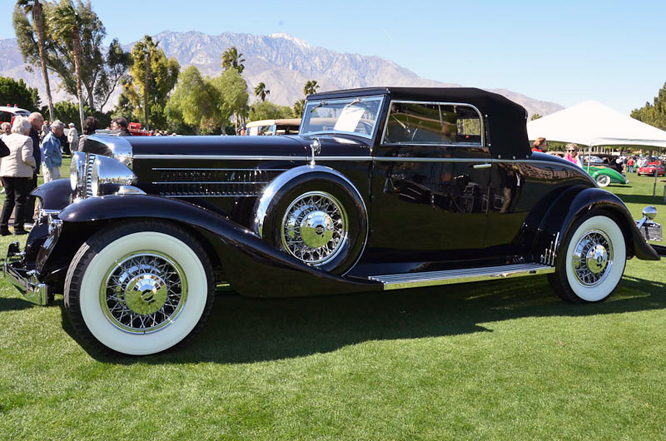
Marmon V16 Series 144, Desert Classic Concours d'Elegance, Palm, Springs, CA

Last year Geoffrey shared photo’s of a Marmon V16 Limousine, above is the last Marmon V16 sold in 1933, a Coupe version of which just 5 others are thought to remain.

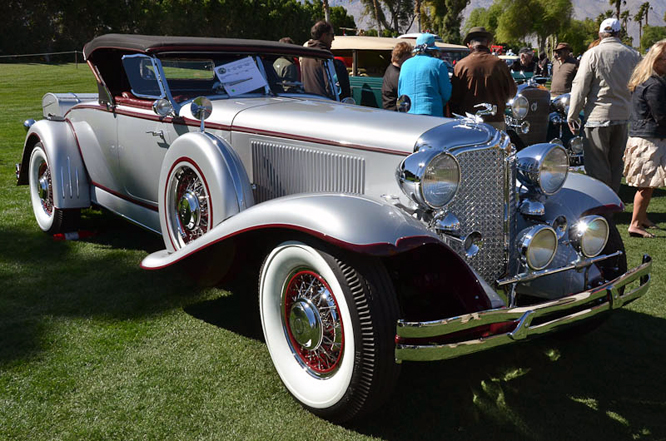
Chrysler Imperial, Desert Classic Concours d'Elegance, Palm, Springs, CA

Although powered “only” by a 6.3 litre / 384 cui straight 8 Geoffrey’s car of the show was without question this 1931 Chrysler Imperial which appears to have a sheen just a little brighter than all of the other vehicles seen on the day.

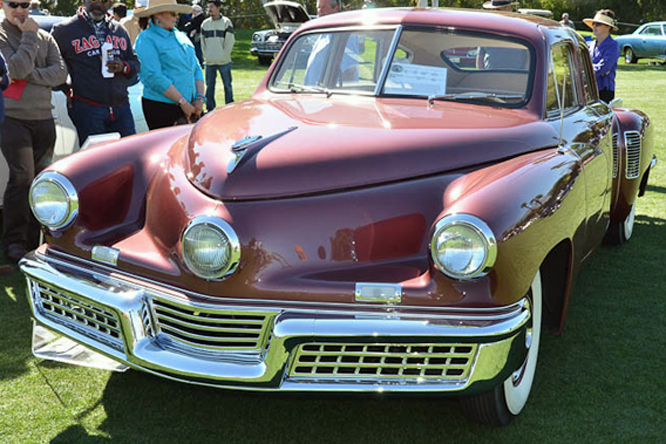
Tucker 48, Desert Classic Concours d'Elegance, Palm, Springs, CA

This 1948 Tucker 48 chassis #1003 featuring a motor in the boot / trunk and rear wheel drive is one of 51 built and is expected to fetch between US$1.5 and 1.9 million at auction on March 9th.

Cunningham C3, Desert Classic Concours d'Elegance, Palm, Springs, CA

Moving forward five years this 1953 Cunningham C3 is one of 20 Roadsters built in West Palm Beach, it is fitted with 331 cui Hemi V8 and was shipped to Turin for coachwork to be fitted by Vignale. In addition to the roadsters Cunningham built 5 C3 convertibles.

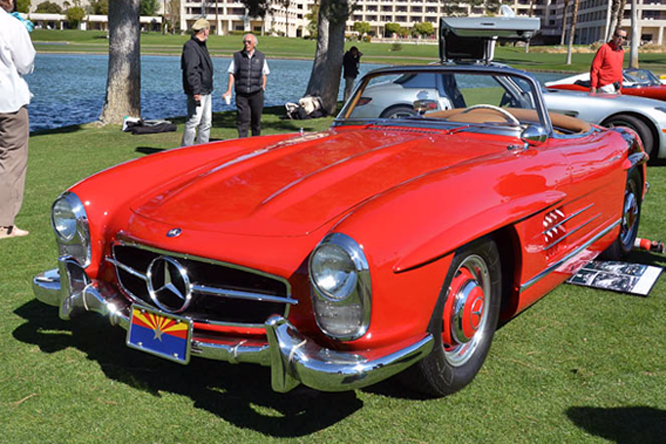
Mercedes Benz 300 SL, Desert Classic Concours d'Elegance, Palm, Springs, CA

This US Spec 1957 Mercedes Benz 300SL Roadster would have originally been distributed by Studebaker Packard Corporation.

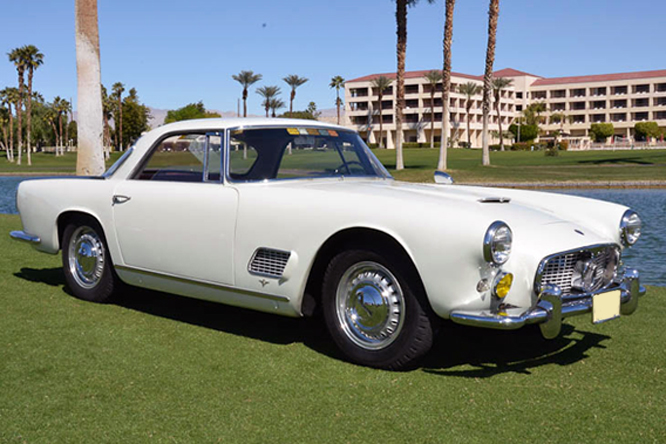
Maserati, 3500 GT, Desert Classic Concours d'Elegance, Palm, Springs, CA

According to the owner of this 1959 Maserati 3500 GT was sold new in Mexico and it “may” have once belonged to left wing Mexican President Adolfo Lopez Mateos.

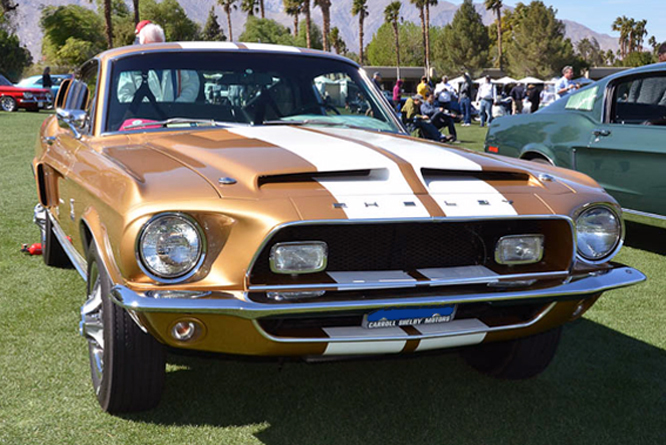
Shelby Cobra GT500, Desert Classic Concours d'Elegance, Palm, Springs, CA

The 1968 Shelby Cobra GT 500 above is fitted with a 428cui interceptor motor and had clocked well over 100,000 miles prior to a two year restoration in 2005, since when it has won a Best in Show award at the 2007 Cobra Owners Concours and been drag raced at California Speedway.

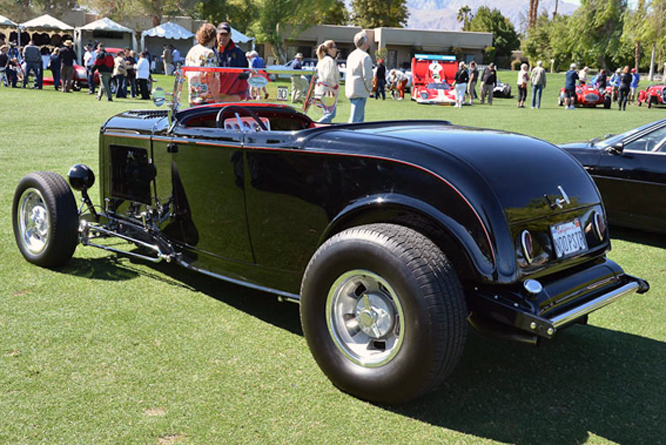
Ford Roadster, Desert Classic Concours d'Elegance, Palm, Springs, CA

Geoffrey tells me the ’32 Ford Roadster above belongs to well known IMSA racer Rick Knoop and packs 400 hp.

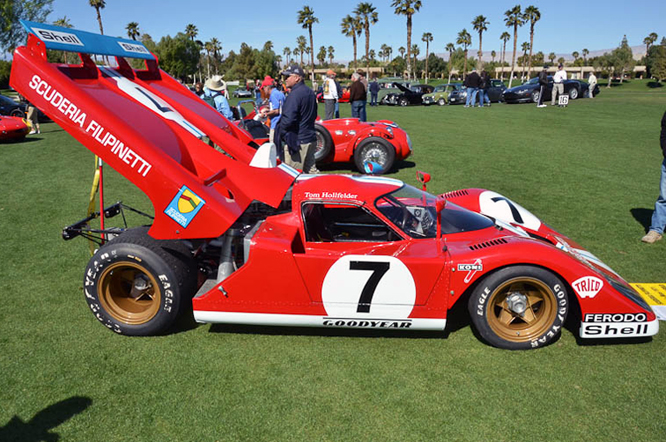
Ferrari 512M, Desert Classic Concours d'Elegance, Palm, Springs, CA

Finally a Friday car this much modified Ferrari 512 S was upgraded to M spec in 1971 and upgraded further by the Filipinetti team with a Porsche 917 windscreen to what has become known as M/F spec. Drivers of the car in period include Ronnie Peterson, Henri Pescarolo, Mike Parkes and Joakim Bonnier.

My thanks to Geoffrey Horton for sharing his photographs and a smidgen of welcome California sunshine.

Thanks for joining me on this “Palm Springs” edition of “Gettin’ a li’l psycho on tyres” I hope you will join me again tomorrow. Don’t forget to come back now !

Share

Coffee, Croissant & Cars #9 – Avenue Drivers Club

With another, UK Style, snowmageddon predicted for the weekend I was wondering if anybody would be turning up for this months Avenue Drivers Club meeting at Queen Square a couple of weekends ago, fortunately the snow held off and all we got was rain and cold winds which was insufficient to deter a hard core from turning up.

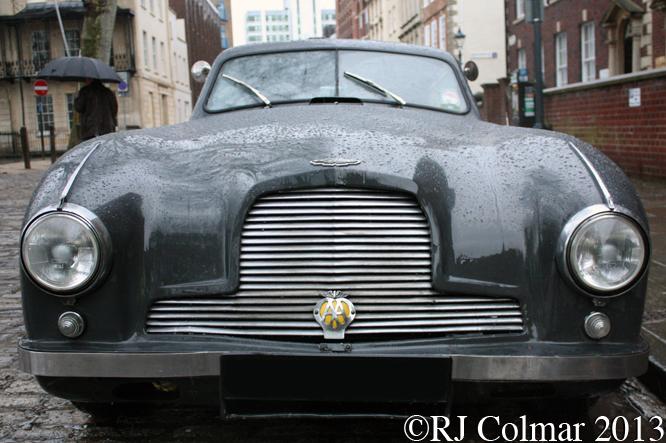
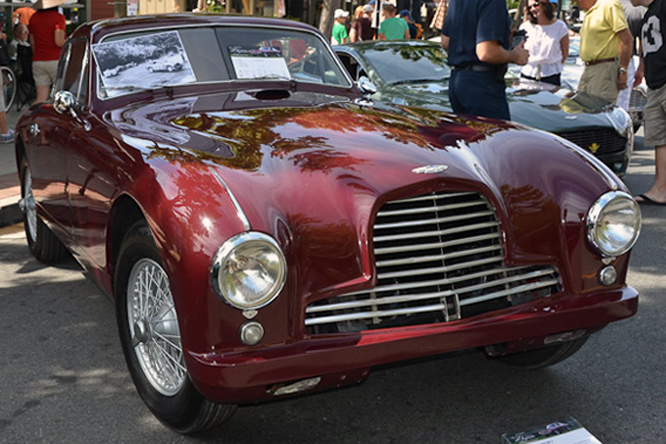
Aston Martin DB2, Avenue Drivers Club, Queen Square, Bristol

Every see I see Duncan Pittaway he seems to be driving a different car, in January he was driving a TVR on the Exeter Trial and he turned up for the Avenue Drivers Club meeting with this 1952 Aston Martin DB2.

Ford Consul 375, Avenue Drivers Club, Queen Square, Bristol

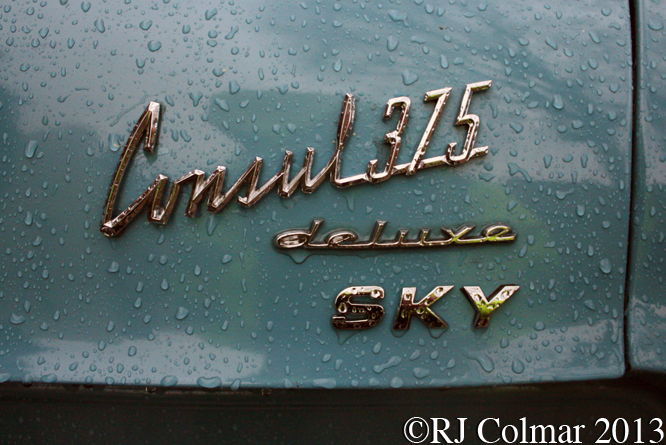
Since I first met Mark a couple of months ago his enthusiasm for his recently purchased Ford Consul 375 has never ceased to amaze me, he has been replacing all the faded badges on his car, this Consul 375 badge was sourced on e-bay in Australia.

Austin Healey 3000 Mk III, Avenue Drivers Club, Queen Square, Bristol

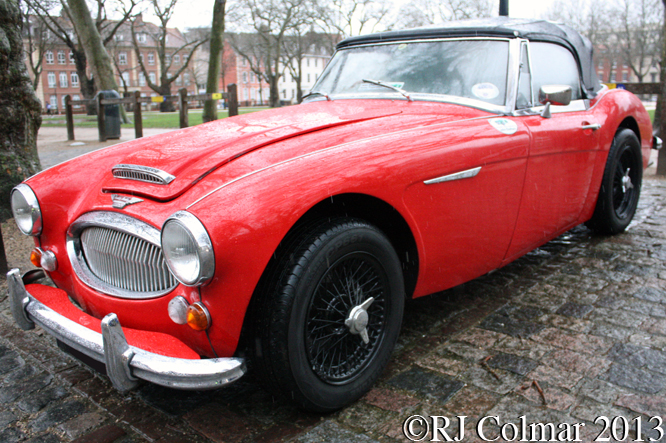
Austin Healey’s in Bristol are usually associated with John “Mr Big Healey” Chatham who has raced and rallied, rebuilt repaired and renovated more Healey’s like this 1966 3000 Mk III than I have had hot dinners in a life dedicated to the models over 40 years.

Jaguar S-Type, Avenue Drivers Club, Queen Square, Bristol

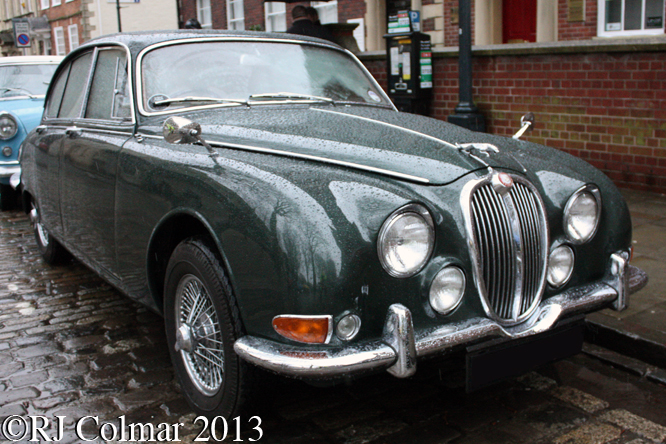
The 3.8 litre Jaguar S-Type was the more popular variant of the model affectionately known at the Jaguar factory as the “Ugly Duckling“, this one was built in 1967.

Mercedes Benz 300SL, Avenue Drivers Club, Queen Square, Bristol

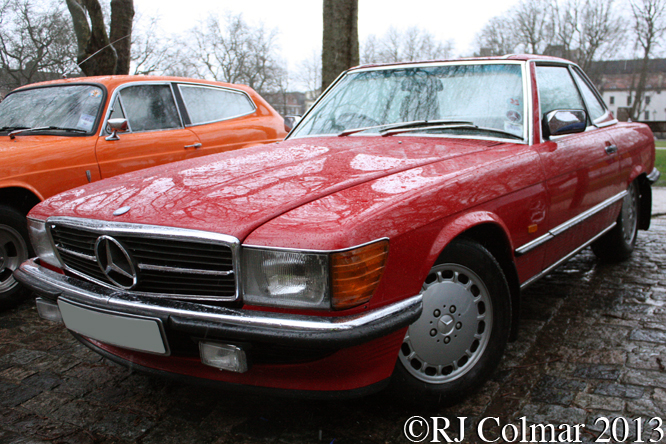
Moving forwards a couple of decades this third generation Mercedes Benz 300SL Auto was built in 1987.

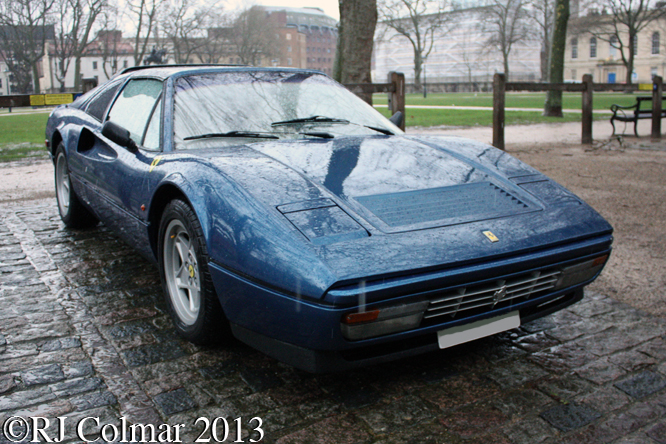
Ferrari 328 GTS, Avenue Drivers Club, Queen Square, Bristol

There are two wheel patterns seen on 1988 Ferrari 328 GTS models the original concave pattern seen here denotes that it is not fitted with the option ABS brakes and attendant new suspension geometry which required convex wheel patterns.

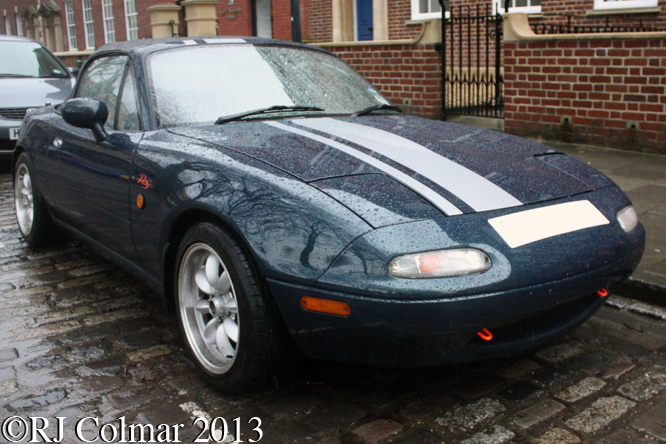
Mazda Eunos RS, Avenue Drivers Club, Queen Square, Bristol

So far as I have been able to discern above is one of just 500 1994 Mazda Eunos Roadster RS special edition models built for the the Japanese market. 49 of these vehicles fitted with Recardo seats, extra chassis bracing, lightened flywheel, Torsen limited slip differential and Bilstein dampers were personally imported into the UK and 46 of them appear to still be here.

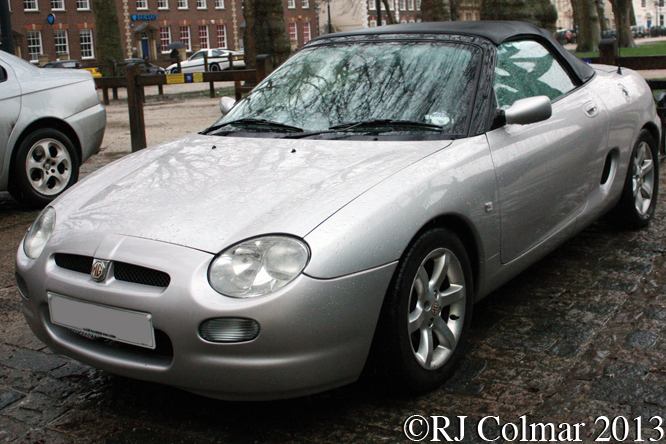
MG-F, Avenue Drivers Club, Queen Square, Bristol

This 1999 MG-F will have been going head to head with the Mazda MX5 for UK sales, the MG-F was the first model to be offered with a Variable Valve Control that was infinitely variable between set parameters, the VVC option improved power output by 25% and torque by 5%.

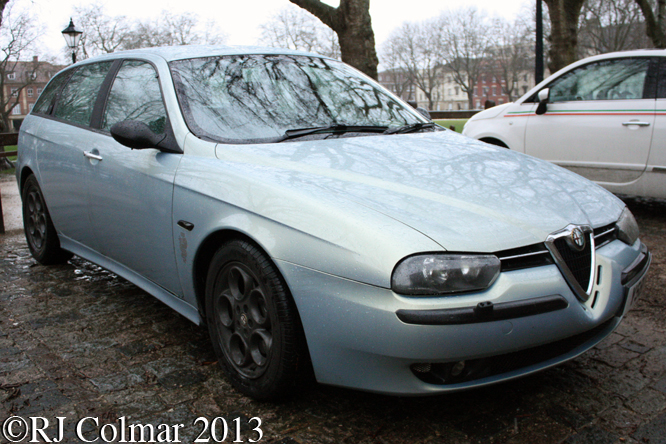
ALFA Romeo 156, Avenue Drivers Club, Queen Square, Bristol

Welsh heart throb Catherine Zeta Jones made an unbelievable television advertisement with a sound track from Welsh superstars EMF for the ALFA Romeo Sportwagon, linked here, back in the day. Above is a 2001 example fitted with a 2.5 litre / 152 cui V6 petrol motor.

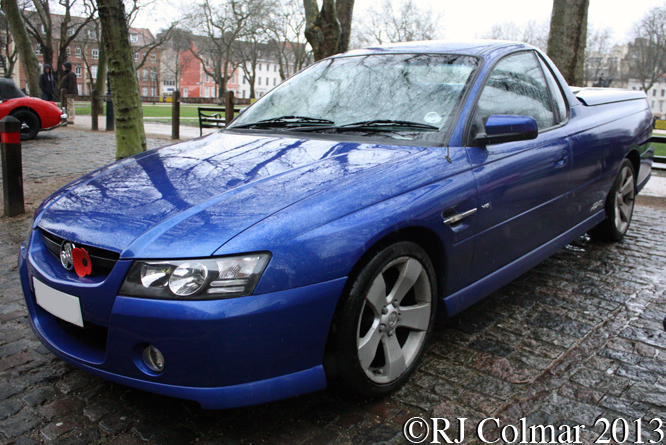
Holden VZ Ute SSZ, Avenue Drivers Club, Queen Square, Bristol

Representing the Antipodes was this 2005 Holden VZ Ute SSZ above is another special edition fitted with a 5.7 litre / 347 cui V8. Thanks to Peter Darley and Wirra over at The Nostalgia Forum we know that only 1200 AUS$ 40,490 Ute SSZ’s were built and that they were fitted with AUS$ 6,250 worth of extra’s which included the 18″ Morano alloy wheels.

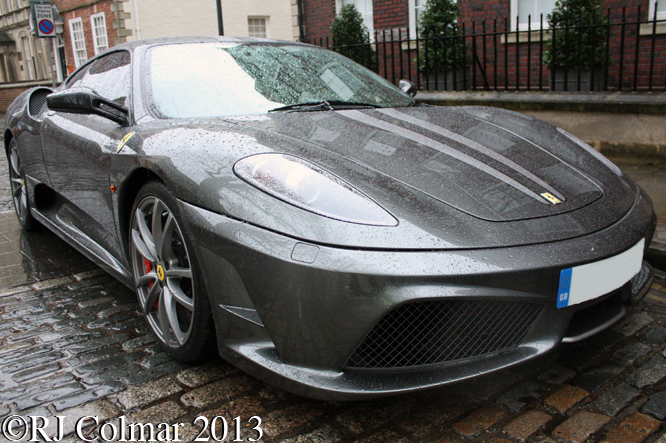
Ferrari F 430 Scuderia, Avenue Drivers Club, Queen Square, Bristol

Fastest vehicle to attend the February Avenue Drivers club meeting was the 198 mph 2009 Ferrari F430 Scuderia above.

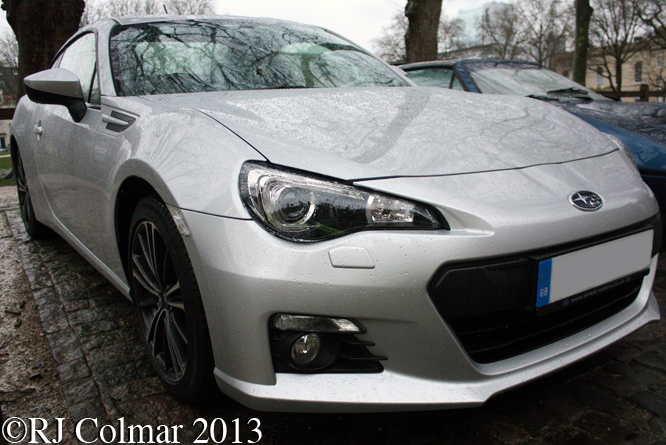
Subaru BRZ, Avenue Drivers Club, Queen Square, Bristol

Finally when I saw the vehicle above approaching I thought it was a Toyota GT86 however closer inspection revealed it was actually an almost identical, apart from the badges, Subaru BRZ.

Thanks for joining me on this “Coffee, Croissant & Cars #9” edition of “Gettin’ a li’l psycho on tyres” I hope you will join me again tomorrow. Don’t forget to come back now !

Share

Coffee, Croissant & Cars #8 – Avenue Drivers Club

Two weeks ago was the first scheduled monthly meeting of the Avenue Drivers Club at Queen Square in Bristol.

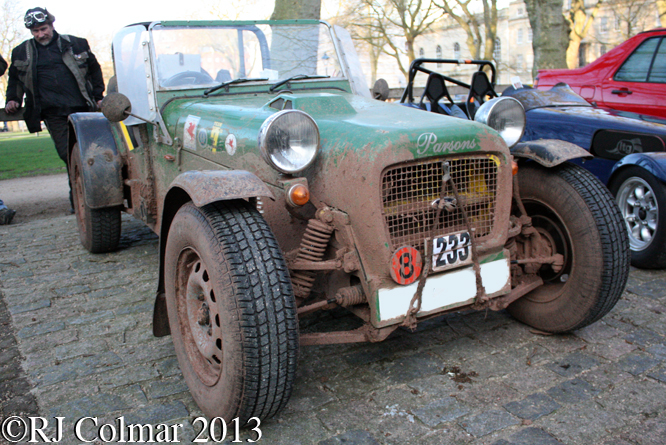
Parsons, Avenue Drivers Club, Queen Square, Bristol

It was great to see Alan Spence, on the left, there with his Parsons still uncleaned from our adventure on the previous weekends Exeter Trial.

29/01/13 STOP PRESS Please keep Alan, who I understand had an unexpected major surgery yesterday here in Bristol, in your hearts and minds. Thank you.

Pilgrim Bulldog, Avenue Drivers Club, Queen Square, Bristol

Pilgrim Bulldogs used to be built up from Morris Marina running gear frequently with MG motor’s, I am not sure if this would be the case with the pristine recent example seen here, if for no other reason that there are not many Morris Marina’s left.

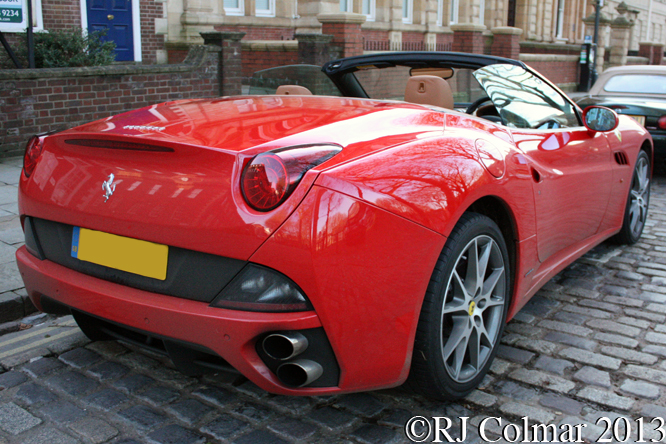
Ferrari California , Avenue Drivers Club, Queen Square, Bristol

Representing an altogether faster breed of car was this 2009 Ferrari California 2+2 Convertible.

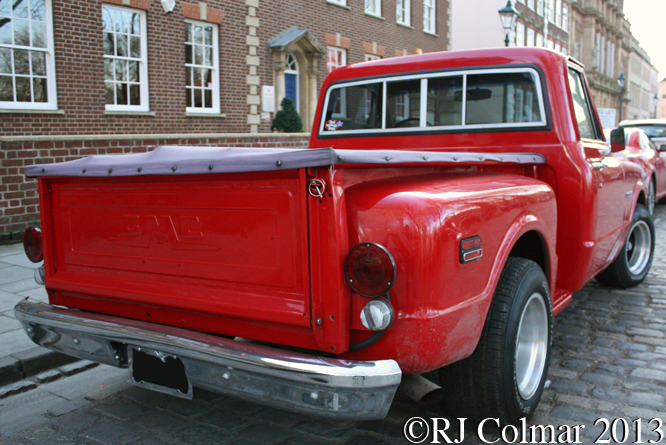
Chevrolet Custom 10 deluxe, Avenue Drivers Club, Queen Square, Bristol

Never ceases to amaze me how many US pickups pass through the Avenue Drivers Club, above a 1972 Chevrolet Custom 10 deluxe.

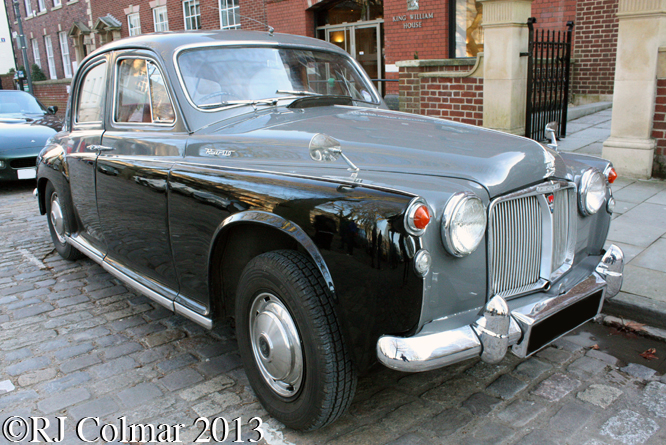
Rover 110 P4, Avenue Drivers Club, Queen Square, Bristol

This 1963 Rover 110 P4 is the largest engined version of the Rover P4 first seen in 1949.

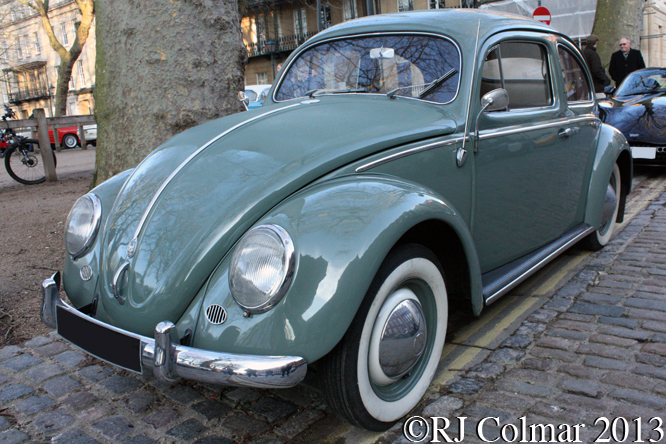
Volkswagen Beetle, Avenue Drivers Club, Queen Square, Bristol

On the other side of the street was this 1957 Volkswagen Beetle.

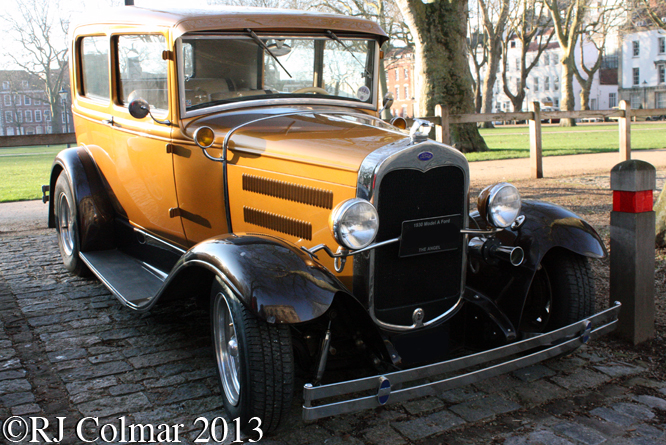
Ford Model A, Avenue Drivers Club, Queen Square, Bristol

After our Coffee and Croisant it was nice to enjoy a little sunshine which highlighted the candy flake paint on this 1930 Ford Model A.

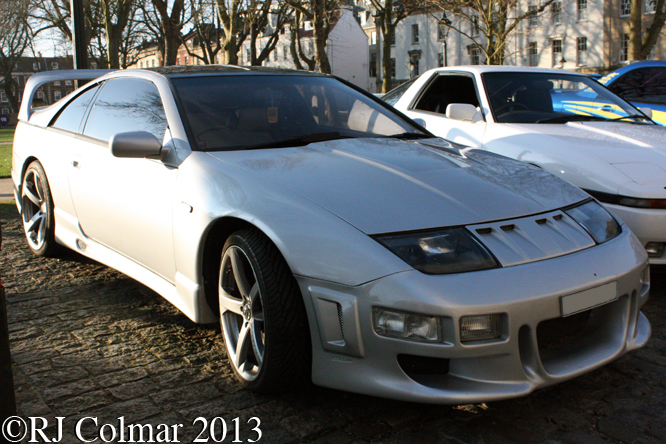
Nissan 300ZX, Avenue Drivers Club, Queen Square, Bristol

Representing the far east was this customised twin turbo 1989 Nissan 300ZX.

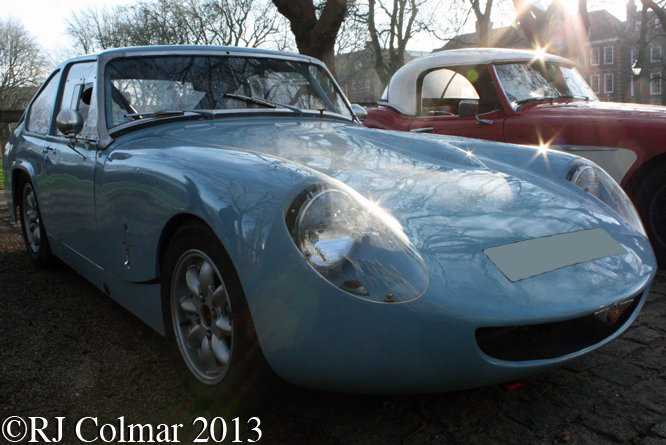
Austin Healey Sprite, Avenue Drivers Club, Queen Square, Bristol

Thanks to “fryth’ at The Nostalgia Forum I believe this Austin Healey Sprite has a Lenham Le Mans non removable hard top which comes with a Kamm tail for extra straight line speed.

Ford Cortina GT Crayford Convertible, Avenue Drivers Club, Queen Square, Bristol

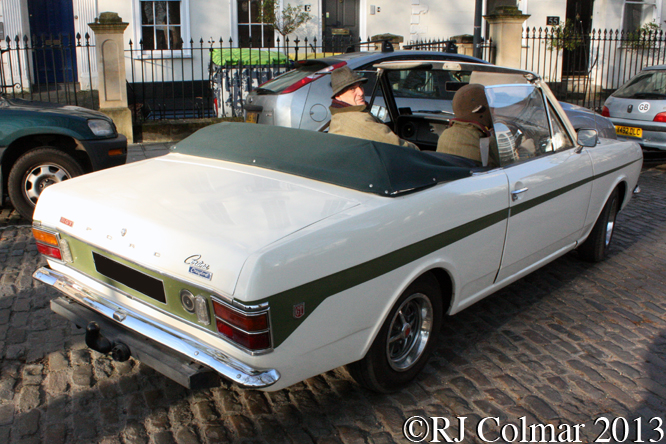
Some one in the area might be a Crayford fan last month we saw a Ford Capri Crayford Convertible and this month is was the turn of this 1970 Ford Cortina Crayford Convertible to put in a welcome appearance.

Mercedes Benz CL500 Auto, Avenue Drivers Club, Queen Square, Bristol

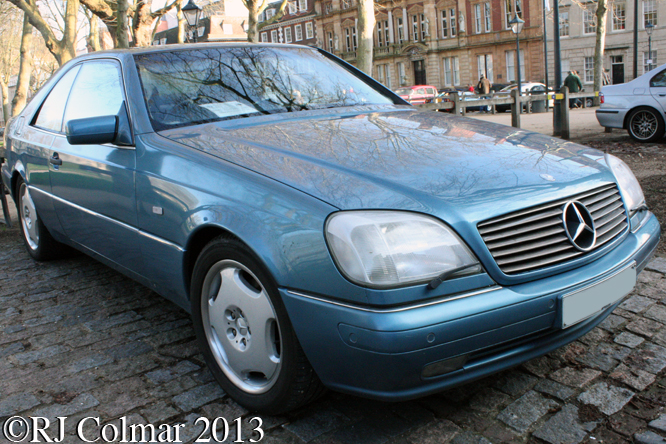
Finally this very ordinary Mercedes Benz CL500 has a particularly interesting story to tell, it’s first owner was Kenny Baker who was the who spent the entire original Star Wars trilogy walking around in the R2-D2 outfit, surprisingly the double glazed car then moved onto the Dark Side when Dave Prowse bought the car from Kenny, Dave spent his time wearing the Darth Vader outfit in the original Star Wars Trilogy.

Thanks for joining me on this “Coffee, Croissant & Cars #8” edition of “Gettin’ a li’l psycho on tyres” I hope you will join me again tomorrow. Don’t forget to come back now !

PS Congratulations to Johnny Martinez who won a trophy for his ’29 Ford Pick Up at the Grand National Roadster Show on Monday, John would also like to thank every one who has voted for him in the Cool Rides Online ® pole at goldeagle.com.

The vote is still incredibly close, YOU CAN VOTE “John’s 1929 Ford Model A” ONCE A DAY ON THIS LINK until poling closes 31st January, please keep your daily votes coming in, thank you.

Share

Perfect Car For A Wedding #7 – Dodge Challenger SRT/8

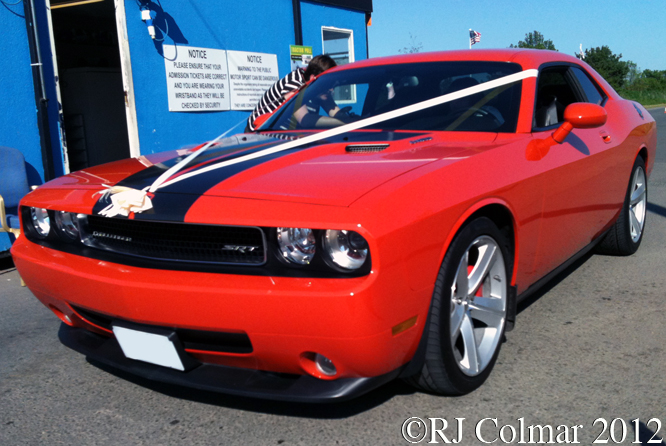
It’s been a while since I have run a “Perfect Car For A Wedding” feature and of those I have run today’s third generation 2008 Dodge Challenger SRT/8 is easily my favorite.

While Ford has always been the trend setter in the pony car market segment, Dodge, who were third in first time round with the 1970 Challenger, beat Chevrolet to 2nd place by a full year at the end of the Naughties after the pony car market segmented was started the second time round by Ford in 2005.

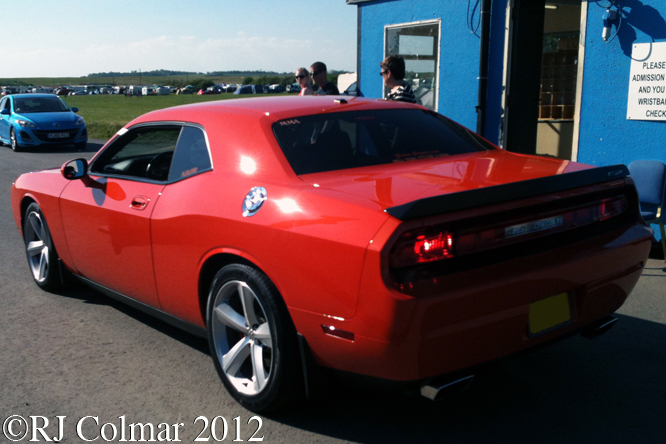
Dodge Challenger SRT 8, Shakespeare County Raceway

The Dodge Challenger SRT/8 was launched at the Chicago and Philadelphia International Auto Show’s simultaneously in February 2008. Unusually all 6400 first production run STR8s were pre sold.

All US market 2008 Challengers like the one seen here were SRT/8 models fitted with 425 hp 6.1 litre / 370 cui HEMI V8s and a five speed AutoStick automatic transmission.

Dodge Challenger SRT 8, Shakespeare County Raceway

The SRT/8 is built on an shortened Chrysler LX platform known as the LC, and shares front and rear suspension components with the Mercedes Benz W220 S Class and W120 E Class respectively.

In 2008 Chrysler Canada built a separate run of between 670 and 719 Challenger 500’s for the Canadian market only.

The Challenger is seen here at the entrance of Shakespeare County Raceway after the owner had used it at her friends wedding earlier in the afternoon. Wishing everybody about to get married today all the best and many happy years together.

Thanks for joining me on this “Perfect Car For A Wedding #7 ” edition of “Gettin’ a li’l psycho on tyres” I hope you will join me again tomorrow. Don’t for get to come back now !

Share

Parkinson’s Research And Care – 8th Danville Concours d’Elegance

The weekend before last saw the 8th Danville Concour’s d’Elegance take place, organised to raise funds for research into Parkinson’s desease. Thanks to photographs by Geoffrey Horton here are a few of the cars that took part.

Aston Martin DB2, Danville Concours d'Elegance

The USA’s first World Champion driver Phil Hill is said to have been the first owner of this Aston Martin DB2, in 1951 a decade before he won the World Championship driving for Ferrari.

Aston Martin DB 2/4, Danville Concours d'Elegance

One of the worlds rarer Aston Martins is the DB2/4 with Italian coachwork by Serafino Allemano. This 1953 chassis #LML/761 was ordered by a customer in Casablanca who used it in local races.

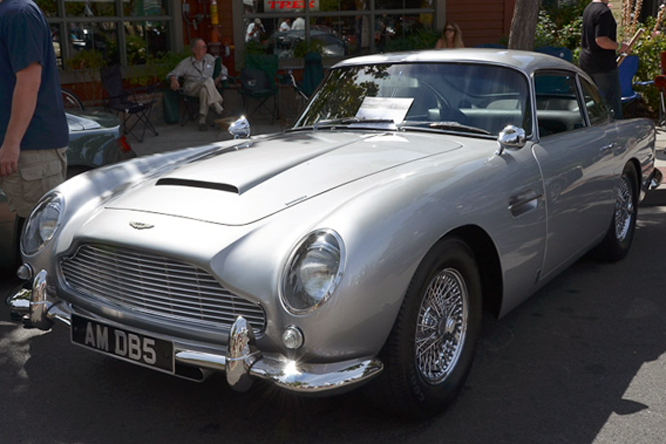
Aston Martin DB5, Danville Concours d'Elegance

Another mouth watering example of the Aston Martin marque was this DB5 1023 of these classic ‘James Bond’ models were manufactured between 1963 and 1965, most of them with out the swiveling number plates, bullet proof rear screen, ejector seat, machine guns smoke screen and oil slick that the handsome man with the Edinburgh brogue found useful until he crashed avoiding a mirror in Gold Finger.

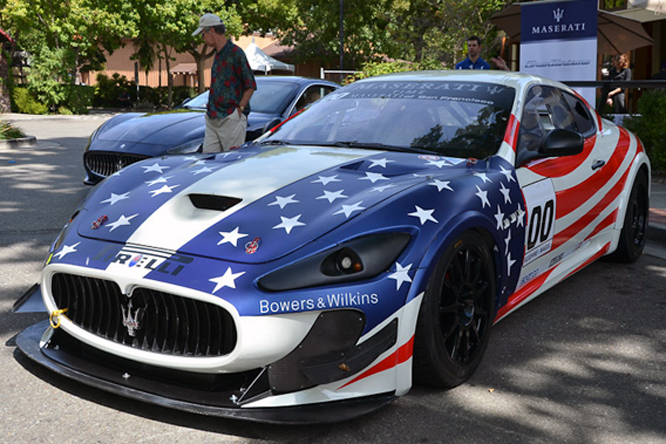
Maserati GranTurismo MC, Danville Concours d'Elegance

Both yesterday and the day before saw the first ever Trofeo Maserati races taking place at Sanoma using racing versions of the Gran Turismo MC as seen above. Venezuelan debutant Alex Popow won Saturdays race with Grey’s Anatomy guest star Patrick Dempsey claiming 6th. Sunday’s results were unknown at the time of writing.

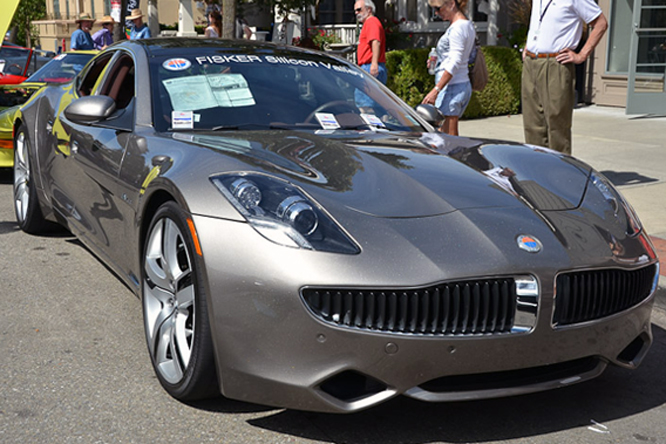
Fisker Karma, Danville Concours d'Elegance

Fisker Automotive was founded in 2007 in Anaheim California, but has the hybrid Fisker Karma vehicles it markets manufactured by Valmet Automotive in Uusikaupunki, Finland. Among the novel features are a solar panel roof which contributes to the climate control system.

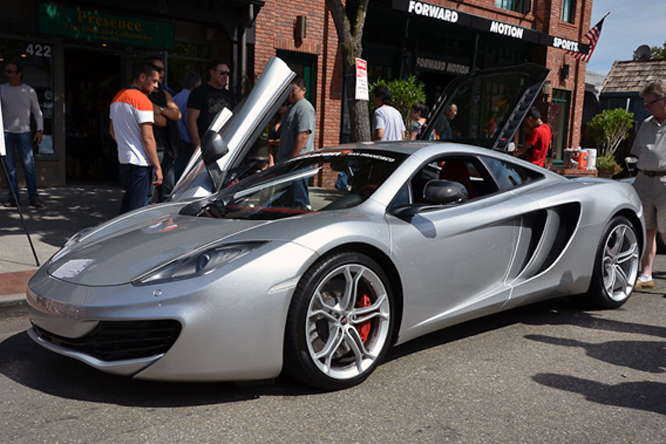
McLaren MP4-12C, Danville Concours d'Elegance

The McLaren MP4-12 C is the racing car manufacturers third road car after the 1969 M6GT (3 possibly 4 built) and 1992/98 F1 (106 built), like all McLaren’s road car projects the MP4-12 C draws heavily on it’s racing technologies which in this case includes a second brake pedal which acts on the inside rear wheel to minimise understeer.

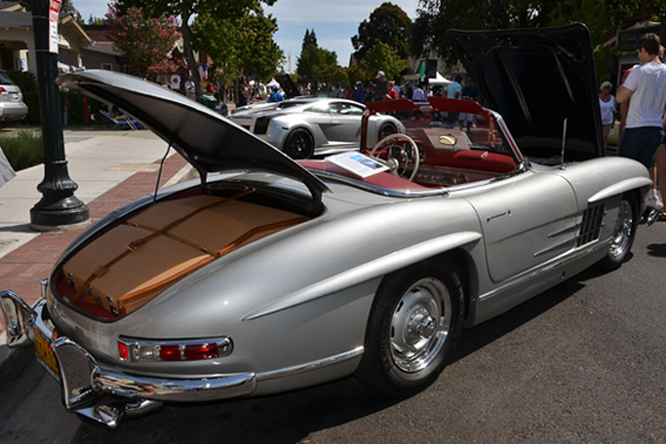
Mercedes Benz 300 SL, Danville Concours d'Elegance

From 1957 to 1963 Mercedes Benz manufactured 1,858 300 SL Roadsters, this one comes complete with the optional factory luggage cases and is one of less than 20 1957 vehicles fitted with Rudge wheels.

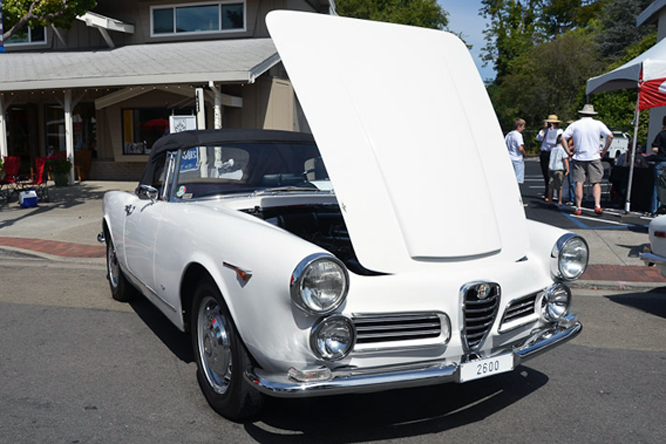
ALFA Romeo 2600 Spyder, Danville Concours d'Elegance

Since the 1920’s ALFA Romeo had offered straight six powered vehicles to it’s customers the 2600 or 106 series manufactured from 1961 to 1968 was the last of this line. Above is 1964 2600, one of 2,255 Spyders built, powered by a 145 hp twim overhead cam version of the straight 6.

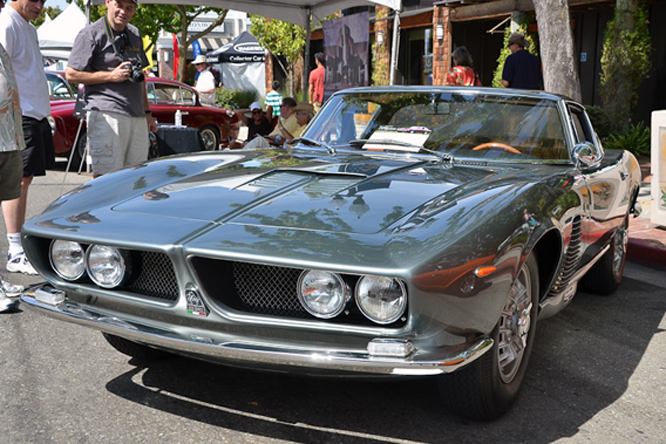
Iso Griffo, Danville Concours d'Elegance

So far as I have been able to discern the Iso Grifo A3/L above ‘might be’ the 1963 prototype shown by Bertone at the 1963 Turin Auto Show. Clues are the given 1963 date of the car and it’s current location. Sales of the 395 hp Chevy V8 cars did not begin until 1965.

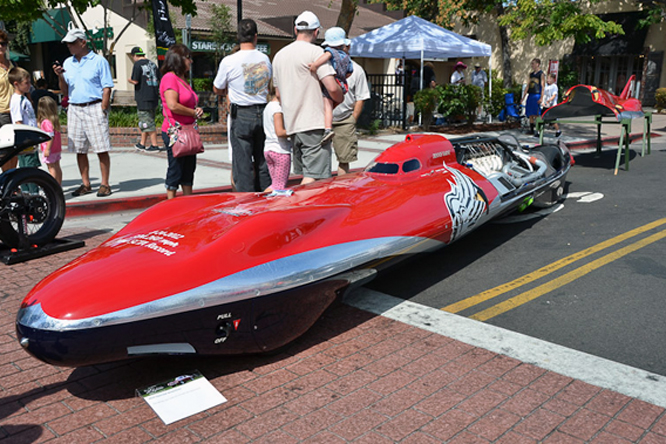
Chevrolet Streamliner, Danville Concours d'Elegance

Getting seriously psycho on tyres is Dennis Varni who on the 14th of September recorded a two way speed of 334.360 mph in this Chevrolet Streamliner powered by a turbocharged straight 6 motor at Bonneville.

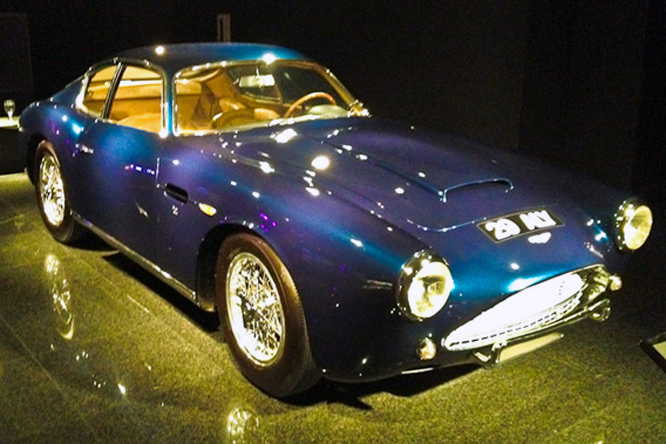
Aston Martin DB4 GT Zagato, Danville Concours d'Elegance

Geoffrey was fortunate to get to the Danville Gala Dinner where this 1961 Aston Martin DB4 GT Zagato was on display, it is the only one of the 19 original cars that still exist that has non faired-in headlights. The UK plate ’29 ALY’ has been reasigned to a 2002 Ford Ka.

Pegaso Typo Z Saoutchik Coupé, Danville Concours d'Elegance

Finally this 1955 Pegaso Tipo Z with a Saoutchik Coupé body is one of only two identical cars for international car exhibitions, at a cost of between US$15 to 35,000 they were amongst the most wildly expensive vehicles of their time.

My thanks to Geoffrey Horton for sharing his photograph’s, there will be further blogs from Danville in the week ahead.

Thanks for joining me on this “Parkinson’s Research and Care” edition of “Gettin’ a li’l psycho on tyres” I hope you will join me again tomorrow when I shall be looking at an MG. Don’t forget to come back now !

Share

Goodwood Revival – #7 Silberpfile

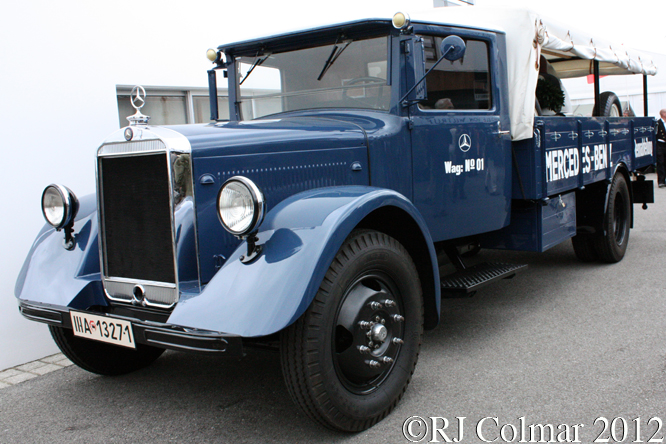
At the Berlin Motor Show in 1933 Adolf Hitler announced two new projects the (Kraft durch Freude – strength through joy) KdF- Wagen that would eventually become the Volkswagen Beetle and a state sponsored racing programme for Mercedes Benz. Below is a recreation of a 1936 Mercedes Benz racing department transporter based on a 70 hp petrol engine Mercedes Benz Lo 2570 truck complete with a Mercedes Benz W125 racing car on the back.

Mercedes-Benz LO 2750, Goodwood Revival

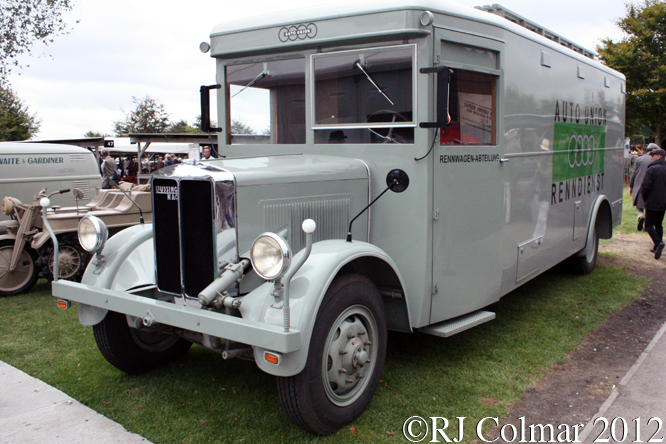
Once it became clear that Hans Stuck would not be joining Mercedes Benz he got together with Chairman of the newly amalgamated Auto Union Baron Klaus von Oertzen and free lance designer Ferdinand Porsche to make a bid to fund a rival for the Mercedes Benz team. Hitler agreed that two rivals would be better than one and so split the funding he had announced in Berlin for Mercedes Benz with Auto Union much to the disgust of the former. Below is a Büssing Typ 300 of the type used by Auto Union to carry their team.

Bussing Typ 300, Goodwood Revival

There are numerous stories about how the Mercedes Benz and Auto Union team cars came to be called collectively the Silver Arrows. Apparently the earliest use to the term was in a 1932 radio broadcast in connection with a streamlined Mercedes Benz SSKL driven by Manfred von Brauchitsch was called a Silver Arrow. When the Auto Unions were prepared in 1934 they were all painted silver and bitter rivals Mercedes Benz, who would probably be loath to admit it, appear to have followed suit.

Auto Union A-Type, Goodwood Revival

For 1934 Auto Union built the A-Type with, for the period, a wholly unconventional mid engine layout which featured a 291 hp super charged V16 motor there was no championship that year, Alfa Romeo won the first two of the seven major races before Hans Stuck won the German Grand Prix for Auto Union, René Dreyfus managed an unlikely win at the Belgian Grand Prix aboard his Bugatti and Mercedes swept the last two races of the season in Italy and Spain. Above is an A-Type of the type Stuck used to win the 1934 German Grand Prix.

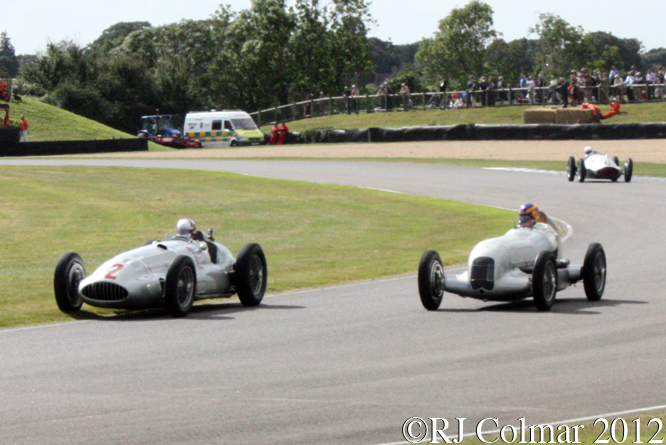
Mercedes Benz W154 and W25, Goodwood Revival

From 1934 to 1937 Mercedes Benz used the W25 powered by a supercharged straight 8 motor that rose from 300 hp in 1934 to 490 hp by the time the W25 was replaced by the W125. In 1935 Rudolf Caracciola won the European Grand Prix Championship with three wins, Stuck one once for Auto Union and Tazio Nuvolari famously upset the Fuhrer by winning for ALFA Romeo in the 1935 German Grand Prix.

Karl Wendlinger had some problems selecting gears with the W25 seen on the left above and when he got a gear on this occasion the car snaked wildly as the narrow power band of his screaming engine kicked in forcing the 1938 W154 onto the grass.

Auto Union C-Type, Goodwood Revival

For 1936 Auto Union introduced the C-Type which produced over 500 hp from it’s supercharged V16. This tipped the scales in favour of Bernd Rosemeyer who won three of the four European Championship rounds to become European Champion in 1936. This left the previous years champion Caracciola with a consolation victory at the start of the 1936 season before the Mercedes Benz team withdrew mid season, after the Auto Unions superiority became obvious, to regroup for 1937.

Five time Le Mans winner Frank Biela is seen at the wheel of the C-type above.

Mercedes Benz W125, Goodwood Revival

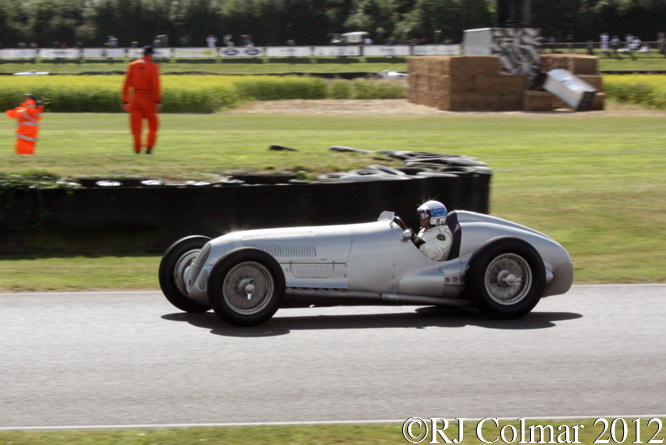
For 1937 Mercedes Benz came back with a vengeance upgrading their supercharged straight eight motor with a swept volume 5,662.85 cc / 345.56 CUI which produced 595 hp and a new W125 chassis as seen being handled by Grand Prix and Le Mans winner Jochen Mass above. After a consolation win at the start of the 1937 season for Rudolf Hasse, Caracciola took three wins from the remaining four rounds of the championship to win the 1937 European Championship title for the second time. Only Manfred von Brauchitsch also aboard a W125 interrupted Caracciola’s progress at Monaco. It was not until the late sixties that circuit racers so powerful would hit the tracks again with the emergence of the unlimited Can Am Series in North America.

Auto Union D-Type, Goodwood Revival

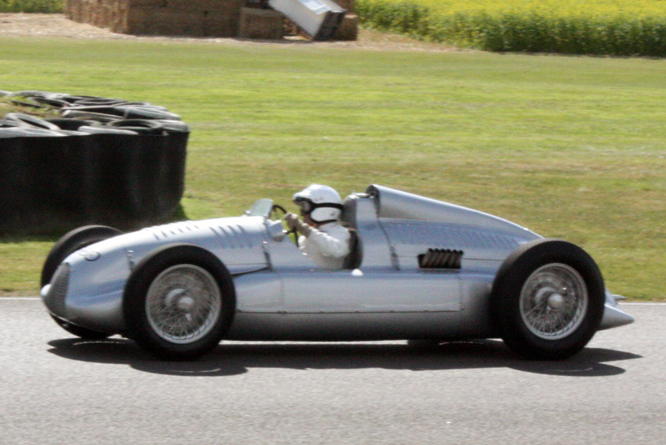
For 1938 the organisers changed the rules to bring the speeds down by announcing a maximum swept volume of three litres / 183 cui. Auto Union developed the new D-type with “only” 12 cylinders in a Vee configuartaion that with 24 psi boost from the supercharger developed 478 hp and was still capable of over 200 mph ! The Nuvolari drove the D-Type, like the one seen here, to a single championship victory at the season finale at Monza.

Mercedes Benz W154, Goodwood Revival

Mercedes Benz built the W154 for the smaller capacity formula using an essentially unchanged chassis from the W125 but with a supercharged V12 giving up to 475 hp. von Brauchitsch and Great Britain’s Richard Seaman won the opening 2 races of the four race series. Caracciola won the third round which was enough to secure him a third European Championship title.

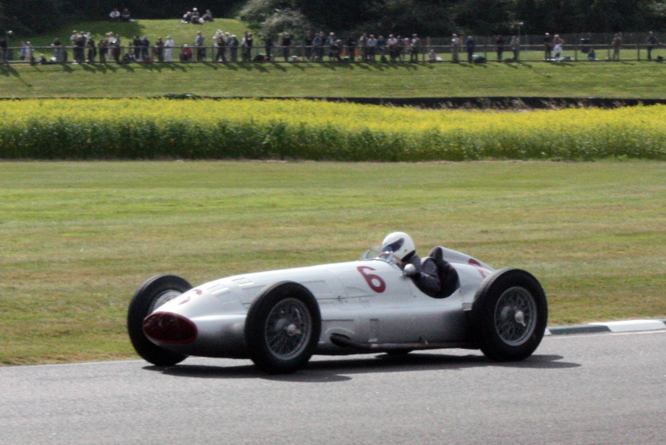
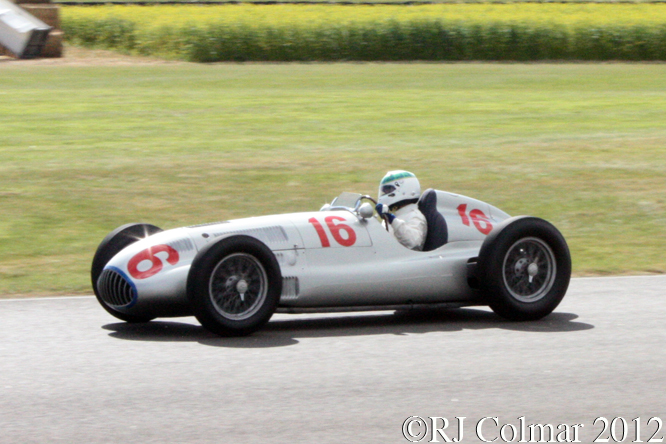
For 1939 there were only four rounds of the European Championship Mercedes again winning three of them Hermann Lang winning the first and last and Caracciola winning the 1939 German Grand Prix all for Mercedes. Herman Paul Müller interrupted the Mercedes domination with a win at the French Grand Prix. Two weeks after the final championship round in Switzerland von Brauchitsch drove the #6 seen here driven by Rob Hall to second place in the non championship Belgrade Grand Prix. That same day the Second World War got underway and the European Championship organisers who apparently had never agreed on the points system to be used for the 1939 championship failed to announce a championship winner. Lang or Mülller would have won depending on the scoring system to be used.

Mercedes Benz W165, Goodwood Revival

Finally Mercedes Benz built the 1.5 litre 91.5 cui supercharged V8 powered W165, as driven by Paul Stewart above, to compete in the more competitive, or at least varied since nearly everyone had abandoned hope of competing against Mercedes Benz and Auto Union, voiturette (small) class. Two cars were entered for Lang and Caracciola in the Tripoli Grand Prix and they finished first and second in that order. The cars were never to be raced again despite Caracciola being invited to compete at Indianapolis in 1946, he could not get the car out of Europe through Swiss customs.

Without doubt these are some of the most fascinating cars ever seen in motor racing, they dominated races that were often 10 hours long, but in the early years they were not invincible. However great the achievements of the teams and drivers these cars were built in an industrial context with the conscripted help of men and women who were not free to do as they liked, and I would venture to suggest these vehicles should be remembered as a testimony to those who endured unimaginable hardships and in the greater scheme of things some of the greatest inhumanities known to man.

Thanks for joining me on this “#7 Siberpfile” edition of “Gettin’ a li’l psycho on tyres”, I hope you will join me again for some California Sunshine tomorrow. Don’t forget to come back now !

Share