Tag Archives: Motor

Traffic Light King – GMC Syclone

Max Grabowsky established the Rapid Motor Vehicle Company on the 22nd December 1901 which built a truck powered by a single cylinder motor. In 1909 the company was taken over by General Motors to form the General Motors Truck Company from which the GMC Truck brand was born. In 1916 a GMC Truck was driven from Seattle to New York City in just 30 days, ten years later a 2 ton GMC Truck took five days and 30 mins to travel from New York to San Francisco.

GMC Syclone

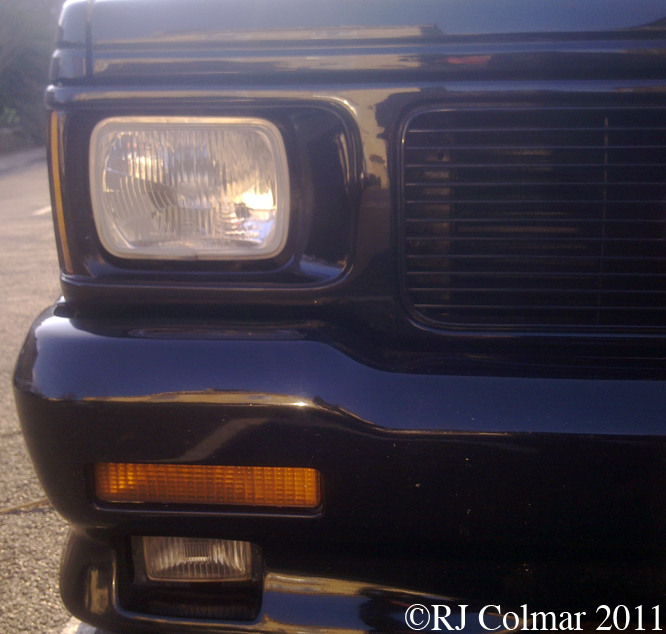
In 1990 GMC identified a niche market for a ‘performance’ truck based on the GMC Sonoma complete with lowered suspension, four wheel drive, fog lights and under the bumper corner spoilers.
GMC Syclone

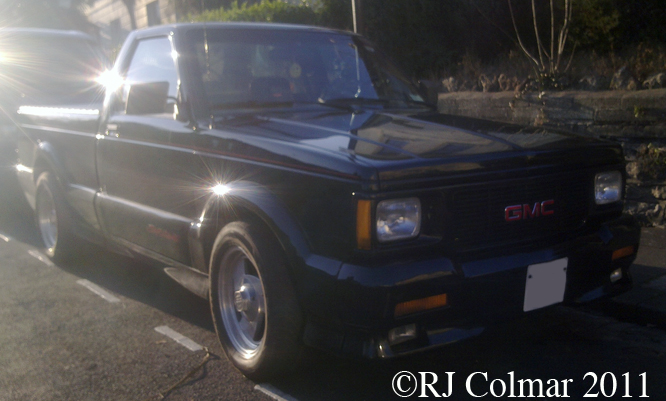
The Syclone model was powered by a 280 hp 4.3 litre / 262 cui turbocharged V6 motor that was coupled with a 4 speed automatic transmission. ABS brakes, to keep all those horses under control, were used for the first time on an all wheel drive truck application.
GMC Syclone

Volkswagen Golf / Rabbit GTi inspired, to European eyes, red detailing inside and out was rounded off with 16 inch alloy wheels carrying comparatively low profile tyres.
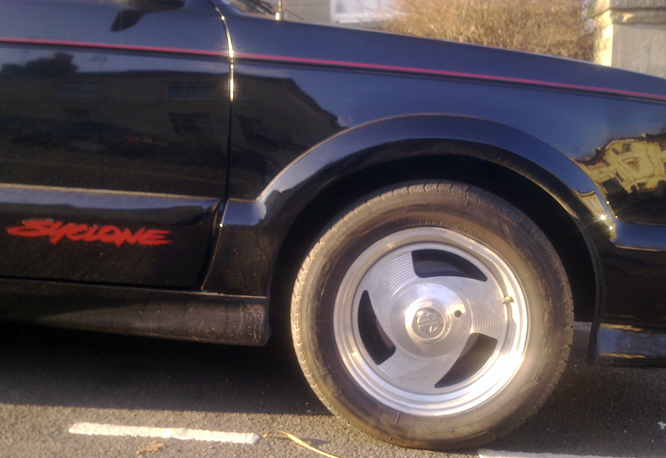
GMC Syclone

Car & Driver famously pitted the $26,000 Syclone against a $122,000 296 hp Ferrari 348ts and in all the acceleration tests up to and including the 1/4 mile drag the Syclone came out best only loosing out with a top speed of 126 mph against the Ferrari’s 166 mph !
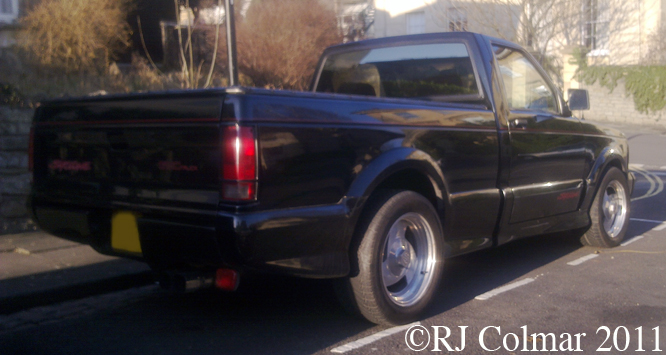
GMC Syclone

Built in Troy MI by Production Automotive Services, unlike the regular Sonoma which was built in Shreveport LA, the only downside of the Syclone was that it’s lowered suspension limited the carrying capacity to just 500 lbs, still considerably more than a Ferrari, but considerably less than that 1700 lbs plus of a regular GMC Sonoma.
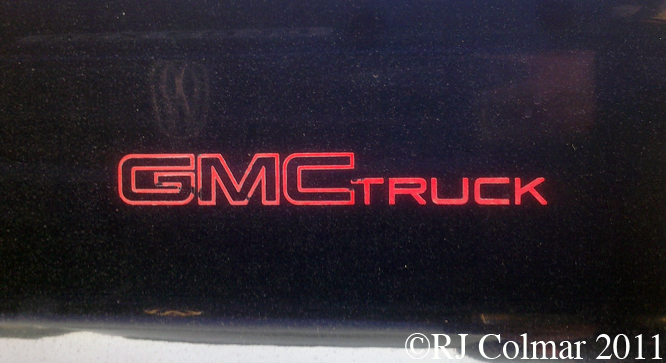
GMC Syclone

It is thought just 2998 Syclones were built between 1991 and ’92, with just 3 made in 1992 ! 113 are thought to have been exported, with 31 returned, making today’s vehicle seen in Bristol one of just 82 Syclones thought to be outside the USA.

Patrick Bedard of Car & Driver summed up the Syclone as the pick up that would ‘do a Ferrari blur on the local scenery’ and ‘makes this capability seem like a perfectly wonderful idea.’ Sounds good to me, a very good idea indeed.

Thanks for joining me on this `Traffic Light King’ edition of ‘Gettin’ a lil’ psycho on tyres’, I hope you will join me again tomorrow. Don’t forget to come back now !

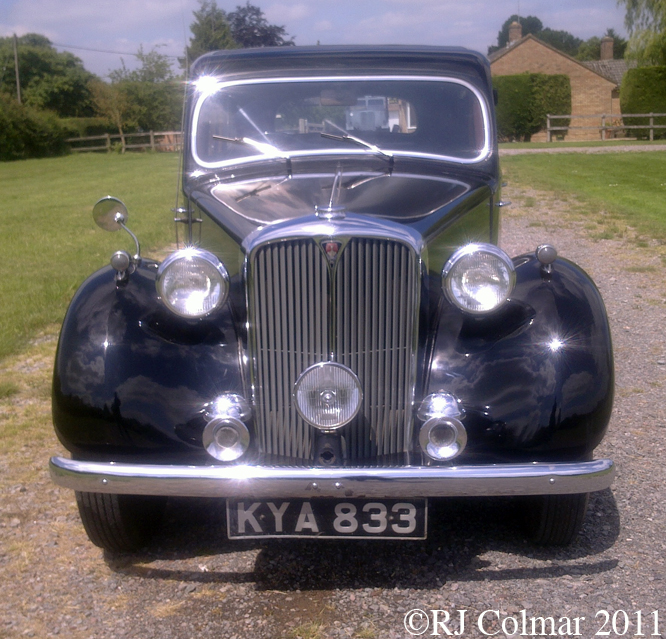
Share

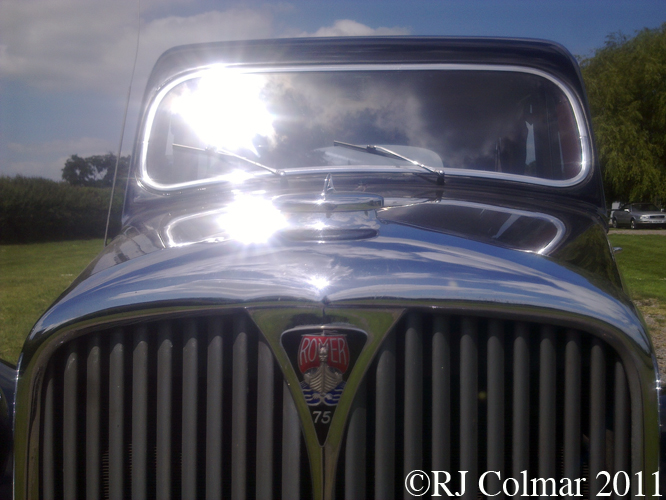
Interim Model – Rover 75 P3

In 1878 the Rover Company was founded as Starley & Sutton Co. of Coventry which by 1885 had developed the template for the modern bicycle in the form of the Rover Safety Bicycle.

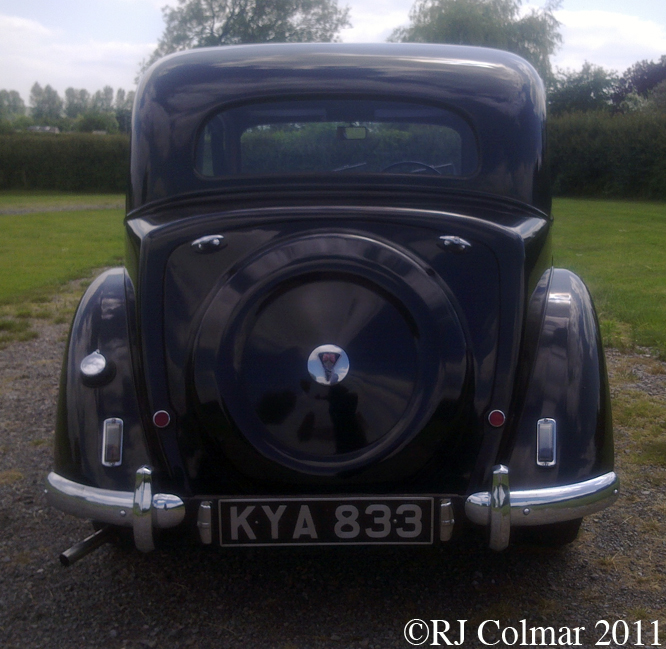
Rover 75 P3, Atwell Wilsom MM

From 1904 still using the Rover Marque brand the company started building motor cars and motorcycles.

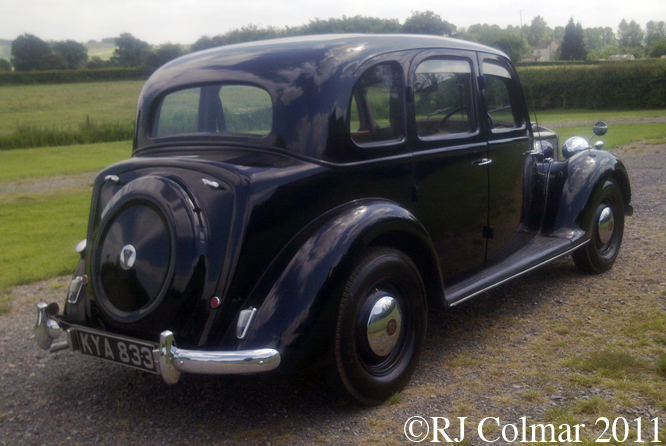
Rover 75 P3, Atwell Wilsom MM

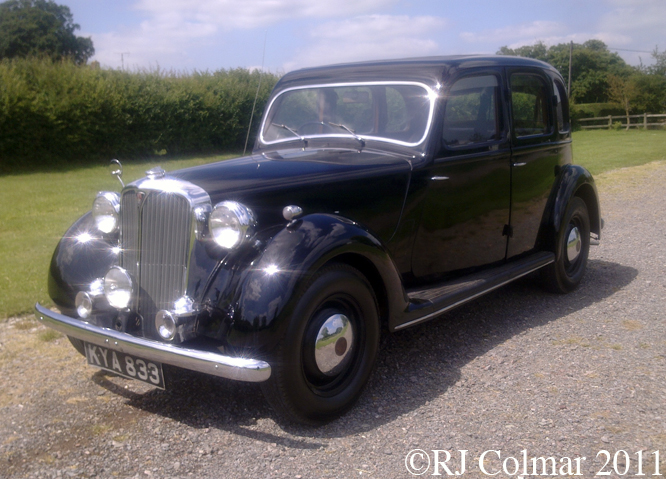
After World War 2 Rover moved to it’s Solihull factory where it had engaged in building aircraft for the war effort, since it’s car plant in Coventry had been wiped out by bombing during the hostilities. The interim P3, launched in 1948, was Rovers first post war model.

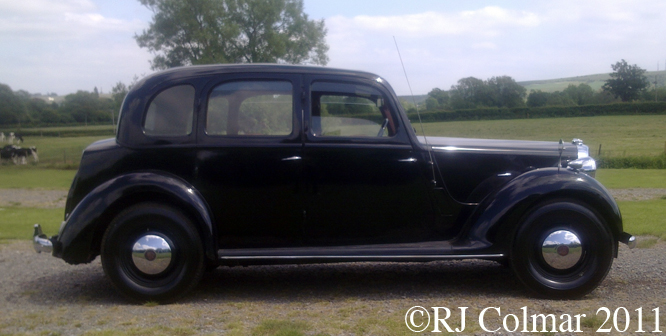
Rover 75 P3, Atwell Wilsom MM

The Rover 75 version of the P3 was powered by a novel new six cylinder motor that featured overhead inlet valves and side exhaust valves that had been developed prior to the commencement of hostilities in 1939.

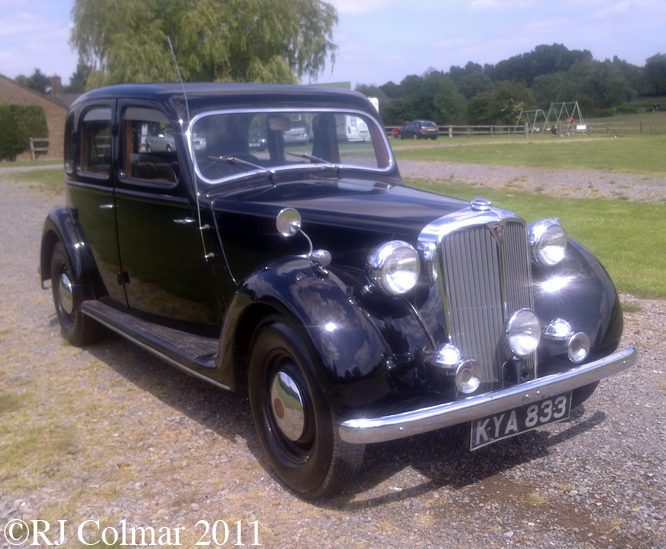
Rover 75 P3, Atwell Wilsom MM

The styling combined elements of the pre war Rover 12 and 16 but only the Rover 12 wings and bonnet were carried over from the narrower earlier designs.

Rover 75 P3, Atwell Wilsom MM

The unitary monocoque design, requiring no independent chassis, featured independent front suspension and hybrid hydraulic / mechanical brakes.

Rover 75 P3, Atwell Wilsom MM

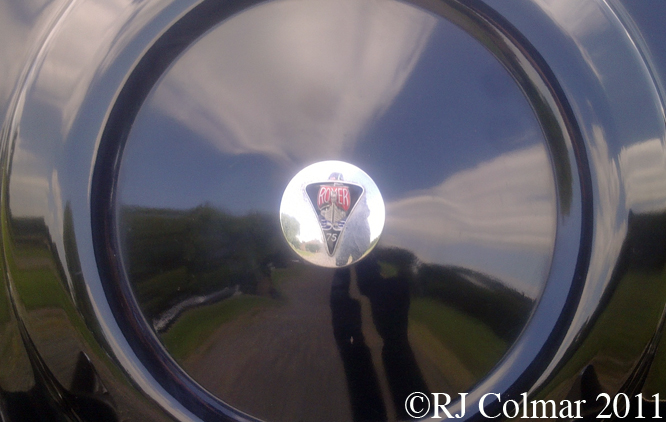
This the 75 body style seen here was known as a light six saloon and cost a relatively expensive £1106, £ 26 more than the similar 4 cylinder ‘Sports Saloon’ known as the Rover 60.

Rover 75 P3, Atwell Wilsom MM

From 1948 – 1949 7,837 Rover 75’s were produced before the all new P4 vehicle was introduced.

Rover 75 P3, Atwell Wilsom MM

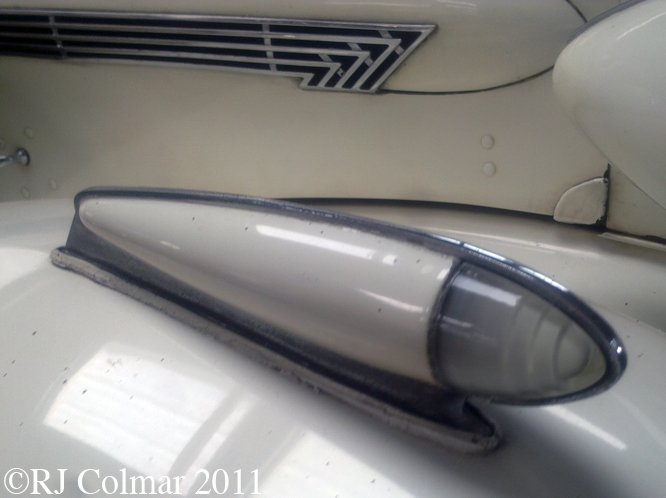
The engine and gearbox of the P3 formed the basis of the very first agricultural all terrain ‘Land Rover’ conceived in 1947. Note the vehicle above built in times of material austerity features a cyclops third head light but only one wing mirror.

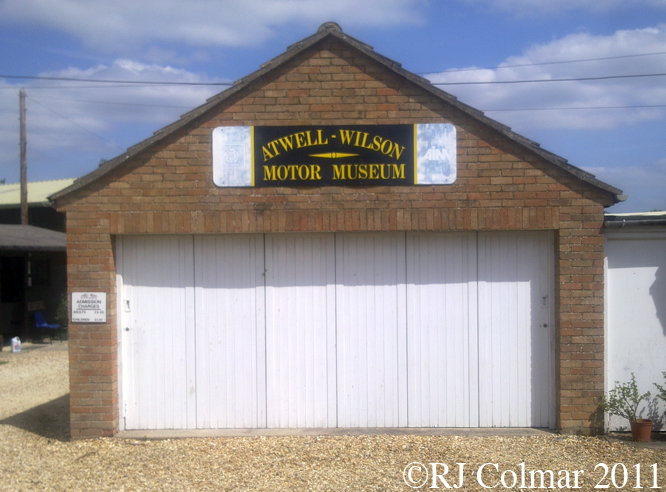
This particular P3 can be seen at the Atwell Wilson Motor Museum in Calne.

Thanks for joining me on this ‘overhead and side valve’ edition of ‘Gettin’ a lil psycho on tyres’, I hope you’ll join me again tomorrow. Don’t forget to come back now !
Share

Follow That ‘Burb ! – Independence Day Touring Assembly

Yesterday evening Martin and Nick of the Bristol Pegasus Motor Club were responsible for organising an Independence Day Touring Assembly, in aid of the Wiltshire Air Ambulance and it was a good excuse to take some foreign guests staying with us out for an evening ride.

Independence Day Rally, BPMC

We assembled at The Parkway in Stoke Gifford where an eclectic collection of vehicles had gathered including

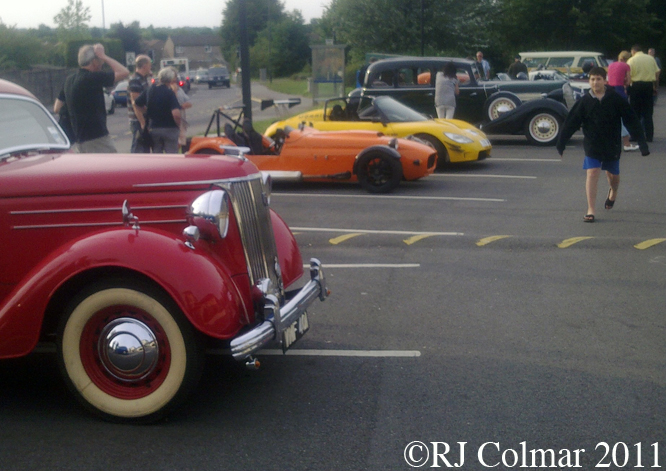
Hudson Suburban Sedan, Independence Day Rally, BPMC

a 1935 Hudson Suburban Sedan,

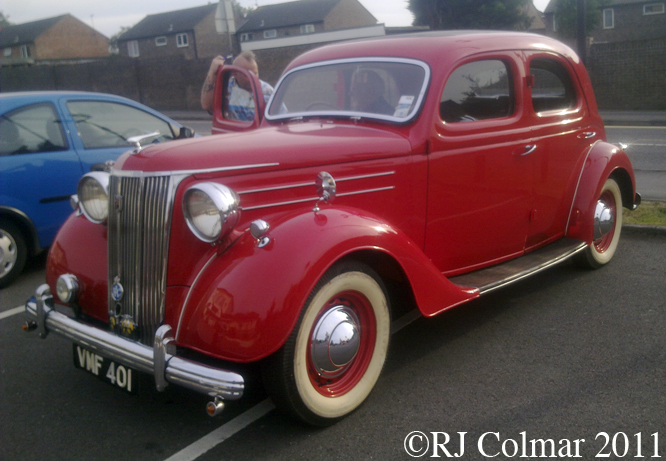
Ford V8 Pilot, Independence Day Rally, BPMC

and 1950 Ford V8 Pilot,

Independence Day Rally, BPMC

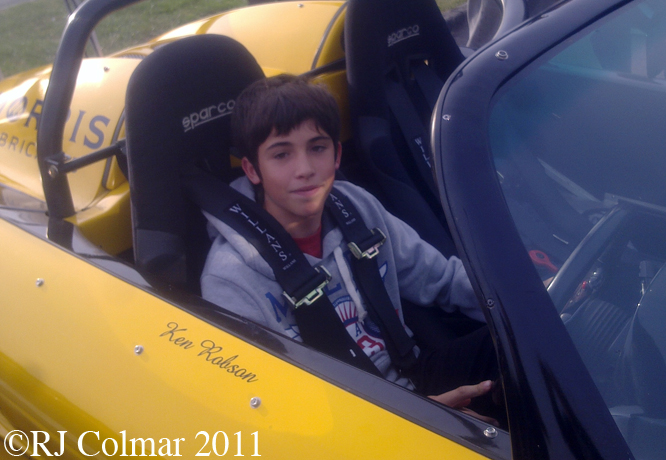
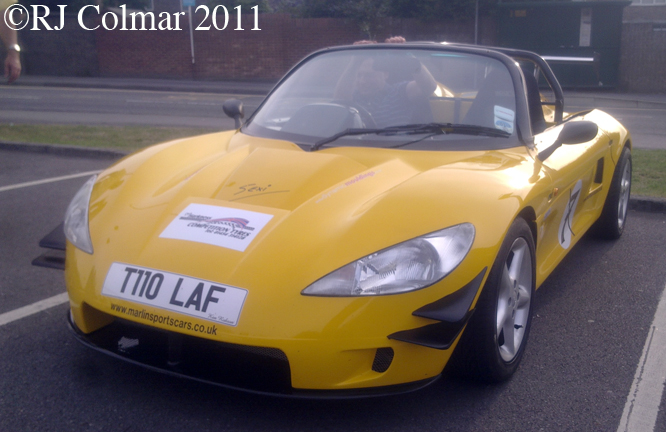
Ken kindly let our guests, Pablo from Barcelona seen here, jump into his Marlin 5exi.

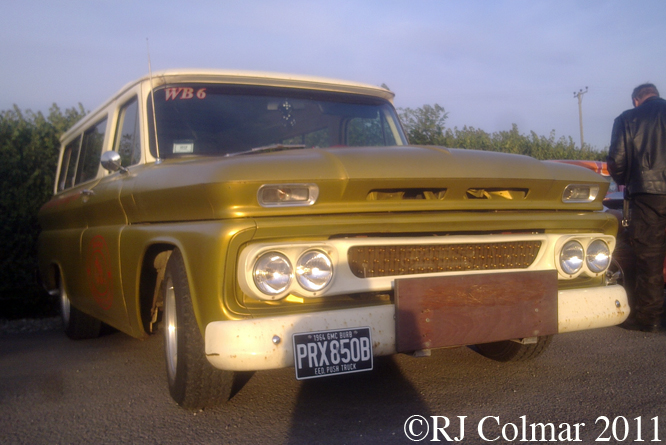
Chevrolet Suburban, Independence Day Rally, BPMC

Soon it was time to go to The Griffin in nearby Warmley to pick up some members of Bristol Hotrods who joined us on our cruise. Not knowing exactly where I was going I took the advice to ‘follow that ‘burb’ referring to a large gold Rover V8 powered 1964 GMC Suburban belonging to Chris, who some of you may remember got me interested in drag racing not so long ago.

Independence Day Rally, BPMC

After a 20 min drive round what counts as Bristol’s ring road

Monarch GP, Independence Day Rally, BPMC

we arrived in the car park of The Griffin where I was surprised to find chain drive fan Duncan waiting for us in another of his amazing Edwardian vehicles a Monarch GP powered by an 8.4 litre / 512 cui Curtiss V8 aircraft engine.

Independence Day Rally, BPMC

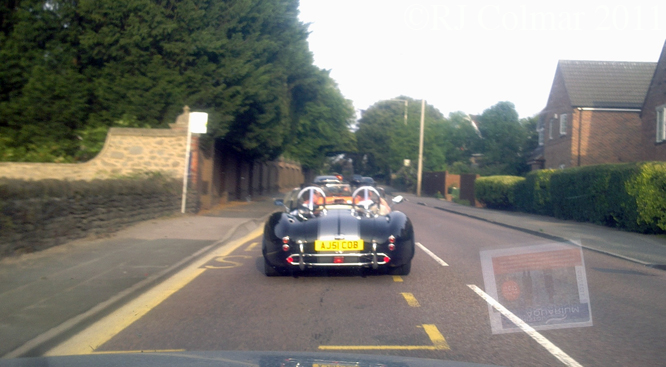
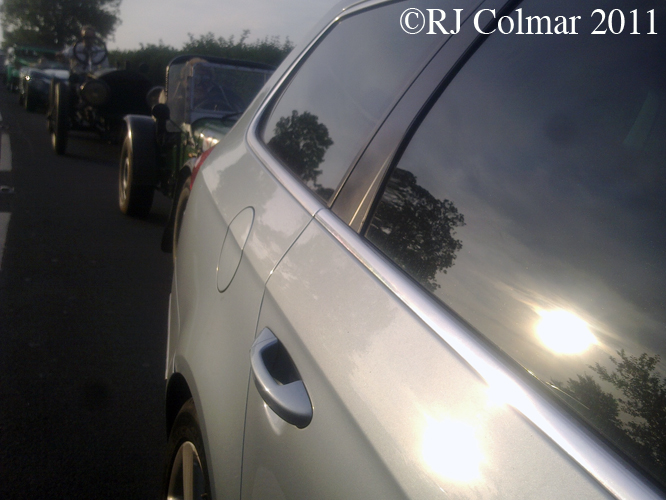
No sooner had I taken a snap and we were on our way to our final destination in a convoy vaguely reminiscent of the Whacky Races, behind me here are a Parsons trials car, Duncan in his Monarch, what appears to be a genuine C type Jaguar and a Ford Hotrod.

Independence Day Rally, BPMC

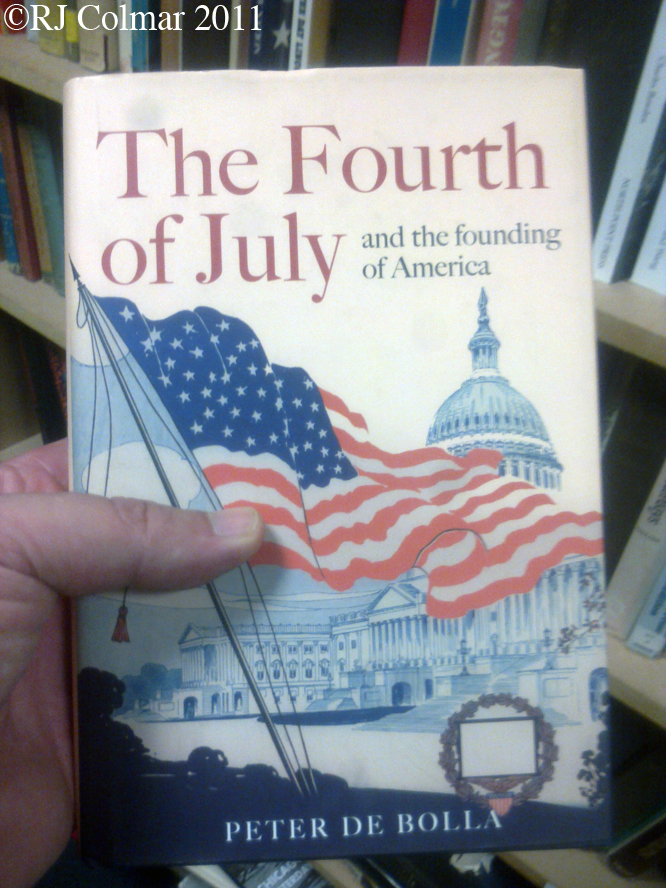
Our final destination was the Book Barn in Hallatrow about 20 miles south of Bristol where coffee and a fine selection of used books was to be found including a Spanish English Dictionary for Pablo.

Ford, Independence Day Rally, BPMC

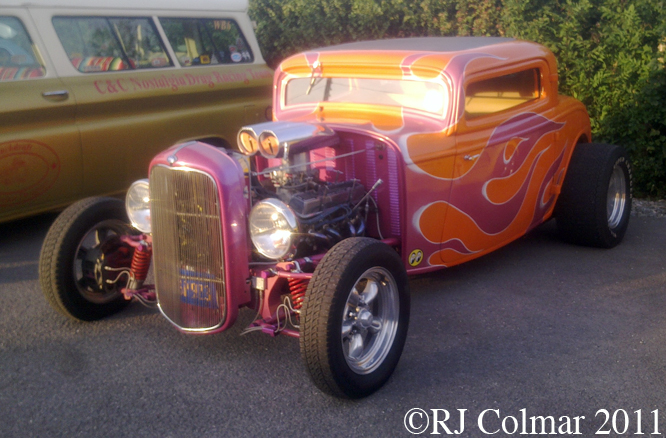
Outside I took the opportunity to get a closer look at some of the hotrods that had joined us from The Griffin, including this exquisitely painted Ford which was built from a kit,

Ford Anglia, Ford, Independence Day Rally, BPMC

this chopped Coupe which apparently started life as a humble 1949 Ford Anglia and is now fitted with a Supercharged Rover V8

Ford Coupé, Independence Day Rally, BPMC

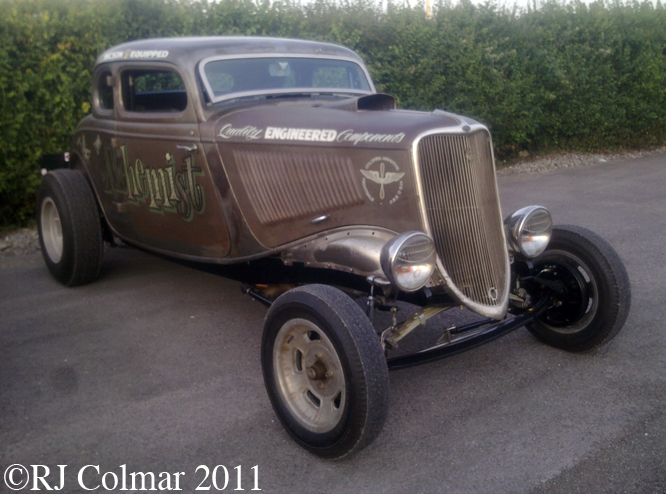
and The Alchemist based on a 1933 Ford Coupe with tasty patina powered if I heard correctly by a 5300cc / 323 cui ‘Hemi’ V8.

Independence Day Rally, BPMC

Paulo from Milan took a real shine to the C – Type,

Marlin 5exi, Independence Day Rally, BPMC

but after a 20 mile ride with Ken he was left most impressed by the Marlin 5exi.

TVR Griffin 500, Marlin 5exi, Independence Day Rally, BPMC

My thanks to Martin and Nick who organised a splendid Assembly to everyone who came along and particularly to Ken and Rob, seen above in his TVR Griffin 500, for giving Paulo and Pablo rides in vehicles neither will forget in a hurry.

Hope you have enjoyed todays Independence Day Assembly edition of ‘Gettin’ a lil’ psycho on tyres’ and that you will join me again tomorrow for a look at a replica concept car. Don’t forget to come back now !

PS Please spare a thought for Nick’s wife Cherry who had the misfortune to get clobbered by a 4ft iron bar in a freak accident while at Goodwood on Friday. Best wishes for a speedy recovery Cherry.

Share

Off The M4 – Atwell Wilson Motor Museum

For several years now every month I have been making a trip up to London to go and see my folks, on the way back no matter what time of day I frequently find myself in a traffic jam some where around J18 on the M4 which could add anything up to an hour on my normal 2 hour journey time.

Atwell Wilson Motor Museum, Calne

About 18 months ago forewarned, by a big new electric message board on the M4, of an impending jam between Junction 18 and 20 I took a detour and followed the A338 from Junction 14 down to Upper Eddington and then followed the A4 west to Bristol.

Buick, Atwell Wilson Motor Museum, Calne

Going through Calne I passed a sign for a Motor Museum, 18 months later with a little time on my hands I managed to follow the sign about a mile down Stockley Lane and on the left I found the Atwell Wilson Motor Museum.

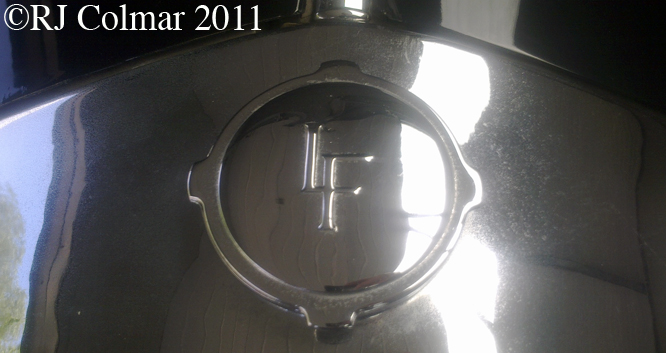
Lea Francis, Atwell Wilson Motor Museum, Calne

Entrance is an unbelievably low £5 and within were over 100 2, 3, 4 wheeled vehicles, and one soon to depart 6 wheel World War 2 AEC RAF Refuelling Tanker.

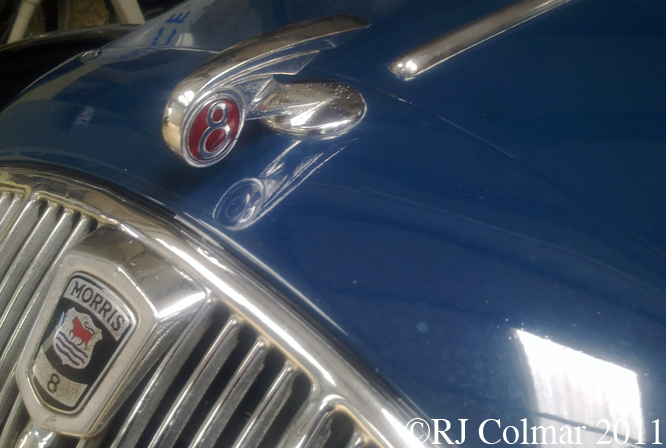
Morris 8, Atwell Wilson Motor Museum, Calne

The collection can broadly be divided into vintage and classic mass production vehicles with a particularly interesting collection of Limousines both British and American which are available at very reasonable rates for wedding hire.

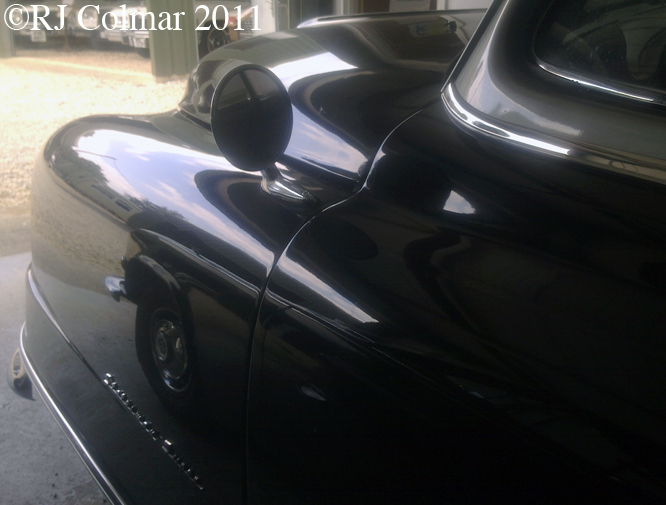
Nash Statesman Super, Atwell Wilson Motor Museum, Calne

The Atwell Wilson Museum was founded by Richard and Hasel Atwell, who lived in Wiltshire all of their lives, in 1962 they started collecting vehicles with a local connection and maintaining them in a road worthy condition. Richard passed away last year, the Museum that has grown out of the collection is run by 15 volunteers.

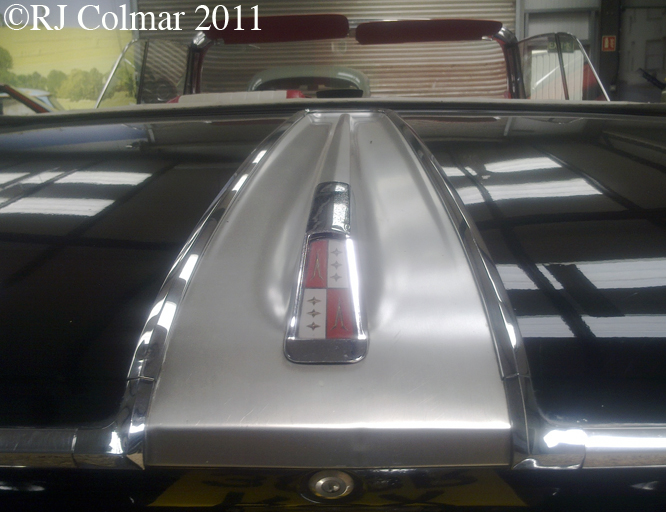
Plymouth Fury, Atwell Wilson Motor Museum, Calne

On the weekend of July 9th and 10th the museum will be hosting a classic car weekend, if you have a classic car, or even if you don’t but would like to attend call 01249 813119 or e-mail enquiries@atwellwilson.org.uk for details. I shall look forward to attending on one of the two days.

Thanks for popping by today’s Atwell – Wilson edition of ‘Gettin’ a lil’ psycho on tyres’, I hope you will join me again tomorrow for a closer look at the Atwell – Wilsons 1962 Plymouth Fury. Don’t for get to come back now !

Share

He who is first will later be last – Auto Gymkhana

BPMC, Auto Gymkhana

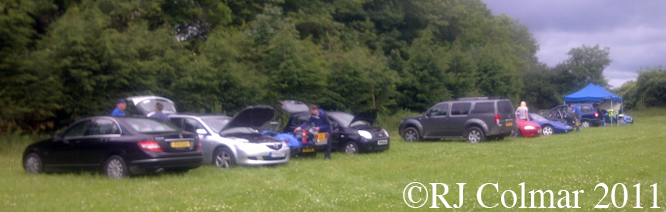
Flush with success after my first production car trial, last weekend I joined members of The Bristol Pegasus Motor Club and took part in an Auto Gymkhana for the first time at Sheepcot Farm not far from Chepstow.

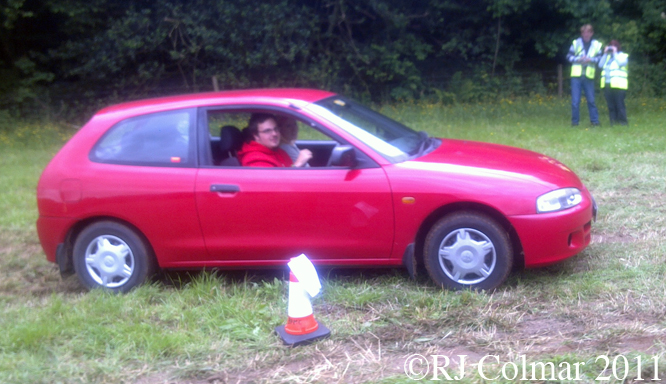
Mitsubishi Colt, BPMC, Auto Gymkhana

(Ben in his Mitsubishi Colt finished 6th Overall)

There were 12 entries 11 of which stayed for the full 24 stages of the competition which centred on variations of 4 basic tests.

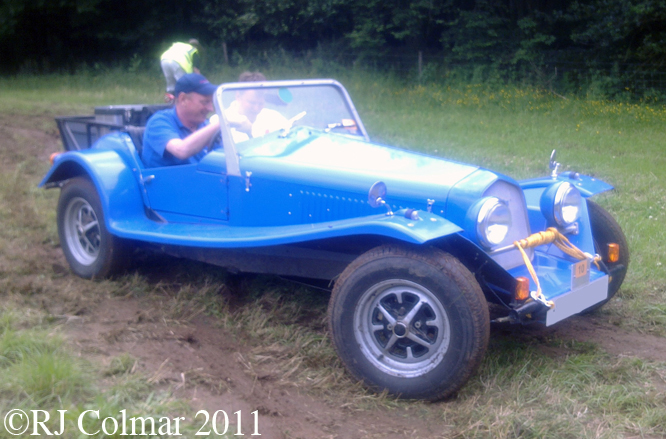
Marlin, BPMC, Auto Gymkhana

(Nick and Andy shared Andy’s Marlin, Andy finished 2nd and Nick 8th)

The first group of tests focused on parking skills in forward and reverse alongside a plank of wood. Not such a difficult task but when done competitively in one manoeuvre surprisingly difficult to get the wheels as close to the plank as possible without touching the plank. The competitor who parked with the front wheel closest to the plank won. There were further parking tests to see who could park closest to a cone.

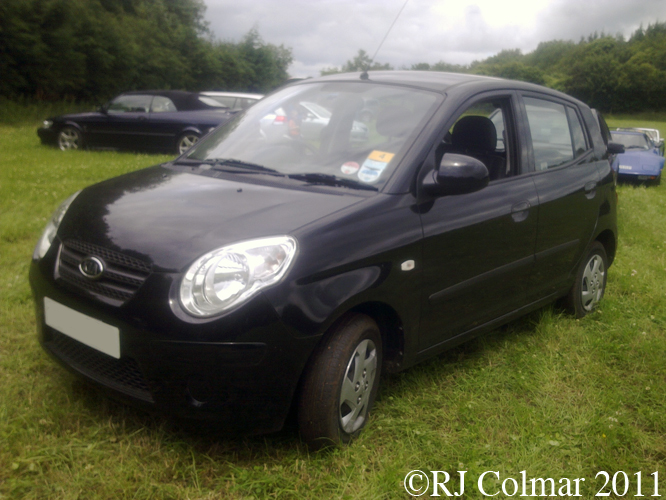
Kia Picante, BPMC, Auto Gymkhana

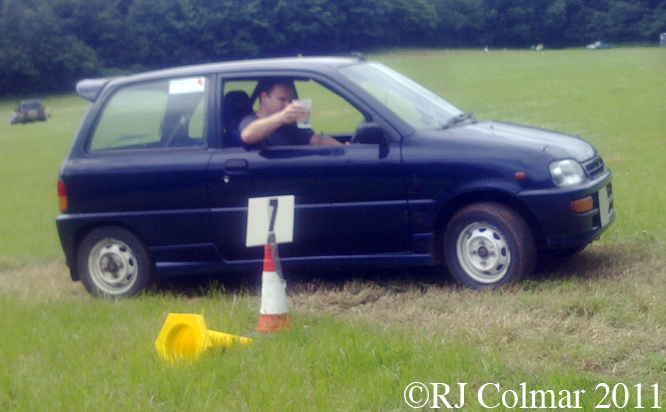
(Kia Picante in which I came 10th)

Next came a timed slalom first time round I got the gates a bit mixed up at the end which meant I somehow contrived to travel a longer distance than necessary. Driving my landladies mothers Kia Picante I was woeful on this test deciding that discretion was the better part of valour I aimed to improve my times through each timed run and tried to avoid scratching the car by running too close to the markers.

Daihatsu Curore, BPMC, Auto Gymkhana

(Daihatsu Curore shared by Chris and Coralie who finished 3rd and 4th.

I did much better when it came to driving round the slalom holding a pint of water in my own time spilling less water than most I finished in the top 3 each on each of the 3 occasions this test was run.

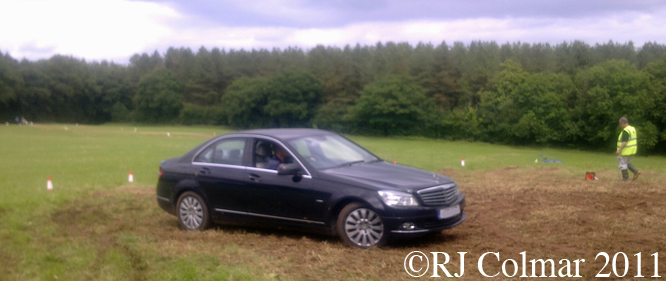
Mercedes 220 CDi, BPMC, Auto Gymkhana

(Ken in the Mercedes C220 CDi with the amazing turning circle finished 11th)

The hillclimb proved relatively simple for everyone except for Ken in his Mercedes C220 CDi which could handle the turns but had no weight over the rear axle to afford the necessary traction over the final incline which got progressively more slippery.

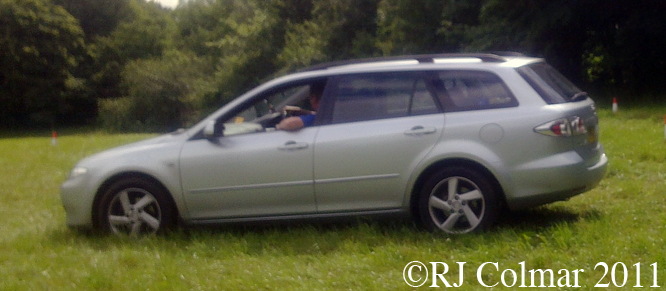
Mazda 626, BPMC, Auto Gymkhana

(Nick soon came to the conclusion that his Mazda 626 did not have a good enough turning circle)

Finally there was an autotest which involved driving round a course of tight circles parking in garages and some reversing. Nick dropped his Mazda 626 out of the competition immediately when it became apparent his car simply did not have anything like enough steering lock to compete. He ended up sharing Andy’s Marlin instead.

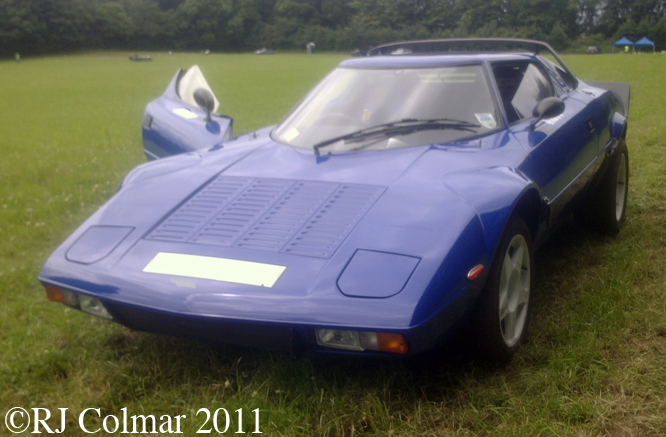
Hawk HF3000, BPMC, Auto Gymkhana

(Alan brought his Hawk HF3000 in 9th.)

Alan driving a Hawk HF 3000 Lancia Stratos replica powered by a 3 litre ALFA Romeo V6 needed a co-driver on the autotest in order to open the passenger door and make calls on the positions of the cones when reversing ! I jumped in to help Alan on a couple of occasions and was struck by the heat coming off the radiator in front of the footwell and the engine mounted directly behind the seats. A fabulous car to sit in for the slalom though.

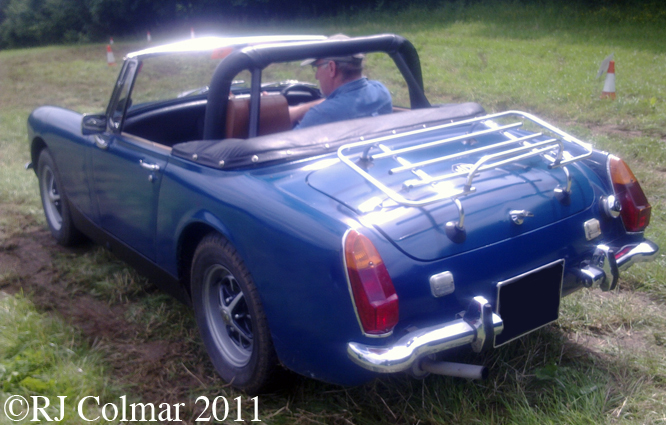
MG Midget, BPMC, Auto Gymkhana

(Mal in his all conquering MG Midget Mk3 )

Clear winner of the event was Mal in his MG Midget Mk3 which he bought for just £250 many years ago.

My thanks to Martin and team of marshals who ran a wonderful days competition, to Tim who kept score of the days activities to Alan for the the ride in the HF 3000 and congratulations to Mal.

Hope you have enjoyed today’s Auto Gymkhana edition of ‘Gettin’ a lil’ psycho on tyres, and that you will join me again tomorrow. Don’t forget to come back now !
Share

Chthonic deity of vengeance – Plymouth Fury

Plymouth Fury, Atwell Wilson Museum

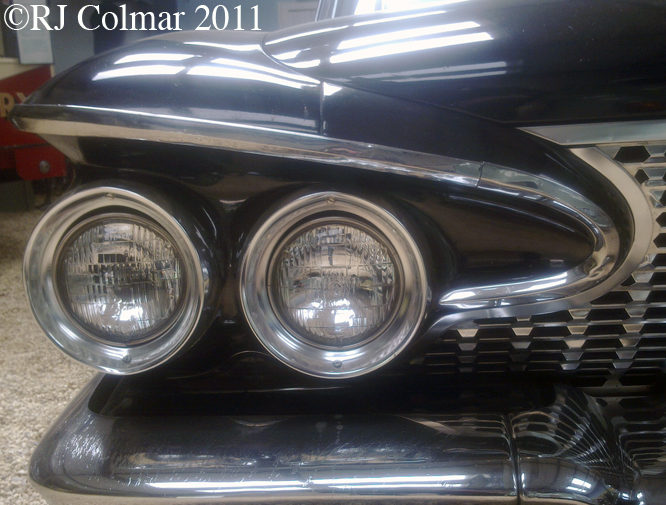
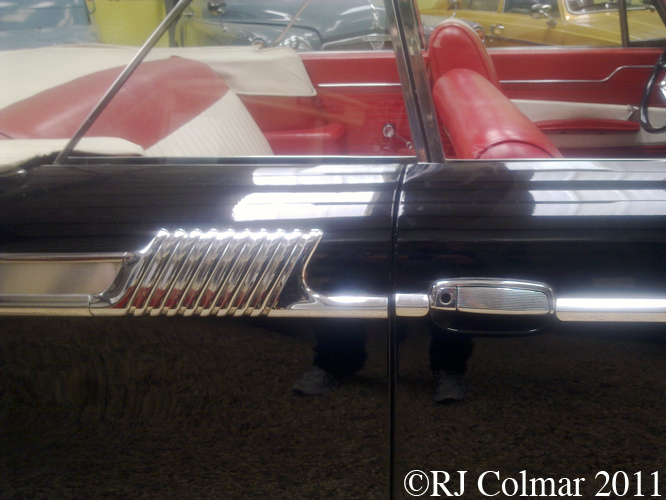
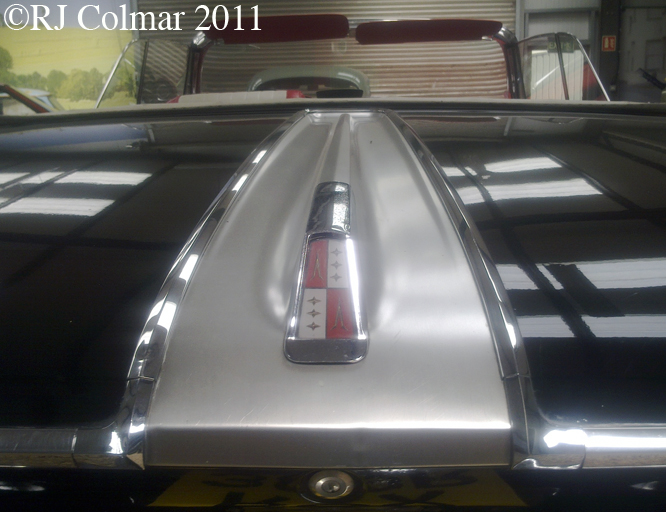
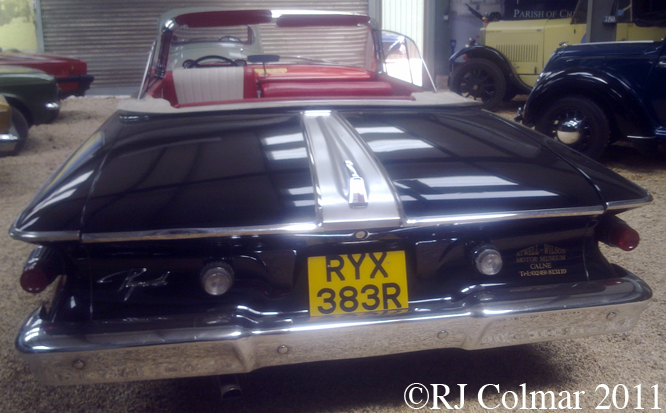
The second generation Plymouth Fury was in production from 1960 to 1964, in 4 door saloon / sedan, 2 door coupé, 4 door estate / station wagon or 2 door convertible body styles. The model featured in today’s blog was built in 1961.

Plymouth Fury, Atwell Wilson Museum

Second generation Furies are distinguishable from their earlier siblings by featuring unit-body construction doing away with the need for a separate chassis.

Plymouth Fury, Atwell Wilson Museum

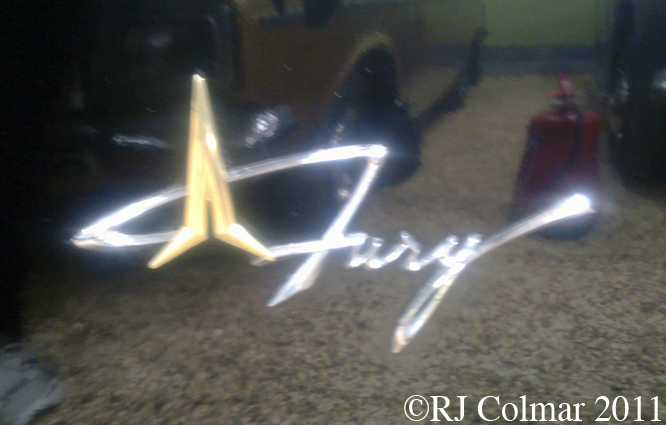
The Fury takes its name from mythological subterranean personifications of vengeance.

Plymouth Fury, Atwell Wilson Museum

An electric motor powers a hydraulic pump which acts to power the hood down and back up, the hood is locked shut manually and sealed with a couple of press studs.

Plymouth Fury, Atwell Wilson Museum

Allegedly the ’62 Fury was downsized after the President of Chrysler misheard a GM executive saying that Chevrolet, GM’s bargain equivalent of Chryslers Plymouth brand would not have any full size cars in it’s ’62 model line up.

Plymouth Fury, Atwell Wilson Museum

With some 5,400 body welds to each Plymouth the unitary construction of the second generation Fury was estimated to have 40% more sag resistance and double the twist resistance of the first generation Fury with its body on frame construction method.

Plymouth Fury, Atwell Wilson Museum

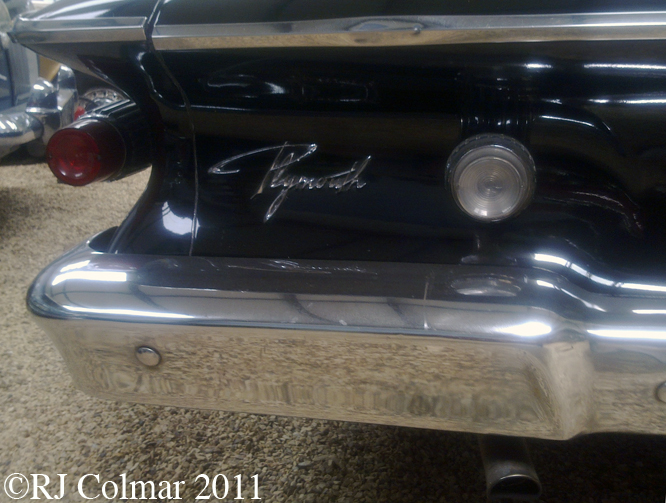
There is some debate about the ’61’s down turned fins which were critically acclaimed but not well received by the public , were they a deliberate feature or an unresolved feature by designer Virgil Exner who suffered a heart attack in 1960 and was near death when the 1961 and ’62 Fury designs were finalised.

Plymouth Fury, Atwell Wilson Museum

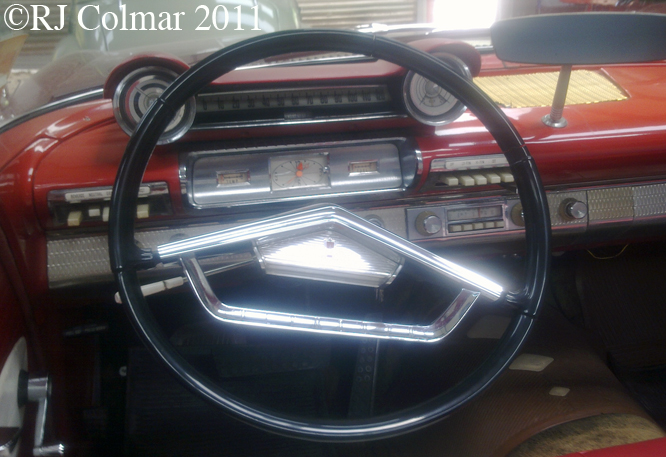
A particularly cool feature of the second generation Fury is that it has no gear stick / shift either floor or column mounted but instead the Torqueflite automatic gearbox is operated by just five simple push buttons at the 9 o’clock position to the left of the steering wheel.

A copy of this transmission operating system was also adopted by Bristol Cars on their 407 model which also used identical Chrysler 313 cui V8 engines and Torqueflite gearboxes to this particular Plymouth Fury.

Plymouth Fury, Atwell Wilson Museum

Imported from California in 1976 this is thought to be the only working ’61 Plymouth Fury in the United Kingdom and can be hired for weddings for a modest £275 pounds.

My thanks to the Atwell-Wilson Motor Museum for keeping this magnificent land yacht in working fettle and on display,

Thanks for joining me for another Mopar edition of ‘Gettin’ a lil’ psycho on tyres’ I hope you will join me again tomorrow when we take a peak at something very large and in charge from behind the Iron Curtain. Don’t for get to come back now !

Share

Rare Side Vents – Ferrari 250 GT Cabriolet Series 2 #1815GT

Despite the Haynes International Motor Museum having a room full of red vehicles only one of the Rosso Corsa cars is a Ferrari.

Ferrari 250 GT Cabriolet Series 2, Haynes IMM

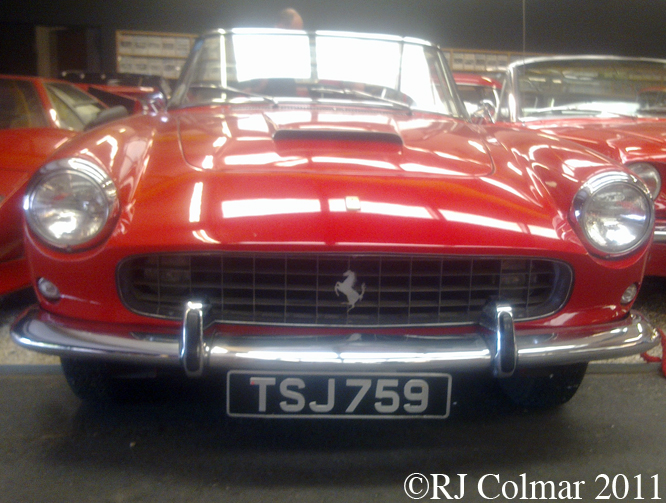
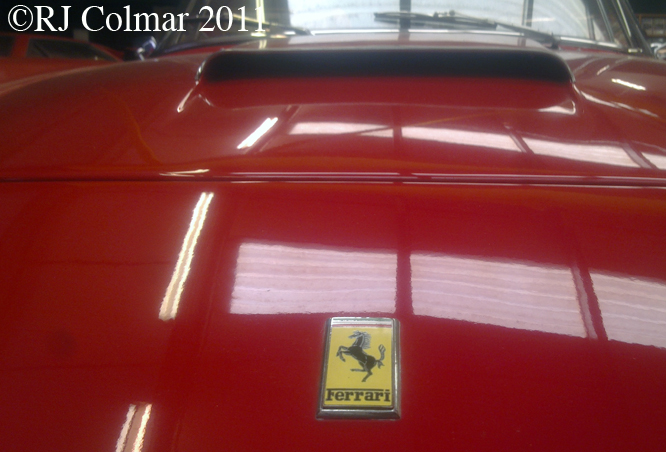
The Ferrari 250 GT Cabriolet Series 2 was launched in 1959 featuring a Pinin Farina designed body that was simpler than the Series 1, in part was due to the intention of the Series 2 to be made for series production rather than to order.

Ferrari 250 GT Cabriolet Series 2, Haynes IMM

This 1960 left hand drive model with a 3185 cc / 194 cui V12 was orginally exported to the USA and in 1987 was sold by Coy’s of London with the registration ‘Q 999 EGC’.

Ferrari 250 GT Cabriolet Series 2, Haynes IMM

It is thought around 212 Series 2 models were manufactured as against just 36 of the Series 1 model.

Ferrari 250 GT Cabriolet Series 2, Haynes IMM

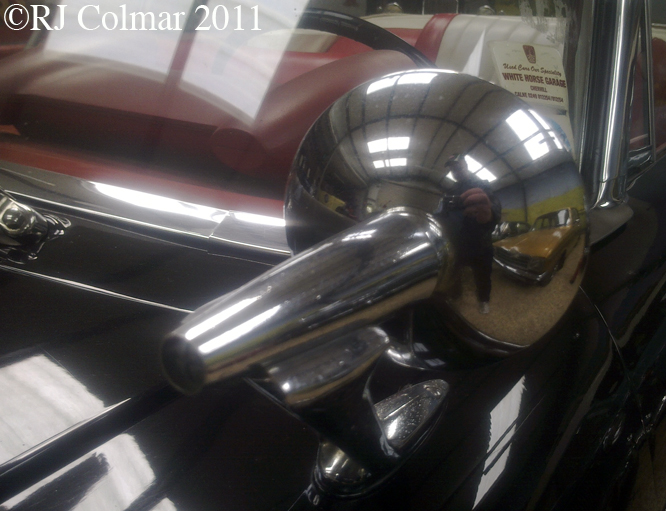
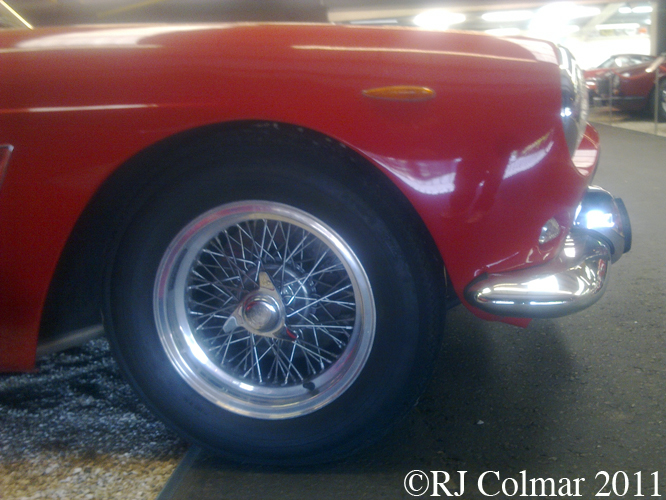
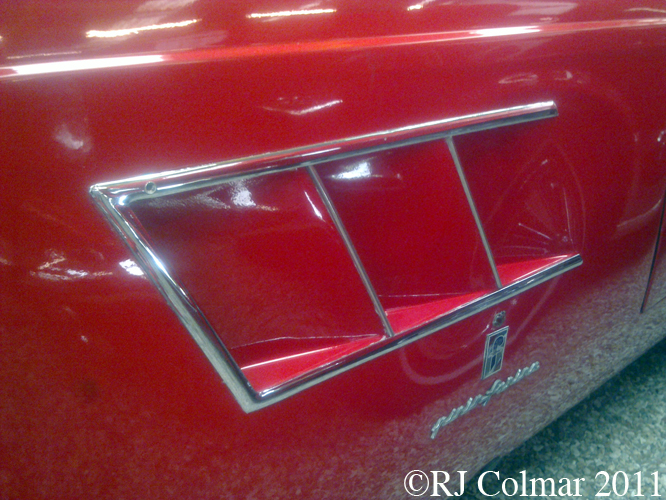
While the Series 2 is known as a model manufactured in series this particular example has extremely rare, for the model type, side vents.

Thanks for joining me on this slightly tardy Ferrari Friday edition of ‘Gettin’ a lil’ psycho on tyres’, I hope you’ll join me for a stretch limo edition tomorrow. Don’t forget to come back now !
Share