Tag Archives: Psychoontyres

Hemispherical FirePower – Chrysler New Yorker Deluxe Newport

The advantages of a hemispherical cylinder head are that it makes an efficient combustion chamber with minimal heat loss to the cylinder head, however there are numerous difficulties to be overcome to make such a head reliable and commercially viable due to the complexity of the cross flow valve gear, the need for domed piston crowns to attain the necessary compression ratio and the need for high octane fuel to prevent inefficient and destructive detonation in the combustion chamber.

Chrysler engineers began developing hemispherical combustion chambers in 1940 for an inverted V16 that powered a prototype for the P.47H Tunderbolt and was considered for the XP.60C, but the motor was so delayed it never went into production.

Later Chrysler also worked on a hemi head design with Continental for the 810hp Continental AV-1790-5B V12, air-cooled twin-turbo gasoline engine that powered the M47 Patton Tank which was manufactured from 1951 to 1953.
Chrysler New Yorker, Palo Alto Concours d'Elegance

In 1951 Chrysler introduced it’s first FirePower V8’s with hemispherical heads on the New Yorker and Imperial models and as an option for the Saratoga.

Bill Sterling and Robert H. Sandidge drove a Hemi powered Saratoga to a third place finish in the 1951 Carrera Panamericana finishing behind two Ferrari 212 Inters, less than 16 mins behind the winning car driven by Piero Taruffi and Luigi Chinetti.

Similarly Belgian Paul Frére drove Hemi powered Saratogas’s to class wins at the Mille Miglia and Spa 24 Hour races, Lee Petty won the first of his three NASCAR titles in 1954 scoring seven victories in Hemi powered Chryslers and Dodges.
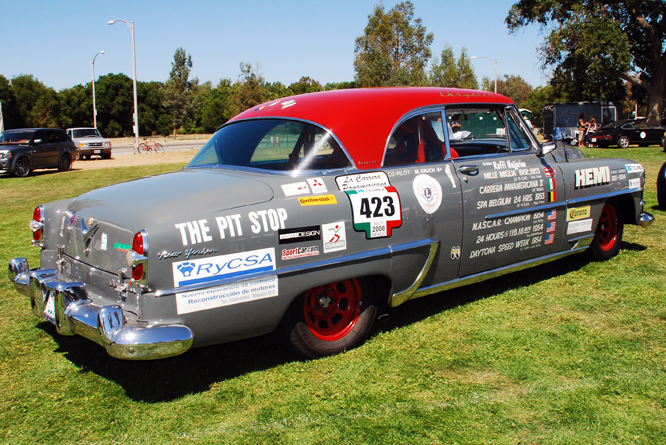
Chrysler New Yorker, Palo Alto Concours d'Elegance

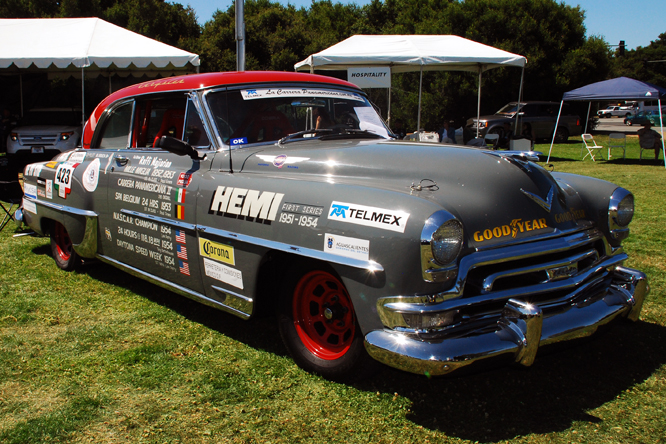
The grill on today’s featured car suggests that it is a Chrysler New Yorker Deluxe Newport built for the 1954 model year which was fitted with a 235 hp version of the Hemi that was good for a theoretical top speed of 97 mph.

New Yorkers appeared on the Carrera Panamericana in 1951,’52 and ’53 but were not as successful as the Saratoga, Reginald McFee scored the models best result a 12th place finish in 1952.

Today’s featured New Yorker was driven on the 2011 Carrera Panamericana by David Buchanan and New York auto engineer Raffi Najjarian dropping out on day 2, I believe they finished third in class with the same car in the 2015 edition of the event.

My thanks to Geoffrey Horton for sharing these photographs taken at Palo Alto Concours d’Elegance in 2011.

Thanks for joining me on this “Hemispherical FirePower” edition of “Gettin’ a li’l psycho on tyres” I hope you will join me again for Ferrari Friday tomorrow. Don’t forget to come back now !

Share

Autumn BRMs – Castle Combe

The recent Autumn Classic at Castle Combe saw a fabulous collection of vehicles being displayed and demonstrated alongside the racing action, today’s blog looks at the BRM’s present.

BRM Type 15, Autumn Classic, Castle Combe

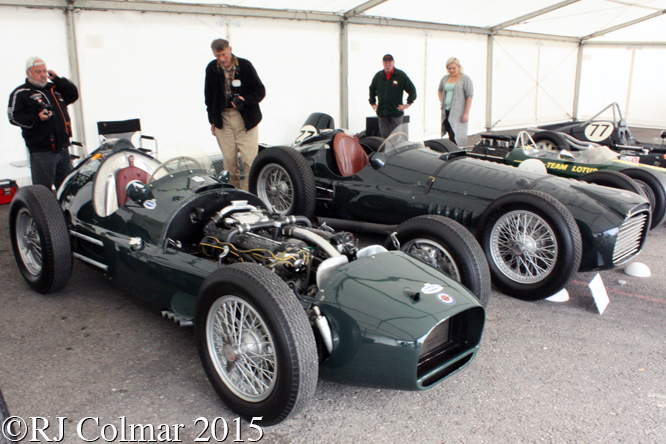
Unfortunately neither the National Motor Museum’s BRM Type 15 in the background not the Donington Park Grand Prix Collections P18 Mk2 in the foreground were able to run during the event which marked the 60th Anniversary of the last works appearance of the P18 Mk2 and end of the BRM V16 project, at Castle Combe.

BRM P48, Autumn Classic, Castle Combe

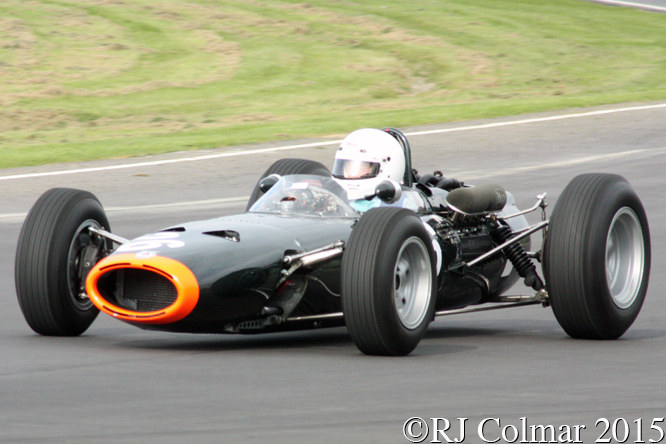
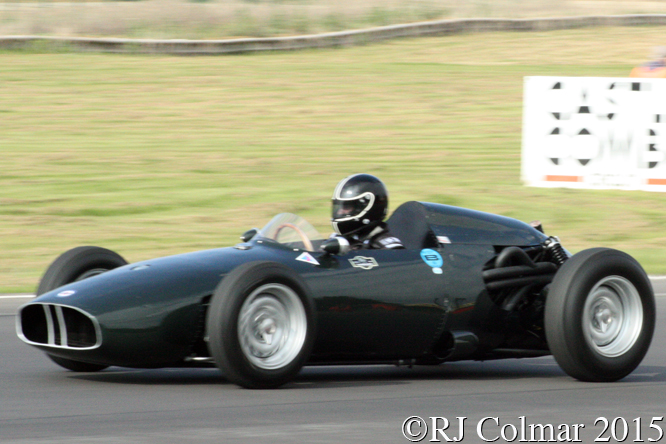
I believe Stuart Hall was demonstrating the 1960 BRM P48, which he restored in 2006, the first model BRM built with the motor behind the driver.

BRM P261, Autumn Classic, Castle Combe

The BRM P261 was the first monocoque BRM, and unlike the Lotus 25 which had a bathtub shaped monocoque the P261 had a tube shaped monocoque, I believe Andrew Waring is seen at the wheel of chassis #2615 here.

BRM P167, Autumn Classic, Castle Combe

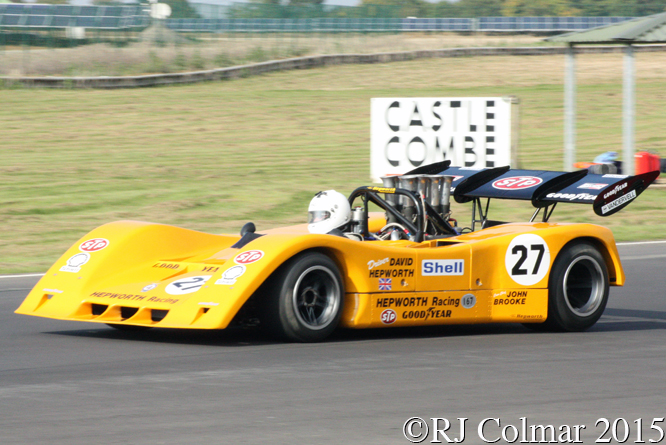
Stephen Hepworth really got the audiences attention with his Dad David’s Can Am BRM P167 by not holding back on the throttle of the unsilenced 8 litre / Chevrolet V8 motor.

BRM P160, Autumn Classic, Castle Combe

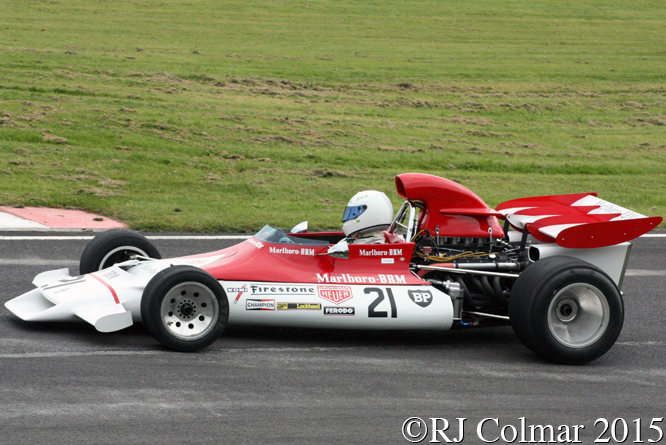
Music to the ears award however was shared by the likewise unsilenced pair of BRM P160’s, seen with circa 1972 B bodywork specification above, is 1973 chassis #P160/8 used by Niki Lauda until he crashed it at the Nurburgring, with John Burt at the wheel…

BRM P160, Autumn Classic, Castle Combe

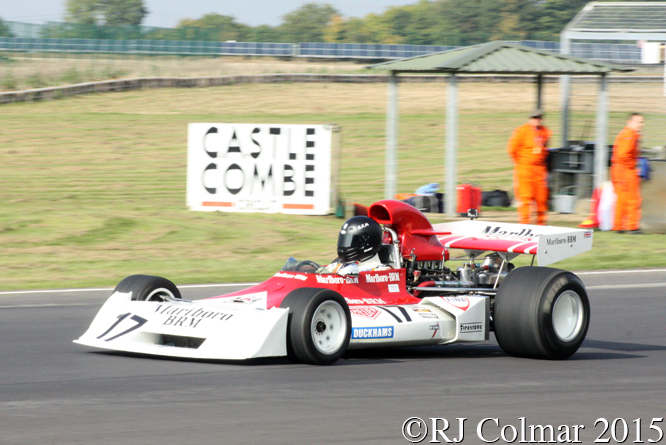
and 1973 E specifcation, driven by Simon Burt both members of the BRM Association.

My thanks to Castle Combe historian Pete Stowe for helping to identify the drivers of the P160’s.

Thanks for joining me on this “Autumn BRMs” edition of “Gettin’ a li’l psycho on tyres” I hope you will join me again tomorrow when I’ll be looking at a vehicle that competed in the Carrera Panamerica. Don’t forget to come back now !

Share

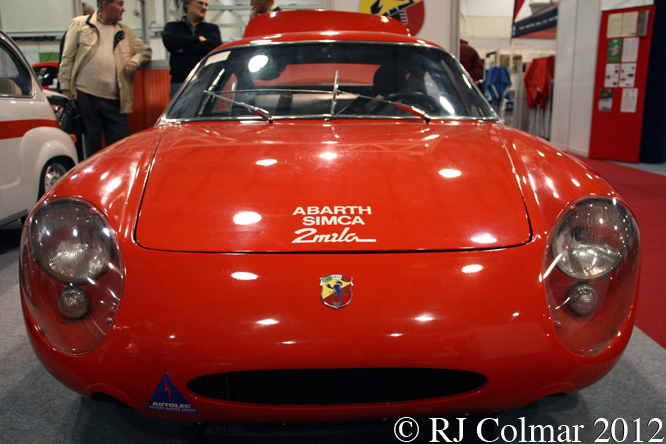
Swiss Hill Climb Champion – Abarth Simca 2Mila Corsa #0051

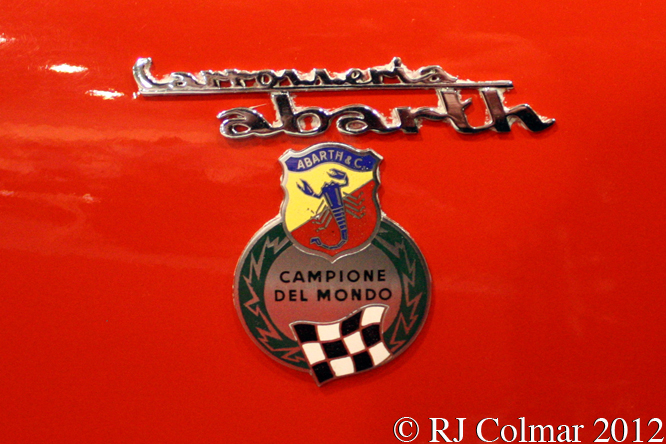
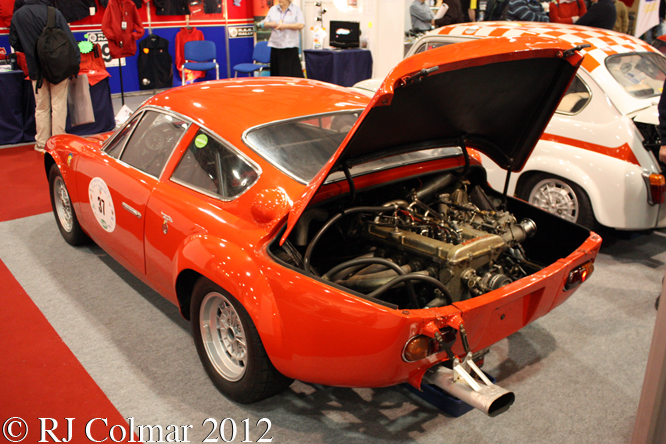
Keen to promote a sporting image Simca turned to renowned Fiat tuner and racing car manufacturer Carlo Abarth to help them achieve their goal in the early 1960’s.

Abarth Simca 2Mila, Race Retro, Stoneleigh

Alongside his work producing performance tuning parts for Simca Abarth developed the 140mph Abarth Simca 1300GT based on Simca 1000 running gear in 1962 which won it’s class in the 1964 World Manufacturers’ Championship for sports cars with drivers Tom Fleming, Otto Linton, James Diaz, Pietro Laureati, Secondo Ridolfi, Hans Herrmann, Fritz Jüttner, Hans-Dieter Dechent, Denis Borel, Ernst Furtmayr, Klaus Steinmetz, Herbert Demetz and Anton Fischhaber all contributing to the manufacturers win.

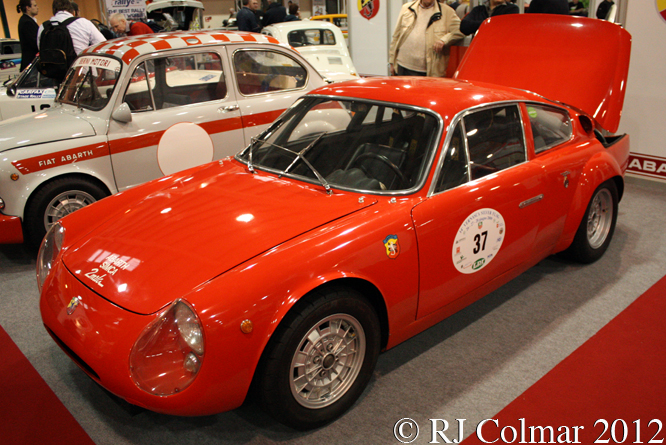
Abarth Simca 2Mila, Race Retro, Stoneleigh

1964 Abarth also started racing the 2 litre / 122 cui 2Mila that was powered by a motor producing around 200hp, unfortunately the transmission could not cope with the power in the longer races and only Hans Herman recorded a class win in the 1964 World Manufacturers’ Championship for sports cars in the IV. Coppa di Citta Enna while leaving Porsche to win the 2 litre class from Alfa Romeo.

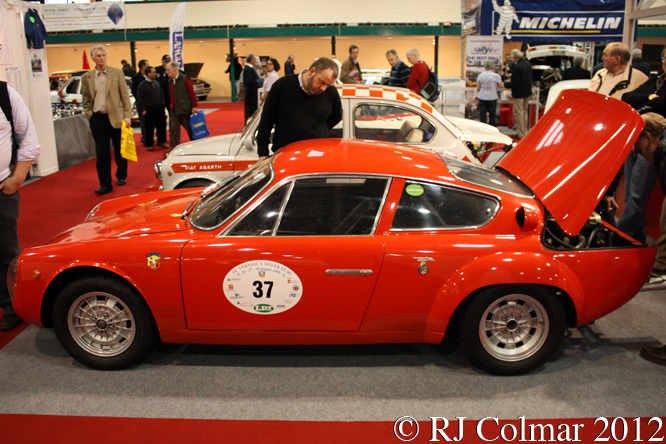
Abarth Simca 2Mila, Race Retro, Stoneleigh

In shorter non championship events and hillclimbs the 2Mila recorded at least 9 further victories and 3 additional class wins up until 1966 by which time the project had been abandoned by Abarth after Simca was merged into Chrysler Europe.

Abarth Simca 2Mila, Race Retro, Stoneleigh

The remaining known overall and class spoils for the model were divided between Eberhard Mahle, Franco Patria 6, Kurt Ahrens Jr, Jochen Rindt 2, Jody Porter and Herbert Demetz.

Abarth Simca 2Mila, Race Retro, Stoneleigh

Today’s featured chassis #0051 was bought new by Dr Hans Kuhnis who won the 1965 Swiss GT Championship with it, allegedly Dr Kuhnis had his wife harrang Abarth on the Monday after every event to ensure he had the latest parts in time for the following event.

Abarth Simca 2Mila, Race Retro, Stoneleigh

Middle Barton Garage undertook a restoration of #0051 in 2006, fitting gear ratio’s that give the car a top speed of 155mph for it’s owner.

Thanks for joining me on this “Swiss Hill Climb Champion” edition of “Gettin’ a li’l psycho on tyres” I hope you will join me again tomorrow. Don’t forget to come back now !

Share

Kick Down Supercharged – Mercedes Benz 36/220

With the merger of Karl Benz’s and Gottlieb Daimler’s companies into the Daimler-Benz company, the first vehicles to appear with the Mercedes Benz brand name appeared in 1926.

02 Mercedes Benz 36 220_2069sc

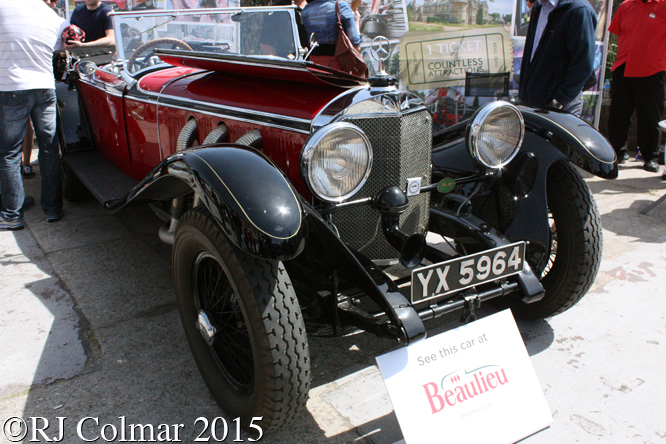
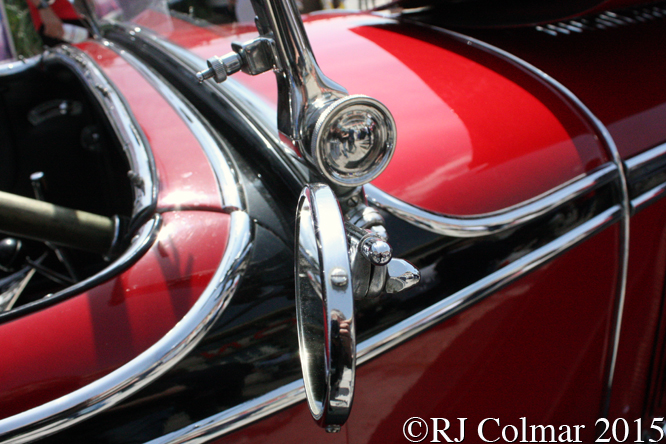
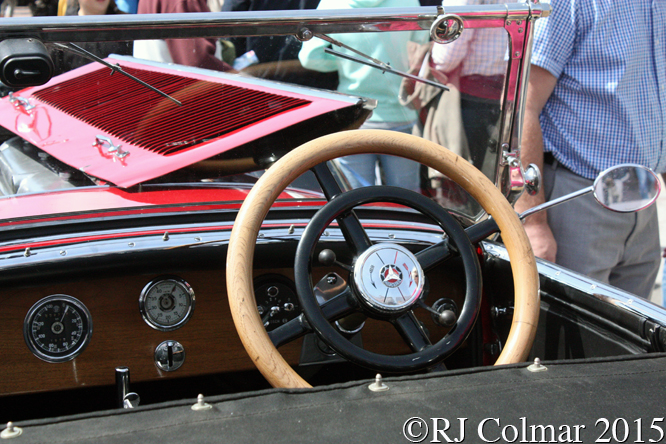
One of the first new models sold as a Mercedes Benz was the 36/220 for which chief engineer Prof. Dr. Ferdinand Porsche directed the design, the model was first seen in the UK at the 1927 Olympia Motor Show where the 4 1/2 litre Bentley also made it’s first appearance.

03 Mercedes Benz 36 220_2066sc

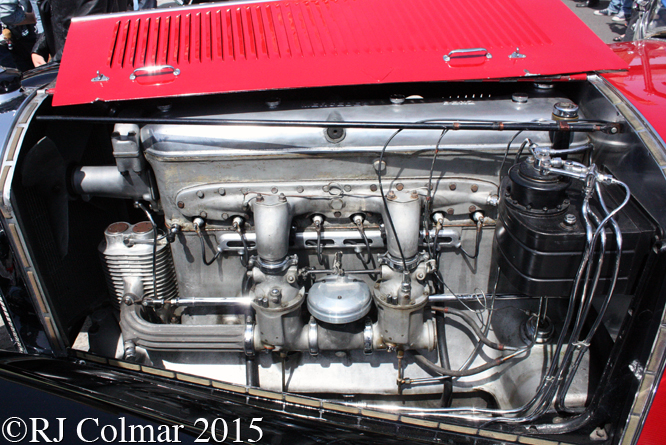
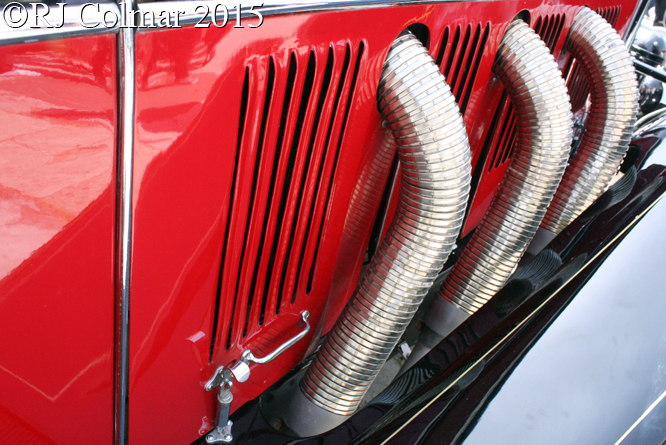
Among the novel features the 36/220 was powered by a 6 cylinder 6.8 litre / 414 cui motor fitted with a kick down supercharger that only deployed only when the throttle pedal was fully depressed boosting the motors output from “sufficient” to “most effective” as described in one contemporary report.

04 Mercedes Benz 36 220_2073sc

Today’s featured example seen earlier this year at the Wheels Festival in Bournemouth was once the property of Renaissance man and proto petrol head Sir Peter Ustinov who’s novelty record “Grand Prix of Gibraltar” drew on his creative wit and ability at car engine sound-effects and voices.

05 Mercedes Benz 36 220_2074sc

This car first registered in the UK on the 31st of December 1927, has recently been restored to it’s original condition by the National Motor Museum at Beaulieu.

06 Mercedes Benz 36 220_2067sc

Only 146 36/220’s were built they had a top speed of 110 mph, you can read an entertaining little story about a how a precocious 14 year by the name of Boddy was disappointed to be taken for a test drive in a chauffeur driven 36 220 that only recorded 99 mph on the Barnet By-Pass in 1927 here.

Thanks for joining me on this “Kick Down Supoercharged” edition of “Gettin’ a li’l psycho on tyres” I hope you will join me again tomorrow. Don’t forget to come back now !

Share

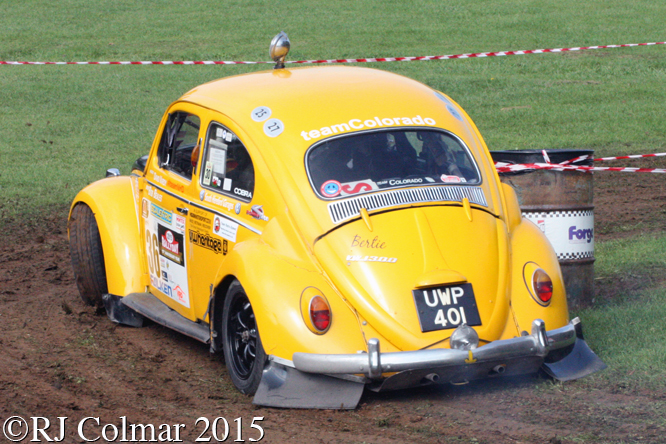
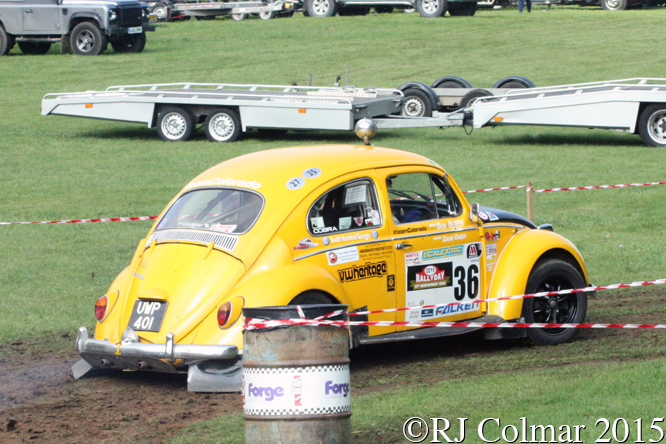
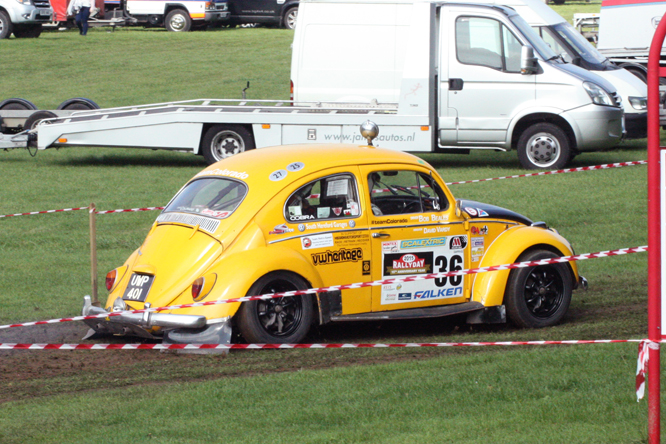
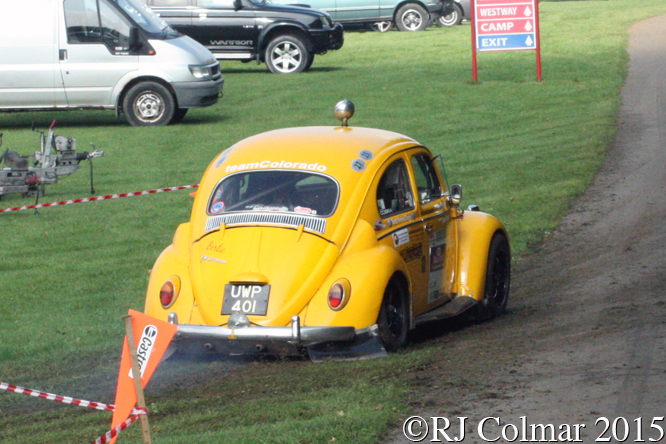
Bertie – Volkswagen Type 1 Oettinger GT TSV

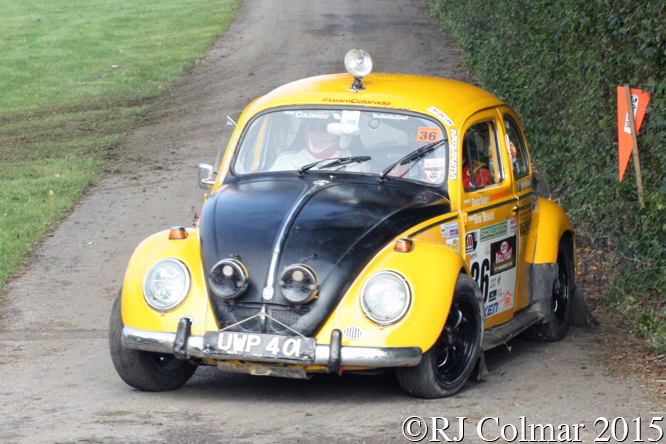
In March 1958 today’s featured Volkswagen Typ 1 1200 deluxe, now known as Bertie the Beetle, was registered and put on the demonstrator fleet of a dealer in Worcestershire before being bought by a customer and run for a year.

Volkswagen Typ 1 Oettinger GT TSV, Bob Beales, Dave Vardy, Rally Day, Castle Combe,

The unknown customer then traded in his ex demonstrator 1200 deluxe with a Volkswagen agent in Leominster, Herefordshire who was just starting to make a name for himself in rallying by the name of Bill Bengry.

Volkswagen Typ 1 Oettinger GT TSV, Bob Beales, Dave Vardy, Rally Day, Castle Combe,

Bill, British Rally Champion in 1960 and 1961 appears to have driven Bertie among his other Beetles in National Rallies with a variety of engines including one from a Porsche 356, other modifications include MAICO front brake disks to cope with the more powerful engine.

Volkswagen Typ 1 Oettinger GT TSV, Bob Beales, Dave Vardy, Rally Day, Castle Combe,

Current owner Bob Bales bought Bertie in 1966 and has competed in rallies, auto cross, autotests and production car trials up to 1980.

Volkswagen Typ 1 Oettinger GT TSV, Bob Beales, Dave Vardy, Rally Day, Castle Combe,

Bob has also fitted Bertie with a variety of VW Typ 1, Typ 3 and Porsche motors.

Volkswagen Typ 1 Oettinger GT TSV, Bob Beales, Dave Vardy, Rally Day, Castle Combe,

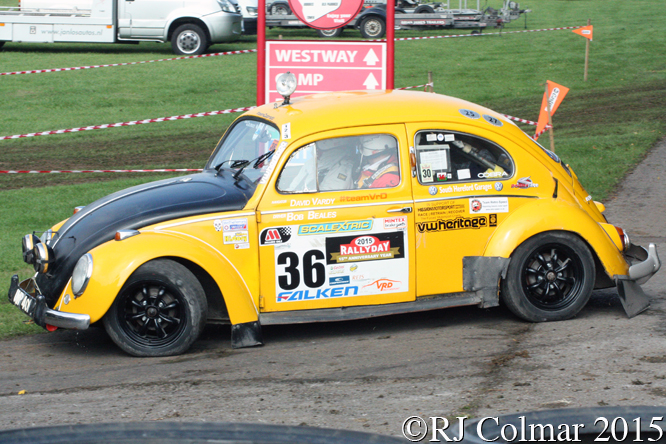
Currently Bertie has a 1285 cc / 78.4 cui motor which has Oettinger GT TSV modifications, as used by Pauli Toivonen to win the GT 1300 class in the 90 hour 1964 Spa Sofia Liege rally, that brings the power up to 75hp.

Volkswagen Typ 1 Oettinger GT TSV, Bob Beales, Dave Vardy, Rally Day, Castle Combe,

In Oettinger GT TSV form, now immortalised by none other than Scalextric, Bob competes in historic rally events with VrD Motorsports Dave Vardy who is seen sitting beside Bob in Bertie at Castle Combe’s Rally Day in these photographs.

Thanks for joining me on this “Bertie” edition of “Gettin’ a li’l psycho on tyres” I hope you will join me again tomorrow for Mercedes Monday. Don’t forget to come back now !

Share

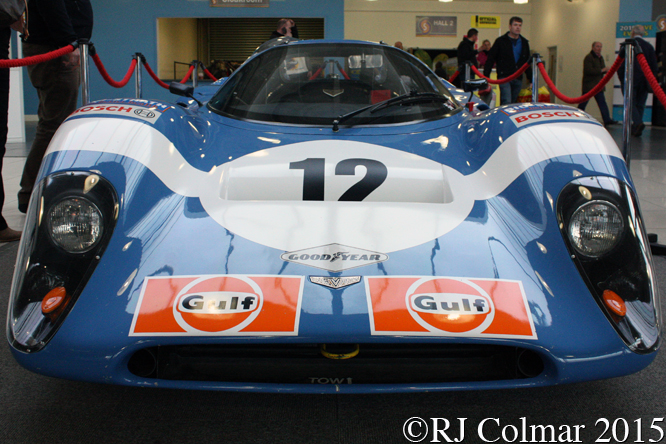
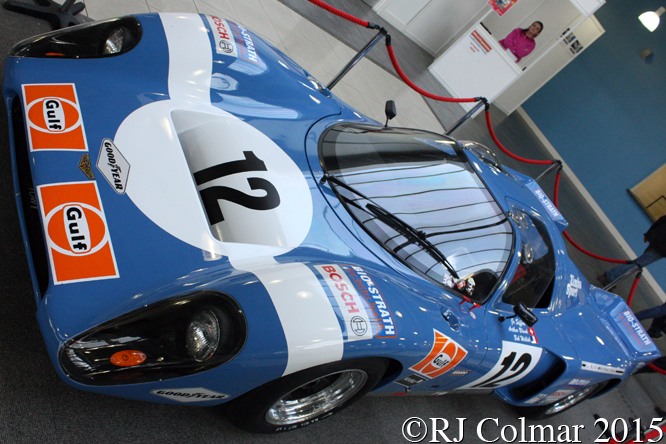
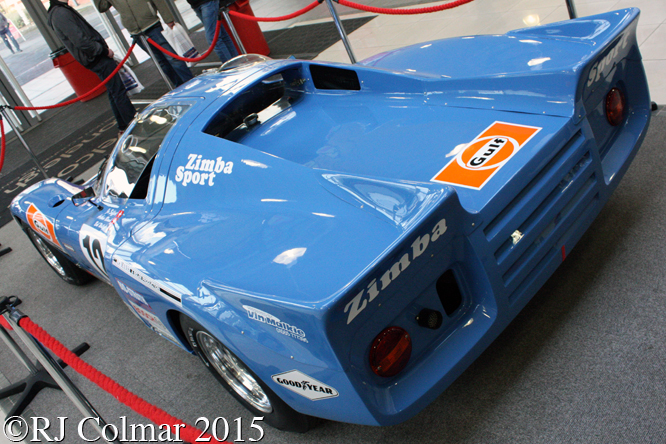
The Blank Car – Chevron Cosworth B16 #B16-DBE-27

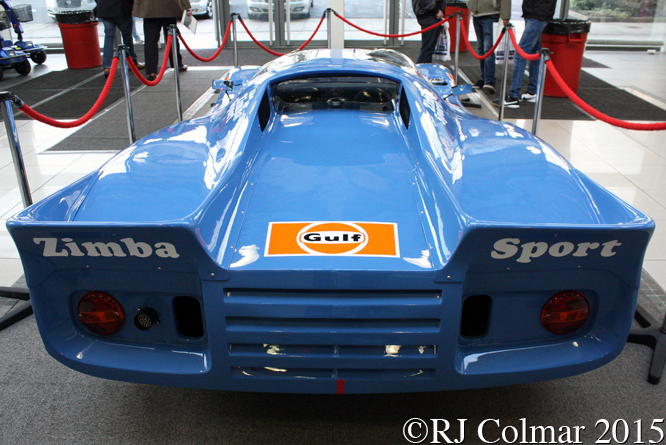
1969 saw Derek Bennetts Chevron launch what turned out to be it’s final closed cockpit model the B16, most of which were powered by 4 cylinder Cosworth FVA or larger FVC motors, though at least one was powered by a Mazda rotary and at least two more were raced with BMW motors.

Chevron Cosworth B16, Race Retro, Stoneleigh

23 Chevron B16’s are believed to have been built, 20 from 1969 to 1970 and three more in 1971, however the desirability of these coupés has increased since the 1980’s and many more than the original 23 exist today as numerous continuation and replica examples have been built and are still available to order from Chevron.

Chevron Cosworth B16, Race Retro, Stoneleigh

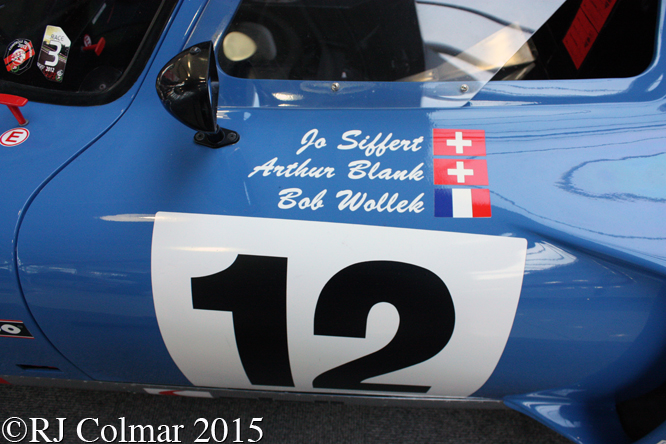
I believe the Cosworth powered chassis #B16-DBE-27 was originally delivered to Chevrons Swiss agent and noted racing driver Jo Siffert who sold it onto fellow Swiss driver Arthur Blank who took it hill climbing and won at least one race at Ulm-Laupheim in Germany with it.

Chevron Cosworth B16, Race Retro, Stoneleigh

Shortly afterwards the car is said to have been burnt out in a club race and it is believed the useable remains or at the very least the chassis plate were built up into a Steinmetz Opel powered B19 spyder, as were numerous other B16’s after the closed cockpit class for sports racing cars was abandoned.

Chevron Cosworth B16, Race Retro, Stoneleigh

Arthur Blank entered his B19 in at least two races at the Nurburgring and Le Mans in 1971 for himself and “Brilliant” Bob Wollek to drive but it would appear the car never took part in either event and Bob appears never to have raced this B19 which Arthur drove to a second place finish in class at Hockenheim at the end of 1971.

Chevron Cosworth B16, Race Retro, Stoneleigh

Arthur continued to compete in the B19 through 1972 mostly in hillclimbs and did a deal with Austrian Freddy Link to drive the car, now with a Ford motor installed, at Interlagos where Freddy finished 18th in the 500km race.

It is believed Arthur then upgraded his B19 to B21 spec, as were many other B19’s, which he again took hill climbing in 1973, Gerhard Kobler competed with the car in 1974 and 1975 running a turbocharged Cosworth motor until crashing it while testing at Misano. Chevron aficionado Vin Malkie appears to have been responsible for restoring the B21 spec car back to B16 spec with bodywork in Arthur Blank’s 1970 colours.

Thanks for joining me on this “The Blank Car” edition of “Gettin’ a li’l psycho on tyres” I hope you will join me again tomorrow. Don’t forget to come back now !

Share

For Mature Audiences – Plymouth GTX

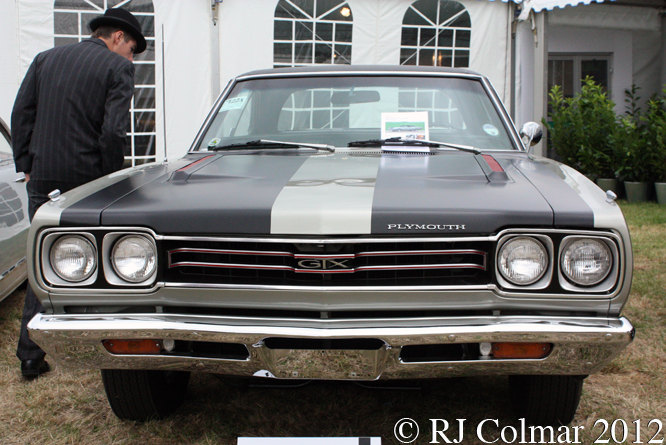
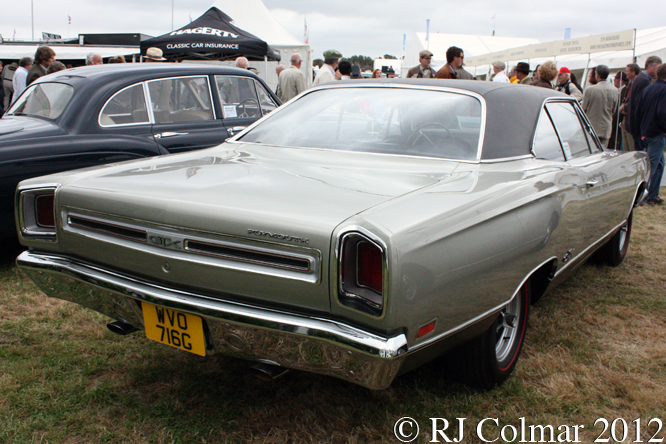
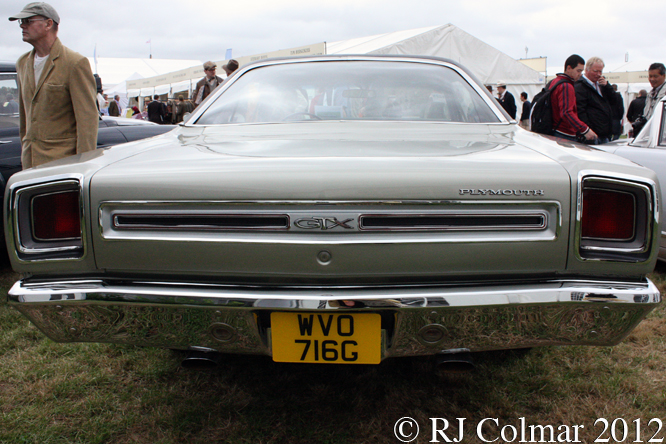
The second generation “Gentleman’s Muscle Car” Plymouth GTX was introduced just one year after the first in 1968 and remained in production until 1970.

Plymouth GTX, Goodwood Revival,

The GTX was offered with either a Coupé or Convertible body though the latter was deleted after only 701 were built in 1969.

Plymouth GTX, Goodwood Revival,

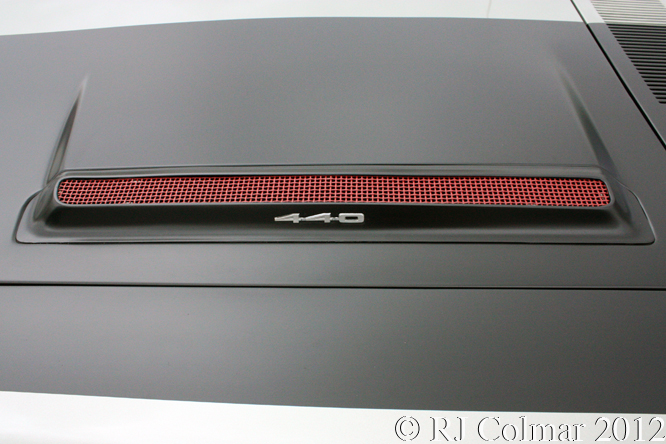
New for 1969 were optional functional “Air Grabber” bonnet / hood scoops for the 4 barrel carburetor 440 7.2 litre “Super Commando” V8 which produced 375hp.

Plymouth GTX, Goodwood Revival,

Other goodies included a Hirst Shifter “so you spend less time going through the gears”, heavy duty radiator with viscous drive fan so “more power ends up at the wheels” and a Sure-Grip differential for “maximum traction”.

Plymouth GTX, Goodwood Revival,

The contemporary ads for the GTX suggested that’s it’s customers liked “the beach in spring. The Strip. Miniskirts. Neat cars. Blood rare steaks.” and “Things like that” with the strap line “Suggested for mature audiences.

Plymouth GTX, Goodwood Revival,

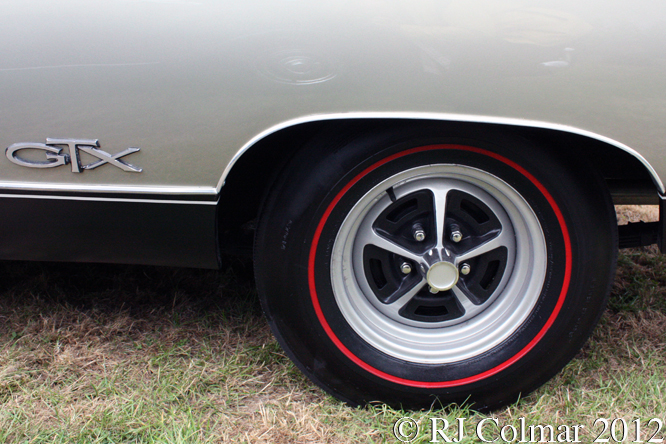
The GTX, like the 1969 example seen in these photographs taken at Goodwood Revival, was built alongside the similar but less well appointed, lighter and cheaper Road Runner, the convertible version of which made the production of the GTX convertible superfluous.

Thanks for joining me on this “For Mature Audiences” edition of “Gettin’ a li’l psycho on tyres” I hope you will join me again for Ferrari Friday tomorrow. Don’t forget to come back now !
Share