Tag Archives: Ralph

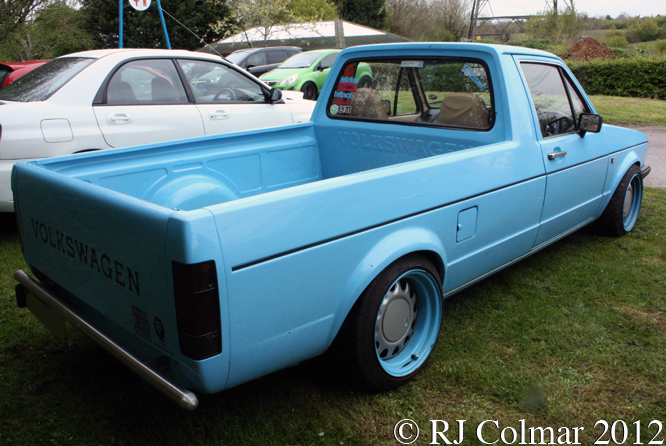
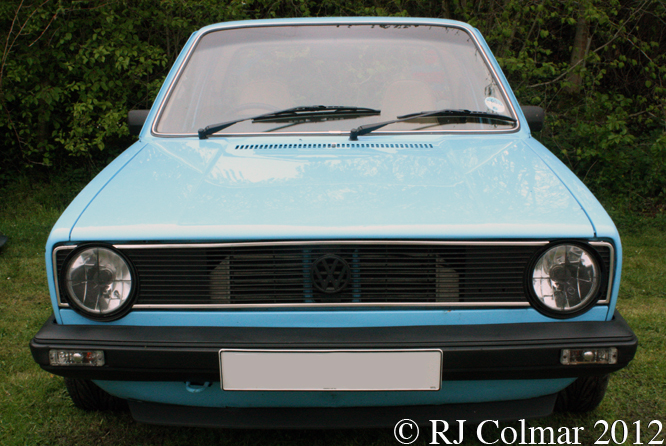
Typ 148 RHD – Volkswagen Caddy

Strangely the Volkswagen Caddy is unknown by that name in the USA the country which gave the initial momentum to the model thanks to Volkwagen of America’s in interest in a prototype pick up version of the Golf Mk 1 Hatchback built in Germany.

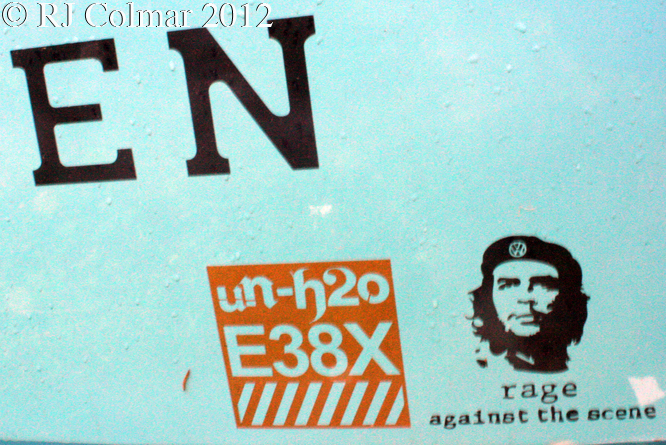
Volkswagen Caddy, Spring Performance Car Action Day, Castle Combe

The Typ 14 or more correctly Typ 147-LHD (Left Hand Drive) was first built at VW’s Westmoreland County, PA plant and sold in the US as the Rabbit Pick Up in 1979, so far as I have been able to determine production at Westmoreland ceased in 1982 and was switched to Sarajevo, Bosnia and Herzegovina where production of the European Typ 147-LHD and 148 Right Hand Drive variants continued until 1992. Production of Caddy’s continued in South Africa until 2007 alongside Mk 1 Golf’s which them selves were in production up until 2009.

Volkswagen Caddy, Spring Performance Car Action Day, Castle Combe

European Typ 14’s were only ever marketed as Volkswagen Caddy’s where confusion of the name with supersize 5000lb 500 cui V8 US land yachts was less likely.

Volkswagen Caddy, Spring Performance Car Action Day, Castle Combe

The Typ 14 Caddy is not to be confused with later variants, Typ 9K Polo Mk III based Caddy, Typ 9U Škoda Felicia pick-up or Typ Golf Mk 5 based Volkswagen Touran.

Volkswagen Caddy, Spring Performance Car Action Day, Castle Combe

Today’s 1989 Caddy seen last year at the Spring Performance Car Action Day at Castle Combe appears to be powered by the high end 70 hp petrol motor.

Thanks for joining me on this “Typ 148 RHD” edition of “Gettin’ a li’l psycho on tyres” I hope you will join me again tomorrow. Don’t forget to come back now !

Share

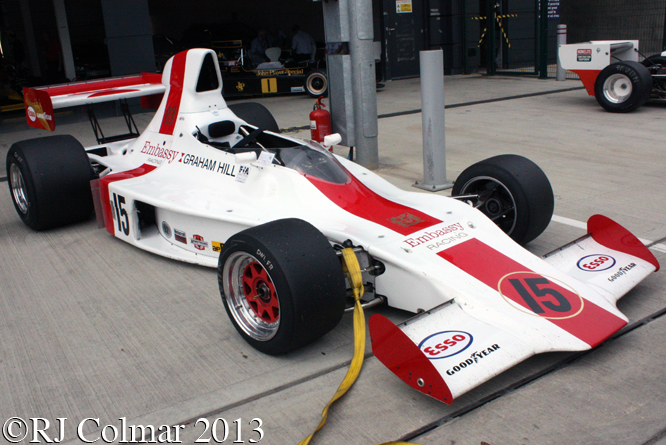
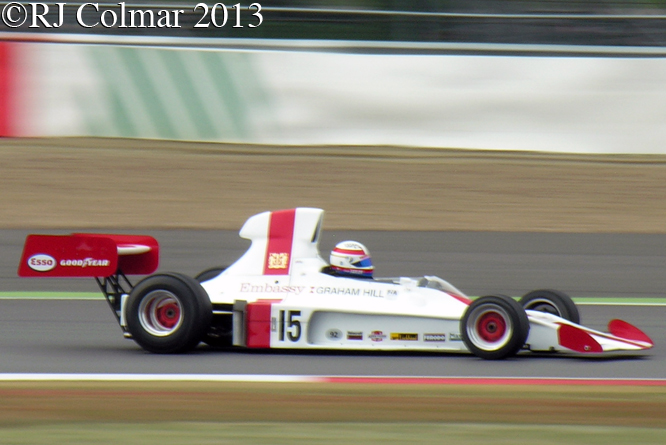
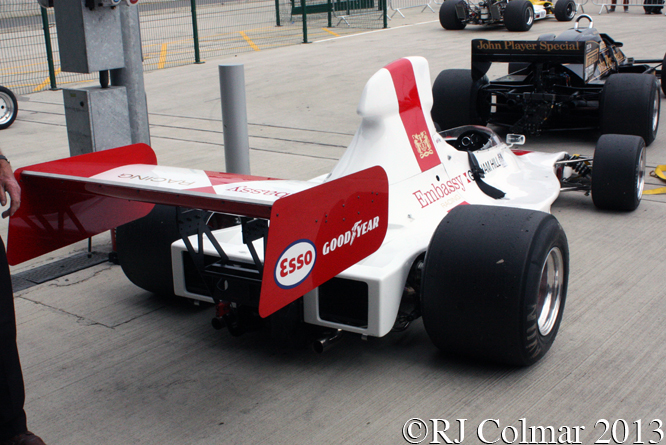
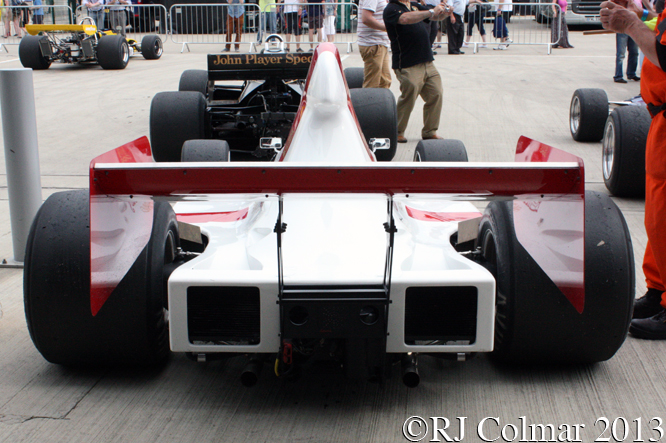
The Ambassador’s Embassy – Shadow Cosworth DN1 #DN1-3A

Ten years after winning his first World Championship driving for BRM, in 1963, and five years after winning his second World Championship driving for Lotus, in 1968 (Norman) Graham Hill had become the senior citizen of the sport with wins at Indianapolis in 1966 and at Le Mans in 1972 to make a unique triple crown of victories which only he has achieved, making him arguably the most versatile driver in the history of the sport. Graham was also the first man to win the Monaco Grand Prix five times a record that was not equaled until 1992 and beaten until 1993 when Ayrton Senna won his fifth and sixth Monaco Grand Prix victories.

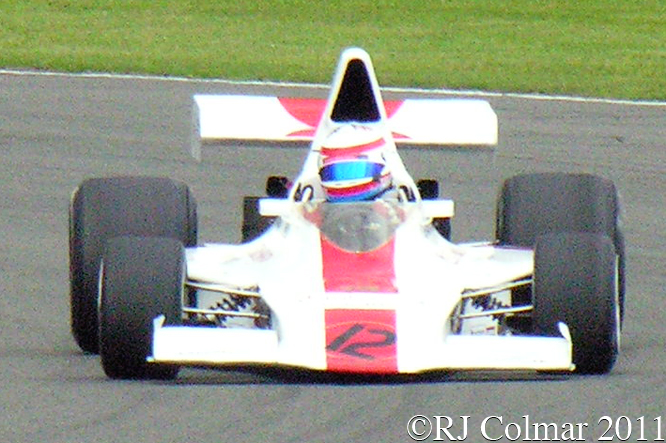
Shadow Cosworth DN1, Silverstone Classic

As the wise cracking head of Embassy, UK brand cigarettes, quipped in 1973 at the launch of Graham Hills Embassy sponsored Formula One Team every ambassador needs an Embassy. Graham’s was built by, the then relatively unknown in Europe, Shadow a team that had cut it’s teeth in Can Am primarily with Graham Hill’s former Lotus Team mate Jackie Oliver.

Shadow Cosworth DN1, Silverstone Classic

The Shadow DN1 was designed by Tony Southgate who’s CV includes designing the last two BRM’s to win major races the P160, an example of which Jackie Oliver had driven in 1972, and P180 which bears a familial resemblance to today’s featured DN1 apart from the fact that the latter is powered by a by 1973 ubiquitous Ford sponsored Cosworth V8 which Graham Hill had been instrumental in testing back in 1967.

Shadow Cosworth DN1, Silverstone Classic

Under the umbrella of Mr Shadow, Don Nichols, sponsored by UOP Lead Free fuel the Shadow team ran two black works cars for Jackie Oliver and 1972 Can Am Champion George Follmer and sold a third car #DN1-3A to Graham Hill for him to run as a privateer. Not for the first, or the last, time none of the Shadow cars were ready for the start of the season the works team missed two races before making their debut in South Africa where George starting 21st came through to finish 6th and score a single world championship point on his Grand Prix debut.

Shadow Cosworth DN1, Silverstone Classic

Graham’s car was ready at the next race the Spanish Grand Prix where Graham qualified 22nd but failed to finish after experiencing problems with his brakes, while George Follmer came through to a seasons equal best 3rd place finish in his second championship Grand Prix. At the Belgian Grand Prix Graham qualified 23rd and came through to finish ninth which would prove to be his best result in an otherwise totally frustrating year for his fledgling Embassy Racing Team.

Shadow Cosworth DN1, Silverstone Classic

The works UOP Shadow teams debut season was similarly also fraught with disappointment until the Canadian Grand Prix where Jackie Oliver scored his a career equaling best third place finish, five years after he had finished 3rd in the 1968 Mexican Grand Prix. For the 1974 season Graham Hill took his Embassy sponsorship to Lola while Jackie Oliver and George Follmer returned to the Can Am series where they finished 1st and 2nd respectively when the series finally stopped one race short of the scheduled season.

Shadow Cosworth DN1, Silverstone Classic

Jackie Oliver became increasingly involved in the management of the Shadow team while keeping his hand in driving the mighty Dodge powered Shadow DN6 Formula 5000 cars and put in a one off final Formula One appearance at the 1977 Swedish GP where he finished 9th.

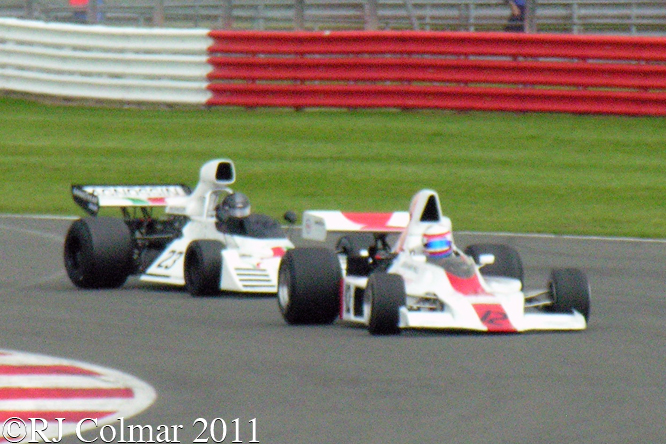
Daryl Taylor is seen at the wheel of #DN1-3A at recent Silverstone Classic events.

Thanks for joining me on this “The Ambassador’s Embassy” edition of “Gettin’ a li’l psycho on tyres” I hope you will join me again tomorrow. Don’t forget to come back now !

Share

High Fidelity Tribute – Hawk Stratos

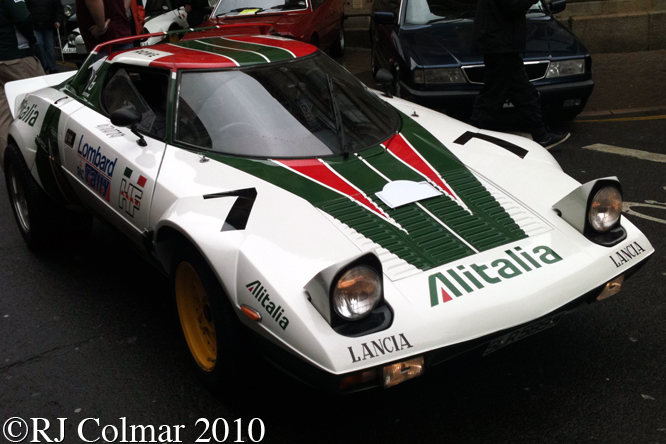
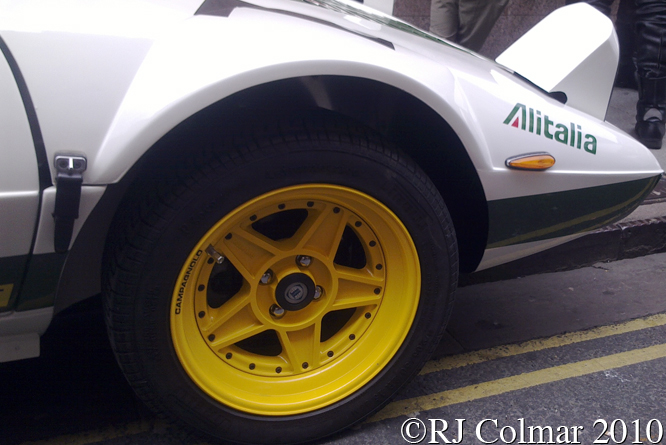
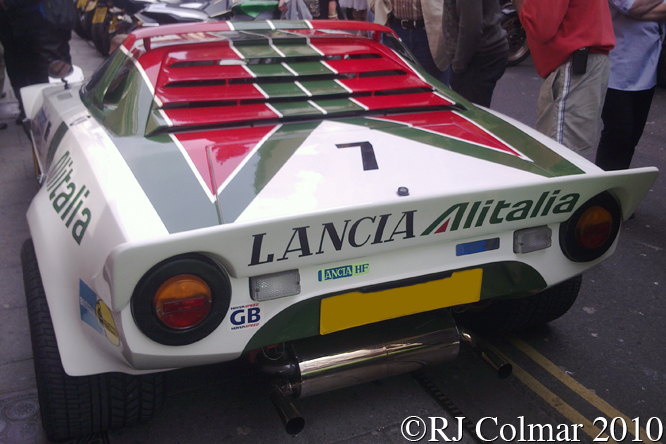
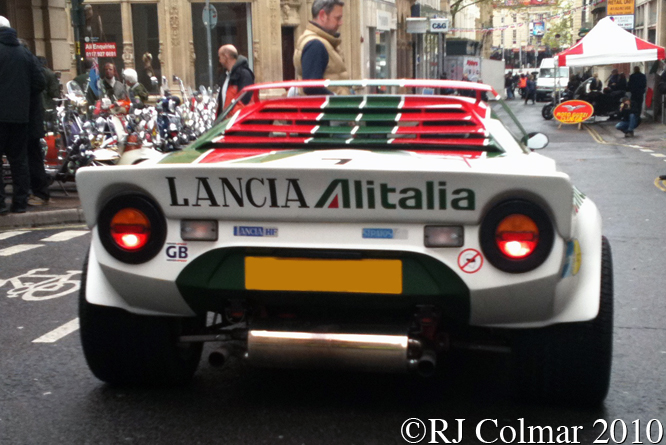
The Lancia Stratos HF (High Fidelity) was a mid engined 2 seat sports car powered by the same V6 motor as the Ferrari and Fiat Dino models. Form 1974 to 1976 competition variants of the Stratos dominated the World Rally scene and the model won the World Championship for three successive years.

Hawk Stratos, Bristol Italian Auto Moto Festival

Sandro Munari with co-drivers Mario Mannucci (’74/’75) and Italy Silvio Maiga (’76/’77) was the most successful driver of the Stratos competition models winning 7 WRC events of the 18 credited to the model. In 1975 the works Lancia team was sponsored by the Italian national airline Alitalia in the white, green and red colours of today’s featured car which was built from a Hawk Stratos kit in 1981.

Hawk Stratos, Bristol Italian Auto Moto Festival

Hawk Stratos fiber glass panels are so faithfully reproduced, the manufacturer claims that they can and are used as replacements on genuine Bertone designed Lancia Stratos HF models.

Hawk Stratos, Bristol Italian Auto Moto Festival

Motors for the Hawk Versions of the Stratos can vary from transversely mounted in line 4 cylinders such as powers today’s featured car to similarly mounted V6’s from Ferrari or ALFA Romeo.

Hawk Stratos, Bristol Italian Auto Moto Festival

The Lancia Stratos HF continued to be successful in the World Rally Championship up until 1981 when privateer Bernard Darniche with co driver Alain Mahé won the Tour de Corse in Corsica.

Thanks for joining me on this “High Fidelity Tribute” edtion of “Gettin’ a li’l psycho on tyres” I hope you will join me again tomorrow. Don’t forget to come back now !

Share

Sixties Ferrari Covers – GALPOT Automobilia

Continuing to clear some of the motor racing stuff I have collected over the years today’s post features a couple of MotorSport covers that are currently on line on my “lightpress” e-bay account.

MotorSport, Goodwood, April 1966

First up from April 1966 the staff at MotorSport believed that the idea of an apparently arbitrary 3 liter / 183 cui limit on the size of forth coming GT regulations was not either in the interest of the sport, or the British motor industry who’s GT cars from Jaguar and Aston Martin with motors over the new limit would be rendered obsolete despite not being particularly quicker than their competition with smaller motors. The photo shows the start of the 1963 Goodwood Tourist Trophy race featuring four Ferrari 250 GTO’s, 2 Aston Martins and 2 E-type Jaguars which was won by Graham Hill in the #11 250 GTO.

MotorSport, Surtess, Ferrari 312, Siracusa, June 1966

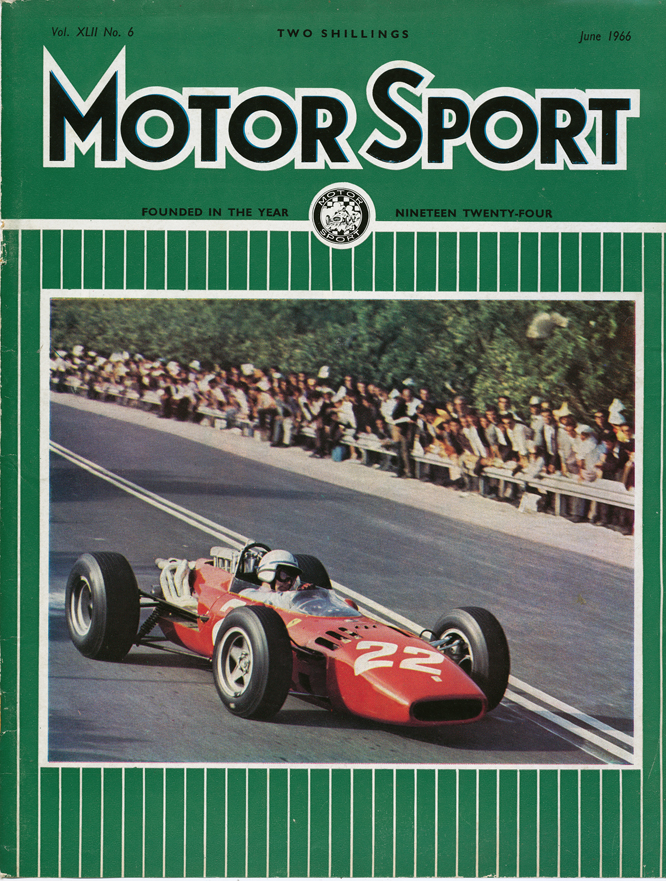
By June 1966 the Ferrari V12 3 litre 183 cui Formula One car was looking a good bet to win the championship with 1964 champion John Surtees at the wheel. John is seen guiding his Ferrari 312 fitted with a downsized sports car V12 motor through the streets of Siracusa on his way to an easy non championship victory. Note how Sicilian spectators are clearly seen ligning the inside of the crash barriers which were presumably installed to protect them. By the end of June John Surtees quit the Ferrari team after a disagreement with Ferrari management which deprived him and Ferrari of Championships which up until then had been theirs for the taking.

MotorSport, Bandini, Ferrari P3/4, Daytona, March 1967

Finally after a humiliating defeat to Ford at Le Mans in 1966 in February 1967 Ferrari stole a little Ford thunder by claiming victory in the Daytona 24 hour race. Seen on the cover of the March 1967 edition of MotorSport is Lorenzo Bandini at the wheel of the #23 Ferrari P3/4 he shared on his way to victory with Chris Amon. The #26 North American Racing Team Ferrari P4 driven by Pedro Rodriguez and Jean Guichet finished second.

Thanks for joining me on this “Sixties Ferrari Covers” edition of “Gettin’ a li’l psycho on tyres” I hope you will join me again tomorrow. Don’t forget to come back now !

Share

Mopar Presidents Station Wagon – Chrysler Town & Country Barrel Back

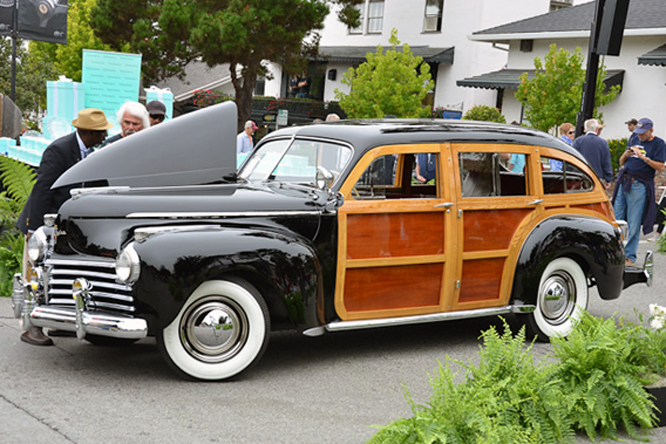
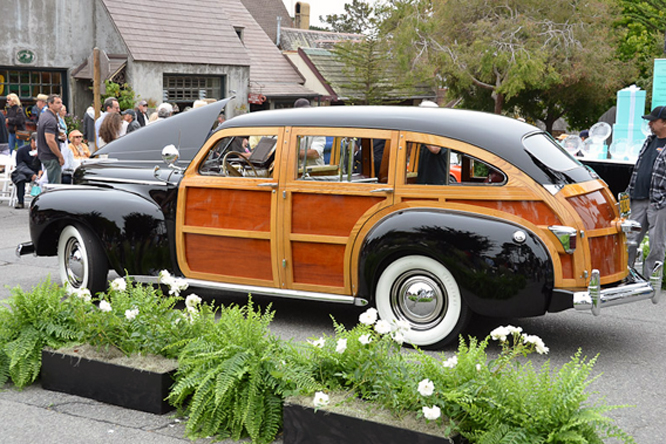
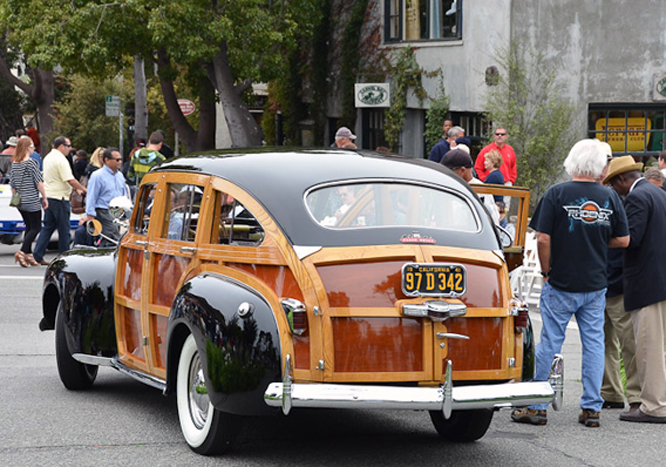
This month’s Americana Thursdays will feature 4 station wagons. First up is this 1941 Chrysler Town & Country Barrel Back seen by Geoffrey Horton at last years Carmel by the Sea Concours d’Elegance.

Chrysler Town & Country Barrel Back, Carmel by the sea Concours

The Chrysler Town & Country was powered by a 108 hp Spitfire L-Head straight six motor fitted with a Fluid Drive semi automatic transmission.

Chrysler Town & Country Barrel Back, Carmel by the sea Concours

The woody part of the otherwise steel body comprises an Ash frame with Mahogany veneer panels, it is said to have been designed by Chrysler’s President David A. Wallace.

Chrysler Town & Country Barrel Back,Carmel by the sea Concours

Only 496 of these six passenger station wagons were built before the 1939-45 war intervened and prematurely terminated production in 1941. It is thought that just 5 of these cars remain, making them amongst the most sort after station wagons.

My thanks to Geoffrey Horton for sharing his photographs of this difficult to identify vehicle.

Thanks for joining me on this “Mopar Presidents Station Wagon” edition of “Gettin’ a li’l psycho on tyres” I hope you will join me for Ferrari Friday tomorrow. Don’t forget to come back now !

Share

On The Green – Niello Concours Serrano

Last week I had a look at some of the Ferraris and Porsche 911s marking the 50th Anniversary of the model at Niello Concours at Serano this week Karl Krause’s photographs show some of the other Marques that were represented.
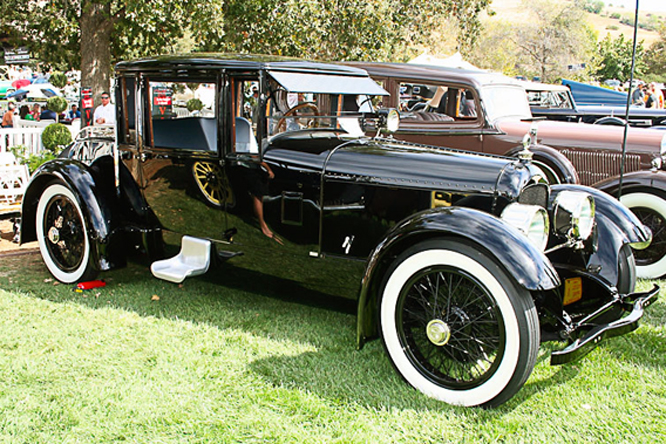
Duesenberg Model A Coupé, Niello Concours Serrano

The Duesenberg Brothers were not the greatest businessmen, they had intended to manufacture 100 Model A Coupé’s, like the 1921 example above, a week instead of the 650 manufactured over six years from 1921 to 1927, but they were great engineers. The 100 hp Model A featured a straight 8 motor with over head cam shaft and four valves per cylinder, the Model A also featured hydraulic brakes on all four wheels while rivals like Rolls Royce were still selling customers vehicles of similar weight and performance with two wheel cable operated brakes.
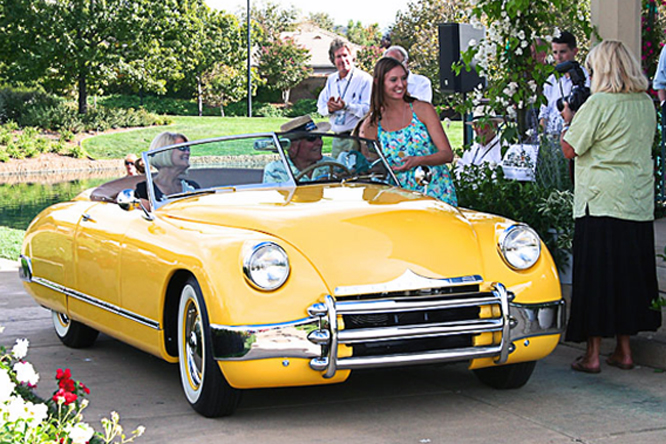
Kurtis, Niello Concours Serrano

In 1948 Frank Kurtis showed up at the 1948 Indy 500 with a two seat customised 1941 Buick which ran not only an extreme streamlined body but also independent suspension on all four wheels. Public reaction to the vehicle was so encouraging Frank put the car, like the one above, into production, using many Ford components including a Ford V8 with Edelbrock heads, in 1949 one of which, was timed at over 142 mph at Bonneville.
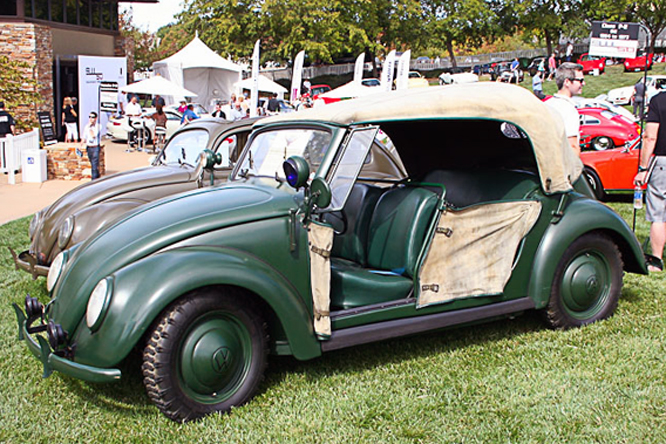
Volkswagen Beetle, Niello Concours Serrano

Meanwhile crime fighting authorities in Germany were using stripped down Volkswagen Beetles like the one above in 1949.
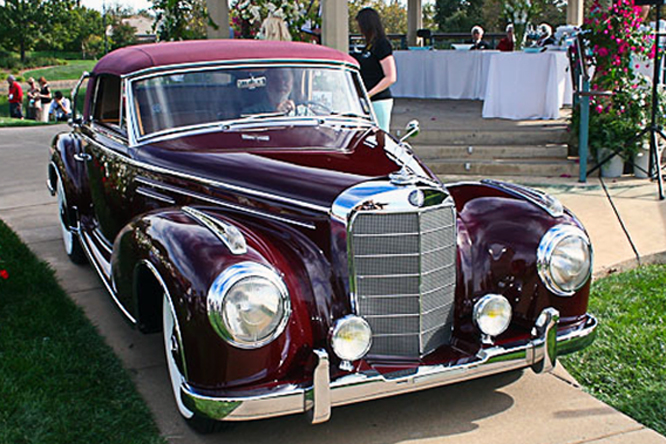
Mercedes Benz W187 Cabriolet B, Niello Concours Serrano

In 1951 Mercedes Benz introduced it’s first post war six cylinder models including the W187 220, which was modeled on the W153 dating back to 1938. The curved windscreen on the example seen above indicates that this is a two door two seat 220 Cabriolet A manufactured between 1953 and 1955 when the W187 series cars were replaced by the ponton bodied W105/W180 series cars.
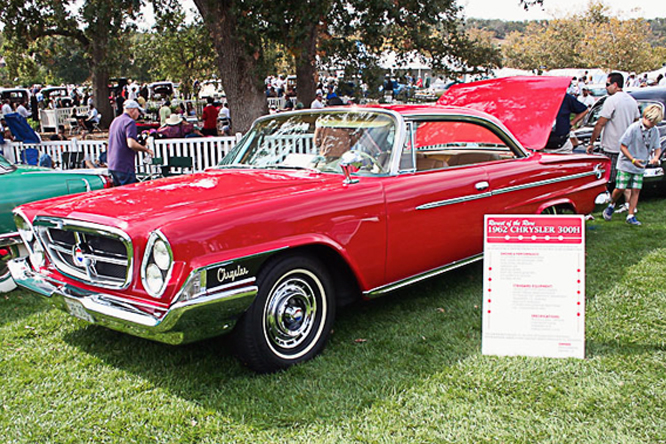
Chrysler 300 H, Niello Concours Serrano

By 1962 the Chrysler letter series were becoming a tough sell, only 435 Chrysler 300H coupés, like the one above, were built as the rest of the Chrysler 300 range could be ordered with many of the features that had been previously exclusive to the letter range.
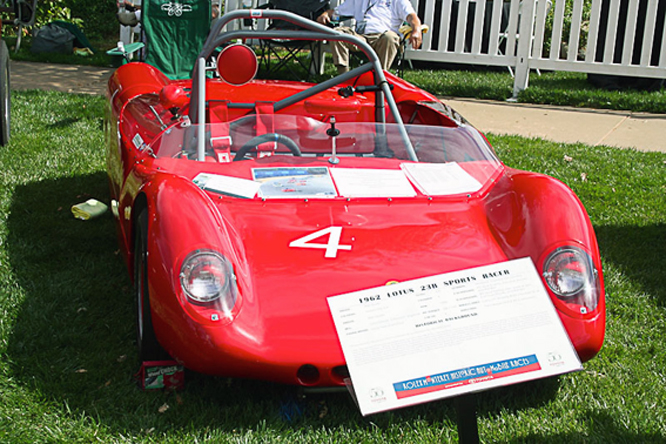
Lotus 23B, Niello Concours Serrano

In 1962 over 130 Lotus 23’s, like the one above, were built that are known to have been entered in over 600 national and international events and recorded over 110 outright victories and a more than a further 130 class victories up to the Kyalami 9 hours in 1981. The history of this particular car is not known to me at the time of writing, if you know anything about it, please do not hesitate to chime in below.
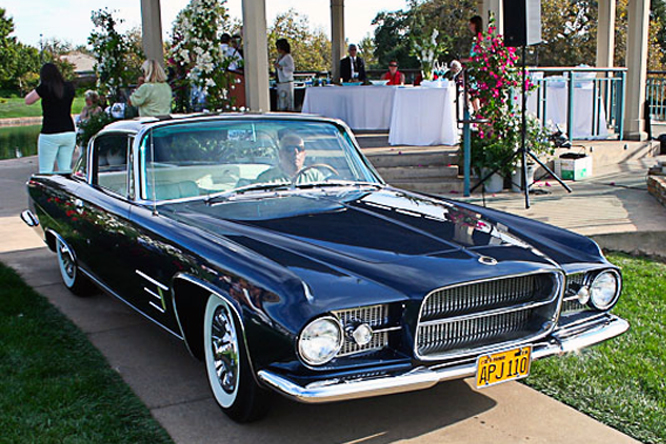
Dual Ghia L.6.4, Niello Concours Serrano

Production of the original Dual Ghia ceased production in 1958 after each of the cars built lost money, in 1961 Eugene Casaroll started building an updated Dual Ghia L.6.4 model like the one above, with a 335 hp 6.4 litre / 383 cui Mopar sourced V8, however production came to halt for the same financial reasons in 1963.
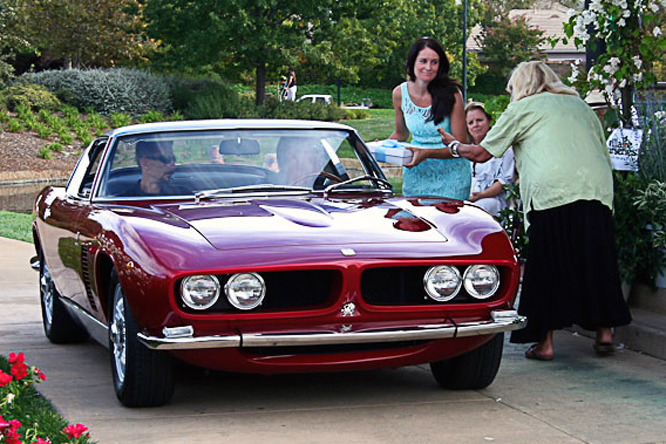
Iso Griffo, Niello Concours Serrano

Like the Dual Ghia the Giotto Bizzarrini designed Iso Griffo, like the example seen above, first seen in 1963 used many proprietary parts though these were sourced from GM including the 400 hp blueprinted Chevrolet small block V8 of the type more commonly found in the Corvette.
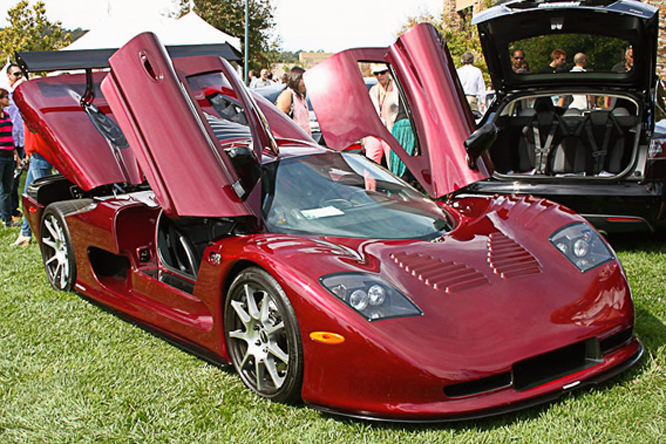
Mosler MT 900

Exact numbers of Mosler MT900’s are hard to pin down but it seems safe to say the 2010 example above is one of less than 100 road & race versions built between 2001 and 2011.
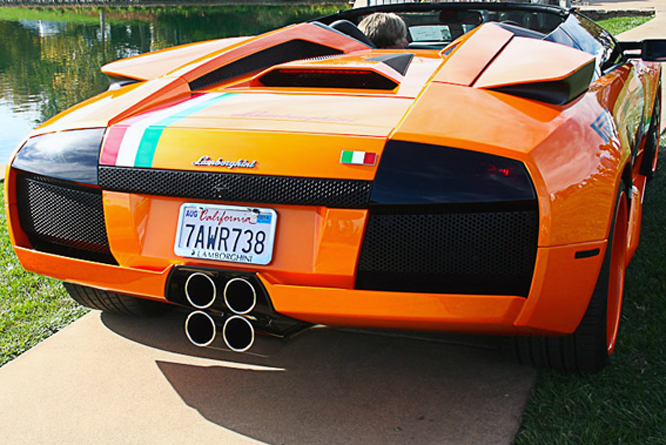
Lamborghini Murciélago Roadster, Niello Concours Serrano

2013 marks the 50th Anniversary of the diversification of Lamborghini from agricultural machinery manufacture into road car manufacture, above is a Murciélago Roadsters at the time of writing I’m not sure of it’s age or exactly which of the Murciélago Roadster variants this is, I suspect the exhaust is a giveaway if you know the model please chip in below.
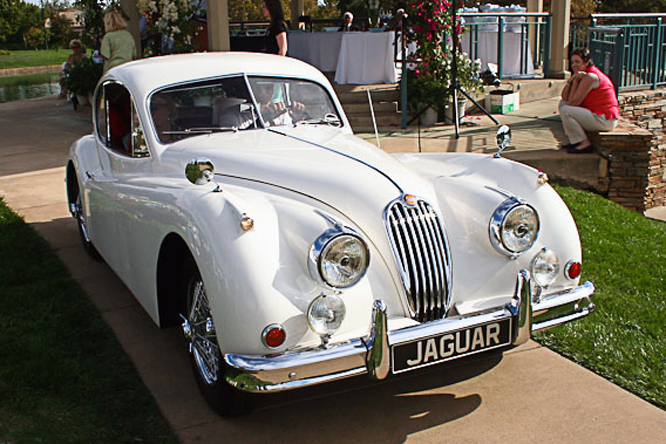
Jaguar XK 140 FHC SE MC, Niello Concours Serrano

Finally despite finishing first in class Geoffrey Horton missed out on getting a coveted SCCA ring with his Jaguar XK140 FHC SE MC which was restored from a rats nest 28 years ago. He will be sitting SCCA events next year but will continue attending non SCCA sanctioned events next year.

My thanks to Geoffrey Horton for this seasons many photographs he has shared from the California Concours d’Elegance scene and to Karl Krause for sharing today’s photographs.

Thanks for joining me on this “On The Green” edition of “Gettin’ a li’l psycho on tyres” I hope you will join me again tomorrow when I’ll be looking at the first of a series of four US station wagons. Don’t forget to come back now !
Share

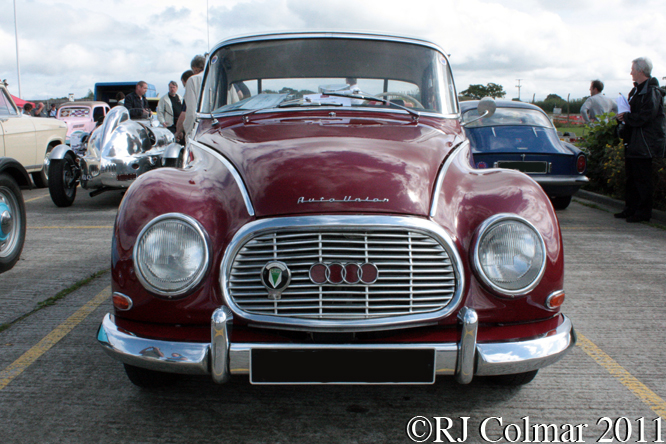
Four Rings Return – Auto Union 1000 S

At the end of the 1939 – 45 the once great name of Auto Union disappeared off the map as a consequence of the new communist administrative arrangements that emerged in East Germany.

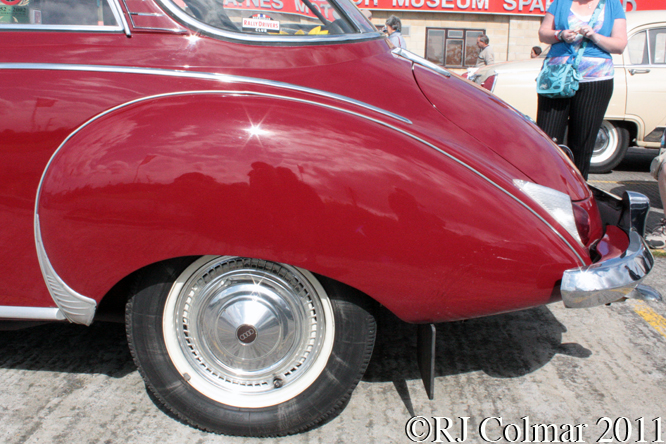
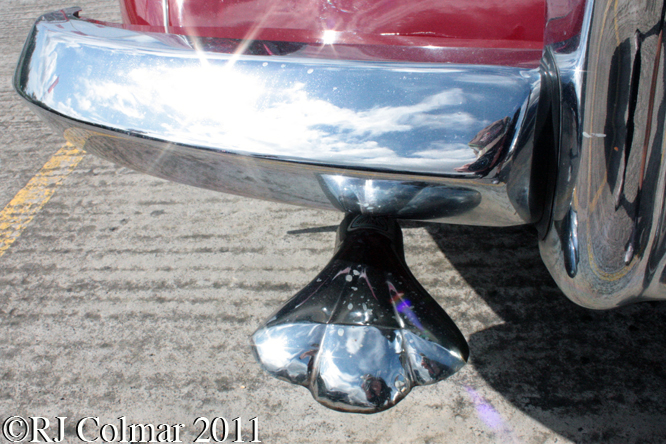
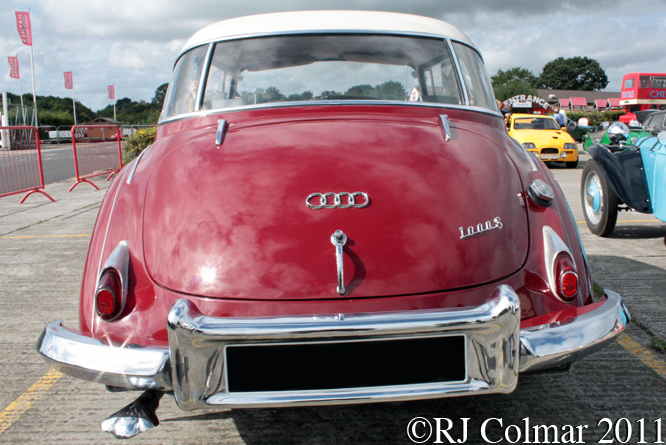
Auto Union 1000S, Rare Breeds, Haynes International Motor Museum

What assets remained of Horch, Audi and the Auto Union racing departments in Chemnitz and Zwickau were liquidated and those in Zwickau were handed over to VEB (Volkseigener Betrieb = Peoples owned Enterprise) which went on to build a series of two stroke vehicles, starting with pre war DKW designs, that were eventually sold under the Trabant brand after a law suit compelled VEB to desist selling models with the DKW name.

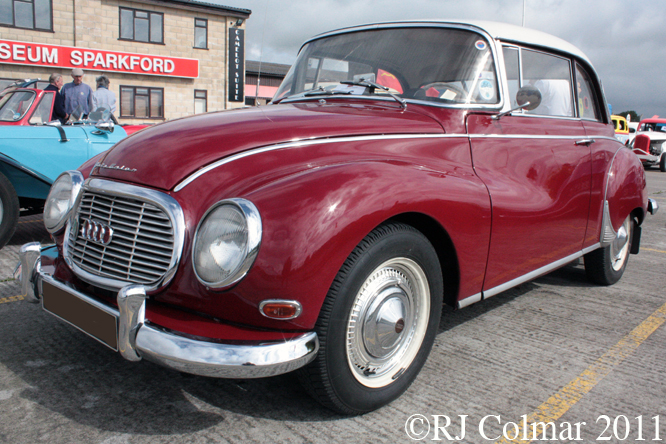
Auto Union 1000S, Rare Breeds, Haynes International Motor Museum

Auto Union AG was reconstituted in 1949 with only the DKW brand name surviving which sold a variety of two stroke vehicles including a motor cycle and delivery van before moving back into automobile manufacture.

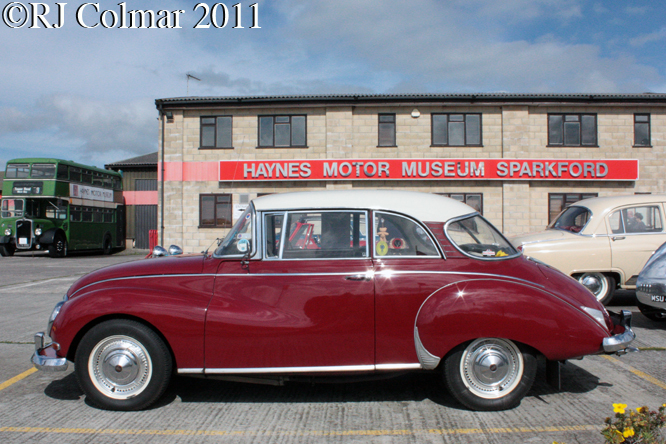
Auto Union 1000S, Rare Breeds, Haynes International Motor Museum

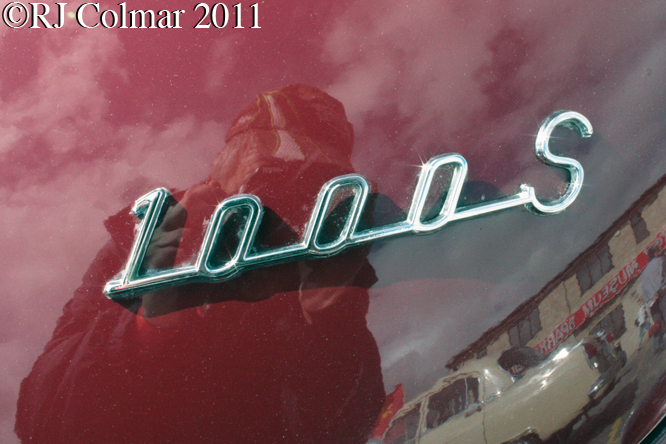
In 1958 the now Daimler AG owned Auto Union brand returned to the market place with the Auto Union 1000 S powered by a 44 hp 1 litre / 61 cui two stroke straight 3 cylinder motor driving the front wheels.

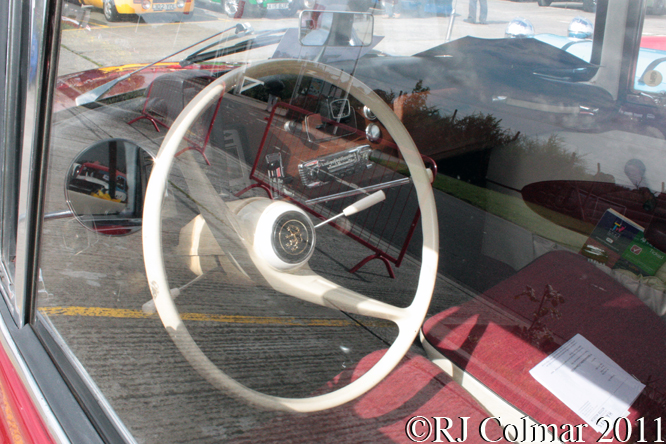
Auto Union 1000S, Rare Breeds, Haynes International Motor Museum

The 1000 S model was available in 2 door saloon, as seen here, 4 door saloon, 2 door pillarless Coupé and Estate variations. There was also a “baby” thunderbird” sports car option which I’ll be looking at in a future Wednesday Continental Curiosity edition.

Auto Union 1000S, Rare Breeds, Haynes International Motor Museum

As with most front wheel drive vehicles the Auto Union 1000S gave occupants greater interior space than their competitors which in this case was the Volkswagen Beetle.

Auto Union 1000S, Rare Breeds, Haynes International Motor Museum

In 1960 a now 50 HP Auto Union was tested with a rest to 60 mph acceleration time of 23.6 seconds and top speed of 80.9 mph. Auto Union 2 stroke motors branded DKW were to be found in the proving ground open wheel series known as Formula Junior.

Auto Union 1000S, Rare Breeds, Haynes International Motor Museum

1961 saw the introduction saw the introduction of a clean oil regulator which was intended to reduce the blue exhaust smoke haze, common to two stroke motors, by ensuring an exact 40 to 1 petrol to oil mix using a separate oil tank to feed the carburetor. Unfortunately because of the severe European winter in 1962/63 oil viscosity and flow through the narrower new carburetor feed was adversely affected resulting in crankshaft damage.

Auto Union 1000S, Rare Breeds, Haynes International Motor Museum

This 1963 model seen at the Rare Breeds show at Haynes International Motor Museum a couple of years ago is said to have come to Britain from Sweden via Norway.

Auto Union 1000S, Rare Breeds, Haynes International Motor Museum

Between 1958 and 1963 171,008 Auto Union 1000 S models were manufactured at Auto Unions plant in Dusseldorf. By 1964 Volkswagen had acquired Auto Union and DKW and Audi. VW ditched the Auto Union and DKW brands as production of 2 stroke models was phased out in favour of new water cooled four stroke models that derived from the DKW F103 which was marketed as the Audi F103 in 1965 which transformed the fortunes of first Audi and then as the new motor was further developed later Volkswagen.

Thanks for joining me on this “Four Rings Return” edition of “Gettin’ a li’l psycho on tyres” I hope you will join me again tomorrow. Don’t forget to come back now !
Share