Tag Archives: Ford

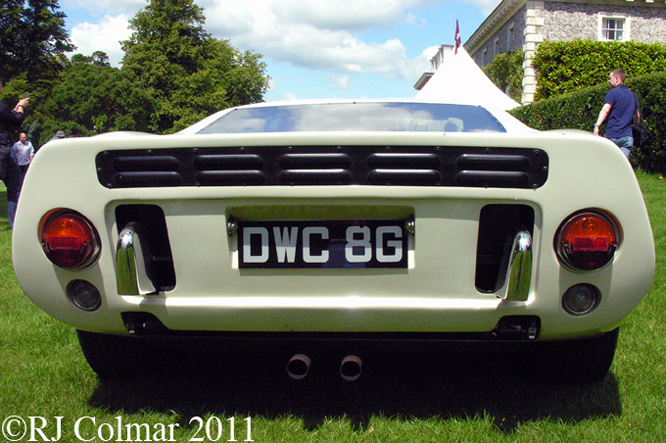
One For The Road – Ford GT 40 Mk III

The story of how Enzo Ferrari enraged Henry Ford II in 1963 by backing out of a deal to sell out to the blue oval has been re told many times, Henry ordered his employees to build a vehicle that would beat Ferrari at Le Mans where until then Ferrari had carved out a ‘Team to Beat’ position that would later be held by Porsche in the 1980’s and is held now by Audi.

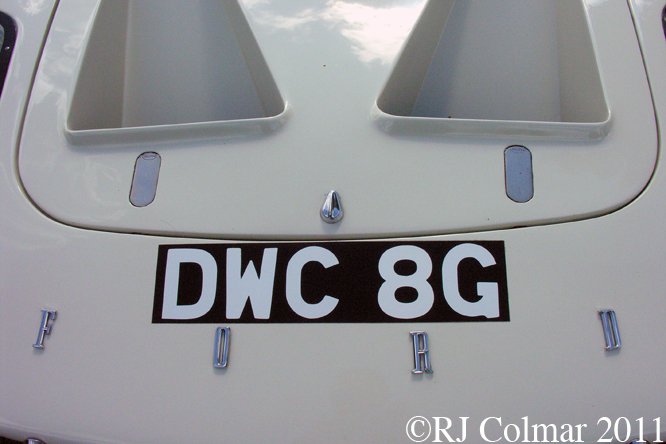
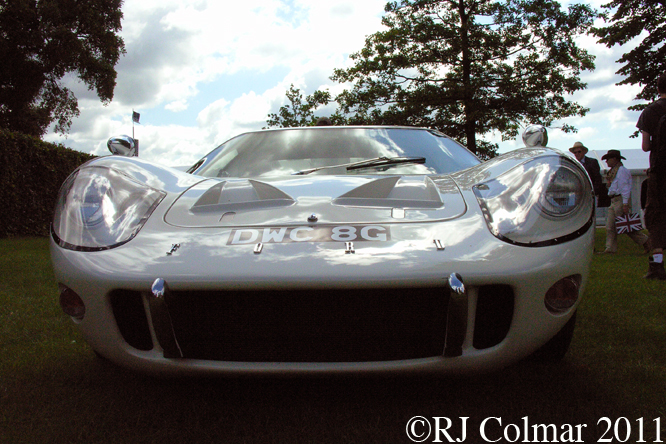
Ford GT40 Mk III, Goodwood FoS

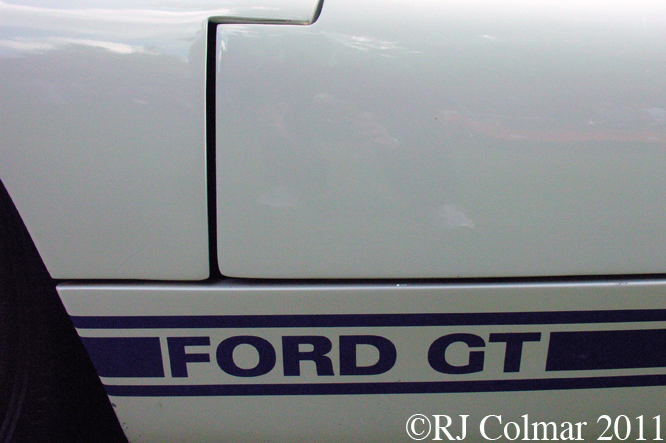
Without any expertise in building cars suitable to beat Ferrari at it’s own game, Ford teamed up with Eric Broadley of Lola Cars to get their GT program up and running. The regulations in effect at Le Mans stipulated that cars had to be a minimum of 40 inches high and that was the target that was achieved which gave the Ford GT 40 model it’s name.

Ford GT40 Mk III, Goodwood FoS

The 1964 GT 40 Mk 1 built by Ford Advanced Vehicles in Slough, England was originally powered by a 4.1 litre / 255 cui V8 but this was soon upgraded to a 4.7 litre / 289 cui V8 taken from the Ford Mustang.

Ford GT40 Mk III, Goodwood FoS

Despite a lack of results in 1964 Ford felt the design of the GT40 held the potential for development, a Mk2 version was developed by Kar Kraft in Dearborn, while Carrol Shelby continued to develop the existing Mk 1’s with a development of the 289 Fairlaine motor that had been developed for the Ford Cobra.

Ford GT40 Mk III, Goodwood FoS

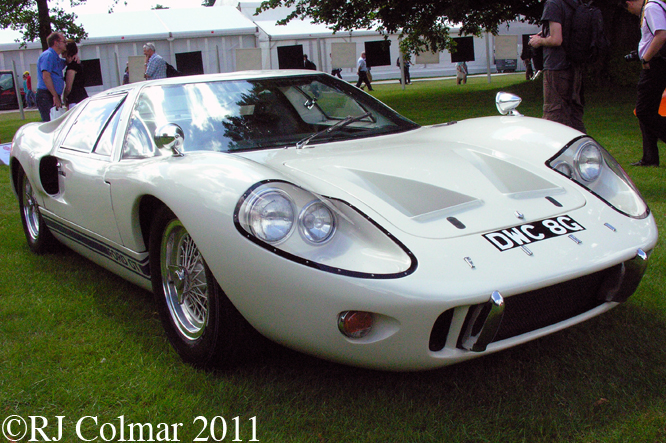
The Ford Advanced Vehicles premises at Slough was acquired by John Wyer who managed one of several teams entering GT40’s in international sportscar races. John also ended up developing the Ford GT Mk 3 purely as a road car.

Ford GT40 Mk III, Goodwood FoS

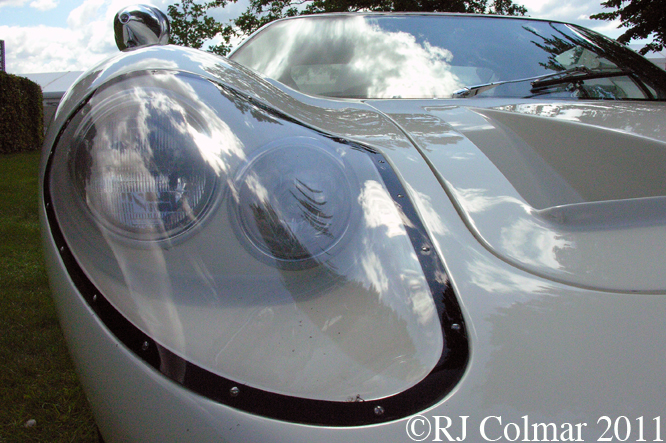
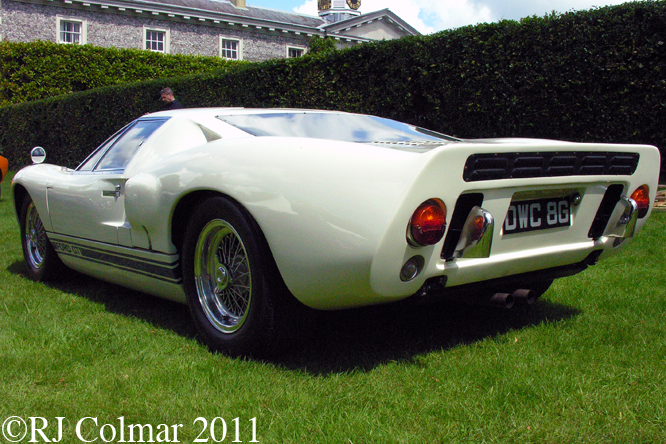
Unfortunately despite it’s road friendly detuned 4.7 litre / 289 cui motor the styling of the Mk 3 with its road legal 4 sealed beam head lights and extra space in the rear for luggage was not so well received.

Ford GT40 Mk III, Goodwood FoS

What customers were really looking for was the out and out racing GT40 for the road as evidenced by the many Ford GT40 replica’s that have been built.

Ford GT40 Mk III, Goodwood FoS

As a concequence only seven Ford GT 40 Mk 3’s were built between 1967 and 1969 making them possibly the rarest of all Ford’s to go into production and now one of the most sort after amongst collectors.

Thanks for joining me on this road going edition of ‘Gettin’ a li’l psycho on tyres’ I hope you will join me again tomorrow. Don’t forget to come back now !

PS Don’t forget …

Automobiliart GALPOT Seasonal Quiz

Automobiliart, Paul Chenard

December 26th – January 2nd

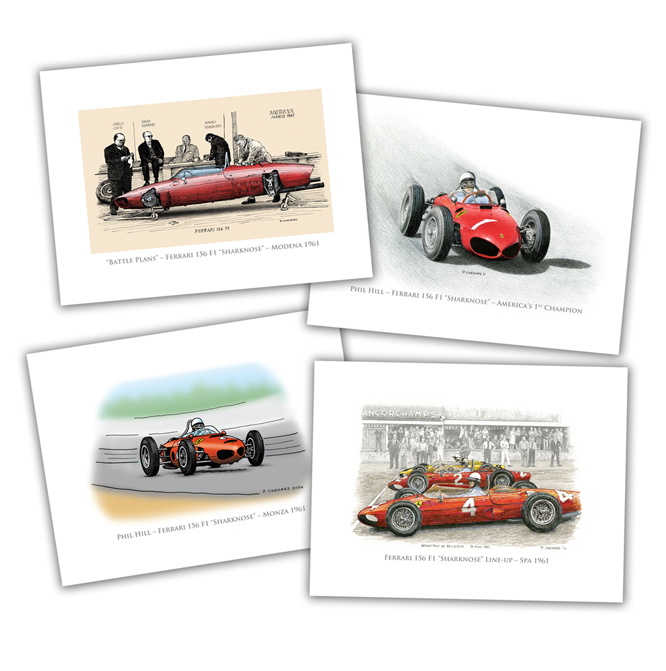
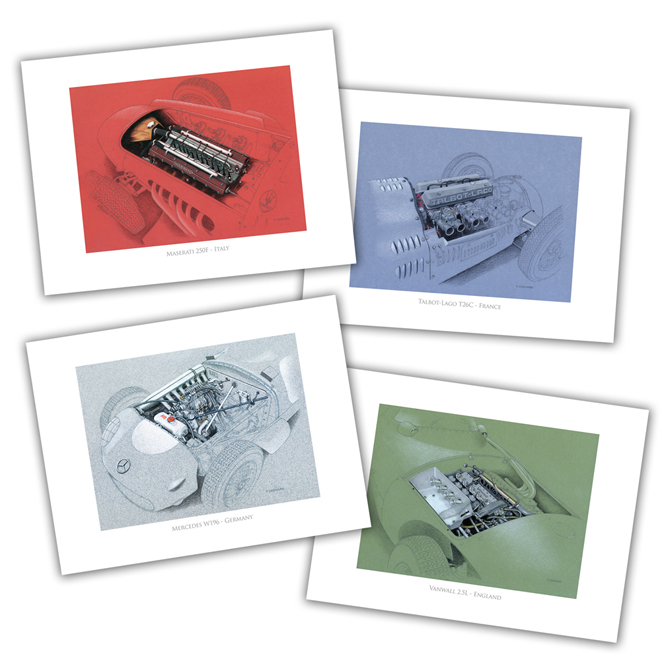
Win a set of Paul Chenard Greetings Cards

Sports-GT cars set, Paul Chenard

Set 1 Sports & GT Cars

Phil Hill, Sharknose Ferrari Set, Paul Chenard

Set 2 Phil Hill World Drivers Championship 50th Anniversary Edition

1934 GP Season Card set, Paul Chenard

Set 3 1934 Season

1950s Grand Prix Engines

Set 4 Grand Prix Engines of the 1950’s

or

Mike Hawtorns racecars Card set, Paul Chenard

Set 5 Mike Hawthorn’s Race Cars

The Automobiliart GALPOT Seasonal Quiz will comprise 8 categories.

Overall winner chooses one set of Paul Chenard Greetings Cards from the five sets shown above.

The cards measure 15.24cm x 11.43cm, come in packs of 12 with 3 copies of 4 designs in each set, plus A6 envelopes.

Which set will you choose ?

The free to enter Automobiliart GALPOT Seasonal Quiz will run from December 26th – January 2nd Entries close January 8th 2012, Winner announced January 16th 2012.

Full details on December 26th at GALPOT.

Looking for Automotive Seasonal Gift Idea’s? Visit Automobiliart Now !

Share

Project Sunbird – Ford Consul Capri (335)

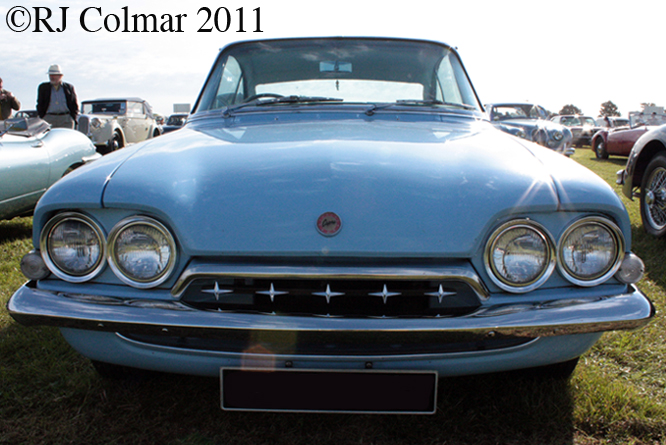
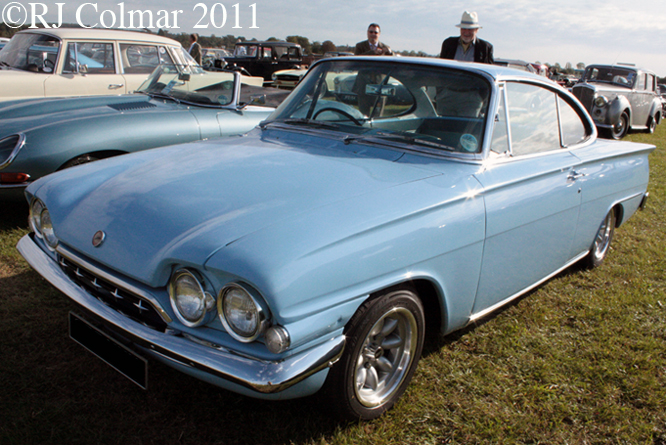
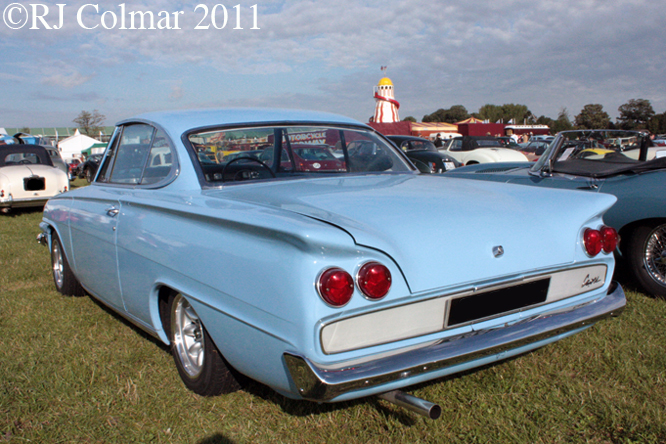
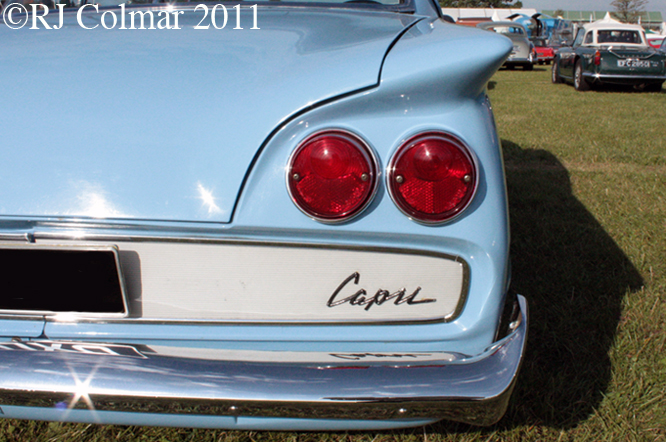
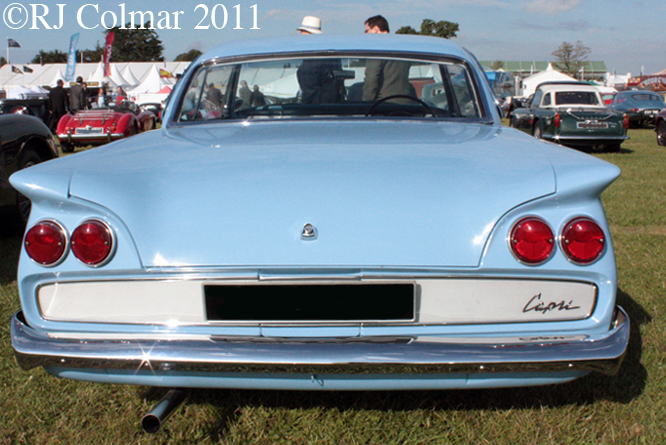
To my mind the Ford Consul Capri has always epitomized the best of 1950’s era design from Ford of Britain, which is a shame because the world had already moved on from those opulent 50’s features when the car was launched in 1961.

Ford Consul Capri, Goodwood Revival

The pillar less Capri coupé, like the Consul Classic with which it shares it’s running gear and chassis pan, was designed by Charles Thompson with scaled down influences from Fords Thunderbird and Galaxie Sunliner models.

Ford Consul Capri, Goodwood Revival

With a 3 bearing 1340 cc 81.7 cui Ford 109E engine that, when sleeved down to 1092 cc / 66.6 cui was popular in Formula Junior cars at the time, the Capri was considered under powered, and in 1962 Consul Capri’s, like the 1962 model seen here at Goodwood Revival, were fitted with the 1498 cc / 91.4 cui 116 E engine which boosted the top speed to 79 mph with a 0 to 60 mph time of 22.6 seconds.

Ford Consul Capri, Goodwood Revival

Body assembly was out sourced to Pressed Steel Fisher who sent the completed bodies to Ford’s Dagenham plant for final assembly. This method of production proved very expensive especially compared to the contemporary Ford Cortina.

Ford Consul Capri, Goodwood Revival

Sales of just 19,421 Capri 335’s sold in two and a half years, make this one of the rarest vehicles Ford of Britain ever produced.

Ford Consul Capri, Goodwood Revival

The Capri name disappeared from the Ford model palette from 1964 to 1969 when Ford came back with the ‘Car you have always dreamed of’ the more successful Ford Capri Mk 1′ which I’ll be looking at in the New Year.

Thanks for joining me on this ‘Sunbird’ edition of ‘Gettin’ a li’l psycho on tyres’, I hope you will join me again tomorrow. Don’t forget to come back now !

PS Don’t forget …

Automobiliart GALPOT Seasonal Quiz

Automobiliart, Paul Chenard

December 26th – January 2nd

Win a set of Paul Chenard Greetings Cards

Sports-GT cars set, Paul Chenard

Set 1 Sports & GT Cars

Phil Hill, Sharknose Ferrari Set, Paul Chenard

Set 2 Phil Hill World Drivers Championship 50th Anniversary Edition

1934 GP Season Card set, Paul Chenard

Set 3 1934 Season

1950s Grand Prix Engines

Set 4 Grand Prix Engines of the 1950’s

or

Mike Hawtorns racecars Card set, Paul Chenard

Set 5 Mike Hawthorn’s Race Cars

The Automobiliart GALPOT Seasonal Quiz will comprise 8 categories.

Overall winner chooses one set of Paul Chenard Greetings Cards from the five sets shown above.

The cards measure 15.24cm x 11.43cm, come in packs of 12 with 3 copies of 4 designs in each set, plus A6 envelopes.

Which set will you choose ?

The free to enter Automobiliart GALPOT Seasonal Quiz will run from December 26th – January 2nd Entries close January 8th 2012, Winner announced January 16th 2012.

Full details on December 26th at GALPOT.

Looking for Automotive Seasonal Gift Idea’s? Visit Automobiliart Now !

Share

Parts Bin Special – Aston Martin Virage

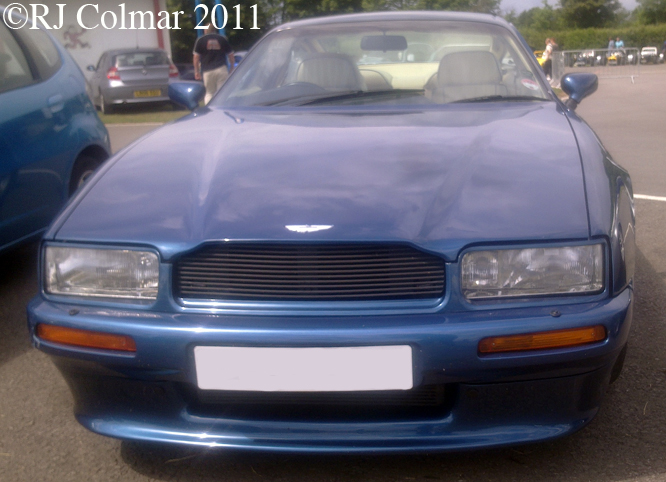
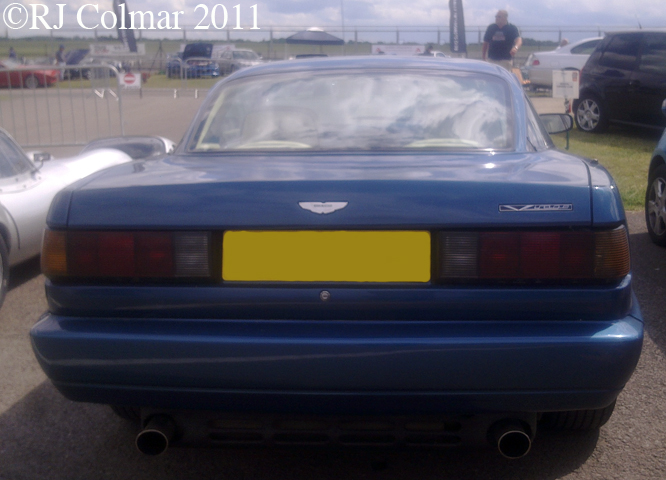
The Aston Martin Virage was introduced in 1988 as a top of the range model. The car featured today seen at Castle Combe Classic and Sportscar Action day was built in 1990.

Aston Martin Virage, Castle Combe C&SCAD

Powered by a 330hp 5.3 litre / 323 cui V8 with 32 valve Callaway designed cylinder heads, the 1790 kg / 3946 lb Virage is capable of reaching 60 mph from rest in 6.5 seconds with a top speed of 158 mph.

Aston Martin Virage, Castle Combe C&SCAD

Despite being a hand made bespoke machine the Virage dipped into a variety of manufacturers parts bins to keep the costs down, the head lights are sourced from the Audi 200/5000 the tail lights from the 2nd generation Volkswagen Scirocco, the steering column came from General Motors the Climate Control from Jaguar and the steering column from Ford.

Aston Martin Virage, Castle Combe C&SCAD

Most of these cars are fitted with Chryslers Torqueflite automatic transmission with only fifty being thought to have the 5 speed ZF manual option, all 1050 Virages were built after Aston Martin was acquired by Ford.

Thanks for joining me on this curved edition of ‘Gettin’ a li’l psycho on tyres’ I hope you will join me again tomorrow. Don’t forget to come back now !

PS Don’t forget …

Automobiliart GALPOT Seasonal Quiz

Automobiliart, Paul Chenard

December 26th – January 2nd

Win a set of Paul Chenard Greetings Cards

Sports-GT cars set, Paul Chenard

Set 1 Sports & GT Cars

Phil Hill, Sharknose Ferrari Set, Paul Chenard

Set 2 Phil Hill World Drivers Championship 50th Anniversary Edition

1934 GP Season Card set, Paul Chenard

Set 3 1934 Season

1950s Grand Prix Engines

Set 4 Grand Prix Engines of the 1950’s

or

Mike Hawtorns racecars Card set, Paul Chenard

Set 5 Mike Hawthorn’s Race Cars

The Automobiliart GALPOT Seasonal Quiz will comprise 8 categories.

Overall winner chooses one set of Paul Chenard Greetings Cards from the five sets shown above.

The cards measure 15.24cm x 11.43cm, come in packs of 12 with 3 copies of 4 designs in each set, plus A6 envelopes.

Which set will you choose ?

The free to enter Automobiliart GALPOT Seasonal Quiz will run from December 26th – January 2nd Entries close January 8th 2012, Winner announced January 16th 2012.

Full details on December 26th at GALPOT.

Looking for Automotive Seasonal Gift Idea’s? Visit Automobiliart Now !

Share

Project Panda – Ford Zodiac Mk4

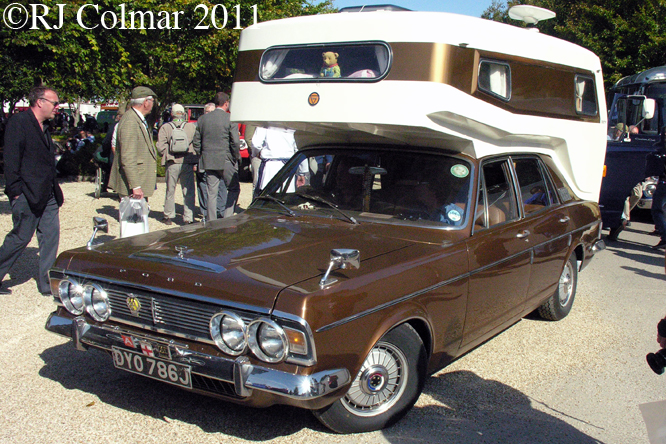
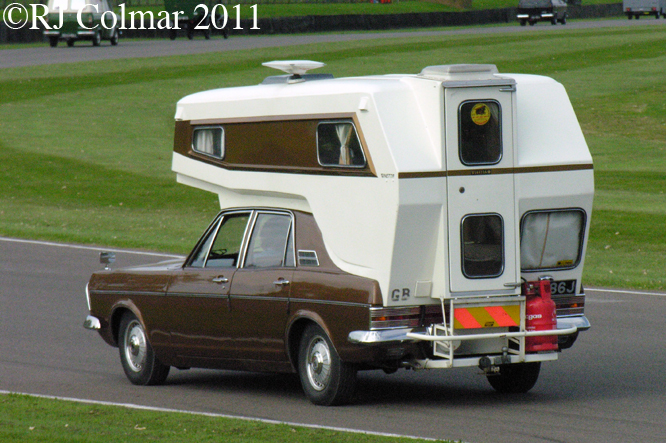
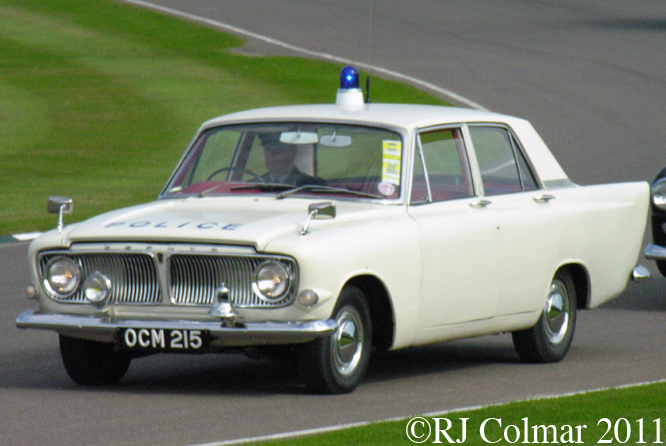
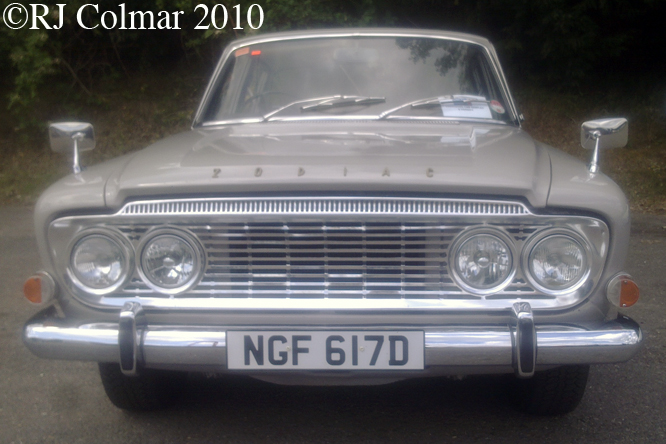
In 1961 Vice President of Engineering at Ford of Britain Harley F Coop, who had worked on the Continental Mk II and Ford Falcon , became involved with Project Panda to design a vehicle to replace the Mk3 Zephyr / Zodiac range. The cars were to be fitted with V6 motors replacing the straight 6’s which had been used.

Ford Zodiac Mk 4, Goodwood Revival

Despite having a shorter motor the resultant Mk 4 Zephyr and Zodiac models had a long bonnet and short boot, this was because of the independent rear suspension which could not accommodate the spare tyre in the rear so, Coop placed the spare tyre at an angle ahead of the radiator at the front of the car.

Ford Zodiac Mk 4, Goodwood Revival

The Zodiac powered by the top of the range 3 litre / 183 cui V6 made an excellent towing vehicle however it would appear that the one off camper carried by this 1970 model, seen at the Goodwood Revival, was designed and manufactured by the Walkett brothers who are best known for their Ginetta sports cars.

Thanks for joining me on this Project Panda edition of ‘Gettin’ a li’l psycho on tyres’, I hope you will join me again tomorrow. Don’t forget to come back now !

12 05 08 While searching for information about the Ford Corsair I came accross a myth about the Corsair setting a number of records at Monza in 1967, it transpires these records were actually set by Eric Jackson, Ken Chambers, John Beckhart, Michael Bowler and John Maclean driving a Ford Zodiac MK IV averaging 100 mph for an entire seven days and nights on the Ford repaired Monza banking.

PS Don’t forget …

Automobiliart GALPOT Seasonal Quiz

Automobiliart, Paul Chenard

December 26th – January 2nd

Win a set of Paul Chenard Greetings Cards

Sports-GT cars set, Paul Chenard

Set 1 Sports & GT Cars

Phil Hill, Sharknose Ferrari Set, Paul Chenard

Set 2 Phil Hill World Drivers Championship 50th Anniversary Edition

1934 GP Season Card set, Paul Chenard

Set 3 1934 Season

1950s Grand Prix Engines

Set 4 Grand Prix Engines of the 1950’s

or

Mike Hawtorns racecars Card set, Paul Chenard

Set 5 Mike Hawthorn’s Race Cars

The Automobiliart GALPOT Seasonal Quiz will comprise 8 categories.

Overall winner chooses one set of Paul Chenard Greetings Cards from the five sets shown above.

The cards measure 15.24cm x 11.43cm, come in packs of 12 with 3 copies of 4 designs in each set, plus A6 envelopes.

Which set will you choose ?

The free to enter Automobiliart GALPOT Seasonal Quiz will run from December 26th – January 2nd Entries close January 8th 2012, Winner announced January 16th 2012.

Full details on December 26th at GALPOT.

Looking for Automotive Seasonal Gift Idea’s? Visit Automobiliart Now !

Share

The Sure Bet – Lotus 22 #22-J-17

In 1962 Lotus built one of their more significant models, the Lotus 22, for competition in the 2nd tier open wheel Formula Junior in 1962. The 22 was an upgraded version of the Lotus 20 but now featuring disc brakes all round.
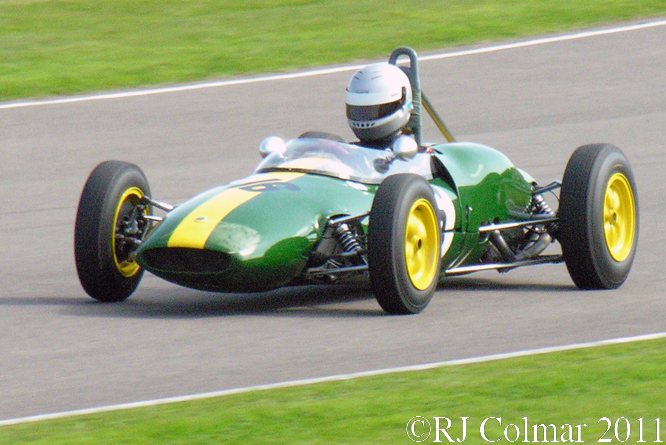
Cristoph Burckhardt, Lotus 22, Goodwood, Revival

The Lotus 22 dominated Formula Junior in 1962 with Peter Arundell and Alan Rees at the wheel of the works cars which dominated the European Junior scene.

Arundell won 75 % of his races including the Monza Loteria and was crowned British Junior Champion. Moises Solana won FJ races in Mexico.

The design of the 22 was also used as the basis of the two seat the Lotus 23 sports racer, which I’ll be looking at next week, the 22 design was given a second lease of life with the emergence of the third tier open wheel Formula 3 in 1964 which mandated single seat vehicles with space frame chassis like the 22 which was upgraded to Lotus 31 spec in F3 guise though the chassis numbers for Lotus 31 curiously ran 22-F3-xx. The 22 design had yet another lease of life when Jim Russel converted a couple of 22’s and 31’s into Ford Kent powered racing cars and inadvertently invented Formula Ford leading to yet another run of cars being built to the basic Lotus 22 design now upgraded to Lotus 51 spec.

It is thought 77 Lotus 22’s were built in their original Formula Junior spec between 1962 and 1963.

Formula Junior was open to cars weighing a minimum 400 kgs / 880lbs fitted with 1100 cc / 67 cui motors or 350 kgs vehicles weighing a minimum of 350 kgs / 770 lbs with 1000 cc / 61 cui.

Chritoph Burckhardt’s car, thought to be chassis 22-J-17 seen above at Goodwood Revival, like most FJ cars in 1962 is the heavier 400 kgs type with 90 hp Cosworth tuned Ford 4 cylinder engine with a mandated production based block, this one canted over at 30 degrees to lower the centre of gravity and minimise the frontal area of the car.

Other FJ engine options included a BMC and DKW two stroke motor as used successfully by a German Gerhard Mitter in his Lotus 22.

At this point I’d usually wrap up this post in the usual way but I’d be doing the model a grave injustice since the Lotus 22 is the stuff of legend that ultimately brought down hitherto respected Porsche racing driver Richard von Frakenberg who survived flying literally of the Avus track to become an equally respected journalist for Auto Motor und Sport one of Germany’s most successful motoring publications.

On Sept 30th 1962 there was a German Formula Junior Championship race on the short 5 mile Südschleife track at the Nurburgring. There was much rumor and gossip in the paddock that weekend about a simple way to increase the engine capacity of the stock block Ford Formula Junior motors by changing the Ford Anglia crankshaft for a crankshaft sourced from the larger capacity Ford Consul that used the same block with the same diameter cylinders but increased the combined swept volume of the blog by having a longer stroke.

The race was notable because the championship title was to be decided between two drivers, the aforementioned Mitter in his DKW powered Lotus 22 and reigning champion Kurt Ahrens jr driving a Cooper T59 with a Cosworth prepared Ford motor of the type which could be easily oversized.

To secure the title all Ahrens Jr needed to do was finish ahead of Mitter, if he finished just one place behind Mitter the two would share the title. bizzarely the latter is exactly what happened Ahrens trundled around behind Mitter’s DKW powered Lotus until the DKW lost one of it’s three cylinders when Mitter pitted Ahrens Jr drove as far as the Müllenbach corner at the back of circuit and promptly stopped his perfectly good car and waited for Mitter to affect his repairs and come past and then followed Mitter across the line to ensure a tie in the Championship.

Richard von Frankenberg absorbed some of the rumors, which should probably have been taken with a pinch of salt in the first place, from the meeting and the following week published a story full of scandalous accusations under the Title “The Biggest Disgrace in International Motorsport”.

In his exposé Richard pointed out that during the Formula Junior season none of the motors had been checked to measure their capacity during scrutineering either before or after races and alleged that some teams had taken advantage of the situation.

Specifically Frankenberg accused reigning champion Kurt Ahrens jr & Austrian Kurt Bardi-Barry winner of the race of running with an oversize engines on September 30th.

He also accused Alan Rees who was running in a work Lotus 22 with a Cosworth Ford motor of running in practice with an oversize motor during which he crashed and eliminated himself from the race.

Frankenberg then went on to report Alan had openly declared that his team (Lotus) had been running oversize motors through out the season.

Finally Frankenberg challenged Colin Chapman to send two cars to Monza to rerun the Lotteria race distance at the same average speed that the cars had achieved in June and then have the motors legality checked.

In the aftermath of the publication Kurt Ahrens Jr and Kurt Bardi Barry won civil actions against von Frankenberg and Auto Motor & Sport both presented motors which passed inspection well after the event but it was concluded that hear say in the paddock was not sufficient proof that either driver had cheated.

The ONS, governing body of motorsport took Ahrens Jr, Bardi-Brady and Mitter to task about events on the September 30th 1962 and concluded that the hear say evidence of Mitter was not proof positive that Ahrens or Bardi-Brady had cheated but they did find Mitter and Ahrens Jr guilty of conspiring to fix the race results for which they both had their licenses suspended for six months.

Colin Chapman accepted von Frankenbergs suggestion, offering to run one Lotus 22 Formula Junior car at Monza over the 30 lap distance of the Lotteria held in June and made a bet of £1000 that his car would not only achieve the same or better speed at Monza over the 30 race distance and be proved perfectly legal. In the event von Frakenberg and Auto Motor und Sport lost the bet they would pay Chapman £1,000 and publish a retraction of the accusations against the team.

All parties duly deposited their stakes and convened at Monza on December 1st 1962. Peter Arundell did some slow warm up laps and blew his engine, it was agreed this should be repaired for a second attempt the next day.

On December 2nd a new attempt was made after cement had been strewn across patches of ice found under the trees at the first Lesmo Corner. Despite another slow start Peter Arundell soon started lapping ahead of the target time eventually crossing the line for the 30th time 52 seconds faster than he had in June.

On completion of the race distance he did one final blinding flying lap and lowered his lap record of 1’50.9′ in June to 1’49.8′ in December.

It was noted at the time the cooler conditions gave Peter an advantage, as much as 4% extra horse power by my calculations, but his times by my calculations are only 1.5% quicker for the race and and 1% quicker for fastest lap.

Once Peter returned to the pits the car was meticulously weighed, the engine dimensions were measured, as 1092 cc / 66.6 cui, and so the car was declared fully compliant with the Formula Junior regulations to the satisfaction of all concerned.

Immediately after the technical inspection the “Monaza Lion” as the car became known was sold for £2,000 to a Sig. Motta, thereafter Richard von Frankenberg shook Colin Chapman’s hand and formally apologized in front of all those present and an apology with full retraction of the false statements was printed in the following issue Auto Motor und Sport.

Peter Arundell won a second consecutive British Formula Junior Championship in 1963 and looked to have a promising future until an accident in 1964 saw him thrown out of his car. Colin Chapman kept a seat for Peter until his return in 1966, however Peter showed none of his earlier promise during his comeback season and retired from the sport completely in 1969, after selling his Garage Business from which he and his family were lucky to escape from a serious fire he moved to Florida where he founded the notorious adult software gaming company Mystique.

Colin Chapman went from strength to strength his Lotus team wining the first of six World Drivers and seven World Constructors Championships in 1963.

Kurt Ahrens jr regained his German Formula Jr title in 1963 but never quite broke into the big time he did however win the 1969 Austrian and 1970 Nurburgring 1000kms races driving with Jo Siffert and Vic Elford respectively, the 1968 Austrian event was the first ever to be won by a Porsche 917, he also took two consecutive pole positions at Le Mans for the 24 hour races in 1969 and 1970 both in works Porsche 917’s. He retired in 1970 to look after his family’s car dealership and scrap metal business and still takes an interest in the historic racing scene.

Gerhard Mitter drove in seven Grand Prix but like Ahrens Jr never secured a permanent seat on the Grand Prix circuit, he won the 1969 Targa Florio driving a Porsche 908 with Udo Schutz. Gerhard was kiiled during practice for the 1969 German Grand Prix after either suspension or steering failure caused him to crash.

Soon after he lost the Monza bet von Frakenberg left his staff position at Auto Motor und Sport. He was killed in a road accident in 1973 aged 52.

My thanks to every one on The Nostalgia Forum particularly, Doug Nye, Arese, r.atios, Ralf Pickle and Charlieman, on the L’affaire Lotus/von Frankenburg thread, RWB, Macca & Rob on the How many Lotus 22s? thread, finally but not least Cheapracer and saudoso on the Ambient air temperature and car performance thread.

Thanks for joining me on this bumper edition of ‘Gettin’ a li’l psycho on tyres I hope you will join me again tomorrow. Don’t forget to come back now !

PS Don’t forget …

Automobiliart GALPOT Seasonal Quiz
Automobiliart, Paul Chenard

December 26th – January 2nd

Win a set of Paul Chenard Greetings Cards
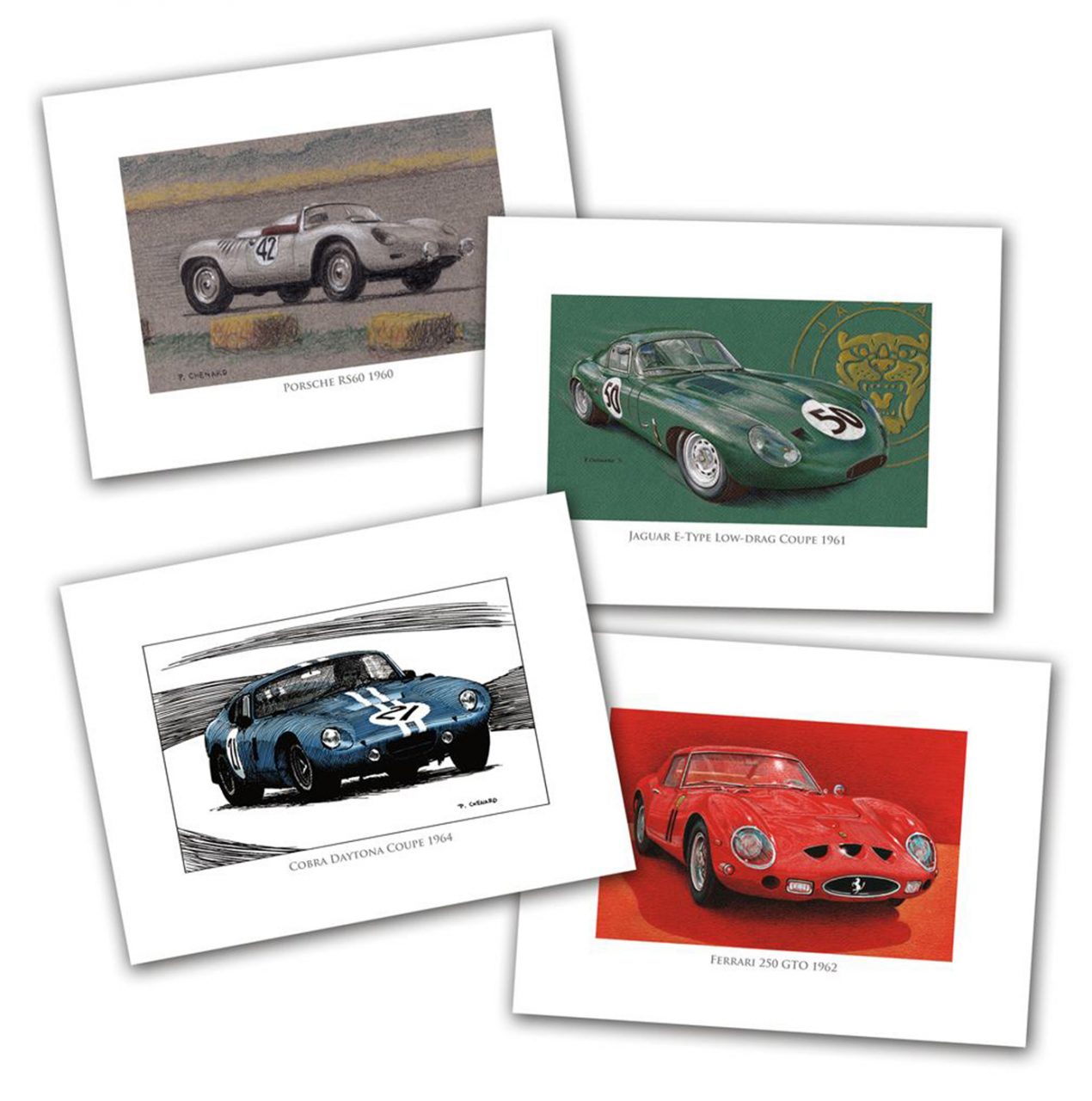
Sports-GT cars set, Paul Chenard

Set 1 Sports & GT Cars

Phil Hill, Sharknose Ferrari Set, Paul Chenard

Set 2 Phil Hill World Drivers Championship 50th Anniversary Edition
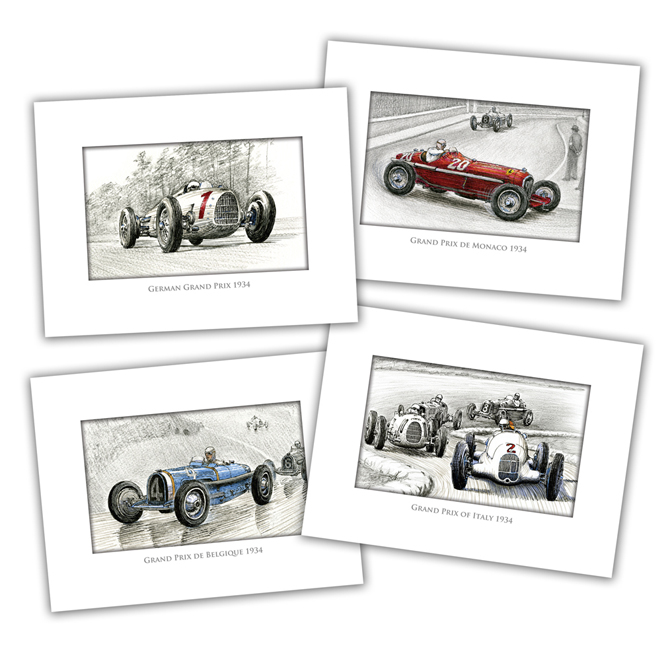
1934 GP Season Card set, Paul Chenard

Set 3 1934 Season

1950s Grand Prix Engines

Set 4 Grand Prix Engines of the 1950’s

or
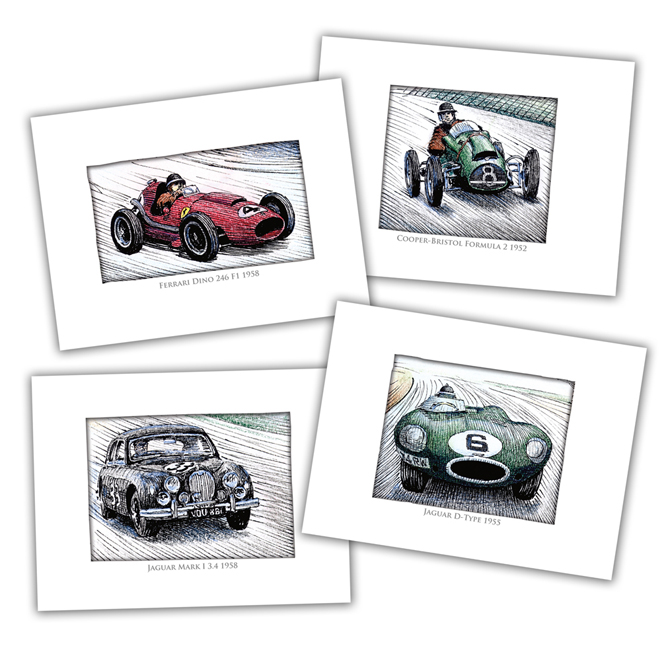
Mike Hawtorns racecars Card set, Paul Chenard

Set 5 Mike Hawthorn’s Race Cars

The Automobiliart GALPOT Seasonal Quiz will comprise 8 categories.

Overall winner chooses one set of Paul Chenard Greetings Cards from the five sets shown above.

The cards measure 15.24cm x 11.43cm, come in packs of 12 with 3 copies of 4 designs in each set, plus A6 envelopes.

Which set will you choose ?

The free to enter Automobiliart GALPOT Seasonal Quiz will run from December 26th – January 2nd Entries close January 8th 2012, Winner announced January 16th 2012.

Full details on December 26th at GALPOT.

Looking for Automotive Seasonal Gift Idea’s? Visit Automobiliart Now !

Share

Z Cars Edsels English Cousins – Ford Zephyr & Zodiac Mk3

After the humungous sales & marketing flop that was the Ford Edsel debacle Canadian Roy Brown moved on to designing smaller projects in the Ford empire namely the Ford Cortina along with the Zephyr and Zodiac Mk3’s featured today.

Ford Zephyr 6, Mk3, Goodwood Revival

The Consul name was dropped from the Zephyr and Zodiac range and moved to the smaller Cortina range in 1962 while the entry level Zephyr became the 4 cylinder powered Zephyr 4. Seen above at the Goodwood Revival is a 1963 6 cylinder Zephyr 6, a model that became indelibly implanted in my mind thanks to the kitchen sink Police drama known as ‘Z -Cars‘, please do not even think of pronouncing it “Zee”, one of the earliest adult orientated show’s I remember seeing on our very first black and white television in 1966.

Zodiac, Castle Combe

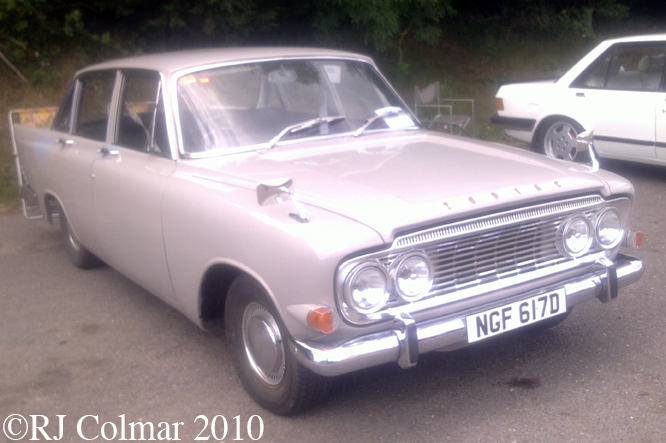
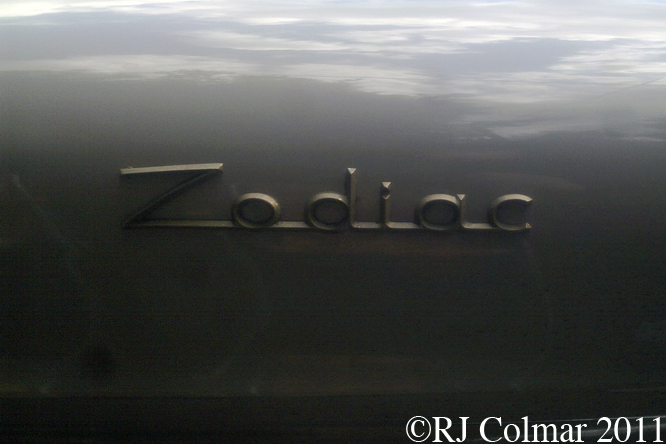
The Zodiac, as seen here at Castle Combe Classic and Sports Car Action Day, was the top of the range Mk3 ‘Z’ range featuring twined head lights to leave no doubt in the minds of purchasers that this car was the one with all the goodies.

Zodiac, Castle Combe

Both the Zephyr 6 and the Zodiac were built with straight 6 2,553 cc / 156 cui motors inherited from the Zephyr and Zodiac Mk 2 models.

Ford Zodiac, Mk3, Castle Combe

The Zodiac Mk3 can also be externally differentiated from the Zephyr Mk3 by the rear quarter light which has been moved from the rear door of the cheaper Zephyr 6 to the C-post of the more expensive Zodiac.

Ford Zodiac, Mk3, Castle Combe

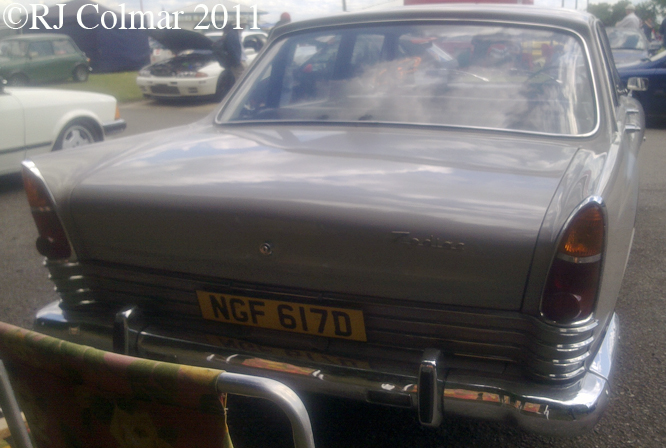
From the rear both the Zephyr and Zodiac Mk3 models clearly owe, even if understated, lines of DNA heritage to the Ghia built Lincoln Futura of 1955.

Thanks for joining me on this Z Car edition of ‘Gettin’ a li’l psycho on tyres’. I hope you will join me again tomorrow. Don’t forget to come back now !

Share

Thread Breakers – Lotus 20 # 20-J-892

In 1958 at the suggestion of engineer, journalist and former racing driver Count Giovanni “Johnny” Lurani Formula Junior was adopted as an entry level form of open wheel racing that mandated the use of engines, gearboxes and brakes from everyday production road cars.

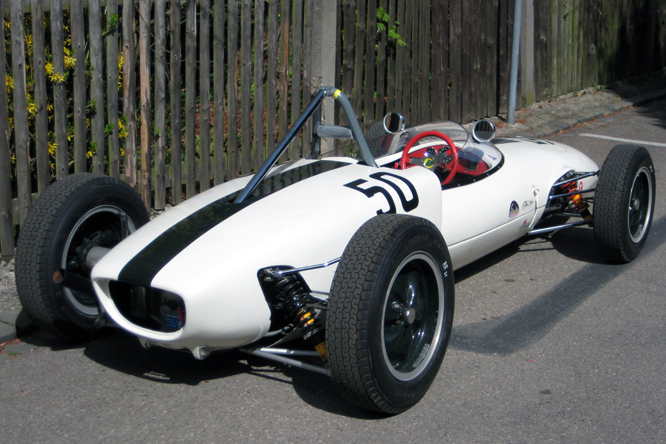
Lotus Ford 20

There were two classes up to 1000cc / 61 cui vehicles were allowed to run with a minimum weight of 360 kgs / 792 lbs and up 1100cc / 67 cui were allowed to run with a minimum weight of 400 kgs / 880lbs. The larger engine class was the most popular and initially a large variety of motors were used including FIAT, BMC, Moskvitch with 4 stroke 4 cylinder engines while SAAB and DKW 2 stroke 3 cylinder engines were also popular.

Lotus Ford 20

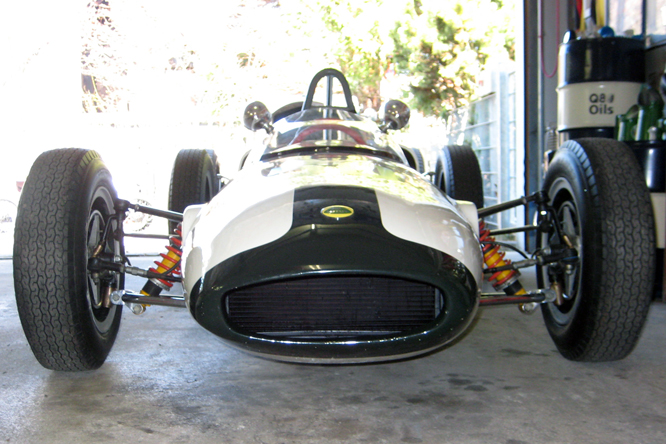
The series initially featured front engine vehicles but followed the trend set in Formula One and went the rear engined route at the turn of the decade. Lotus built a successful variation of the Lotus 18 Formula One car for formula Junior in 1960 and followed that up with Lotus 20 model that is featured today.

Lotus Ford 20

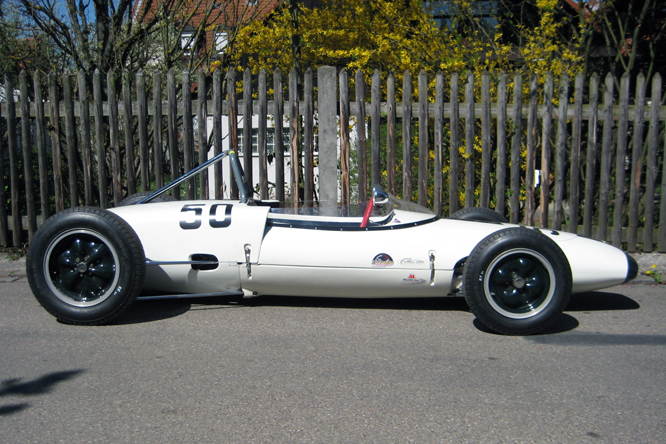
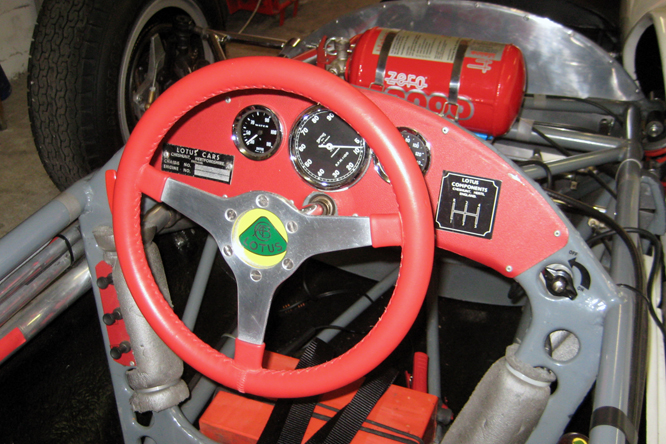
This particular Lotus 20, # 20-J-892, belongs to long time Lotus enthusiast Ralf Pickel, who fell in love with Lotus cars thanks in part to Matchbox, from Schwabach in Southern Germany.

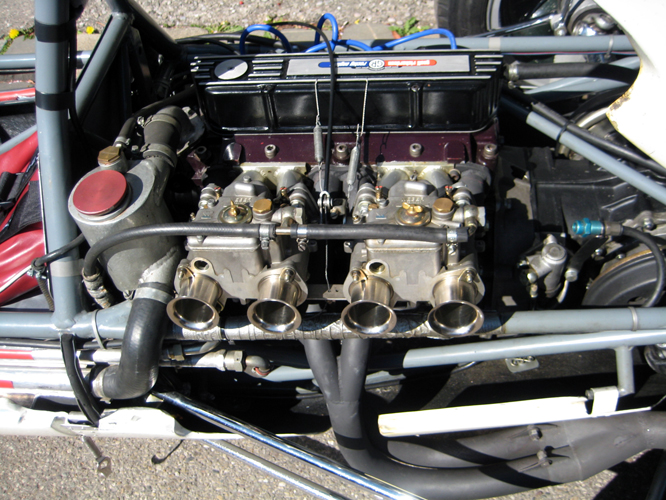
# 20-J-892 was supplied new to Honda Racing Team manager and ex motorcycle racer Reg Armstrong fitted with a Cosworth tuned Ford engine number # 61425. Reg is thought to have driven the car at several events in Ireland.

Lotus Ford 20

After being sold on, first to Edmund Gill then to Bill Popplewell, who shared the driving with Frank Keane in Ireland, the car was fitted with a larger engine in 1965 by Brian Cullen for entry into Formula Libre events.

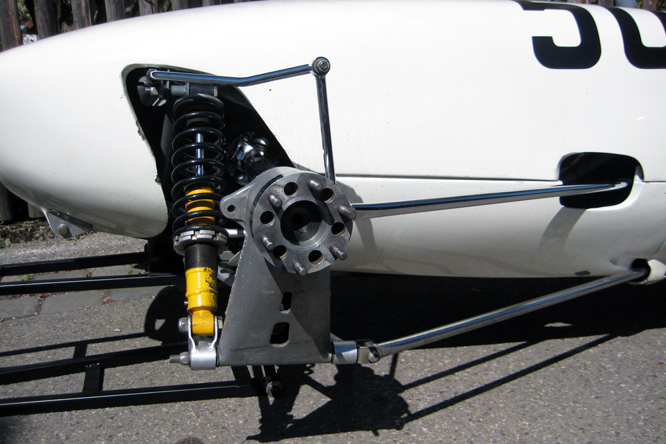
At Phoenix Park a drive shaft, which also acts as a critical suspension component, snapped causing an accident while Brian was at the wheel, that damaged the left hand side of the chassis.

Lotus Ford 20

Gordon Percy bought the damaged 20-J-892 with the intention of using it to build a grass track racer but over a period of 20 years he never quite got round to it and in 2000 the car left Ireland and ended up being restored by Michael Hibberd who replaced the damaged chassis members. After a couple of further documented changes of ownership Ralf bought the car from Richard Smeeton, who had a fresh £12,000 Richardson built Ford Formula Junior engine installed, earlier this year.

Lotus Ford 20

Ever since he bought the car Ralf has been wondering why the mirrors are mounted so high and close together on the screen, the probable answer has recently come to light that in the absence of timing beams on hill climbs a thread was stretched across the finish line of these events that mechanically stopped the timing clock when it was broken as cars crossed the finish line.

One one occasion when Reg Armstrong was driving today’s featured Lotus 20, which was considerably lower than all of the other vehicles in a contest, the thread was broken not by the car but Reg’s chin, reportedly causing copious blood shed.

Subsequently it is thought the mirrors were placed high on the screen to prevent further injury. A similar bloody fate befell the slightly taller Edmund Gill when he drove 20-J-892 following year when again the height of the finish line thread took no account of how low the Lotus 20 was.

To date Ralf has only had the opportunity to do some testing and demonstration events with this neat racer, but has plans to drive the car in anger for the first time next year hopefully at Hockenheim in April and Salzburgring in May.

My thanks to Ralf for sharing the photo’s and information on his Lotus. Thanks to TNFers Alan Cox, David Mckinney, Simon Thomas, Bill P, Richard Hinton, David Beard, Tim Murray, Richard Young, Edward Fitzgerald and larryd who contributed to the Lotus 20 and Reg Armstrong threads on The Nostalgia Forum.

Thanks for joining me on this Formula Junior edition of ‘Gettin’ a li’l psycho on tyres’ I hope you will join me again tomorrow. Don’t forget to come back now !

Share