Tag Archives: Museum

Spoiler Homologation Special – AMC Javelin SST Mark Donohue Edition

The AMC Javelin was AMC’s iron in the Pony Car fire to compete against the Mustang, Cougar, Camaro, Firebird and the last entries into the Pony market segment the Dodge Challenger and Plymouth Barracuda on offer from the big three in Detroit, it was styled and developed by Richard A Teague and launched in 1968.
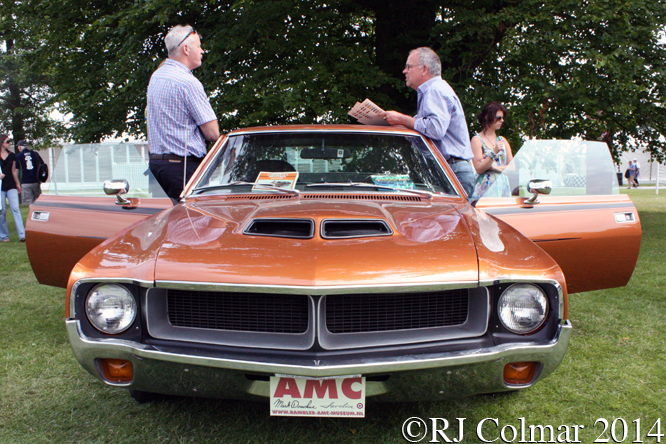
AMC Javelin SST Mark Donohue, Goodwood Festival Of Speed,

Short of resources the Javelin was developed from the 1966 AMX and AMX II concept cars and only offered with the two door semi fast back body style powered by one of three engine options all of which could be specified to burn either regular octane or premium octane fuel.
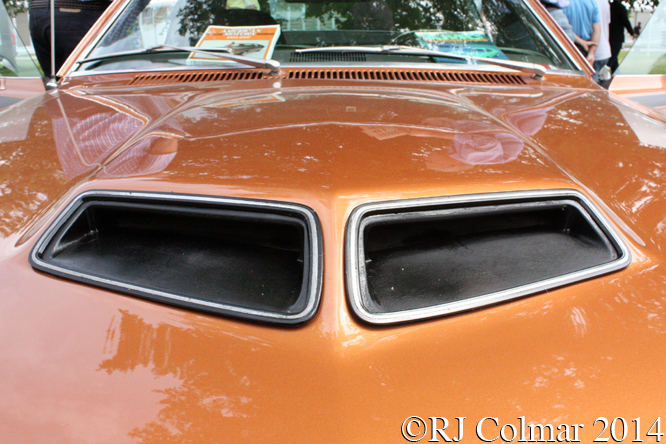
02AMC Javelin SST Mark Donohue_8516sc

Despite not having a competition department, any technical support, performance parts or even a test facility of any kind AMC approached Ron Kaplan and Jim Jeffords of Kaplan Engineering to run two Javelins in the SCCA Trans Am series, in 1968.
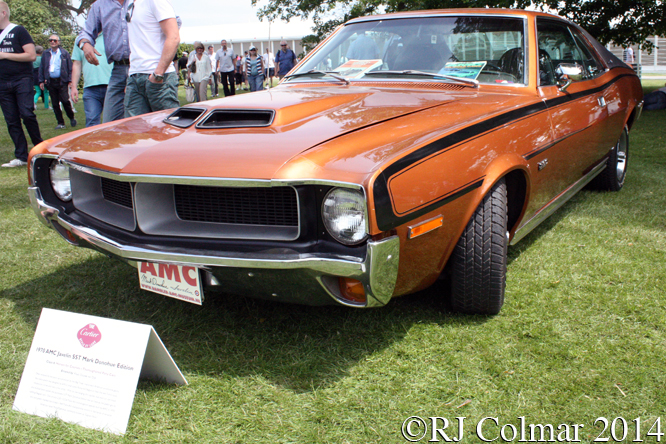
AMC Javelin SST Mark Donohue, Goodwood Festival Of Speed,

The team with drivers George Follmer and Peter Revson who got replaced half way through the season by Lothar Motschenbacher finished a commendable 3rd with an enviable record for getting their cars to the finish.
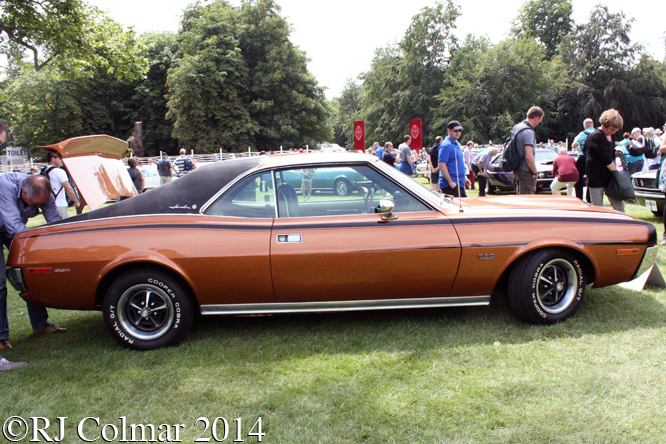
AMC Javelin SST Mark Donohue, Goodwood Festival Of Speed,

Kaplan ran the team again in 1969 with Ron Grable and John Martin who like Revson was replaced mid season by Jerry Grant, things between AMC were not so smooth second time round which was compounded by budget cuts that saw Kaplan take all of AMC’s inventory from their workshop to AMC’s zone office in El Segundo, California at the end of the season.
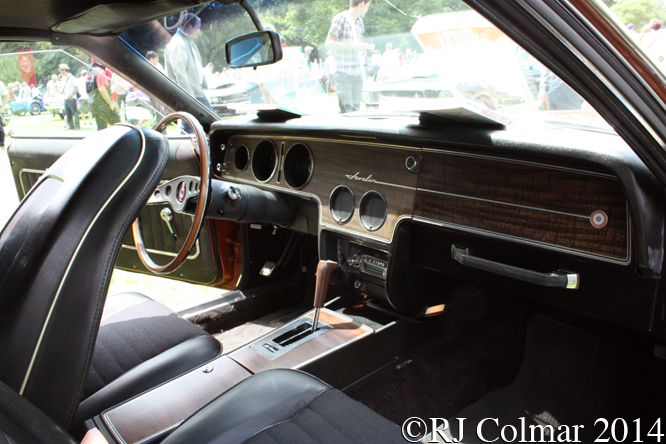
AMC Javelin SST Mark Donohue, Goodwood Festival Of Speed,

AMC did a deal with Roger Penske for the 1970 season who with the aid of Mark Donohue picked up the pieces and developed them in Pennsylvania into a more competitive package.
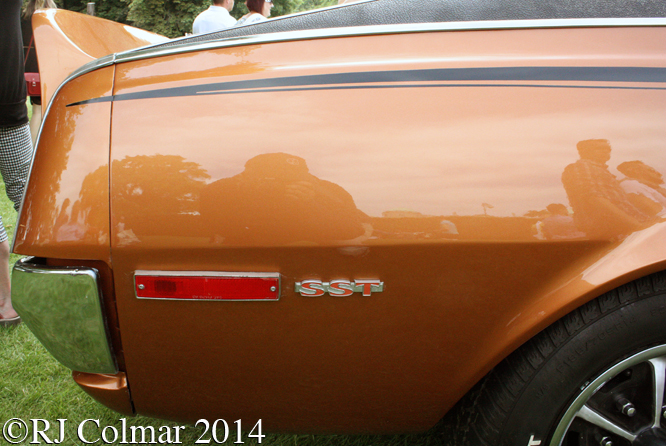
AMC Javelin SST Mark Donohue, Goodwood Festival Of Speed,

In order to run with the duck tail spoiler Mark had developed for the Trans Am race programme AMC built 2,501 Javelin SST Mark Donohue Editions that included the spoiler, a 5.9 litre / 360 cui motor and a variety of other options that makes these cars easy to replicate and difficult to verify in the absence of a specific vehicle identification code.
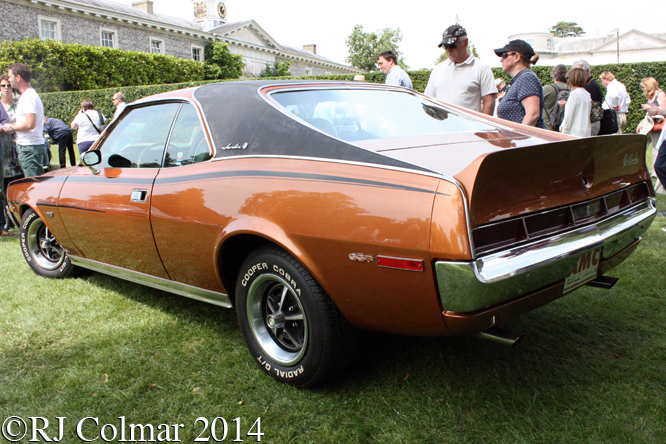
AMC Javelin SST Mark Donohue, Goodwood Festival Of Speed,

Mark was joined by Peter Revson and the team finished 2nd to Bud Moore’s Ford team in the 1970 Championship, before going on to win both the 1971 and ’72 Trans Am championships with the second generation Javelin.
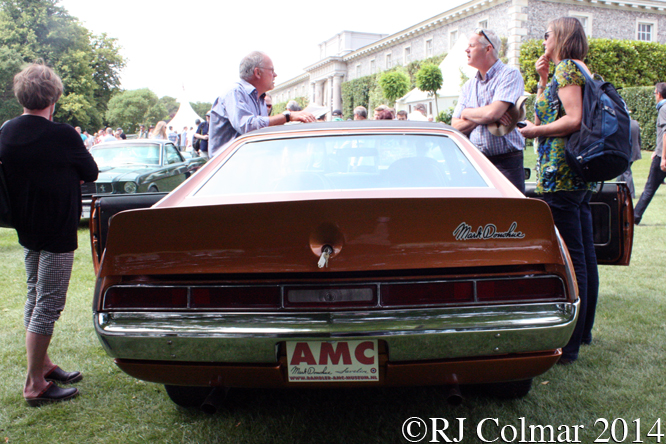
AMC Javelin SST Mark Donohue, Goodwood Festival Of Speed,

Today’s featured 1970 Mark Donohue edition belongs to Klass Van Dijk who was so impressed with a 1974 AMC Gremlin he bought in the 1990’s that he founded the Rambler AMC Museum in Berlikum, Holland which now houses more than 50 AMC’s, a small collection of Chevrolet Corvair’s of the type his father drove and an eclectic mix of other vehicles.

Thanks for joining me on this “Spoiler Homologation Special” edition of “Gettin’ a li’l psycho on tyres” I hope you will join me again tomorrow. Don’t for get to come back now !

Share

Increased Unsprung Weight – Tyrrell Cosworth 007

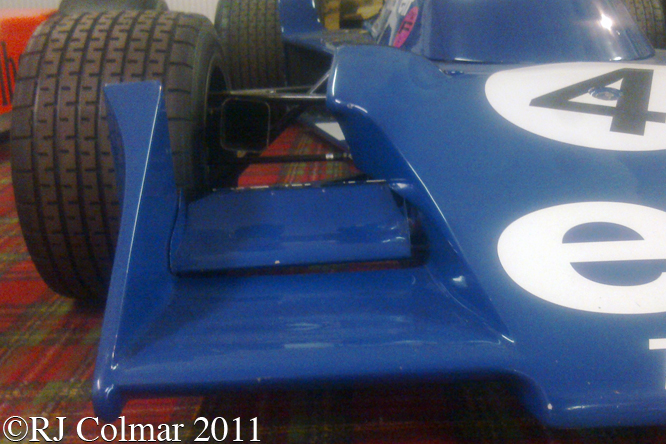
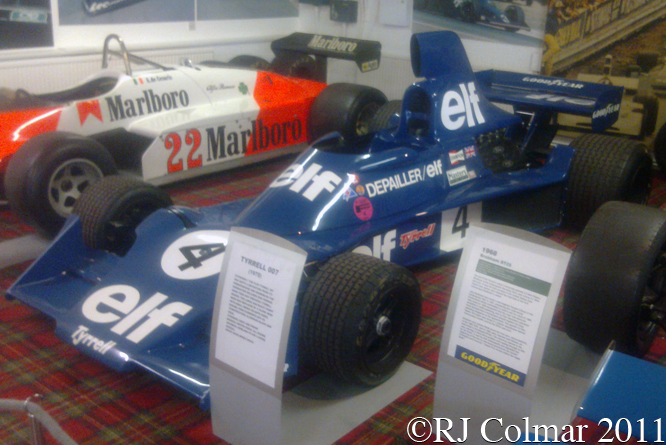
With the retirement of Jackie Stewart and the untimely death of his team mate Francois Cevert the Tyrrell Racing Organisation started the 1974 with two new drivers Patrick Depailler who had made two starts for the team as a third driver in 1972 and Jody Scheckter, who took the seat originally destined for Gerry Birrell and then Roger Williamson both of whom were killed after Jackie Stewart had told Ken Tyrrell of his decision to retire early in 1973.

With two relatively inexperienced drivers coming into the team Derek Gardner opted to design a much simpler car with a longer wheel base, all round inboard brakes and a chisel nose than the Tyrrell 006 with which Jackie and Francoise had so much success in 1973.

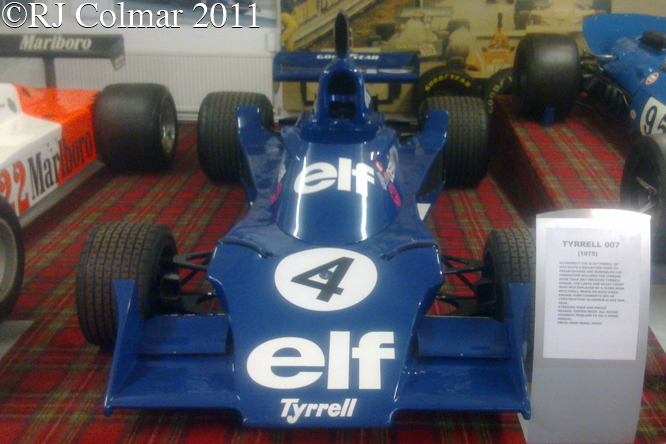
Tyrrell Cosworth 007, Donington Park Museum

Jody drove the #007/1 to two victories in Sweden, where Patrick was a season high second and at Brands Hatch in 1974.

Jody had an outside shot at the title at the beginning of the season finale 1974 US Grand Prix where he retired with a fuel system issue having secured third place in the championship.

Tyrrell Cosworth 007, Donington Park Museum

For 1975 the design of the 007 was revised with the radiators being angled back on the vertical plane dispensing with the need for side pods to house them and with outboard front brakes being adopted which adversely affected the unsprung weight of the car.

By now Ferrari were really hitting their stride and Jody managed just the one win at his home South African grand prix which when backed up with a second place finish in Belgium, third in Britain and 6th at Watkins Glen added up to a disappointing distant 7th in the championship.

Tyrrell Cosworth 007, Donington Park Museum

On the plus side while the performance and reliability of the 007’s was tanking Derek Gardener was working on one of Formula Ones more spectacular curiosities for the 1976 season.

At the time of writing I am not sure which of two possible 007’s today’s featured car seen at the Donington Park Museum, is. I believe it is, or was, owned by American Jeffrey Lewis, it is possible that it is either #007/7 which was unraced in period or #007/4, which was built in 1974 for Patrick and converted to the 1975 spec by TRO for Patrick to race in 1975, both of which appear to presently belong to Americans.

Having seen a 007 a few years ago in the Scuderia Gulf Rondini colours for whom Alessandro Pesenti-Rossi drove #007/4 in 1976 I suspect today’s featured car is most likely #007/7, if you know different please do not hesitate to chime in below.

Thanks for joining me on this “Increased Unsprung Weight” edition of “Gettin’ a li’l psycho on tyres” I hope you will join me again for Maserati Monday tomorrow. Don’t forget to come back now !
Share

Pole Sitter & Sister – Shadow Cosworth DN5 #DN5/1A #DN5/2A

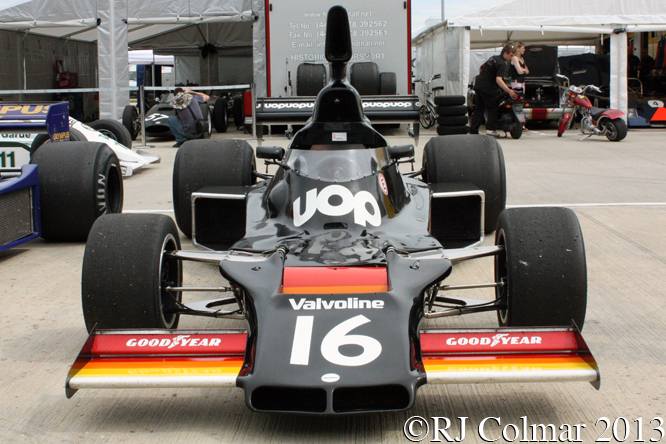
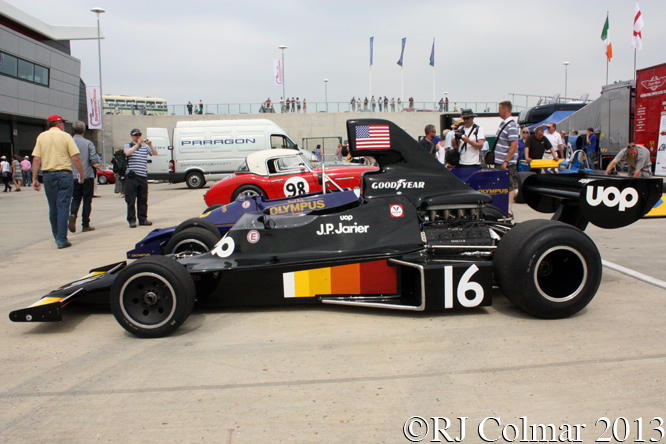
Things were looking up for reigning Can Am Champions Don Nichols Shadow team in 1975, the Can Am series folded, but the team kept a strong US presence with a Dodge powered DN6 Formula 5000 team which used a similar Tony Southgate designed chassis to today’s featured DN5 design.

Following the dominant trend in F1 design the DN5 was built around a slimmer lower monocoque, than the previous years DN3, but with a longer and wider wheel base and track than many.

Shadow DN5, Silverstone Classic,

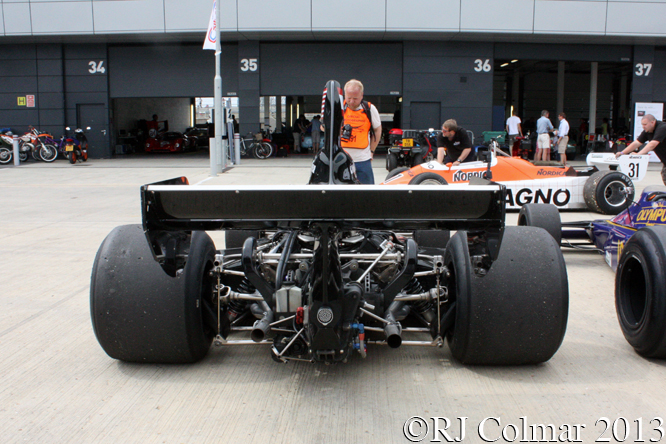
Jean Pierre Jarier put the DN5 #DN5/1A, seen here in the first third and sixth photographs at Silverstone Classic 2013, on pole on the cars debut in Argentina, but the car never started having stripped the crown wheel and pinion in the gearbox on the warm up lap.

Jumper was on pole again at the 1975 Brazilian Grand Prix, but retired seven laps short of the finish after the fuel metering unit failed.

Shadow DN5, Donington Park Museum,

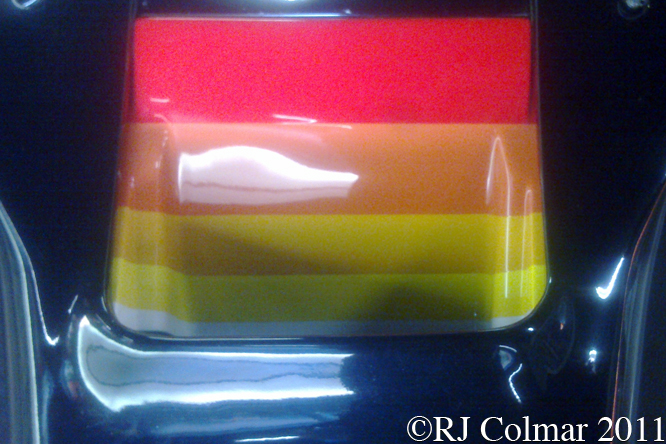
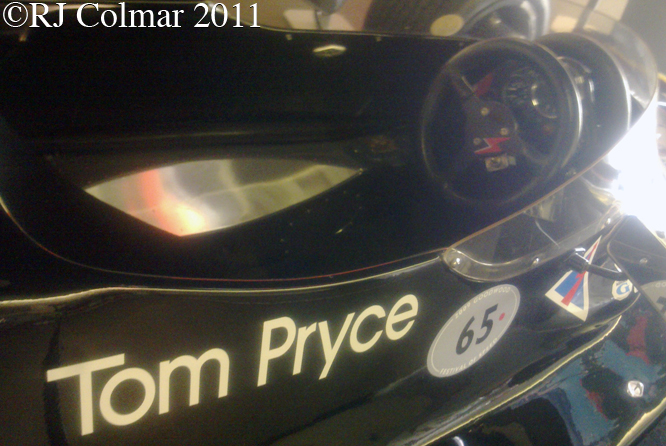
The non championship Race of Champions at Brands Hatch saw the DN5’s run with a new TV test card like colour scheme and Tom qualified the sister #DN5/2A, seen in the close ups at Donington Park Museum, on pole and then ran away with the race while Jean Pierre finished 4 laps down from 3rd on the grid classified 8th with a fuel pump issue.

Further highlights of the season came in Spain where JPJ finished a season high 4th from 10th on the grid and at Monaco where still driving the two original chassis Tom and JPJ qualified 2nd and 3rd respectively, but both retired with accident damage which would be the final appearance of JPJ’s #DN5 1A.

At the British Grand Prix run at Silverstone Tom won his only career championship pole but retired after an opening lap accident, by now having scored two 6th place finishes in Belgium and Holland.

Shadow DN5, Silverstone Classic,

In Germany Tom still driving #DN5/2A converted 16th on the grid to a fourth place finish.

Meanwhile keen to find another engine supplier the similar Shadow DN7 with a V12 Matra engine, which I looked at a couple of weeks ago, had been built up for JPJ to drive in Austria and Italy.

Shadow DN5, Donington Park Museum,

While the Matra proved not to be quite the fillip to the team’s fortunes that were anticipated Tom drove #DN5/2A to the teams season high 3rd place finish in Austria from 15th on the grid.

At the non championship Swiss Grand Prix run at Dijon in France JPJ was once again on pole with the Cosworth powered #DN5/4A, Jumper looked like he was going to break his F1 duck, until the 34th lap from 60 when the transmission broke and he retired from the lead.

Shadow DN5, Donington Park Museum,

At the Italian Grand Prix Tom once again drove through the field coming home 6th from 14th on the grid.

#DN5/2A’s final appearance came at the 1975 US Grand Prix where Tom qualified 7th but finished unclassified 7 laps down.

Shadow DN5, Silverstone Classic,

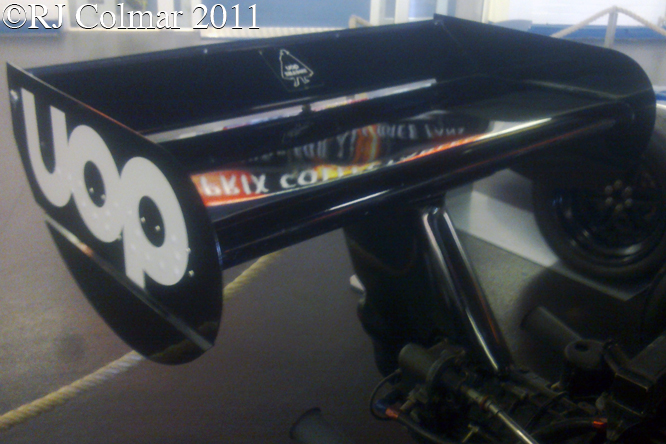
Having failed to convince Matra of their suitability as a partner for the 1976 season Shadow also lost their sponsor UOP meaning Tony Southgates new Shadow DN8 was put on hold while the team continued running the DN5’s in B spec, which I shall look at next year, that was introduced to meet new regulations from the Spanish Grand Prix.

Thanks for joining me on this “Pole Sitter & Sister” edition of “Gettin a li’l psycho on tyres” I hope you will join me again tomorrow for Maserati Monday. Don’t forget to come back now !
Share

Blue Bird & Pandora – Pendine Sands

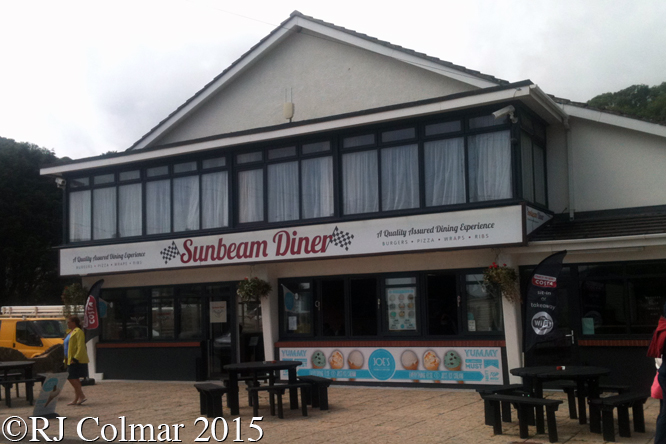
Anyone passing through Pendine in Camarthenshire might miss the relevance to the checkered flags on the head board of Sunbeam Dinner.

Sunbeam Diner, Pendine Sands

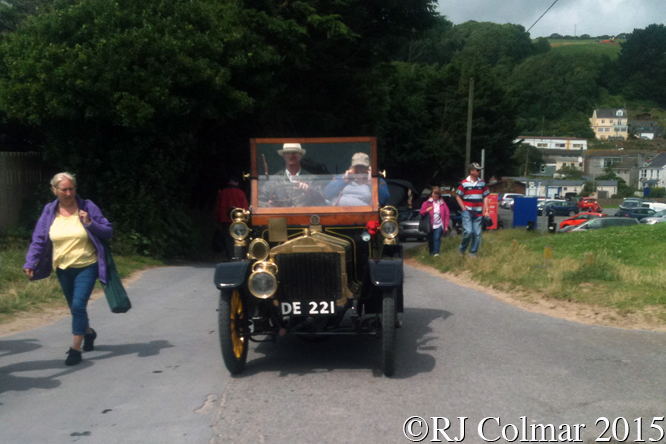
However if they were to turn left before the Dinner and go through to the small beach car park like the couple in the 1909 Alldays below …

Alldays, Pendine Sands

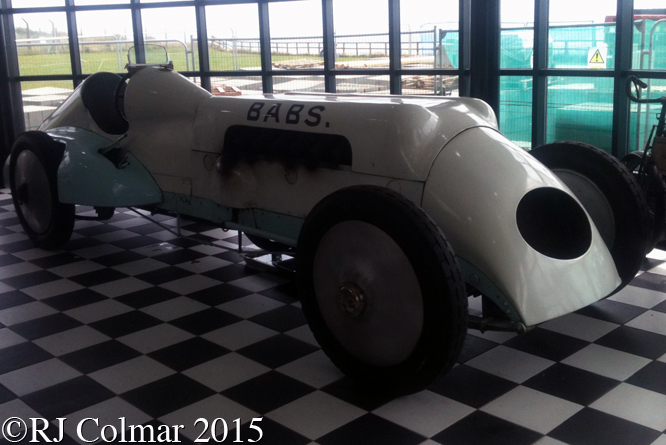
… they might notice the Museum of Speed, entry just £2.00 when BABS below is resident and free when she is not.

BABS, Museum of Speed, Pendine, Carmarthenshire

Regular readers may remember JG Parry-Thomas became the first man of land to travel at over 170mph when he set a new land speed record aboard BABS on the 7 mile beach at Pendine in April 1926.

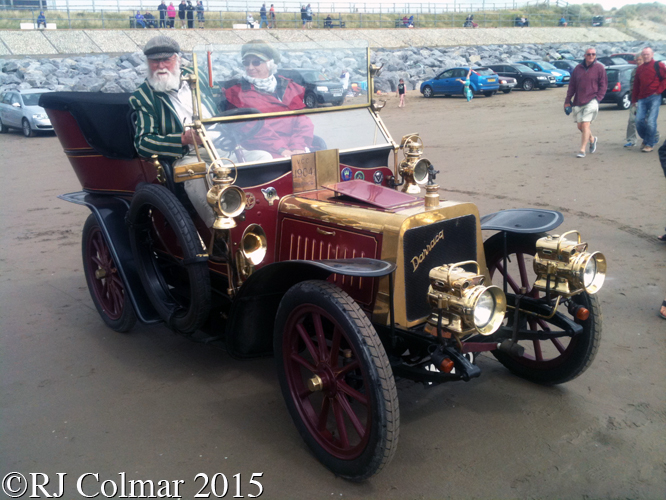
Darracq 1.9 Twin, Pendine Sands

On July 21st this 1904 Darracq, builders of the first car to travel two miles in less than a minute, 1.9 Twin and all the other vehicles featured in today’s post gathered to celebrate the 90th Anniversary of the previous land speed record of 150.87 mph by Malcolm Campbell.

Sunbeam 3 litre, Pendine Sands

Like the 350hp Blue Bird Campbell drove in 1925 the 1930 3 litre heavy sports car above was made by Sunbeam.

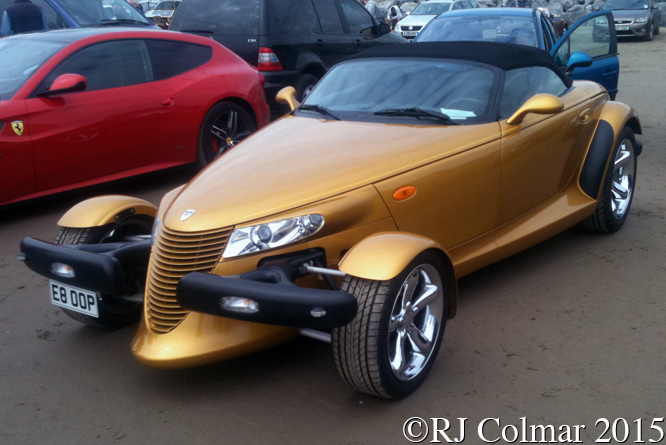
Chrysler Prowler, Pendine Sands

Sunbeam merged with Automobiles Darracq S.A. in 1920 to become Sunbeam Talbot Darracq shortly after Automobiles Darracq S.A. had themselves bought Clément-Talbot to sell Talbot Darracqs. In 1935 the triumvirate went into receivership only to be rescued by the Rootes Group owners of Hillman and Humber who created the new Sunbeam Talbot brand in 1938. Rootes sold a 30% stake to Chrysler who were attempting to establish a presence in Europe in 1964 which gives us a tenuous link to the 2002 Chrylser Prowler seen above.

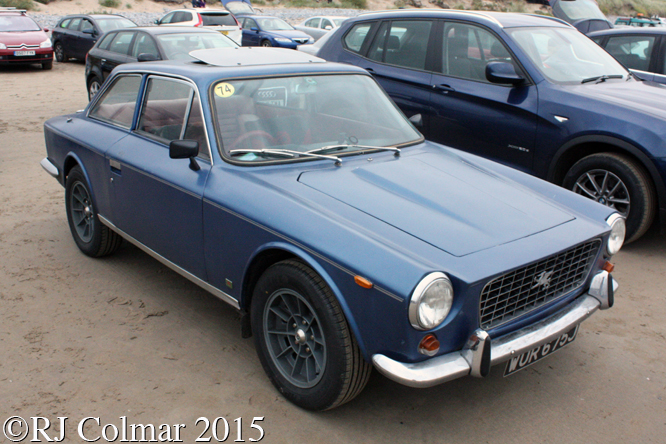
Gilbern Invader Mk II, Pendine Sands

Adding another touch of local flavor in the car park was the 1971 Gilbern Invader built in nearby Pontypridd.

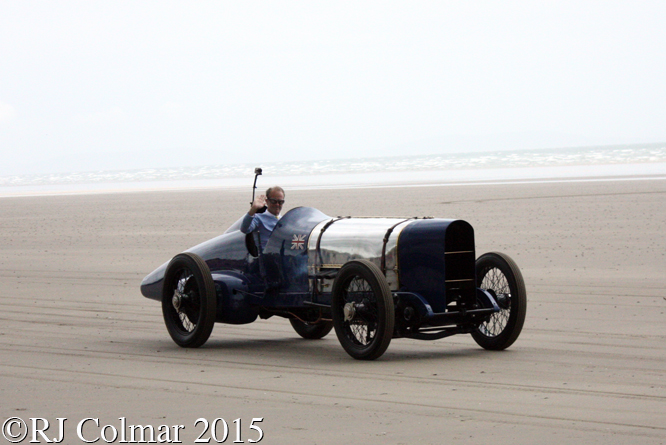
Blue Bird Sunbeam 350hp, Don Wales, Pendine Sands

Above Sir Malcom Campbells Grandson Don Wales, a World Land Speed Record holder for steam powered vehicles, drives his Grandfathers Blue Bird which was built in 1920 when the car was known as the Sunbeam V12. After several unsuccessful attempts at claiming the Land Speed Record Malcolm Campbell bought the car, which now belongs to the National Motor Museum, in 1924 and turned it into a record breaker.

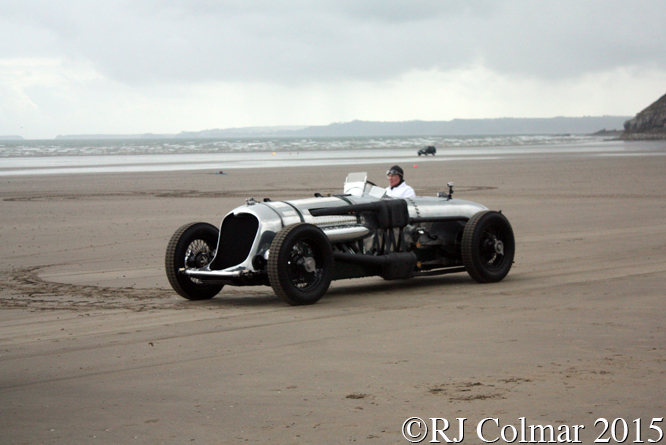
Napier Railton, Alan Winn, Pendine Sands

Also being demonstrated at Pendine was John Cobb’s Napier Railton seen above driven by the Brooklands Museum’s Director & CEO, Allan Winn. In 1950 the Napier Railton was given a new nose and windscreen and called Pandora for an appearance in the film Pandora and the Flying Dutchman staring Eva Gardener as Pandora, James Mason as the Flying Dutchman and Nigel Patrick as a would be land speed record breaker Stephen Cameron. It’s a lovely period flash back movie the trailer for which can be seen on this link, after Stephen pushed the Napier Railton off a cliff to prove his love to Pandora he rescues the car from the sea and restores it and sets an improbably high 200 mph plus record before the car catches fire and has to be driven into the sea to quench the flames. The scenes of the fictional record breaking were filmed at Pendine apparently with Dylan Thomas among the extra’s.

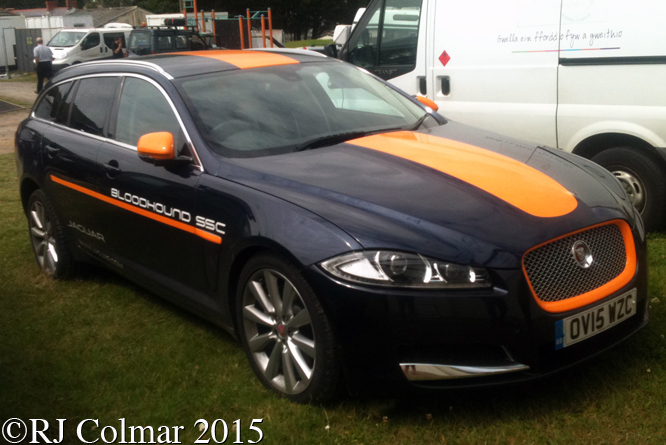
 Jaguar XF Portfolio Sportbrake D, Pendine Sands

Finally this Jaguar XF Portfolio Sportbrake D in the car park was a reminder that Bristol’s own SSC Bloodhound team are making preparations on their own Supersonic World Land Speed Record attempt in South Africa in the not too distant future.

Thanks for joining me on this “Blue Bird & Pandora” edition of “Gettin’ a li’l psycho on tyres” I hope you will join me again tomorrow when I’ll be making the first of three visits to Hillsborough Concours d’Elegance. Don’t forget to come back now !
Share

The Day We Went To Beaulieu – The National Motor Museum

A couple of weeks ago I was at a local Institute of Advanced Motorists (IAM) meeting when a fellow member mentioned that the South West Mensa group he belonged to was going on an organised trip around The National Motor Museum at Beaulieu and invited his fellow IAM members to join him, I of course needed little prompting and ended up taking regular GALPOT contributor Tim and a last minuet guest Alberto from Madrid too.

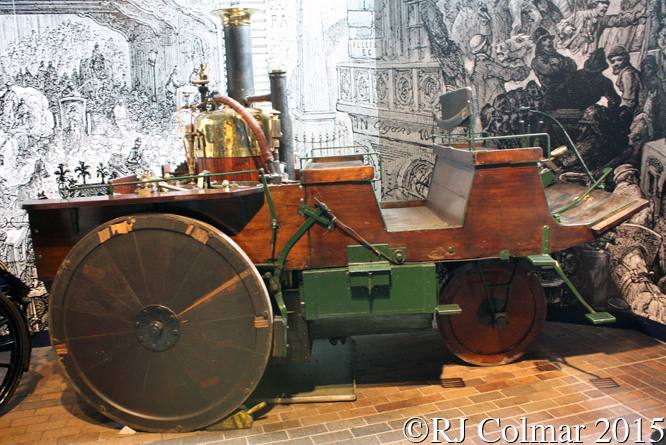
Grenville Steam Carriage, National Motor Museum Beaulieu

Among the delights of the museum I did not cover on my previous visit was the oldest working self propelled vehicle in the country, an 1875 Grenville Steam Carriage capable of 18 mph, that was built by Robert Neville Grenville in nearby Butleigh Court, Glastonbury, Somerset.

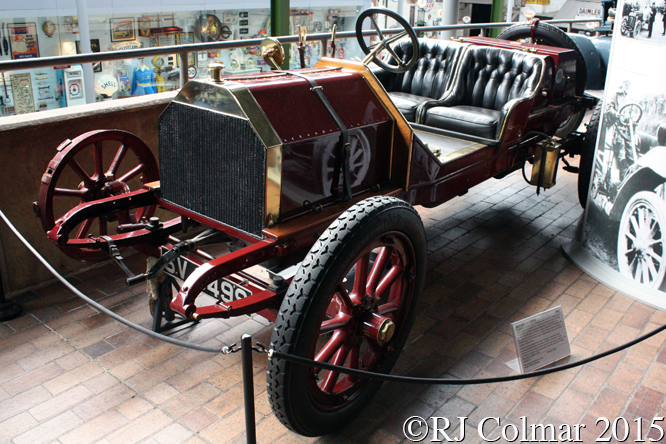
Lancia Corsa, National Motor Museum, Beaulieu

When it comes to varied careers few vehicles can beat this 1910 Lancia Corsa that Billy Knipper drove to win the Tiedeman Trophy in Savannah on November 11th 1910, before it was used as a service vehicle by the Fire Chief of Lenox Massachusetts, it subsequently also served as a garage recovery vehicle !

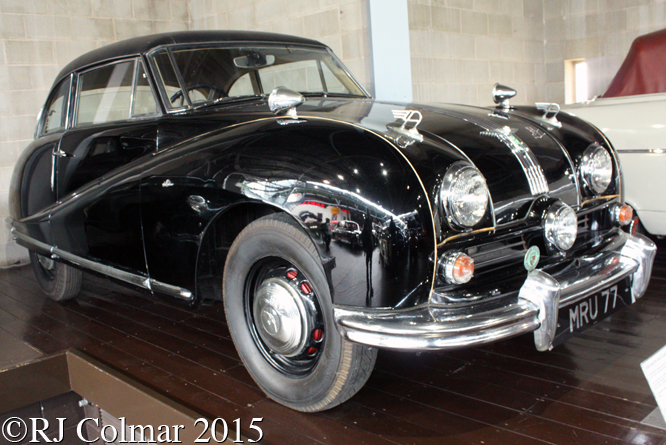
Austin A90 Atlantic, National Motor Museum Beaulieu

Desperate for foreign earnings to revive the war ravaged economy and repay Britain’s huge war debts Austin came up with the wonderful Austin A90 Atlantic which was aimed squarely at the US market with power windows and hood on the convertible, unfortunately it was completely usurped by the more powerful and rakishly styled Jaguar XK120, but the six cylinder engine ended up powering several larger Austin Saloon / Sedan models and the much admired Austin Healey 100-Six.

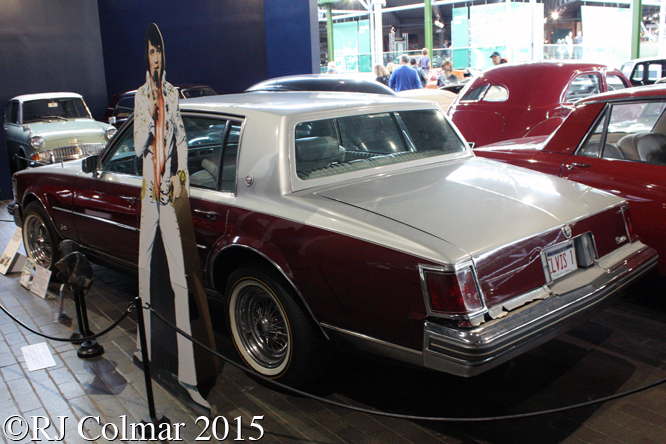
Cadillac Seville, National Motor Museum Beaulieu

A real surprise was finding the last Cadillac bought by Elvis Presley in the National Motor Museum, this 1977 Cadillac Seville MY series 6K is said to have also been driven by “The King” the day before his death on August 16th 1977.

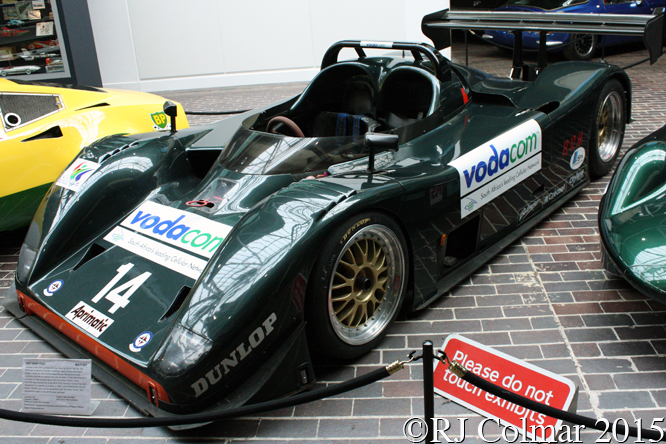
BRM P301, National Motor Museum Beaulieu

In the learn something new department was that the last time I saw the chassis above was at Le Mans in 1992 when it was fitted with a closed cockpit coupé body and a 3.5 litre / 213 cui V12 BRM motor.

The car caught fire during the race which it started despite the fact that only Wayne Taylor had qualified in it. The fire damage was repaired but the car was not allowed to restart on the Sunday because it had covered insufficient distance.

I knew the car had been subsequently raced in open cockpit form but had not realised the BRM motor was replaced by a turbocharged 3 litre / 183 cui Nissan V6 motor.

In the latter form the renamed P301 was prequalified for the 1997 Le Mans 24 hours with 38th best time by Harri Toivonen and Johnny O’Connell, completed just 6 laps of the 1997 Le Mans 24 Hours, from 34th on the grid, after the engine failed, qualified 6th on the grid for the International Sports Racing Series at Donington, but failed to start because of an electrical problem, started 5th on the grid at Misano in 1998, but retired with drive shaft failure and finally failed to start at Donington in 1998 after it crashed during qualifying.

My thanks to Bill and all the Mensa members who made my guests and I feel so welcome.

Thanks for joining me on this “The Day We Went To Beaulieu” edition of “Gettin’ a li’l psycho on tyres” I hope you will join me again tomorrow when I’ll be looking at a Corvette that raced at Le Mans. Don’t forget to come back now !
Share

100 Grannies Knitting – FIAT 2300S Coupé

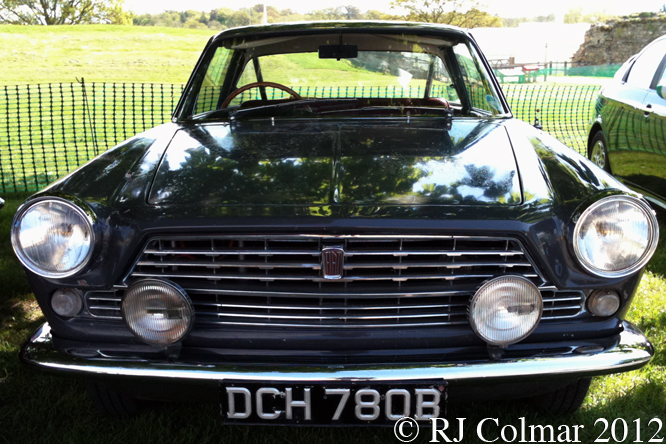
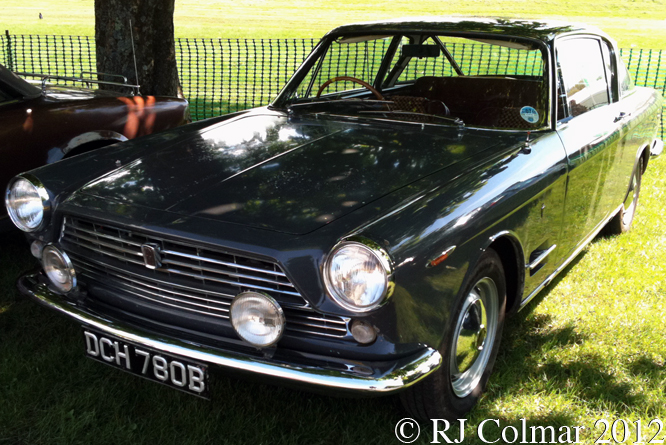
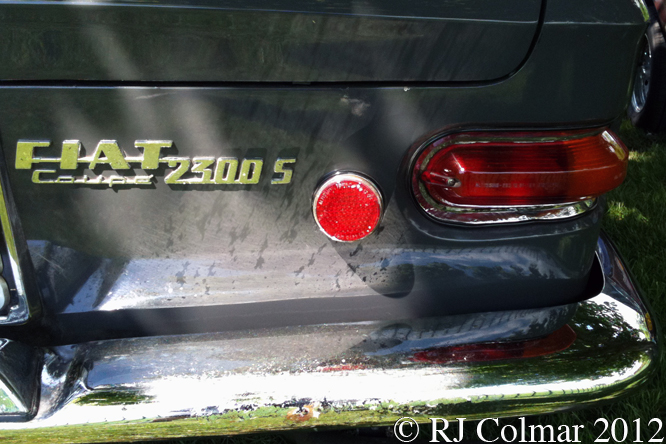
At the 1960 Turin Motor Show FIAT showed off a new Coupé based on the soon to be manufactured FIAT 2300 saloon chassis and running gear and with a body styled by Sergio Sartorelli at Ghia, who with hind site produced a 4 seat vehicle not unlike the contemporary Sergio Pininfarina styled Ferrari 250 GT/E.

FIAT 2300S Coupé, Simply Italian,

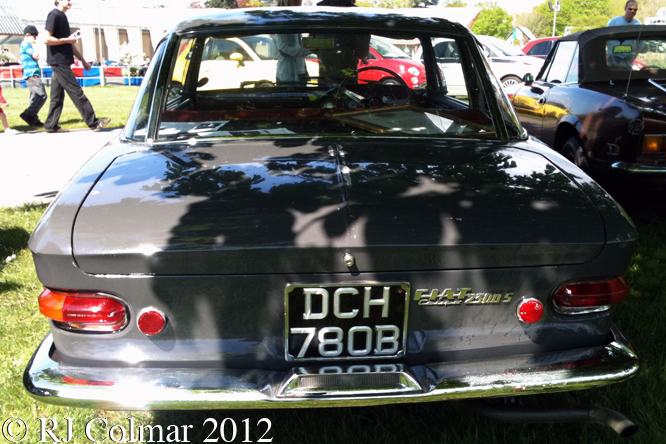
The 2300 Coupé was offered with either a 105hp twin carburetor straight six or the S version, as seen in these photo’s taken at Simply Italian, Beaulieu National Motor Museum a couple of years ago, with 136 hp.

FIAT 2300S Coupé, Simply Italian,

Since Ghia did not have the capacity to build the Coupé bodies the job was contracted out to Officine Stampaggi Industriali known as OSI which was founded in 1960 as a coachbuilding company based in Turin by former Ghia president Luigi Segre and Arrigo Olivetti.

FIAT 2300S Coupé, Simply Italian,

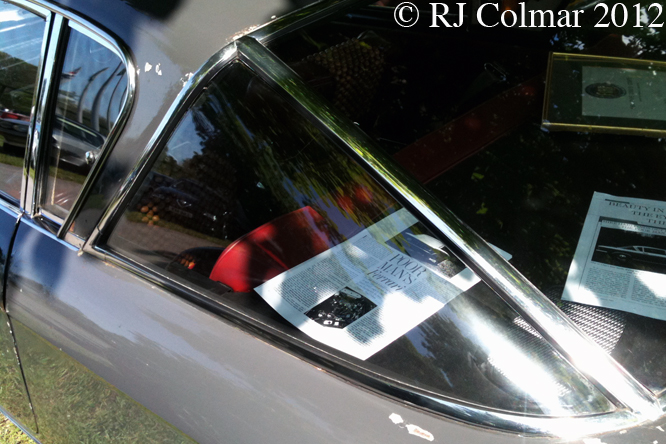
Luxury fittings including power windows pushed the price of a 2300S Coupé up to nearly double the cost of an E-Type Jaguar so it is hardly surprising that only 220 of the 7,194 2300S Coupés built between 1961 and 1967 were Right Hand Drive examples imported into the UK.

FIAT 2300S Coupé, Simply Italian,

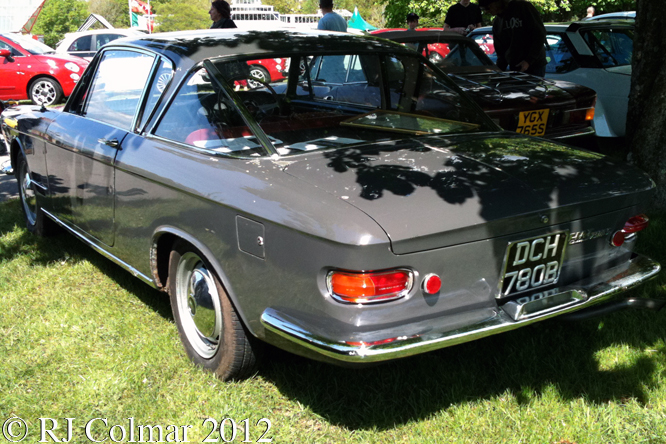
This particular car was dry stored from 1971 to 2000 with just over 37,000 miles on the clock, it was subsequently recommissioned with a minimum of work required to pass it’s Ministry Of Transport (MOT) test, required to make it roadworthy.

FIAT 2300S Coupé, Simply Italian,

The owner of this 1964 car, which appears in these photographs with it’s original paint, chrome and interior, and his son own six 2300S Coupe’s in various states of repair between them.

FIAT 2300S Coupé, Simply Italian,

The motor on this vehicle has been Abarth tuned to produce 150 hp which is good for pushing this car up to a maximum 118 mph, a contemporary report in Autocar noted that the valve tappets “sound like 100 grannies knitting”.

Thanks for joining me on this “100 Grannies Knitting” edition of “Gettin’ a li’l psychoontyres” I hope you will join me again tomorrow when I’ll be looking at an open wheeler raced by an American called Irish. Don’t forget to come back now !
Share

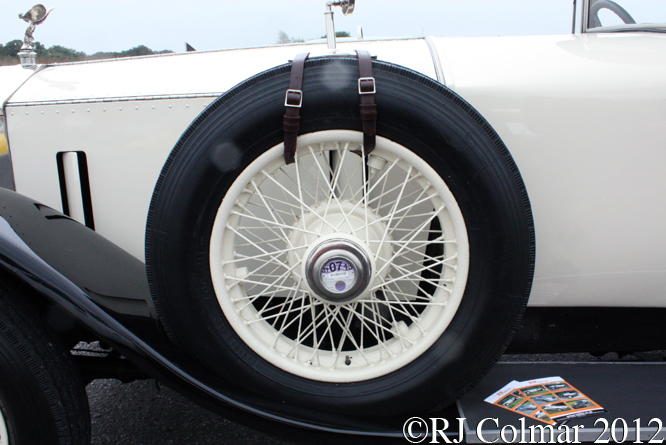
Perfect Car For A Wedding #8 – Rolls Royce Phantom I Gurney Nutting #44KR

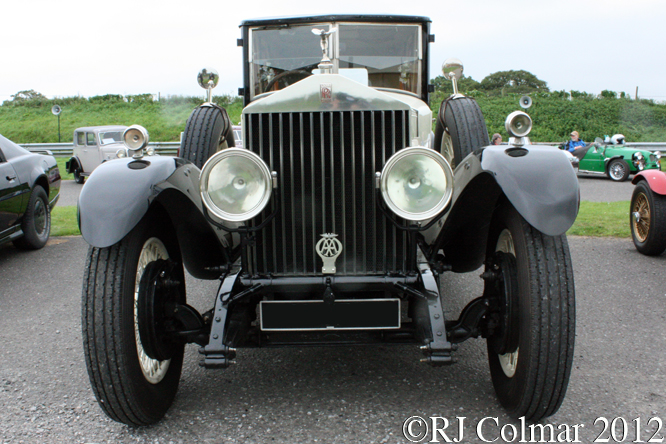
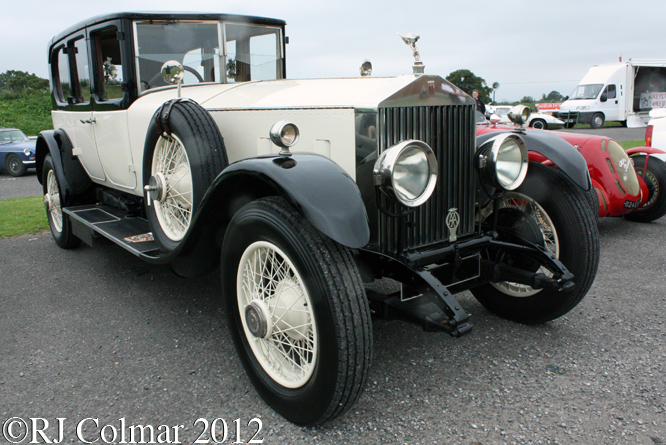
In 1925 Rolls Royce replaced the 40/50, retrospectively named as the Silver Ghost model that had been in production since 1906, with a model billed as the ‘New Phantom’.

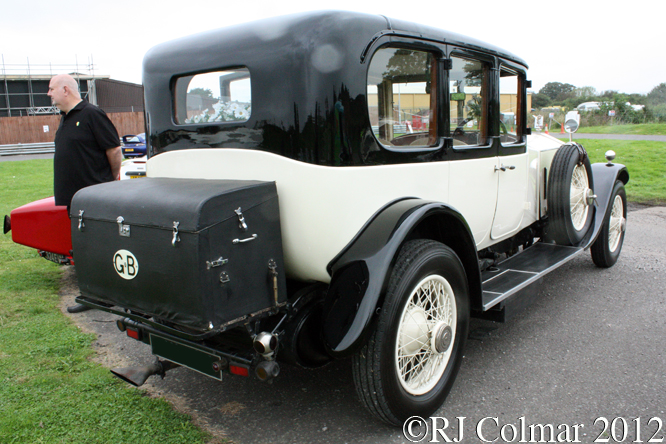
Rolls Royce Phantom I Gurney Nutting Light Saloon, Rare Breeds, Haynes International Motor Museum

1926 saw production of the New Phantom commence at the Rolls Royce’s Springfield, Massachusetts works though the specification of the vehicles differed, the cars built in Derby all featured 4 wheel brakes with a servo assistance system built under license from Hispano Suiza.

Rolls Royce Phantom I Gurney Nutting Light Saloon, Rare Breeds, Haynes International Motor Museum

The New Phantom was powered by a 7668 cc / 467 cui straight six motor with a seven bearing crank shaft and with overhead valves that produced 100hp. Later models like this 1929 model were fitted with aluminium cylinder heads.

Rolls Royce Phantom I Gurney Nutting Light Saloon, Rare Breeds, Haynes International Motor Museum

The chassis of the New Phantom was similar to that of the 40/50 the UK models having up to 50 Enots Nipples requiring regular laborious lubrication from an Enots oil pressure gun, while US built New Phantoms had a Bijur centralized oiling system requiring a stroke from a single pump.

Rolls Royce Phantom I Gurney Nutting Light Saloon, Rare Breeds, Haynes International Motor Museum

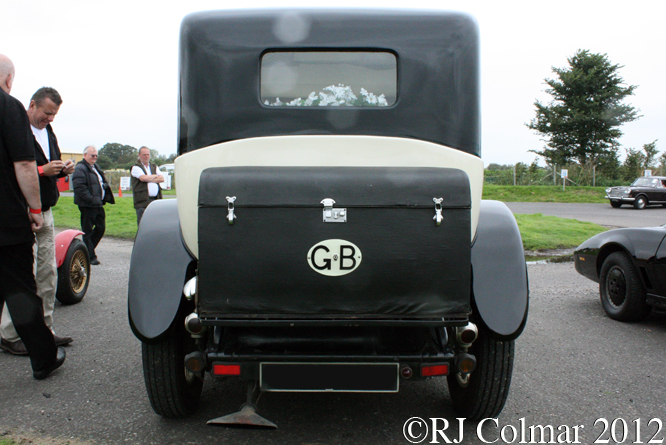
Like all Rolls Royces of the time it was supplied as a rolling chassis sans body. The original owner of this car had the Gurney Nutting body from his existing Daimler moved to his New Phantom, apparently not an unusual practice at the time.

Rolls Royce Phantom I Gurney Nutting Light Saloon, Rare Breeds, Haynes International Motor Museum

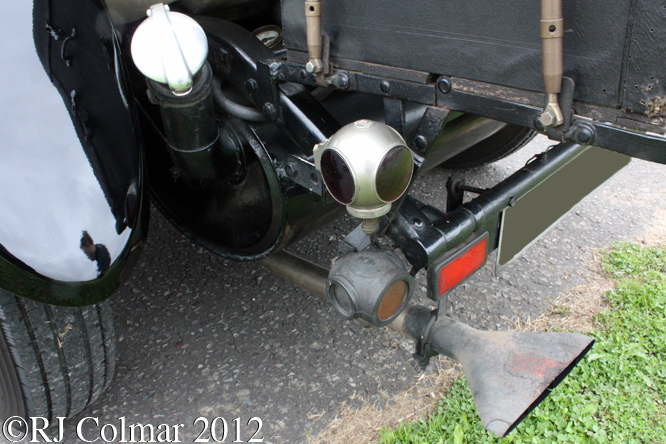
Most UK built New Phantom chassis would have come with an exterior petrol gauge as can be seen inside the chassis rail here, US models mostly had their petrol gauges on the dash.

Rolls Royce Phantom I Gurney Nutting Light Saloon, Rare Breeds, Haynes International Motor Museum

The New Phantom was replaced in by the Phantom II in 1929, with the New Phantom being retrospectively renamed Phantom I. Chassis #44KR seen here at the Rare Breeds Show at Haynes International Motor Museum last year will have been one of the last Phanom I’s to be built, it belongs to special occasions hire specialists RRElite Ltd.

Thanks for joining me on this “Perfect Car For A Wedding #8” edition of “Gettin a li’l psycho on tyres”, I hope you will join me again tomorrow. Don’t forget to come back now !
Share