Tag Archives: Silverstone

Ferrari Friday – Silver Jubilee Silverstone Classic

Welcome to another Ferrari Friday edition of “Gettin’ a l’il psycho on tyres” this week brought to you from last month’s Silver Jubilee Silverstone Classic.
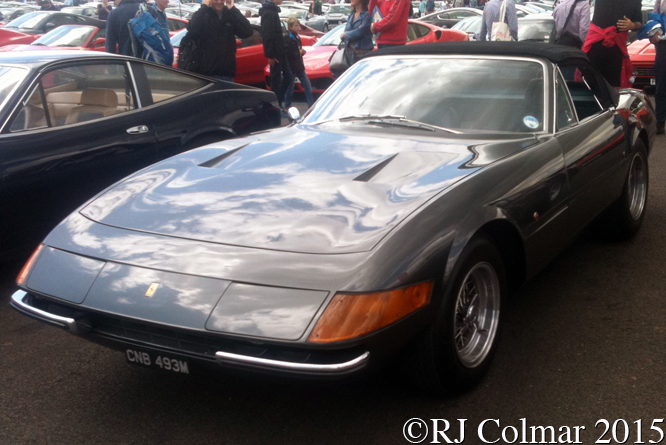
Ferrari 365 GTB/4, Silverstone Classic,

There were plenty of disguised Ferrari’s present such as this 1973 Ferrari 365 GTB/4 chassis #16643 which left the factory as a 2+2 Berlinetta and was converted into a Spyder in 1988, this car is reported to have recently been upgraded with a Traffic Master tracker, Autowatch immobiliser and iPod stereo connection.
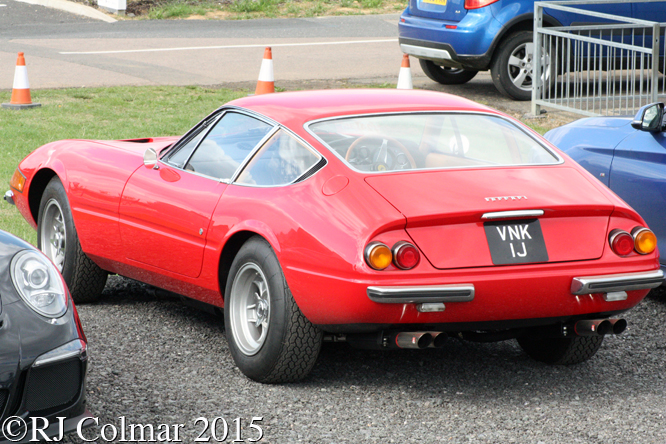
Ferrari 365 GTB/4, Silverstone Classic,

Still carrying it’s original Scaglietti 2+2 Berlinetta body above is the 1970 365 GTB/4 chassis #13775 that was owned by “20th Century Boy” Marc Bolan who famously never learned to drive fearing premature death only to be tragically killed when a passenger in a Purple Mini 1275GT driven by his partner in 1977.
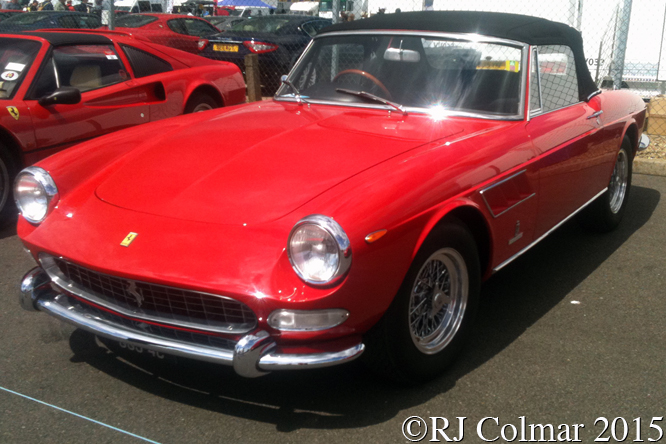
Ferrari 275 GTS, Silverstone Classic

Another Ferrari with a famous owner is the 1965 Ferrari 275 GTS chassis #07395 seen above which once belonged to 1980 Australian Formula One world champion Alan Jones.
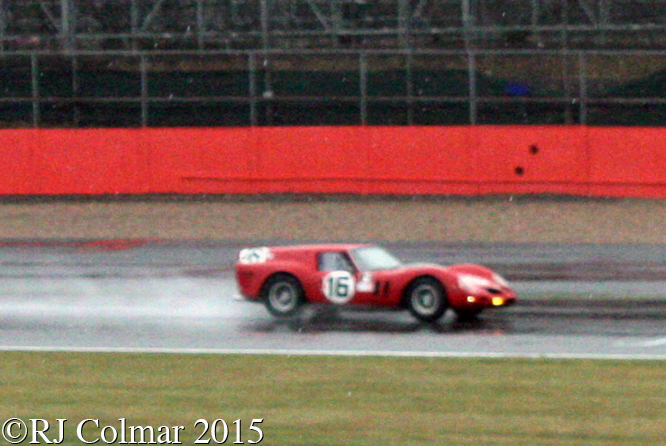
Ferrari 250 GT SWB, Halusa/Halusa, Silverstone Classic

Also no longer carrying the body it left the factory with is the famous 250 GT SWB chassis #2819 which Count Volponi had hastily converted to a GTO spec with Breadvan body by Giotto Bizzarini and other ex Ferrari personnel. The car was shared by L & N Halusa and is seen during qualifying for the Sunday TT race in which it finished 17th from 16th on the grid.
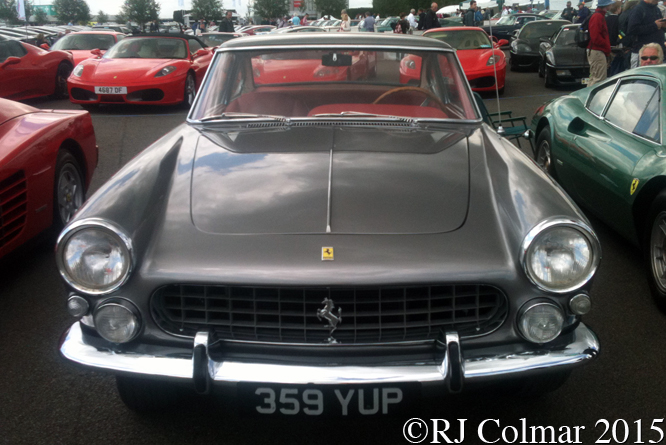
Ferrari 250 GTE, Silverstone Classic

I have not yet been able to discern a chassis number for the 1961 Ferrari 250 GTE above, if you know it don’t hesitate to chime in below.
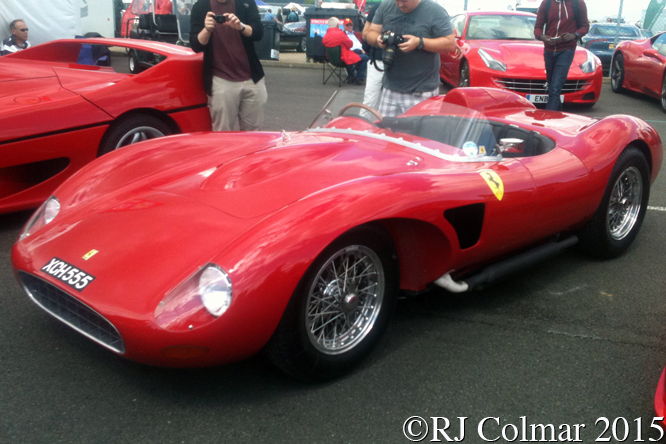
Ferrari 250 GTE, Silverstone Classic

The replicated TR body above also sits on a V12 250 GTE which I believe is the 1963 chassis #4873.

Ferrari 246S, Gregor Fiskin, Silverstone Classic

Finally congratulations to Gregor Fisken who is seen above dancing the, GALPOT site banner car, 246S #0784 through Chapel on his way to a win in the Stirling Moss Trophy.

Thanks for joining me on this Ferrari Friday edition of “Gettin’ a li’l psycho on tyres, I hope you will join me tomorrow for more highlights from the Silver Jubilee Silverstone Classic. Don’t forget to come back now !

Share

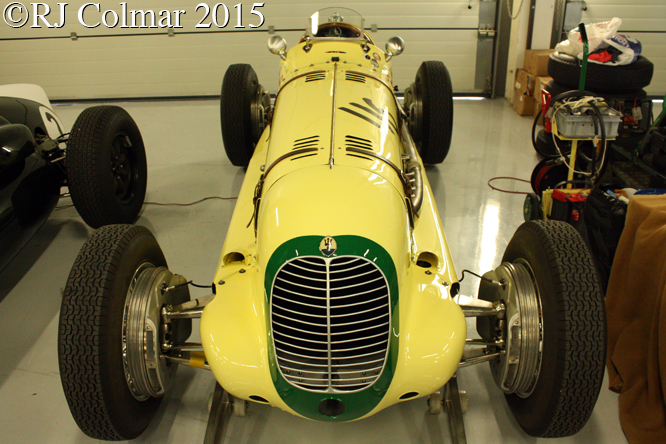
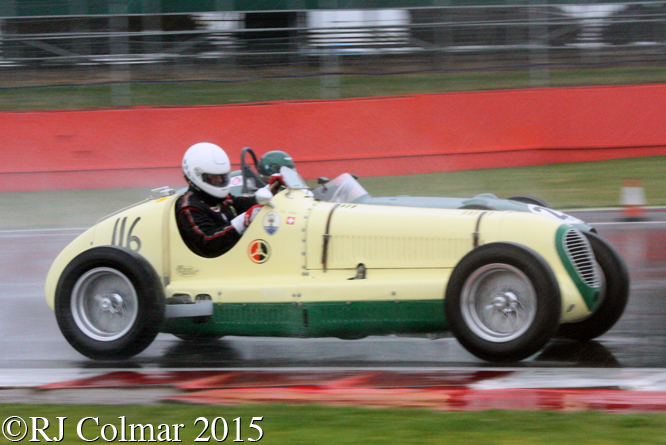
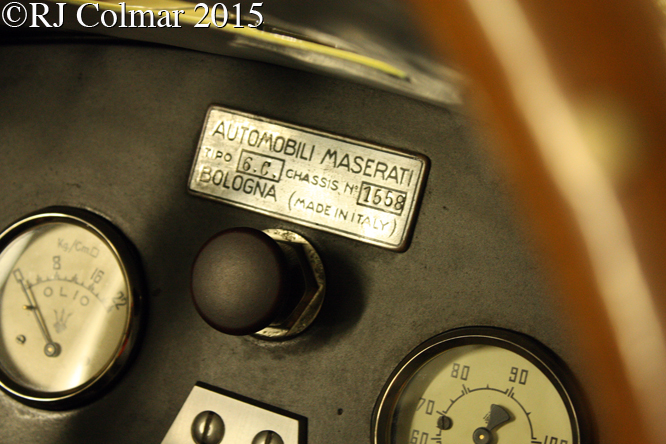
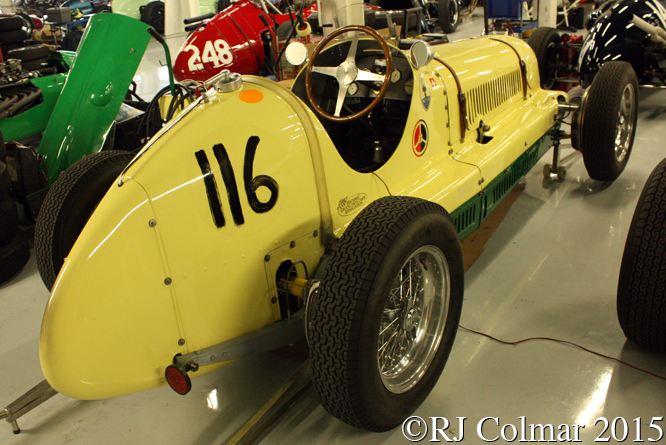
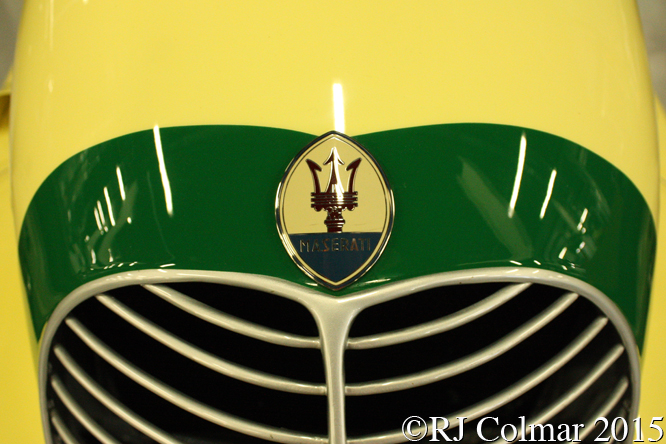
Brazil’s Man In Switzerland – Maserati 6CM #1558

In 1937 Milanese Lancia dealer “Libeccio” Eugenio Minetti with fellow racing drivers Giovanni Lurani, Luigi Villoresi and Franco Cortese founded Scuderia Ambrosiana and remained the teams president until 1949.

Maserati 6CM, Silverstone Classic

The following year Baron Manuel de Teffé von Hoonholtz followed his father into the Brazilian diplomatic corps and was posted to the Brazilian consulate in Switzerland.

Maserati 6CM, Silverstone Classic

The Baron better known as Manuel de Teffé was invited to drive a 1938 Maserati 6CM in it’s Brazilian national colours alongside the two other Scuderia Ambrosina 6CM’s by Count Giovanni Lurani.

Maserati 6CM, Urs Muller, Silverstone Classic

Manuel is recorded as having made 6 European starts in the 6CM during 1938 finishing four of the events with a best 5th place in the Voiturette Prix de Bern run on the Bremgarten circuit.

Maserati 6CM, Silverstone Classic

From 1939 to ’41 Manuel raced his Maserati 6CM in South America, with five starts recorded in Brazil and one in Argentina, of those he won at; II Circuito da Gávea Nacional and Subida da Tijuca both of which ran in Brazil.

Maserati 6CM, Silverstone Classic

Subsequently his car was sold to British expatriate in Argentina Eric Forest-Greene who recorded a sixth place finish in the 1941 Buenos Aires Grand Prix with the car.

Maserati 6CM, Silverstone Classic

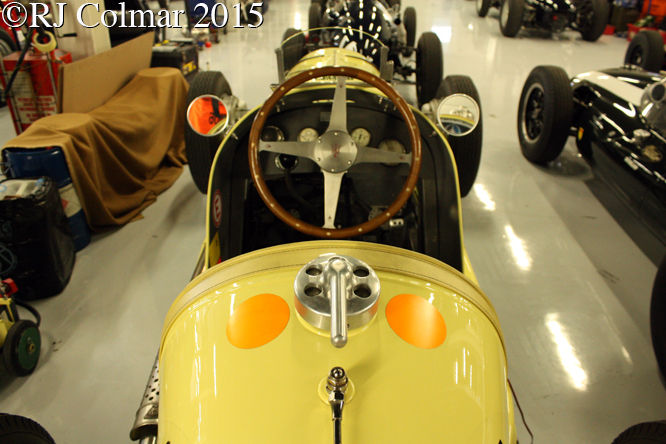
Switzerlands Urs Muller is seen at the wheel of chassis #1558 in Brazilian colours during practice for the recent Maserati Centenary race at Silverstone Classic, voiturette expert Adam Ferrington assures me that #1558 is not the car driven in period by Manuel de Teffé.

Thanks for joining me on this “Brazil’s Man In Switzerland” edition of “Gettin’ a li’l psycho on tyres” I hope you will join me again tomorrow. Don’t forget to come back now !
Share

Non Championship Contender – Surtees Cosworth TS16 #TS16-04

1974 looked promising for the Surtees Racing Organisation despite the fact they were running on the unfavoured Firestone tyres they replaced the McLaren bound Mike Hailwood by promoting their 1973 Formula 2 driver Jochen Mass to a full time drive alongside the rapid Brazilian Carlos Pace.

Surtees TS16, Silverstone Classic, Press Day,

The team had a new car in the form of the TS16, that was lighter than the previous TS14 model on which it was based.

Surtees TS16, Simon Fish, Silverstone Classic, Press Day,

Shortly after the start of the season at the South African Grand Prix they announced Hi Fidelity manufactures Bang & Olufsen as primary sponsor alongside toy manufacturer Matchbox and the Fina fuel brand.

Surtees TS16, Silverstone Classic, Press Day,

However despite the good omens of a championship high 4th place finish for Carlos in the Brazilian GP and season high 2nd place finish for Jochen in the non championship International Trophy at Silverstone the season turned into a disaster.

Surtees TS16, Simon Fish, Silverstone Classic, Press Day,

The main reason for this was that no monies were forth coming from primary sponsor Bang & Olufsen and after the Swedish Grand Prix Carlos Pace left to eventually join Carlos Reuteman at Brabham while Jochen left after the German Grand Prix and eventually replaced the injured Mike Hailwood at McLaren.

Surtees TS16, Simon Fish, Silverstone Classic, Press Day,

A third privately entered TS16 run by AAW racing for Leo Kinnunen failed to qualify on all but one of 6 attempts and retired when it did qualify, and drivers Derek Bell, José Dolhem, Jean-Pierre Jabouille, Dieter Quester and Helmut Koinigg brought into replace Jochen and Carlos managed a best 9th, Quester in Austria, place finish between them. At the season final US Grand Prix the luckless Helmut was then killed in an accident.

Surtees TS16, Simon Fish, Silverstone Classic, Press Day,

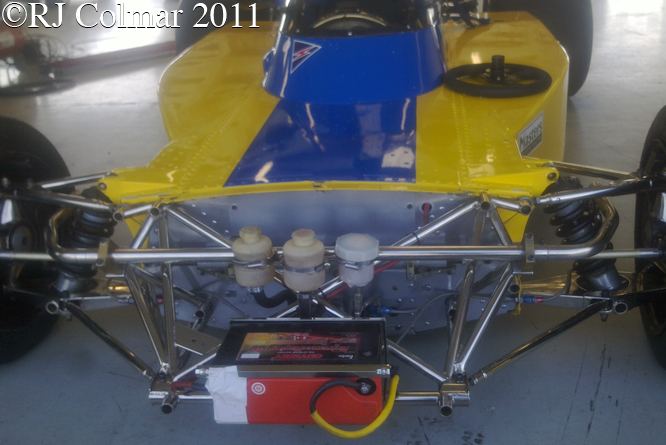
Jochen Mass drove today’s featured chassis six times in 1974 retiring from five of the races and failing to qualify at Monaco, Derek Bell failed to qualify the car on his final championship Grand Prix appearance at the 1974 Canadian Grand Prix while José Dolhem qualified the car, on his third Grand Prix attempt, for the 1974 US Grand Prix from which he withdrew after team mate Helmut Koinigg’s fatal accident.

Surtees TS16, Silverstone Classic, Press Day,

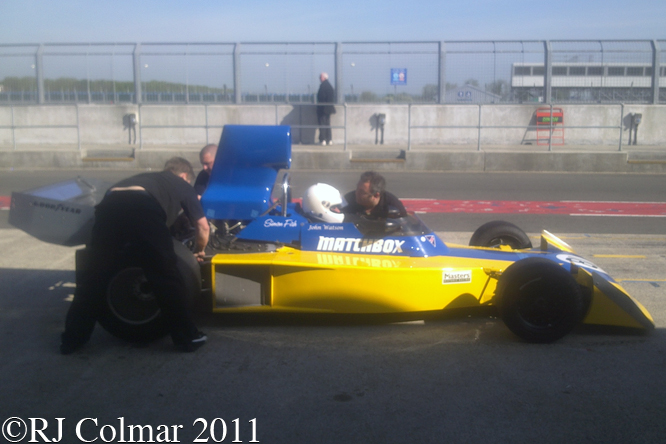
For 1975 Surtess regrouped by running a single TS16 for John Watson with Goodyear providing the tyres after Firestone’s withdrawal and a bare minimum of sponsorship from Matchbox who ironically were by now selling 1/32nd scale plastic kits of the 1974 Bang & Olufsen TS16.

Surtees TS16, Silverstone Classic, Press Day,

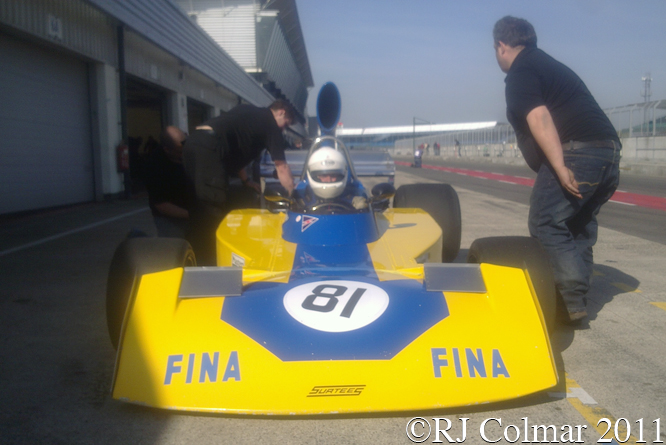
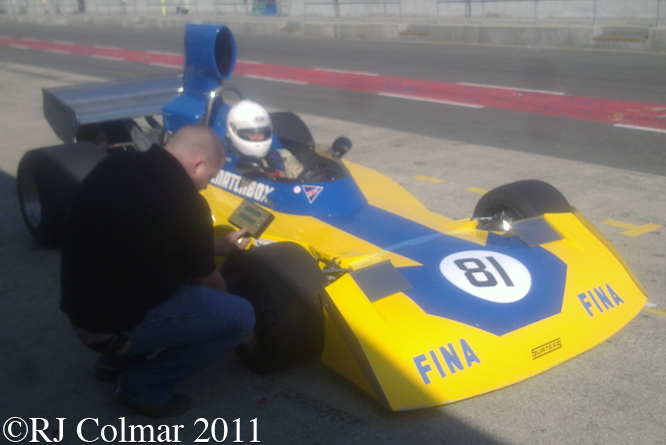
The teams luck continued in the non championship races with today’s featured chassis #TS16-04 being driven to a 2nd place finish in the Race of Champions at Brands Hatch, a 4th place finish in the International Trophy at Silverstone and TS16-05 being driven to a fifth place finish in the non championship 1975 Swiss Grand Prix run at Dijon in France.

Surtees TS16, Simon Fish, Silverstone Classic, Press Day,

In the championship events however the teams best result came when John drove TS16-04 to an 8th place finish at the 1975 Spanish Grand Prix which proved to be this cars final Grand Prix appearance.

John Watson left the Surtees team to replace the fatally injured Mark Donohue at Penske for the Canadian Grand Prix by which time Surtees had temporarily withdrawn from the championship in order to regroup again with a far more competitive prophylactic sponsored car for 1976.

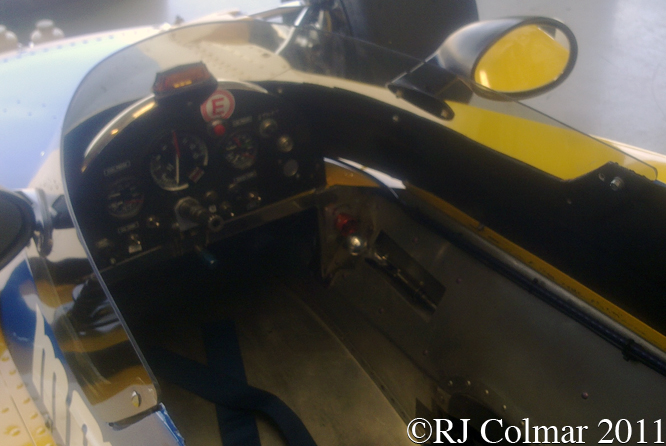
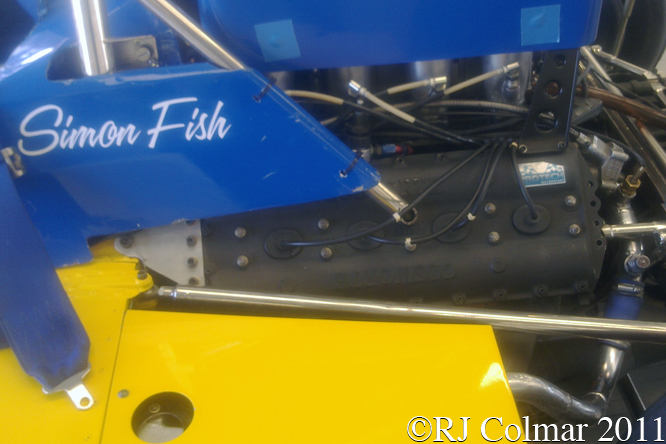
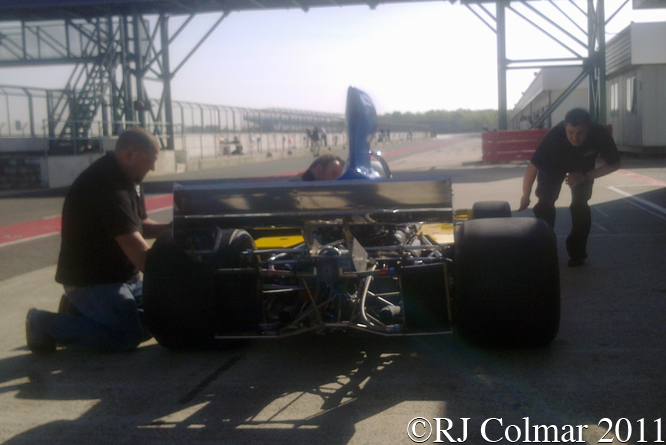
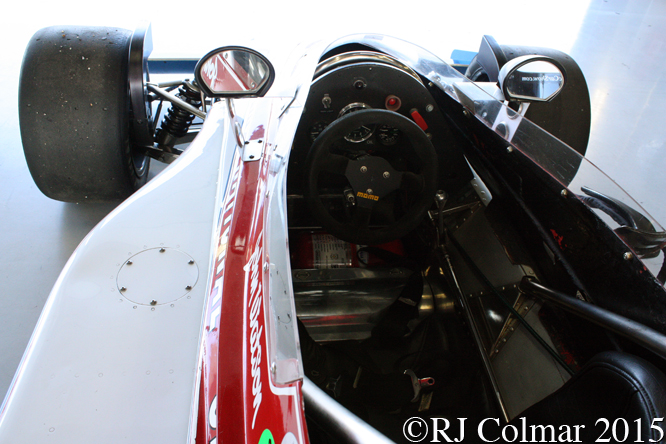
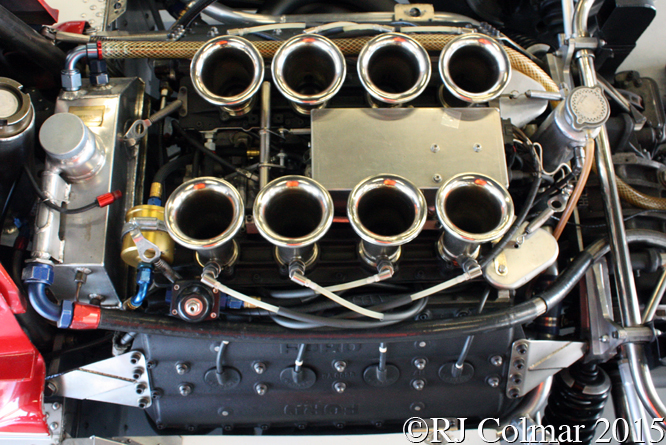
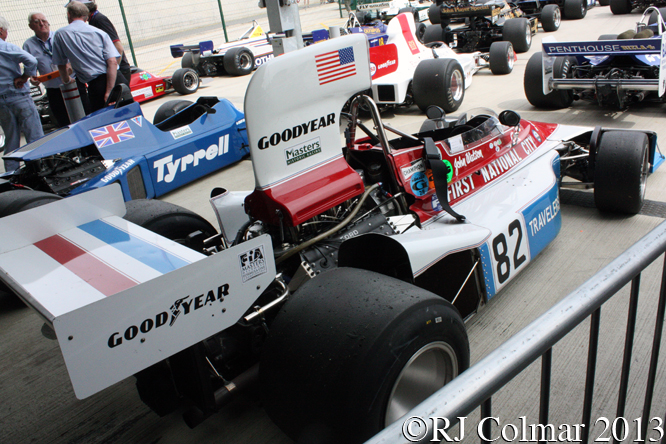
TS16-04 is seen in these photographs being driven by Simon Fish at a Silverstone Classic Press Day several years ago, if you have the correct grade licence the car can be hired for Masters and GP Classic racing from Mirage Engineering see this link.

Thanks for joining me for this “Non Championship Contender” edition of “Gettin’ a li’l psycho on tyres” I hope you will join me again tomorrow when I’ll be returning to Maserati Monday’s. Don’t forget to come back now !
Share

Going Places In Style – Marcos Mantis

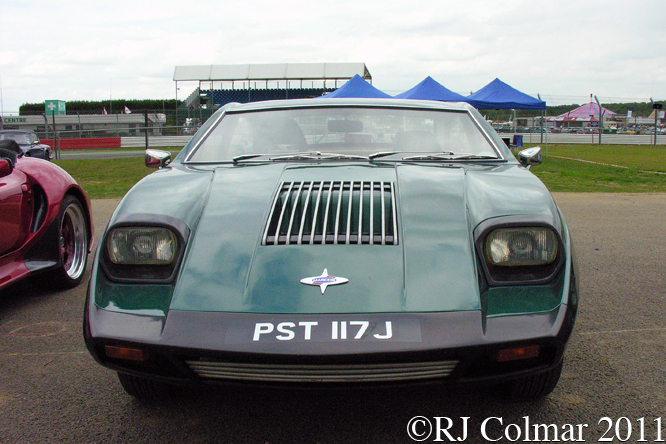
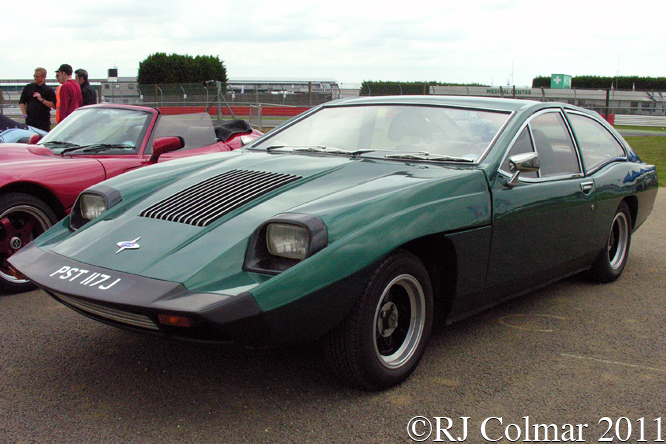
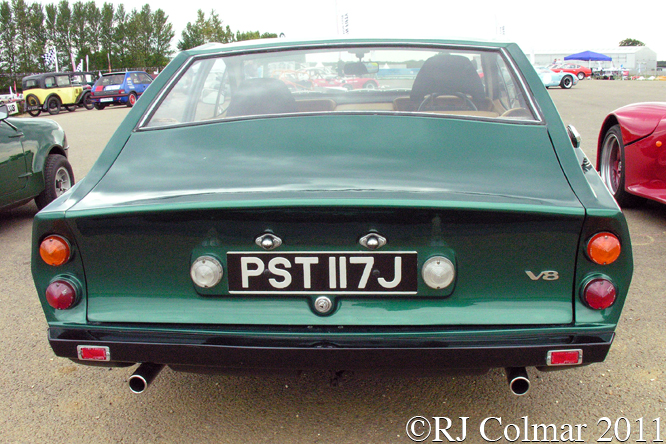
The first Marcos Mantis better known as the Mantis XP was a radical marine ply racer that raced once in 1968 before being sold to an American client, the second Mantis iteration today’s featured 2+2 Mantis M70 was launched in 1970 and remained in production until 1972 when the company was liquidated, in 1997 a third iteration 2 seat Mantis was launched as a road car and later spec racer.

Marcos Mantis M70, Silverstone Classic,

Styling of the Mantis was by Denis Adams and Jem Marsh while ex Lotus engineer Brian Cunnington was responsible for the chassis, made from square section tubular steel, and production engineering.

Marcos Mantis M70, Silverstone Classic,

The Mantis was initially offered as a complete vehicle with a Triumph 2.5 PI straight six motor and 4 speed Triumph gearbox driving an axle from the Ford Capri parts bin.

Marcos Mantis M70, Silverstone Classic,

The promotional brochure for the Mantis highlighted the models all round visibility, handling and “the boot, with a capacity of 10 cubic feet, makes the Mantis ideal for the man who is going places and wants to travel in style.”

Marcos Mantis M70, Silverstone Classic,

In all 32 Mantis models were built before Marcos was liquidated in 1972, some of the later examples were supplied in kit form at 5/6ths of the price of the complete car.

In the mid 80’s Autotune who had acquired the moulds and manufacturing rights to the Mantis recommenced production of the model, as a kit car requiring a Ford Cortina Mk II or Mk III donor car, which was renamed as the Autotune Mirage.

Today’s featured 1971 Mantis seen at Silverstone Classic several years ago is described by one of it’s owners as “The one Jem Marsh had with the Rover 3500 V8 EFI lump.”

Thanks for joining me on this “Going Places In Style” edition of “Gettin’ a li’l psychoontyres, I hope you will join me again tomorrow when I’ll be looking at another “Goddess”. Don’t forget to come back now !
Share

Zweitakt Dreizylinder – Mitter DKW

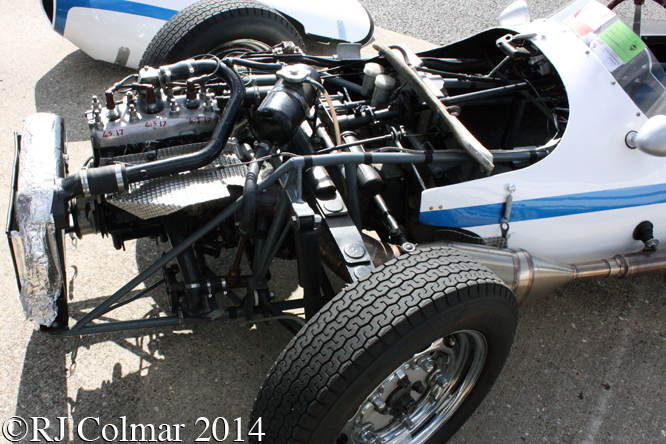
Born to a family expelled from his birth place, Krásná Lípa in Czechoslovakia, Gerhard Mitter grew up in Stuttgart and trained as a mechanic.

Mitter, Rudolf Ernst, VSCC Spring Start, Silverstone,

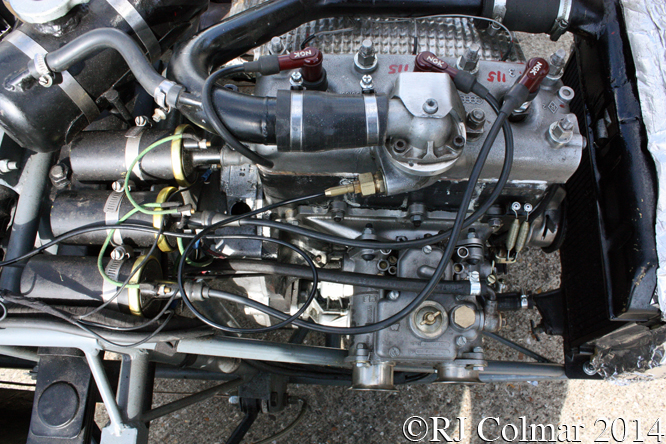
To finance his racing activities Gerhard sold DKW three cylinder two stroke engines to his fellow Formula Junior competitors.

Mitter, VSCC Spring Start, Silverstone,

The related Wartburg and unrelated Saab 3 cylinder 2 stroke motors were also campaigned in Formula Junior.

Mitter, VSCC Spring Start, Silverstone,

From what I have been able to establish Gerhard built his first DKW powered Formula Junior car in 1959 racing it to at least one third place finish, at the Eifelrennen meeting on the Nürburgring in July 1959.

Mitter, Rudolf Ernst, VSCC Spring Start, Silverstone,

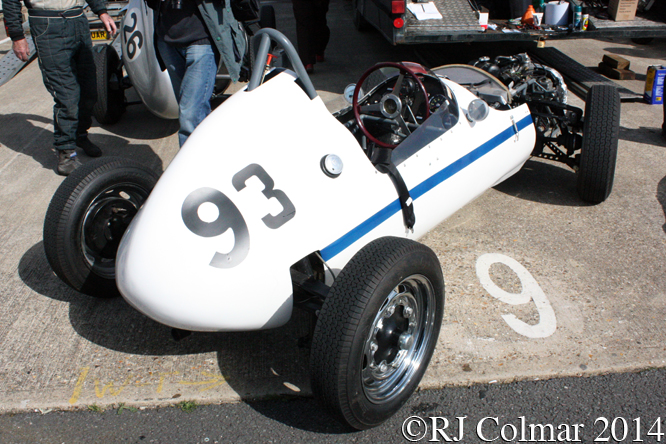
It would appear Gerhard sold this car to Herbert Ott for the 1960 season and built today’s featured DKW powered car for himself.

Mitter, VSCC Spring Start, Silverstone,

From the data available it would appear Gerhard drove his Mitter (60) DKW to wins at Rottach-Egern and Berchtesgaden (Hill Climb) before switching to a rear engined DKW powered Lotus 18 with which he won the hill climbs at Freiburg, Deggendorf and Pirmasens to secure the 1960 German Formula Junior championship.

Mitter, Rudolf Ernst, VSCC Spring Start, Silverstone,

Gerhard went on to win three consecutive European Hill Climb Championships driving for Porsche from 1966 – ’68 he also drove a Porsche with Udo Schütz to win the 1969 Targa Florio, three months later he was killed at the wheel of a Formula 2 BMW during practice for the German Grand Prix.

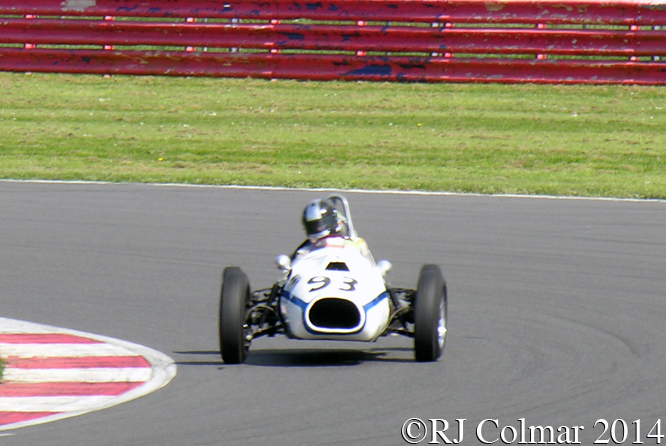
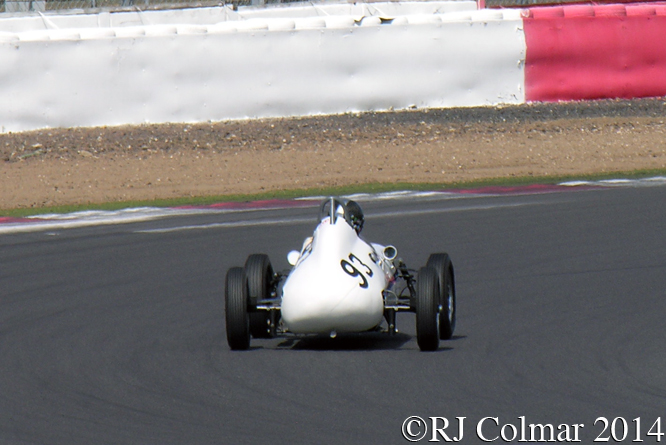
Rudolf Ernst is seen in these photo’s at the wheel of the #93 Mitter DKW at last years VSCC Spring Start meeting at Silverstone.

Thanks for joining me on this “Zweitakt Dreizylinder” edition of “Gettin’ a li’l psycho on tyres”, I hope you will join me again tomorrow when I’ll be looking at a sweet sounding Shadow. Don’t forget to come back now !
Share

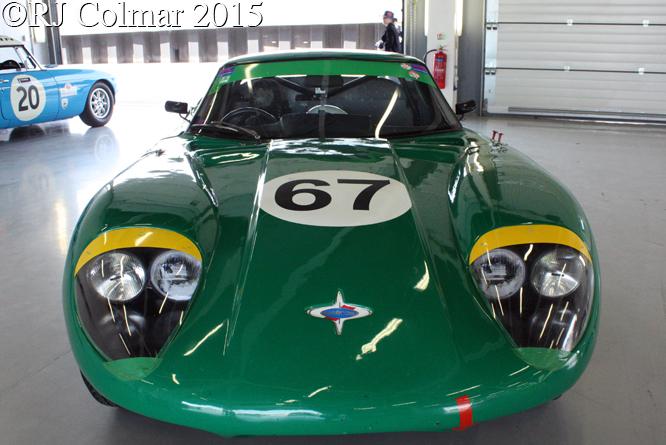
Cast Iron, Glassfibre And Marine Ply – Marcos 1800 GT

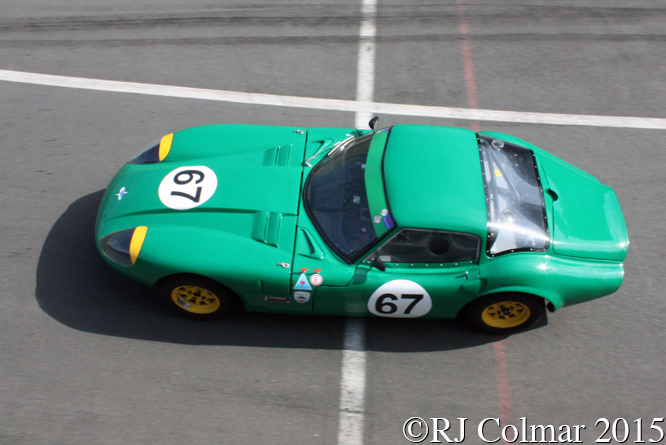
To create the sensation of the 1964 Racing Car Show, Marcos kept faith with the marine ply chassis construction method espoused by former de Haviland aero engineer Frank Costin, glueing no fewer than 386 pieces of marine ply together which were then bonded to a glass fiber body to end up with a strong and above all light monocoque chassis.

Marcos 1800 GT, Silverstone Classic, Press Day,

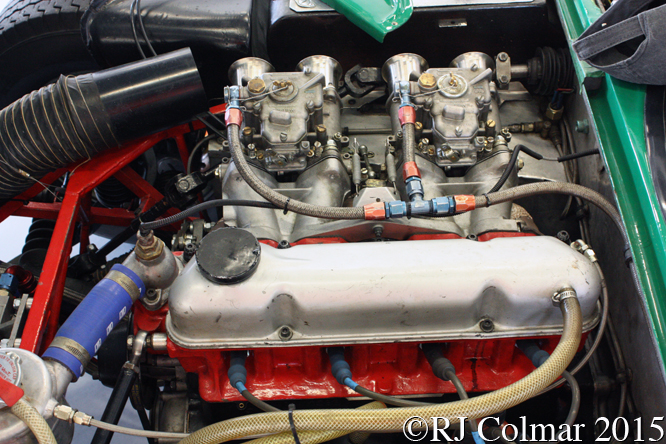
Marcos turned to Volvo for a supply of cast iron block B18 engines, more commonly found in the Volvo’s P1800 Coupé, with either four speed or five speed manual gearboxes fitted.

Marcos 1800 GT, Silverstone Classic, Press Day,

At the rear the first 33 1800 GT’s were fitted de Dion suspension, which was dropped in favour of a cheaper Ford live axle for the remaining 73 1800 GT’s that were built up until 1966.

Marcos 1800 GT, Silverstone Classic, Press Day,

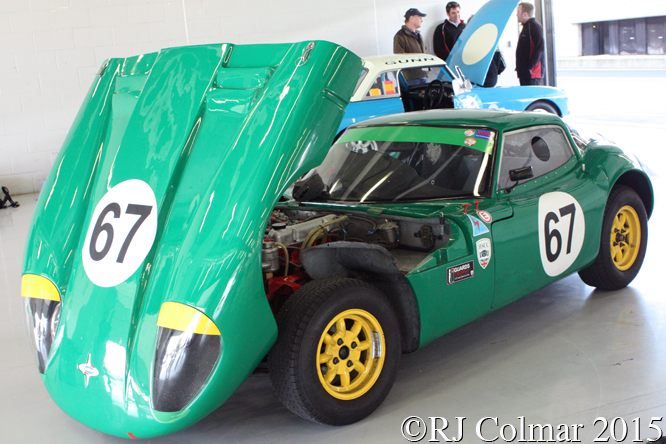
The scintillating glass fibre body was the work of the Adams brothers Denis and Peter, featuring a forward hinging front to ease access to the engine.

Marcos 1800 GT, Andrew Smith, Silverstone Classic, Press Day,

With 96hp the 1800 GT could accelerate from rest to 60 mph in 8.2 seconds and on to a top speed of 116 mph, however a works entry for Jem Marsh, John Quick and Peter Taggart at Le Mans in 1968 with a slightly larger B20 motor still failed to qualify.

Marcos 1800 GT, Andrew Smith, Silverstone Classic, Press Day,

Despite it’s enthusiastic reception the car proved to be an expensive slow seller, it was not very profitable even after the live axle, which helped drop the price from £1500 to £1340, was adopted.

Marcos 1800 GT, Silverstone Classic, Press Day,

In 1966 the 1800 GT gave way to Ford and Triumph powered models, but today the 1800 GT, such as the example raced by Andrew and Tom Smith seen in these pictures at the recent Silverstone Classic Press Day, is a more highly prized vehicle because it is the last Adams bodied Marcos legible to be driven in Historic Sports Car Club (HSCC) events.

Thanks for joining me on this “Cast Iron, Glassfibre And Marine Ply” edition of “Gettin’ a li’l psycho on tyres” I hope you will join me again tomorrow when I’ll be looking at a convertible Citroën. Don’t forget to come back now !
Share

Pursuing The Unfair Advantage – Penske Cosworth PC3

After Mark Donohue drove his Penske PC1 to a 5th place finish in the 1975 Swedish Grand Prix Roger Penske, forever pursuing an unfair advantage, gave Geoff Ferris the go ahead to build a new car and ordered a March 751 for Mark to drive in the interim.

Penske PC3, Silverstone Classic

Mark finished 5th from 15th on the grid in the March on it’s debut at the 1975 British Grand Prix, retired with a damaged tyre on lap 1 of the German Grand Prix and then succumbed to injuries received from an accident during practice for the Austrian Grand Prix.

Penske PC3, Silverstone Classic

Skipping the Italian Grand Prix Penske returned to the fray at the 1975 United States with today’s featured car the Penske PC3 chassis #PC3/01 and John Watson as his new driver.

Penske PC3, Chris Drake, Silverstone Classic

With it’s shovel nose the 3 litre / 183 cui Cosworth V8 powered PC3 bears some resemblance to the March 751 which Mark crashed in Austria however it retained the rear suspension layout of the PC1, and was, aside from it’s tall airbox, fully compliant with new regulations that would be mandated from May 1976.

Penske PC3, Silverstone Classic, Press Day,

John qualified 12th for the 1975 US Grand Prix, but after a misfire was detected swapped over to take the start of the race in the older PC1 in which he finished 9th.

Penske PC3, Silverstone Classic, Press Day,

#PC3/01 was raced on four occasions in 1976 with John scoring the models best finish in South Africa with a fifth place finish from 3rd on the grid.

Penske PC3, Silverstone Classic

But even as the team was celebrating it’s improved qualifying form Geoff was working away on the new PC4 which made it’s debut at the 1976 Swedish Grand Prix.

Unlike #PC3/01 the second PC3 #PC3/02, in which John retired from each of his three starts, was immediately sold on and had a second career in the 1976 and 1977 British Shellsport Group 8 Championships, Derek Bell drove the car to a win at Oulton Park in April 1977.

Today’s featured car is seen at a recent Silverstone Classic meeting with Chris Drake at the wheel.

Thanks for joining me on this “Pursuing The Unfair Advantage” edition of “Gettin’ a li’l psycho on tyres” I hope you will join me again tomorrow when I’ll be looking at a Volvo powered Marcos. Don’t forget to come back now !

Share