Tag Archives: Tidesco

Wessex Sprint – Castle Combe

This week I will be catching up with a couple of days activity at Castle Combe, a morning at Mallory Park and a visit to the Bugatti Trust at Prescott.

A couple of weeks ago I took some advice from our Prime Minister, David Cameron, and had great fun doing my bit for the motor racing community by marshaling at the Wessex Sprint, organised by the Bristol Pegasus Motor Club, of which I am a new member and the MG Car Club (SW).

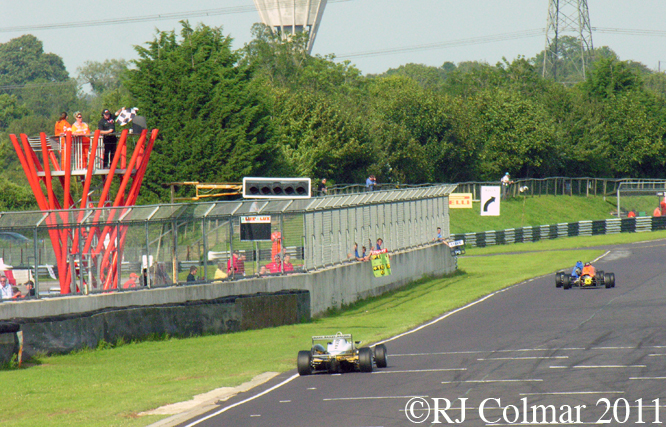
A sprint is an event in which competitors race against the clock on this occasion around a single lap of the Castle Combe Circuit. Here are a few snaps taken during the lunch break and suspension of the competition.
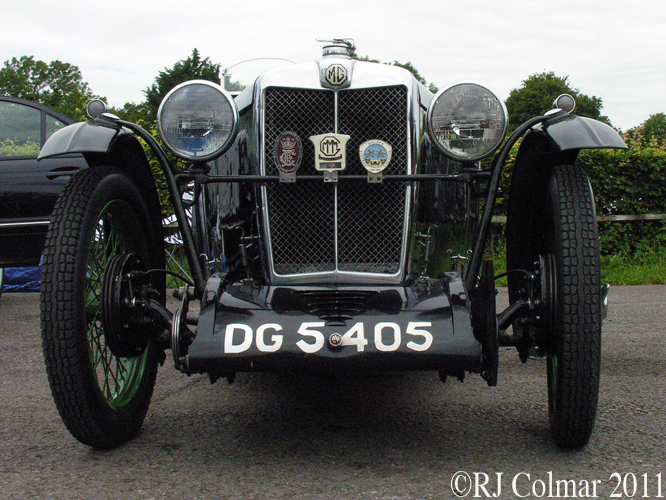
MG J2, Castle Combe

Jeremy Hawk told me his MG J2 above has been in his family since 1953 when it was acquired for the princely sum of £85 some years later it made STD at a sprint at Castle Combe just like it did last week.
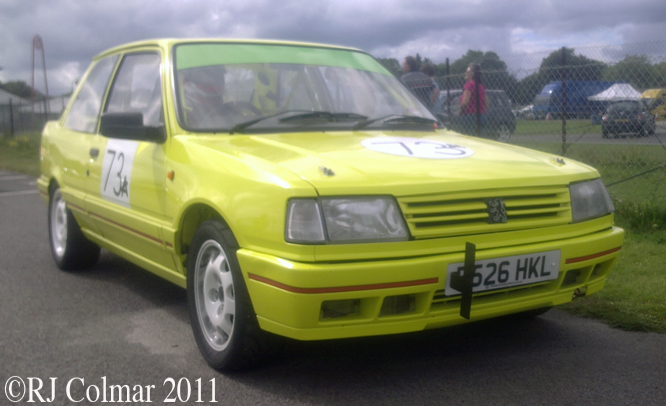
Peugeot 309 GTi,

This #73 Peugeot 309 GTi was shared by Tom Siebert and Henry Siebert Saunders was completely stripped out and running with plastic side window’s to reduce weight.
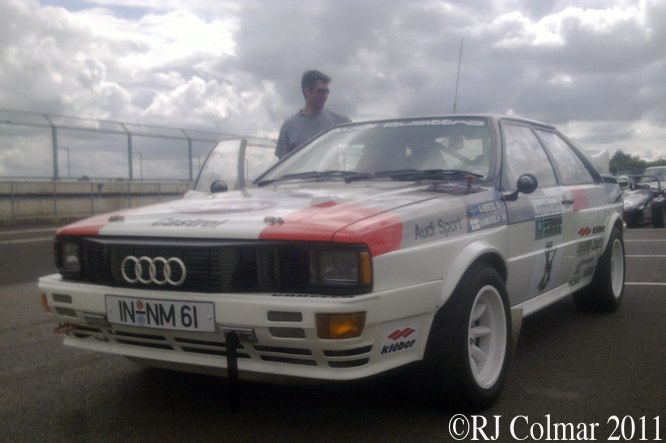
Audi Quattro

Car of the day IMHO, if only because of the sound of it’s 5 cylinder turbocharged motor, was the #75 Audi Quattro shared by Tim Clark and Andy Tanner, wondering if anyone knows if this a genuine works car ? It certainly looked and sounded the part. Andy just beat Tim to win the Modified Limited Production Class.
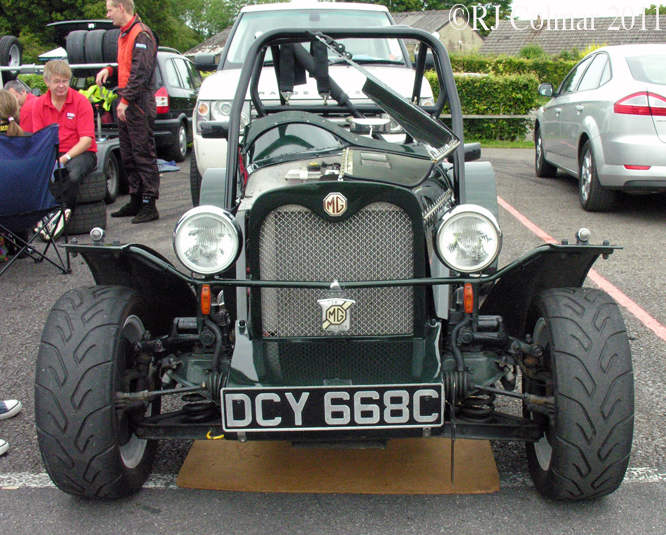
MGB Kayne Special, Castle Combe

The Rover V8 powered MGB Kayne Special shared by John and Jonathan Biggs ran in the Sports Libre Class.
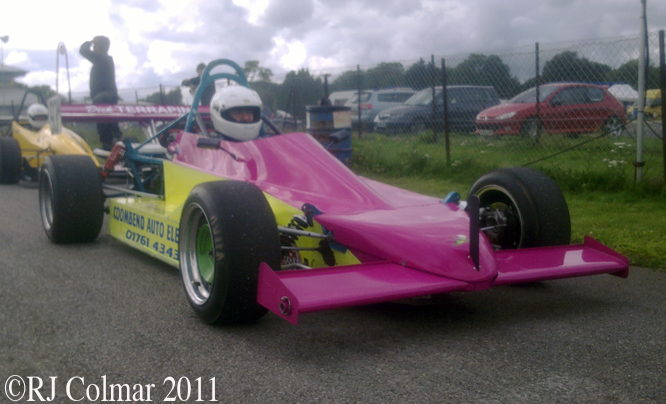
Terrapin Kawasaki, Castle Combe

Tim Moreton and Dean Robertson shared the ‘Dick’ Terrapin a Kawasaki powered vehicle with a Wharholian paint job.
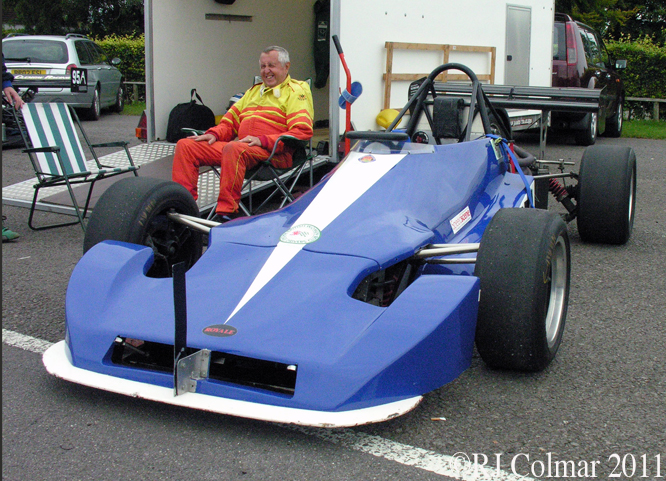
Royale Vauxhall RP 30

I do not remember the last time I saw a Royale RP 30 in action, but the first time was around 31 short years ago ! This example driven by Bob and Anne Adams is powered by a Vauxhall 16v motor in place of the Ford Pinto with which it was originally supplied to race in Formula Ford 2000 events. Bob took the Racing Cars over 1600 cc class honours.
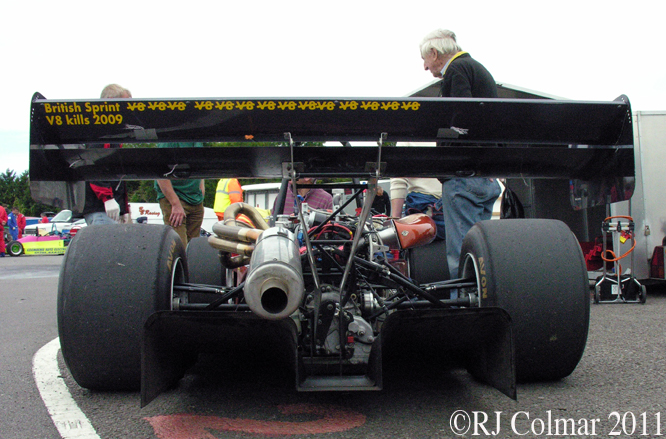
Pilbeam Vauxhall MP62

Proudly displaying it’s V8 kills from a couple of years ago was the similarly Vauxhall, 4 cylinder, powered but methanol fuelled Pilbeam MP62 chassis #14, built in the late 1980’s, of Kevin Lealan who won the Fastest Time of the Day award.
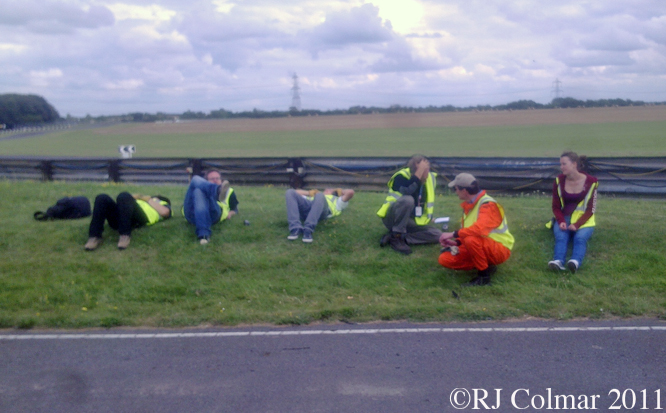
Start line marshalls

Running cars one at a time in batches of four meant my fellow start line marshals and I only got a break from the action for lunch, very nice sweet and sour chicken with rice & chips, then again later when the weather turned sunny, the sunlight interfered with the timing beam until the beam receiver was fitted with a shroud and on a couple of occasions when the Castle Combe farmer wanted to cross the track in order to bring in his hay bales.

I would recommend volunteering to be marshal to anyone who is interested in getting involved in motor sport, you will probably have a fun day and get to make a few good friends in the local motor sport community.

Thanks for joining me on this Wessex Sprint edition of ‘Gettin’ a lil psycho on tyres’, I hope you will join me again tomorrow for a look at this weekends racing at Castle Combe. Don’t forget to come back now !

Share

Woodland For The Tenacious – Spyker Silvestris V8 Prototype

If innovation were enough to guarantee success everybody would know the name Spyker and quite a few of us would probably be driving one, given that in 1903 Spyker launched a 60 hp racer that was the first motor car with a six cylinder engine, four wheel drive AND four wheel brakes.

Spyker, Goodwood FoS

The company motto “Nulla tenaci invia est via” translates as “For the tenacious, no road is impassable”, to which might be added “even if the way is blocked for 70 years”, for despite building the royal horse drawn ‘Golden’ carriage for the Dutch royal family in 1898, which is still in use today and introducing 6 cylinder powered vehicles, four wheel drive and four wheel braking systems, Spyker went under in 1929.

Spyker Silvestris, Goodwood FoS

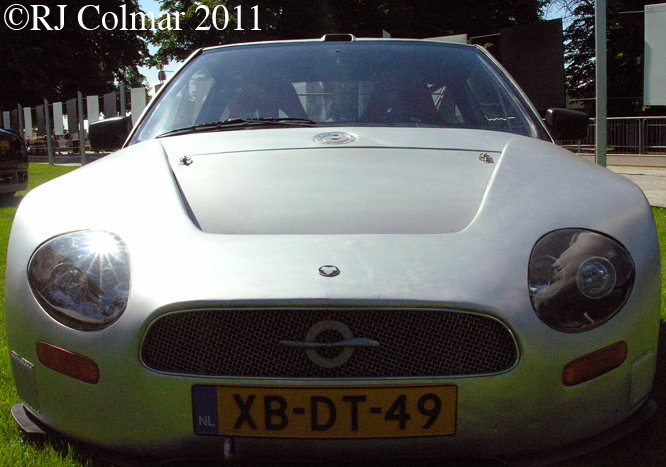
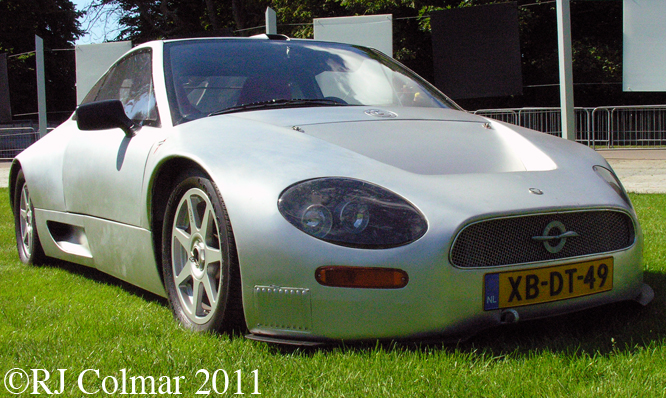
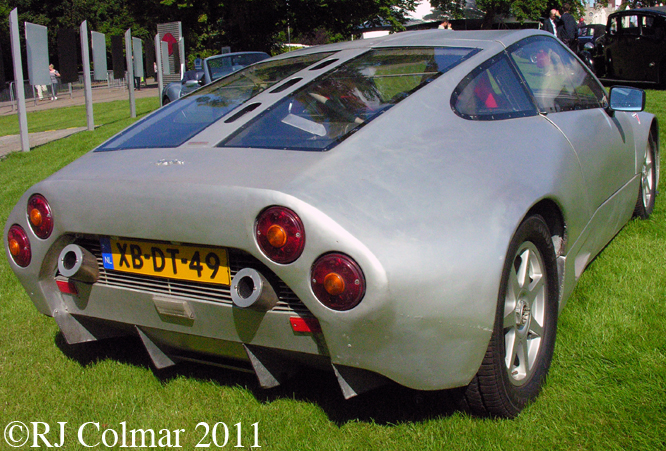
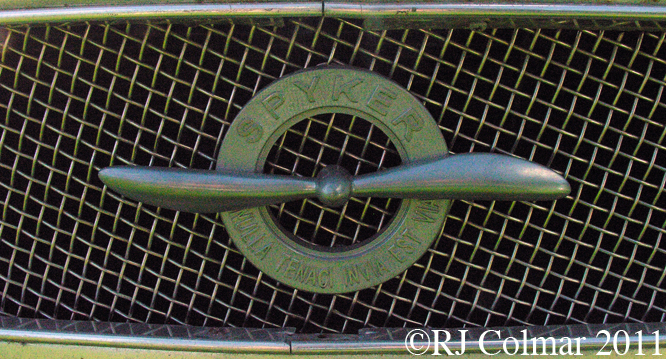
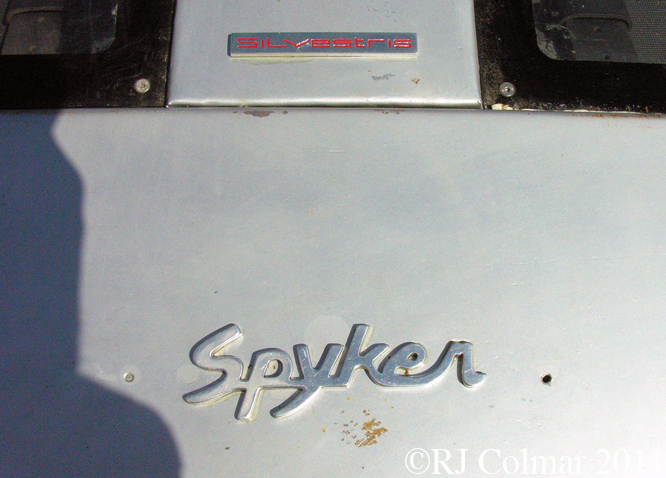
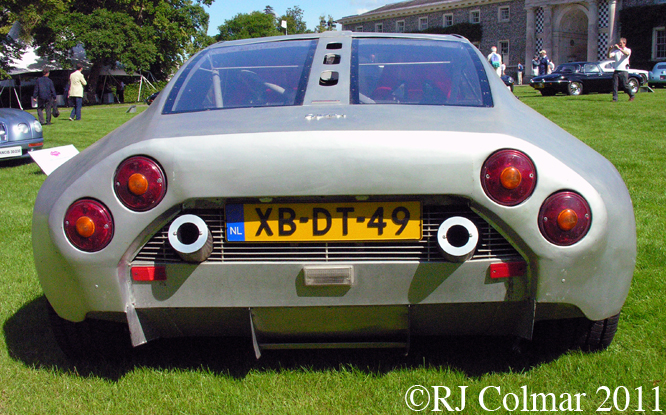
Between 1990 and 1996 Maarten de Bruijn hand built the Silvestris (translation ‘Woodland’) V8, seen here at Goodwood, Festival of Speed, with which he and Victor Muller would revive the Spyker brand.

Spyker Silvestris, Goodwood FoS

Many of the design features of the Spyker C8 model which went into production in 2000 can be seen in the Silvestre which has smaller overall dimensions than the production C8.

Spyker Silvestris, Goodwood FoS

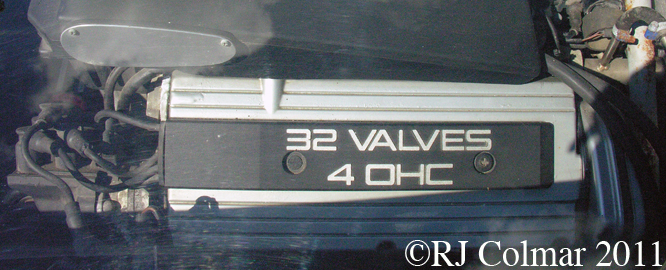
Power for the prototype Spyker came from a 265 hp quad cam (dohc) Audi V8 attached to a similarly sourced gearbox.

Spyker Silvestris, Goodwood FoS

The Silvestris weighing just 960 kgs 2,116 lbs is thought to be capable of 0 – 62 mph in 4.5 secs.

Spyker Silvestris, Goodwood FoS

Builder Maarten de Bruijn still owns the Silvestris which won it’s class in the Cartier Concours at Goodwood this year.

Spyker Silvestris, Goodwood FoS

In 2005 Maarten left Spyker to start a new venture Silvestris Aquamotive which builds aluminium space frame speed boats.

Thanks for joining me on today’s Woodland edition of ‘Gettin’ a lil’ psycho on tyres’ I hope you will join me again tomorrow. Don’t forget to come back now !
Share

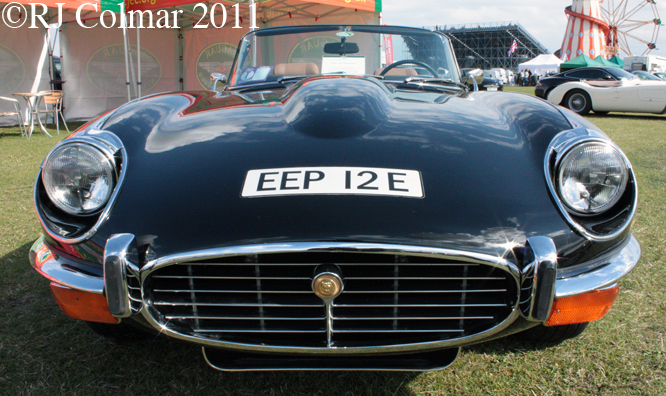
Jaguar V12 E-Type Series 3 #IS 2857

In the summer of 1980 I passed my college entrance exams, at my third attempt and before finally fleeing the family nest in Wembley to attend Trent Polytechnic, I got a summer job at a local Honda dealership to tide me over.

Jaguar E-Type, Siverstone Classic

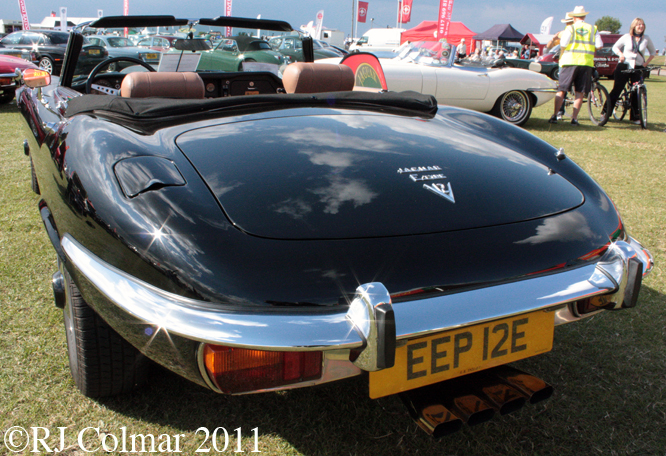
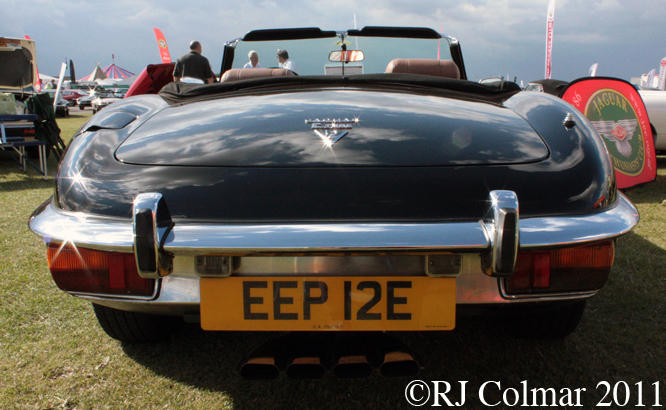
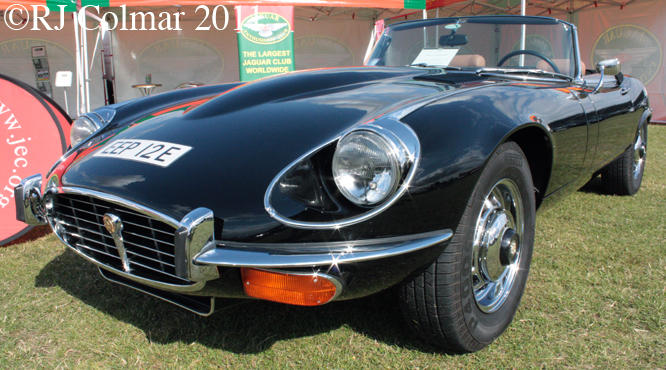
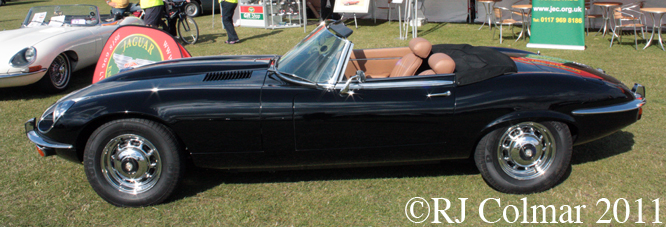
One of the dealership owners many cars, and even more motorcycles, was a black Jaguar E – Type Convertible like the one in these photographs one of the last fifty made, all available only in black, a fact that is noted on a brass plate mounted on the glove box cover.

Jaguar E-Type, Siverstone Classic

In 1971 the Series 3 E-Types ushured Jaguars second ever completely new motor into production, an all aluminium 5.3 litre / 326 cui V12 with 2 valves per cylinder design that had it’s origins in a design intended for racing dating back to 1954. This motor would eventually be developed into a 7 litre / 427 quad cam that would be used to win at Le Mans twice, 1988 and 1990.

Jaguar E-Type, Siverstone Classic

All Series 3 E-types were built around the longer 2+2 chassis pan, most with the V12 engine but a few Series 3 models were built with the older 4.2 litre / 256 cui 6 cylinder motor.

Jaguar E-Type, Siverstone Classic

The brass plaque on the right of this photo gives the chassis number as IS 2857 which according to the only list of XKE chassis numbers I have seen suggests this car was originally supplied in Right Hand Drive form.

Jaguar E-Type, Siverstone Classic

This particularly splendid example, seen here at the recent Silverstone Classic, has been restored and ‘sympathetically’ upgraded winning the Speis Hecker World Masterpiece competition for outstanding coachwork re-finishing.

Jaguar E-Type, Siverstone Classic

My own 30 year old memories of the V12 E – Type were that it was certainly a buzz taking the car to the petrol pump down the road, it turned heads, the engine was silky smooth, the steering was light but it inspired little or no confidence, even on a roundabout at perfectly legal speeds, in it’s handling capabilities, it seemed to lean in the corners rather that hug the road as even my pedestrian FIAT 128 did, and parking a car with such a long nose was an absolute nightmare on a crowded parking lot.

Overall I was disappointed with how the car drove a bit like meeting a rock star whom one has held in high esteem only to find that he / she has all the usual human traits some of which are not so pleasant or different from our selves, or driving an air cooled Porsche for the first time to find that interior has the same smell of fumes as an air cooled VW Beetle, more boulevard cruiser than the track racer which I was expecting.

Thanks for joining me on this E-type edition of ‘Gettin’ a lil’ psycho on tyres’ I hope you will join me again tomorrow. Don’t forget to come back now !
Share

Baby Testarossa – Ferrari 348 TS

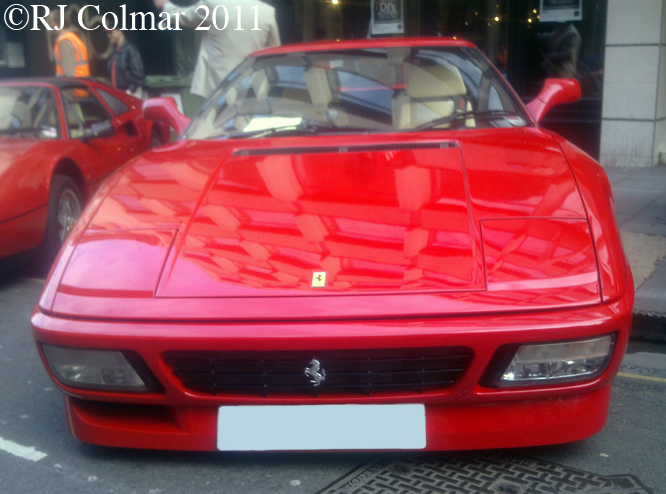
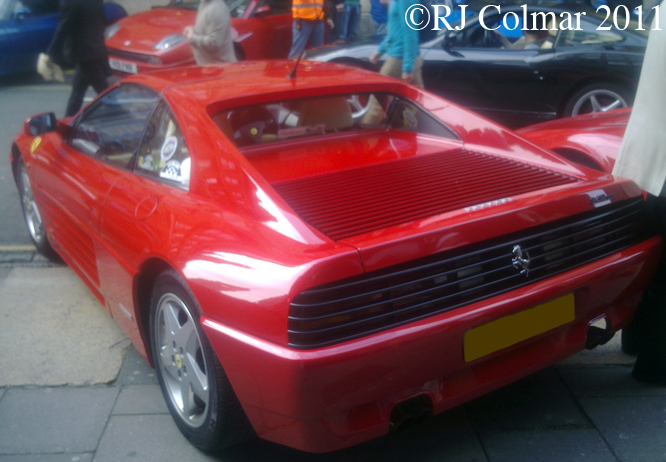
On Monday I looked at the GMC Syclone that was faster than a Ferrari, up to the 1/4 mile, today I am looking at the Spyder version of the Ferrari 348 that Car & Driver pitted the Syclone against in a road test.

Ferrari 348ts, BIAMF

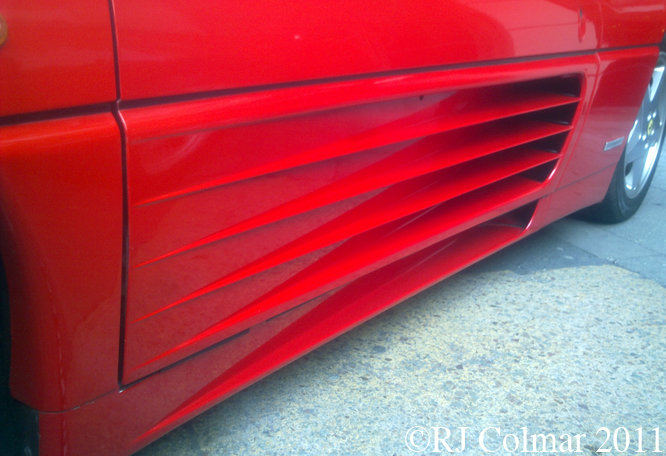
The Ferrari 348 replaced the Ferrari 328 in 1989,

Ferrari 348ts, BIAMF

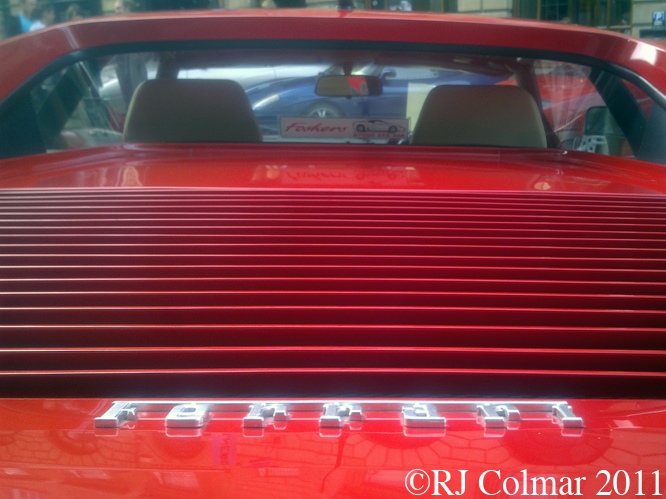
taking many of it’s striking styling queues from the Testarossa launched in 1984. The side mounted radiators meant passengers did not get toasted by the radiator pipes that ran alongside the cabin of the earlier 328 which featured a radiator mounted in the nose.

Ferrari 348ts, BIAMF

The 300 hp V8 motor was mounted longitudinally with a transverse gearbox ahead of the rear wheels, the opposite configuration of the earlier 328 which featured a transverse V8 engine and longitudinal gearbox.

Ferrari 348ts, BIAMF

While the Syclone proved faster than the 348 up to the 1/4 mile it soon ran out of puff when it reached 126 mph meaning this is the view Syclone drivers would get of the Ferrari as it powered up to 166 mph in a straight race.

Ferrari 348ts, BIAMF

8844 of these vehicles were produced from 1989 to 1995.

Thank for joining on this Ferrari Friday edition of ‘Gettin’ a lil’ psycho on tyres’, I hope you will join me again tomorrow. Don’t forget to come back now !
Share

Stepping Stone – Dallara Renault F304

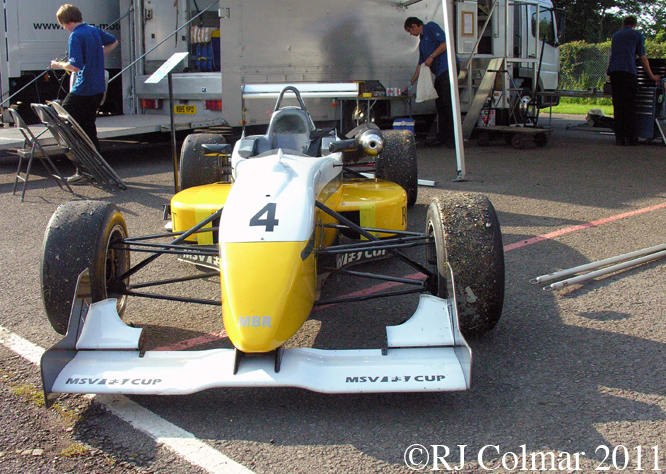
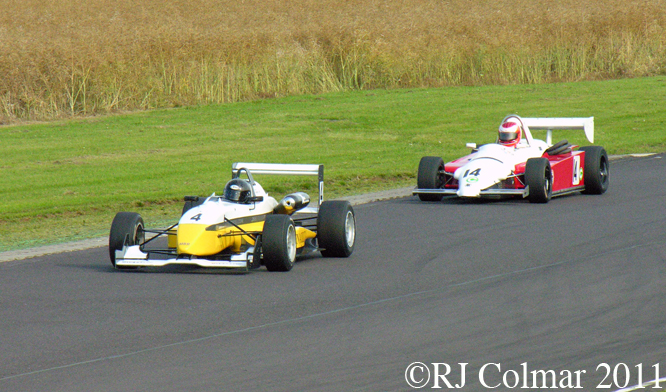
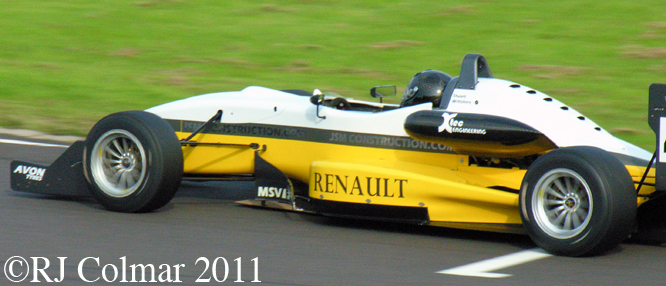
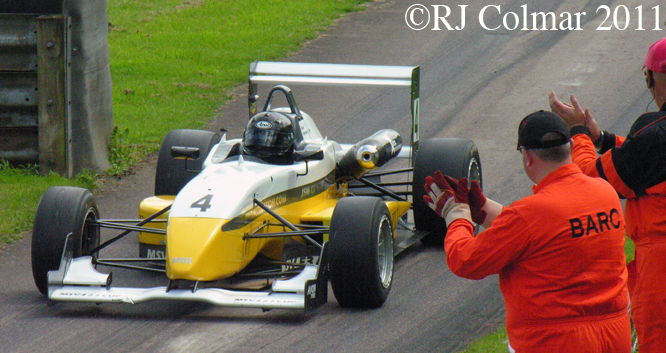
The winner of the last two rounds of the Free Single Seater Series at Castle Combe was the aptly named Stuart Wiltshire in his Dallara Renault Xtec F304, though it turns out that Stuart is actually an Essex Boy born and bred.

Dallara F304, Castle Combe

Dallara was founded by Gian Paolo Dallara near Parma Italy in 1972 specialising in building sports racing and hillclimbing cars . After penning one of the wilder body work configurations for Walter Wolf‘s Can Am team in 1977, Dallara was commissioned by Wolf to build a third tier open wheel Formula 3 car. Built to similar regulations as the F304 seen here, the Wolf F3 car was driven by Bobby Rahal at Monaco.

Dallara F304, Castle Combe

During the 1980’s Dallara Formula 3 cars started winning championships in Italy then France and Germany before going on to dominate the most competitive series of all in Britain during the 1990’s.

Dallara F304, Castle Combe

Today Dallara is known world wide having briefly competed in Formula One and built a variety of sports cars for teams including Lancia, Ferrari, and Audi. More recently Dallara were one of the original suppliers of chassis to the Indy Racing League and now have an exclusive deal to supply IRL chassis and they have built a near monopoly in every series used as an entry by drivers trying to reach Formula One.

Dallara F304, Castle Combe

In 2004 the British Formula 3 Series was dominated Dallara F304 chassis like the one in these photo’s most were powered by Mugen Honda motors but Renault and Opel, the German GM division were represented with multiple entries.

Dallara F304, Castle Combe

Among those driving Dallara F304’s when they first appeared were British 2004 Champion Nelson Piquet Jr who after a brief tormenting career in Formula One today drives in the NASCAR Trucks division, Lucas di Grassi the Pirelli F1 tyre tester who last year drove for the Virgin Grand Prix Team and in 2004 drove a Renault powered F304 identical to the car featured today, Australian Supercar V8 contender Will Davison, fellow Aussie Will Power who today is part of the Penske IRL team, Venezuelan IRL driver EJ Viso and Karun Chandock who became the first driver to record a finish for the HRT Grand Prix team last year and is an occasional driver for the Team Lotus Grand Prix team this year.

Dallara F304, Castle Combe

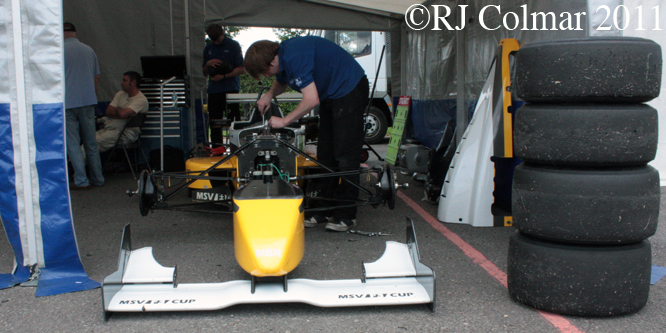
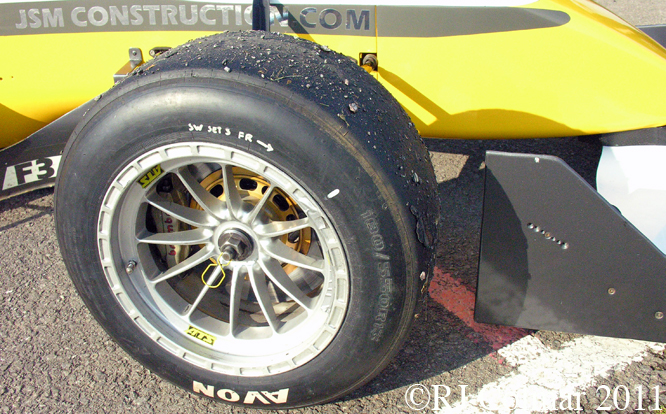
Seven years on from it’s first appearance Stuart Wiltshire is competing in the MSV F3 Cup with his JSM Construction sponsored car being prepared by Mark Bailey Racing who started off in the Toyota Formula 3 Championship in 1989, with Mark Bailey taking the championship spoils and have participated in World Sports Car Championships with their own design the MBR 972.

Dallara F304, Castle Combe

Stuart a director of a construction company has competed in Formula 3 championships for older vehicles on and off since 2003 the highlight of his career was leading into the first bend at Donington Park earlier this year.

Dallara F304, Castle Combe

With a couple of wins behind him at Castle Combe, I wish Stuart all the best as he returns to the MSV F3 series and look forward to future appearances of Stuart and the immaculate Mark Bailey Racing Dallara Renault F304 at Castle Combe for the Free Single Seater Series.

Thanks for joining me on this stepping stone edition of ‘Gettin’ a lil’ psycho on tyres’, I hope you’ll join me again tomorrow for Ferrari Friday. Don’t forget to come back now !
10 11 11 Post Script – Since posting this blog it has been brought to my attention that Stuart Wiltshire has a Dallara F302 with 04 updates for sale. I can’t say for sure this is the same car as featured in this blog. The car in the blog was definitely described as an F304 in the MBR team blurb at Castle Combe when I saw it.

Share

Swedish Tease – Volvo 1800 ES

In 1956 Volvo launched a sports car the P1900 a fibreglass bodied roadster, inspired by the Chevrolet Corvette, if you have never heard of it, or seen it, that is because the P1900 was a disaster so bad that after using one on a holiday weekend incoming Volvo President Gunnar Engellau cancelled further production after just 68 units had been produced.

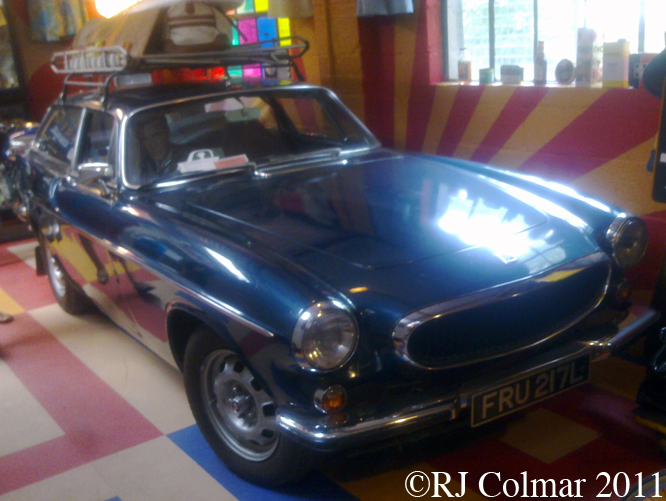
Volvo 1800ES, Cotswolds MM

Volvo’s next attempt to crack the sports car market hinged on a design by Italian design house Pietro Frua called the P1800. In 2009 Volvo admitted that there Italian designed car was actually designed by a Swede working at Frua called Pelle Petterson who’s father had designed the Volvo PV444.

The P1800 was eventually launched in 1961, with the same engine as used in the Volvo Amazon series, making the model 50 years old this year along with the much cheaper Renault 4 and slightly cheaper E-Type Jaguar. Originally scheduled to be built by Karmann in Osnabruck Germany until Karmann’s biggest customer Volkswagen intervened with an emphatic ‘Nein’ the P1800 was initially produced under contract by Jensen. After quality issues emerged production transferred from the UK to Sweden with the introduction of P1800 S which featured a larger 118 hp motor.

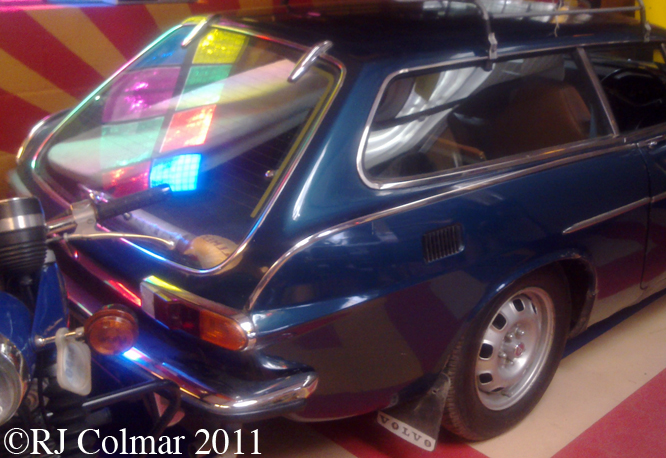
Volvo P1800ES, Cotswold MM

In 1970 the P 1800 E was introduced with fuel injection and in 1972 the last of the P1800 models, P1800 ES seen here, was launched with a novel one piece rear glass tailgate which transformed the coupé into a versatile eye catching shooting brake for which designer Jan Wilsgaard was responsible.

The P 1800 like many contemporary models was killed off my the 1974 US safety and emissions regulations, with some 39,407 Coupé and 8,077 Shooting Brakes built the P1800 was considered a far greater success than it’s predecessor. My overwhelmimg memory of driving P1800 models is that despite being 6′ tall I had the feeling I was sitting in a very deep bath tub and had a great deal of difficulty determining where the corners of the car were when shuffling these models through cramped garage space.

Hope you have enjoyed today’s one piece glass tailgate edition of ‘Gettin’ alil’ psycho on tyres’ and that you will join me again tomorrow. Don’t forget to come back now !
Share

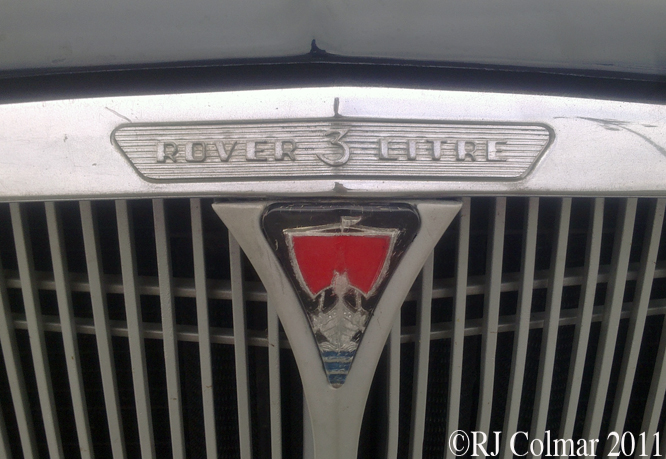
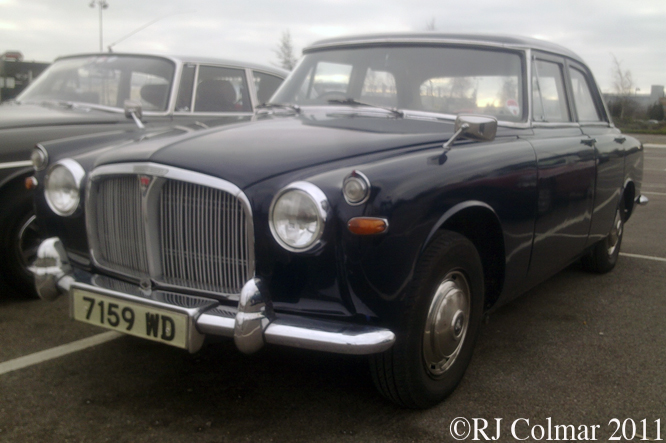
Poor Mans Roller – Rover P5 Mark II 3 Litre

The P5 was Rovers top of the range saloon / sedan when it was introduced in 1958 .

Rover P5 MkII 3 Litre, BMW Factory, Pistonheads,

Initially powered by a 115 hp, 2,995 cc / 182.8 cui straight six with the novel F head featuring an overhead intake valve and side exhaust valve as on the smaller motor used in the P4 series.

Rover P5 MkII 3 Litre, BMW Factory, Pistonheads

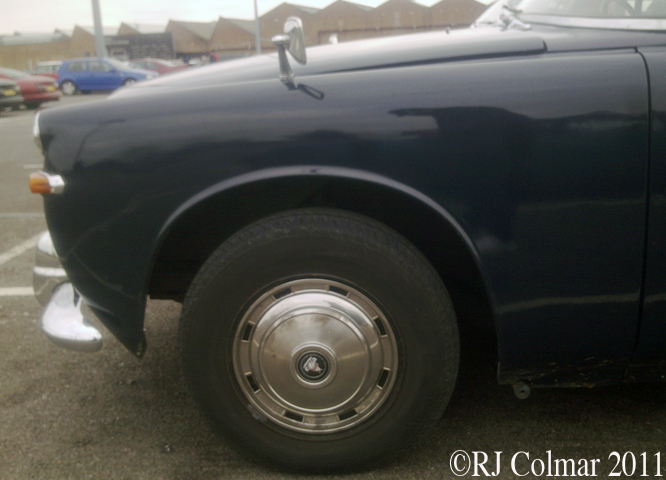
In 1962 the Mark II P5 was launched, as seen here, now with 129 hp, a quarter light front window and no glass wind deflectors atop the door windows.

Rover P5 MkII 3 Litre, BMW Factory, Pistonheads

The prototype P5 was fitted with 11 inch drum brakes all round however by the time the car was launched to the public disc brakes were fitted to the front wheels.

Rover P5 MkII 3 Litre, BMW Factory, Pistonheads

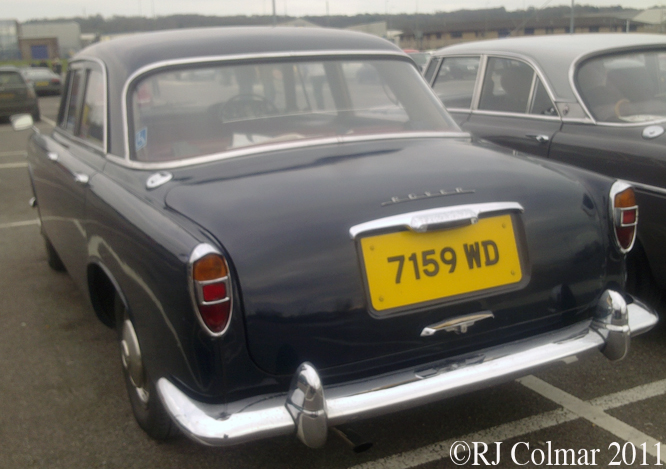
This was the vehicle of choice for a succession of British Prime Ministers and UK Government cabinet ministers and it is said Her Majesty the Queen of England preferred her Rover P5 as her daily driver.

Rover P5 MkII 3 Litre, BMW Factory, Pistonheads

When production ceased in 1965 15,676 Rover P5 Mrak II 3 litre saloons had been manufactured.

Thanks for joining me on the poor mans Rolls Royce edition of ‘Gettin’ a lil psycho on tyres’ I hope you will join me again tomorrow. Don’t forget to come back now !

Share