Tag Archives: Auto

Bertone Century – Bristol Italian Auto Moto Festival

Last weekends Bristol Italian Auto Moto Festival (BIAMF) celebrated the centenary of the foundation of the Bertone coach works.

Fiat X1/9 Volumex, BIAMF

One of the coolest cars in the show was this Bertone designed FIAT X1/9 which has been upgraded with a super charged Lancia Volumex motor.

Fiat Bertone Super Strada Cabrio, BIAMF

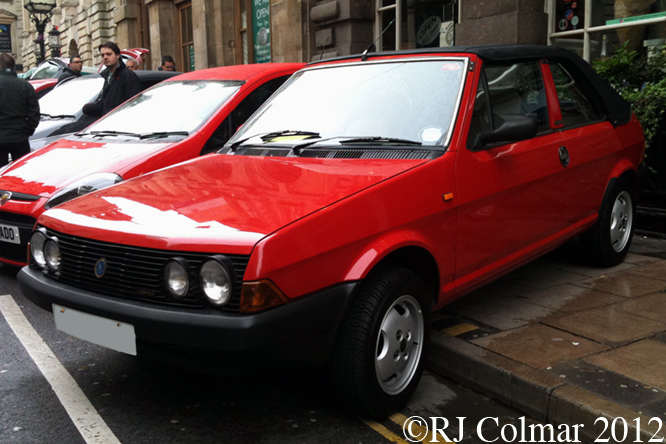
Like the X1/9 the Fiat Strada was designed by Bertone and like the X1/9 the body work of the Cabrio variant was also manufactured by Bertone, above is a second generation Super Strada Cabrio. Note outside the UK and USA the Strada was known as the Ritmo.

Maserati Merak, BIAMF

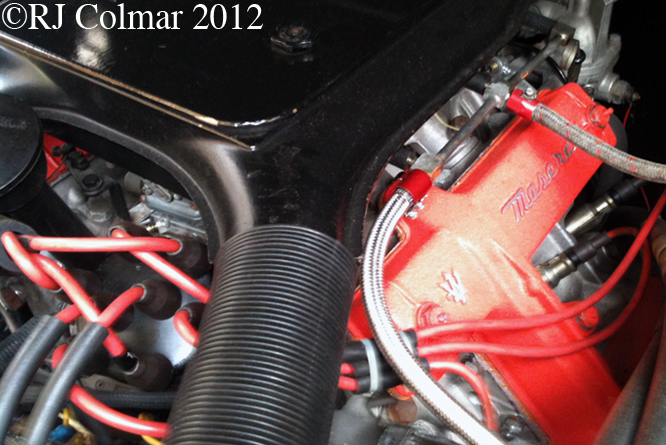
The Maserati Merak is celebrating it’s fortieth anniversary this year, the tight packaging of the mid mounted 3 litre 183 cui V6 must represent a mechanics nightmare !

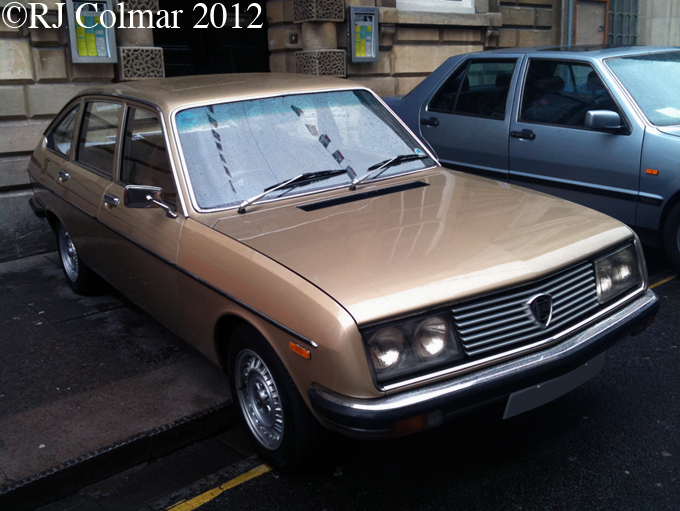
Lancia Beta, BIAMF

Another model celebrating it’s fortieth anniversary is the Lancia Beta which was initially launched as in front wheel drive Belina form as seen above. The first new Lancia to be developed and manufactured under FIAT ownership the final Beta variation was mid engined Beta Montecarlo, Scorpion in the US.

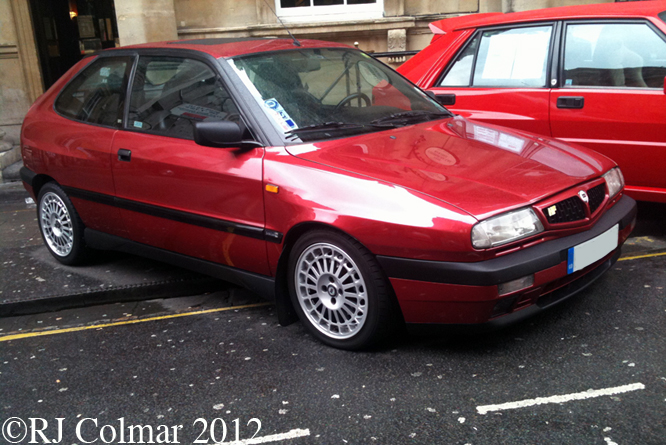
Lancia Delta, BIAMF

The Lancia Delta is commonly known for it’s square styled Rally dominating four wheel Integrale variant’s, I had completely forgotten there was ever a second generation Delta like the 1997 3 door HPE version seen above. These 3 door HPE models were produced from 1995 to 1999.

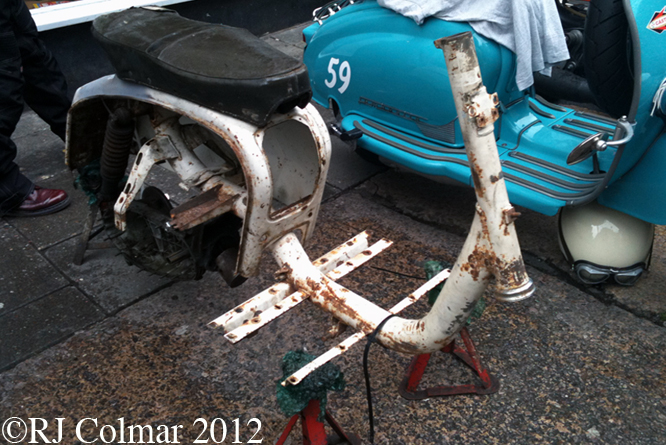
Lambretta, BIAMF

The Bristol Mod Scooter Club were out in force as usual at the BIAMF this work in progress Lambretta suggests their number is growing.

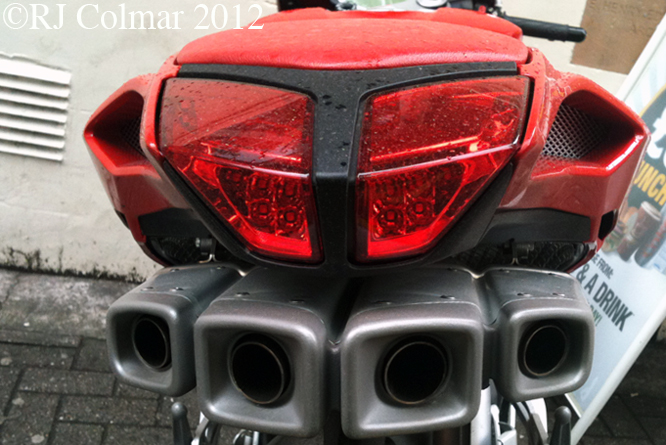
MV Agusta F4, BIAMF

MV Agusta was the featured motor cycle manufacturer of the BIAMF, the tight fit of F4 exhausts look like a work of art.

My thanks to everyone involved in putting on the Bristol Italian Auto Moto Festival, looking forward to seeing what gems turn up next year.

Thanks for joining me on this ‘Bertone Century’ edition of ‘Gettin’ a li’l psycho on tyres’ I hope you will join me again tomorrow when I’ll be reviewing the Spring Performance Car Action Day at Castle Combe. Don’t forget to come back now !

Share

Beneath The Paint – Ford Capri 3000 GXL Auto

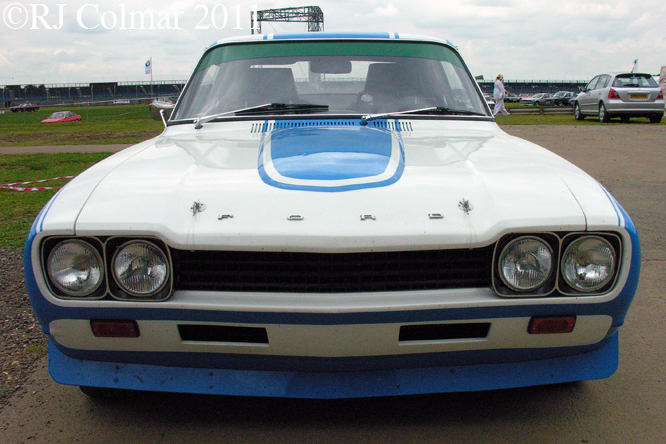
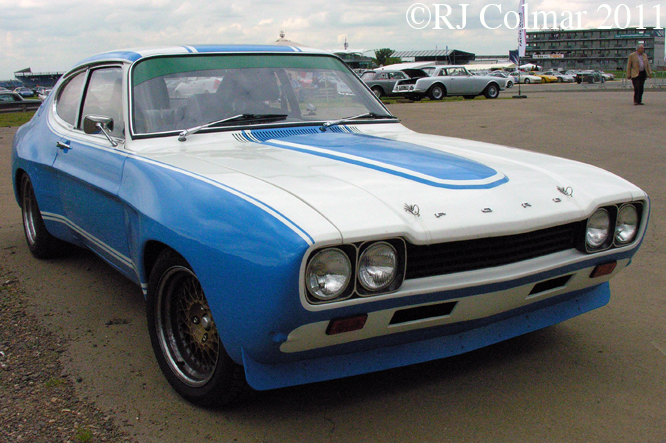
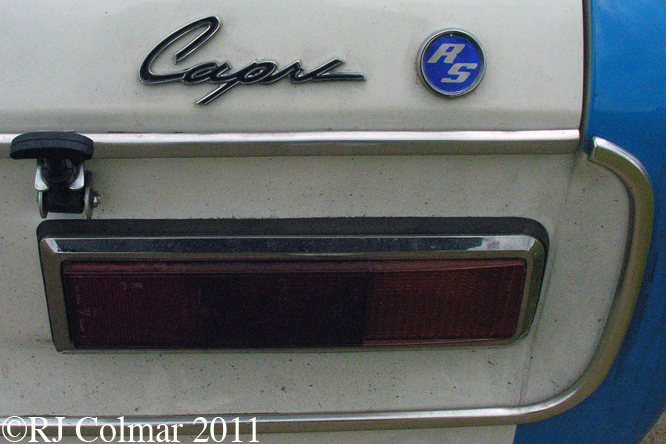
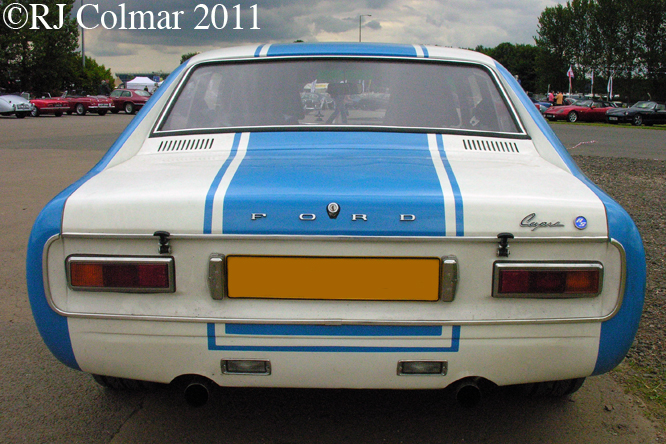
My heart skipped a beat when I saw this fabulous Ford Capri wearing the colours of the early 1970’s works Ford ‘Cologne’ factory racing team, the last time I recall seeing a road going Capri like this in the flesh was around 1974 !

Ford Capri 3000 GLX, Silverstone Classic

In 1970 Ford Germany built 50 RS2600 variants of the Capri to satisfy the FIA minimum build racing requirements (also known as homologation), the flared arches on the vehicle seen here at last years Silverstone Classic suggest that this might be on of those fifty specials who’s build quality was so low that they were not fit to be sold for road use.

Ford Capri 3000 GLX, Silverstone Classic

The fifty homologation RS2600’s featured light weight glass fiber doors, boot and bonnet/hood.

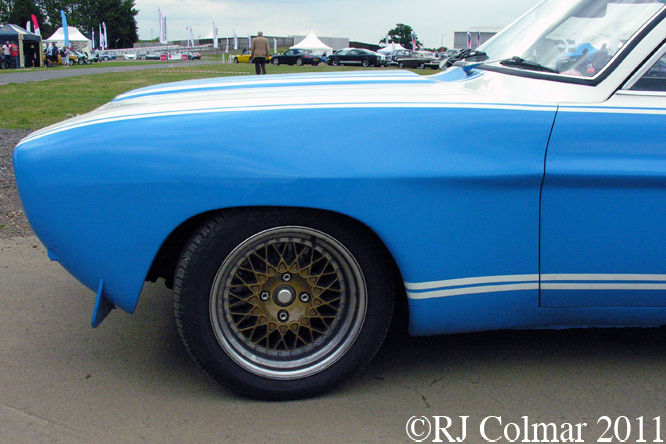
Ford Capri 3000 GLX, Silverstone Classic

Beneath the flared arches the RS 2600’s were fitted with distinctive gold centered BBS wheels, which became as iconic and synonymous with the 1970’s as Minilites had with the 1960’s.

Ford Capri 3000 GLX, Silverstone Classic

The homologation RS 2600’s were also fitted with plastic window’s and painted with fewer coats of paint than their road going siblings all in an effort to save weight.

Ford Capri 3000 GLX, Silverstone Classic

Success came to the works Ford Team managed by Jochen Neerpasch in the form of two European Touring Car Championships for Germans Dieter Glemser in 1971 and Jochen Mass in 1972, although on both occasions Alfa Romeo’s running in the lower Class 2 division secured the manufacturers championships.

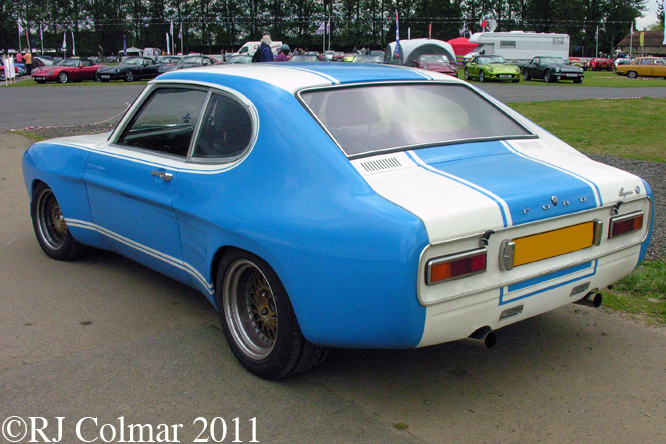
Ford Capri 3000 GLX, Silverstone Classic

Unfortunately despite the paintwork this car does not turn out to be one of the homologation specials at all, they were all left hand drive vehicles, a check of the registration reveals this car started out as a Dagenham (UK) built Capri 3000 GLX Auto in 1972 fitted with a 3 litre / 183 cui ‘Essex’ V6, registration details also suggest that this car is now fitted with a 3.5 litre motor which is probably one of the Buick derived Rover aluminium V8’s which are the most readily available for such conversions in the UK.

Thanks for joining me on this ‘Beneath The Paint’ edition of ‘Gettin’ a li’l psycho on tyres’ I hope you will join me again tomorrow when I’ll be going Auburn. Don’t forget to come back now !

Share

2011 GALPOT Review #3 – Motoring Events

This week I am reviewing the GALPOT year 2011, on Monday I looked at some of the Museums I have visited and yesterday I looked at some of the Concours d’Elegance events covered on GALPOT thanks to Geoffrey Horton, today I am reviewing some the motoring events I have attended which includes any gathering short of a full blown racing.

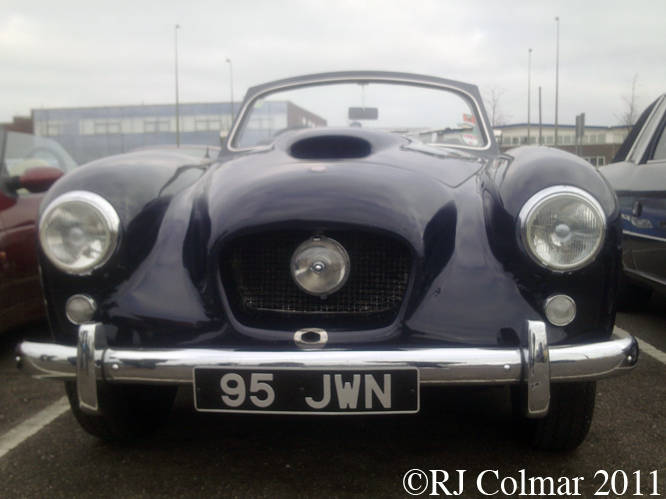
Bristol 405 Drophead, Pistonheads Sunday Service

By the end of January cabin fever was setting in and I leaped at the opportunity to go to my first Pistonheads Sunday Service which was convened at the BMW Plant car park just outside Oxford. I am not sure how many people attended but I was pleased to see several Bristol’s including this 405 Drophead.

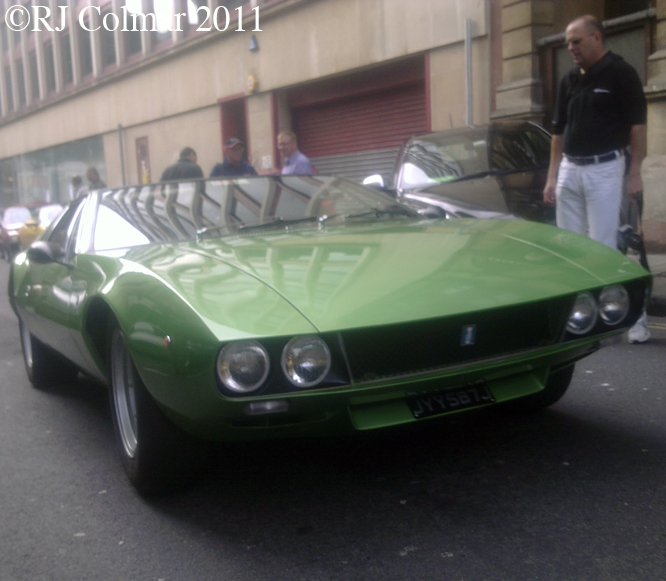
de Tomaso Mangusta, BIAMF

April sees Bristol host it’s Annual Italian Auto Moto Festival a display of all things Italian on two and four wheels. Despite the presence of a fabulous array of red Friday cars the undoubted star of this years festival for me was the Cobra killing de Tomaso Mangusta.

Hesketh 308B, Silverstone Classic

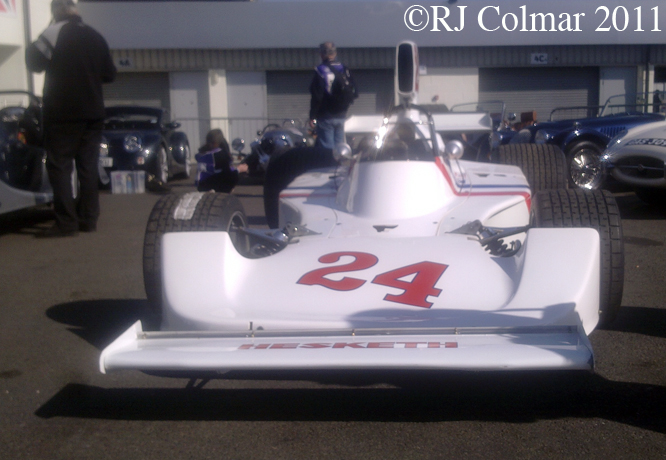
I managed to make two trips to Silverstone this year the first for the Silverstone Classic Press Day which was a testing session with a veritable armada of Press Corps present. Star of the day was the Hesketh 308B the same chassis that James Hunt drove to Hesketh’s only Grand Prix victory at the Dutch Grand Prix in 1975.

March 71B, CGA Engineering

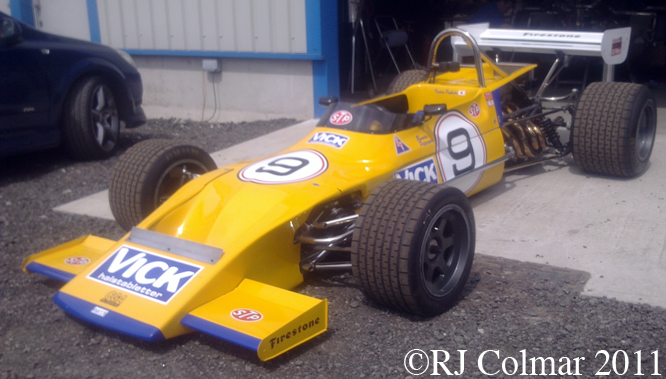
Tony ‘Giraffe’ Gallagher from The Nostalgia Forum kindly organized a trip to CGA Engineering in Warrington where former Lotus employee Colin Bennett and his sons were workong wonders with racing cars spanning the late 1960’s to the early 1990’s including the Formula 2 spec March 71B chassis above decked out in Vick’s livery in tribute to Ronnie Peterson.

Hillman Tiger Replica, Castle Combe C&SCAD

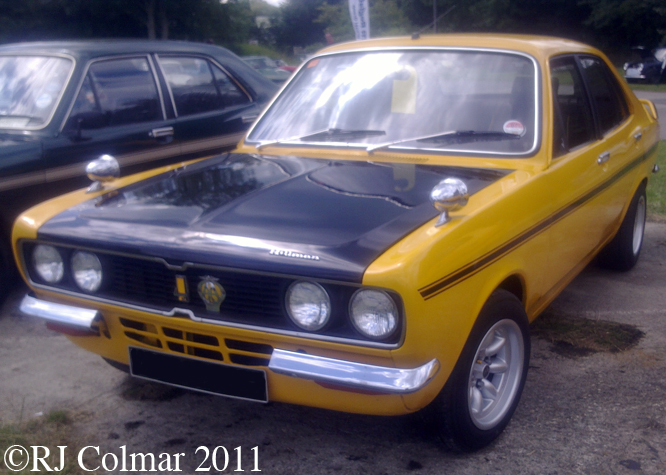
Thanks to the generosity of David Roots from the Bath & West Car Club I received an invitation to attend the Classic and Sports Car Action Day at Castle Combe. A tight schedule meant I focused my attention entirely on the vehicles in the car park including this Hillman Avenger Tiger Replica.

Morgan 3 Wheeler, Morgan Factory

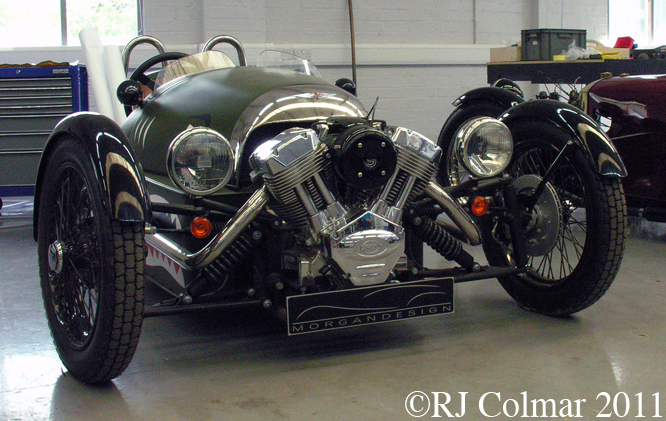
If your a fan of simple joys, it hard to believe that you will not leap at the chance to jump in the dinky little Morgan 3 Wheeler at some point in your life, I saw this one several times during the course of the year at, Silverstone, Goodwood and during several visits to the Morgan factory.

Morgan SLR, Silverstone Classic

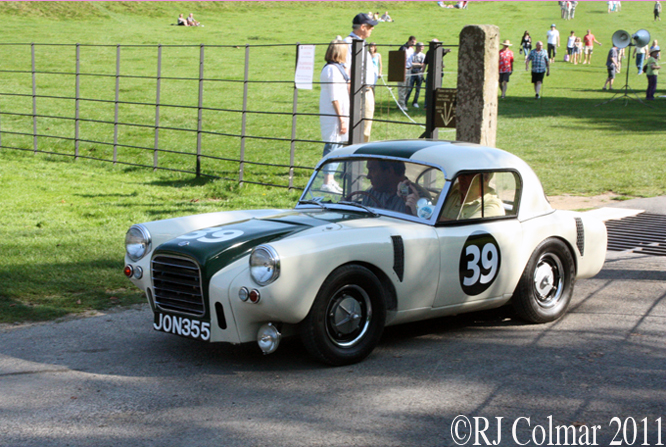
A hectic July weekend saw me pop into the Silverstone Classic for the first of the three days of entertainment, I probably saw more cars in action and photographed more than in any single day in my entire life that Friday. Among the many revelations was this Morgan Triumph SLR which I mistook for some unknown Italian exotica on the day, unfortunately all the action I saw was qualification sessions, I’ll try and make more time for the event in 2012. Many thanks to garyfrogeye amongst many others who helped me out by contacting Mr John Sprinzel who along with the recently departed Chris Lawrence was responsible for this masterpiece of British craftsmanship.

Riley & Ford Ranger, Mallory Park

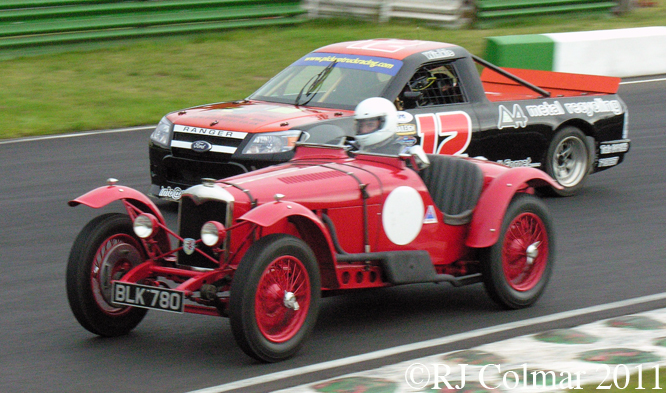
If I had my way every Wednesday I’d be up at the crack of dawn, sometimes earlier, and head 125 miles north to Mallory Park for the finest full English, breakfast, that money can buy and enjoy a veritable pot puree of vehicles being run in and tested around the track. Sadly this year I only made it the twice but it was worth it, where else could I see a vintage Riley being driven flat out next to a spec series Ford Ranger ?

Lafitte 5CV, Rare Breeds, Haynes IMM

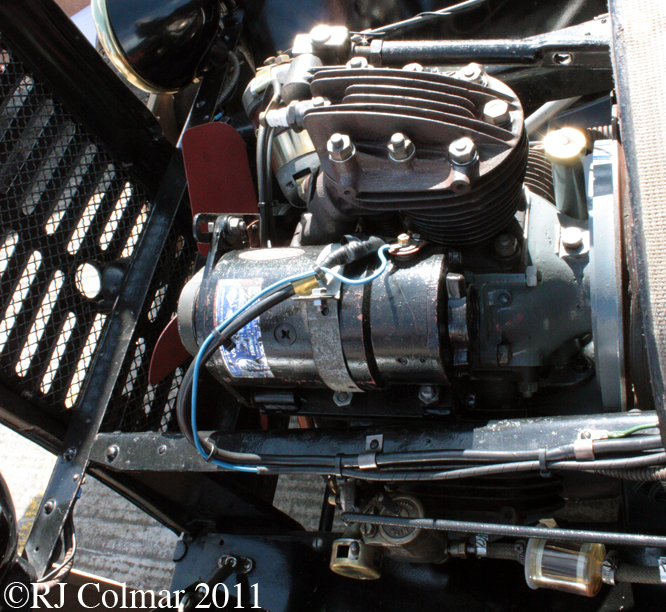
Thanks to another tip from David Roots I made a, very long, diversion on my way from Bristol to the airport to the Haynes International Motor Museum to see the Rare Breeds show. I was not disappointed, I still have many of the vehicles I saw that day to blog about in the coming month. Above is a rotary 3 cylinder motor that tilts to engage the clutch of the Lafitte 5 CV.

Brooklands, William Boddy,

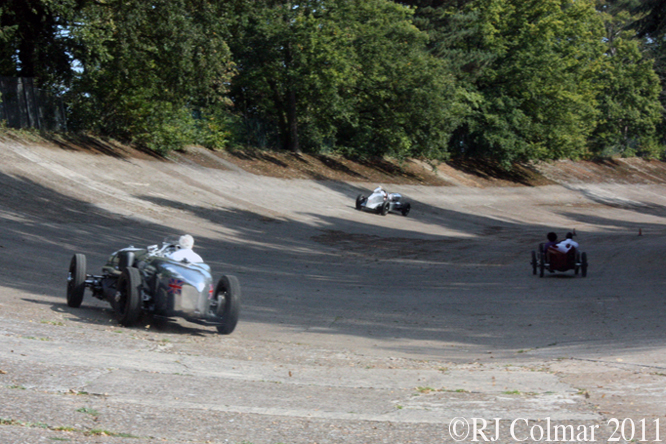
Among many firsts in 2011 I managed a visit to the worlds first purpose built motor racing venue, Brooklands which dates to 1907 and sadly fell into disuse in 1939 with the onset of World War 2. I was there for the William Boddy Tribute Meeting to honor a journalist who was in part responsible for realizing my own passion for all things motoring and who did much to help save what is left of the Brooklands track today. One of the highlights of my motoring year was seeing a handful of cars from Brooklands heyday being driven over the crumbling but none the less hallowed concrete.

Berkley B105, Dyrham Park

The day after Brooklands I visited Dyrham Park which used to be a Hill climb venue in the 1960’s where a demonstration of vehicles that were and would have been, entered in the original events took place. Unfortunately today’s safety requirements make it quite impossible for a modern competitive event to take place at Dyrham Park but it was wonderful to see so many cars being driven with a modicum of spirit up the hill.

Unfortunately my hard drive went on tilt after my visits to Brooklands and Dyrham Park so I will not be able to post any further images from these two events.

Simca, Oulton Park

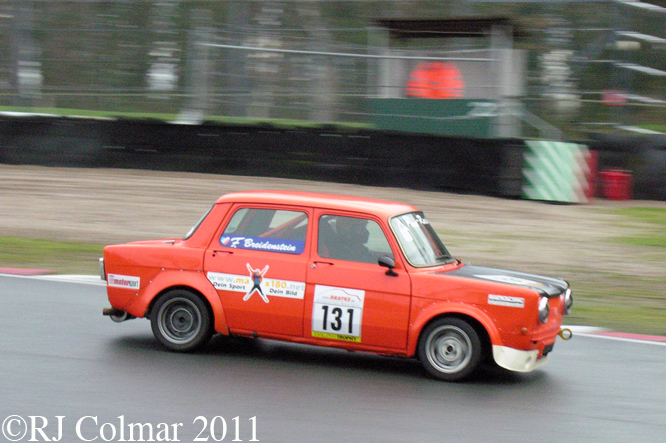
A couple of weeks ago I was near Manchester for a TNF meeting with my friend Tim who had never been to Oulton Park before, so we made the short diversion from a friends house and found a track day in progress, one of the star vehicles was this 130 hp Simca 1000 which once belonged to Frank Breidenstein – President of ”Simca Heckmotor (rear engine) Deutschland”.

My sincerest thanks to everyone who made these adventures and the blogs that came form them possible, not least Tim who is both a fountain of useful information and a handy map reader.

Thanks for joining me on this events edition of ‘Gettin’ a li’l psycho on tyres’, I hope you’ll join me for a review of 2011’s racing action tomorrow. Don’t forget to come back now !

PS Don’t forget …

Automobiliart GALPOT Seasonal Quiz

Automobiliart, Paul Chenard

December 26th – January 2nd

Win a set of Paul Chenard Greetings Cards

Sports-GT cars set, Paul Chenard

Set 1 Sports & GT Cars

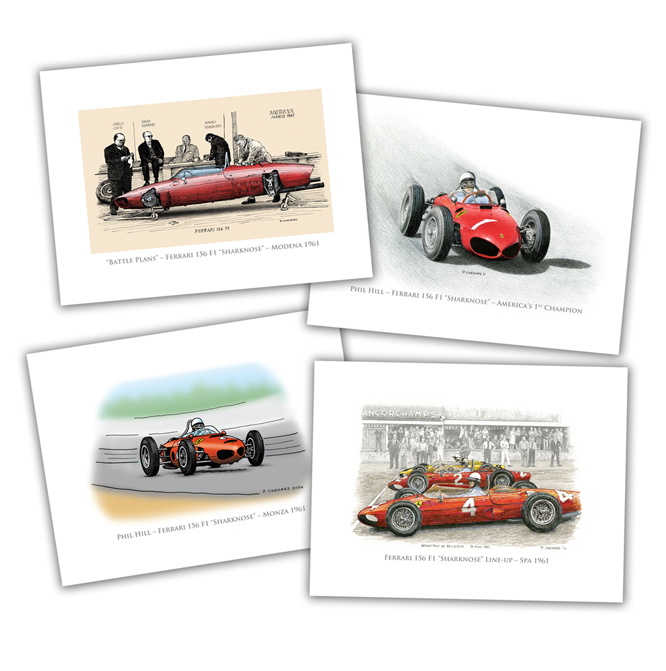
Phil Hill, Sharknose Ferrari Set, Paul Chenard

Set 2 Phil Hill World Drivers Championship 50th Anniversary Edition

1934 GP Season Card set, Paul Chenard

Set 3 1934 Season

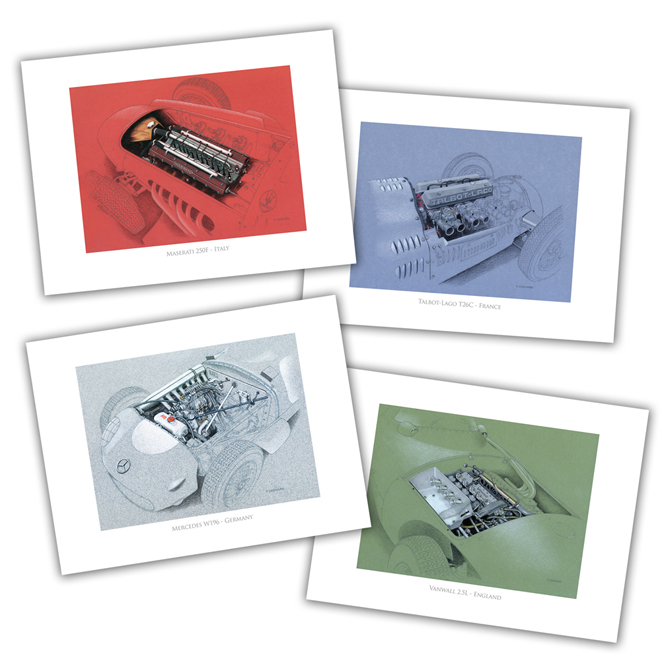
1950s Grand Prix Engines

Set 4 Grand Prix Engines of the 1950’s

or

Mike Hawtorns racecars Card set, Paul Chenard

Set 5 Mike Hawthorn’s Race Cars

The Automobiliart GALPOT Seasonal Quiz will comprise 8 categories.

Overall winner chooses one set of Paul Chenard Greetings Cards from the five sets shown above.

The cards measure 15.24cm x 11.43cm, come in packs of 12 with 3 copies of 4 designs in each set, plus A6 envelopes.

Which set will you choose ?

The free to enter Automobiliart GALPOT Seasonal Quiz will run from December 26th – January 2nd Entries close January 8th 2012, Winner announced January 16th 2012.

Full details on December 26th at GALPOT.

Looking for Automotive Seasonal Gift Idea’s? Visit Automobiliart Now !

Share

The Sure Bet – Lotus 22 #22-J-17

In 1962 Lotus built one of their more significant models, the Lotus 22, for competition in the 2nd tier open wheel Formula Junior in 1962. The 22 was an upgraded version of the Lotus 20 but now featuring disc brakes all round.
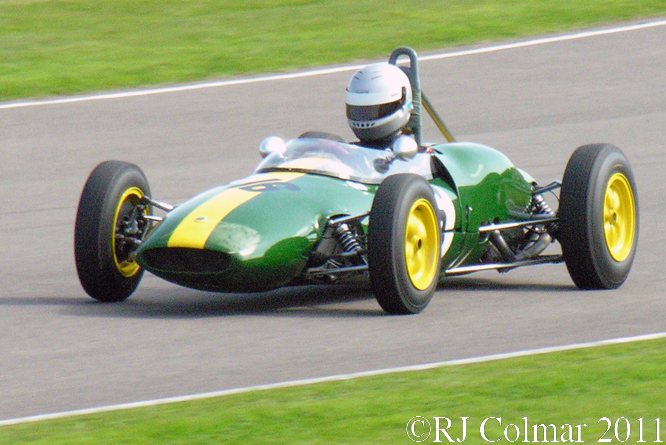
Cristoph Burckhardt, Lotus 22, Goodwood, Revival

The Lotus 22 dominated Formula Junior in 1962 with Peter Arundell and Alan Rees at the wheel of the works cars which dominated the European Junior scene.

Arundell won 75 % of his races including the Monza Loteria and was crowned British Junior Champion. Moises Solana won FJ races in Mexico.

The design of the 22 was also used as the basis of the two seat the Lotus 23 sports racer, which I’ll be looking at next week, the 22 design was given a second lease of life with the emergence of the third tier open wheel Formula 3 in 1964 which mandated single seat vehicles with space frame chassis like the 22 which was upgraded to Lotus 31 spec in F3 guise though the chassis numbers for Lotus 31 curiously ran 22-F3-xx. The 22 design had yet another lease of life when Jim Russel converted a couple of 22’s and 31’s into Ford Kent powered racing cars and inadvertently invented Formula Ford leading to yet another run of cars being built to the basic Lotus 22 design now upgraded to Lotus 51 spec.

It is thought 77 Lotus 22’s were built in their original Formula Junior spec between 1962 and 1963.

Formula Junior was open to cars weighing a minimum 400 kgs / 880lbs fitted with 1100 cc / 67 cui motors or 350 kgs vehicles weighing a minimum of 350 kgs / 770 lbs with 1000 cc / 61 cui.

Chritoph Burckhardt’s car, thought to be chassis 22-J-17 seen above at Goodwood Revival, like most FJ cars in 1962 is the heavier 400 kgs type with 90 hp Cosworth tuned Ford 4 cylinder engine with a mandated production based block, this one canted over at 30 degrees to lower the centre of gravity and minimise the frontal area of the car.

Other FJ engine options included a BMC and DKW two stroke motor as used successfully by a German Gerhard Mitter in his Lotus 22.

At this point I’d usually wrap up this post in the usual way but I’d be doing the model a grave injustice since the Lotus 22 is the stuff of legend that ultimately brought down hitherto respected Porsche racing driver Richard von Frakenberg who survived flying literally of the Avus track to become an equally respected journalist for Auto Motor und Sport one of Germany’s most successful motoring publications.

On Sept 30th 1962 there was a German Formula Junior Championship race on the short 5 mile Südschleife track at the Nurburgring. There was much rumor and gossip in the paddock that weekend about a simple way to increase the engine capacity of the stock block Ford Formula Junior motors by changing the Ford Anglia crankshaft for a crankshaft sourced from the larger capacity Ford Consul that used the same block with the same diameter cylinders but increased the combined swept volume of the blog by having a longer stroke.

The race was notable because the championship title was to be decided between two drivers, the aforementioned Mitter in his DKW powered Lotus 22 and reigning champion Kurt Ahrens jr driving a Cooper T59 with a Cosworth prepared Ford motor of the type which could be easily oversized.

To secure the title all Ahrens Jr needed to do was finish ahead of Mitter, if he finished just one place behind Mitter the two would share the title. bizzarely the latter is exactly what happened Ahrens trundled around behind Mitter’s DKW powered Lotus until the DKW lost one of it’s three cylinders when Mitter pitted Ahrens Jr drove as far as the Müllenbach corner at the back of circuit and promptly stopped his perfectly good car and waited for Mitter to affect his repairs and come past and then followed Mitter across the line to ensure a tie in the Championship.

Richard von Frankenberg absorbed some of the rumors, which should probably have been taken with a pinch of salt in the first place, from the meeting and the following week published a story full of scandalous accusations under the Title “The Biggest Disgrace in International Motorsport”.

In his exposé Richard pointed out that during the Formula Junior season none of the motors had been checked to measure their capacity during scrutineering either before or after races and alleged that some teams had taken advantage of the situation.

Specifically Frankenberg accused reigning champion Kurt Ahrens jr & Austrian Kurt Bardi-Barry winner of the race of running with an oversize engines on September 30th.

He also accused Alan Rees who was running in a work Lotus 22 with a Cosworth Ford motor of running in practice with an oversize motor during which he crashed and eliminated himself from the race.

Frankenberg then went on to report Alan had openly declared that his team (Lotus) had been running oversize motors through out the season.

Finally Frankenberg challenged Colin Chapman to send two cars to Monza to rerun the Lotteria race distance at the same average speed that the cars had achieved in June and then have the motors legality checked.

In the aftermath of the publication Kurt Ahrens Jr and Kurt Bardi Barry won civil actions against von Frankenberg and Auto Motor & Sport both presented motors which passed inspection well after the event but it was concluded that hear say in the paddock was not sufficient proof that either driver had cheated.

The ONS, governing body of motorsport took Ahrens Jr, Bardi-Brady and Mitter to task about events on the September 30th 1962 and concluded that the hear say evidence of Mitter was not proof positive that Ahrens or Bardi-Brady had cheated but they did find Mitter and Ahrens Jr guilty of conspiring to fix the race results for which they both had their licenses suspended for six months.

Colin Chapman accepted von Frankenbergs suggestion, offering to run one Lotus 22 Formula Junior car at Monza over the 30 lap distance of the Lotteria held in June and made a bet of £1000 that his car would not only achieve the same or better speed at Monza over the 30 race distance and be proved perfectly legal. In the event von Frakenberg and Auto Motor und Sport lost the bet they would pay Chapman £1,000 and publish a retraction of the accusations against the team.

All parties duly deposited their stakes and convened at Monza on December 1st 1962. Peter Arundell did some slow warm up laps and blew his engine, it was agreed this should be repaired for a second attempt the next day.

On December 2nd a new attempt was made after cement had been strewn across patches of ice found under the trees at the first Lesmo Corner. Despite another slow start Peter Arundell soon started lapping ahead of the target time eventually crossing the line for the 30th time 52 seconds faster than he had in June.

On completion of the race distance he did one final blinding flying lap and lowered his lap record of 1’50.9′ in June to 1’49.8′ in December.

It was noted at the time the cooler conditions gave Peter an advantage, as much as 4% extra horse power by my calculations, but his times by my calculations are only 1.5% quicker for the race and and 1% quicker for fastest lap.

Once Peter returned to the pits the car was meticulously weighed, the engine dimensions were measured, as 1092 cc / 66.6 cui, and so the car was declared fully compliant with the Formula Junior regulations to the satisfaction of all concerned.

Immediately after the technical inspection the “Monaza Lion” as the car became known was sold for £2,000 to a Sig. Motta, thereafter Richard von Frankenberg shook Colin Chapman’s hand and formally apologized in front of all those present and an apology with full retraction of the false statements was printed in the following issue Auto Motor und Sport.

Peter Arundell won a second consecutive British Formula Junior Championship in 1963 and looked to have a promising future until an accident in 1964 saw him thrown out of his car. Colin Chapman kept a seat for Peter until his return in 1966, however Peter showed none of his earlier promise during his comeback season and retired from the sport completely in 1969, after selling his Garage Business from which he and his family were lucky to escape from a serious fire he moved to Florida where he founded the notorious adult software gaming company Mystique.

Colin Chapman went from strength to strength his Lotus team wining the first of six World Drivers and seven World Constructors Championships in 1963.

Kurt Ahrens jr regained his German Formula Jr title in 1963 but never quite broke into the big time he did however win the 1969 Austrian and 1970 Nurburgring 1000kms races driving with Jo Siffert and Vic Elford respectively, the 1968 Austrian event was the first ever to be won by a Porsche 917, he also took two consecutive pole positions at Le Mans for the 24 hour races in 1969 and 1970 both in works Porsche 917’s. He retired in 1970 to look after his family’s car dealership and scrap metal business and still takes an interest in the historic racing scene.

Gerhard Mitter drove in seven Grand Prix but like Ahrens Jr never secured a permanent seat on the Grand Prix circuit, he won the 1969 Targa Florio driving a Porsche 908 with Udo Schutz. Gerhard was kiiled during practice for the 1969 German Grand Prix after either suspension or steering failure caused him to crash.

Soon after he lost the Monza bet von Frakenberg left his staff position at Auto Motor und Sport. He was killed in a road accident in 1973 aged 52.

My thanks to every one on The Nostalgia Forum particularly, Doug Nye, Arese, r.atios, Ralf Pickle and Charlieman, on the L’affaire Lotus/von Frankenburg thread, RWB, Macca & Rob on the How many Lotus 22s? thread, finally but not least Cheapracer and saudoso on the Ambient air temperature and car performance thread.

Thanks for joining me on this bumper edition of ‘Gettin’ a li’l psycho on tyres I hope you will join me again tomorrow. Don’t forget to come back now !

PS Don’t forget …

Automobiliart GALPOT Seasonal Quiz
Automobiliart, Paul Chenard

December 26th – January 2nd

Win a set of Paul Chenard Greetings Cards
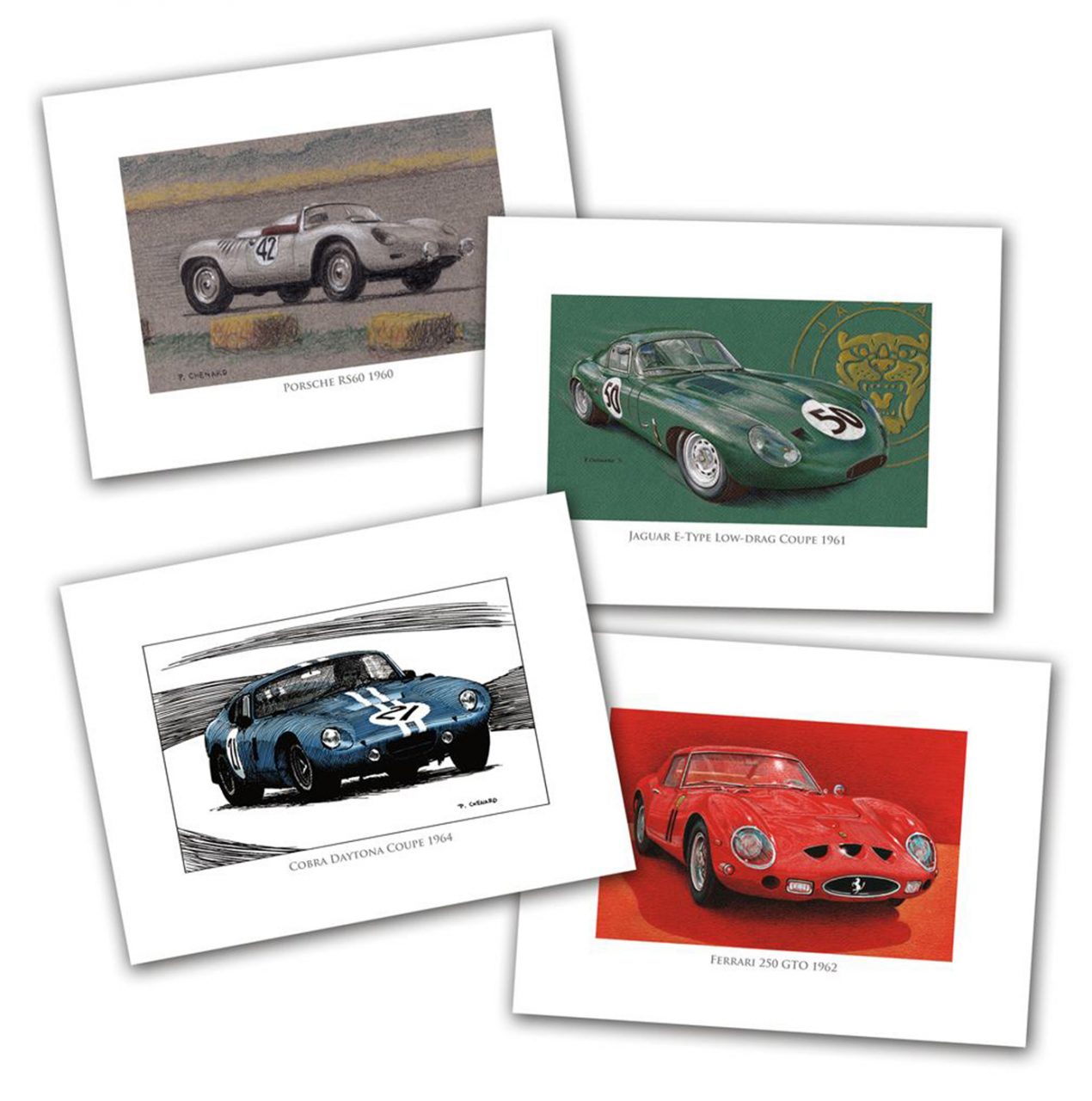
Sports-GT cars set, Paul Chenard

Set 1 Sports & GT Cars

Phil Hill, Sharknose Ferrari Set, Paul Chenard

Set 2 Phil Hill World Drivers Championship 50th Anniversary Edition
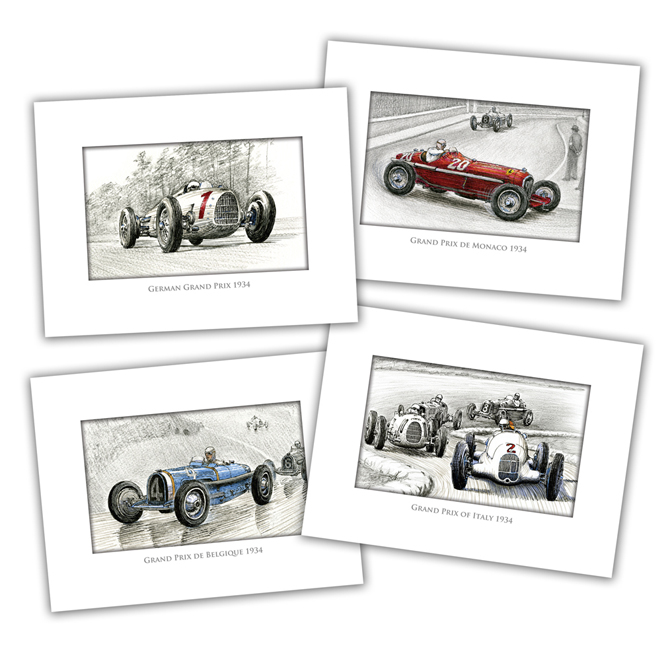
1934 GP Season Card set, Paul Chenard

Set 3 1934 Season

1950s Grand Prix Engines

Set 4 Grand Prix Engines of the 1950’s

or
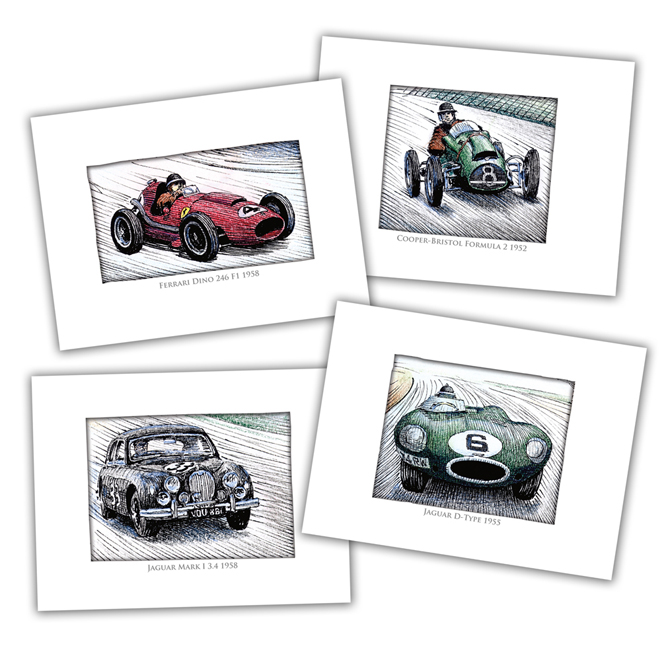
Mike Hawtorns racecars Card set, Paul Chenard

Set 5 Mike Hawthorn’s Race Cars

The Automobiliart GALPOT Seasonal Quiz will comprise 8 categories.

Overall winner chooses one set of Paul Chenard Greetings Cards from the five sets shown above.

The cards measure 15.24cm x 11.43cm, come in packs of 12 with 3 copies of 4 designs in each set, plus A6 envelopes.

Which set will you choose ?

The free to enter Automobiliart GALPOT Seasonal Quiz will run from December 26th – January 2nd Entries close January 8th 2012, Winner announced January 16th 2012.

Full details on December 26th at GALPOT.

Looking for Automotive Seasonal Gift Idea’s? Visit Automobiliart Now !
Share

Awful In Everyway ? – Ferrari 400i

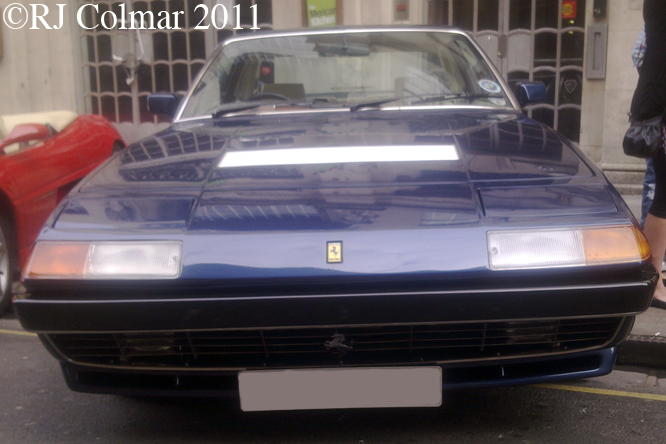
Allegedly an oafish TV presenter of a well known pseudo comedy motoring program who probably couldn’t tell you the difference between a gear knob and a knob of butter once described the Ferrari 400 as ‘awful in everyway’.

Ferrari 400i, Bristol IAMF

Personally I don’t see how any car with a chassis that owes it’s heritage to the Ferrari Daytona and with a Ferrari V12 engine, no matter how strangled to meet emissions regulations, can be awful in any way.

Ferrari 400i, Bristol IAMF

Certainly the 400i body, designed by Pininfarina, is not as appealing as the GTC and Daytona models that preceeded it but IMHO it’s seventies boxiness is a good deal less retro and a good deal more appealing than the mindset of the oaf described in the opening paragraph.

Ferrari 400i, Bristol IAMF

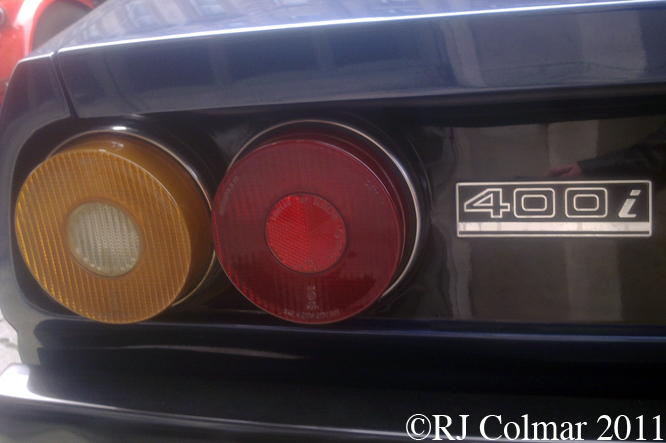
The coupé was first launched as the 365 GT 2+2 in 1972, by 1976 that model was re badged the 400 which became the 400i in 1979, when this particular car seen at Bristols Italian Auto Moto Festival was built. The ‘i’ denotes fuel injection which was fitted in place of the previous carburetors.

Ferrari 400i, Bristol IAMF

Although compliant with US regulations, unlike the 365 GT4 Berlinetta Boxer, none of the 422 manual GT or 883 Automatic 400i variations, or indeed any Ferrari 400 models were officially imported into the United States, doubly surprising since the 400 was the first Ferrari to be offered with automatic transmission.

Thanks for joining me on this fuel injected edition of ‘Gettin’ a li’l psycho on tyres’, I hope you’ll join me again tomorrow. Don’t forget to come back now !
Share

Ciao Enzo – Ferrari F40

Today’s Ferrari Friday blog is dedicated to the person who first suggested Ferrari Friday blogs to me many months ago, Jr Cracker, otherwise known to me as Mike who’s Birthday it is tomorrow.

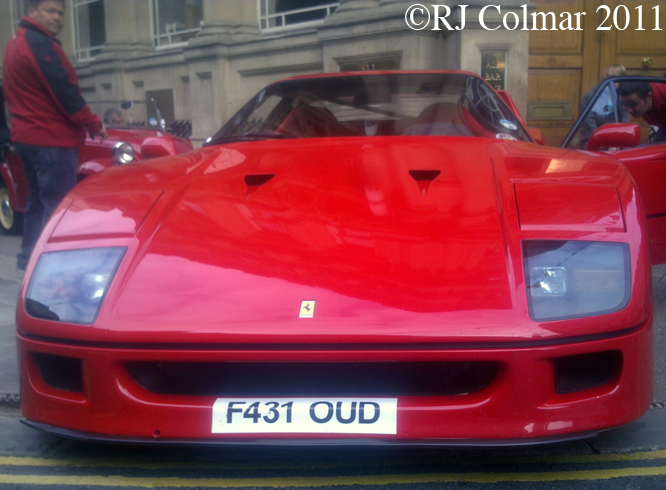
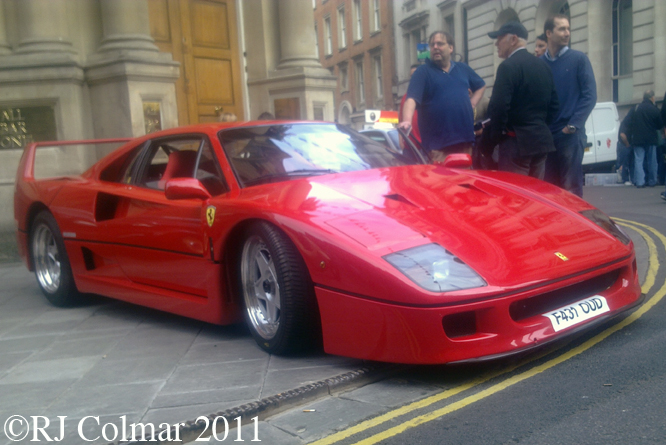
Ferrari F40, Bristol IAMF

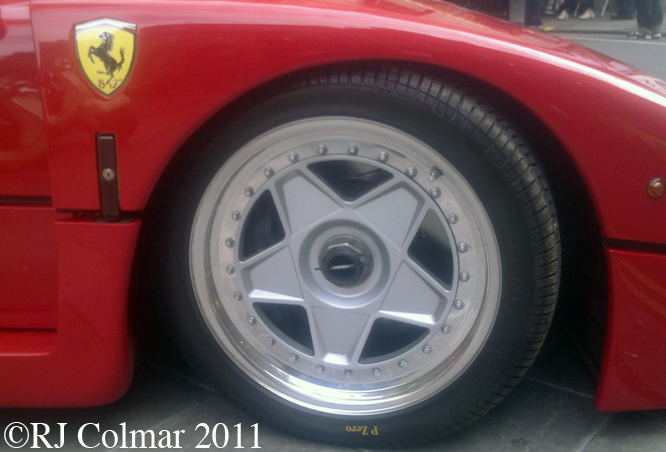
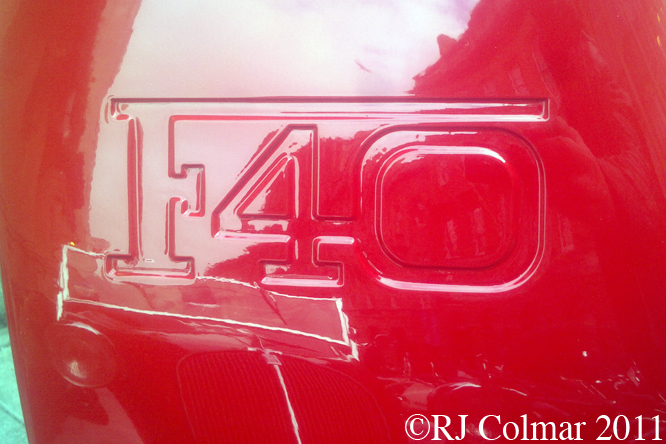
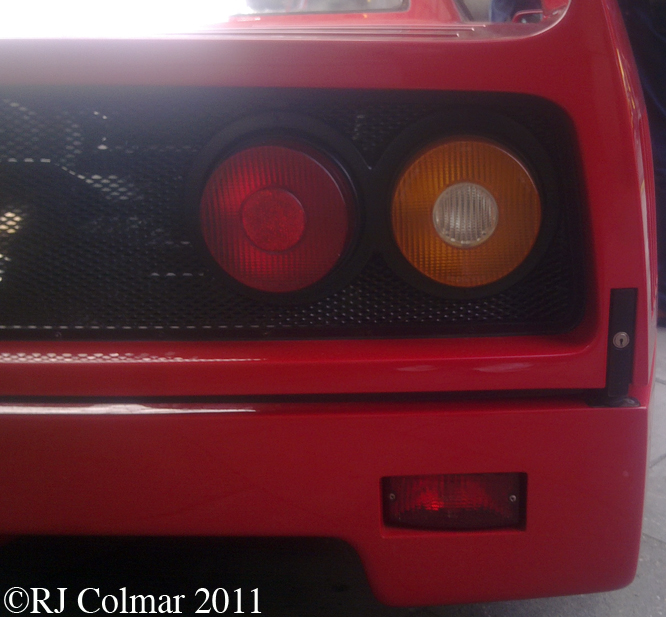
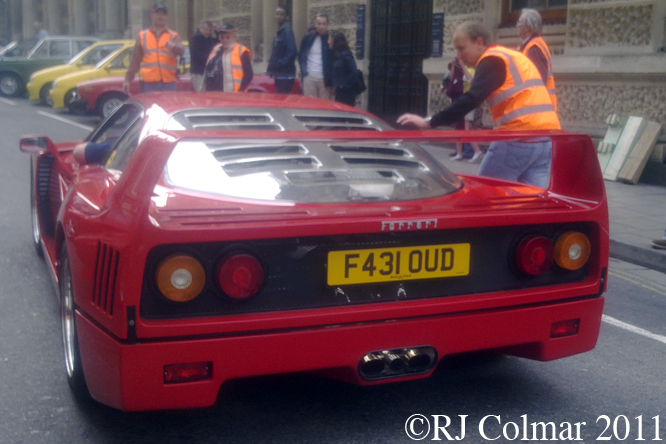
The Ferrari F40 what was technical tour de force intended to bring together 40 years of learning and achievement in one road vehicle to celebrate the first 40 remarkable years in the story of Ferrari S.p.A.

Ferrari F40, Bristol IAMF

With a tested 200 mph capability the F40 held the title of worlds fastest production car, when it was launched in 1987, to underline it’s technical superiority.

Ferrari F40, Bristol IAMF

The F40 was not only the companies most powerful and fastest car, but at US$ 400,000 in 1987, it was also the most expensive car Ferrari had ever offered for sale.

Ferrari F40, Bristol IAMF

1,315 examples of this type were manufactured between 1987 and 1992 the last of them selling for a rumoured US$1.6 million.

Ferrari F40, Bristol IAMF

Many of the technical specifications were advanced from the Ferrari (288) GTO including the twin turbo V8 engine which in this application was increased to 3 litres / 183 cui producing 470 hp.

Ferrari F40, Bristol IAMF

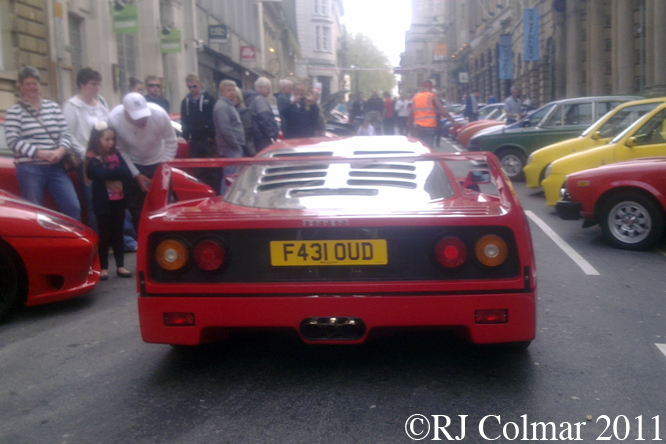
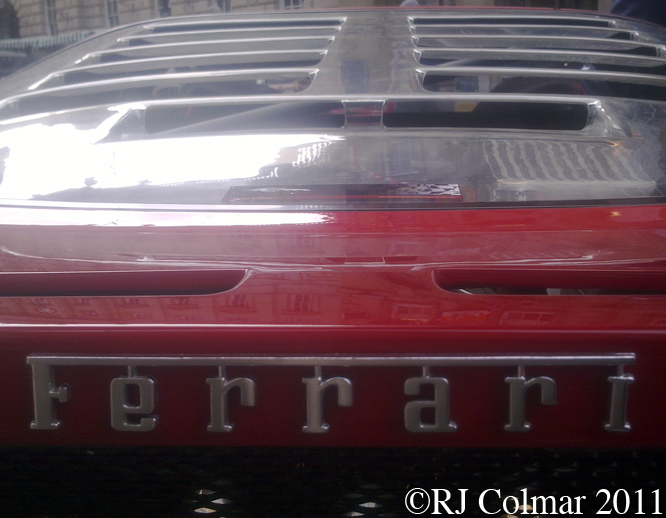
Keeping such a powerful motor cool in such a small vehicle required ventilation through the rear screen.

Ferrari F40, Bristol IAMF

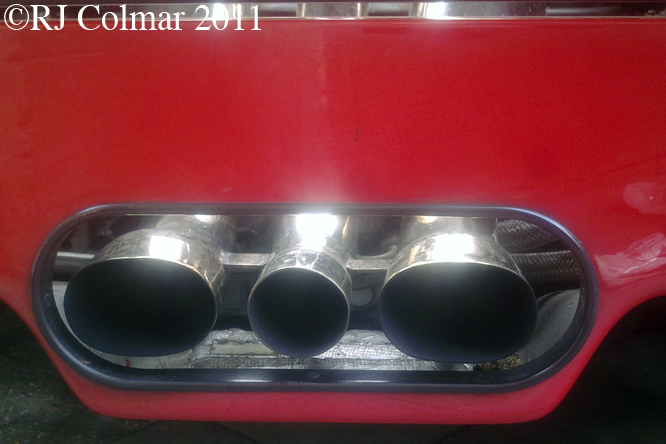
Until 1990 F40’s like this particular 1989 example, seen at the Italian Auto Moto Festival, were bereft of power sapping catalytic converters.

Ferrari F40, Bristol IAMF

During Bonneville Speedweek 2006 Amir Rosenbaum recorded a top speed of 226 mph in his lightly modified F40, standard versions could reach 120 mph in just 11 seconds faster than both the Lamborghini Countach and Porsche 959 which were it’s main competitors.

Ferrari F40, Bristol IAMF

Enzo Ferrari knew when setting out the specifications of the F40 that this would be his final engineering statement and it was indeed the last vehicle bearing his own name that he was to commission before his death aged 90 in August 1988.

Thanks for joining me on the F40 Edition of ‘Gettin’ a lil’ psycho on tyres’, I hope you will join me again tomorrow. Don’t forget to come back now !
Share

Baby Testarossa – Ferrari 348 TS

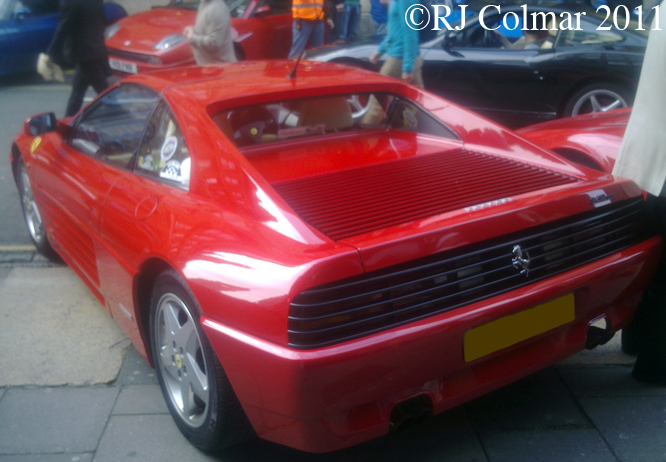
On Monday I looked at the GMC Syclone that was faster than a Ferrari, up to the 1/4 mile, today I am looking at the Spyder version of the Ferrari 348 that Car & Driver pitted the Syclone against in a road test.

Ferrari 348ts, BIAMF

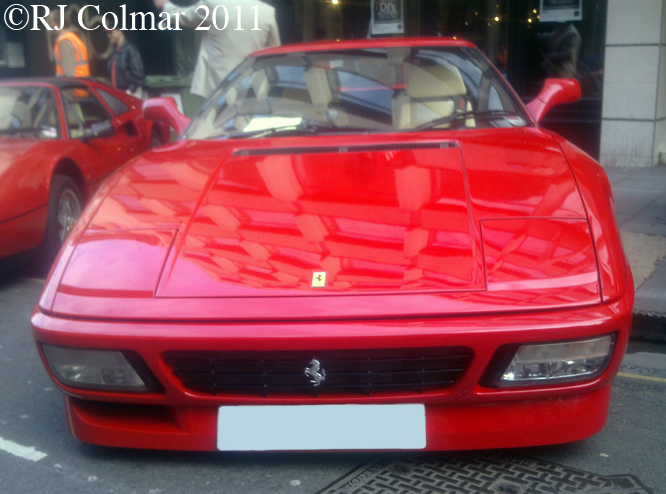
The Ferrari 348 replaced the Ferrari 328 in 1989,

Ferrari 348ts, BIAMF

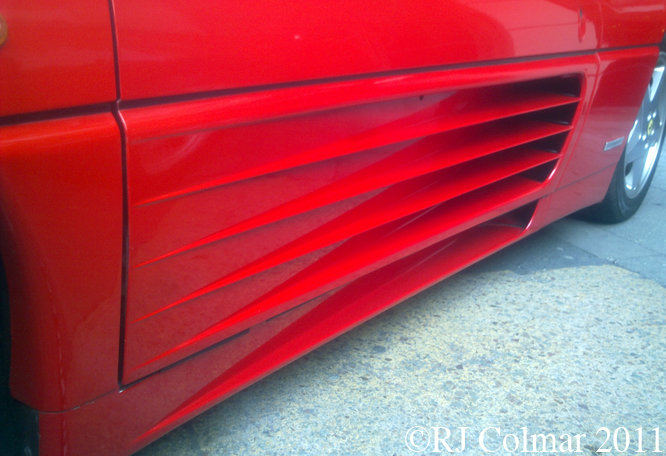
taking many of it’s striking styling queues from the Testarossa launched in 1984. The side mounted radiators meant passengers did not get toasted by the radiator pipes that ran alongside the cabin of the earlier 328 which featured a radiator mounted in the nose.

Ferrari 348ts, BIAMF

The 300 hp V8 motor was mounted longitudinally with a transverse gearbox ahead of the rear wheels, the opposite configuration of the earlier 328 which featured a transverse V8 engine and longitudinal gearbox.

Ferrari 348ts, BIAMF

While the Syclone proved faster than the 348 up to the 1/4 mile it soon ran out of puff when it reached 126 mph meaning this is the view Syclone drivers would get of the Ferrari as it powered up to 166 mph in a straight race.

Ferrari 348ts, BIAMF

8844 of these vehicles were produced from 1989 to 1995.

Thank for joining on this Ferrari Friday edition of ‘Gettin’ a lil’ psycho on tyres’, I hope you will join me again tomorrow. Don’t forget to come back now !
Share